Sealed Oil Transformer Buying Is an Engineering Decision, Not a Catalogue Search
A sealed oil transformer is a liquid-filled distribution or power transformer whose tank is welded and sealed after vacuum processing, with a controlled gas cushion or headspace instead of a conventional conservator and breather. That design change reduces oxygen and moisture ingress, slows oil oxidation and lowers routine maintenance. For wholesale buyers sourcing from China, the real competitive advantage is not simply a lower unit price; it is a verified loss guarantee, traceable test documentation, standards alignment and total installed cost that can be defended in an audit, tender review or utility approval process.
What the sealed tank changes
The oil is isolated from atmospheric breathing. Less moisture and oxygen means slower paper ageing, more stable dielectric strength and fewer breather or silica-gel service routines. Sealed construction is especially relevant for coastal humidity, underground distribution, high-dust environments and renewable sites where maintenance windows are expensive.
Where sealed oil wins
Typical fit is utility distribution, pad-mounted commercial service, solar and wind collection systems, data-center yards, industrial plants and export replacement projects. Where flammable fluid is restricted indoors, a dry-type option may be better; where outdoor reliability and high efficiency are priorities, sealed oil remains a strong life-cycle choice.
What to compare beyond price
Ask for guaranteed no-load and load losses, impedance, temperature rise, vector group, tap range, sound level, pressure-leak test records and routine test reports. A lower-priced unit with weaker loss performance can cost more over 20–25 years once loss capitalization and maintenance risk are included.
How procurement can de-risk
Use a specification review before quotation, approve GA drawings before production, and require serial-numbered test reports. Third-party witness inspection is welcome. This workflow protects delivery schedules, simplifies customs and utility acceptance, and makes comparison between China suppliers more objective.
Eight Factory-Direct Transformer Options for Global Procurement
These eight representative models cover sealed oil pad-mounted distribution, oil-immersed power supplies, loop-feed industrial units and adjacent dry-type options. Product URLs are preserved for direct technical review. Ratings, frequency, voltage ratios, losses, bushings, enclosure finish and nameplate language can be customized for project specifications.
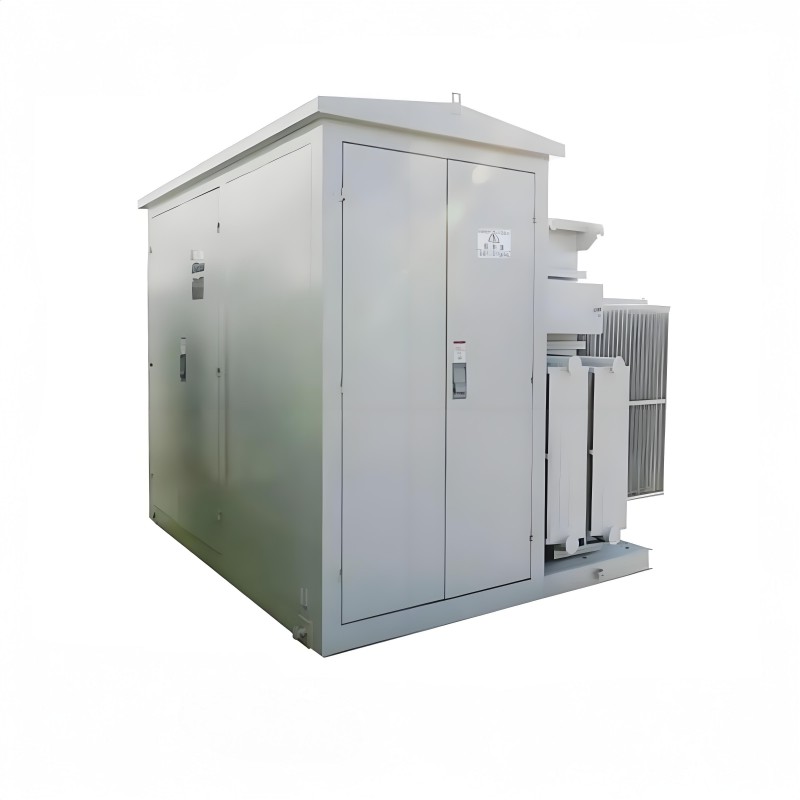 ANSI / CE
American Standard /C Certification 75-2500KVA Oil Type Three Phase 13.8KV Pad Mount Transformers for Power Generation
For power generation, utility interconnection and commercial pad-mounted distribution requiring American-style construction and flexible sealed oil design.
- Rating75–2500 kVA
- Voltage13.8 kV class
- UsePower generation
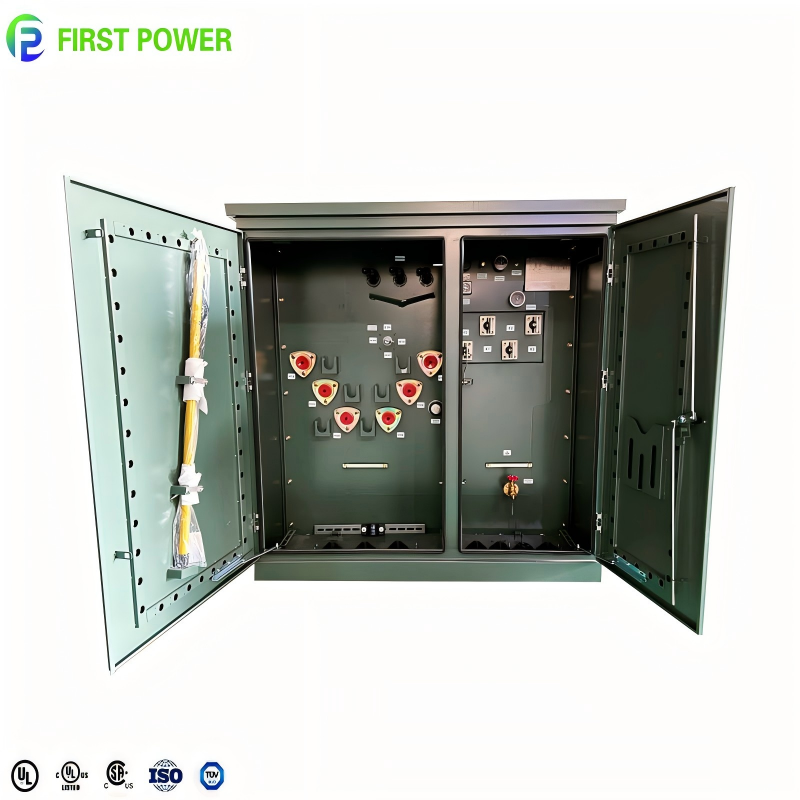 ZGS11
/C ZGS11 50/60HZ 75KVA-50000KVA 6KV 10KV 15KV 20KV 35KV Three Phase Pad Mounted Transformer for Electric Power Distribution
ZGS11 series pad-mounted distribution transformer with wide kVA and voltage coverage for utility networks and underground distribution programs.
- Rating75 kVA–50000 kVA
- Primary6–35 kV
- Frequency50 / 60 Hz
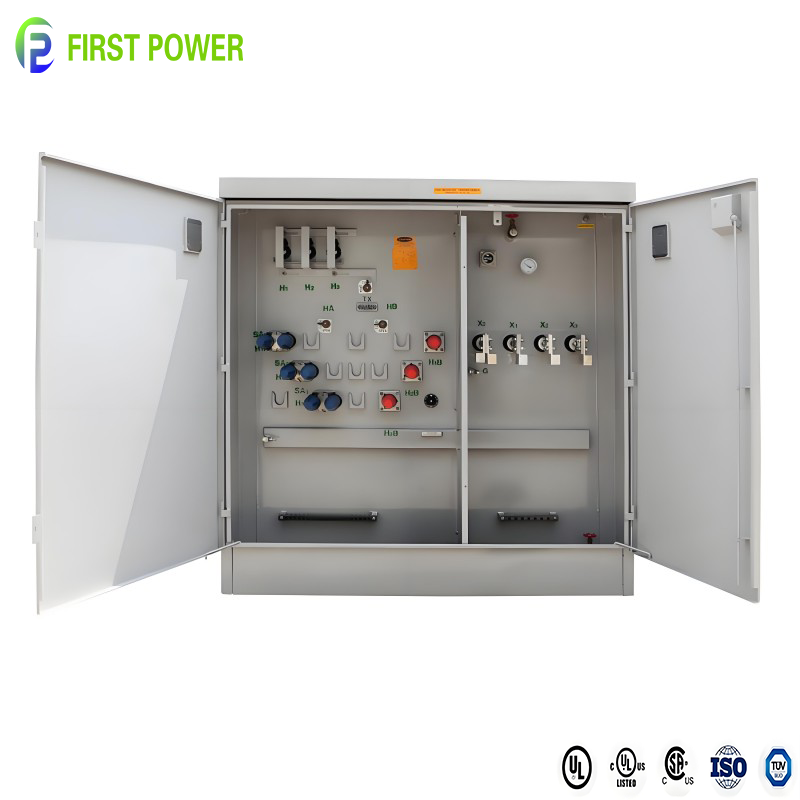 Loop Feed
C CE MV&HV 50/60HZ 300KVA 500KVA 630KVA 700KVA 10KV 15KV 20KV 35KV 3 Phase Loop Feed Pad Mounted Transformer for Industrial
Loop-feed industrial pad-mounted transformer for manufacturing plants, campuses and distribution nodes requiring reliable MV/HV isolation.
- Rating300–700 kVA
- Primary10–35 kV
- FeedLoop feed
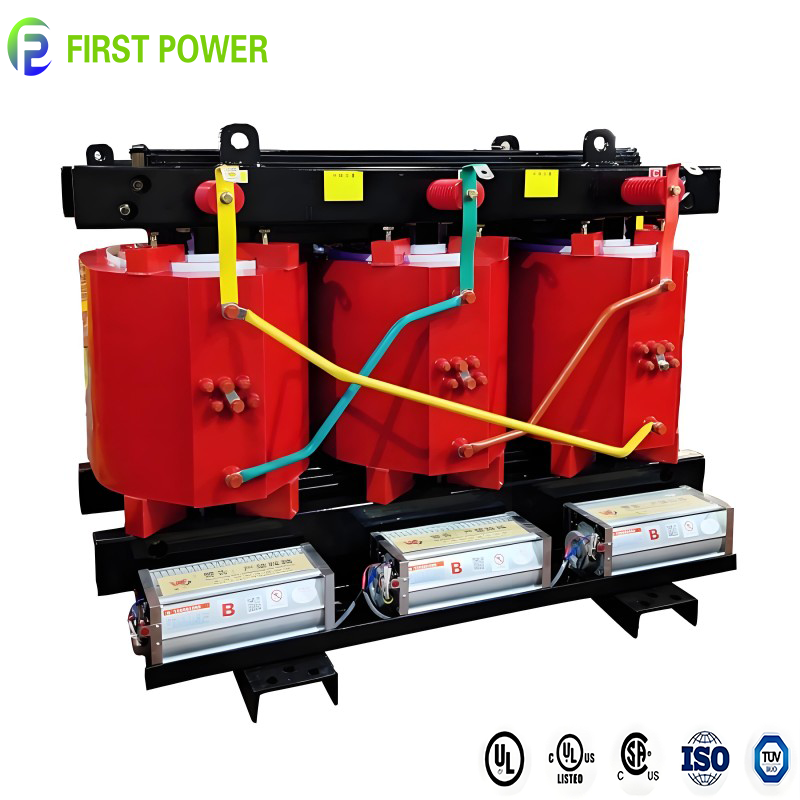 Dry Type
C CE Certification IEEE Standard 50/60HZ 5MVA 6MVA 6KV 35KV 3 Phase Dry Type Transformer for Electric Power Distribution
Dry-type distribution option for indoor, fire-sensitive or oil-restricted locations where cast-resin safety and oil-free operation are required.
- Rating5–6 MVA
- Voltage6–35 kV
- UseIndoor distribution
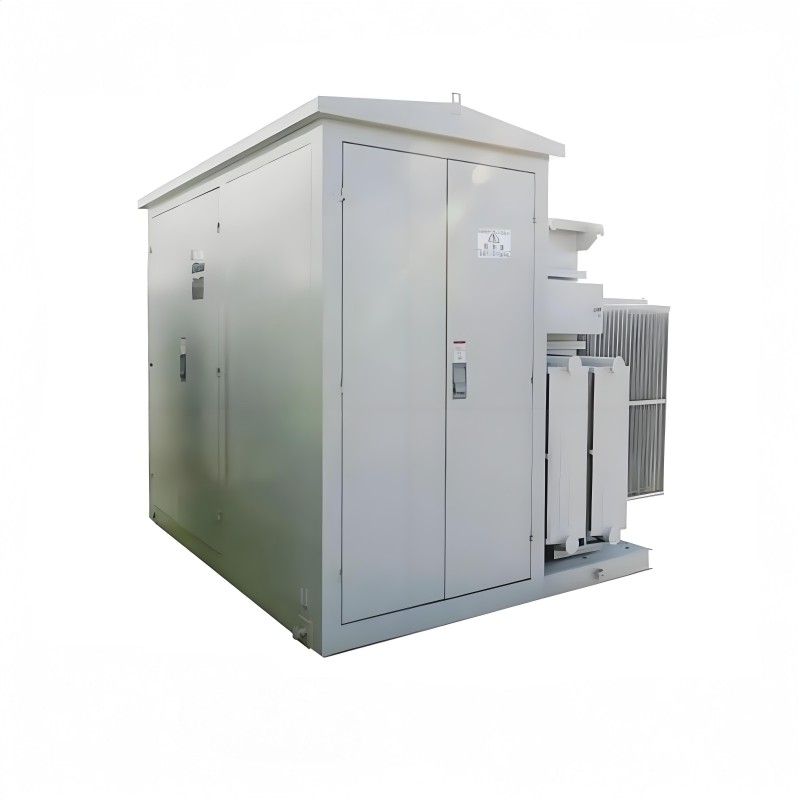 3000 kVA
American Standard /C Certified 3000kva 34.5kv/480v Oil Type Pad Mounted Transformer 60 Hz 10kv Input 380v 440v Output
High-capacity American-standard pad-mounted sealed oil transformer for 60 Hz projects requiring 34.5 kV class input and low-voltage output options.
- Rating3000 kVA
- Voltage34.5 kV / 480 V
- Frequency60 Hz
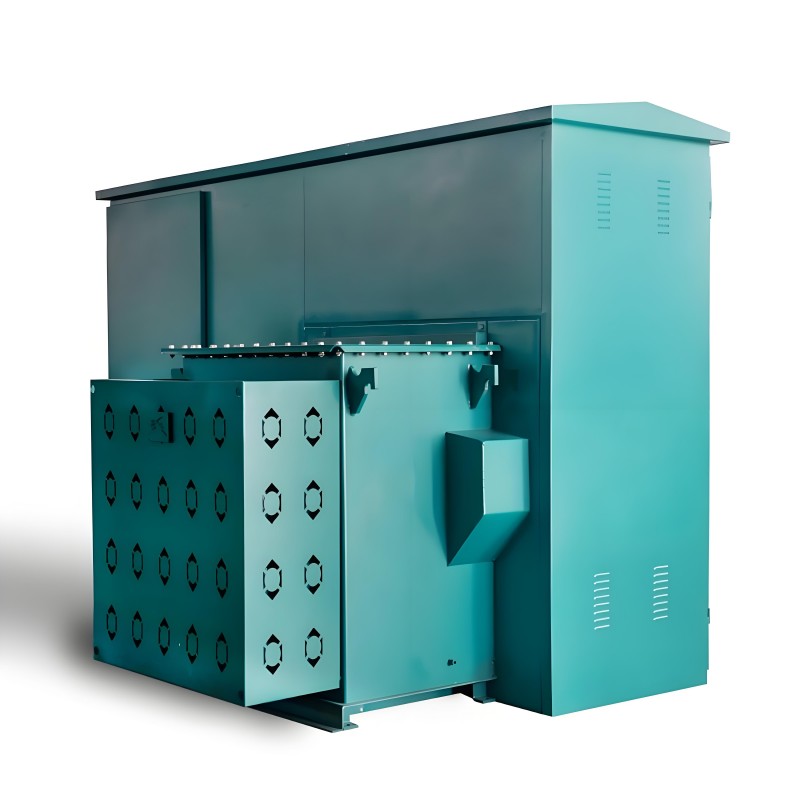 Dead Front
/C Certified Oil-Type Cooper 75-2500kva Pad Mounted Transformer 6kv-34.5kv 50/60hz Dead Front Three Phases
Dead-front three-phase pad-mounted design for utilities and commercial networks that require safer accessible compartments and sealed oil reliability.
- Rating75–2500 kVA
- Voltage6–34.5 kV
- DesignDead front
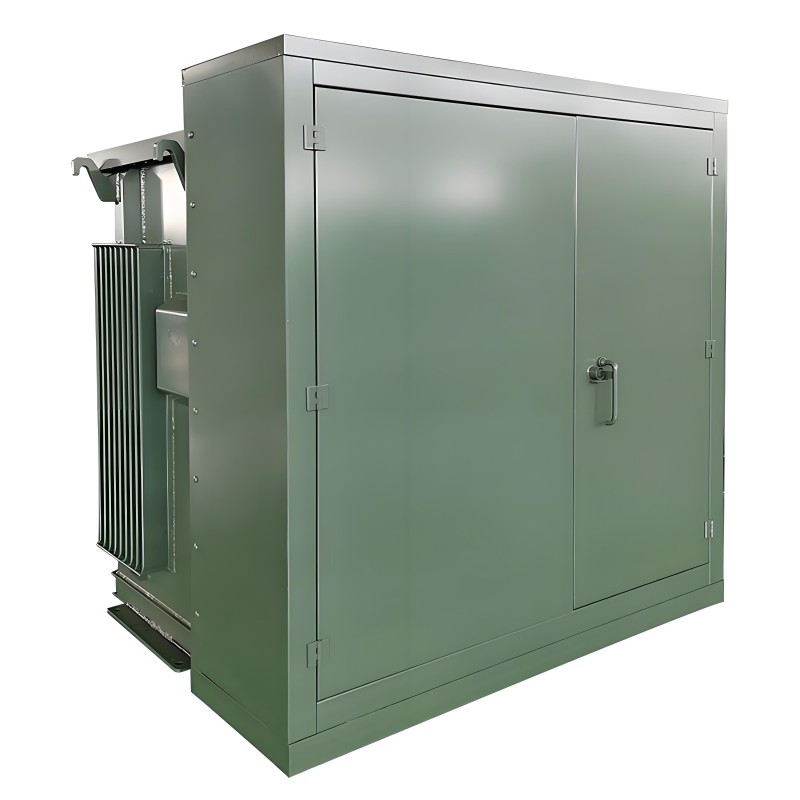 480 V Output
/C Certified 75-2500KVA Oil Type Three-Phase Pad-Mounted Transformer 480V Output Voltage 35KV Input Voltage 50/60HZ
Export-oriented sealed oil pad-mounted transformer for 480 V distribution systems, with 35 kV class input and 50/60 Hz configuration.
- Rating75–2500 kVA
- Voltage35 kV / 480 V
- Frequency50 / 60 Hz
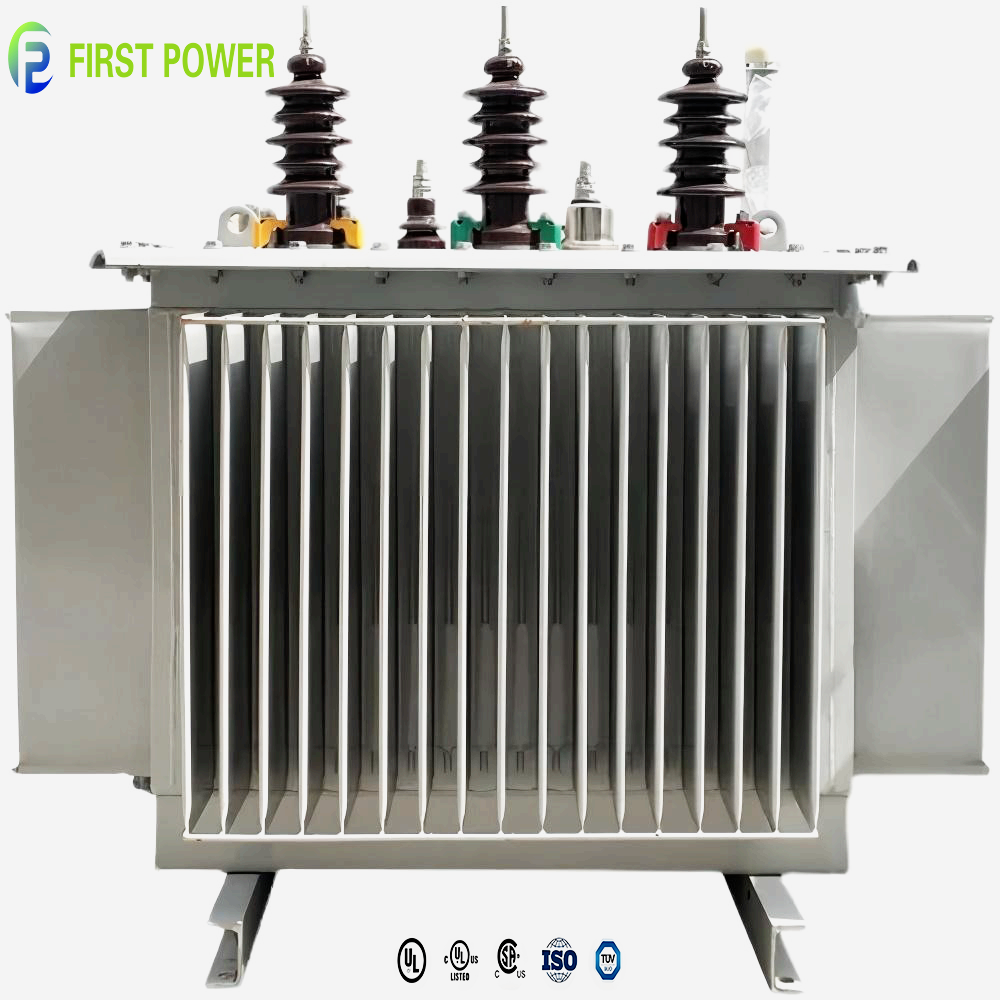 S11 Series
/C Certification 60HZ S11 Three Phase 10KV 35KV 500 KVA 22KV/0.4KV 50HZ Electric Oil Immersed Transformer for Power Supplies
S11 oil-immersed distribution transformer for power supplies requiring proven low-loss performance, flexible 10/35 kV input and 0.4 kV output.
- Rating500 kVA
- Voltage22 kV / 0.4 kV
- Frequency50 / 60 Hz
Inside the Sealed Tank: Four Details That Decide Long-Term Reliability
Sealed oil construction is only as good as the manufacturing details behind it. Procurement teams should ask for evidence, not adjectives. The four engineering areas below are where experienced buyers separate a robust wholesale transformer from a low-cost catalogue unit.
Tank, weld and pressure integrity
A sealed tank must be leak-tested after welding and oil filling. Ask for pressure-leak test records, weld quality control, gasket compatibility and corrosion protection suitable for the installation environment. Coastal, desert and solar-site conditions can demand higher corrosion class, UV-resistant paint and sealed cable compartments.
Core, winding and loss strategy
CRGO silicon steel, amorphous core options, copper winding, flux density and clamping design all influence no-load and load losses. A compliant quotation should state guaranteed losses, impedance and sound level. In wholesale comparison, request loss capitalization using your local energy price to expose the true 20–25 year cost of a cheaper unit.
Thermal and dielectric coordination
Ambient temperature, altitude, cooling method, temperature rise, insulation level and BIL must be coordinated. A sealed oil unit can be highly reliable, but only when its thermal design matches real load profiles and site conditions. For renewable and data-center projects, cyclic loading and harmonic content should be reviewed with the transformer engineer.
Routine tests and serialized reports
Every unit should receive winding resistance, ratio and vector group, impedance and load loss, no-load loss and current, applied voltage and induced voltage tests, plus oil dielectric strength for oil-filled units. Serial-numbered reports and third-party witness inspection reduce acceptance risk and support utility documentation.
Sealed Oil vs Conservator Oil vs Dry Type: A Procurement Selection Matrix
Use this matrix for early-stage screening. Final selection should still be confirmed against local grid codes, fire regulations, site altitude, ambient temperature, load profile and utility preferred standards.
| Transformer design | Typical application | Maintenance profile | Environmental fit | Procurement question to ask |
|---|---|---|---|---|
| Sealed oil pad-mounted transformer | Utility distribution, commercial pads, solar farms, data-center yards, renewable collection | Lower routine breathing maintenance; oil testing and visual inspection remain important | Outdoor, humid, coastal, underground-feed and high-dust sites | What pressure-leak test and guaranteed losses are documented? |
| Conventional conservator oil transformer | Large distribution and power transformer applications where oil access and monitoring are planned | Breather, silica gel and oil monitoring routines are more visible | Substation and industrial sites with planned maintenance resources | How is moisture ingress controlled and documented over life? |
| Cast-resin dry-type transformer | Hospitals, high-rise buildings, tunnels, indoor plants and fire-sensitive areas | No oil handling; cleanliness and ventilation management are essential | Indoor or oil-restricted areas with good ventilation | Does the enclosure, IP rating and thermal design match the room? |
Wholesale note: if the project is outdoor and loss capitalization is significant, a sealed oil transformer is usually the stronger life-cycle choice. If the equipment must sit indoors near occupied areas, a dry-type transformer can reduce fire and fluid-handling concerns.
Which Sealed Oil Transformer Fits Your Project?
Rather than asking every supplier for the same “best price”, define the application first. This application map helps utilities, EPCs and distributors shortlist the right product family before requesting a formal quotation.
Utility distribution
Choose ZGS11-style pad-mounted units from 75–2500 kVA with 6–35 kV primary voltage, loop or radial feed and dead-front access. Prioritize low losses, pressure-leak verification and utility-approved protection coordination.
Renewables and data centers
Solar, wind and data-center projects often need 300–3000 kVA pad-mounted transformers with low loss, high corrosion protection and faster commissioning. Sealed oil construction reduces breathing-related maintenance in remote or high-utilization sites.
Industrial and commercial
Factories, campuses and commercial buildings can use sealed oil pad-mounted units where outdoor space is available. For indoor electrical rooms, fire-sensitive zones or oil-restricted sites, consider cast-resin dry-type options such as the 5–6 MVA series.
Export replacement and standard localization
Projects outside China often require 60 Hz, ANSI/IEC dual compliance, 34.5 kV or 480 V outputs, dead-front compartments and English nameplates. Confirm vector group, impedance and bushing layout against the existing single-line diagram.
China Wholesale Sealed Oil Transformer Procurement Trends
Buying behavior is shifting from “lowest unit price” to “lowest verified life-cycle risk”. The following signals are visible across utility tenders, EPC procurement packages and distributor replenishment programs.
TCO and loss capitalization dominate
Buyers increasingly score no-load and load losses against local energy prices. A slightly higher factory price can pay back quickly when transformers run continuously. The quotation should separate guaranteed losses, impedance and auxiliary power so the comparison is transparent.
Audit-ready documentation is expected
Utility buyers want GA drawings, approved nameplates, routine test reports, pressure-leak records and O&M manuals. The ability to provide serial-numbered documents in English is becoming a qualifying criterion, not an afterthought.
Standard localization replaces generic export
Projects now specify ANSI/IEEE, IEC 60076, local grid codes, 50 Hz or 60 Hz, preferred vector groups, 480 V or 400 V outputs and specific protection schemes. China wholesale suppliers must engineer to the destination market, not simply ship a domestic model.
Supply resilience and factory verification
Distributors and EPCs are reducing single-source risk by auditing suppliers, requesting third-party inspection and confirming production floorspace, certification validity and sub-supplier control. Verified factory data is replacing unverifiable marketing claims.
Sealed Oil Transformer Design Trends Shaping the Next Procurement Cycle
The next generation of sealed oil transformers will be judged not only by kVA and voltage, but by loss performance, fluid choice, digital documentation readiness and how easily the unit integrates into compact substations and renewable networks.
Low-loss cores and high-efficiency designs
Utilities and data centers are tightening loss evaluation. Amorphous cores, high-grade CRGO, optimized winding geometry and improved cooling will continue to differentiate suppliers. Procurement teams should compare guaranteed losses, not only nameplate efficiency claims.
Natural ester fluids and circularity
Natural ester and biodegradable insulating fluids are gaining attention for fire safety and environmental positioning. They require compatible gaskets, oil processing and thermal review. Buyers should request fluid certificates and confirm test parameters before approving an ester-filled sealed tank design.
Sensors, monitoring and digital twin readiness
Sealed transformers can be prepared for temperature, pressure, oil-level and partial-discharge monitoring. Even if sensors are not included initially, buyers should ask for accessory space, wiring provisions and documentation that supports future digital-twin or condition-monitoring integration.
Compact substation integration
Prefabricated compact substations combine MV switchgear, transformer and LV distribution for faster site commissioning. Sealed oil transformers must be designed for enclosure ventilation, cable access and maintenance clearances. This integration trend is especially relevant for renewables and urban network upgrades.
Why Wisegj Is a Lower-Risk China Wholesale Partner
Jiangsu Wisegj Power Co., Ltd. supports utilities, EPCs, distributors and industrial buyers with transformer engineering from 220 V up to 500 kV. The advantage is not just product range; it is the ability to combine verified production, standards-based design, export documentation and responsive engineering support in one supply chain.
20+ years of transformer experience
The team brings more than two decades of hands-on transformer experience, with 50+ R&D and technical engineers supporting specification review, drawings, loss optimization and project documentation. Voltage coverage reaches 500 kV class for high-voltage applications.
Verified production floorspace
A 6,847 m² production base has been inspected by TÜV Rheinland, an independent third-party inspection body. Dedicated winding, core assembly, drying, tanking and test areas support consistent output for wholesale programs and project orders.
Management systems and CE certificates
Production operates under ISO 9001, ISO 14001 and ISO 45001 management systems. Product lines hold CE certifications for oil-immersed power transformers, dry-type transformers, compact substations and related equipment, with certificate numbers available for verification.
211 qualified supply-chain partners
A qualified supplier network for silicon steel, copper, bushings, insulation, tanks and accessories helps stabilize lead times and reduces material risk. For OEM and distributor programs, this supply depth supports repeatable quality across batches.
OEM / ODM and 24-hour response
OEM, ODM, design-based and sample-based customization are available, including vector group, impedance, tap range, bushings, cooling method, enclosure color and nameplate language. Technical and after-sales questions receive qualified response within one working day.
Export execution and global support
Seaworthy packing, shock indicators and complete shipping documents support delivery to the Americas, Europe, Africa, the Middle East and Asia. Trade terms include FOB, CFR, CIF, EXW, FCA, CIP, CPT and DDP, with T/T, L/C and other payment options.
Quality Control and Documentation Workflow
Every wholesale transformer order follows a documented path from specification approval to export packing. This structure protects both technical compliance and delivery certainty.
Specification and drawing review
Engineers verify rating, voltage ratio, frequency, vector group, impedance, losses, site ambient, altitude and standard requirements before quotation.
Controlled production
Core assembly, winding, drying, oil processing and tanking follow work instructions and in-process inspection checkpoints.
Routine testing and witness inspection
Each unit receives routine tests with serial-numbered reports. Third-party witness inspection is welcome for utility and EPC projects.
Packing, documents and shipment
Export crating, impact recorders, packing lists, test reports, nameplates and O&M documents are prepared before dispatch.
Sealed Oil Transformer Wholesale Questions, Answered
These are the questions most often raised by utilities, EPC contractors, distributors and project buyers before a sealed oil transformer quotation is finalized.
What exactly is a sealed oil transformer?
Can you supply 50 Hz or 60 Hz and both ANSI and IEC designs?
Which tests are performed before shipment?
Can the transformer be customized for our project?
What lead time, shipping terms and payment methods are available?
How do we choose between sealed oil and dry type?
Send Your Single-Line Diagram and Get a Compliant Sealed Oil Transformer Quotation
Share the rating, primary and secondary voltage, frequency, vector group, impedance, loss target, installation environment and expected delivery schedule. Our engineering team will review the specification, confirm the suitable product family and provide a factory-direct quotation with test and documentation scope.