Searching for China wholesale dry type transformer factories is easy; validating one is not. The stronger sourcing decision is based on insulation system, loss performance, routine test evidence, certificate traceability, grid-code fit and the factory's ability to support drawings, witnessing and export documentation. This guide is prepared with the engineering and export experience of Wisegj and is structured for utility buyers, EPC contractors, distributors and industrial procurement teams.
Dry Type Transformer Selection Starts With the Installation Environment
A dry type transformer is normally chosen when the installation is indoors, close to occupied space, or in a fire-sensitive environment where an oil-filled unit would require additional separation, fire protection or containment. Cast-resin dry type transformers use an oil-free insulation system, so they are commonly evaluated for hospitals, commercial towers, data centers, metro and tunnel projects, manufacturing plants and renewable-energy infrastructure.
For wholesale buyers, the key is not simply to ask for a “dry type transformer price.” The specification should state the required kVA, primary and secondary voltage, frequency, vector group, impedance, tap range, cooling method, insulation class, enclosure protection, ambient conditions and applicable standard. A factory that can review these parameters against IEC 60076-11, CE requirements and project-specific grid codes will reduce clarification cycles and lower the risk of a non-compliant delivery.
- Confirm whether the transformer will operate indoors, outdoors, in a coastal area or at high altitude.
- Compare guaranteed no-load loss and load loss, not only the initial quotation price.
- Request routine test reports, partial discharge data where specified, and nameplate drawings for approval.
- Check whether the factory can supply cast-resin dry type, oil-immersed, pad-mounted and compact substation alternatives from one engineering review.
- Insulation systemCast resin / oil-free
- Typical capacity30 – 2,500 kVA
- Typical primary voltageUp to 35 kV
- Insulation classClass F / H
- CoolingAN / AF
- Core standardIEC 60076-11, CE
- Wholesale reviewDrawings + test reports
- CustomizationVector group, taps, enclosure
8 Transformer Products Buyers Evaluate With Dry Type Enquiries
The catalogue below retains the original product images and URLs. For projects that require a cast-resin dry type transformer, the same engineering team can review the specification alongside these oil-immersed, pad-mounted and distribution transformer families.
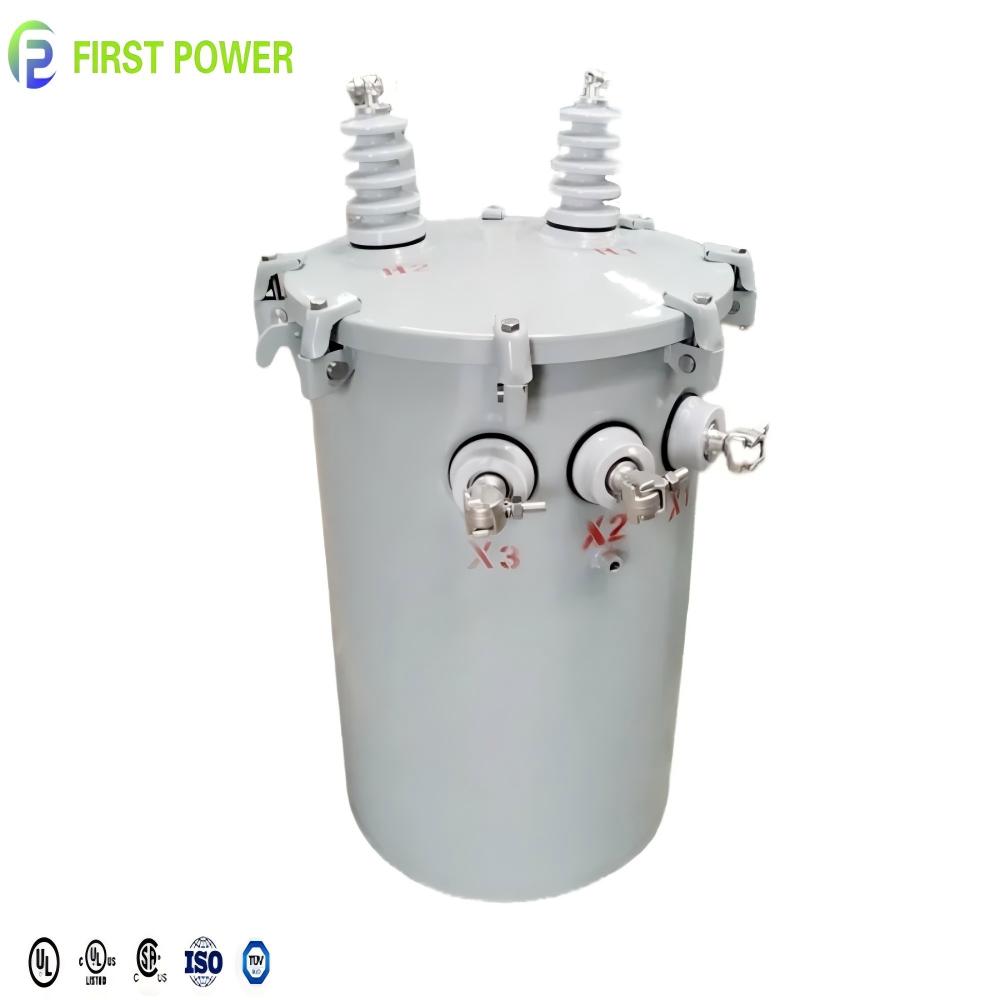
ANSI 50/60HZ 6KV 10KV 15KV 20KV 35KV 15KVA 25KVA 50KVA 100KVA Single Phase Pole Mounted Transformers for Industrial Power Supply
Single-phase pole-mounted platform for industrial and utility distribution, available with ANSI-oriented configurations and project-specific voltage ratios.
View product details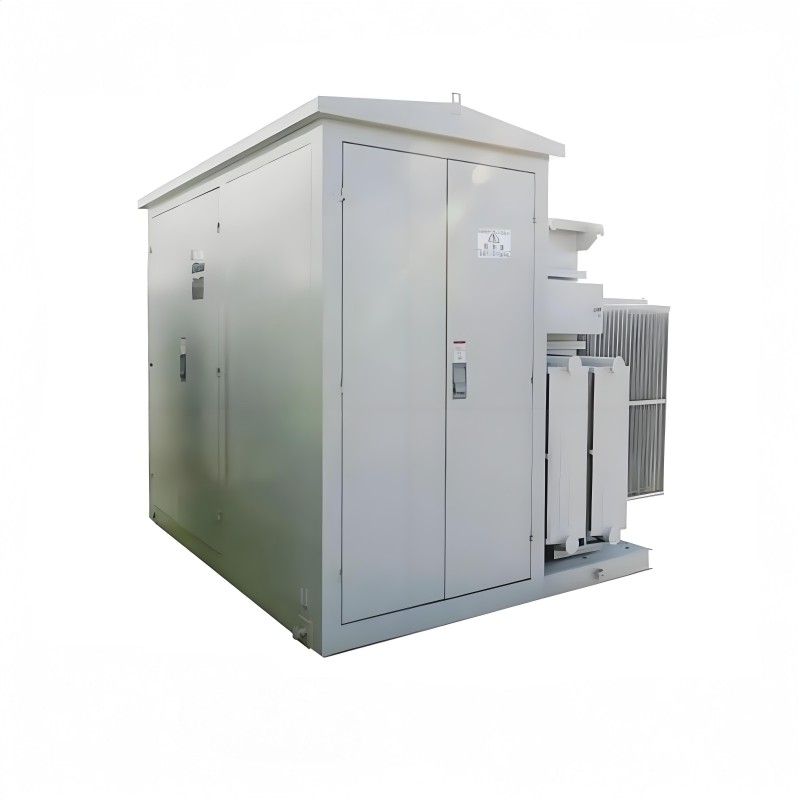
American Standard /C Certified 3000kva 34.5kv/480v Oil Type Pad Mounted Transformer 60 Hz 10kv Input 380v 440v Output
High-capacity pad-mounted unit for commercial, industrial and utility applications requiring 60 Hz configuration and enclosure-based installation.
View product details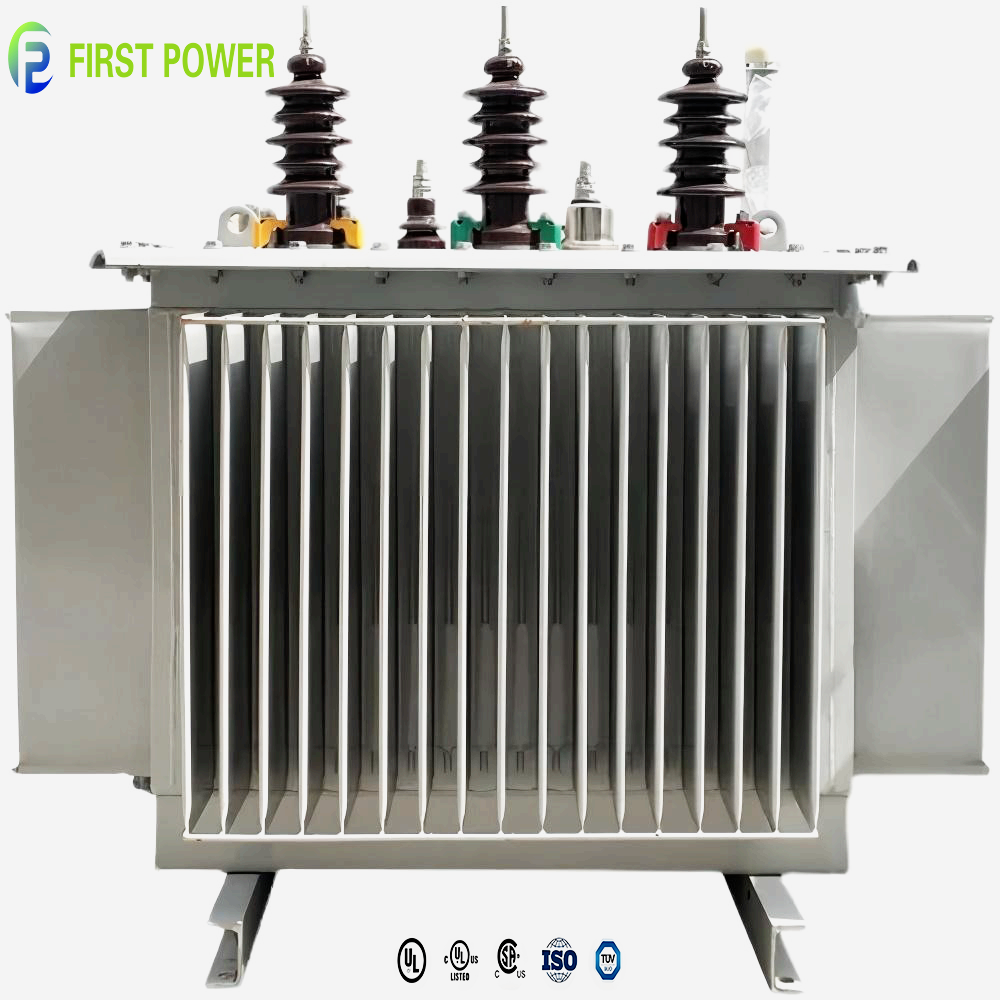
/C Certification 60HZ S11 Three Phase 10KV 35KV 500 KVA 22KV/0.4KV 50HZ Electric Oil Immersed Transformer for Power Supplies
S11 three-phase oil-immersed family for power supply projects, with flexible voltage combinations and factory routine testing before dispatch.
View product details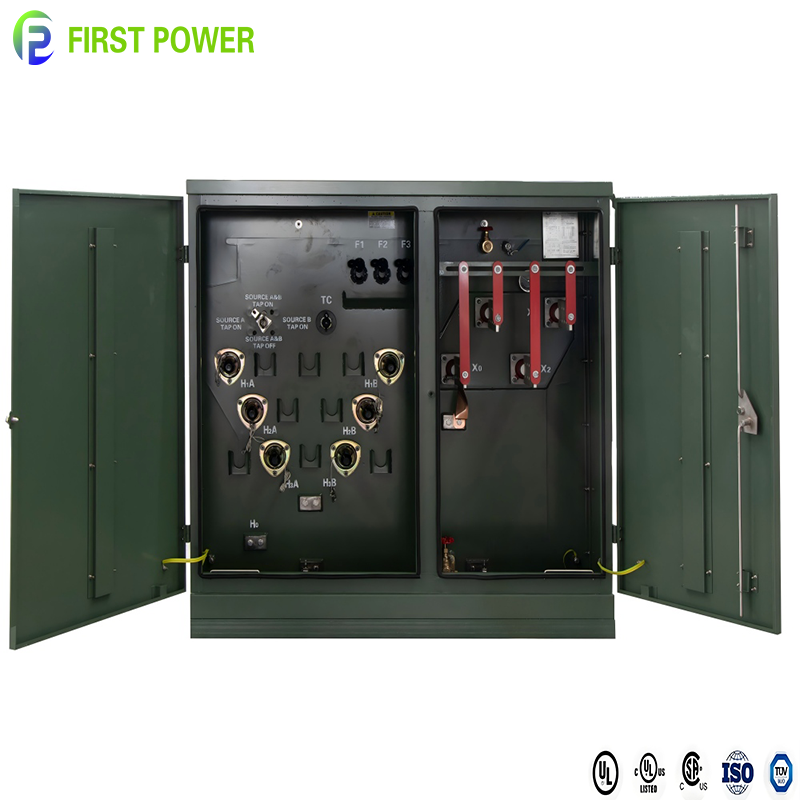
Listed C CE MV&HV 50/60HZ 6KV 10KV 15KV 20KV 35KV 3 Phase Pad Mounted Transformer Electrical for Industrial Power Supply
Three-phase pad-mounted transformer for industrial power supply, offering CE-oriented documentation for export projects and enclosure-based installation.
View product details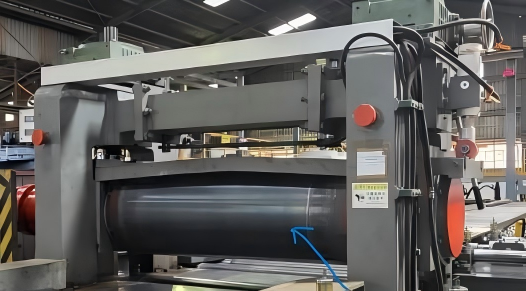
MAIN ROLLER D
Factory-listed roller component for production and material-handling support. Confirm drawing, material and dimensional requirements with the engineering team before ordering.
View product details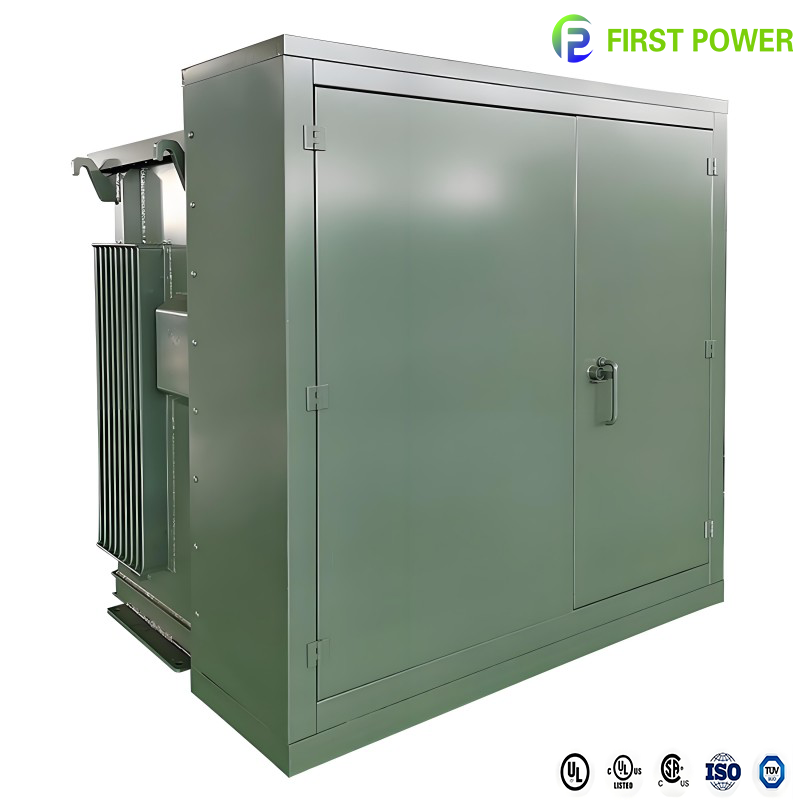
C CE MV&HV ZGS11 75-2500KVA 10KV 20KV 35KV Pad Mounted Three Phase Transformer for Electric Power Distribution
ZGS11 three-phase pad-mounted range for electric power distribution, covering medium voltage input and distribution-level capacities.
View product details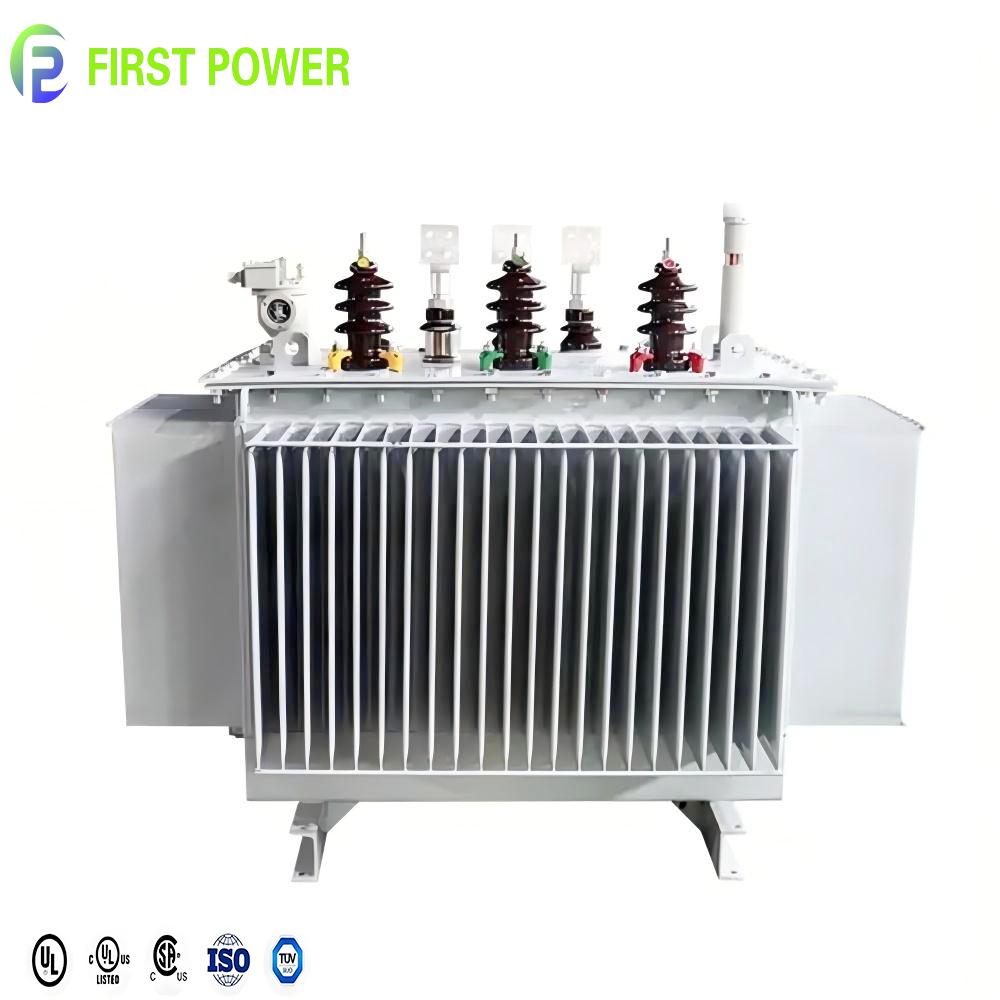
C CE S11 10KV 20KV 35KV 50KVA 100KVA 150KVA 200KVA 250KVA 3 Phase Oil-Immersed Transformer for Electric Power Distribution
S11 distribution transformer family for utility and industrial networks, with multiple capacity options and project-specific voltage ratios.
View product details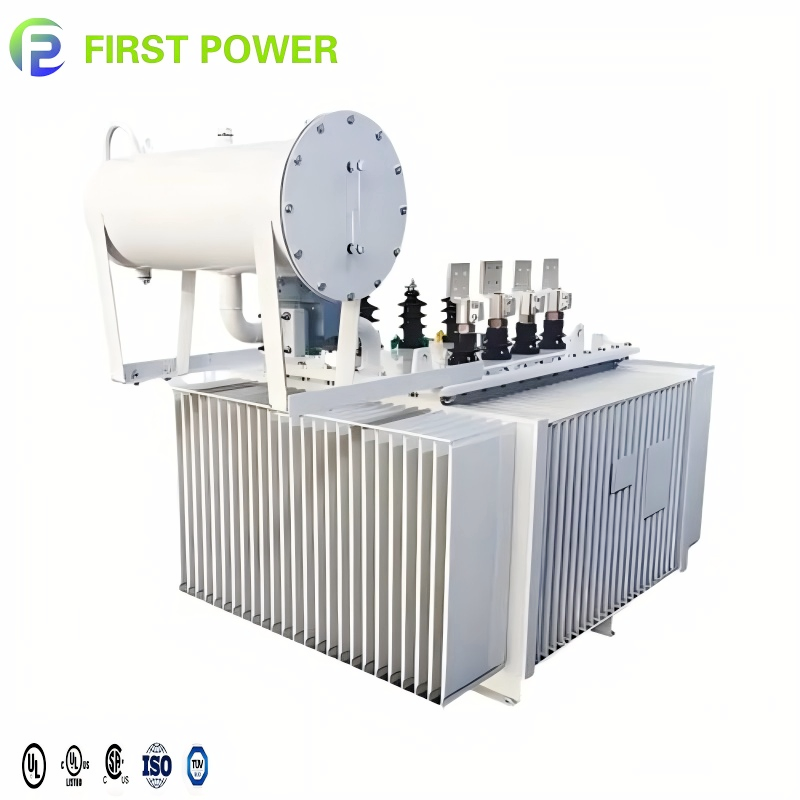
C CE 10KV 20KV 35KV 1000KVA 2000KVA 2500KVA 3 Phase Oil Type on Load Tap Changer Transformer for Industrial Power Supply
Oil-type on-load tap changer transformer for industrial power supply, suitable for projects needing voltage regulation under operating conditions.
View product detailsRecommended Dry Type Transformer Configurations by Application
Use this application map to shortlist the insulation, cooling and documentation package before requesting a formal quotation.
Hospitals & Healthcare
Prioritize cast-resin dry type transformers with low partial discharge, low noise, Class F or H insulation and enclosure protection suitable for indoor plant rooms. Request test data and temperature-rise information for approval.
Commercial Towers & Data Centers
Choose compact dry type units with AN/AF cooling, defined temperature monitoring and clear cable-entry layout. High-density buildings benefit from low fire risk, space efficiency and a design that supports future load expansion.
Renewable Energy Projects
For solar, wind and storage interconnections, compare dry type and oil-immersed designs against inverter output, harmonic profile, ambient temperature and grid-code requirements. A compact substation package can shorten site works.
Industrial Plants & Manufacturing
Specify load profile, duty cycle, altitude, ambient temperature, fault level and harmonic conditions. For high-ambient or dusty sites, review cooling margins, insulation class and enclosure ventilation with the factory engineer.
Infrastructure & Transit
Metro, tunnel, airport and rail projects often need fire-sensitive equipment with verified drawings, seismic or vibration considerations and clear maintenance access. Dry type transformers are a common fit for indoor traction and station buildings.
Wholesale & Distribution
Importers and distributors should standardize a repeatable range, request English nameplates, O&M manuals, routine test reports and consistent packing. This lowers after-sales friction and makes future repeat orders faster.
Dry Type Transformer Procurement Trends Buyers Should Plan For
Wholesale sourcing is moving from lowest-price purchasing toward auditable lifetime value, document completeness and supply-chain resilience.
Total Cost of Ownership
Procurement teams increasingly compare guaranteed losses, maintenance access, expected service life and downtime risk. A lower purchase price can be outweighed by higher no-load loss over years of operation.
Loss Guarantees & Efficiency
No-load loss and load loss should be stated in the quotation and confirmed in routine test reports. Buyers are asking for loss values, impedance tolerances and temperature-rise data before approving a supplier.
Third-Party Traceability
International buyers increasingly request witness testing, serial-number-linked reports, certificate numbers and factory inspection records. Traceability reduces compliance friction at customs and site acceptance.
Grid-Code Customization
50 Hz and 60 Hz markets require different voltage, frequency, vector group and protection details. A wholesale factory must be able to confirm grid-code fit without forcing a standard catalogue unit.
Lead-Time Transparency
Buyers are planning around raw-material availability, test-slot scheduling and export packing. Factories with qualified supply partners and documented production checkpoints can give more reliable delivery commitments.
Digital Documentation
GA drawings, nameplate drafts, test reports, O&M manuals and packing lists are now evaluated as part of technical compliance. Complete English documentation shortens approval cycles and supports after-sales service.
Where Dry Type Transformer Technology Is Heading
Buyers who understand product direction can write future-proof specifications instead of purchasing only for today’s lowest bid.
Lower Loss, Higher Efficiency
Improved core materials, optimized winding design and tighter process control are helping factories offer lower loss values while maintaining practical temperature rise and acoustic performance.
Compact & Modular Layout
Urban and industrial sites need smaller footprints. Compact dry type transformers and factory-integrated substations reduce civil works, cable length and commissioning time.
Smart Temperature Monitoring
Winding temperature monitoring and fan-control integration are becoming easier to specify. These features support load management and help maintenance teams respond before overheating becomes a service issue.
Fire Safety & Environmental Fit
Oil-free insulation remains a major advantage for indoor and occupied buildings. Future specifications will continue to emphasize fire performance, noise control and recyclable material choices.
Factory-Integrated Packages
More projects combine MV switchgear, transformer and LV distribution into a prefabricated substation. This trend is especially relevant for renewables, mining and fast-track infrastructure.
Documentation as a Product
Digital test reports, drawing approvals and multilingual nameplates are becoming part of the delivered product. A wholesale factory with strong document control reduces buyer risk across customs, installation and maintenance.
How to Verify a China Wholesale Dry Type Transformer Factory
A disciplined verification process protects schedule, compliance and after-sales support. Use the four steps and evidence table below as a procurement checklist.
Check Identity & Certificates
Match the company name, address, ISO scope and CE certificate numbers. Ask for the certificate issuer and validity period, then verify before issuing a purchase order.
Review the Technical Offer
Confirm capacity, voltage ratio, vector group, impedance, taps, losses, cooling, insulation class, enclosure and applicable standard in the formal drawing.
Request Test Evidence
At minimum, review routine test reports for winding resistance, ratio and vector group, impedance and load loss, no-load loss and current, applied voltage and induced voltage.
Confirm Delivery Documents
Agree on packing, nameplate language, O&M manual, test report package, shipping marks and Incoterms before production. Third-party witness inspection should be welcome.
| Evidence to Request | Why It Matters | What a Buyer Should Accept |
|---|---|---|
| Certificate pack | Shows management system and product compliance status. | ISO 9001, ISO 14001, ISO 45001 and relevant CE certificate numbers with clear scope and validity. |
| Approved GA drawing | Prevents dimensional, cable-entry and enclosure mismatches. | Signed drawing showing ratings, losses, impedance, vector group, taps, weight and enclosure details. |
| Routine test report | Confirms the delivered unit matches the approved design. | Serial-number-linked results for resistance, ratio, impedance, load loss, no-load loss and dielectric tests. |
| Factory inspection evidence | Supports confidence in production capability and quality control. | Onsite assessment report, photos, process checkpoints or third-party witness records where agreed. |
| Export document set | Reduces customs, installation and after-sales friction. | Packing list, nameplate approval, O&M manual, test reports and shipment marking consistent with the contract. |
Always compare the exact scope of certificates and test reports with your project specification. A certificate for one product family should not be assumed to cover a different transformer type without checking the scope.
Why Wisegj Is a Factory Partner for Wholesale Transformer Buyers
Jiangsu Wisegj Power Co., Ltd. is based in Suzhou, Jiangsu, China, and supplies transformers and substations from 220 V to 500 kV. The company's published factory data, certificates and export terms give buyers concrete points to audit.
Verified Production Base
6,847 m² of verified production floorspace with dedicated areas for winding, core assembly, drying, tanking, assembly and testing.
Engineering Depth
The team brings more than 20 years of transformer experience, with 50+ R&D and technical engineers supporting specification review and drawings.
Management Certifications
ISO 9001, ISO 14001 and ISO 45001 systems support quality, environmental and occupational health and safety control through production.
CE Product Coverage
CE certificates are available for oil-immersed power transformers, dry type transformers, compact substations and related equipment.
TÜV Rheinland Verification
Production capability, floorspace and quality inspection have been verified onsite by TÜV Rheinland, an independent third-party inspection body.
Supply-Chain Strength
211 qualified supply-chain partners support stable access to silicon steel, copper, bushings, insulating materials and transformer accessories.
OEM / ODM Customization
Ratings, vector group, impedance, taps, bushings, cooling method, enclosure color and nameplate language can be adapted to project requirements.
Export & After-Sales Support
FOB, CFR, CIF, EXW, FCA, CIP, CPT and DDP terms are available, with T/T, L/C, D/P and D/A payment options and 24-hour engineer response.
Dry Type Transformer Wholesale FAQs
Practical answers for procurement teams comparing China wholesale dry type transformer factories and their oil-immersed or pad-mounted alternatives.
What is the difference between a cast-resin dry type transformer and an oil-immersed transformer?
How do I verify a China wholesale dry type transformer factory before ordering?
Which standards and certificates should be requested?
What capacity and voltage range can Wisegj supply?
Which routine tests are performed before shipment?
Can the factory customize vector group, impedance, taps, enclosure and nameplate language?
What trade terms and payment conditions are accepted?
How should I compare quotations for dry type transformers?
What information speeds up a dry type transformer quotation?
How do I request a product catalog or engineering review?
Have a Dry Type Transformer Specification Ready for Review?
Send your datasheet, tender document or single-line diagram. A transformer engineer can review the ratings, losses, insulation system, certificates and export documentation before quotation. Wisegj also supplies oil-immersed, pad-mounted, power transformers and compact substations up to 500 kV for complete project sourcing.