Single-Phase and Companion Transformer Products
Start with the exact single-phase oil transformer platform, then combine complementary three-phase oil, pad-mounted, dry-type, solar PV, and power transformer units in one wholesale export program. Product URLs below are preserved from the source catalogue.
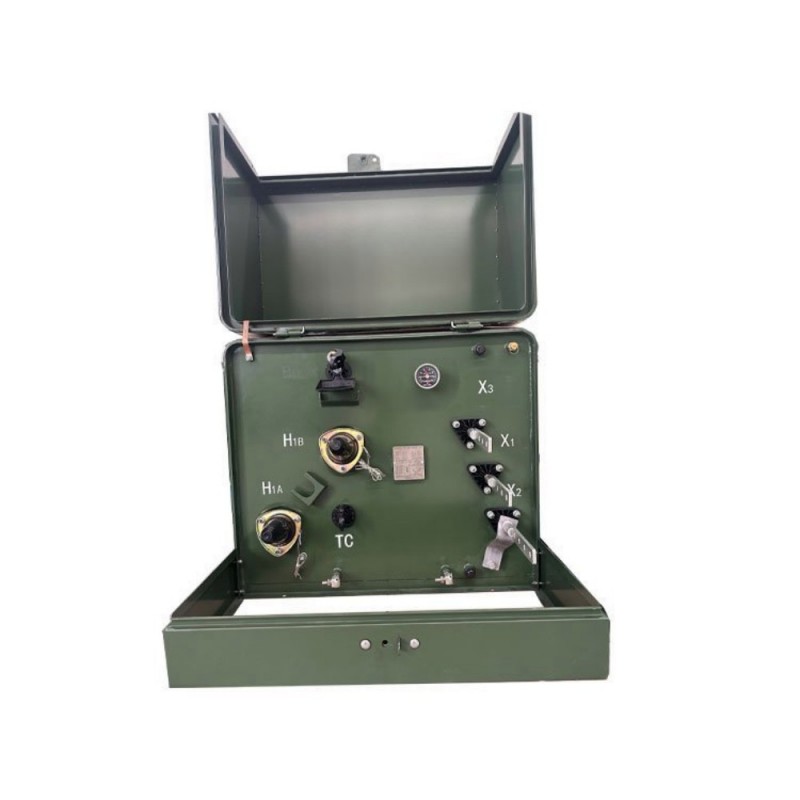
C Certification 6KV 10KV 13KV 20KV 34.5KV 50/60HZ Oil Type Single Phase 75KVA Pad Mounted Transformer
Core single-phase export model for residential subdivisions, rural feeders, commercial lots, and utility loop systems. Multi-voltage primary design supports distributor stock and repeat utility orders.
- 75 kVA pad-mounted class
- 6 / 10 / 13 / 20 / 34.5 kV
- Loop or radial configuration
- Mineral oil or ester fluid options
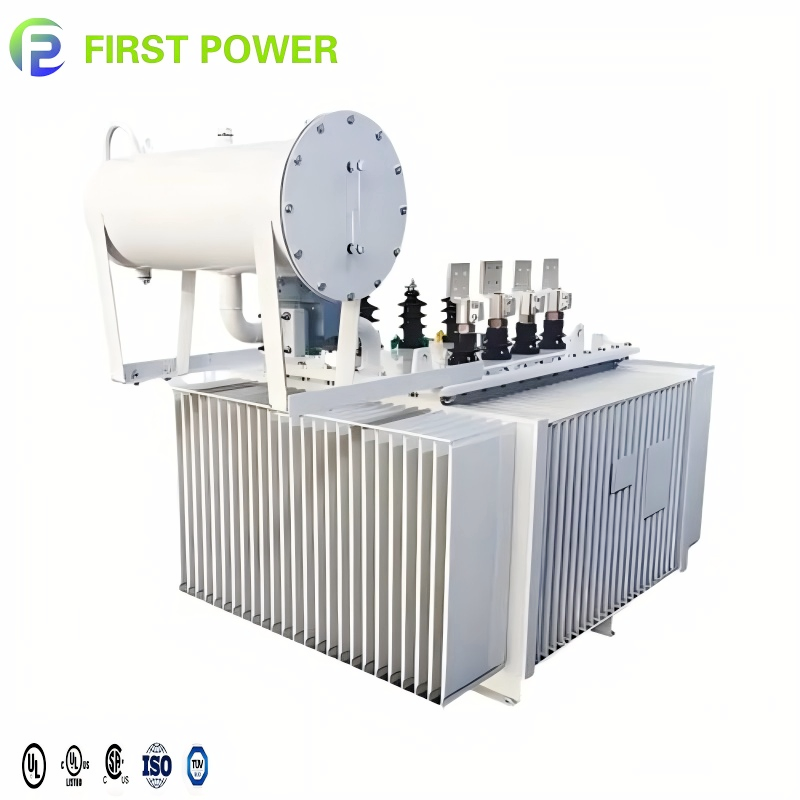
C CE 10KV 20KV 35KV 1000KVA 2000KVA 2500KVA Three Phase Oil Type On-Load Tap Changer Transformer for Industrial Power Supply
On-load tap changing for industrial plants and substations where voltage regulation must continue under load. Suitable for mixed-load infrastructure and remote monitoring options.
- 1,000–2,500 kVA class
- 10–35 kV voltage class
- ONAN / ONAF cooling
- IEC 60076 and IEEE C57 configurations
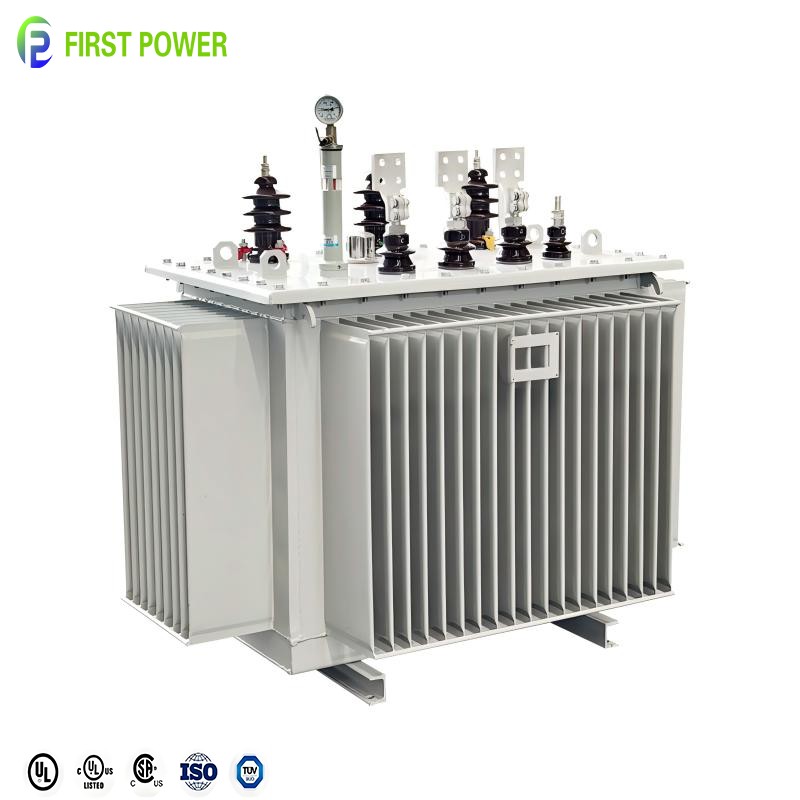
C CE 50/60HZ 100KVA 300KVA 500KVA 630KVA 1000KVA 10KV 20KV 35KV Three Phase Oil Immersed Power Transformer for Power Supplies
A distribution and power-supply workhorse for utilities, commercial facilities, and industrial networks. Hermetically sealed or conservator designs support low-loss network planning.
- 100–1,000 kVA class
- 10 / 20 / 35 kV
- Hermetically sealed options
- CE certificate range
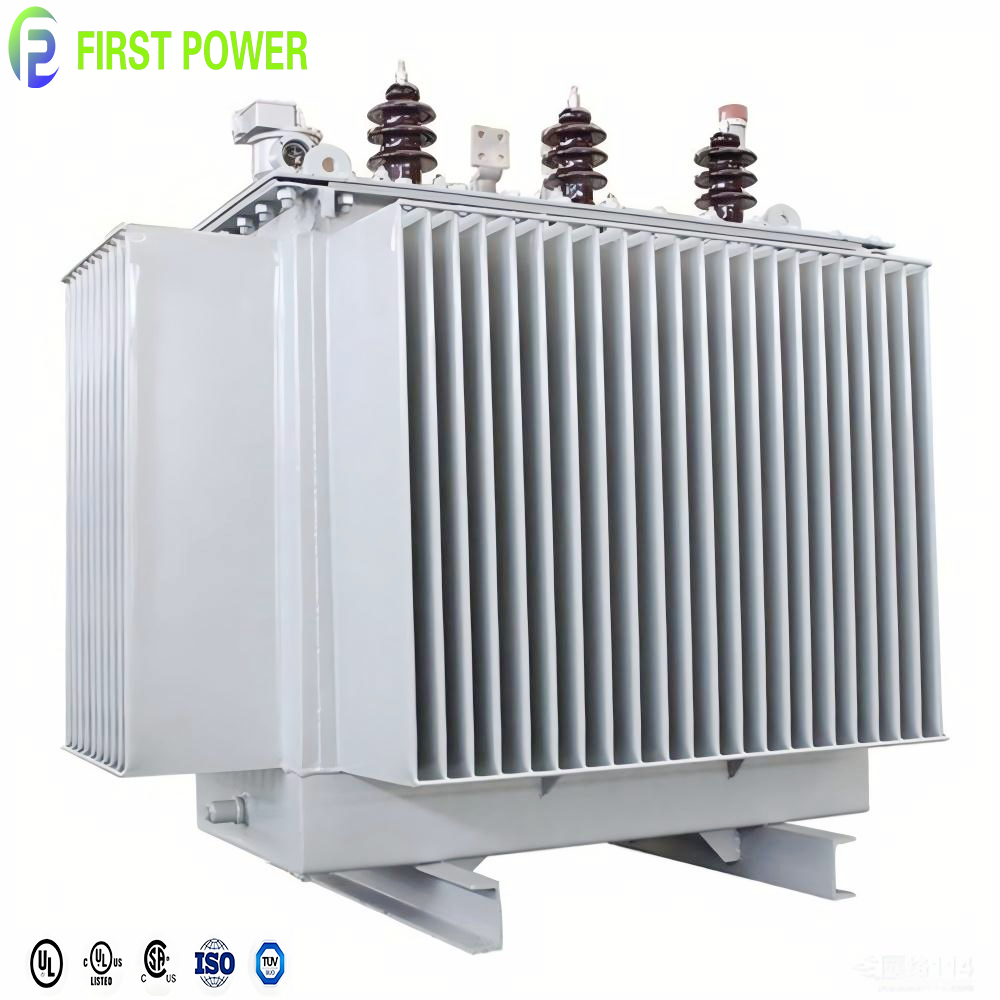
C CE MH&HV 50/60HZ 10KVA-50000KVA 10KV 15KV 20KV 35KV Three Phase S11 Oil Transformer for Electric Power Distribution
S11 low-loss oil transformer platform for electric power distribution. Broad capacity coverage can be configured for regional loss rules and utility nameplates.
- 10 kVA–50 MVA platform
- Up to 35 kV class
- Low-loss S11 core design
- Distribution or power duty
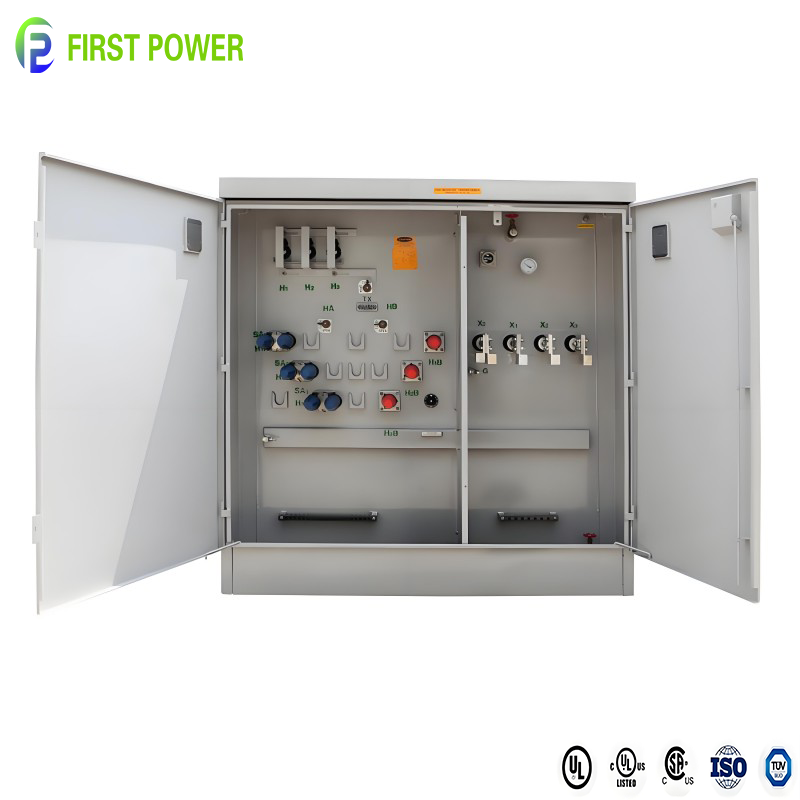
C CE MV&HV 50/60HZ 300KVA 500KVA 630KVA 700KVA 10KV 15KV 20KV 35KV 3 Phase Loop Feed Pad Mounted Transformer for Industrial
Loop-feed pad-mounted three-phase transformer for industrial campuses, commercial developments, and utility networks needing sectionalizing and tamper-resistant enclosures.
- 300–700 kVA class
- Loop-feed architecture
- 10–35 kV primary
- Pad-mounted enclosure
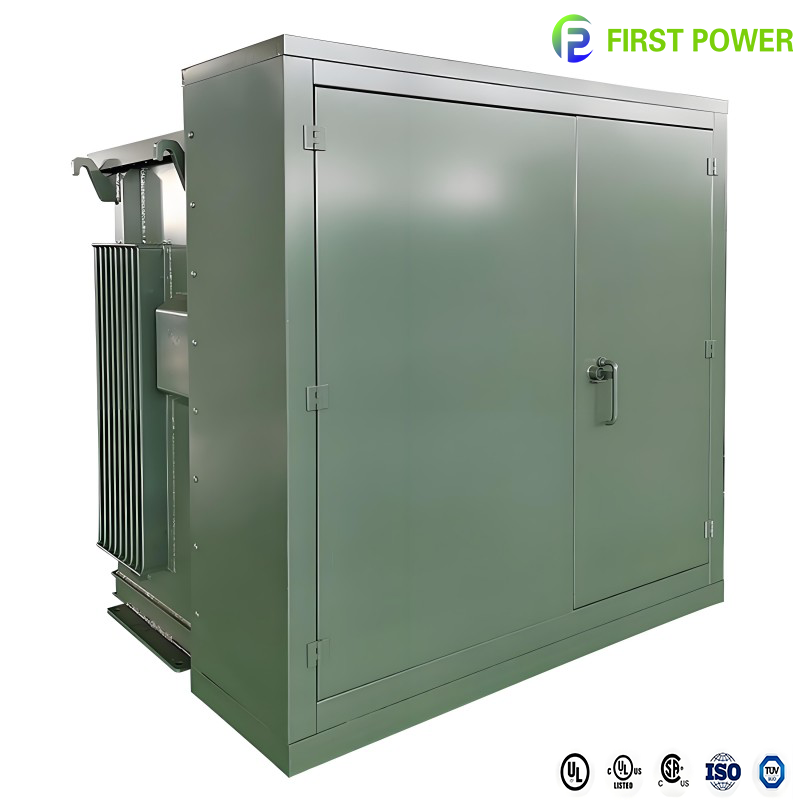
C CE MV&HV ZGS11 75-2500KVA 10KV 20KV 35KV Pad Mounted Three Phase Transformer for Electric Power Distribution
ZGS11 pad-mounted distribution transformer for underground distribution, with options for dead-front terminations, fusing, and compact footprints in space-constrained sites.
- 75–2,500 kVA class
- 10 / 20 / 35 kV
- Pad-mounted distribution
- Project-specific protection options
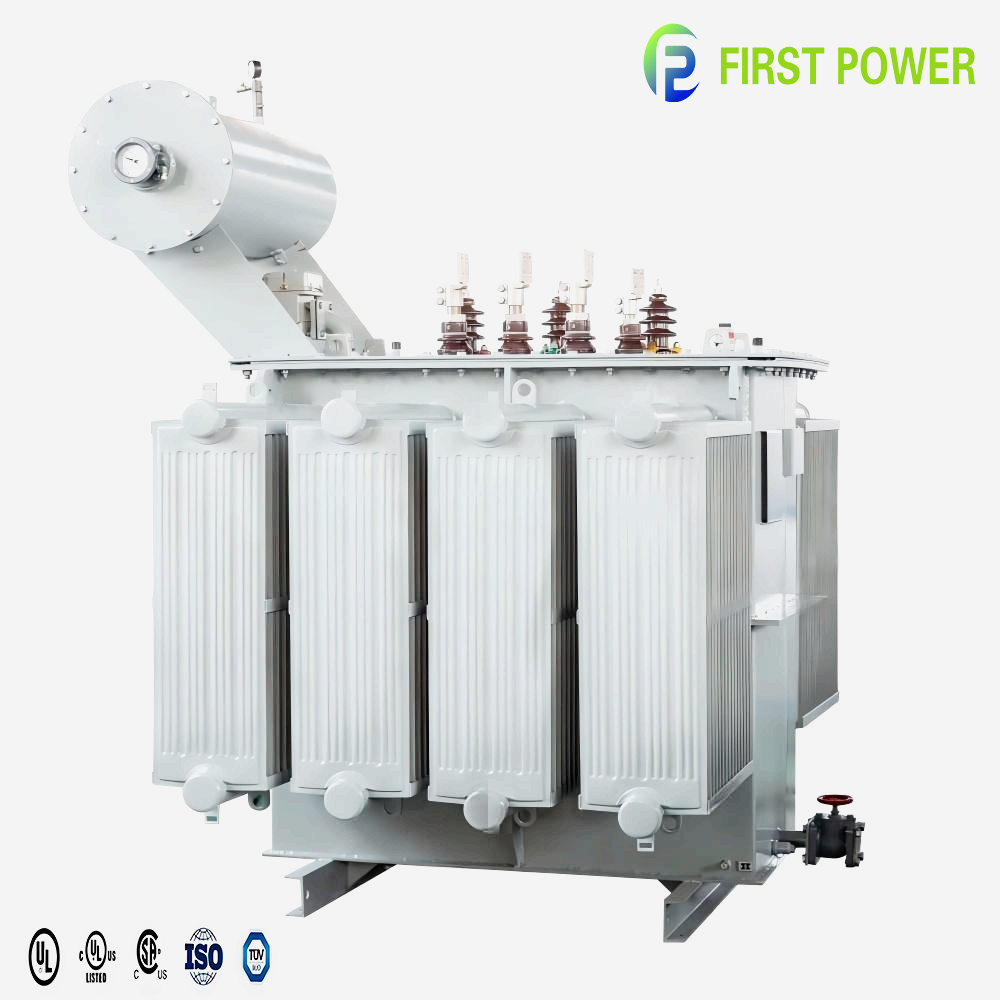
C Certification 50/60HZ 6KV 10KV 20KV 35KV Three Phase 1000KVA 1MW Solar PV Transformers Oil Immersed for Power Generation
Solar PV step-up transformer for renewable generation. Design addresses inverter harmonics, cyclic loading, and outdoor installation with corrosion protection for EPC projects.
- 1,000 kVA / 1 MW class
- 6–35 kV voltage range
- Renewable generation duty
- Oil-immersed construction
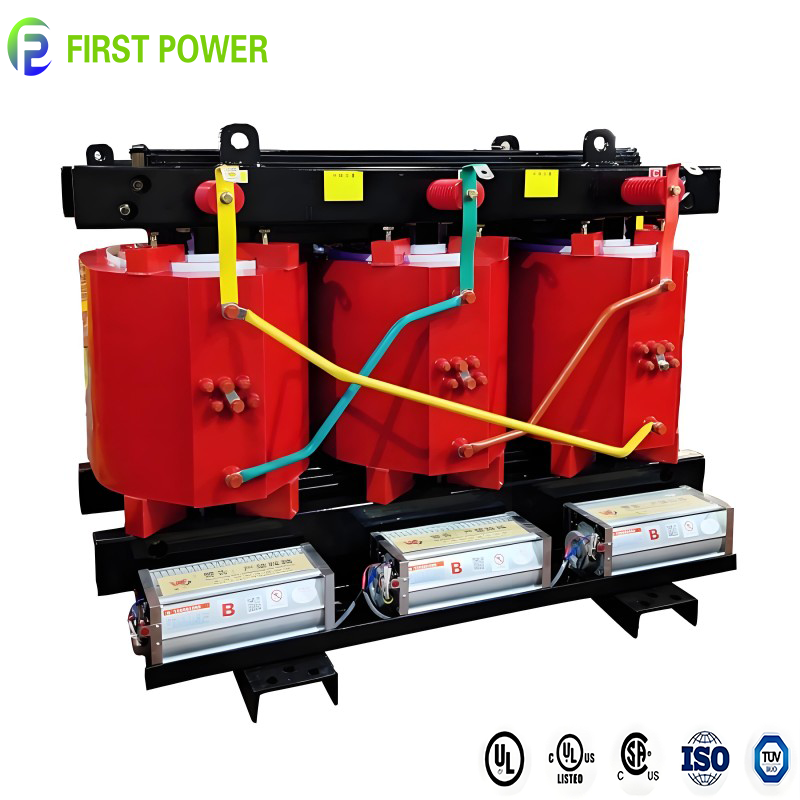
C CE Certification IEEE Standard 50/60HZ 5MVA 6MVA 6KV 35KV 3 Phase Dry Type Transformer for Electric Power Distribution
Dry-type option for fire-sensitive or indoor distribution. Useful for hospitals, commercial basements, tunnels, and plant rooms where oil-free equipment is preferred.
- 5–6 MVA class
- 6–35 kV voltage class
- Dry-type / cast resin configuration
- IEEE and IEC project alignment
What Buyers Really Search for in “China Top Single Phase Oil Transformer Exporters & Wholesaler”
The query blends supplier discovery, product recommendation, wholesale readiness, and trust verification. The buyers are rarely looking for a catalogue image alone; they are looking for a factory-backed partner that can interpret a utility specification and ship a documented unit.
Single-phase oil-immersed transformers remain the backbone of residential, rural, and light-commercial distribution because they align naturally with single-phase loads and overhead or underground feeder architecture. Oil provides thermal mass, overload tolerance, mature insulation coordination, and a broad installed base of proven test practice. The engineering difference between a low-cost listing and an export-grade unit is usually not the steel weight alone; it is the sealing system, bushing configuration, tap range, loss guarantee, oil treatment, corrosion protection, and documentation quality.
A credible China single-phase oil transformer exporter should behave like an engineering bridge. It should translate IEEE or IEC requirements into drawings, validate temperature rise and loss values, complete routine tests with serial-number traceability, prepare seaworthy packing, and provide English O&M documentation. A wholesale transformer supplier must also support repeat orders: standardized platforms, mixed-model containers, regional voltage variants, spare fuses, and predictable lead times.
For distributors, the most valuable supplier is not necessarily the one with the largest category page. It is the one that can keep a 75 kVA pad-mounted platform, a 10–500 kVA oil-immersed family, and a companion three-phase range aligned under one quality system. That is the commercial advantage of combining factory engineering with export discipline: one specification review, one test standard, one documentation pack, and one accountable export contact.
Search intent for this topic also includes “single phase pad mounted transformer wholesale,” “oil immersed single phase transformer supplier,” “IEEE C57.12.38 single phase transformer,” “50/60 Hz distribution transformer China,” and “utility transformer exporter.” A whitepaper-level answer must satisfy all of these adjacent needs without turning the page into a keyword list. The practical route is to make product data verifiable, explain application fit, and show how procurement evidence is assembled before purchase.
Fast Buying Paths
Match your project intent to the right starting point before requesting a quotation.
- Residential subdivision or utility loop: start with the 75 kVA single-phase pad-mounted model.
- Distributor stock program: ask for a standardized 10–500 kVA platform, loss table, and mixed-container plan.
- IEEE market: request C57.12.38 / C57.12.00 alignment, 60 Hz design, and test report templates.
- IEC market: request IEC 60076 routine tests, CE evidence where applicable, and 50 Hz nameplate review.
What Defines an Export-Grade Single-Phase Oil Transformer
Use this matrix to align the inquiry with the destination grid code. It is written for procurement teams, distributors, and EPC engineers who need a practical comparison before releasing a tender.
| Parameter | Typical Export Specification | What the Buyer Should Verify |
|---|---|---|
| Rating & application | Single-phase oil-immersed units commonly from 10–500 kVA; 75 kVA is a frequent pad-mounted utility size. Larger or non-standard ratings can be engineered. | Continuous rating at specified ambient, altitude, and temperature rise; overload expectation; future load growth. |
| Primary voltage & taps | 6, 10, 13.2/13.8, 20, 33, or 34.5 kV classes with off-circuit taps such as ±2 × 2.5%. | Voltage class, BIL, tap range, tap changer type, bushing arrangement, and cable termination space. |
| Secondary voltage | 120/240 V, 240/480 V, 277/480 V, or project-specific low-voltage arrangements. | Vector relationship, neutral arrangement, terminal marking, and compatibility with downstream protection. |
| Frequency | 50 Hz for many IEC markets; 60 Hz for North American and selected export markets. | Frequency must appear on the nameplate and in the loss calculation; do not accept a 50 Hz design relabeled for 60 Hz without review. |
| Standards | IEC 60076 series; IEEE C57.12.38 for single-phase pad-mounted distribution transformers; IEEE C57.12.00 general requirements; local efficiency rules where applicable. | Type test reports, routine test scope, CE documentation where applicable, and local market efficiency compliance. |
| Loss performance | Guaranteed no-load loss and load loss at reference temperature, with tolerance consistent with the chosen standard. | Loss capitalization formula, guaranteed values, tolerance, test report at rated voltage/frequency, and evaluation at the destination energy price. |
| Insulating fluid | Mineral oil, natural ester, or other approved fluid depending on fire, environmental, and maintenance requirements. | Oil test certificate, dielectric strength, moisture content, flash point where relevant, and documentation for transport and handling. |
| Enclosure & protection | Pad-mounted tamper-resistant enclosure, dead-front termination options, bayonet fuse, loop-feed or radial-feed configuration, corrosion-resistant finish. | Enclosure thickness, finish system, locking, ventilation, compartment layout, cable entry, and label language. |
| Tests & documents | Winding resistance, ratio and polarity, impedance/load loss, no-load loss/current, applied and induced voltage, oil dielectric strength for liquid-filled units. | Serial-numbered routine test report, drawing approval, nameplate draft, packing list, O&M manual, and third-party witness options. |
How Transformer Buyers Are Changing Their Purchasing Strategy
Import decisions are becoming more evidence-based. Price still matters, but compliance evidence, loss values, lead-time confidence, and after-sales responsiveness now decide whether a wholesale relationship survives the second order.
Tender-Ready Dossiers
Utilities and EPCs increasingly request drawings, test report templates, loss tables, oil certificates, and nameplate drafts before awarding a purchase order.
Loss Capitalization
Energy cost volatility makes no-load and load loss a financial decision. Buyers now compare guaranteed losses and tolerance, not just kVA and enclosure size.
Supply-Chain Resilience
Distributors prefer partners that can support repeat models, mixed containers, spare fuses, short-notice documentation, and predictable production slots.
Market-Specific Compliance
IEC and IEEE markets require different frequency, loss, bushing, and test conventions. A one-size nameplate is no longer acceptable for serious wholesale buyers.
Where Single-Phase Oil Transformer Technology Is Moving
The next buying cycle will reward products that reduce lifetime energy cost, improve fire and environmental safety, and make condition data easier to collect without compromising proven oil-immersed reliability.
Higher Efficiency Cores
Low-loss CRGO, step-lap construction, and amorphous options help buyers meet tightening efficiency rules and reduce lifetime loss cost.
Ester & Fire-Safe Fluids
Natural ester fluids are gaining attention for high fire points and environmental profiles, especially near buildings, renewable sites, and sensitive ground.
Compact Pad-Mounted Design
Loop-feed layouts, dead-front terminals, and space-saving enclosures support underground distribution, EV charging, data centers, and commercial campuses.
Monitoring-Ready Units
Temperature, pressure, oil-level, and partial-discharge sensor options are becoming practical add-ons for critical sites and utility asset-management programs.
How to Compare China Single-Phase Oil Transformer Exporters and Wholesalers
Use weighted scoring to prevent low price from hiding high lifecycle risk. The percentages below reflect what serious utility and distributor buyers typically need to validate before a long-term supply agreement.
Why Jiangsu Wisegj Power Is a Practical China Wholesale Partner
Jiangsu Wisegj Power Co., Ltd. designs, assembles, and exports medium- and high-voltage equipment from 220 V to 500 kV, including power transformers, distribution transformers, pad-mounted transformers, dry-type transformers, compact substations, switchgear, distribution boxes, and voltage stabilizers. The same factory-backed discipline applies to single-phase oil transformer inquiries and mixed wholesale transformer programs.
20+ Years of Team Experience
Engineering and export teams bring two decades of hands-on transformer experience to specification review, production control, and shipment documentation.
Verified 6,847 m² Facility
Production capability, floorspace, and quality inspection have been verified onsite by TÜV Rheinland, an independent third-party inspection body.
In-House Testing Discipline
Ratio, winding resistance, loss, impedance, dielectric, and oil BDV tests are documented for each serial number; third-party witness inspection is welcome.
ISO and CE Credentials
ISO 9001, ISO 14001, and ISO 45001 management systems support production. Product-line CE certificates cover oil-immersed, dry-type, compact substation, and switchgear ranges where applicable.
OEM / ODM Customization
Ratings, vector group, impedance, tap range, bushings, cooling, insulating fluid, enclosure color, and nameplate language can be adapted to project requirements.
Export Documentation
GA drawings, nameplate drafts, test reports, O&M manuals, packing lists, and shipping documents are prepared in English for procurement and compliance teams.
211 Qualified Supply Partners
A qualified source network for silicon steel, copper, bushings, and accessories supports stable lead times for repeat wholesale orders and mixed-model containers.
24-Hour Engineer Response
Pre-sale and after-sale technical questions receive a qualified response within one working day, with support for drawings, test reports, and replacement-part planning.
Evidence to Request Before a Single-Phase Transformer Ships
Good procurement practice is not a vague promise of “strict quality control.” It is a documented chain of review, production checkpoints, test records, and packing evidence that can be audited by your QA team.
- Approved GA drawing: dimensions, bushing layout, cable entry, enclosure, nameplate, and finish standard.
- Loss guarantee: no-load loss, load loss, impedance, tolerance, and reference temperature clearly stated.
- Routine test report: serial-numbered winding resistance, ratio, polarity, impedance, load loss, no-load loss, and voltage withstand.
- Oil documentation: dielectric strength, moisture content, and fluid type for liquid-filled units.
- Final inspection record: paint thickness, sealing check, accessory torque, label accuracy, and packing photos.
- Shipment pack: packing list, certificate of origin if required, container loading plan, and shock/impact indicators where specified.
Common Questions from Single-Phase Transformer Buyers
These are the questions procurement teams, distributors, and EPC engineers ask most often when comparing China transformer exporters and wholesalers.
Are you a manufacturer, exporter, or wholesaler?
What is a typical specification for a single-phase oil transformer?
How do you verify efficiency and transformer losses?
Which standards and certificates apply?
Can transformers be customized for 50 Hz or 60 Hz markets?
What is the MOQ and lead time for wholesale orders?
What tests and documents are supplied before shipment?
How are shipping, payment, and after-sales handled?
Send Your Single-Phase Oil Transformer Specification for a Documented Review
Share the kVA, primary and secondary voltage, frequency, standard, loss limits, fuse and enclosure options, delivery port, and required documentation. Our engineering and export team will review the application fit before quotation.