China Top Power Transformer Exporters & Wholesaler
A procurement-grade guide for utilities, EPC contractors, renewable developers and wholesale buyers sourcing pad mounted, oil immersed, dry type and power transformers from China.
A Practical, Evidence-Led Guide for Global Transformer Buyers
Searching for China top power transformer exporters and wholesalers usually returns a long list of websites. The harder task is separating suppliers that can prove process control, test documentation and project support from sellers that only publish a catalogue. For procurement teams, the real question is not who uses the biggest headline. It is who can deliver a transformer that meets the destination grid code, arrives with traceable test records and remains supported through commissioning and operation.
This guide is written from the perspective of the export engineering team at Jiangsu Wisegj Power Co., Ltd., a Suzhou-based manufacturer and exporter of power transformers, distribution transformers, pad mounted transformers, dry type transformers, compact substations, switchgear and related equipment. Our product scope covers 220 V to 500 kV, with customization for 50 Hz and 60 Hz markets, IEC and ANSI/IEEE specifications, and applications ranging from residential feeders to utility-scale renewable projects.
Instead of treating the category as a single commodity, this white paper breaks it into product recommendations, enterprise due-diligence points, procurement trends, technical development trends and FAQ. The aim is information gain: practical details that help a buyer compare offers with more confidence.
- Certificate scope, certificate numbers and third-party verification evidence
- Routine test reports, type test availability and witness inspection options
- Guaranteed losses, drawing approval, packing method and Incoterms coverage

Production capability, floorspace and quality inspection have been verified onsite by TÜV Rheinland, an independent third-party inspection body. Buyers can request the current assessment report and certificate copies for their compliance files.
Export Capability at a Glance
Credible exporter selection starts with auditable capability. These figures reflect the supplier profile and verification materials referenced for this transformer programme.
Eight Transformer & Equipment Options for Wholesale Procurement
The options below reflect commonly requested configurations from international buyers. Product links and images are retained from the supplier catalogue so technical teams can review the original listing. Ratings shown are typical; project-specific designs should always be confirmed against the tender specification.
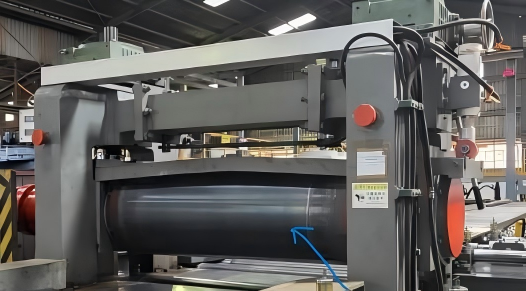
MAIN ROLLER D
A heavy-duty roller component from the supplier catalogue for transformer production and workshop material movement. Confirm drawing, load rating, surface finish and quantity before ordering.
View Product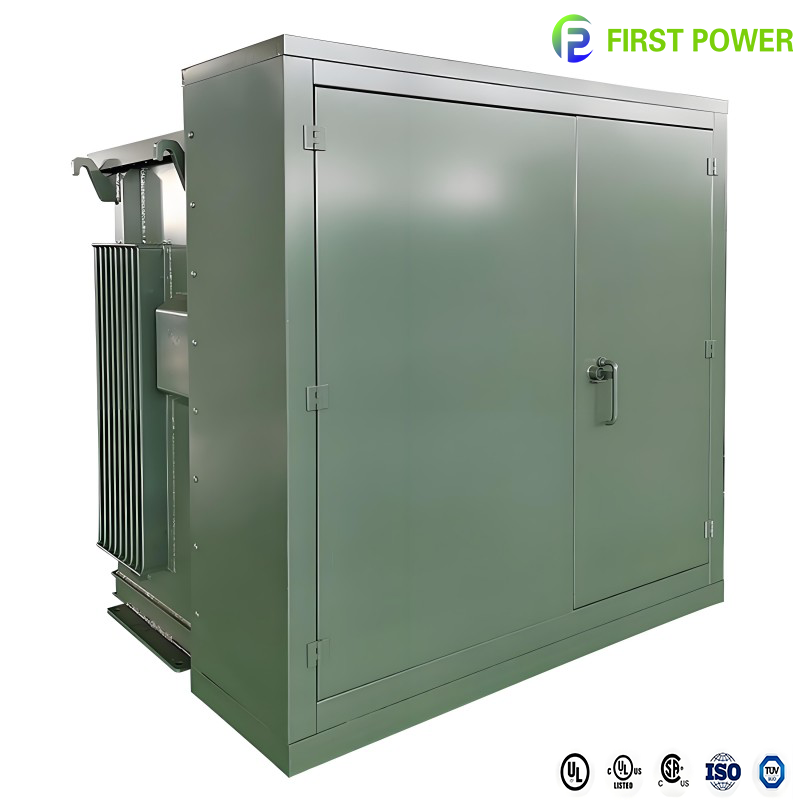
C CE MV&HV ZGS11 75-2500KVA 10KV 20KV 35KV Pad Mounted Three Phase Transformer for Electric Power Distribution
Three-phase pad mounted distribution transformer for underground commercial, industrial and renewable connections. Review loop or radial feed, dead-front configuration, enclosure finish and IEEE/IEC standard before quotation.
View Product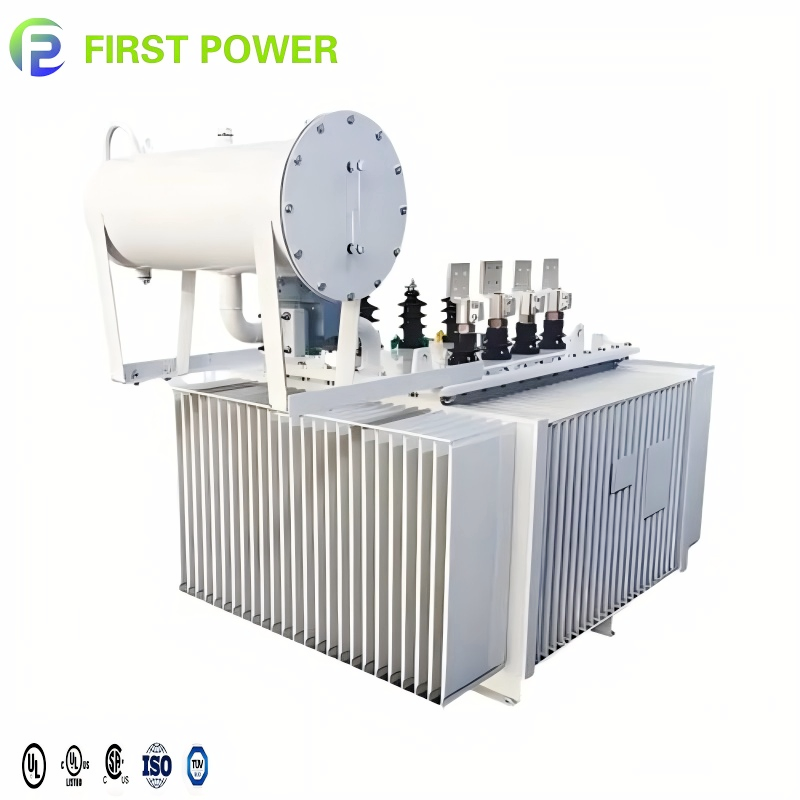
C CE 10KV 20KV 35KV 1000KVA 2000KVA 2500KVA 3 Phase Oil Type on Load Tap Changer Transformer for Industrial Power Supply
Oil type on-load tap changer transformer for industrial supplies with variable load profiles. Specify tap range, motor-drive details, impedance, cooling and maintenance access.
View Product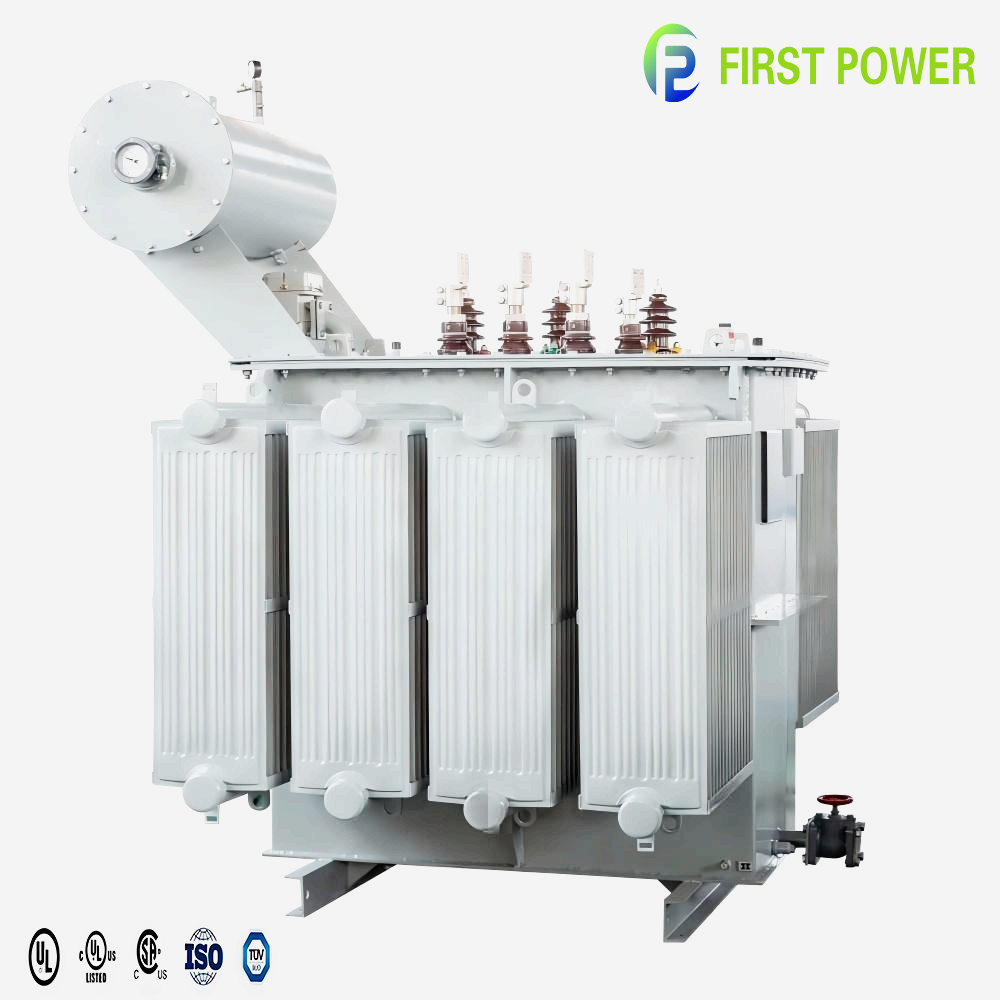
C Certification 50/60HZ 6KV 10KV 20KV 35KV Three Phase 1000KVA 1MW Solar PV Transformers Oil Immersed for Power Generation
Oil immersed transformer for solar PV and power generation applications. Inverter harmonics, ambient temperature, altitude and loss guarantees should be confirmed in the design.
View Product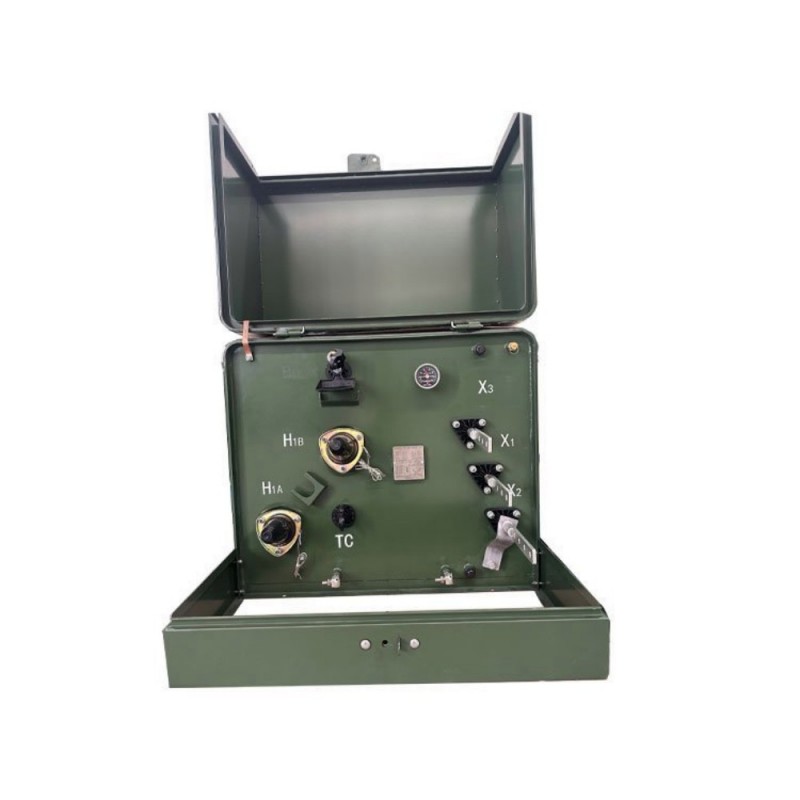
C Certification 6KV 10KV 13KV 20KV 34.5KV 50/60HZ Oil Type Single Phase 75KVA Pad Mounted Transformers
Multi-voltage single-phase pad mounted transformer for distribution networks. Typical checks include 75 kVA loading, fuse protection, low-profile enclosure and 50/60 Hz configuration.
View Product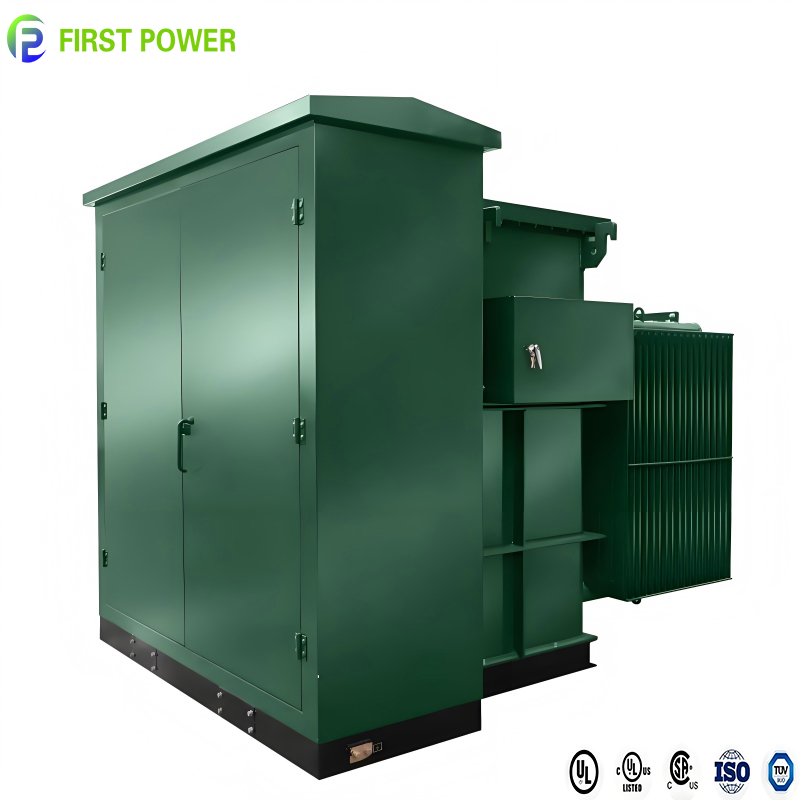
C CE 50/60HZ 6KV 10KV 15KV 20KV 35KV 100KVA 300KVA 500KVA 630KVA 3 Phase Pad Mounted Pedestal Transformer for Industrial
Three-phase pad mounted pedestal transformer for industrial sites and commercial developments. Cable entry, pedestal height, corrosion protection and temperature rise are key review items.
View Product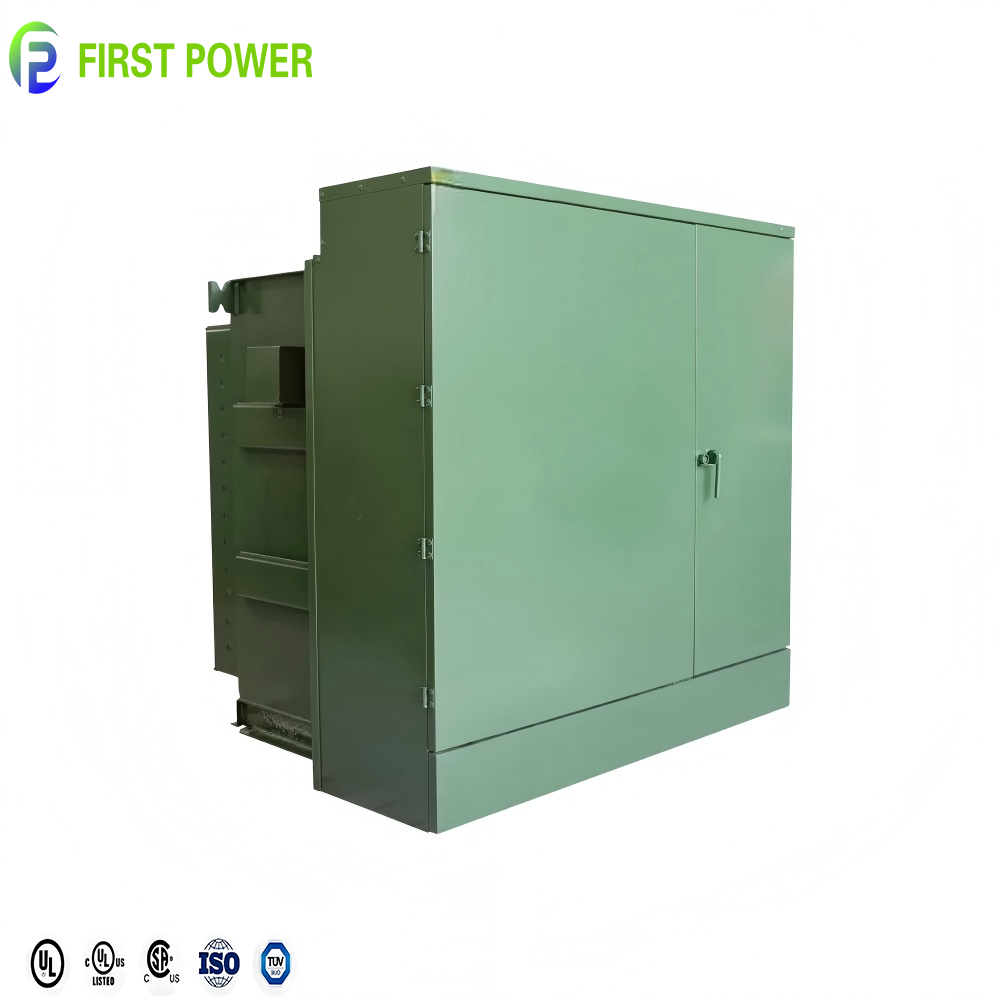
C CE 50/60HZ 10KV 20KV 35KV 300KVA 500KVA 630KVA 750KVA Three Phase Pad Mounted Transformer for Electric Power Distribution
Three-phase pad mounted distribution transformer for utility and commercial networks. Verify the required primary voltage, vector group, impedance and enclosure standard for the destination.
View Product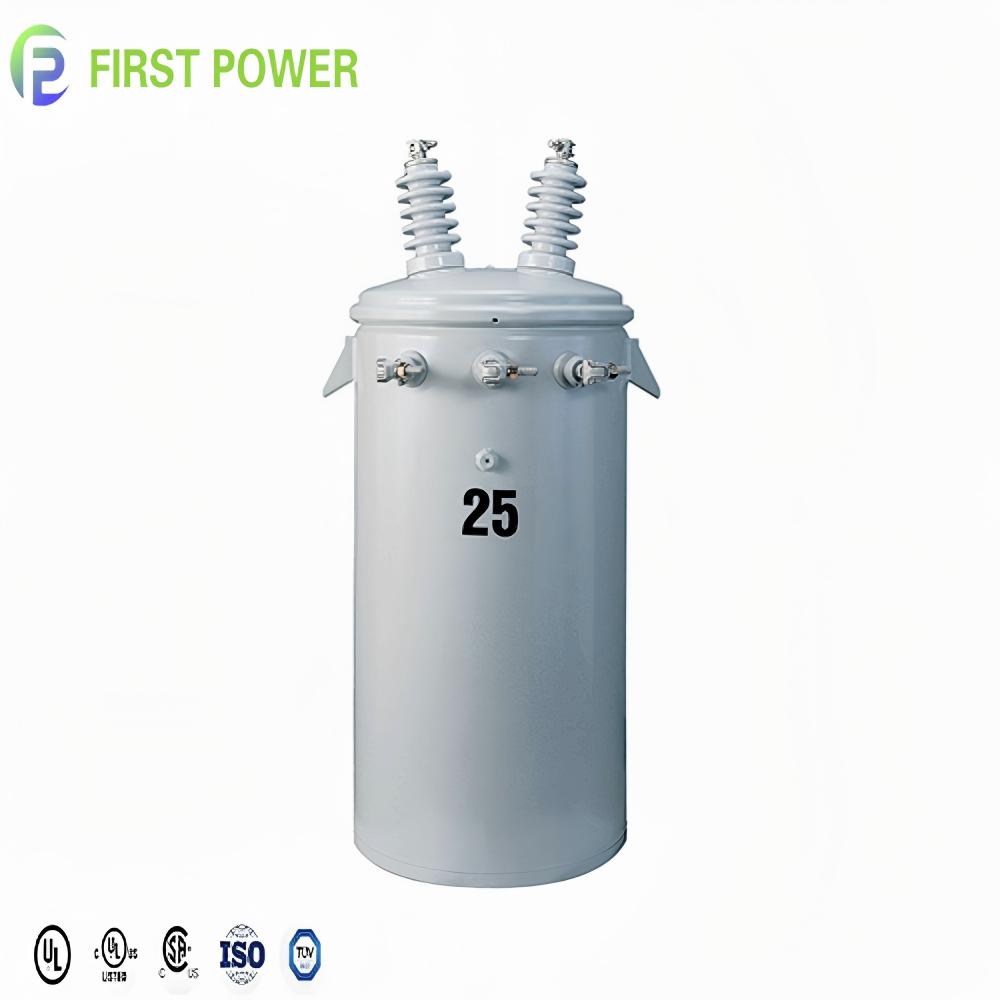
C CE Certification MV&HV 50/60HZ 6KV 10KV 20KV 35KV 25KVA Single Phase Transformer Price for Electric Power Distribution
MV/HV single-phase transformer offered for electric power distribution projects. Confirm 25 kVA rating, voltage ratio, tap arrangement, mounting style and applicable standard.
View ProductNeed a rating, vector group or enclosure that is not shown above? Send the technical parameters and our engineers will review the specification before quotation.
Get a QuoteWhat Buyers Can Audit at Jiangsu Wisegj Power
A wholesale price is only one part of the landed cost of a transformer. Documentation quality, test discipline, design flexibility and export support often decide whether a project starts on time.
Verified Manufacturing Footprint
6,847 m² of verified production floorspace supports winding, core assembly, drying, tanking, testing and export packing. Production capability and inspection have been verified onsite by TÜV Rheinland.
Routine Testing Culture
Every unit receives routine tests such as winding resistance, ratio and vector group, impedance and load loss, no-load loss and current, applied voltage and induced voltage. Liquid-filled units also receive oil dielectric strength checks.
Custom Engineering
OEM, ODM, design-based and sample-based customization covers ratings, vector group, impedance, tap range, bushing arrangement, cooling method, insulating fluid, enclosure finish and nameplate language.
Certificate Transparency
ISO 9001, ISO 14001 and ISO 45001 management systems, plus CE certificates for relevant transformer and substation lines. Certificate numbers are provided so compliance teams can verify them with issuing bodies.
Export & Trade Coverage
FOB, CFR, CIF, EXW, FCA, CIP, CPT, DDP and other Incoterms are supported, together with T/T, L/C, D/P, D/A and agreed payment structures in USD, EUR, GBP, CAD, AUD and other major currencies.
Documentation & Response
GA drawings, nameplate drafts, routine test reports, O&M manuals and packing lists are prepared for project records. Technical questions typically receive an engineer-led response within one working day.
Purchasing Trends Reshaping Transformer Sourcing
Transformer procurement is becoming more technical, more evidence-based and more closely linked to whole-life cost. Buyers are no longer comparing only FOB price and kVA rating.
Compliance-First Sourcing
Destination grid codes, CE scope, ANSI/IEEE requirements, loss limits and local utility approvals are being checked earlier. A supplier that can map the standard to the project specification reduces approval risk.
Total Cost of Ownership
Guaranteed no-load and load losses, cooling design, maintenance access and expected service life are moving into the award decision. A low purchase price can be offset by higher operating losses over decades.
Renewables & Storage Demand
Solar, wind, storage and data-center projects require transformers that handle harmonics, cyclic loading and challenging ambient conditions. Solar PV transformers and compact substations are increasingly specified as integrated packages.
Lead-Time Transparency
Buyers want production schedules, drawing approval milestones, material readiness and test dates. Staged inspection and third-party witness testing are becoming normal requirements rather than exceptions.
Local Support & Spares
Warranty response, spare bushings, tap changer support and commissioning assistance are being evaluated with the equipment. Exporters with clear after-sales channels have an advantage in repeat utility business.
Digital Documentation
Serial-number-linked test reports, drawing revisions, packing lists and compliance files are being requested digitally. Clean documentation lowers inspection friction and supports asset registration after delivery.
Technical Trends in Power and Distribution Transformers
The next generation of export transformers is being shaped by efficiency rules, fire safety, space constraints and grid complexity. Each trend should be supported by design calculations and factory test evidence, not marketing language alone.
Low-Loss Core Design
CRGO and amorphous core options are being used to reduce no-load loss and improve efficiency. Guaranteed loss values and test measurements should be stated clearly in the quotation and test report.
Environmentally Acceptable Fluids
Natural ester and high-fire-point insulating fluids are increasingly considered for fire-sensitive and environmentally sensitive sites. Buyers should confirm fluid compatibility, temperature rise and maintenance implications.
Dry-Type Growth in Urban Sites
Cast resin dry type transformers remain attractive for hospitals, high-rise buildings, tunnels and indoor substations where oil-free operation and fire safety are priorities. Noise, IP rating and cooling must be reviewed together.
Smart Monitoring Options
Temperature sensors, partial discharge monitoring and dissolved gas analysis interfaces are becoming more common for critical transformers. These options should be specified as part of a condition-monitoring strategy.
Modular Compact Substations
Factory-assembled MV switchgear, transformer and LV distribution reduce site labour and commissioning time. Prefabricated substations are especially relevant for renewable projects and fast-track industrial expansions.
Multi-Voltage Export Platforms
Designs covering 6 kV, 10 kV, 20 kV, 35 kV and 50/60 Hz are increasingly requested by wholesalers serving multiple markets. Multi-voltage flexibility must still be verified through ratio, dielectric and vector group tests.
Matching Transformer Type to Application
A quick comparison for procurement teams shortlisting equipment. Final selection should be confirmed by an engineer using the site conditions, grid code and project schedule.
| Transformer Family | Typical Rating & Voltage | Strong-Fit Applications | Procurement Checks |
|---|---|---|---|
| Three-Phase Pad Mounted | 45–5,000 kVA, up to 34.5 kV | Commercial campuses, solar, data centres, industrial parks | IEEE C57.12.34 scope, loop/radial feed, dead-front design, enclosure finish, fluid type |
| Single-Phase Pad Mounted | 10–250 kVA, e.g. 75 kVA | Residential subdivisions, rural underground distribution | IEEE C57.12.38, fuse protection, low-profile enclosure, secondary voltage |
| Oil-Immersed Distribution | 30–2,500 kVA, 6–35 kV | Utilities, industrial plants, mining and infrastructure | IEC 60076, guaranteed losses, vector group, impedance, tank corrosion protection |
| Solar PV Transformer | 1,000 kVA / 1 MW class and above | PV, wind and generation step-up projects | Harmonics, ONAN/ONAF cooling, altitude, ambient temperature, anti-corrosion, efficiency |
| OLTC Oil Type Industrial | 1,000–2,500 kVA common | Industrial supplies with variable load profiles | Tap range, OLTC maintenance access, impedance, cooling, protection coordination |
| Pad Mounted Pedestal / Distribution | 100–750 kVA common | Industrial parks, commercial distribution, utility networks | Enclosure, cable entry, temperature rise, standard, delivery split and site handling |
| Dry Type Cast Resin | 30–2,500 kVA, up to 35 kV | Hospitals, high-rise buildings, tunnels and fire-sensitive indoor sites | Fire safety, IP rating, cooling, noise, indoor installation and ventilation |
Ranges shown are typical production ranges. Ratings outside these values can be engineered on request; always confirm the final design, standard and test plan in the approved drawing package.
From Specification to Shipment: Six Control Points
A credible exporter should be able to explain what happens between purchase order and vessel departure. Our documented route is summarised below so buyers know where to ask for evidence.
Specification & Standard Review
Engineers check kVA, voltages, frequency, vector group, impedance, tap range, cooling, altitude, ambient conditions and the applicable IEC or IEEE standard.
Drawing & Nameplate Approval
GA drawings, nameplate drafts, guaranteed losses and interface details are confirmed with the buyer before production is released.
Incoming Material Inspection
Core, copper, insulation, bushings, tap changers and accessories are checked against the approved bill of materials and supplier records.
Controlled Production
Winding, core assembly, drying, oil filling and tanking follow documented work instructions with in-process quality checkpoints.
Routine Testing
Each unit receives routine electrical tests and oil dielectric checks where applicable. Third-party witness inspection can be arranged before packing.
Packing & Document Handover
Seaworthy packing, protection, shipping marks and final documents are checked before loading, with Incoterms and delivery terms aligned to the contract.
China Power Transformer Procurement FAQ
Straight answers from the technical and export side of transformer sourcing.
What does “China top power transformer exporter” mean for a buyer?
In practice, it should mean an exporter with verifiable production capability, documented testing, relevant certificates and a clear project communication process. A top ranking or large catalogue alone is not enough. Buyers should ask for certificate numbers, test report samples, factory assessment evidence, drawing approval procedures, guaranteed losses and export packing details. The strongest supplier is the one whose evidence matches the tender requirement.
Which standards can Wisegj transformers be designed to?
Equipment can be designed and tested to IEC 60076 for power and distribution transformers, IEC 62271-202 for compact substations, and ANSI/IEEE C57.12 series standards for relevant North American pad mounted and distribution applications. CE certificates are available for applicable product lines, and production runs under ISO 9001, ISO 14001 and ISO 45001 systems. The destination market and utility specification determine the final standard and test plan.
What voltage and capacity range is available?
The broader portfolio covers 220 V to 500 kV. Common distribution and pad mounted designs range from 10 kVA to 5,000 kVA, with primary voltages such as 6 kV, 10 kV, 20 kV, 35 kV and 34.5 kV. Power transformers can be engineered for higher voltage classes up to 500 kV. Not every combination is a standard catalogue item, so the exact rating, cooling method and standard should be confirmed by an engineer.
Which factory tests are performed before shipment?
Every unit normally receives routine tests including winding resistance, voltage ratio and vector group, impedance and load loss, no-load loss and current, applied voltage and induced voltage tests. For liquid-filled transformers, oil dielectric strength testing is also performed. Type test reports can be provided where available, and third-party witness inspection is welcome. Test records should be linked to the serial number and included in the final document package.
Can transformers be customized for my project?
Yes. OEM, ODM, design-based and sample-based customization is available. Typical customization includes rated power, primary and secondary voltage, frequency, vector group, impedance, tap range, bushing configuration, cooling method, insulating fluid, enclosure colour, cable entry, nameplate language and test requirements. The approved drawing and nameplate become the controlling documents before production.
What are typical lead times and how can they be shortened?
Lead time depends on the transformer type, rating, tap changer selection, material availability, test requirements and shipping schedule. Large power transformers and units with special cooling or monitoring options require more engineering and production time than standard distribution transformers. Faster schedules are more likely when drawings are approved early, materials are reserved promptly and inspection requirements are defined before order placement.
What trade and payment terms are accepted?
FOB, CFR, CIF, EXW, FCA, CIP, CPT, DDP and other Incoterms can be discussed. Payment options include T/T, L/C, D/P and D/A, subject to contract terms and commercial review. Quotations can be issued in USD, EUR, GBP, CAD, AUD and other major currencies depending on the project.
How are transformers packed and shipped?
Export packing is designed for sea freight and project handling. Depending on the unit, packaging may include seaworthy crating, moisture protection, shock indicators, terminal protection, lifting marks and clear shipping labels. Final packing details, dimensions, weight and loading plan are provided with the shipping documents so the buyer and freight forwarder can plan port handling and site delivery.
How do I request a compliant quotation quickly?
Send the rated power, primary and secondary voltage, frequency, vector group, impedance, tap range, cooling method, insulating fluid, applicable standard, altitude, ambient temperature, loss target, destination port and required delivery schedule. If a tender document or single-line diagram is available, include it. A complete parameter set allows the engineering team to return a design-based offer with fewer clarification rounds.
Send Your Transformer Specification for Review
Share your datasheet, tender document or single-line diagram. A transformer engineer will review the technical requirement and prepare a compliant response for your project, not a generic sales reply.
- Rated power and voltage ratio
- Frequency, vector group and impedance
- Tap range and cooling method
- Fluid type and enclosure requirement
- IEC / IEEE standard and loss target
- Altitude, ambient and destination port