8 Recommended Industrial Oil Transformer Models for 2025 Projects
The shortlist below reflects the configurations international buyers most often request for utility distribution, industrial step-up, renewable collection and pad-mounted applications. Product catalogue links and image assets are retained; final ratings should be confirmed against your datasheet, grid code and site conditions.
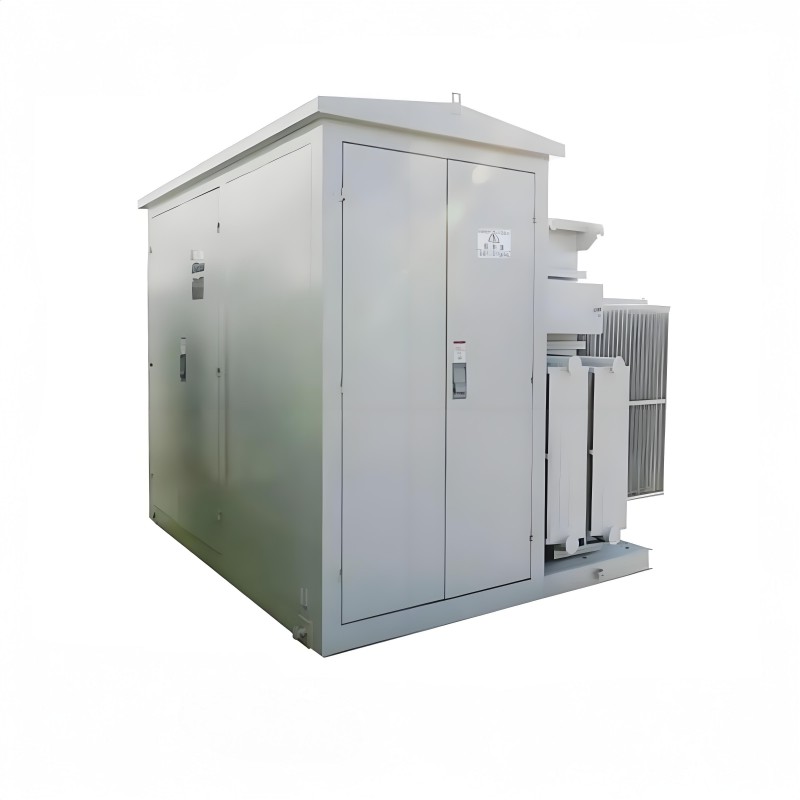 Pad Mounted
American Standard C-Certified 75–2,500 kVA Oil Type Three-Phase 13.8 kV Pad Mount Transformer
Utility-grade pad-mounted configuration for power generation, commercial distribution and renewable interconnection.
- Rating75–2,500 kVA
- Voltage13.8 kV class
- StandardANSI / IEEE
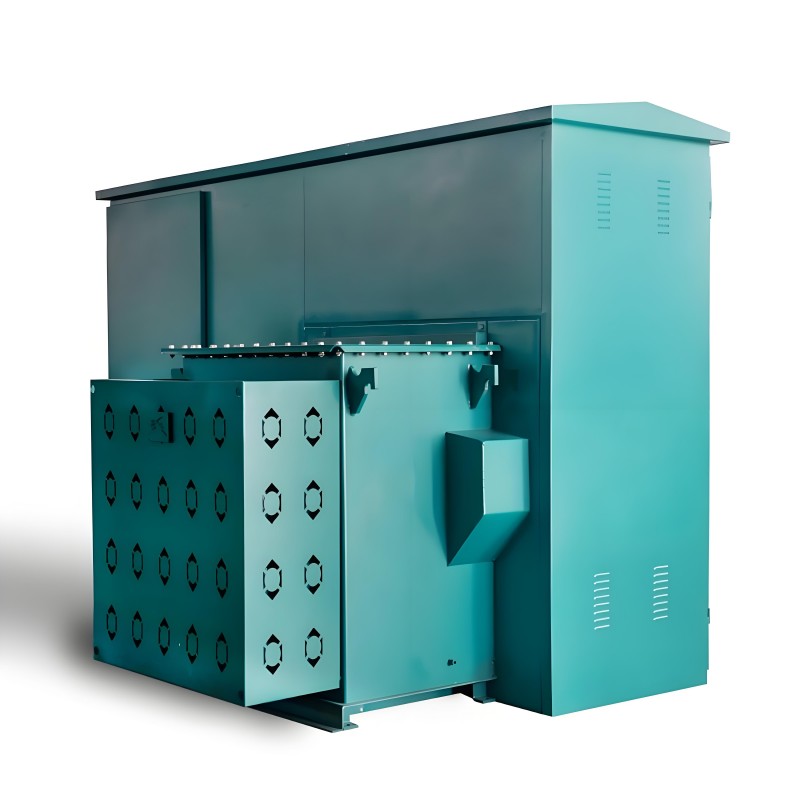 Dead Front
C-Certified Oil-Type 75–2,500 kVA Dead-Front Three-Phase Pad Mounted Transformer, 6–34.5 kV
Dead-front compartment design for underground distribution, loop feed and tamper-resistant site layouts.
- Rating75–2,500 kVA
- Voltage6–34.5 kV
- Frequency50 / 60 Hz
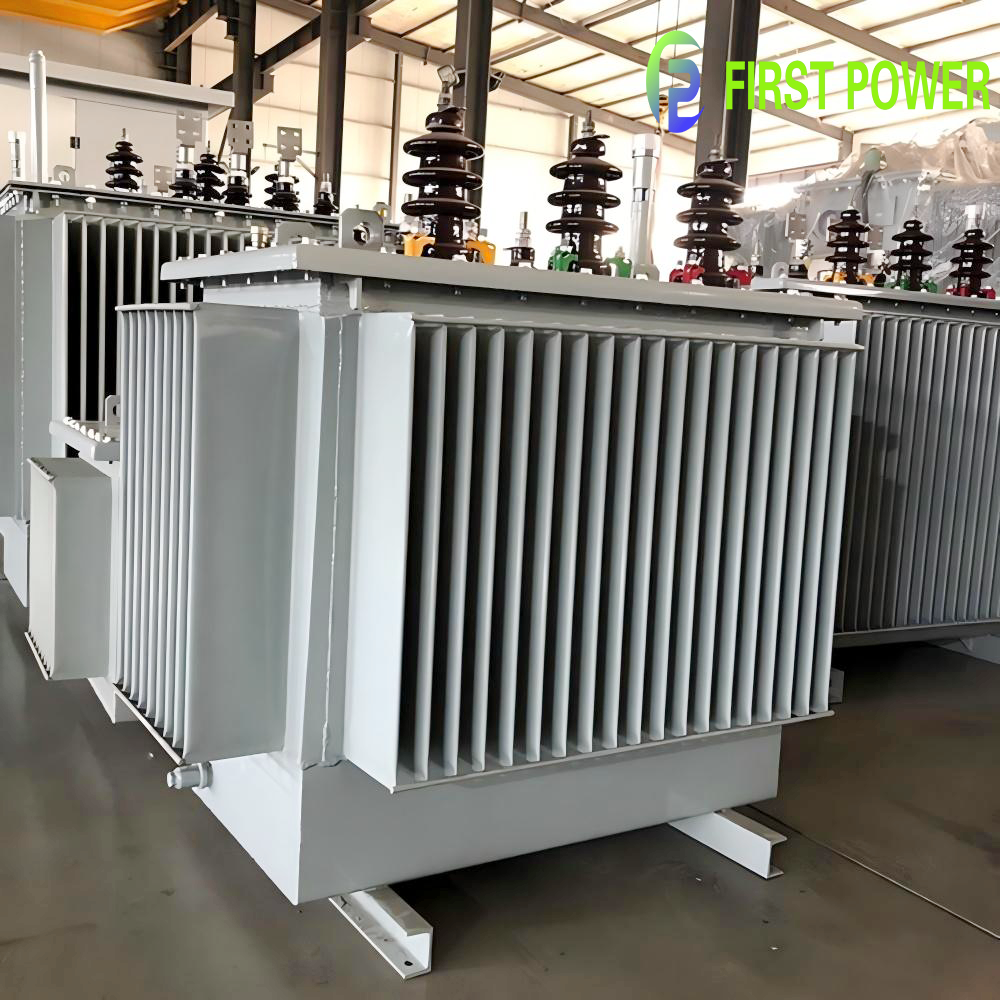 S11 Low Loss
S11 50 kVA Three-Phase Oil-Immersed Distribution Transformer, 10–35 kV, 50/60 Hz
Low-loss distribution platform for electric power networks, industrial parks and utility feeders.
- Rating50 kVA class
- Voltage10–35 kV
- TypeOil immersed
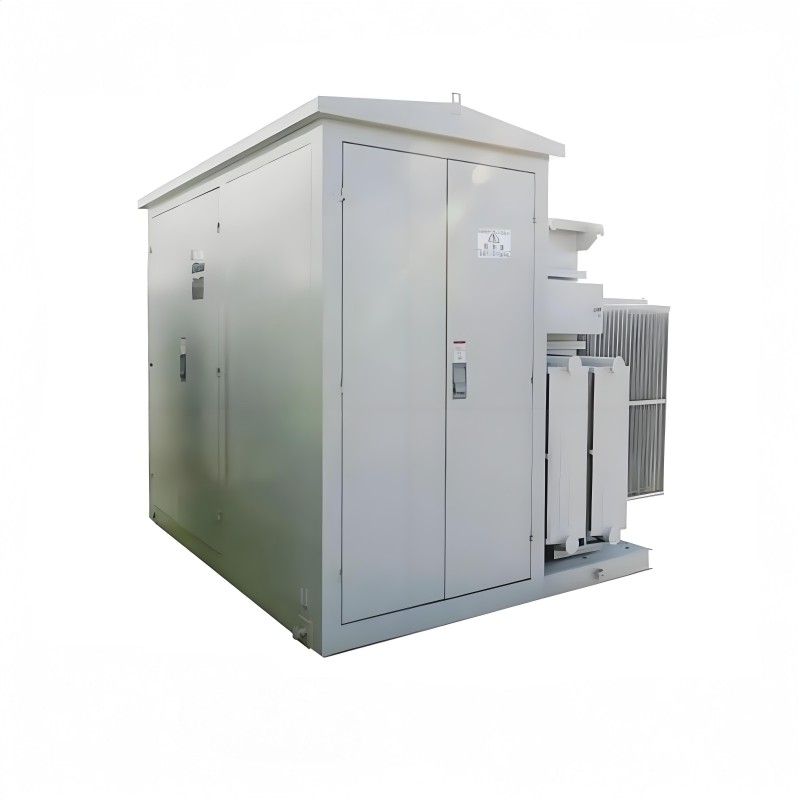 3,000 kVA
American Standard C-Certified 3,000 kVA 34.5 kV/480 V Oil Type Pad Mounted Transformer
Higher-capacity pad-mounted unit for generation, large commercial loads and infrastructure projects.
- Rating3,000 kVA
- Voltage34.5 kV / 480 V
- Frequency60 Hz
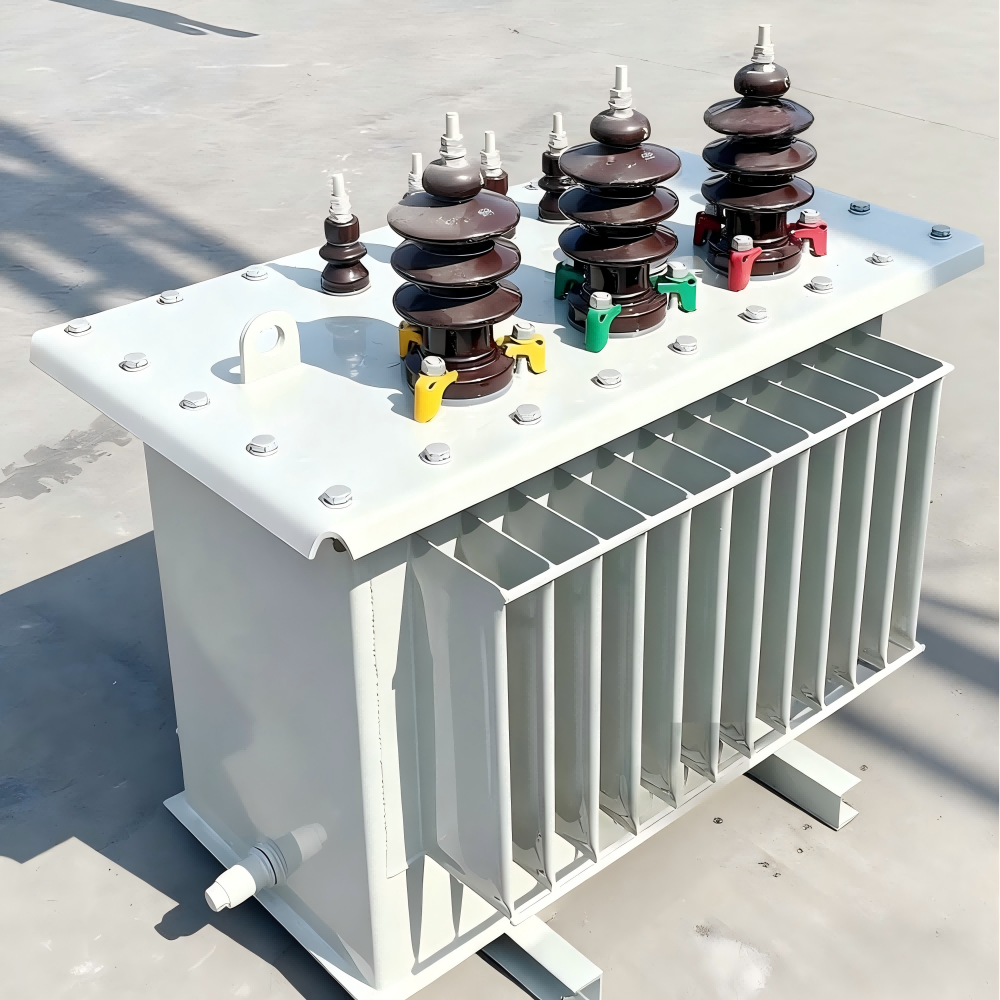 Power Distribution
S11 Three-Phase Oil Transformer, 30–31,500 kVA, 6–35 kV for Power Distribution
Wide-range oil transformer family for distribution substations, industrial plants and grid expansion.
- Rating30–31,500 kVA
- Voltage6–35 kV
- TypeS11 oil type
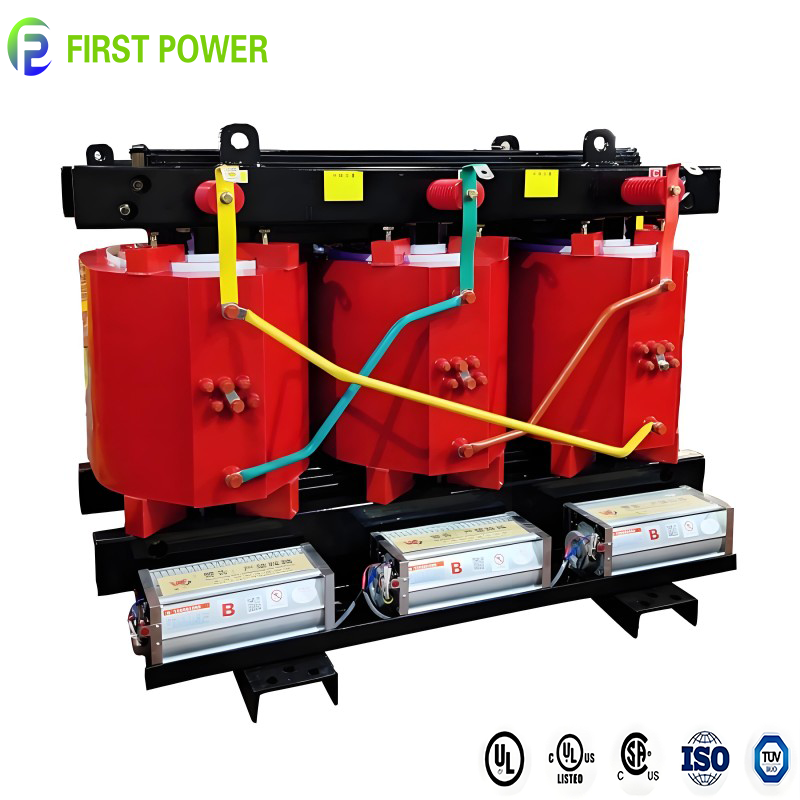 Dry Type
IEEE Standard Three-Phase Dry Type Distribution Transformer, 5–6 MVA, 6–35 kV
Oil-free option for urban, indoor and fire-sensitive locations where liquid-filled equipment is restricted.
- Rating5–6 MVA
- Voltage6–35 kV
- StandardIEEE / CE
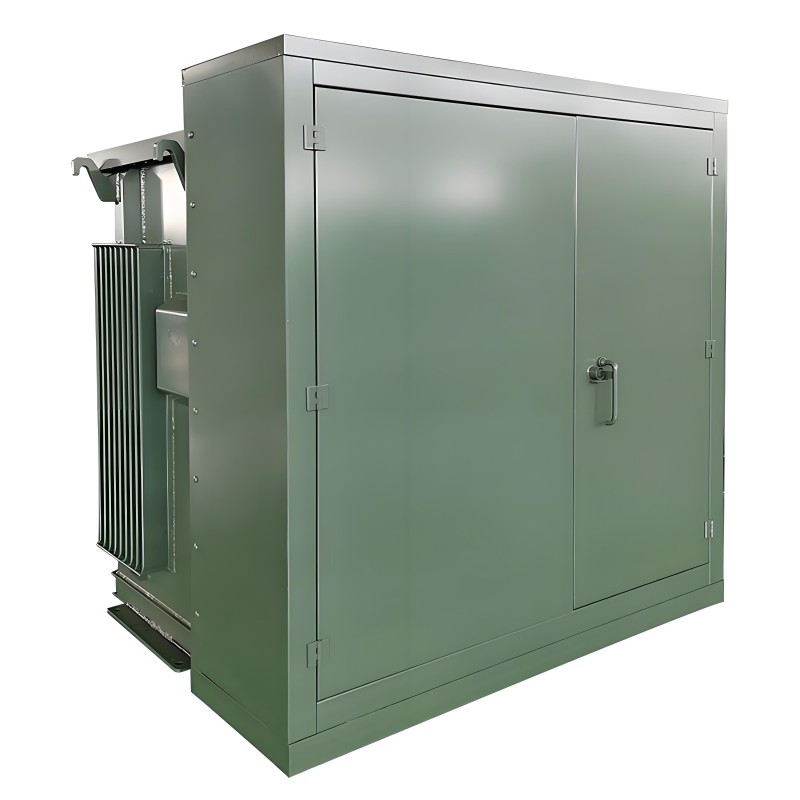 480 V Output
C-Certified 75–2,500 kVA Oil Type Three-Phase Pad-Mounted Transformer, 35 kV Input / 480 V Output
Pad-mounted solution for commercial, industrial and renewable projects requiring 480 V secondary distribution.
- Rating75–2,500 kVA
- Input35 kV class
- Output480 V
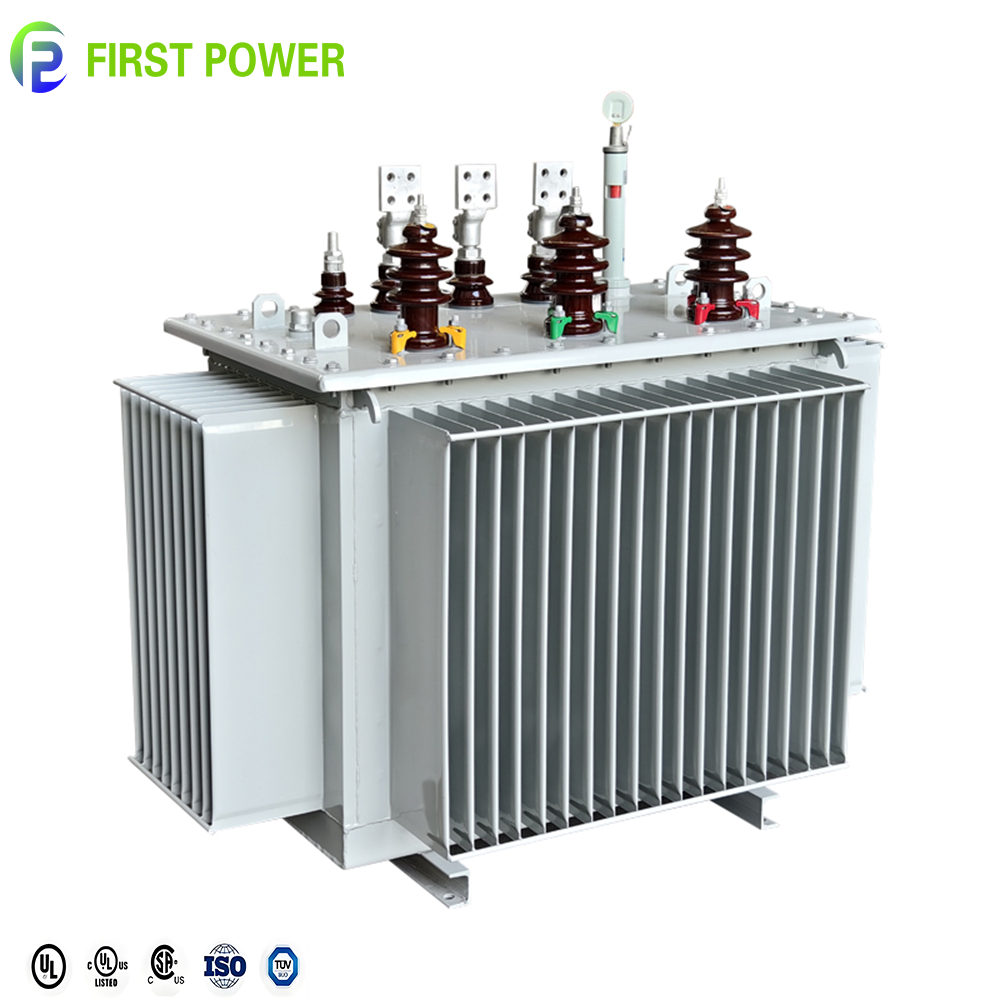 Step-Up
Industrial Step-Up Oil Transformer, 100–500 kVA, 6–35 kV to 220 V, 50/60 Hz
Industrial-purpose oil transformer for plant distribution, motor loads and step-up/step-down applications.
- Rating100–500 kVA
- Voltage6–35 kV
- Output220 V
Need help narrowing the shortlist? Share the load profile, kVA, primary and secondary voltage, frequency, vector group, impedance and site conditions. Our engineers will review the specification and return a compliant drawing direction with guaranteed loss values.
Get a QuoteIndustrial Transformer Capacity Backed by Auditable Factory Data
Buyers searching for China top industrial oil transformer factory & suppliers need more than a product list. They need measurable evidence of engineering depth, production control and export execution.
Industrial Oil Transformer Procurement in 2025
Industrial oil transformers sit at the intersection of grid reliability, energy efficiency and capital discipline. In 2025, procurement teams are not simply buying kVA; they are buying guaranteed losses, fault tolerance, compliant documentation and delivery certainty. Grid investment, renewable interconnection, data-center load growth and electrification are compressing lead times for medium-voltage distribution transformers, pad-mounted units and larger oil-immersed power transformers. For buyers searching for a China top industrial oil transformer factory & suppliers, the differentiator is no longer the lowest quotation. It is whether the factory can prove design discipline, testing depth, certification alignment and export execution.
Oil-immersed transformers remain the workhorse for industrial plants, utility distribution, mining, renewable collection systems and infrastructure because they combine high efficiency, mature insulation systems and strong overload capability with competitive cost. However, the buying decision is becoming more technical: verification of no-load and load losses, impedance and temperature rise, routine test reports, oil test data, seismic and enclosure ratings, and the ability to match IEC or IEEE/ANSI designs for the destination market. A transformer that is compliant on paper but poorly controlled in winding, drying or oil processing will create decades of avoidable loss and failure risk.
Wisegj approaches this as an engineered supply relationship, not a commodity transaction. Our team brings more than 20 years of hands-on transformer experience, supported by 50+ R&D and technical engineers, a 6,847 m² verified production floor, 211 qualified supply-chain partners and management systems certified to ISO 9001, ISO 14001 and ISO 45001. Product lines hold CE certification, and factory capability has been inspected by TÜV Rheinland. That matters because a credible industrial transformer supplier should let your QA team audit the evidence: drawings, material traceability, routine test reports and third-party inspection records.
Use the trend analysis and comparison modules below as a procurement checklist. They are written for utility buyers, EPC contractors, data-center developers and industrial plant owners who need a defensible award decision—not just a fast price.
Typical procurement weighting for oil-immersed transformer awards
Mature buyers increasingly evaluate transformers on total cost of ownership. The weighting below is a practical example, not a universal rule.
Source: buyer-side evaluation logic commonly used for medium-voltage distribution and pad-mounted transformer packages. Final weighting should follow your utility, EPC or owner criteria.
Product Future Procurement Trends: What Buyers Will Require
Transformer procurement is moving from transactional purchasing to evidence-based supplier qualification. The four shifts below are already visible in utility tenders, industrial CAPEX plans and renewable projects.
Lifecycle Cost Becomes the Award Criterion
Buyers are comparing guaranteed no-load and load losses, efficiency at part load, service life and maintenance cost—not only first price. Requests for loss values and lifecycle cost calculations are becoming standard.
Certification-First Sourcing
Destination-market standards now shape the RFQ: IEC 60076 or ANSI/IEEE C57.12, 50 or 60 Hz, vector group, enclosure, seismic requirement and witness testing. Certification is a gate, not a marketing claim.
Renewables and Data Centers Reshape Loads
Solar, wind, storage, EV charging and data centers introduce cyclic loads, harmonics and high uptime expectations. Conservative thermal design and coordinated protection are becoming more important than catalogue kVA alone.
Lead-Time Resilience and Modular Delivery
Long lead times make early procurement, staged delivery and prefabricated substations more attractive. Buyers want production milestones, inspection points and shipping documentation before the purchase order is released.
| 2025 Procurement Driver | What It Changes | Recommended Buyer Action |
|---|---|---|
| Total cost of ownership | Losses, efficiency and service life are evaluated alongside first price. | Request guaranteed loss values, efficiency data and a lifecycle cost comparison. |
| Certification and grid-code alignment | Destination market determines IEC versus ANSI/IEEE design, frequency, enclosure and test documentation. | State the standard, frequency, vector group, impedance and witness-test requirements in the RFQ. |
| Renewable and data-center load growth | High uptime, cyclic loading and harmonics require more careful thermal and protection coordination. | Share load profile, harmonic data, ambient temperature, altitude and redundancy requirements. |
| Lead-time and supply-chain resilience | Early procurement, staged delivery and factory inspection milestones become part of project risk control. | Ask for material availability, production slots, inspection plan and packing method before award. |
| Fire safety, ESG and environmental review | Ester fluids, dry-type alternatives, spill containment and recyclability influence approvals. | Confirm fluid type, fire class, environmental documentation and end-of-life planning. |
Product Development Trends: Where Oil Transformer Design Is Moving
Oil-immersed transformers are mature products, but the design envelope is still changing. Efficiency rules, fire-safety requirements, digital monitoring and renewable integration are pushing factories to offer more configurable platforms.
Low-Loss Cores and High-Efficiency Designs
CRGO and amorphous core options, optimized winding geometry and improved oil circulation are being used to meet stricter loss limits and lower operating cost over the transformer lifecycle.
Ester Fluids and Fire-Safety Engineering
Natural ester and synthetic ester fluids offer higher fire points and biodegradability for urban, indoor and environmentally sensitive sites. Fluid selection is becoming a design decision, not a last-minute option.
Sensors and Digital Condition Monitoring
Temperature, dissolved gas analysis, partial discharge and bushing monitoring are moving from special projects into mainstream specifications for critical transformers and data-center power systems.
Compact and Prefabricated Substations
Factory-assembled MV switchgear, transformer and LV distribution reduce site labor, commissioning time and interface risk. This is especially relevant for renewable, mining and fast-track infrastructure projects.
Dry-Type and Hybrid Choices for Urban Sites
Where oil-filled equipment is restricted, cast-resin dry-type transformers remain important for hospitals, tunnels, high-rise buildings and indoor distribution rooms. Oil and dry solutions are increasingly compared side by side.
Climate Adaptation and Circular Economy
High-ambient, coastal-corrosion, seismic and high-altitude designs are being specified more often. Recyclable materials, oil recovery and end-of-life planning are also entering tender evaluation.
Application-Based Recommendations: Match the Transformer to the Load
The best transformer is the one that fits the load profile, grid code, installation environment and maintenance capability. These four application paths cover most industrial and utility purchases.
Oil-Immersed Distribution Transformers
For 6–35 kV distribution networks, S11 oil-immersed units in the 30–2,500 kVA range are a practical baseline. Confirm losses, impedance, vector group and tap range against the utility standard before award.
Step-Up and Step-Down Oil Transformers
Industrial loads with motors, drives and process equipment need careful voltage ratio, impedance and thermal design. Share the duty cycle, harmonic profile and ambient conditions so the transformer is not undersized.
Pad-Mounted Transformers
Pad-mounted units combine tamper-resistant enclosures with underground distribution. They are widely used for commercial sites, solar farms, data centers and campus networks where site aesthetics and safety matter.
Higher-Capacity Power Transformers
For generation step-up, transmission interconnection and large infrastructure, the design must consider short-circuit strength, cooling class, tap changer type, transport limits and long-term service support.
Why Wisegj Is a Credible China Industrial Oil Transformer Factory & Supplier
E-E-A-T is not a claim in a brochure. It is the ability to show experience, expertise, authority and trust in documents a buyer can verify.
Verified Production Footprint
6,847 m² of inspected production space covering winding, core assembly, drying, tanking, oil processing and testing.
Engineering Depth
20+ years of team experience and 50+ R&D and technical engineers supporting drawings, loss calculations and customization.
Full-Stack Certification
ISO 9001, ISO 14001 and ISO 45001 management systems, plus CE certification for oil-immersed, dry-type, substation and switchgear product lines.
Third-Party Verification
Production capability, floorspace and quality inspection verified onsite by TÜV Rheinland, an independent inspection body.
Stable Supply Chain
211 qualified supply-chain partners help secure silicon steel, copper, bushings, accessories and production lead times.
OEM / ODM Customization
OEM, ODM, design-based and sample-based customization covering rating, vector group, impedance, taps, bushings, cooling, fluid, enclosure color and nameplate language.
Export Execution
Seaworthy packing, complete shipping documentation and Incoterms coverage from EXW to DDP for markets in the Americas, Europe, Africa, the Middle East and Asia.
Responsive Buyer Support
24-hour pre-sale and after-sale response, Fortune 500 supplier experience and a 4.9/5 average buyer rating support procurement confidence.
Industrial Oil Transformer Procurement FAQ
Clear answers for procurement teams, EPC contractors and utility engineers preparing a purchase decision.
What should I include in an RFQ for an industrial oil transformer?
Which standards do Wisegj oil transformers comply with?
What capacity and voltage range can you supply?
How are transformer losses and test results verified before shipment?
Can you customize pad-mounted or oil-immersed transformers for my project?
What trade terms and payment methods are accepted?
What certification and audit evidence can our compliance team review?
How do you support installation and after-sales service?
Send Your Transformer Specification for Engineer Review
Share your datasheet, tender documents or load requirements. A transformer engineer—not a sales script—will review the rating, standard, losses, test plan and delivery schedule, then respond within one working day.
- Rated power (kVA / MVA)
- Primary & secondary voltage
- Frequency (50 / 60 Hz)
- Vector group & impedance
- Cooling & insulating fluid
- Standard (IEC / IEEE)
- Site altitude & ambient
- Loss or efficiency target