Eight Transformer Paths for 2026 Utility, Industrial and Renewable Projects
These recommended configurations cover dry-type distribution, single-phase and three-phase oil-immersed units, pad-mounted transformers, pole-mounted transformers and solar PV step-up duty. Every product link below preserves the original enquiry path, and every design can be reviewed against your loss, impedance, altitude, ambient and grid-code requirements.
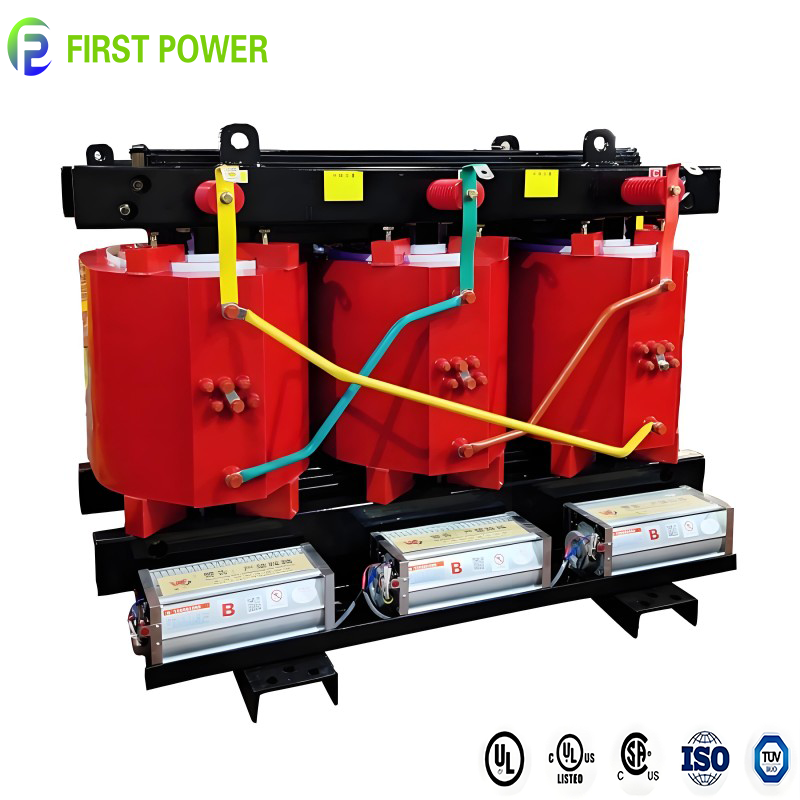 Dry Type
C CE Certification IEEE Standard 50/60HZ 5MVA 6MVA 6KV 35KV 3 Phase Dry Type Transformer for Electric Power Distribution
A high-capacity three-phase dry-type route for indoor substations, commercial campuses and infrastructure where fire safety, oil-free operation and low maintenance are procurement priorities.
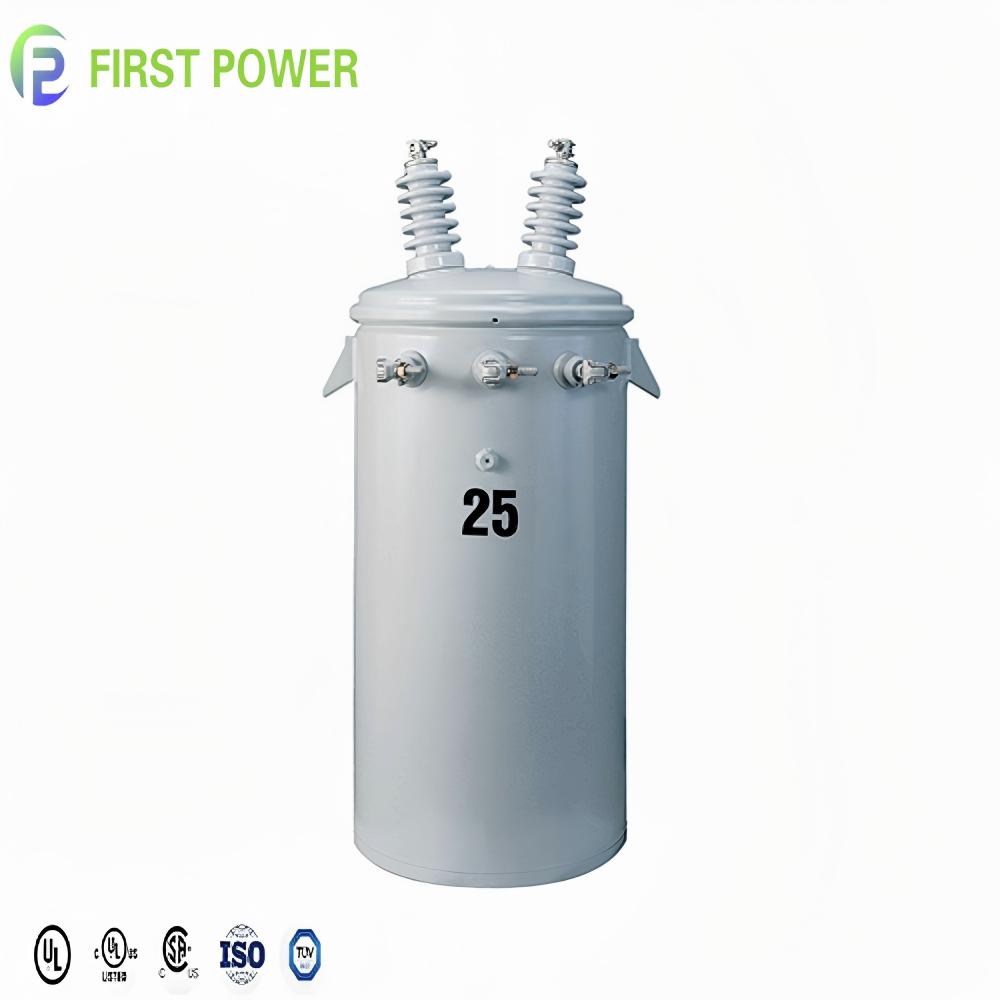 Single Phase
C CE Certification MV&HV 50/60HZ 6KV 10KV 20KV 35KV 25KVA Single Phase Transformer Price for Electric Power Distribution
A compact single-phase MV/HV transformer for rural electrification, distribution networks and small-footprint projects that need straightforward installation and predictable lead time.
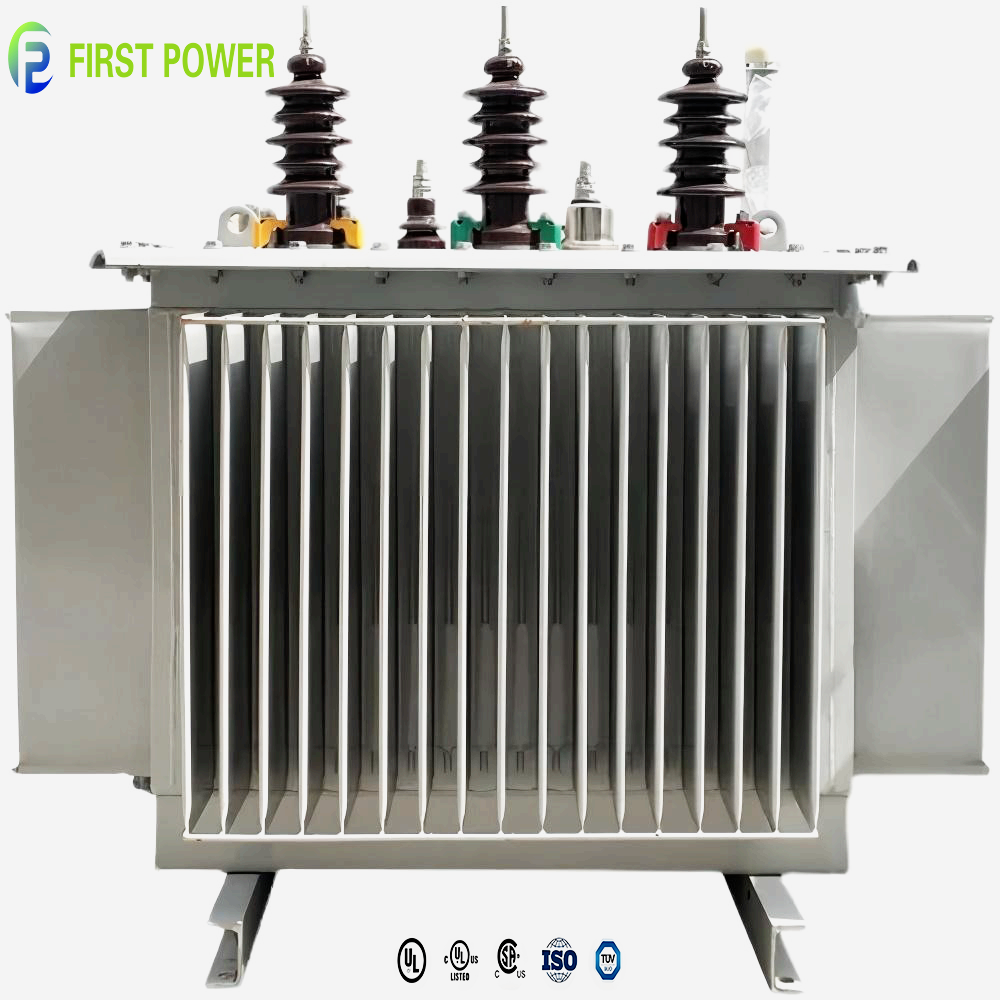 Oil Immersed
/C Certification 60HZ S11 Three Phase 10KV 35KV 500 KVA 22KV/0.4KV 50HZ Electric Oil Immersed Transformer for Power Supplies
A proven S11 three-phase oil-immersed distribution transformer for 60 Hz power supplies, industrial plants and conventional outdoor substations where efficiency and service life dominate.
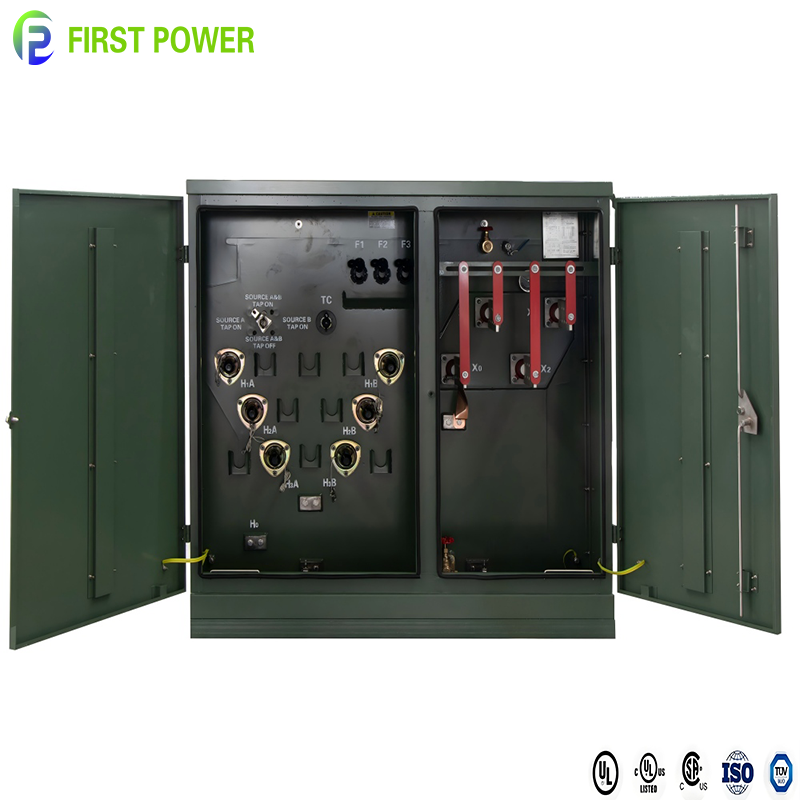 Pad Mounted
Listed C CE MV&HV 50/60HZ 6KV 10KV 15KV 20KV 35KV 3 Phase Pad Mounted Transformer Electrical for Industrial Power Supply
A tamper-resistant pad-mounted solution for underground distribution, industrial parks, commercial developments and projects where site aesthetics and cable access matter.
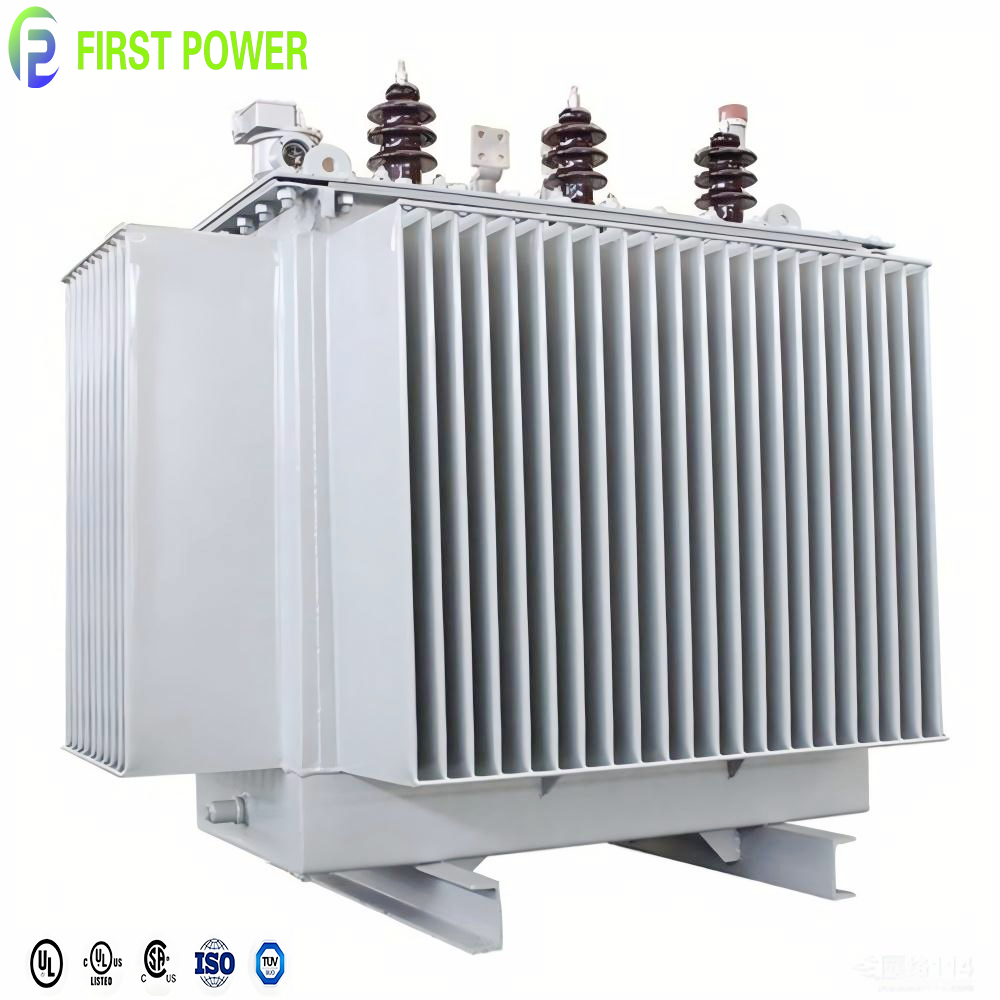 Wide Range
C CE MH&HV 50/60HZ 10KVA-50000KVA 10KV 15KV 20KV 35KV Three Phase S11 Oil Transformer for Electric Power Distribution
A broad S11 oil transformer range from 10 kVA to 50 MVA for distribution duties that require flexible ratings, vector groups, tap ranges and loss guarantees.
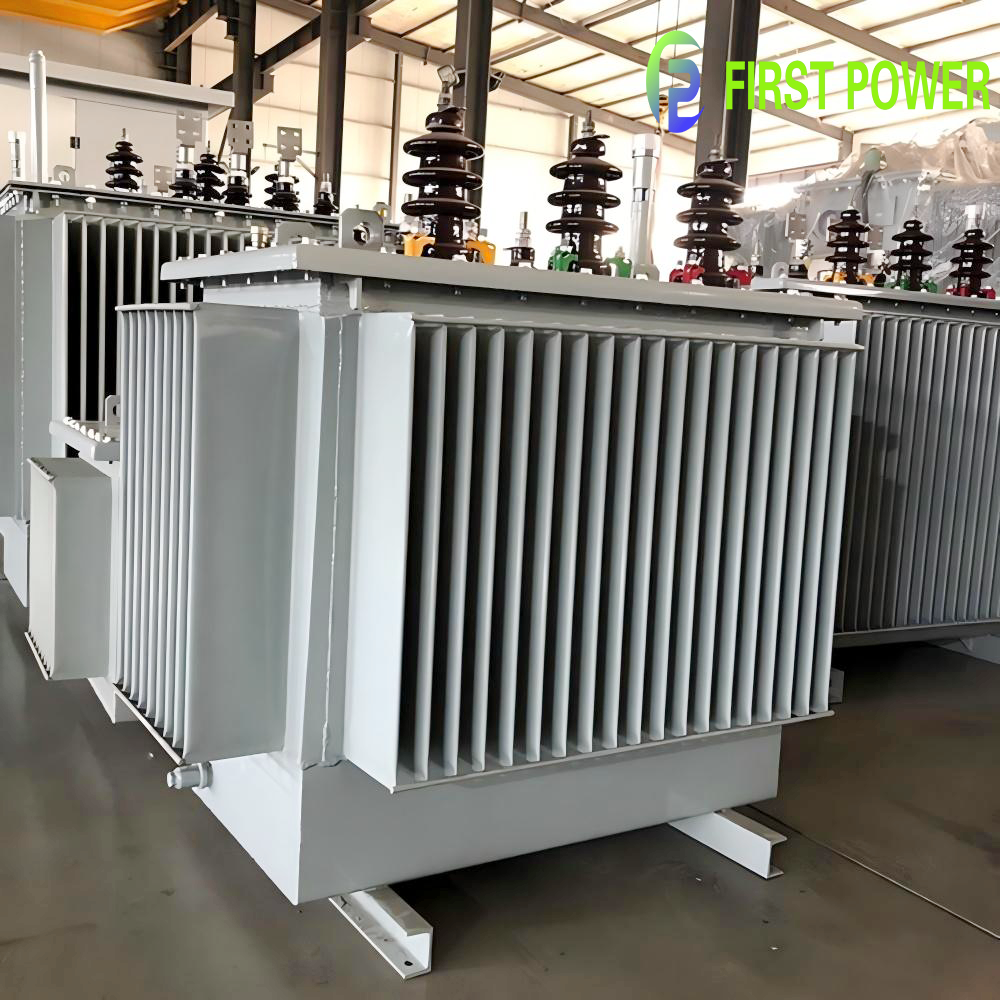 Distribution
C CE MV&HV S11 50/60HZ 10KV 20KV 35KV Three Phase Oil Immersed 50KVA Transformer for Electric Power Distribution
A practical 50 kVA three-phase oil-immersed unit for smaller distribution nodes, retrofit schemes and phased grid extension where capital cost and service continuity are balanced.
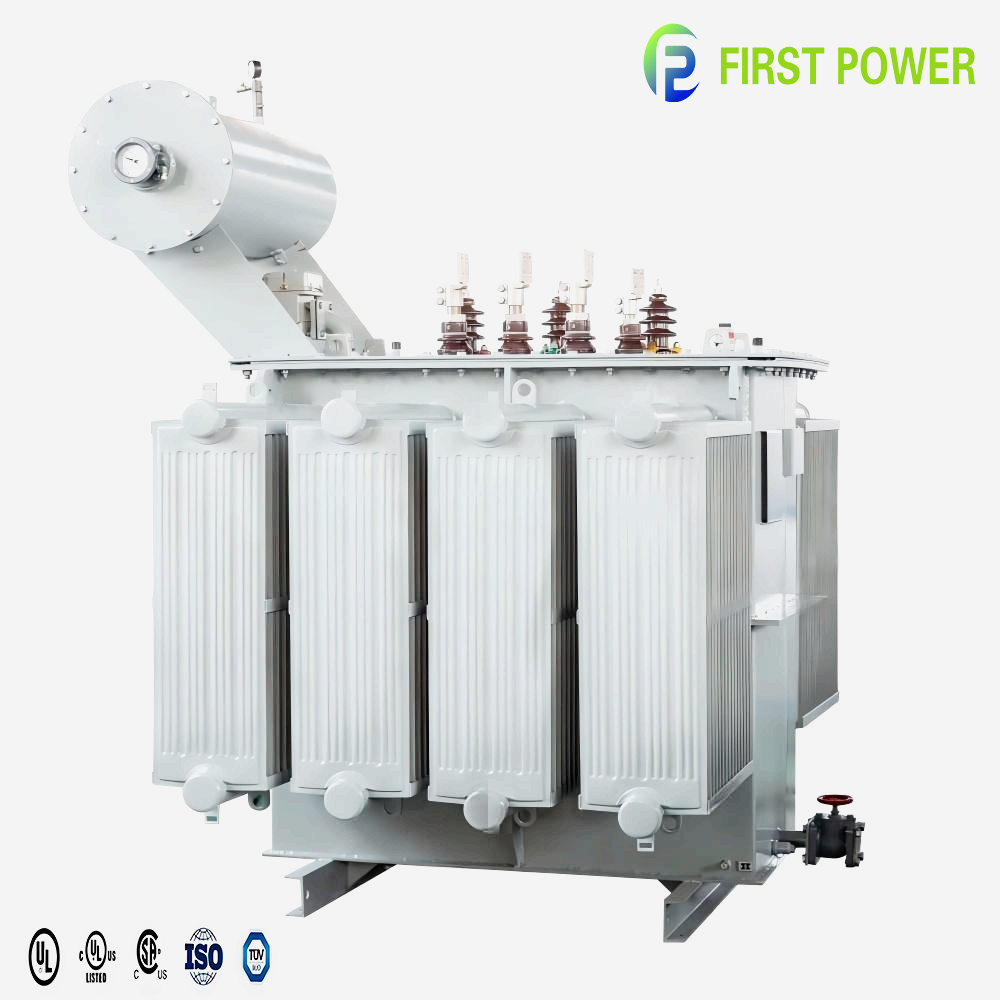 Solar PV
/C Certification 50/60HZ 6KV 10KV 20KV 35KV Three Phase 1000KVA 1MW Solar PV Transformers Oil Immersed for Power Generation
A solar PV step-up transformer path for renewable collection systems, designed around 1000 kVA / 1 MW class duty, outdoor endurance and optimized no-load and load-loss performance.
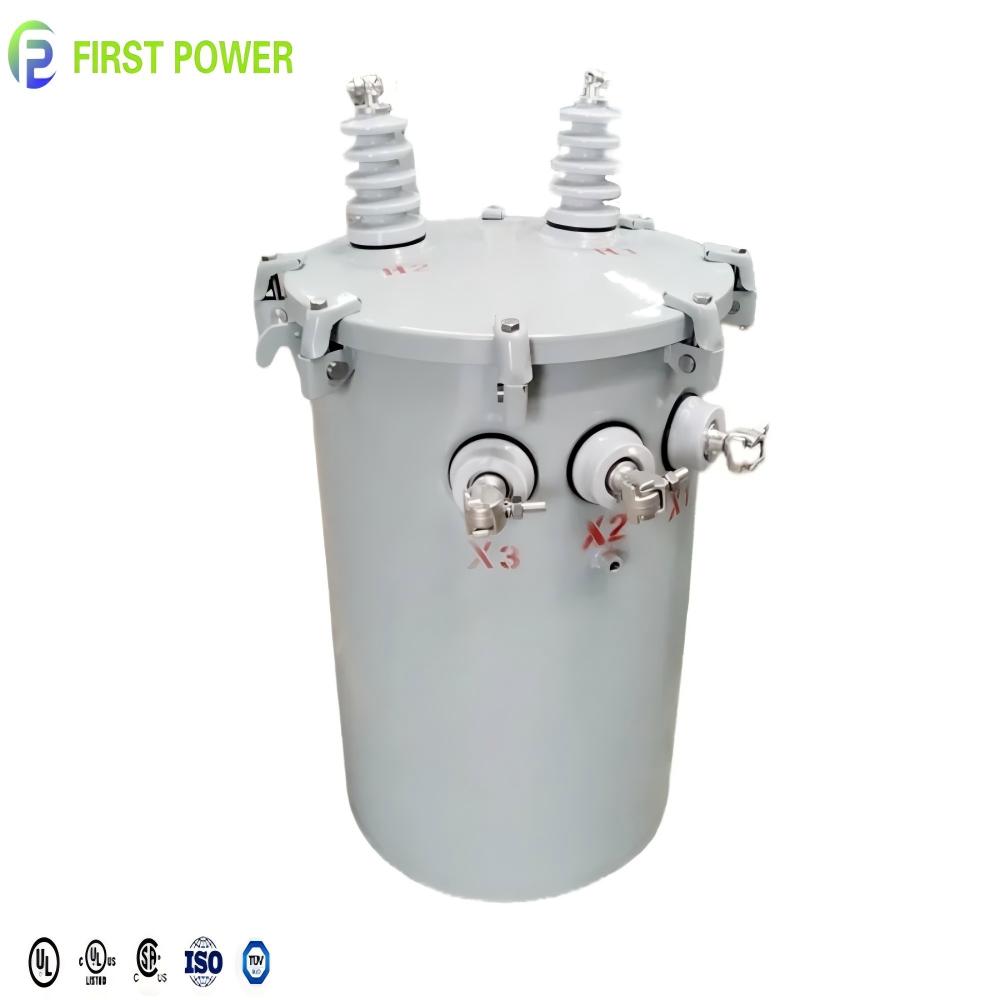 Pole Mounted
ANSI 50/60HZ 6KV 10KV 15KV 20KV 35KV 15KVA 25KVA 50KVA 100KVA Single Phase Pole Mounted Transformers for Industrial Power Supply
An ANSI-style single-phase pole-mounted transformer route for overhead distribution, rural feeders and industrial loads from 15 kVA to 100 kVA with export-ready configuration.
Need a fast cross-check on rating, losses, impedance or destination standards?
Why China Continues to Set the Benchmark for Dry Transformer Sourcing
The phrase China top dry transformer manufacturers & exporter is often used loosely online. For procurement teams, it should mean something more specific: a supplier that can demonstrate engineering depth, repeatable process control, verifiable certificates, export documentation and a product portfolio broad enough to solve the whole substation package rather than only one unit price.
Dry-type transformers have moved from a niche preference to a mainstream specification in hospitals, high-rise buildings, tunnels, data centers, metro systems and urban substations. The reason is not only fire safety. Dry-type designs reduce liquid-handling risk, simplify indoor installation and support compact electrical rooms. At the same time, buyers are tightening loss requirements, requesting third-party witness tests and asking for digital documentation that can be handed directly to commissioning teams.
Jiangsu Wisegj Power Co., Ltd. operates from Suzhou, Jiangsu, as a manufacturer and exporter of dry-type transformers, oil-immersed distribution transformers, power transformers, pad-mounted transformers, compact substations and switchgear. The company’s portfolio spans 220 V to 500 kV, which lets buyers align dry-type indoor equipment with oil-immersed outdoor equipment and prefabricated substations under one technical review process.
- 20+ years of transformer team experience
- 6,847 m² verified production floorspace
- 50+ R&D and technical engineers
- TÜV Rheinland verified assessment
- ISO 9001, ISO 14001 and ISO 45001 systems
- OEM, ODM and sample-based customization
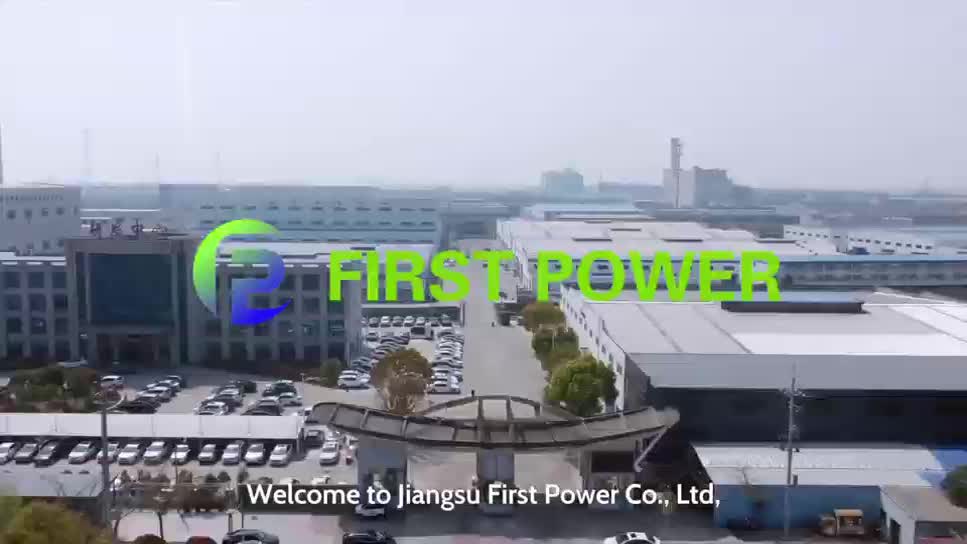
Procurement Data Buyers Can Audit
The following figures are drawn from the company profile, third-party verification and buyer-facing capability information. They are useful because they translate “manufacturer” into measurable capacity, engineering depth and export readiness.
What Transformer Buyers Will Evaluate Differently Through 2030
Price comparison is no longer a spreadsheet exercise limited to kVA and voltage. Leading buyers now compare lifecycle loss cost, fire-risk exposure, documentation quality, lead-time resilience and the supplier’s ability to prove that every serial number was tested.
Total Cost of Ownership Replaces Unit Price
Utilities and EPCs are capitalizing no-load and load losses into the evaluation. A dry-type transformer with optimized coil design, lower temperature rise and well-controlled partial discharge can outperform a cheaper unit when ten or twenty years of energy cost are included.
Fire Safety and Indoor Siting Drive Dry-Type Demand
Hospitals, metro stations, high-rises and data centers increasingly prefer cast-resin dry-type units because they remove liquid handling from occupied buildings. Procurement language is becoming stricter on insulation class, fire performance, smoke behavior and indoor ventilation assumptions.
Efficiency Mandates and Carbon Reporting
Buyers now ask for guaranteed losses, measured efficiency and material declarations that support corporate carbon reporting. For oil-immersed lines, natural ester fluids and recyclability are moving from optional topics to tender questions in sensitive or high-ambient environments.
Supply-Chain Resilience and Dual Sourcing
China remains a deep industrial base for transformer materials and manufacturing, but serious buyers combine it with factory audits, drawing approvals, material traceability and witness testing. The goal is not simply a lower quote; it is a predictable delivery path with evidence at each milestone.
Digital Documentation Becomes a Tender Requirement
GA drawings, nameplate drafts, routine test reports, oil test records, O&M manuals and packing lists are increasingly requested in editable or searchable formats. QR-linked serial records and English documentation reduce commissioning delays and after-sales ambiguity.
Renewables and Data Centers Reshape Lead-Time Planning
Solar, wind, EV charging and data-center projects demand faster design cycles. Buyers are ordering transformers together with compact substations, switchgear and protection devices, so a supplier that can coordinate multiple equipment families can reduce interface risk and site rework.
Where Dry-Type and Distribution Transformer Design Is Heading
The next generation of transformer products is being shaped by four forces: lower losses, higher fire safety, smarter condition monitoring and faster renewable interconnection. The practical result is more customized configurations rather than standard catalogue boxes.
Cast-Resin Dry-Type Design with Higher Thermal Margins
Vacuum-cast resin systems and Class F or H insulation allow dry-type transformers to operate in warmer electrical rooms and compact enclosures. Buyers should specify temperature rise, IP protection, altitude correction and partial-discharge limits together rather than treating them as separate clauses.
Low-Loss Cores and Optimized Winding Architecture
Amorphous metal, high-grade grain-oriented silicon steel and improved winding geometries are being used to reduce no-load and load losses. The best procurement approach is to request guaranteed loss values and verify them during routine testing, not only rely on a generic “high-efficiency” claim.
Eco-Friendly Insulation and Circular Material Choices
Natural ester fluids, recyclable insulation systems and lower-flashpoint risk designs are gaining attention for environmentally sensitive sites. For dry-type units, the equivalent trend is longer service life with reduced maintenance and no oil leakage risk in occupied buildings.
Smart Monitoring and Condition-Based Maintenance
Temperature sensors, partial-discharge monitoring, DGA sampling points and digital nameplates are moving into mainstream specifications. These features are especially valuable for data centers, offshore or remote renewable sites and utility substations where unplanned outages carry high cost.
Compact Substations and Prefabricated Power Blocks
Transformer, MV switchgear and LV distribution are increasingly purchased as a factory-assembled compact substation. This reduces site interfaces, shortens commissioning and improves quality control because the complete power block is tested before shipment.
50/60 Hz and ANSI/IEC Export Customization
Export projects rarely accept a one-size-fits-all unit. Buyers need nameplate language, vector group, tap range, bushing arrangement, enclosure color, corrosion protection and frequency-specific design aligned with destination grid codes. A manufacturer with both IEC and ANSI/IEEE experience reduces approval cycles.
How to Match Transformer Type to Project Risk
A compliant transformer is not automatically the right transformer. The most useful buying decision compares installation environment, fire strategy, loss exposure and commissioning risk before the enquiry is sent out.
Cast-Resin Dry-Type Transformer
Best for indoor, fire-sensitive and space-constrained locations where oil-free operation and reduced maintenance are strategic advantages.
- Typical applications: hospitals, high-rises, tunnels, data centers and commercial buildings
- Procurement checks: insulation class, temperature rise, IP rating, partial discharge and enclosure ventilation
- Value driver: lower fire-risk exposure and simpler indoor approval
Oil-Immersed Distribution Transformer
A highly economical and proven route for outdoor distribution, utility networks and industrial sites where liquid containment and maintenance access can be managed.
- Typical applications: utility feeders, industrial plants, mines, renewable collection and rural networks
- Procurement checks: sealing method, oil type, loss guarantees, oil BDV, corrosion protection and bunding requirements
- Value driver: strong first-cost efficiency at larger distribution ratings
Pad-Mounted or Compact Unit
Ideal for underground distribution, urban developments and renewable projects where a tamper-resistant enclosure and fast site installation reduce civil work.
- Typical applications: commercial campuses, industrial parks, solar farms and urban distribution
- Procurement checks: loop or radial feed, MV switchgear, enclosure rating, ventilation and anti-corrosion coating
- Value driver: factory-assembled power block with fewer site interfaces
For a faster and more accurate offer, provide rated power, primary and secondary voltage, frequency, vector group, impedance, tap range, cooling method, altitude, ambient temperature, applicable standard and any loss capitalization formula used in your tender.
Inside Jiangsu Wisegj Power: A Manufacturer Built Around Auditable Engineering
For international buyers, the real test of a China dry transformer manufacturer is whether claims can survive a technical clarification meeting. Wisegj’s advantage is the combination of a production base, engineering team, certification system and export process that can be reviewed before an order is placed.
Verified Production Base
A 6,847 m² production floorspace covers winding, core assembly, drying, tanking, testing and export packing. The company operates as a manufacturer with full industry certificates, not a pure trading intermediary.
20+ Years of Engineering Experience
The technical team brings more than two decades of hands-on transformer experience. Every project is reviewed by engineers before quotation so that rating, losses, impedance and installation conditions are aligned from the beginning.
50+ R&D and Technical Engineers
More than fifty engineers support design customization, drawing approval, testing documentation and after-sales technical response. This is especially important for OEM, ODM and design-based projects with non-standard interfaces.
In-House Routine Testing
Each unit receives documented routine tests such as winding resistance, voltage ratio, vector group, no-load loss and current, load loss and impedance, applied voltage and induced voltage withstand, plus oil dielectric testing for liquid-filled units.
ISO and CE Certification
ISO 9001, ISO 14001 and ISO 45001 management systems support quality, environmental and safety control. CE certificates cover key product lines including oil-immersed power transformers, dry-type transformers, compact substations and switchgear.
TÜV Rheinland Verified Assessment
Production capability, floorspace and quality inspection have been verified onsite by TÜV Rheinland. Buyers can request the assessment report and use it as a starting point for their own supplier qualification process.
Fortune 500 and Repeat Buyer Experience
The company reports supply experience with Fortune 500 companies, 211 qualified supply-chain partners and a 4.9/5 average buyer rating. These signals matter because transformer quality is proven through repeat orders and successful commissioning.
24-Hour Response and Export Support
Pre-sale and after-sale questions receive a response target of one working day. The export team supports OEM, ODM and sample-based customization, Incoterms from EXW to DDP, multiple payment methods and English documentation.
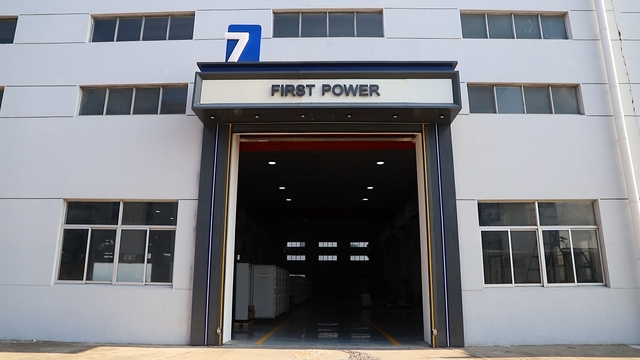
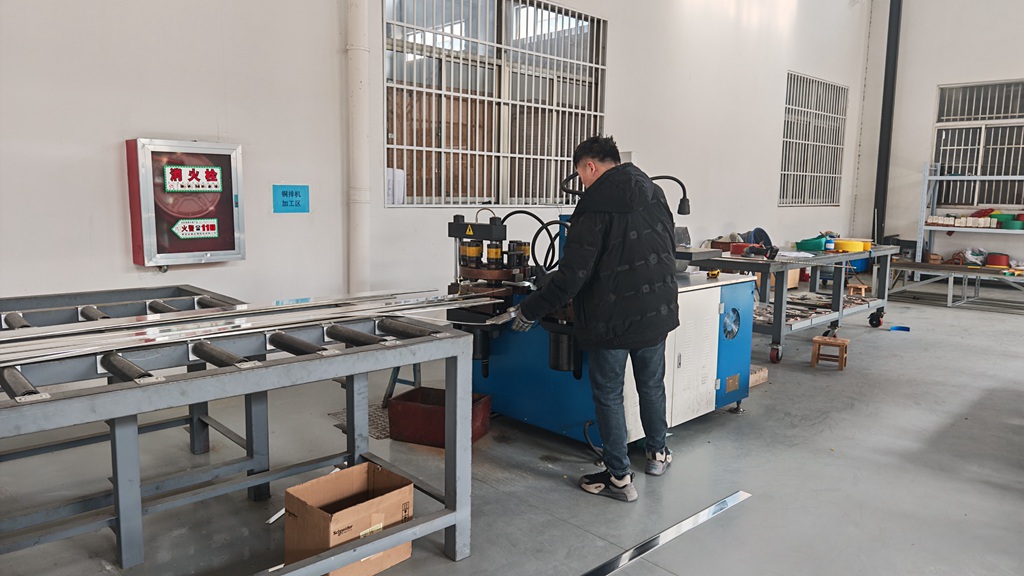
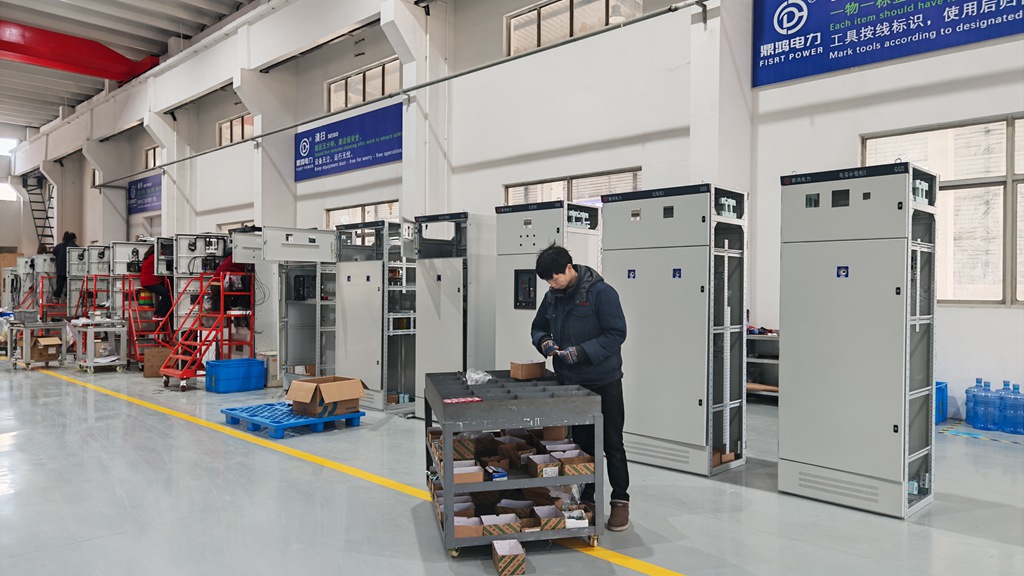
From Specification Review to Export Packing
A credible factory visit is not only about machines. It is about how work instructions, inspection checkpoints, test records and packing standards connect from enquiry to shipment.

Specification Review
Engineers review rating, standards, altitude, ambient, harmonics, grid code and loss targets before quotation.
Drawing Approval
GA drawing, nameplate, guaranteed losses, vector group and interface details are confirmed with the buyer.
Controlled Production & Testing
Winding, core assembly, drying, tanking and routine testing are controlled with documented inspection checkpoints.
Packing & Documentation
Export packing, shock indicators, packing list, test reports and O&M manuals are prepared for shipment.
Certificates and Compliance Evidence
Certificate numbers and validity periods are included so compliance teams can verify them directly with issuing bodies. The site also references ISO 14001 environmental management, even where only selected certificate images are shown here.
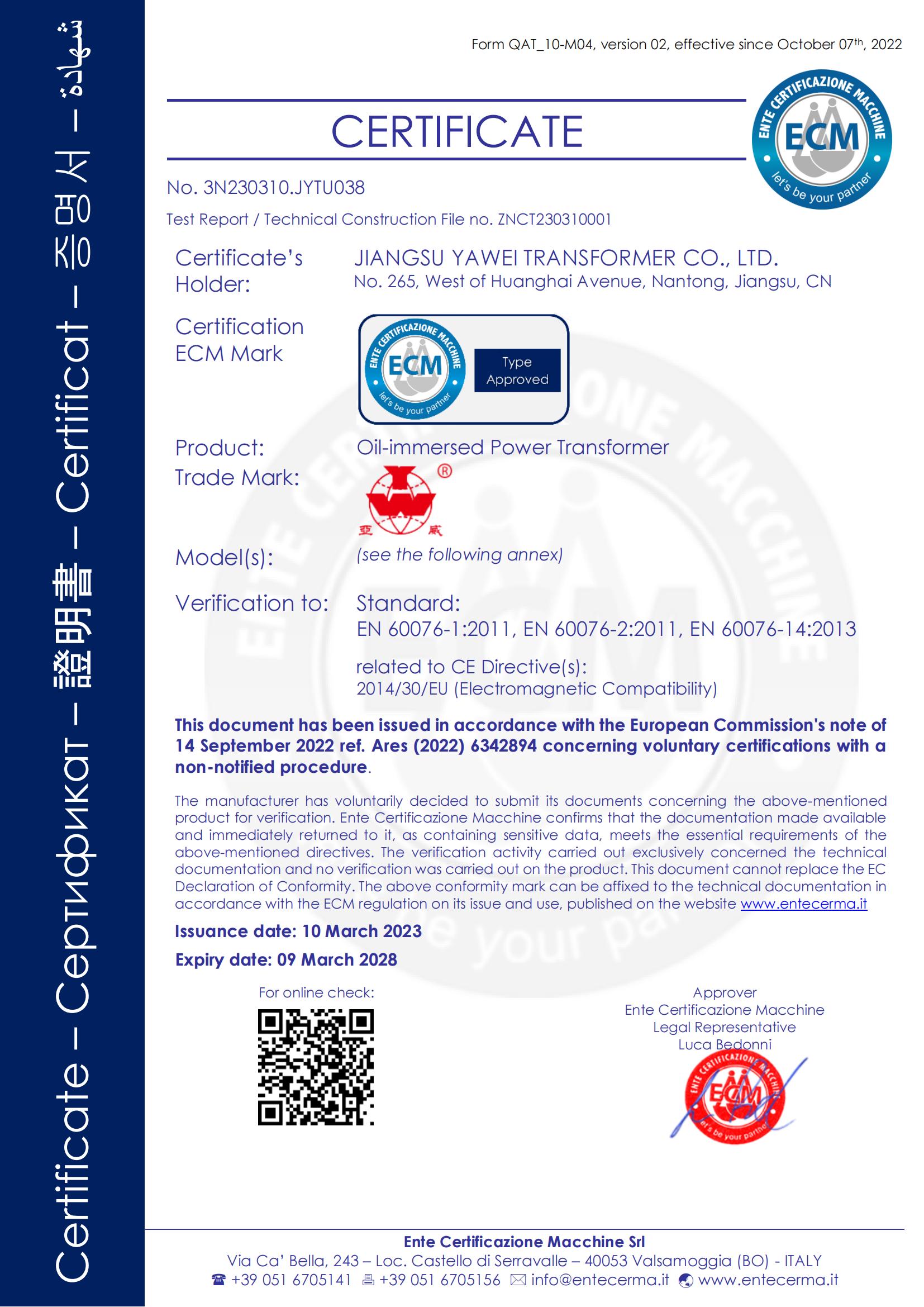
CE · Power Transformer
Oil-immersed power transformer · No. 3N230310.JYTU038 · 2023–2028
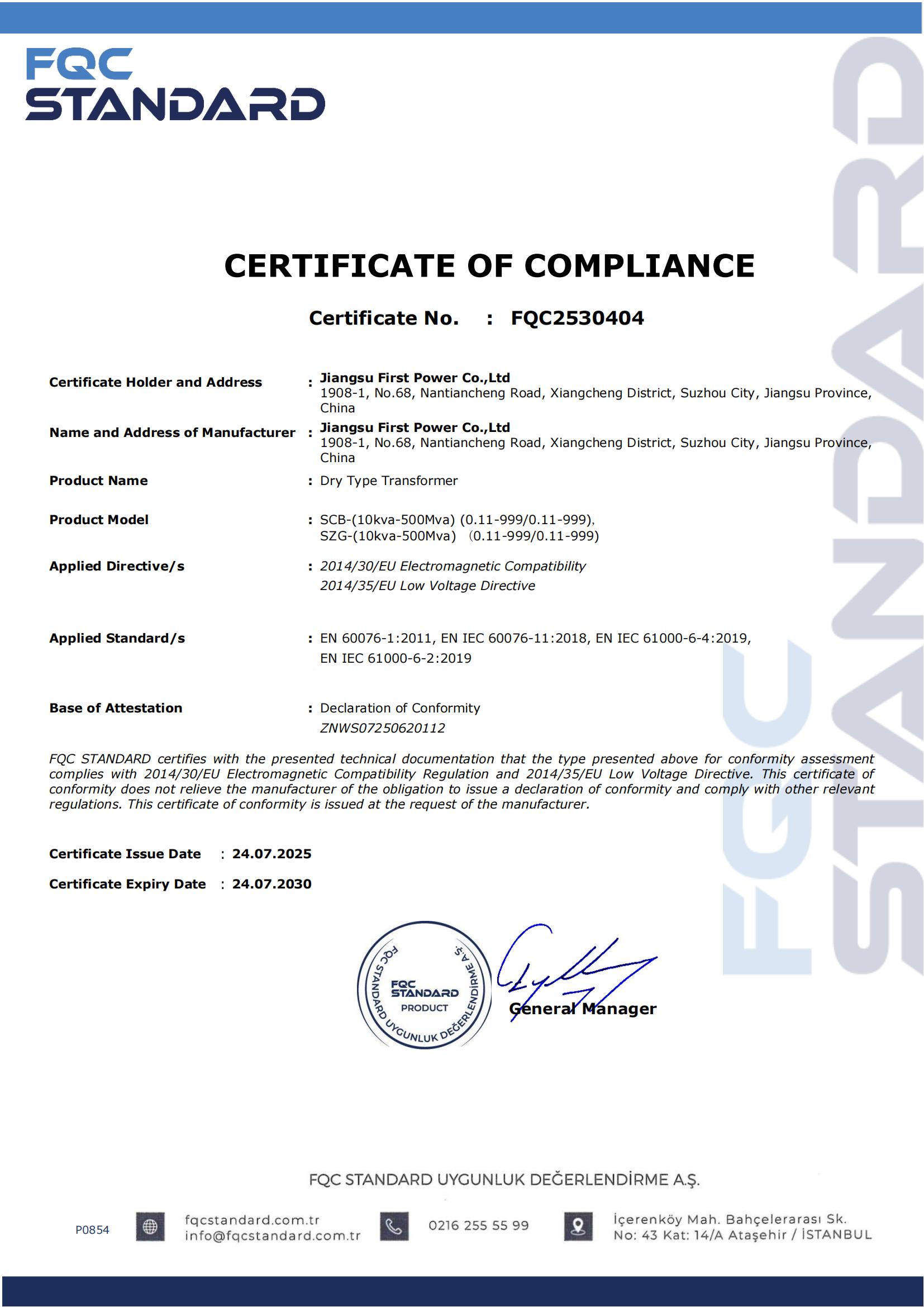
CE · Dry Type Transformer
Dry-type transformer · No. FQC2530404 · 2025–2030
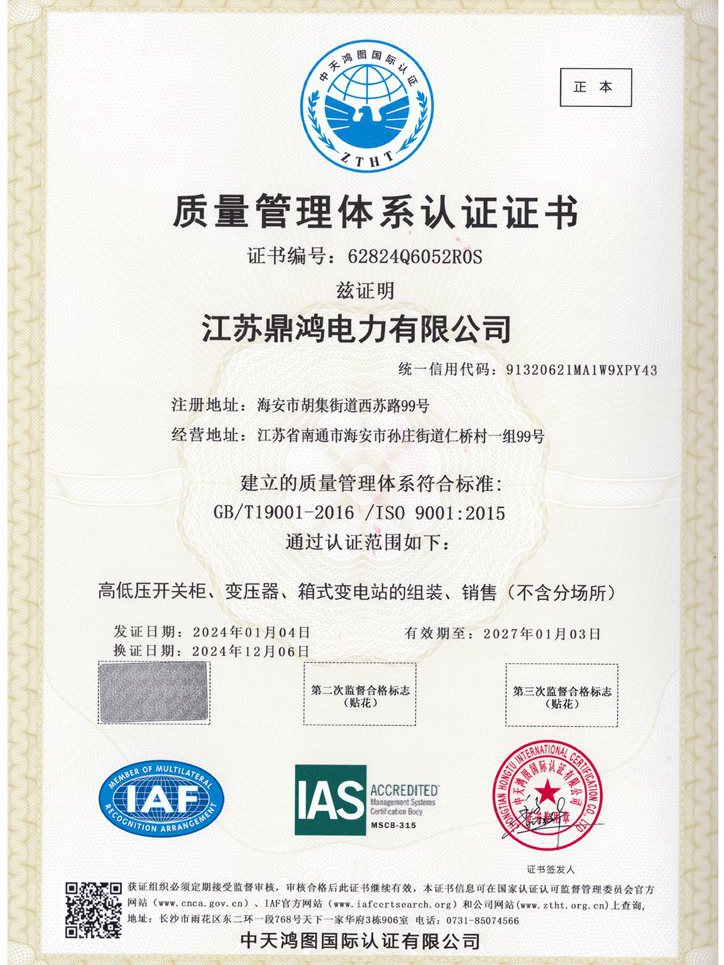
ISO 9001
Quality management system · No. 62824Q6052R0S · 2024–2027
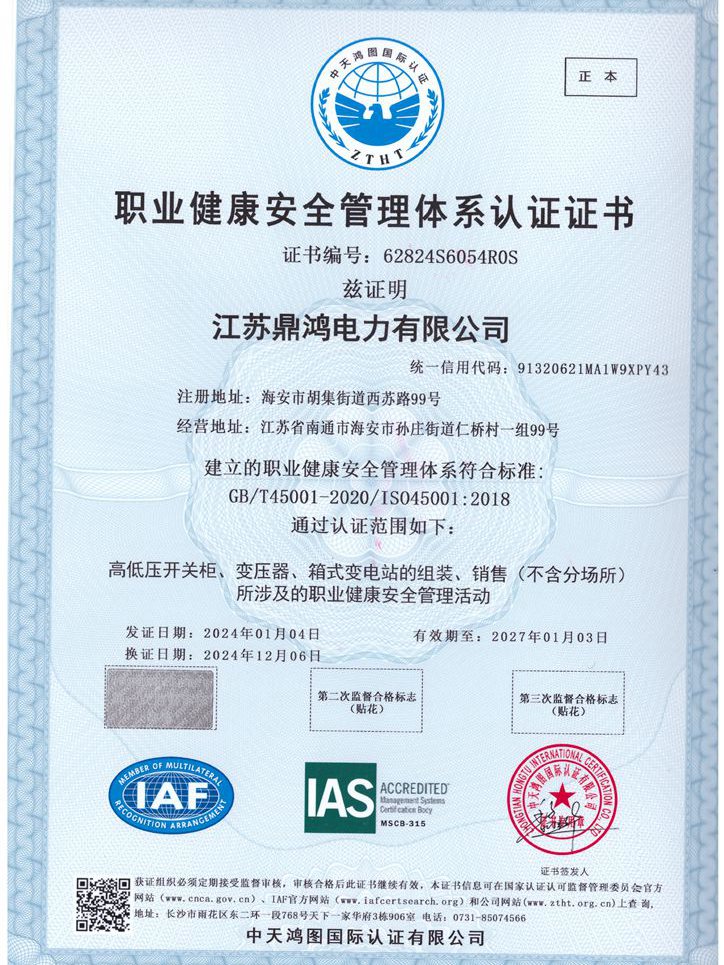
ISO 45001
Occupational health and safety · No. 62824S6054R0S · 2024–2027
Questions Buyers Ask Before Ordering Dry-Type and Distribution Transformers
These answers reflect the practical questions raised by utilities, EPC contractors, industrial buyers and renewable developers during technical and commercial clarification.
Which standards and certifications apply to Wisegj transformers?
What voltage and capacity range can be supplied?
Which factory tests are performed before shipment?
Can transformers be customized for my project?
How should a buyer evaluate total cost of ownership?
What documentation is supplied with the equipment?
What trade and payment terms are accepted?
How can I verify the factory and after-sales capability?
Send Your Transformer Specification for a Compliant, Loss-Aware Offer
Share your tender drawing, datasheet or a simple parameter list. A transformer engineer will review the application, confirm the suitable dry-type or oil-immersed configuration and respond with a technical path that reflects your standard, ambient conditions and delivery schedule.
- Rated power and voltage
- Frequency and vector group
- Loss and impedance targets
- Standards and destination
- Installation environment
- Delivery and documentation needs