What “Best” Should Mean When You Compare Pole Mounted Transformer Factories in China
Procurement teams searching for a China best pole mounted transformer factory are not simply comparing price per kVA. They are evaluating total cost of ownership, loss capitalization, grid-code compliance, routine test documentation, lead-time reliability and the supplier’s ability to support a project from specification review to commissioning. A pole mounted transformer may look like a commodity, but its core loss, impedance tolerance, tank sealing, bushing configuration and insulation-fluid choice directly affect 25-year operating costs and outage risk.
Jiangsu Wisegj Power Co., Ltd. is a Suzhou-based transformer manufacturer and exporter serving utilities, EPC contractors, renewable developers and industrial buyers. The company’s portfolio spans oil-immersed distribution transformers, pad-mounted transformers, pole-mounted platforms, dry-type transformers, power transformers and compact substations. With more than 20 years of team experience, a 6,847 m² verified production base, 50+ R&D and technical engineers, and a quality system certified to ISO 9001, ISO 14001 and ISO 45001, Wisegj is structured for buyers who need audit-ready evidence, not just a quotation.
The eight factory-direct configurations below are the most requested platforms for pole-mounted, pad-mounted and compact distribution projects. Every unit is routine-tested before dispatch, and third-party witness inspection is welcome. Use this page as a practical buying guide: compare the recommended platforms, review the procurement and technology trends that will shape 2025–2027 tenders, then send your datasheet for an engineer-reviewed offer.
Pole Mounted Transformer and Oil-Immersed Product Recommendations
Shortlist by voltage class, kVA rating and installation environment. Each product link preserves the original factory listing, so your engineering team can review drawings, options and enquiry details without losing the configuration context.
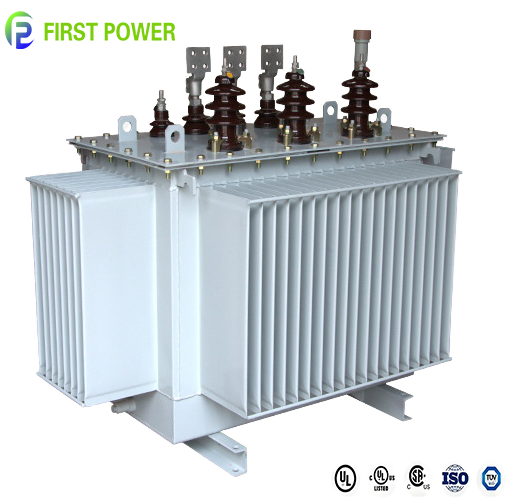 S11 · Distribution
C CE 50/60HZ S11 10KV 15KV 20KV 35KV 100KVA 300KVA 500KVA 630KVA Three Phase Oil Transformer Price for Distribution System
A low-loss three-phase oil transformer for 10–35 kV distribution networks. The S11 core platform reduces no-load loss and is widely specified for residential, commercial and light industrial feeders. Ratings from 100 to 630 kVA are available with customized tap ranges and vector groups.
- 100–630 kVA
- 10–35 kV
- IEC 60076
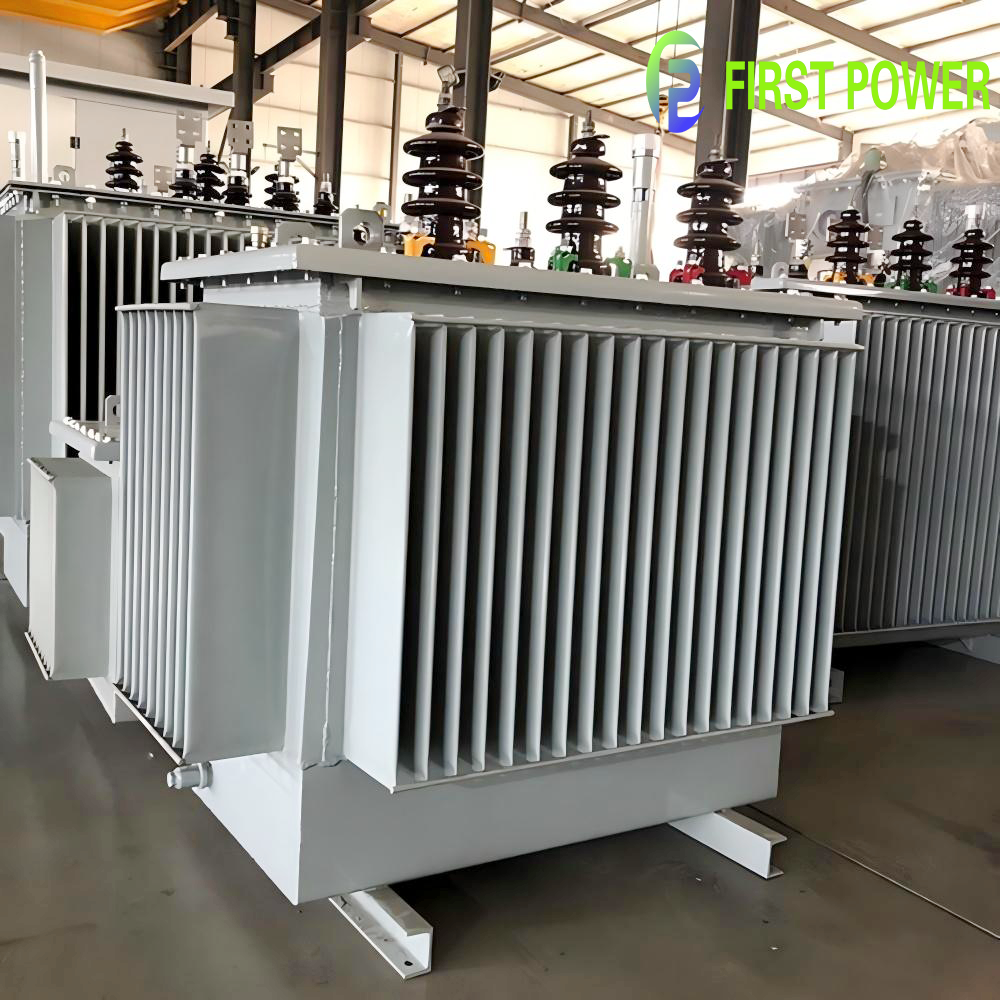 50 kVA · MV/HV
C CE MV&HV S11 50/60HZ 10KV 20KV 35KV Three Phase Oil Immersed 50KVA Transformer for Electric Power Distribution
Compact 50 kVA class MV/HV oil-immersed transformer suited to pole-mounted or platform installations in rural and urban distribution. Hermetically sealed tank, low partial-discharge design and full routine test report support reliable 10–35 kV operation.
- 50 kVA
- 10–35 kV
- Pole / Platform
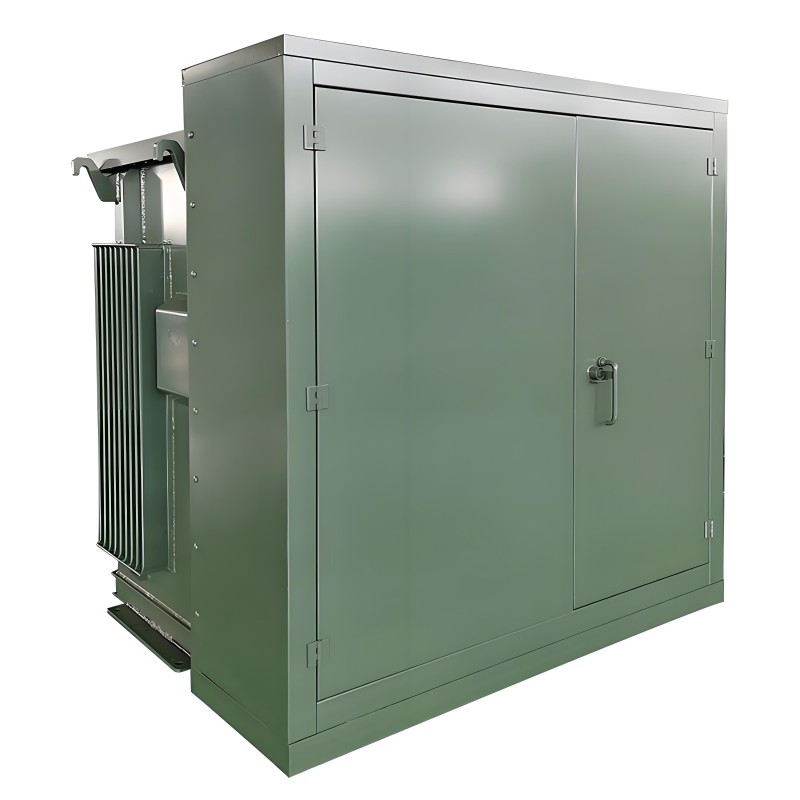 Pad Mounted
C Certified 75-2500KVA Oil Type Three-Phase Pad-Mounted Transformer 480V Output Voltage 35KV Input Voltage 50/60HZ
75–2500 kVA pad-mounted three-phase transformer with 35 kV input and 480 V output. Tamper-resistant enclosure, dead-front connections and mineral or ester fluid options suit North American distribution, renewables and commercial projects.
- 75–2500 kVA
- 35 kV / 480 V
- CE
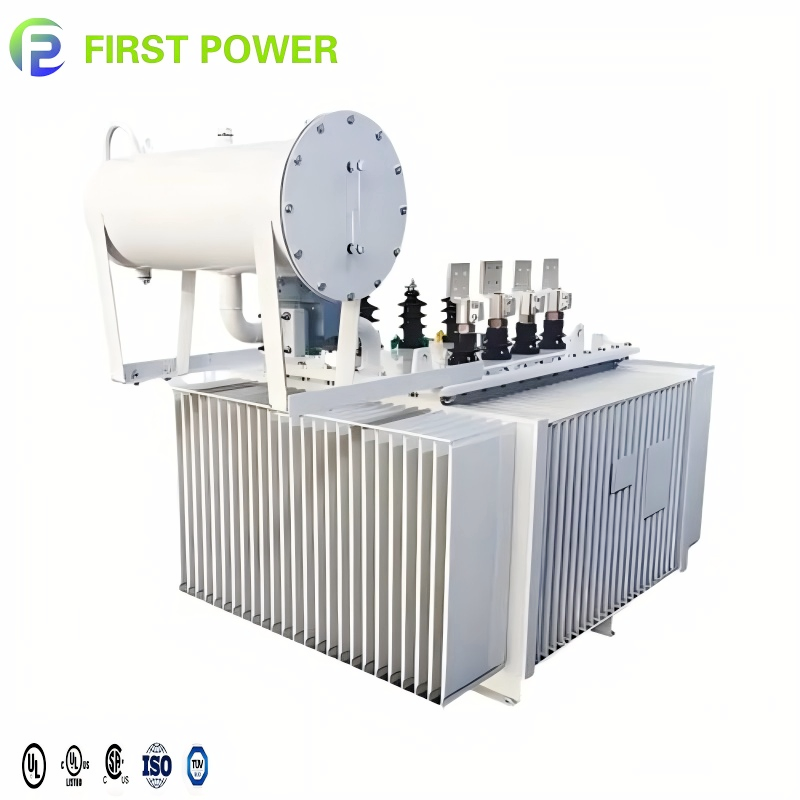 OLTC · Industrial
C CE 10KV 20KV 35KV 1000KVA 2000KVA 2500KVA 3 Phase Oil Type on Load Tap Changer Transformer for Industrial Power Supply
On-load tap changer transformer for industrial power supply. 1000–2500 kVA at 10–35 kV maintains stable secondary voltage under fluctuating loads, making it suitable for mining, steel, data center and process plant applications.
- 1000–2500 kVA
- OLTC
- 10–35 kV
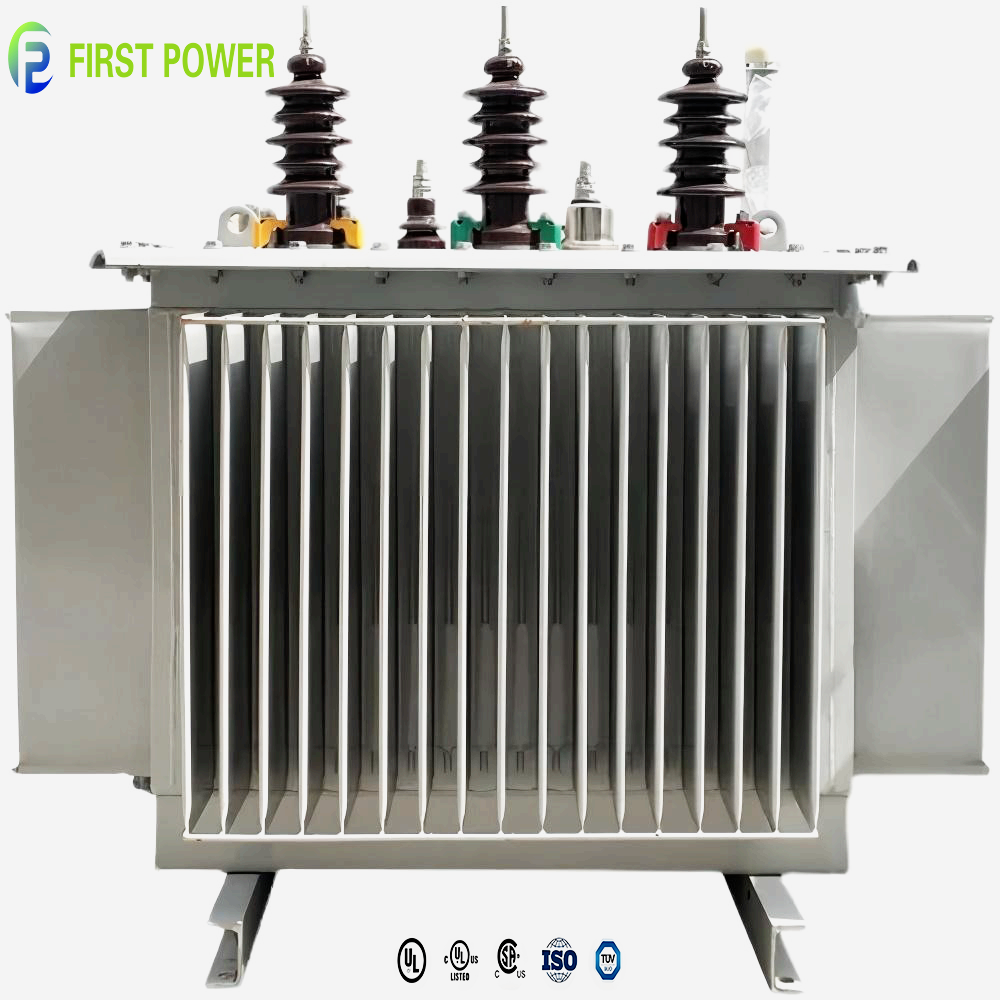 60 Hz · 500 kVA
C Certification 60HZ S11 Three Phase 10KV 35KV 500 KVA 22KV/0.4KV 50HZ Electric Oil Immersed Transformer for Power Supplies
60 Hz S11 three-phase oil-immersed transformer for power supplies. 500 kVA, 22 kV/0.4 kV. Low-loss core, sealed tank and proven insulation system deliver stable distribution performance in 50/60 Hz export markets.
- 500 kVA
- 22 kV / 0.4 kV
- 50/60 Hz
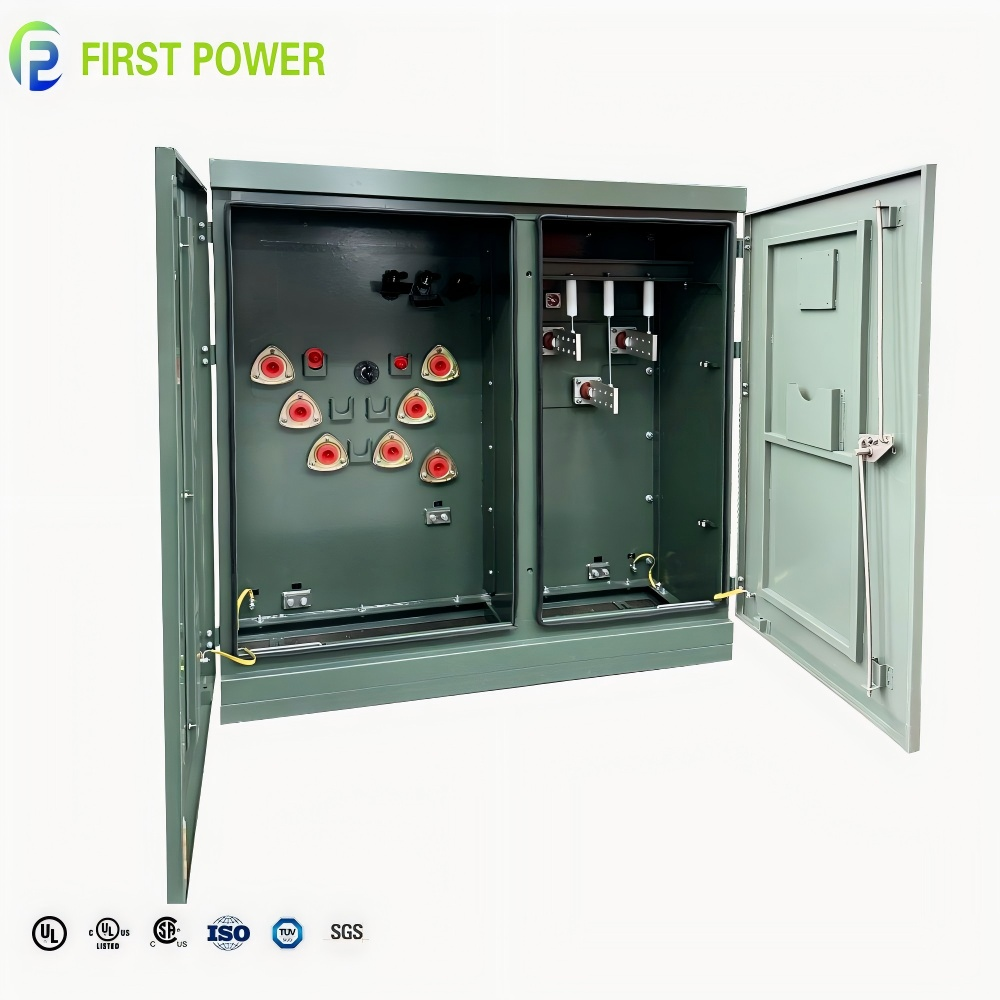 Loop Feed
C CE Certification 50/60HZ 10KV 20KV 35KV 3 Phase Loop Feed Pad Mounted 750KVA Transformer for Electric Power Distribution
750 kVA loop-feed pad-mounted distribution transformer. CE certified for 10–35 kV three-phase systems. Designed for commercial complexes, underground residential networks and distributed energy interconnections requiring loop feed flexibility.
- 750 kVA
- Loop Feed
- CE
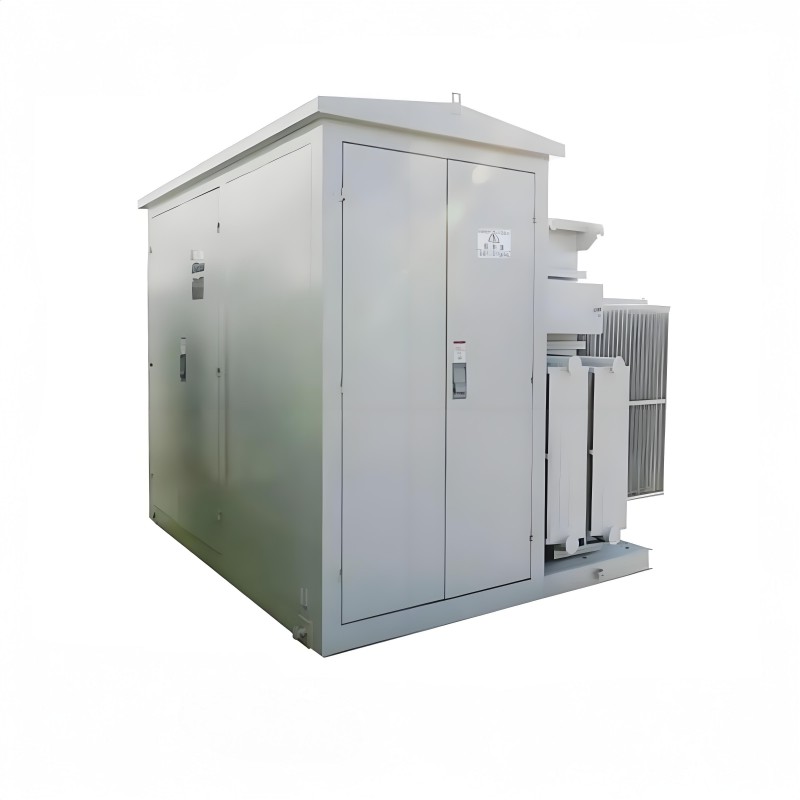 ANSI · 13.8 kV
American Standard /C Certification 75-2500KVA Oil Type Three Phase 13.8KV Pad Mount Transformers for Power Generation
American standard 13.8 kV pad-mount transformer, 75–2500 kVA. Oil-filled three-phase design for power generation and utility distribution. Optional bayonet fuses, load-break bushings and enclosure colors to match project standards.
- 75–2500 kVA
- 13.8 kV
- IEEE C57
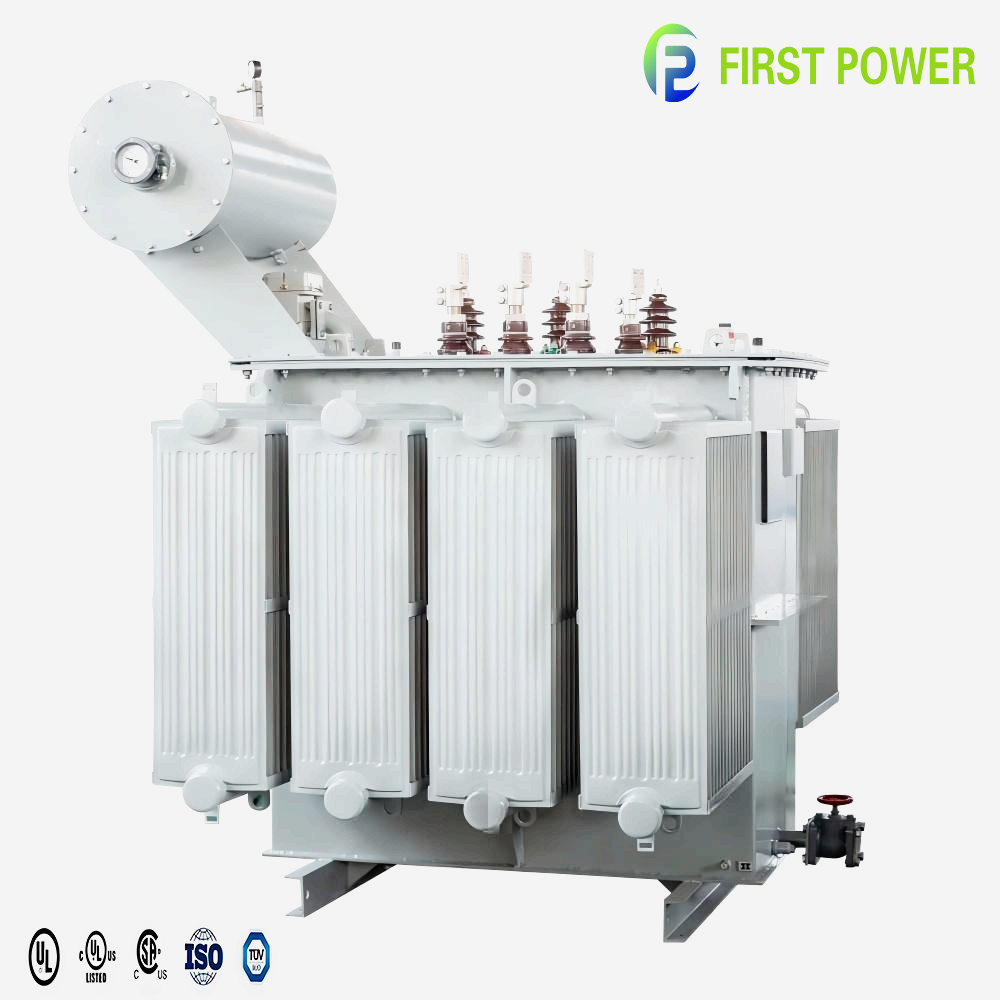 Solar PV · 1 MW
/C Certification 50/60HZ 6KV 10KV 20KV 35KV Three Phase 1000KVA 1MW Solar PV Transformers Oil Immersed for Power Generation
1000 kVA / 1 MW solar PV transformer. Oil-immersed, 6–35 kV, engineered for inverter-based generation. Low loss, harmonic tolerance and outdoor enclosure support solar farms, storage projects and renewable grid interconnection.
- 1000 kVA / 1 MW
- 6–35 kV
- Solar PV
Pole Mounted Transformer Procurement Trends: What Buyers Will Prioritize Through 2027
Across utility, EPC and renewable tenders, the buying question has shifted from “what is the lowest price per kVA?” to “which supplier can prove the lowest evaluated cost over the asset life?” That change is driven by loss capitalization formulas, tighter efficiency regulations, volatile freight costs and the need to protect project schedules. For pole mounted transformers, the difference between a low first cost and a low total cost often sits in no-load loss, load loss, sealing reliability and the completeness of routine test records.
Another clear trend is standards localization. A factory that can build to IEC 60076 for one market and IEEE C57.12 for another reduces approval risk for EPC contractors working across regions. Buyers are also asking for shorter quotation cycles, drawing approval discipline, third-party witness testing and export packing that survives multimodal transport. The supplier evaluation process is becoming more evidence-based, and factories that can share verifiable certificates, test reports, floorspace inspection records and project references are better positioned to win repeat orders.
Total Cost of Ownership
Loss capitalization, maintenance intervals and outage risk now outweigh the lowest quoted price. Buyers request guaranteed losses, efficiency evidence and a transparent test regimen before awarding.
Standards and Grid Codes
IEC and IEEE compliance must be matched to the destination market. Vector group, impedance, tap range, bushing type and enclosure details are increasingly specified at tender stage.
Lead-Time Resilience
Procurement teams are qualifying second sources, requesting production schedules and auditing raw-material supply. Factories with qualified copper, core and bushing partners reduce schedule risk.
Sustainability and Fluid Choice
Natural ester fluids, reduced-loss cores and recyclable enclosures are moving from niche requests to mainstream evaluation criteria, especially for renewable and urban distribution projects.
For buyers, the practical response is to issue a datasheet that states the applicable standard, frequency, vector group, impedance tolerance, loss limits, altitude, ambient temperature, fluid type and enclosure finish. This reduces clarification rounds and makes supplier comparison more objective. Wisegj’s engineering team reviews these parameters before quotation and confirms the design through a general arrangement drawing, nameplate draft and guaranteed loss values.
Product Development Trends: Where Pole Mounted and Distribution Transformers Are Going
The next generation of distribution transformers is being shaped by four engineering directions: lower losses, better monitoring, greater prefabrication and more sustainable insulation. These trends are already visible in utility specifications and renewable project tenders, and they reward buyers who plan for lifecycle performance rather than one-off purchase price.
Amorphous and High-Grade Cores
Amorphous metal and high-grade CRGO cores reduce no-load loss. The trade-off is core cost and manufacturing discipline, so buyers should compare guaranteed loss values, not just core material labels.
Smart Monitoring
Temperature, pressure and dissolved-gas monitoring are becoming more affordable. For critical pole-mounted and pad-mounted units, condition data supports predictive maintenance and reduces unplanned outages.
Prefabricated Substations
Factory-assembled compact substations combine MV switchgear, transformer and LV distribution in one enclosure. They shorten site work, reduce interface risk and suit renewable and urban projects.
Ester Fluids and Circular Design
Natural ester fluids offer higher fire and environmental performance. Design for disassembly, recyclable materials and longer service life are increasingly requested by sustainability-focused buyers.


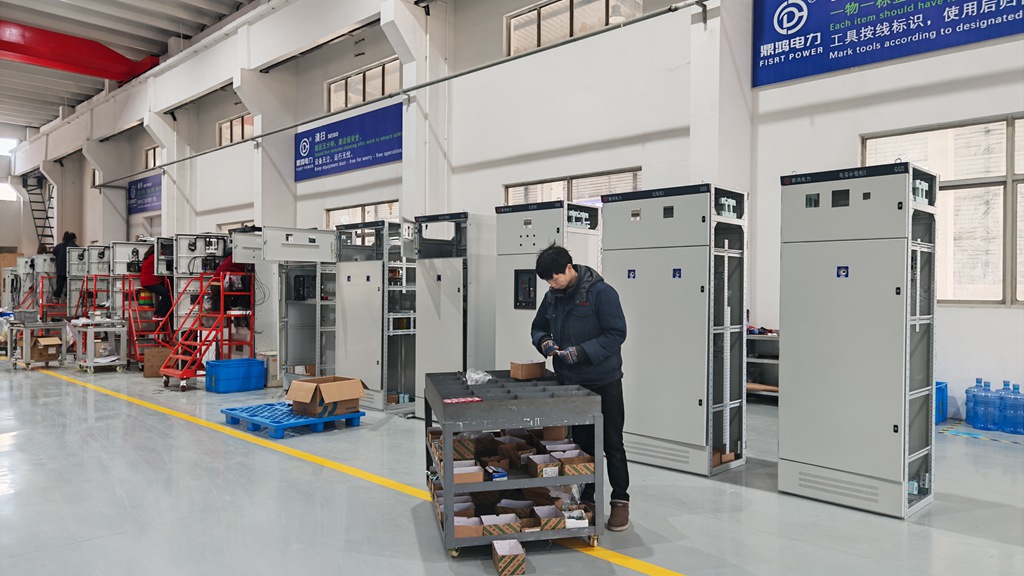
Inside Jiangsu Wisegj Power: A Factory Built for Audit-Ready Procurement
Jiangsu Wisegj Power Co., Ltd. is a Suzhou-based manufacturer and exporter of transformers and substations from 220 V to 500 kV. The company’s own production base covers 6,847 m² and has been verified onsite by TÜV Rheinland. More than 50 R&D and technical engineers support custom designs, drawing approval and routine testing, while 211 qualified supply-chain partners help stabilize lead times for copper, silicon steel, bushings and accessories.
Wisegj is not a trading desk that forwards specifications. Engineering reviews the datasheet before quotation, confirms the applicable standard and prepares a general arrangement drawing for approval. Production runs under ISO 9001, ISO 14001 and ISO 45001 management systems, and every unit receives routine tests before dispatch. For buyers who need a China pole mounted transformer supplier with documented quality control, the factory’s certificates and test records provide a practical due-diligence path.
- 20+ years of team experience
- 6,847 m² verified production base
- ISO 9001, ISO 14001, ISO 45001
- CE certificates for transformer lines
- OEM, ODM, design-based customization
- 24-hour pre-sale and after-sale response

Production capability, floorspace and quality inspection verified onsite by TÜV Rheinland. Third-party witness testing is welcome for buyer QA teams.
Export support covers FOB, CFR, CIF, EXW, FCA, CIP, CPT, DDP and other Incoterms, with payment options including T/T, L/C, D/P and D/A in major currencies. Documentation includes GA drawings, nameplate drafts, routine test reports and O&M manuals in English.
From Specification to Shipment: Five Controlled Stages
A repeatable production and inspection sequence keeps custom transformer projects on schedule and reduces the risk of specification drift.
Specification Review
Engineers check ratings, standards, altitude, ambient, vector group, impedance and loss limits.
Drawing Approval
GA drawing, nameplate draft and guaranteed losses are confirmed before production release.
Controlled Production
Core, winding, drying and tanking follow documented work instructions with in-process QC records.
Routine Testing
Ratio, resistance, loss, impedance, dielectric and oil BDV tests are recorded per serial number.
Packing & Shipping
Export crating, shock indicators and complete shipping documents protect equipment in transit.
Certificates That Reduce Buyer Risk
Certificate numbers are listed for verification. Compliance teams can check them directly with the issuing bodies before order placement.
CE · Power Transformer
Oil-immersed power transformer · No. 3N230310.JYTU038 · 2023–2028
CE · Oil Immersed
Oil immersed transformer · No. M.2025.206.C121882 · 2025–2030
CE · Dry Type
Dry type transformer · No. FQC2530404 · 2025–2030
CE · Compact Substation
Compact substation · No. M.2025.206.C121884 · 2025–2030
CE · Switchgear
Switchgear · No. ICR/VC/HM2506248 · 2025–2030
ISO 9001 / 14001 / 45001
Quality, environment and safety systems · Nos. 62824Q6052R0S, 62824E6053R0S, 62824S6054R0S · 2024–2027
Pole Mounted Transformer Procurement FAQ
Answers from the factory engineering and export teams. Include these questions in your supplier scorecard to compare responses on a like-for-like basis.
What is the difference between a pole-mounted and a pad-mounted transformer?
A pole-mounted transformer is installed on a utility pole or overhead platform, typically for smaller distribution loads and rural or suburban networks. A pad-mounted transformer sits on a ground-level concrete pad and is common in underground distribution, commercial sites and renewable projects. Selection depends on local grid practice, available space, cable routing, safety clearances and the utility’s standard design.
Which standards can Wisegj transformers be built to?
Units can be designed and tested to IEC 60076 for IEC markets or ANSI/IEEE C57.12 series standards for North American projects. CE certificates are available for oil-immersed transformers, dry-type transformers, compact substations and switchgear. The applicable standard should be stated in the enquiry so the engineering team can confirm clearances, loss limits, impedance and test requirements.
What is the typical lead time for a factory-direct order?
Lead time depends on rating, material availability, drawing approval and testing requirements. Standard distribution transformers are typically scheduled after drawing sign-off, while larger or customized units require more production time. The quotation should state the estimated lead time and the documents needed to release production. For urgent projects, ask the export team whether material reservation or phased delivery is possible.
Can vector group, impedance and tap range be customized?
Yes. Customization covers ratings, vector group, impedance, tap range, cooling method, bushing configuration, enclosure color, insulating fluid and nameplate language. OEM, ODM, design-based and sample-based customization are available. Buyers should provide the applicable standard, frequency, altitude, ambient temperature and any utility-specific requirements so the design can be reviewed correctly.
Which routine tests are performed before shipment?
Every unit receives routine tests including winding resistance, voltage ratio and vector group, impedance and load loss, no-load loss and current, applied and induced voltage withstand, plus oil dielectric strength for liquid-filled units. Test reports are recorded per serial number. Third-party witness inspection is welcome, and buyers can request additional tests if required by their specification.
What is the minimum order quantity?
MOQ depends on the product family, rating and customization level. Standard distribution transformer models may be available in smaller trial quantities, while customized enclosures or special vector groups may require a higher order quantity to justify tooling and production setup. The quotation should clearly state the MOQ, sample policy and any engineering charges.
Which trade and payment terms are accepted?
Wisegj supports FOB, CFR, CIF, EXW, FCA, CIP, CPT, DDP and other Incoterms. Payment methods include T/T, L/C, D/P and D/A among other secure options agreed per contract. Major currencies include USD, EUR, GBP, CAD, AUD and others. The correct Incoterm and payment structure should be confirmed in the proforma invoice before production begins.
How are transformers protected during sea shipping?
Export packing is designed for multimodal transport and includes seaworthy crating, moisture protection, shock indicators and clear lifting marks. Accessories and documents are packed separately where required. The export team prepares the packing list, commercial invoice and bill of lading, and can coordinate with the buyer’s freight forwarder. For high-value or long-sea-route shipments, additional protection can be specified.
Request a Factory-Direct Pole Mounted Transformer Quote
Send your datasheet, tender drawing or project specification. A transformer engineer will review the rating, standard, vector group, impedance, loss limits and site conditions, then respond with a compliant design and quotation. Include destination country, required certification and target delivery date for a faster reply.