8 Products for Single-Phase, Distribution and Industrial Projects
For procurement teams comparing a single-phase transformer supplier with a broader substation partner, the range below shows the practical overlap between residential feeders, commercial pad mounted systems, oil immersed distribution and industrial power supply.
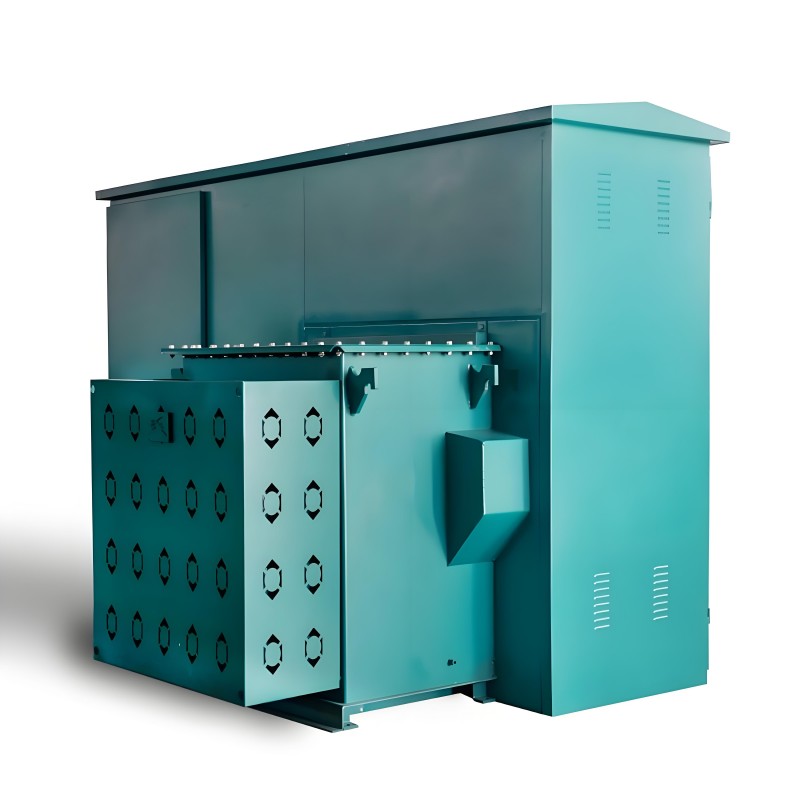 CE / Pad Mounted
CE Certified Oil-Type Copper 75–2500 kVA Pad Mounted Transformer, 6–34.5 kV
Dead-front pad mounted design for underground commercial distribution, mixed-phase loads and utility projects that require tamper-resistant enclosures and loop or radial feed.
- 75–2500 kVA
- 6–34.5 kV
- 50/60 Hz
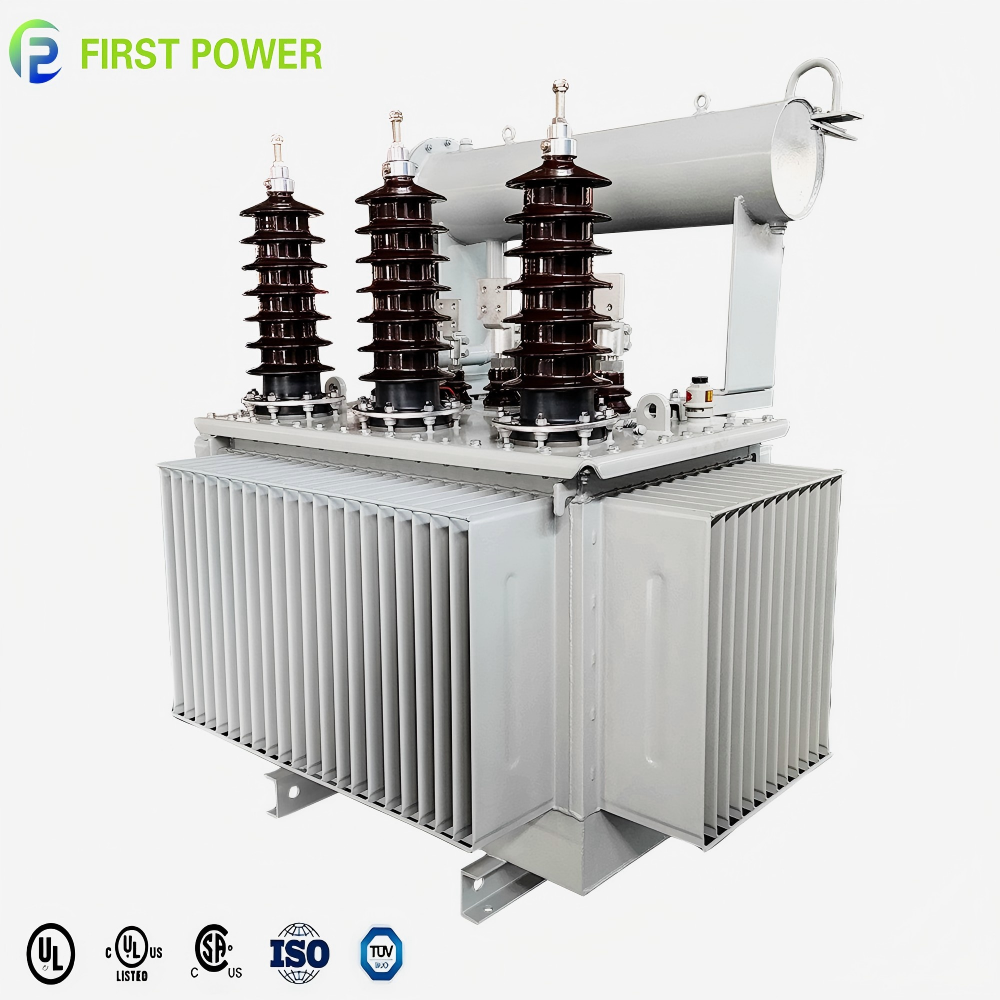 IEEE / 33 kV
CE Certification IEEE Standard 50/60 Hz S11 Three Phase 33 kV Oil Immersed Power Transformer
Industrial and utility-oriented oil immersed transformer with S11 low-loss design logic, stable impedance and documented routine testing for 33 kV class power supply projects.
- 33 kV class
- S11 design
- IEC / IEEE
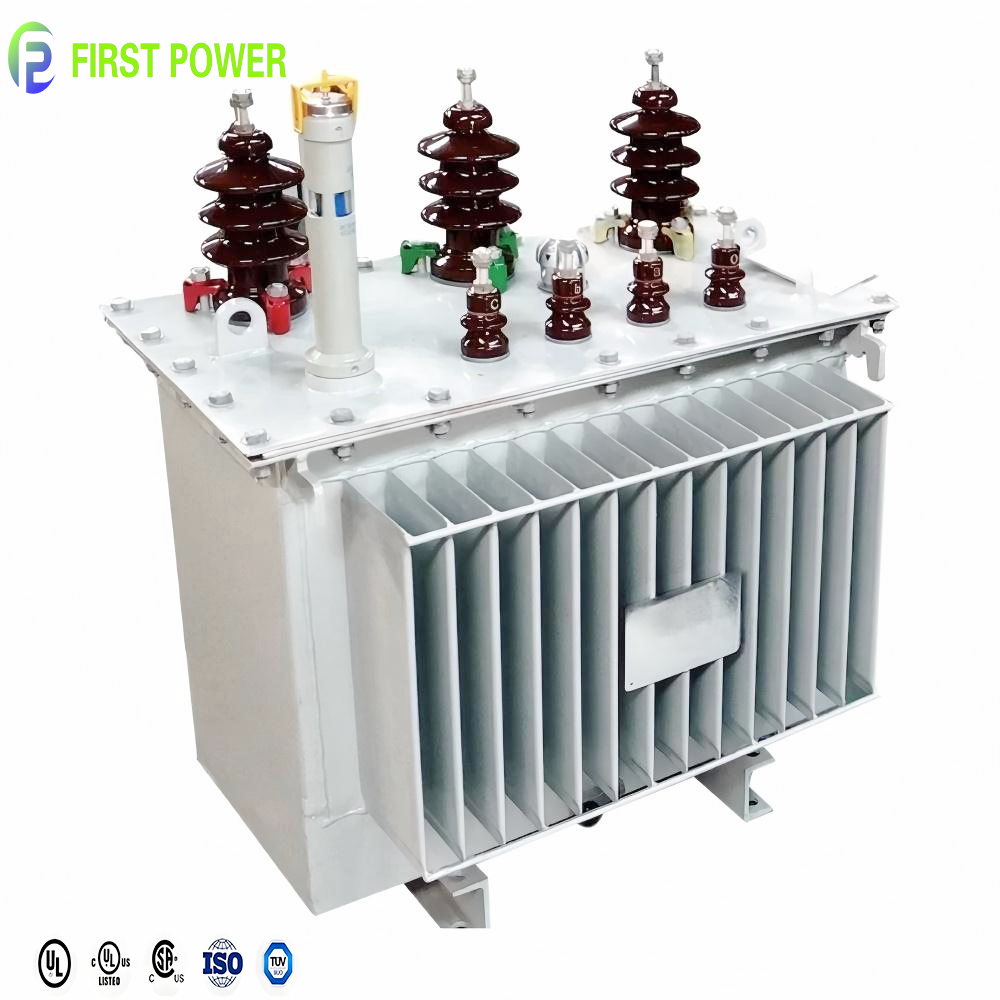 Industrial
CE 10/20/35 kV 50–500 kVA Electric Oil Immersed Transformer for Industrial Power Supply
Flexible distribution transformer for factories, commercial parks and municipal networks where standard MV switchgear, phased loading and low maintenance are priorities.
- 50–500 kVA
- 10–35 kV
- Oil immersed
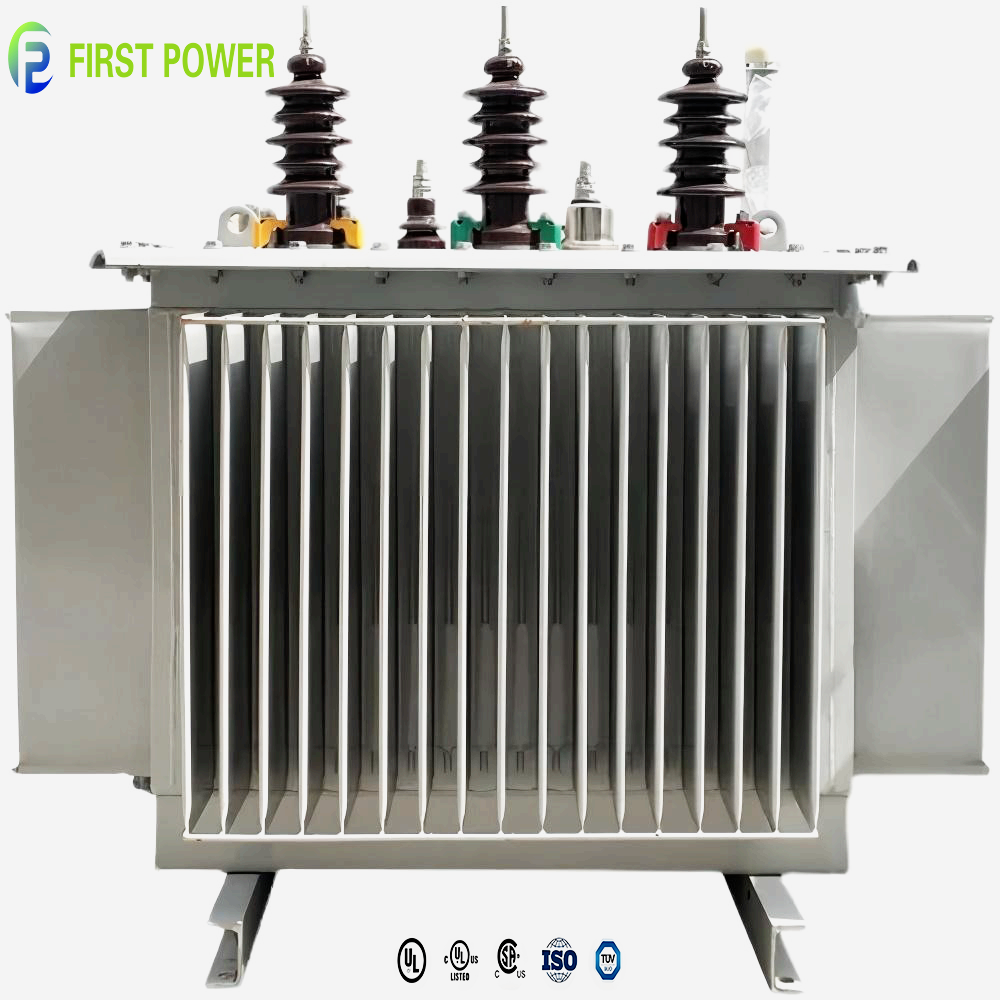 60 Hz
CE Certification 60 Hz S11 Three Phase 10/35 kV 500 kVA Oil Immersed Transformer
60 Hz S11 unit for power supplies where voltage ratio, loss performance and sealed tank construction must be verified before shipment and matched to local grid practice.
- 60 Hz
- 500 kVA
- 22 kV / 0.4 kV
 Distribution
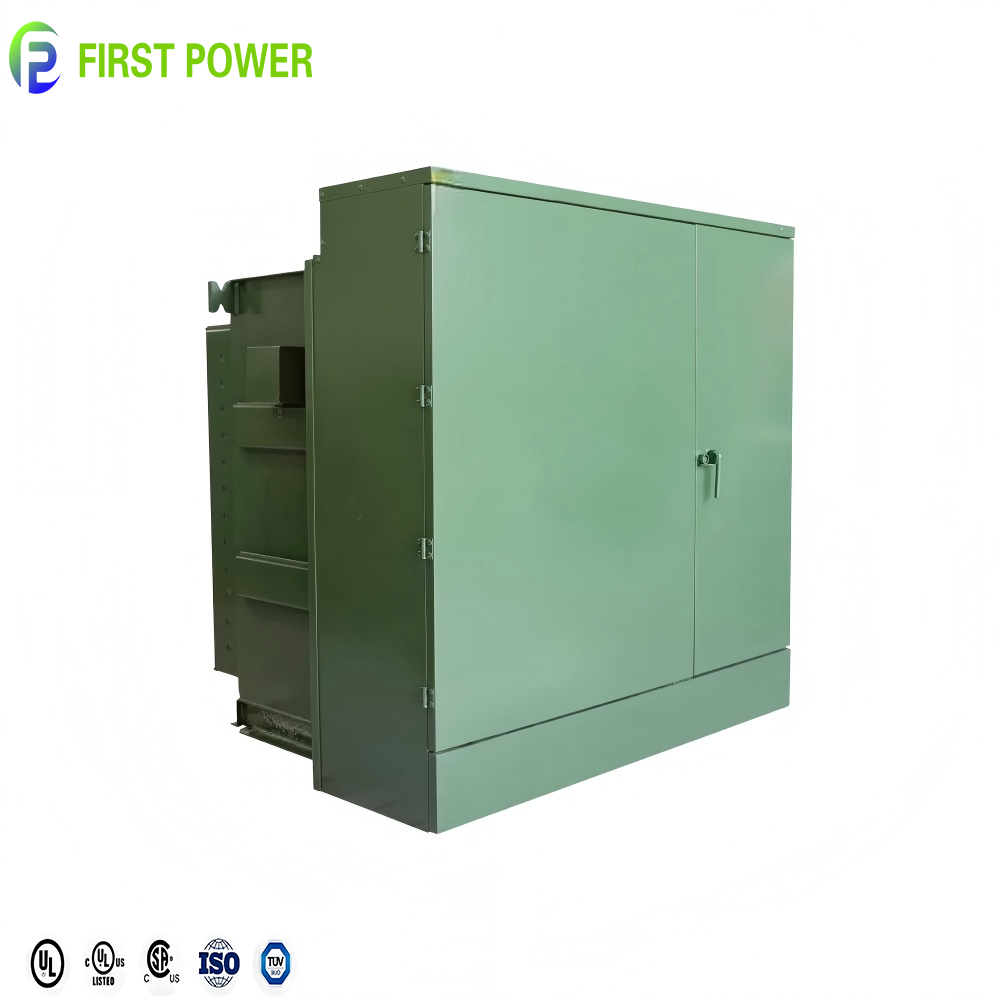
CE 50/60 Hz 10/20/35 kV 300–750 kVA Three Phase Pad Mounted Transformer
Pad mounted distribution transformer for underground residential and commercial systems, with loop-feed compatibility, coordinated protection and space-efficient site planning.
- 300–750 kVA
- Loop / radial
- Pad mounted
 Solar PV
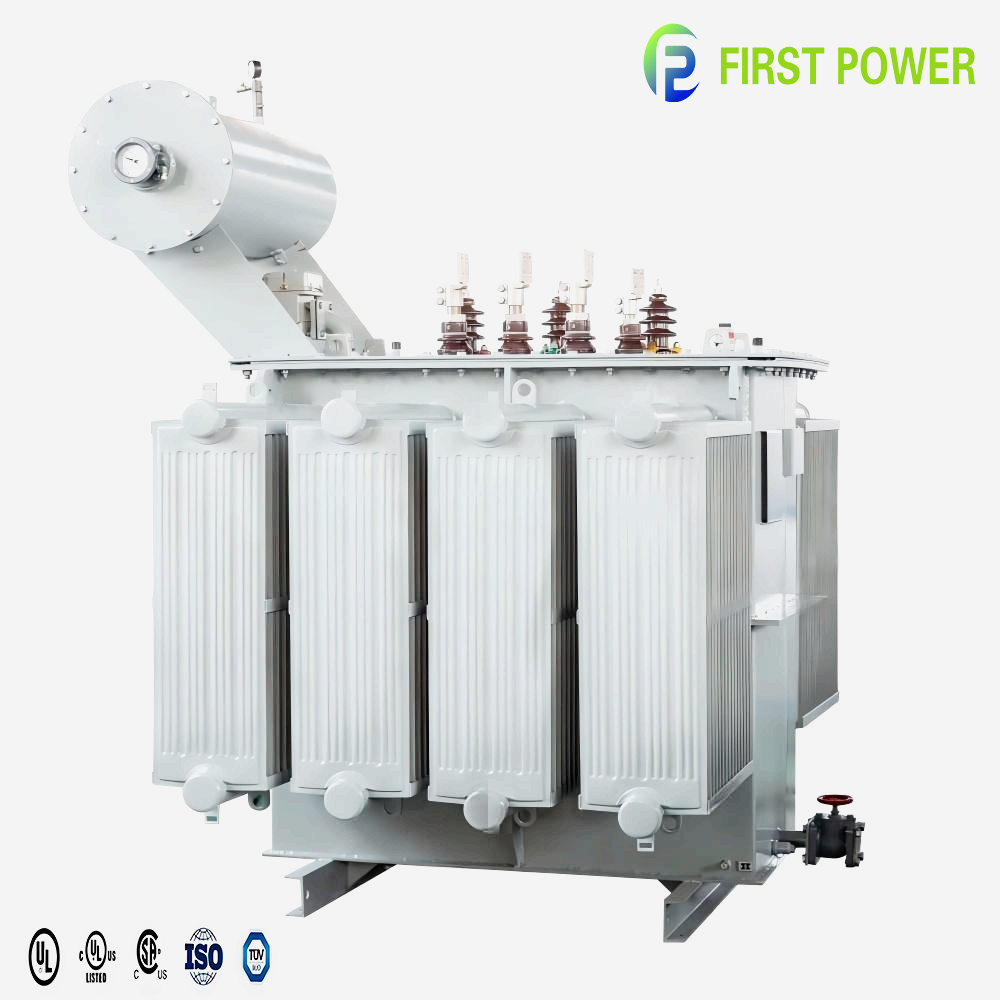
CE Certification 50/60 Hz 6–35 kV 1000 kVA / 1 MW Solar PV Transformer
Oil immersed solar PV transformer for inverter-based generation, designed around renewable interconnection requirements, harmonic review and utility-scale power conversion.
- 1000 kVA / 1 MW
- 6–35 kV
- Renewables
 OLTC
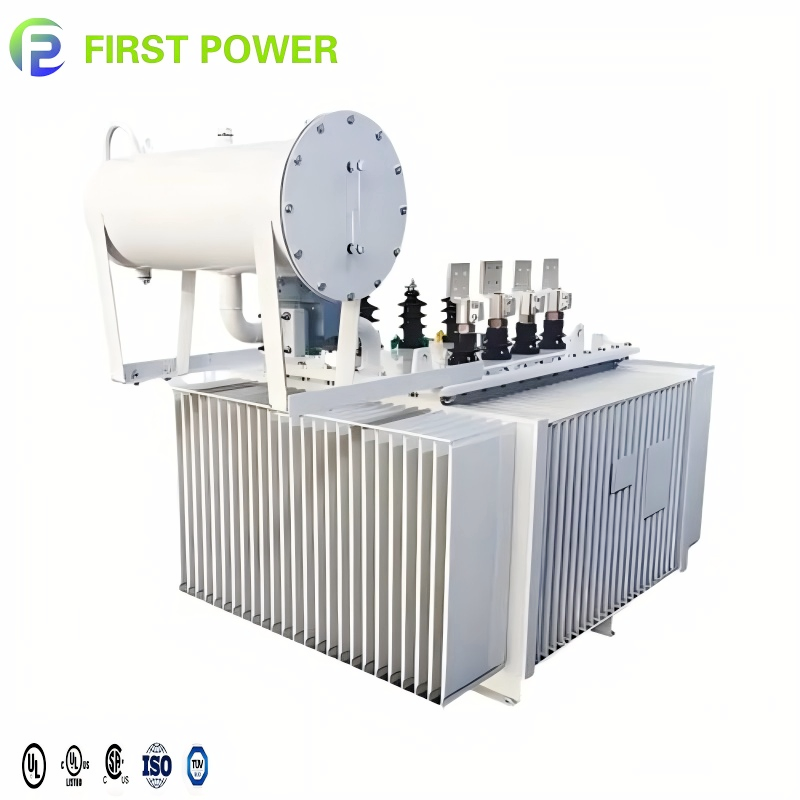
CE 10/20/35 kV 1000–2500 kVA Oil Type On-Load Tap Changer Transformer
On-load tap changer transformer for industrial power supply where voltage must be regulated under changing load, motor starting or process-driven demand variation.
- 1000–2500 kVA
- OLTC
- Industrial
 Dry Type
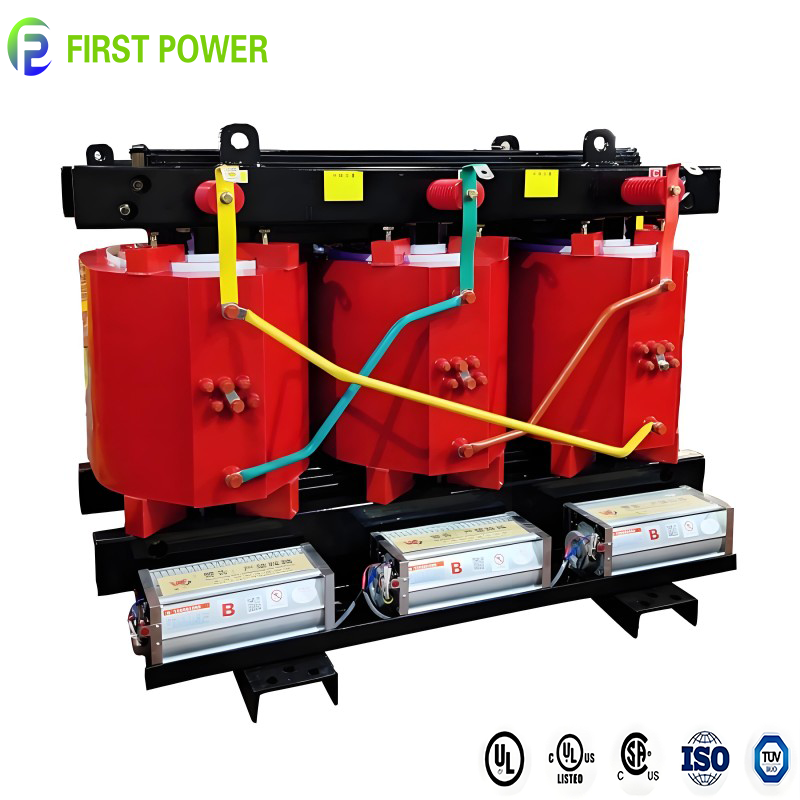
CE Certification IEEE Standard 50/60 Hz 5–6 MVA 6/35 kV Three Phase Dry Type Transformer
Oil-free dry type transformer for indoor distribution, critical facilities and fire-sensitive sites where footprint, safety and low maintenance outweigh liquid-filled alternatives.
- 5–6 MVA
- 6–35 kV
- Dry type
Years of combined transformer team experience
Maximum voltage class supplied
Verified production floorspace
R&D and technical engineers
Qualified supply-chain partners
Average buyer rating
Why a CE-Certified Single Phase Transformer Is No Longer a Price-Only Purchase
Single phase transformers are typically specified where load is dispersed, phase-to-neutral service is standard, or a utility wants to avoid three phase conversion at the last mile. They remain essential for residential subdivisions, rural feeders, street lighting, small commercial sites and retrofit projects where the existing service is single phase. Yet the buying decision in 2025 is not only kVA and unit price. It is CE certificate scope, guaranteed losses, factory acceptance test quality, delivery reliability and whether the supplier can produce a traceable documentation pack.
For buyers, the most useful comparison is total cost of ownership rather than first cost. A transformer with slightly higher purchase price but lower no-load loss can be cheaper over a 25-year life, especially on rural feeders with long low-load periods. A supplier with clear test records can also reduce commissioning risk, avoid rework and shorten utility approval. That is why the strongest single phase transformer exporters now compete on engineering evidence, not catalogue claims alone.
Jiangsu Wisegj Power Co., Ltd. operates across both single phase pad mounted and three phase oil immersed / dry type product families. That overlap matters when a residential project expands into commercial load, or when a utility wants one qualified supplier for multiple voltage classes and documentation standards.
Information Gain for Procurement Teams: Five Documents to Request
- CE certificate and Declaration of Conformity, checked against the exact transformer family and rating scope.
- Guaranteed no-load and load loss table, with tolerance and loss-evaluation basis stated clearly.
- Routine factory test report for the serial number, including ratio, resistance, impedance and dielectric tests.
- Approved general arrangement drawing, nameplate draft and termination diagram.
- Packing method, Incoterms, shipping marks and spare-parts recommendation.
Product Recommendations by Application
The right transformer depends less on the product name and more on load profile, installation environment, protection philosophy and the documentation your utility or EPC requires.
Residential Subdivisions and Rural Feeders
Choose a single phase pad mounted transformer in the 10–100 kVA class with loop feed, bayonet fuse protection and low no-load loss. For long rural feeders, loss evaluation should be part of the tender, not an afterthought.
Commercial Buildings and Mixed-Phase Sites
Use a three phase pad mounted transformer where elevators, HVAC, EV charging or commercial tenants create balanced three phase load. Dead-front compartments and tamper-resistant enclosures are practical requirements, not optional upgrades.
Industrial Plants and Process Loads
Specify an oil immersed distribution transformer or an on-load tap changer unit where voltage regulation is critical. Motor starting, harmonics and future expansion should be reviewed before the impedance and tap range are frozen.
Solar PV, BESS and Renewable Interconnection
For inverter-based generation, select a transformer designed around harmonic currents, bidirectional power flow and utility interconnection review. A 1000 kVA / 1 MW class solar PV transformer is a common building block for scalable projects.
Hospitals, Data Centers and Tunnels
Dry type transformers are preferred indoors where oil-free operation, fire safety and reduced maintenance are important. Cast resin designs support critical facilities, underground stations and public buildings with strict fire-load limits.
Fast-Track and Prefabricated Projects
Where site labor is constrained, package the transformer with MV switchgear and LV distribution in a pre-engineered solution. Factory assembly reduces interface risk and shortens commissioning, especially on renewable and temporary power projects.
How Transformer Procurement Is Changing Through 2030
Utility buyers and EPC contractors are moving toward measurable lifecycle value, digital evidence and supply-chain resilience. These four trends are already visible in tender documents.
Loss Capitalization and TCO
Procurement teams increasingly score transformers using capitalized no-load and load losses. The evaluation formula is simple: purchase price plus present value of energy losses plus installation, maintenance and outage risk. A low first-cost unit can lose on lifecycle value when a feeder operates for decades at partial load.
Digital FAT and Audit-Ready Files
Buyers now request serial-number traceability, material records, routine test data and CE declarations before shipment. The supplier that can deliver a clean documentation pack reduces approval delays and makes third-party witness inspection more efficient.
DER, EV Charging and Bidirectional Loads
Distributed energy resources, battery storage and EV charging are changing distribution transformer duty. Even small single phase and three phase units may face harmonic content, reverse power flow and faster load cycling. Specifications should reflect the real duty cycle, not only nameplate kVA.
Lead-Time Resilience and Supplier Integration
Post-2020 supply volatility pushed buyers to qualify suppliers earlier and secure framework agreements. Exporters with stable core, copper and bushing supply chains, plus the ability to share production milestones, are better positioned for utility programs and multi-site rollouts.
Single-Phase vs Three-Phase: A Practical Comparison
Use this matrix as an early screening tool. Final selection should still be confirmed against the single-line diagram, protection study and local grid code.
| Parameter | Single Phase Pad Mounted | Three Phase Oil Immersed | Dry Type Transformer |
|---|---|---|---|
| Typical rating | 10–250 kVA | 30–2500 kVA, with larger power transformers available | 30–2500 kVA, with 5–6 MVA class units available |
| Primary voltage | 6–35 kV class | 6–35 kV distribution; higher classes on request | Up to 35 kV typical |
| Best application | Residential, rural, street lighting, dispersed loads | Commercial, industrial, utility distribution and renewables | Indoor, fire-sensitive sites, hospitals, data centers |
| Installation style | Outdoor ground pad, underground cable feed | Outdoor platform, pole, substation or packaged station | Indoor close to load, with ventilation review |
| Efficiency lever | Low no-load loss for long low-load feeders | Balanced no-load and load loss for high utilization | Safety, footprint and maintenance reduction |
| Common standards | IEEE C57.12.38, IEC 60076 | IEC 60076, IEEE C57.12 series | IEC 60076-11 |
Many projects begin with single phase service but later add three phase load. A mixed product strategy, supported by one CE and ISO quality system, can simplify spares, documentation and supplier audits.
Where Transformer Design Is Heading Next
The next generation of single phase and distribution transformers will be judged on energy performance, environmental fluid choice, digital records and installation speed.
Low-Loss and Amorphous Cores
Utilities continue to push no-load loss down. Amorphous cores and high-grade CRGO steel help reduce standby losses on feeders that operate below peak for most hours. The trade-off is a design and cost review, not a blanket upgrade.
Natural Ester and High-Temperature Insulation
Natural ester fluids and high-temperature insulation systems improve fire performance and environmental profile. They are increasingly requested for pad mounted units in public areas, sensitive sites and projects with strict spill-risk management.
Sensors, Digital Nameplates and Condition Data
Temperature, pressure, oil-level and partial-discharge monitoring are moving from special projects into mainstream specifications. Digital nameplates and QR-linked test records make asset registration and maintenance planning faster.
Modular Substations and Dry-Type Adoption
Prefabricated compact substations combine MV switchgear, transformer and LV distribution to reduce site work. At the same time, dry type transformers continue to gain share in indoor, urban and fire-sensitive applications.
Why Wisegj Is a Reliable CE-Certified Transformer Supplier & Exporter
Jiangsu Wisegj Power Co., Ltd. is based in Suzhou, Jiangsu, China, and supplies transformers, compact substations, switchgear and related power equipment to utilities, EPC contractors, industrial buyers and renewable developers.

Engineering Depth Backed by Auditable Evidence
Wisegj combines more than 20 years of transformer team experience with a production base of 6,847 m², 50+ R&D and technical engineers, 211 qualified supply-chain partners and an average buyer rating of 4.9/5. The company has served Fortune 500 customers and supports OEM, ODM, design-based and sample-based customization.
- ISO 9001 quality management system, certificate No. 62824Q6052R0S.
- ISO 14001 environmental management system, certificate No. 62824E6053R0S.
- ISO 45001 occupational health and safety system, certificate No. 62824S6054R0S.
- CE certificates for oil immersed power transformers, dry type transformers, compact substations and switchgear.
- Production capability, floorspace and inspection process verified by TÜV Rheinland.
- 24-hour pre-sale and after-sale technical response; full English documentation pack.
- Incoterms from EXW to DDP; payment methods include T/T, L/C, D/P and D/A.
- Quotation currencies include USD, EUR, GBP, CAD, AUD and other major currencies.
CE / Compliance Pack
Certificate scope, Declaration of Conformity, nameplate data and applicable IEC or IEEE standard references can be shared for tender review.
Routine Test Report
Each serial number can be supported by winding resistance, ratio and vector group, impedance, load loss, no-load loss, applied voltage and induced voltage records.
Custom Design Review
Ratings, vector group, impedance, tap range, bushings, cooling, fluid type, enclosure color and nameplate language can be adapted to project requirements.
Export & Logistics Control
Seaworthy packing, shipping marks, loading photos, export documents and Incoterms planning reduce risk from factory release to site delivery.
Frequently Asked Questions About Buying CE-Certified Single-Phase Transformers
These are the questions most often raised by utility procurement teams, EPC buyers and industrial maintenance managers before an order is placed.
What does CE certification mean for a single phase transformer?
CE marking indicates that the product is covered by an applicable EU conformity assessment route and that the manufacturer has prepared the required technical documentation and Declaration of Conformity. For procurement, the key is to verify the certificate or declaration against the exact transformer type, rating and standard. Ask for the certificate number, product scope and serial-number traceability, not just a CE logo on a brochure.
How do I choose between a single phase and three phase transformer?
Choose single phase where the load is naturally phase-to-neutral, dispersed across a residential or rural feeder, or where the utility wants to avoid three phase conversion at the last mile. Choose three phase when motors, HVAC systems, EV charging, commercial tenants or industrial processes create balanced three phase demand. Lifecycle loss evaluation, spare-parts strategy and future load growth should be reviewed together.
What ratings and voltages can Wisegj supply?
The wider portfolio covers 220 V to 500 kV, including single phase pad mounted transformers, three phase pad mounted units, oil immersed distribution transformers, power transformers, dry type transformers and compact substations. Typical product ranges include 10–250 kVA single phase pad mounted units, 30–2500 kVA distribution transformers and larger power transformer classes on request.
Which factory tests are performed before shipment?
Routine tests typically include winding resistance, voltage ratio and vector group, short-circuit impedance and load loss, no-load loss and current, applied voltage withstand and induced voltage withstand. Oil-filled units also receive oil dielectric strength checks. Type test reports can be provided where available, and third-party witness inspection is welcome before packing.
Can transformers be customized for 50 Hz, 60 Hz and local grid codes?
Yes. Designs can be adapted for 50 Hz or 60 Hz, different primary and secondary voltages, vector groups, impedance, tap range, cooling method, insulating fluid, bushing configuration, enclosure color and nameplate language. OEM, ODM, design-based and sample-based customization are available, subject to engineering review of the specification and applicable standard.
What documents are supplied for customs, commissioning and asset registration?
Typical documents include the approved general arrangement drawing, nameplate drawing, routine test report, packing list, commercial invoice, certificate of origin where applicable, CE or compliance documents for the supplied product family, and operation and maintenance information in English. Project-specific documentation can be agreed during order review.
What are the usual trade terms, payment methods and currencies?
Wisegj supports Incoterms such as FOB, CFR, CIF, EXW, FCA, CIP, CPT and DDP. Payment methods include T/T, L/C, D/P and D/A, among other options agreed in the contract. Quotations can be issued in USD, EUR, GBP, CAD, AUD and other major currencies depending on the project and buyer preference.
How can I verify a transformer supplier before placing an order?
Start with the certificate scope and issuing body, then request a sample routine test report and an approved drawing for a comparable unit. Check factory verification documents, production floorspace, engineering team size, reference projects and after-sales response commitments. A pre-order technical review with the supplier’s engineers is also a useful test of whether the supplier can read your specification rather than simply quote a catalogue item.
Have a Single Phase or Three Phase Specification Ready?
Send your transformer datasheet, single-line diagram or tender document. A technical engineer can review the rating, CE compliance scope, loss target, test requirements and export plan, then respond with a project-specific proposal.
Send an Inquiry