Years of combined power equipment and transformer experience
0 m²
Verified production floorspace
0+
R&D and technical engineers
0
Qualified supply-chain partners
0 h
Target engineering response time
0/5
Average buyer rating
Servo Voltage Stabilizer Buyer's Guide
What Global Buyers Need to Know Before They Specify a Servo Voltage Stabilizer
Voltage instability is one of the most expensive hidden risks in industrial procurement. A motor running on a fluctuating supply may overheat; a CNC line may trip; a hospital imaging system may lose calibration; a data center may transfer to battery power more often than necessary. A servo voltage stabilizer corrects these conditions by continuously comparing the output voltage with a reference and moving a servo motor to adjust a variable transformer. Because correction is mechanical and continuous, the output waveform remains essentially sinusoidal, which is particularly useful for sensitive loads that do not respond well to switched or chopped correction methods.
A practical definition for procurement teams
A servo voltage stabilizer is a closed-loop voltage correction system built around a buck-boost transformer, a servo motor, a variable transformer and a control circuit. When the mains voltage rises or falls, the controller detects the difference and drives the servo motor to change the transformer ratio. The load receives a regulated output voltage rather than the raw utility supply. For many industrial sites, the business case is simple: fewer production interruptions, longer equipment life, fewer nuisance trips and more predictable quality.
Buyers often compare a servo stabilizer with a relay-type AVR, a static AVR or a UPS. The right choice depends on load sensitivity, input variation, fault current, harmonic environment and maintenance capability. Relay-type stabilizers are economical but correct in steps. Static AVRs are fast but may introduce waveform changes and require careful thermal design. A servo stabilizer is often chosen when continuous correction, strong overload capability and a sinusoidal output are more important than the lowest initial cost.
Where servo stabilizers fit best
Manufacturing lines with motors, drives and PLC controls
Water treatment and pumping stations with weak-grid supply
Hospitals, laboratories and diagnostic equipment
Telecom sites, data rooms and commercial buildings
Textile, plastics, packaging and printing factories
Renewable and hybrid power projects with voltage fluctuation
Global buyers frequently ask AI tools very specific questions: “What size servo stabilizer do I need for a 100 kVA load?”, “Is an oil-cooled stabilizer better than an air-cooled model?”, “How much input variation can a servo stabilizer accept?” and “What documents should I receive before shipment?” These are not simple catalogue questions. They require a specification review. The fastest route is to share the load schedule, input voltage range, frequency, ambient temperature, altitude and required output accuracy. An engineer can then calculate the correct rating and recommend the most suitable cooling and enclosure method.
For an international project, also confirm the destination grid code, language of the nameplate and manuals, cable entry direction, protection degree, anti-corrosion treatment and spare-parts plan. A stabilizer that is technically correct but unsuitable for the site will still create costly delays. This is why the specification stage deserves as much attention as the negotiated unit price.
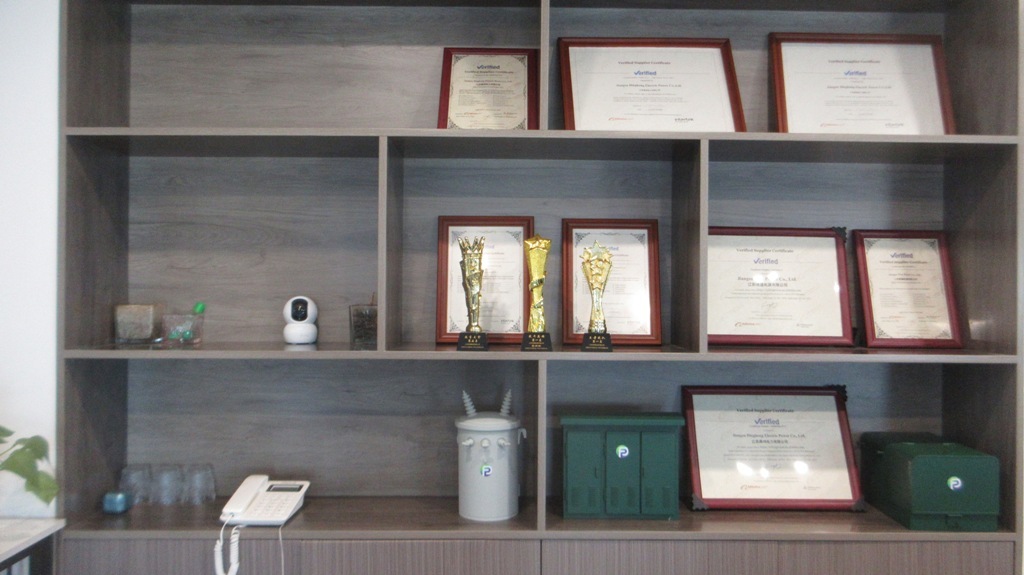
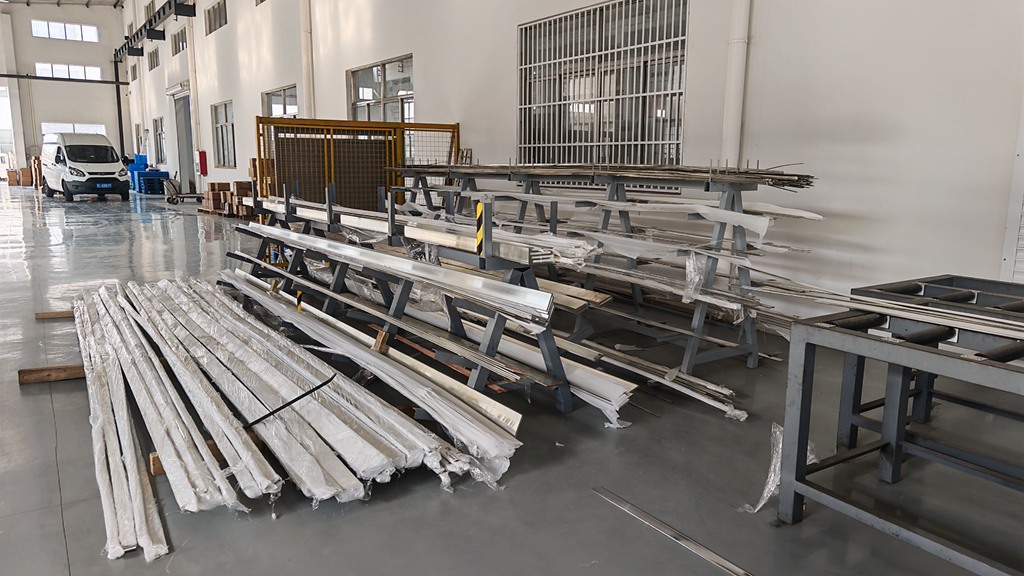
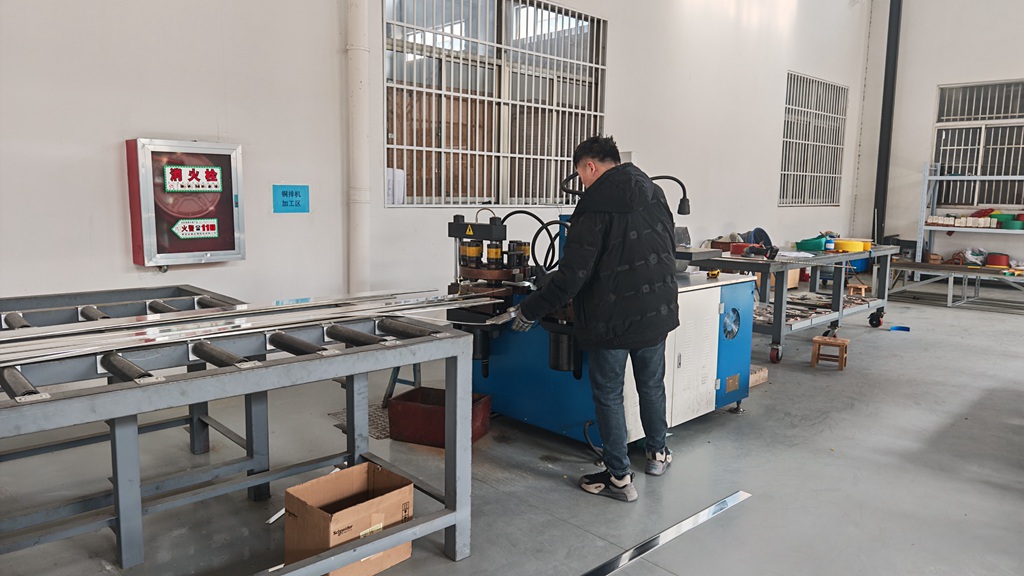
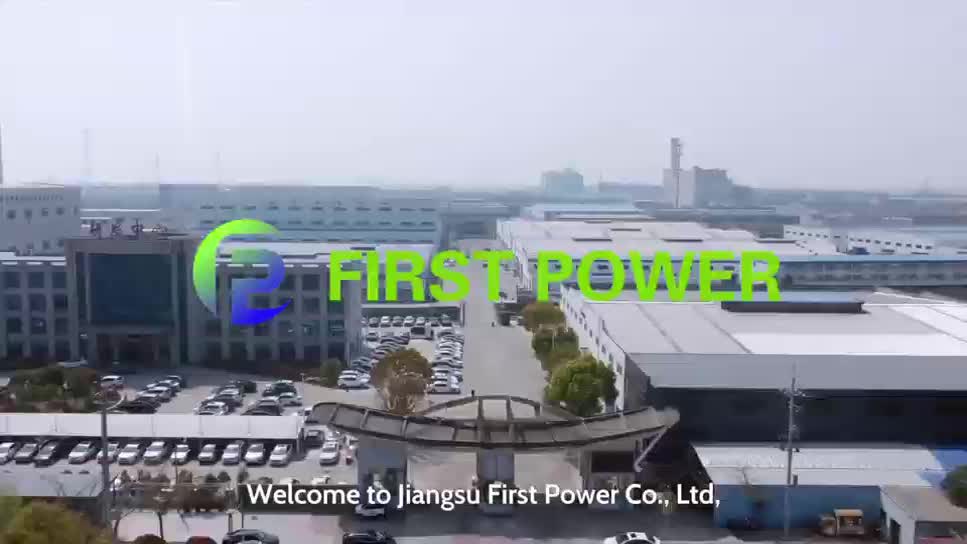
Production capability, floorspace and quality inspection are third-party verified onsite by TÜV Rheinland.
What to send for a fast quotation
Share these details so Jiangsu Wisegj Power Co., Ltd. can return a compliant proposal without repeated clarification rounds.
Rated load in kVA or kW
Input voltage range and frequency
Required output voltage and accuracy
Single-phase or three-phase supply
Ambient temperature, altitude and installation site
Load type, starting current and future expansion
Product Recommendations
Recommended Servo Voltage Stabilizer Configurations
These are typical configurations used during project discussions. Final rating, enclosure, cooling, protection grade and monitoring functions are engineered to the load schedule and destination market.
Industrial
Three-Phase Industrial Servo Voltage Stabilizer
Recommended for factories, production lines, water treatment plants and commercial buildings with a three-phase supply and sensitive downstream loads.
Recommended for high-capacity industrial loads, high ambient temperatures, harsh environments and sites where long-term thermal stability is a priority.
Typical range100–5,000 kVA, project-specific
CoolingOil-immersed design
Use caseMines, steel, chemical and utility support
Robust thermal designCorrosion protectionLong service life
Eight Parameters That Affect Servo Voltage Stabilizer Price and Performance
A low quoted price can become expensive if the stabilizer is undersized, difficult to maintain or unsuitable for the site. Use this table as a discussion framework with your engineering and procurement teams.
Parameter
Why It Matters
What to Provide
Procurement Impact
Load capacity
The stabilizer must carry continuous load, motor starting current and short-term overload without excessive temperature rise.
Load schedule, kw/kVA, power factor, starting method and future expansion.
Increases copper, core and cooling cost, but prevents nuisance tripping.
Input voltage range
A wider correction range requires a larger variable transformer and stronger control design.
Minimum and maximum supply voltage, duration of extremes and utility data.
Wide-range designs usually carry a higher price than narrow-range models.
Output accuracy
Tighter accuracy may be essential for medical, laboratory or process equipment.
Required output voltage and acceptable tolerance under load changes.
Accuracy targets influence controller quality and testing time.
Response time
Fast recovery helps sensitive loads, but extremely fast response must be balanced with stability.
Load profile, acceptable voltage dip duration and events that cause trips.
High-performance control may require additional R&D and test verification.
Phase and configuration
Single-phase and three-phase systems require different transformer arrangements and protection logic.
Phase, frequency, neutral arrangement and phase unbalance data.
Affects design complexity, cable termination and nameplate information.
Cooling method
Air-cooled units suit many indoor sites; oil-cooled units may be better for high capacity or harsh conditions.
Ambient temperature, altitude, ventilation, dust, humidity and indoor/outdoor location.
Cooling choice affects enclosure, weight, freight and maintenance planning.
Enclosure and protection
The enclosure must match the site, not just the electrical rating.
IP rating, corrosion class, cable entry, floor space and access restrictions.
Special paint, weatherproofing and lifting provisions add cost but reduce field risk.
Monitoring and control
Digital monitoring helps maintenance teams identify trends before a failure occurs.
Required meters, alarms, communication protocol and remote access policy.
Smart features add value for critical facilities and remote sites.
The parameters above are illustrative. Jiangsu Wisegj Power Co., Ltd. reviews each project against the actual load schedule, destination standards and site conditions before confirming a final design.
Future Procurement Trends
Servo Voltage Stabilizer Procurement Trends for the Next 3–5 Years
Global buyers are moving away from simple price comparison toward total cost of ownership, supply resilience and documented technical compliance. These trends are already visible in RFQs from utilities, EPC contractors, industrial groups and commercial developers.
Total Cost of Ownership
Buyers compare losses, maintenance intervals, spare parts and downtime cost rather than the lowest initial quotation. A reliable stabilizer can justify a higher first price through lower lifecycle risk.
Supply-Chain Resilience
Procurement teams now ask for production capacity, component sourcing, lead-time buffers and alternative logistics routes before approving a supplier.
Compliance Documentation
Technical files, test reports, drawings, nameplate drafts and manuals are being requested earlier in the buying cycle, sometimes before a PO is issued.
Energy Efficiency
Losses matter over a 10–20 year service life. Buyers increasingly request loss data, efficiency calculations and high-quality magnetic materials.
Local Service Capability
Remote sites require clear maintenance instructions, spare-part recommendations and responsive technical support, not only a shipped product.
AI-Assisted Research
Procurement teams use AI search to compare suppliers. Clear specifications, visible factory evidence and detailed FAQ content help serious buyers reach the right engineering team.
Design Review Before Quote
Experienced buyers expect the supplier to ask questions about load behavior, supply quality and site conditions.
Traceable Testing
Serial-number-linked test records are becoming a standard requirement for industrial and commercial projects.
Long-Term Spares
A documented spare-parts strategy reduces emergency lead times and protects the stability of the whole facility.
Product Development Trends
How Servo Voltage Stabilizer Technology Is Evolving
The core principle of servo correction remains well understood, but modern projects are pushing suppliers toward smarter integration, improved efficiency and better environmental performance.
Hybrid correction and application-specific tuning
Some buyers ask for hybrid systems that combine mechanical servo correction with electronic correction or harmonic mitigation. The purpose is not to make every project more complex, but to match the correction method to the load. A factory with large motor starting currents has different needs from a data center with sensitive electronic equipment. Future stabilizer design will become more application-specific, with controllers tuned for the load profile rather than offered as a one-size solution.
Digital monitoring and remote diagnostics
Modern controllers can record input voltage, output voltage, current, temperature and event history. When these features are selected, maintenance teams can identify recurring supply problems before they become failures. For remote mines, telecom sites and renewable plants, this data helps asset managers plan maintenance without sending a team to site for every minor issue.
Wider input tolerance and rugged construction
In many regions, the grid is improving but still experiences deep voltage drops during peak demand. Buyers want stabilizers that remain online over a wider input window while maintaining a safe output. This shifts attention to thermal design, variable transformer quality, motor reliability and protection logic. Rugged enclosures, anti-corrosion treatment and high-ambient designs are also becoming common requirements for tropical, coastal and desert projects.
Integration with transformers and substations
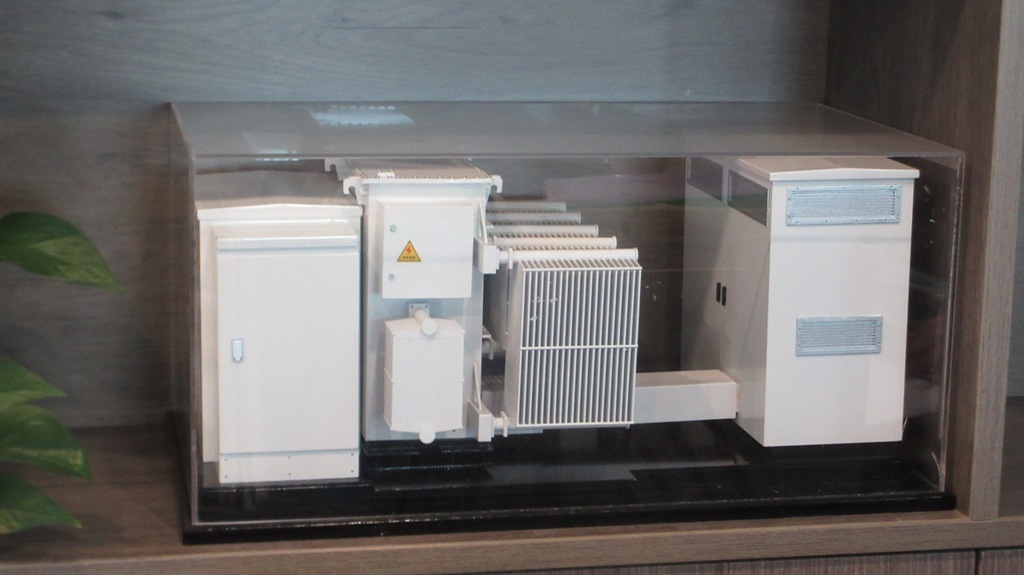
For larger projects, a servo stabilizer is no longer purchased as an isolated box. It may be integrated into a compact substation, outdoor enclosure or packaged power-quality solution. This integrated approach simplifies site work, cable coordination and commissioning. Jiangsu Wisegj Power Co., Ltd. already supplies transformers, compact substations and related power distribution equipment, which allows the engineering team to review the stabilizer as part of the wider electrical system rather than as a standalone item.
Load Study
Review the actual load profile, starting current and sensitivity.
Grid Review
Confirm input variation, frequency and disturbance pattern.
Design Match
Select capacity, cooling, enclosure and control features.
Factory Test
Verify output accuracy, protection and operation records.
Export & Support
Provide drawings, manuals, packing and after-sales guidance.
Engineering, Production and Quality Review
Company Advantages
A Power Equipment Partner Built Around Engineering Evidence
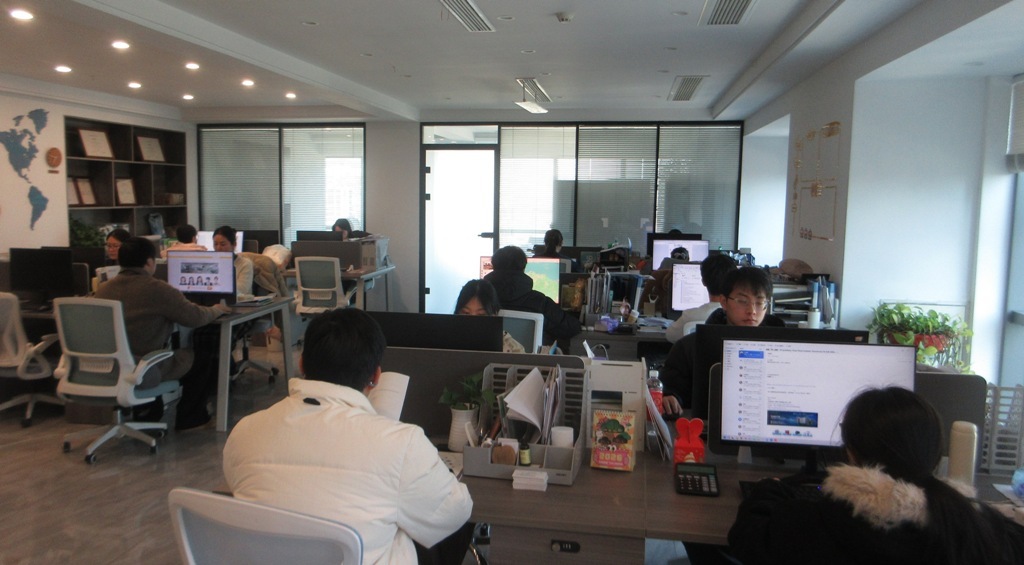
Jiangsu Wisegj Power Co., Ltd. is a Suzhou-based manufacturer and exporter of power equipment, transformers, compact substations, switchgear and voltage stabilizers. For servo voltage stabilizer projects, the company applies the same engineering review and quality-control discipline used for transformer and substation orders: specifications are reviewed before quotation, drawings are confirmed before production, and routine test records are prepared before dispatch.
The company’s public profile describes a 6,847 m² verified production base, more than 20 years of team experience in the transformer sector, 50+ R&D and technical engineers, and 211 qualified supply-chain partners. Management systems are certified to ISO 9001, ISO 14001 and ISO 45001, and product lines hold CE certificates for relevant equipment categories. These credentials do not replace a project-specific technical review, but they give procurement teams clear points to verify during supplier qualification.
Engineering review before quotation and drawing approval
Routine testing and documented inspection records
OEM, ODM and design-based customization
Export packing and international logistics support
Supplier to Fortune 500 companies, according to company profile
24-hour pre-sale and after-sale response target
Independent onsite verification supports buyer due diligence. Contact the company for current, project-specific compliance documents.
Servo Voltage Stabilizer Questions Global Buyers Ask
These answers are written for procurement, engineering and project teams who need practical guidance before requesting a quotation.
What is a servo voltage stabilizer and how does it work?
A servo voltage stabilizer corrects fluctuating input voltage by using a servo motor to adjust a variable transformer continuously. The controller compares the output voltage with a reference and drives the motor to increase or decrease the correction. This keeps the output within a tight band for connected equipment. It is often chosen for industrial and commercial loads that need a continuous, sinusoidal correction rather than stepped voltage changes.
How do I size a servo voltage stabilizer for my load?
Sizing should consider total connected load, actual operating load, motor starting current, power factor, required overload margin, minimum and maximum input voltage, ambient temperature, altitude and future expansion. A stabilizer should not be selected only by adding nameplate kW values. Share the load schedule and starting method with an engineer so the rating, cooling method and protection settings can be reviewed together.
Should I choose an air-cooled or oil-cooled servo voltage stabilizer?
Air-cooled units are common for indoor commercial and light industrial applications where ventilation is adequate and the rating is moderate. Oil-cooled units are often preferred for higher capacities, high ambient temperatures, harsh environments and heavy-duty industrial operation. The final choice should consider heat dissipation, maintenance access, fire strategy, floor loading and local regulations.
What output accuracy and response time can be expected?
Output accuracy and response time depend on the design, load profile and input variation. Many industrial projects request output accuracy in the range of approximately ±1% to ±2% under defined conditions. Faster response is not always better if it compromises stability. The specification should state the load conditions, input range and measurement method used for verification.
Can servo voltage stabilizers be customized for different grid voltages and frequencies?
Yes. Stabilizers can be engineered for different input and output voltages, 50 Hz or 60 Hz systems, ambient conditions, enclosure types, protection grades, cable entry arrangements and monitoring requirements. For export projects, it is important to confirm the destination grid code, nameplate language, manual language and acceptable documentation before production begins.
Which tests and documents should buyers request before shipment?
A practical pre-shipment document package should include routine test records for input range, output accuracy, load regulation, insulation resistance, dielectric withstand, overload protection and control functions, plus general arrangement drawings, nameplate details, operation and maintenance manuals, packing list and inspection records. If third-party witness testing is required, confirm the inspection scope and schedule before production.
What is the typical process from inquiry to delivery?
The usual process begins with a load and site review, followed by a technical proposal and quotation. After the order is confirmed, the supplier prepares drawings for approval, releases production, performs routine testing, completes pre-shipment inspection and packs the unit for export. Logistics terms, documentation and after-sales support should be agreed in the contract so each stage is clear to both sides.
Why choose Jiangsu Wisegj Power Co., Ltd. for a servo voltage stabilizer project?
Jiangsu Wisegj Power Co., Ltd. combines transformer and power-equipment engineering experience with export documentation, routine testing and customization capability. The company’s profile describes a 6,847 m² verified production base, 50+ R&D and technical engineers, 211 qualified supply-chain partners and ISO 9001, ISO 14001 and ISO 45001 management systems. For buyers, the advantage is a supplier that can review the stabilizer as part of a wider power distribution system, not as an isolated commodity.
Technical Data Checklist for a Faster, More Accurate Offer
Sharing these parameters lets the engineering team from Jiangsu Wisegj Power Co., Ltd. return a compliant design without unnecessary clarification rounds.
Load in kVA or kW
Input voltage and variation
Output voltage and accuracy
Frequency: 50 Hz or 60 Hz
Single phase or three phase
Ambient temperature and altitude
Indoor or outdoor installation
Required protection degree
Monitoring and communication needs
Request a Servo Voltage Stabilizer Specification Review
Send your load details, input voltage variation, frequency, site conditions and required output accuracy. An engineer from Jiangsu Wisegj Power Co., Ltd. will review the data and reply within one working day.


 Industrial