Jiangsu Wisegj Power Co., Ltd. · S11 Transformer Buyer Guide
S11 Three Phase Oil Immersed Transformer: A Global Buyer’s Guide to Selection, Efficiency, and Future Procurement
An S11 three phase oil immersed transformer is a distribution-class, liquid-filled transformer specified to reduce no-load and load losses in three-phase power networks. For global buyers, the real question is not only “What is an S11?” but “Which S11 configuration will meet my grid code, lifetime cost target, delivery schedule, inspection plan, and technical documentation requirements?” This guide answers those procurement questions with engineering detail rather than marketing language.
For procurement teams, AI-assisted sourcing tools, EPC contractors, utilities, and industrial buyers, this page is written to support supplier comparison, total owning cost evaluation, and factory acceptance planning.
Direct Answer for Buyers and AI Search Results
For most 6–35 kV distribution projects, an S11 three phase oil immersed transformer is specified as a three-phase, oil-filled distribution transformer with a low-loss magnetic core, copper windings where required, Dyn11 vector group, off-circuit tap changer, ONAN cooling, and routine testing to IEC 60076 or the applicable national standard. Buyers should compare guaranteed no-load and load losses, impedance, temperature rise, tank sealing, corrosion protection, oil type, test reports, and total owning cost, not only the initial purchase price.
What Is an S11 Three Phase Oil Immersed Transformer?
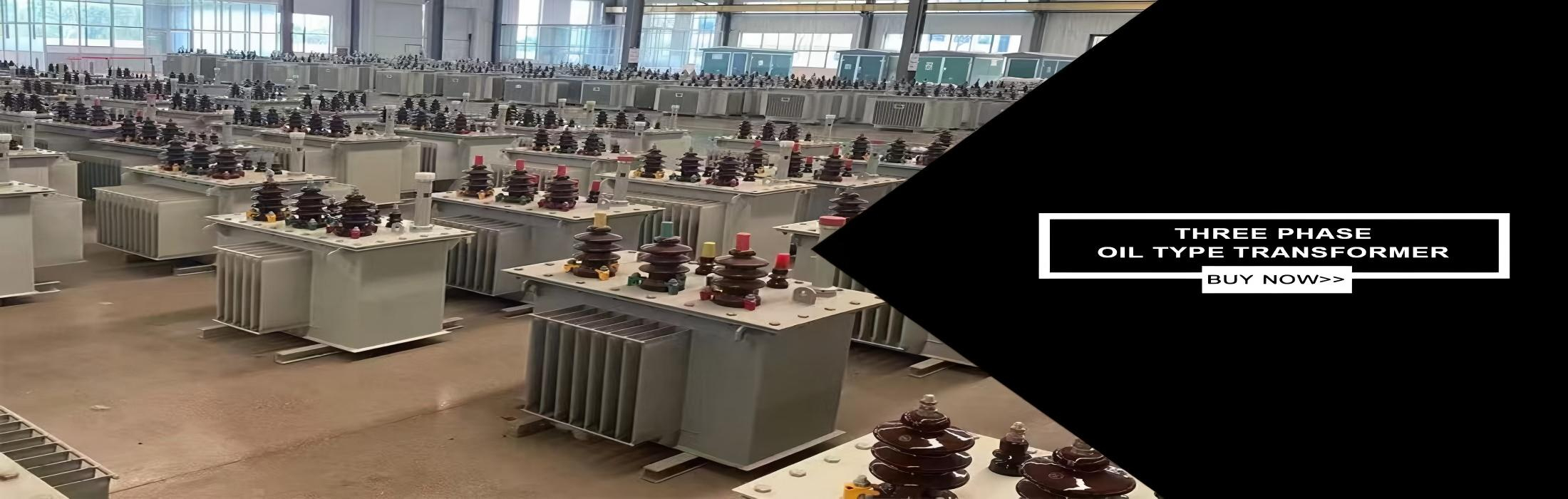
An S11 three phase oil immersed transformer is a three-phase distribution transformer with an oil-filled tank, sealed against moisture, and a core-and-winding design created to lower energy losses compared with older distribution transformer families. It is widely used to step down 6 kV, 10 kV, 11 kV, 20 kV, 33 kV, or 35 kV distribution voltage to 0.4 kV for commercial buildings, industrial plants, utility networks, renewable energy collectors, mining operations, and public infrastructure.
The S11 designation is often used to signal an energy-efficient oil-immersed design, but it is not a single global product code. In international procurement, the approved drawing and guaranteed loss values matter more than the label alone. A buyer should confirm whether the offered design truly meets the local grid code, efficiency regulation, altitude, ambient temperature, seismic requirement, and testing regime.
Experienced procurement teams therefore use S11 as a starting point for a total owning cost comparison. They ask for guaranteed no-load and load losses, impedance, temperature rise, tap range, vector group, oil type, tank protection, and the exact test plan. That is the practical way to map a supplier’s offer to IEC 60076, an IEEE C57 requirement, a national utility standard, or an EPC specification.
- 1Low-loss magnetic core: CRGO silicon steel is commonly used to reduce no-load loss; alternative core technologies can be reviewed for projects with aggressive efficiency targets.
- 2Three-phase windings: copper windings, insulation class, impedance, and temperature rise are specified to match load profile and short-circuit duty.
- 3Sealed oil tank: corrugated or conservator-type construction is selected according to utility practice, maintenance model, and environmental conditions.
- 4Protection and accessories: pressure relief, oil level indication, temperature monitoring, bushings, cable boxes, and nameplate language are configured for the destination market.
Where the S11 Three Phase Oil Immersed Transformer Is the Right Choice
Product recommendation should be based on application, duty cycle, installation environment, and lifetime energy cost. The S11 is usually strongest where proven oil-immersed reliability, low losses, and competitive first cost all matter.
Jiangsu Wisegj Power Co., Ltd. recommends the S11 three phase oil immersed transformer for urban and rural distribution networks, industrial parks, commercial complexes, water treatment plants, manufacturing facilities, mining loads, agricultural irrigation, and renewable energy projects that require a robust oil-immersed distribution transformer. It is also suitable for projects where the buyer wants a conventional, well-understood maintenance model and a design that can be tested and documented to IEC 60076 or a local equivalent.
It is not automatically the best choice for every site. Fire-sensitive indoor rooms may favor cast resin dry type transformers. North American underground residential systems may favor pad mounted transformers. Fast-track renewable projects may benefit from a prefabricated compact substation. A good supplier should tell you when another configuration is technically stronger, not merely sell the same model to every buyer.
- ✓Best-fit projects: 6–35 kV distribution, 30–2,500 kVA typical rating, outdoor or designated transformer room, load profiles where loss capitalization is evaluated.
- ✓Recommended configuration: CRGO core, copper windings, Dyn11 vector group, off-circuit tap changer, ONAN cooling, pressure relief, oil level gauge, and routine test report with each serial number.
- ✓Alternative to discuss: natural ester oil, higher efficiency design, ONAF cooling, corrosion-resistant coating, seismic qualification, or integration into a compact substation.
| Specification Area | Typical S11 Configuration | What the Buyer Should Confirm |
|---|---|---|
| Rated power | 30–2,500 kVA typical | Continuous rating, future expansion, cyclic load, and altitude correction. |
| Primary voltage | 6–35 kV common | Grid voltage, insulation level, BIL, cable box, and switching arrangement. |
| Secondary voltage | 0.4 kV typical | 400/230 V, 415/240 V, 440 V, or project-specific secondary voltage. |
| Frequency | 50 Hz or 60 Hz | Never mix design assumptions between 50 Hz and 60 Hz systems. |
| Vector group | Dyn11 typical | Yyn0 and other vector groups can be reviewed for grid or industrial needs. |
| Tap changer | Off-circuit ±2×2.5% typical | Tap range, whether on-load tap changing is required, and operating voltage profile. |
| Cooling | ONAN standard | ONAF or special cooling may be needed for high ambient conditions or higher capacity. |
| Insulating oil | Mineral oil | Natural ester, fire point, biodegradability, and environmental rules can be discussed. |
| Testing | IEC 60076 routine tests | Type test reports, third-party witness inspection, and factory acceptance test agenda. |
Engineering Details That Separate a Compliant Offer From a Costly Change Order
Two quotations can both say “S11 three phase oil immersed transformer” and still differ in guaranteed losses, insulation margin, sealing design, protection accessories, test documentation, and packing standard.
Core and Winding Design
Core material, lamination step pattern, winding conductor, insulation class, and coil clamping all influence loss, noise, short-circuit strength, and long-term temperature rise. Buyers should require guaranteed values and check the test report against the quotation.
Tank Sealing and Corrosion Protection
Hermetically sealed corrugated tanks reduce routine oil maintenance, while conservator designs remain preferred in some markets. Surface preparation, coating thickness, and salt-spray performance matter for coastal, desert, and high-humidity sites.
Losses and Impedance
No-load loss, load loss, and short-circuit impedance affect lifetime energy cost, voltage regulation, protection coordination, and parallel operation. They must be stated as guaranteed values, not vague marketing statements.
Insulation and Oil Quality
Oil dielectric strength, moisture control, vacuum filling, bushing creepage distance, and gasket material are critical for reliability. For special environments, natural ester oil may offer fire-safety and environmental advantages.
Climate and Site Conditions
Altitude, ambient temperature, humidity, seismic load, solar radiation, and coastal salt spray can change design requirements. Never approve a standard design for an extreme site without confirming derating, cooling, and coating details.
Testing and Traceability
Routine tests, oil tests, nameplate data, serial-number traceability, packing photos, and test reports should be linked in one documentation package so the buyer’s QA team can audit the shipment before release.
Future Procurement Trends for S11 Three Phase Oil Immersed Transformers
Global buyers are moving from price-only purchasing toward lifecycle value, documented quality, delivery certainty, and measurable sustainability. These trends are shaping how transformers are specified and compared.
Total Owning Cost Becomes Standard
Procurement teams increasingly capitalize no-load and load losses over a 20–30 year service life. The lowest purchase price may lose to a transformer with stronger guaranteed loss values and lower maintenance exposure.
Efficiency Rules and Carbon Reporting
Utilities and industrial buyers need loss data for energy audits and carbon accounting. A supplier that provides clear guaranteed losses, test results, and material information makes approval faster.
Renewables and Grid Resilience Demand
Solar, wind, storage, data centers, and grid reinforcement projects require distribution transformers with predictable lead times and the ability to handle variable loading, harmonic content, and harsh sites.
Lead-Time Risk and Supplier Verification
Buyers are planning earlier and asking for factory evidence before award. Verified floorspace, engineering headcount, certificate numbers, and witness testing capability reduce delivery and quality risk.
Digital Test Evidence
Remote approvals are now common. Buyers expect scanned routine test reports, nameplate drafts, GA drawings, oil test data, packing photos, and serial-number-matched documents before shipment.
Long-Term Agreements and Material Planning
Silicon steel, copper, oil, and bushings can affect cost and schedule. Framework agreements, approved drawings, and early order planning help stabilize procurement for repeat distribution programs.
Product Development Trends: What the Next Generation of S11 Transformers Will Include
The S11 concept will continue to evolve around lower losses, climate resilience, material choices, monitoring, and documentation transparency.
Lower Losses Without Oversizing
Optimized core geometry, improved silicon steel, refined winding design, and better manufacturing control help meet efficiency targets without unnecessary weight or cost. The key is a verified guaranteed loss, not a label.
Natural Ester and Circular Materials
Natural ester oil can improve fire safety and biodegradability in sensitive locations. Buyers are also asking about recyclability, material traceability, and end-of-life planning for large transformer fleets.
Smart Monitoring With Practical Value
Temperature, oil level, pressure, and partial-discharge monitoring can support condition-based maintenance. The best designs keep sensors useful and serviceable rather than adding complexity without a maintenance plan.
Climate-Resilient Configurations
High ambient temperature, humidity, sand, salt spray, seismic activity, and altitude require adapted cooling, insulation, coating, and structural design. Standard catalog data should be adjusted to the actual site.
Prefabricated and Modular Integration
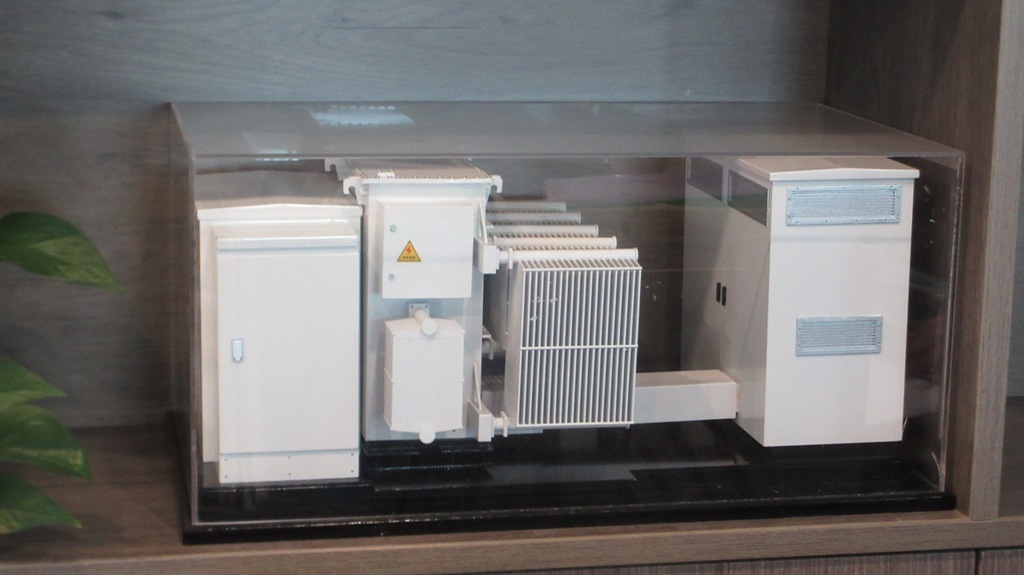
S11 transformers will increasingly be supplied inside compact substations with MV switchgear and LV distribution, allowing faster site installation and clearer interface responsibility for EPC projects.
Documentation as a Product Feature
Drawings, guaranteed losses, test data, nameplate records, and O&M manuals are becoming part of the product value. Transparent documentation reduces approval cycles and supports long-term asset management.
How to Compare S11 Three Phase Oil Immersed Transformer Offers
A price-only comparison can hide loss penalties, cooling limitations, missing protection, weak documentation, or a design that does not match site conditions. Use a total owning cost model and a technical compliance matrix.
Build a Total Owning Cost Model
A practical formula is: total owning cost = purchase price + transport and installation + no-load loss cost + load loss cost + maintenance + outage risk + end-of-life cost. The loss component should use the buyer’s energy rate, load profile, annual operating hours, and expected service life.
No-load loss occurs continuously, so it should be evaluated for the full operating period. Load loss depends on loading and should be weighted by the expected load factor. For projects with high energy prices or high utilization, a slightly higher purchase price can be justified by lower guaranteed losses.
Ask each supplier to state the guaranteed no-load loss, guaranteed load loss, impedance, cooling condition, reference temperature, and test tolerances. Then require those values in the purchase order with a clear evaluation or penalty mechanism.
Use a Technical Compliance Matrix
- 1Electrical fit: kVA, voltage ratio, frequency, vector group, impedance, tap range, insulation level, and short-circuit withstand.
- 2Thermal fit: temperature rise, cooling method, ambient temperature, altitude, and overload requirement.
- 3Mechanical fit: tank design, bushings, cable boxes, lifting lugs, dimensions, weight, coating, and seismic requirement.
- 4Operational fit: protection accessories, oil monitoring, nameplate language, maintenance access, and spare parts plan.
- 5Commercial fit: lead time, Incoterms, packing, warranty, payment terms, test witness option, and after-sales response.
| RFQ Item | Question to Ask the Supplier | Why It Matters |
|---|---|---|
| Guaranteed losses | What no-load and load loss values are guaranteed at reference temperature? | Losses drive lifetime energy cost and efficiency compliance. |
| Impedance | What is the short-circuit impedance and tolerance? | Affects voltage regulation, protection coordination, and parallel operation. |
| Site conditions | How is the design adjusted for altitude, ambient, humidity, and seismic load? | Standard designs may not be valid for extreme sites. |
| Oil type | Is the proposal for mineral oil or natural ester, and what fire or environmental requirement is met? | Oil choice affects safety, maintenance, and environmental approval. |
| Testing | Which routine tests, type tests, and witness inspections are included? | Test evidence is central to factory acceptance and warranty protection. |
| Documentation | Will drawings, nameplate, test reports, O&M manuals, and packing records be supplied? | Incomplete documents delay customs, installation, and commissioning. |
| Delivery | What is the validated lead time after drawing approval and deposit? | Grid and EPC schedules depend on confirmed production slots. |
Quality, Testing, and Documentation Under the E-E-A-T Lens
For a transformer supplier, E-E-A-T is not a logo placed on a website. It is an evidence chain that a procurement team can verify: credentials, experience, factory capability, test data, drawings, and traceability.
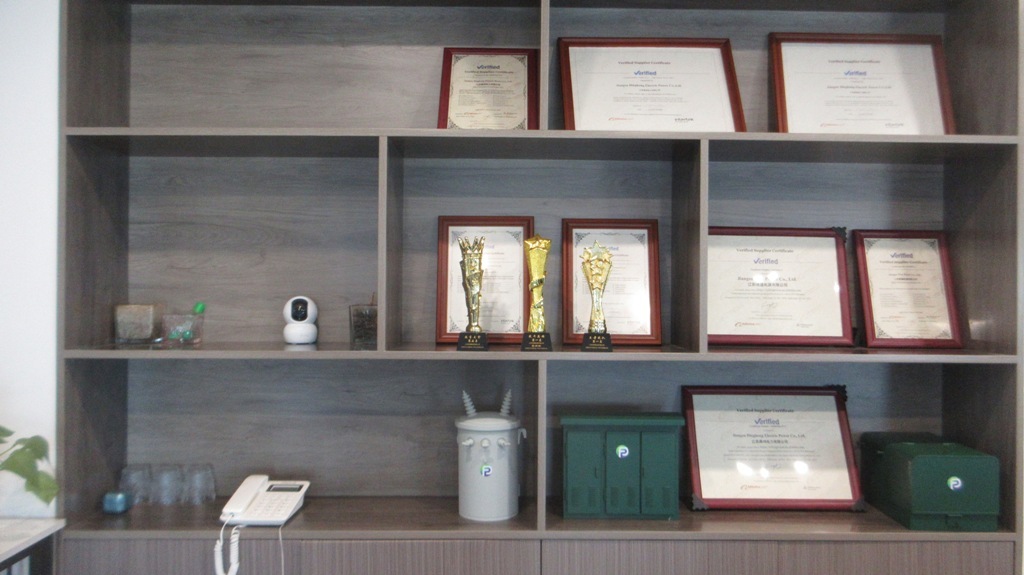
Jiangsu Wisegj Power Co., Ltd. operates under ISO 9001, ISO 14001, and ISO 45001 management systems. Relevant product lines hold CE certification, and production capability, floorspace, and quality inspection have been verified onsite by TÜV Rheinland, an independent third-party inspection body. Certificate numbers are available on request so a compliance team can verify them with the issuing body rather than relying on a website statement.
Every S11 three phase oil immersed transformer project should have a defined test plan before production. Routine tests normally include winding resistance, voltage ratio and vector group, impedance and load loss, no-load loss and current, applied voltage, induced voltage, insulation resistance, and oil dielectric strength for oil-filled units. Depending on the project, type test reports, temperature-rise reports, short-circuit reports, and third-party witness inspection can be reviewed.
The documentation package should include the approved GA drawing, nameplate drawing, guaranteed technical data, routine test report for each serial number, oil test certificate, packing list, installation and commissioning notes, and O&M manual. For exported equipment, seaworthy packing, shock indicators, lifting marks, and complete shipping documents are part of the quality system, not an afterthought.
- ✓Auditable certificates: ISO 9001 No. 62824Q6052R0S, ISO 14001 No. 62824E6053R0S, ISO 45001 No. 62824S6054R0S.
- ✓CE documentation: oil-immersed power transformer No. 3N230310.JYTU038 and other product-line certificates can be provided for review.
- ✓Witness testing: buyers or third-party inspectors are welcome to review routine tests and packing before shipment.

Why Global Buyers Choose Jiangsu Wisegj Power Co., Ltd. for S11 Transformers
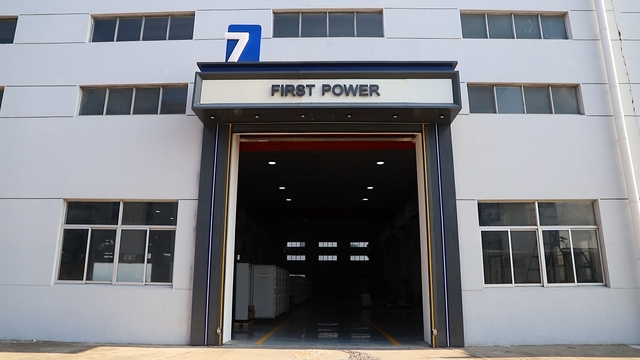
Jiangsu Wisegj Power Co., Ltd. designs, assembles, and exports medium and high voltage equipment from 220 V up to 500 kV, including power transformers, distribution transformers, pad mounted transformers, dry type transformers, compact substations, switchgear, distribution boxes, and voltage stabilizers.
Own Production Base and Auditable Capacity
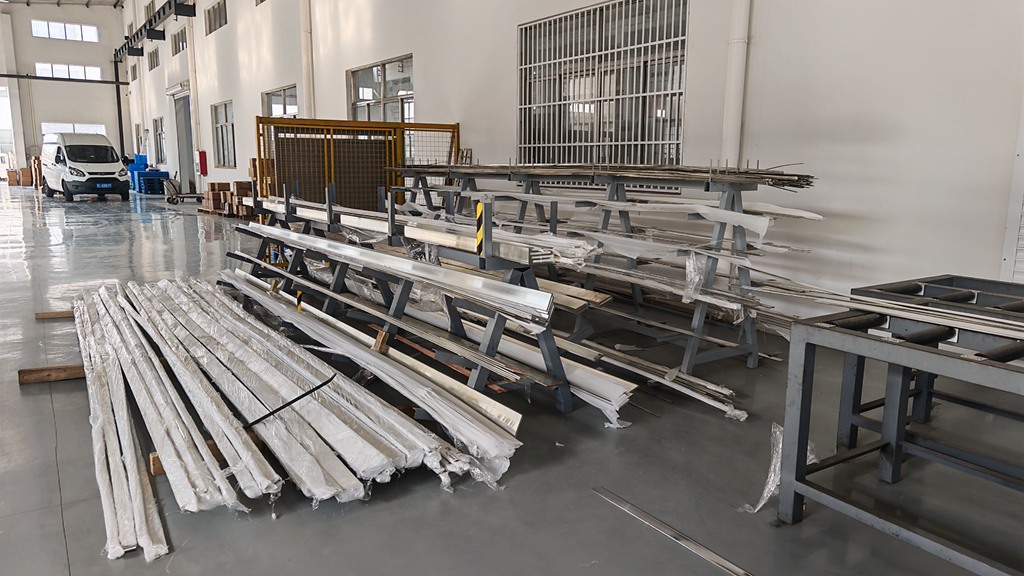
The company operates a production base with dedicated winding, core assembly, drying, tanking, and testing areas. The verified floorspace and engineering team size allow buyers to assess whether the factory can support their schedule before placing a high-value order.
Engineering Review Before Quotation
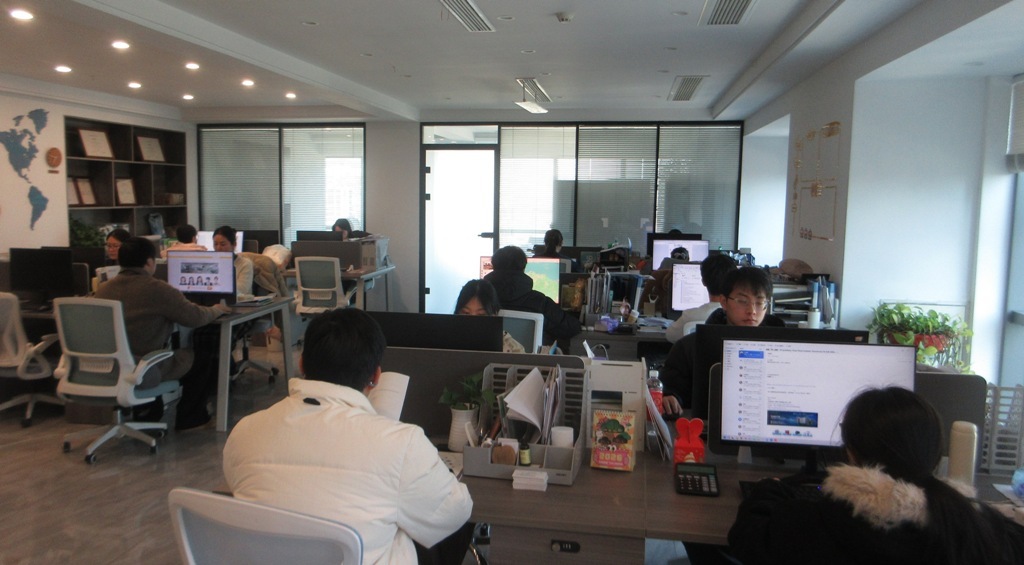
Every S11 three phase oil immersed transformer project can be reviewed by engineers before quotation. Ratings, voltage ratio, vector group, impedance, losses, cooling, site conditions, and test requirements are checked so the offer is technically usable rather than a generic price sheet.
OEM, ODM, and Design-Based Customization
Customization can cover ratings, taps, bushings, cable boxes, protection, tank finish, oil type, nameplate language, and documentation. This helps utilities, EPC contractors, and distributors localize the product for their market without losing drawing control.
Certified Systems and Product Compliance
ISO 9001, ISO 14001, and ISO 45001 systems support consistent quality, environmental control, and occupational safety. CE certificates for relevant product lines and independent TÜV Rheinland verification give procurement teams concrete documents to review.
Stable Supply Chain and Export Experience
With 211 qualified supply-chain partners, the company manages key materials such as silicon steel, copper, bushings, and accessories. Export packing, Incoterms, shipping documents, and buyer witness arrangements are handled by an experienced export team.
Responsive Service and Long-Term Support
Jiangsu Wisegj Power Co., Ltd. aims to provide 24-hour pre-sale and after-sale response, full routine test reports, and English documentation. The company has served Fortune 500 companies and supports buyers through drawing approval, factory acceptance, installation questions, and spare-parts planning.
S11 Three Phase Oil Immersed Transformer FAQ for Global Procurement Teams
These are the questions buyers, engineers, and AI-assisted sourcing platforms most often ask when evaluating an S11 transformer supplier.
What is an S11 three phase oil immersed transformer?
What ratings and voltages can Jiangsu Wisegj Power Co., Ltd. supply?
What is the difference between S11, S13, and other efficiency designations?
Which standards and certifications apply to S11 transformers?
How do I evaluate transformer losses and total owning cost?
What tests are performed before shipment?
Can the transformer be customized for my project?
What oil options are available: mineral oil or natural ester?
What is the typical lead time and MOQ?
What documents are supplied with the transformer?
Which Incoterms, payment terms, and currencies are accepted?
How can I verify the supplier and request a catalog?
Need a faster comparison? Send your kVA, voltage ratio, frequency, vector group, losses, site conditions, and delivery port.
Get CatalogSend Your S11 Three Phase Oil Immersed Transformer Specification for Engineering Review
Share your rated power, primary and secondary voltage, frequency, vector group, impedance, tap range, cooling, oil type, altitude, ambient temperature, efficiency target, and delivery port. A technical review can turn a general enquiry into a quotation that matches your grid code and total owning cost model.
[email protected]