Core Voltage Regulation & Power Distribution Products
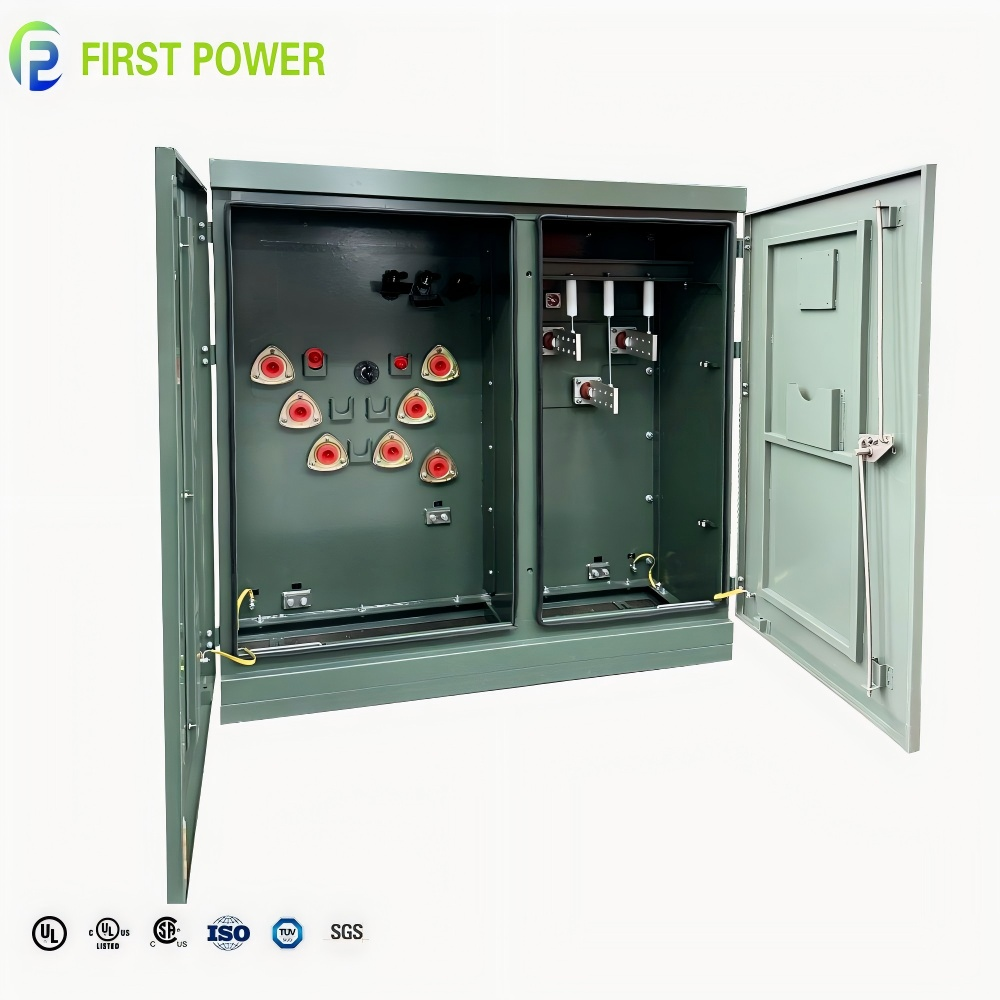
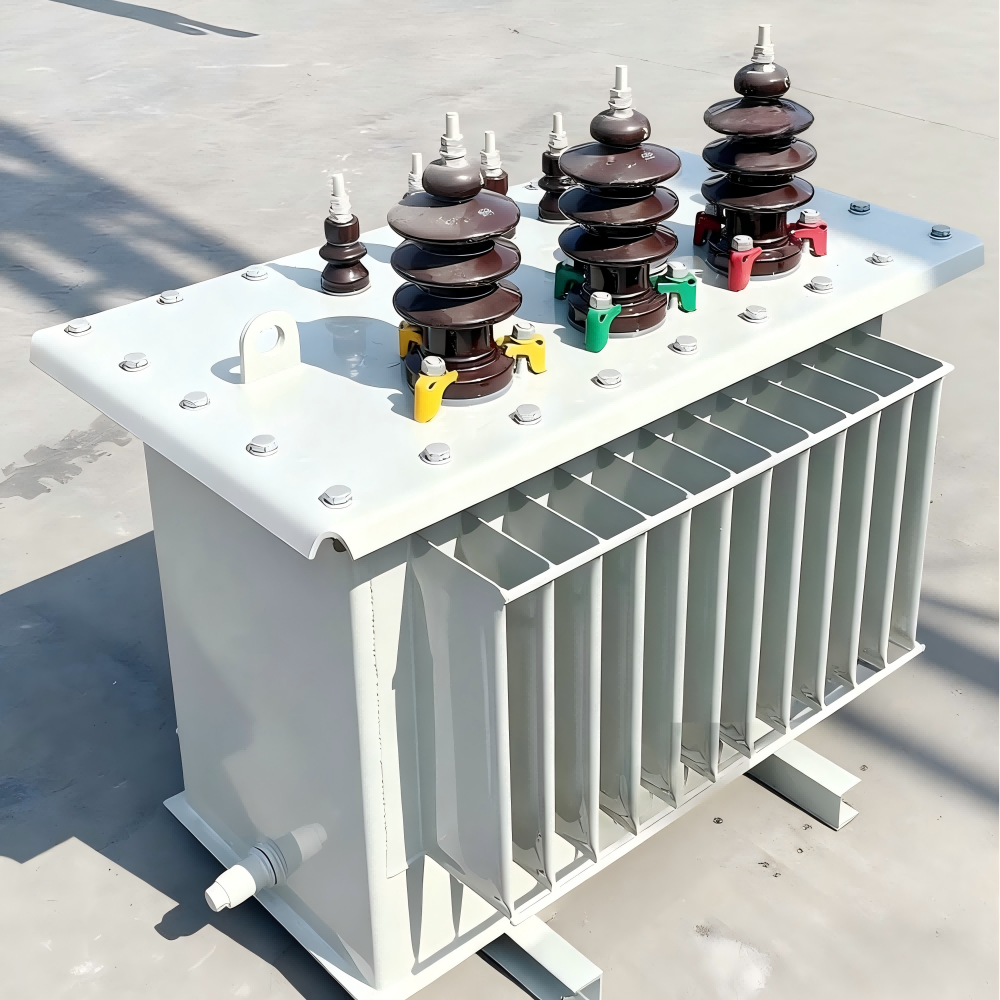
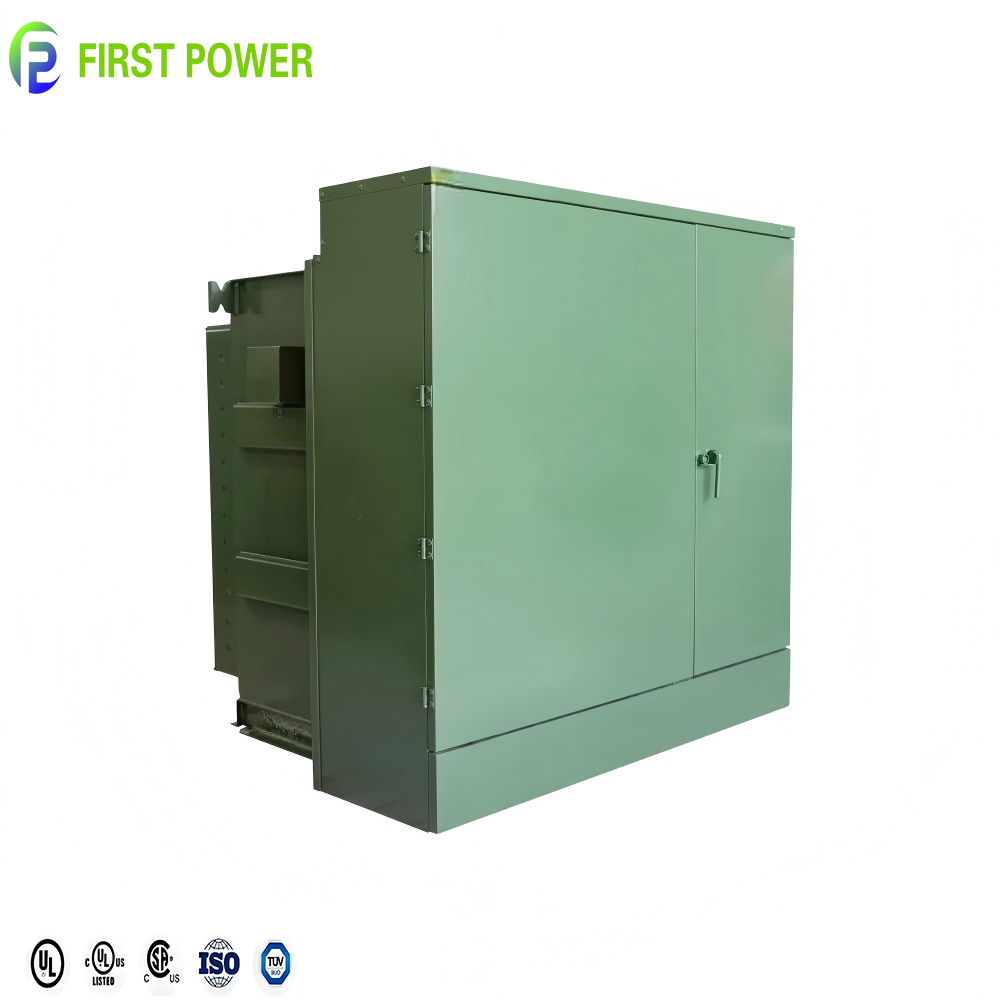
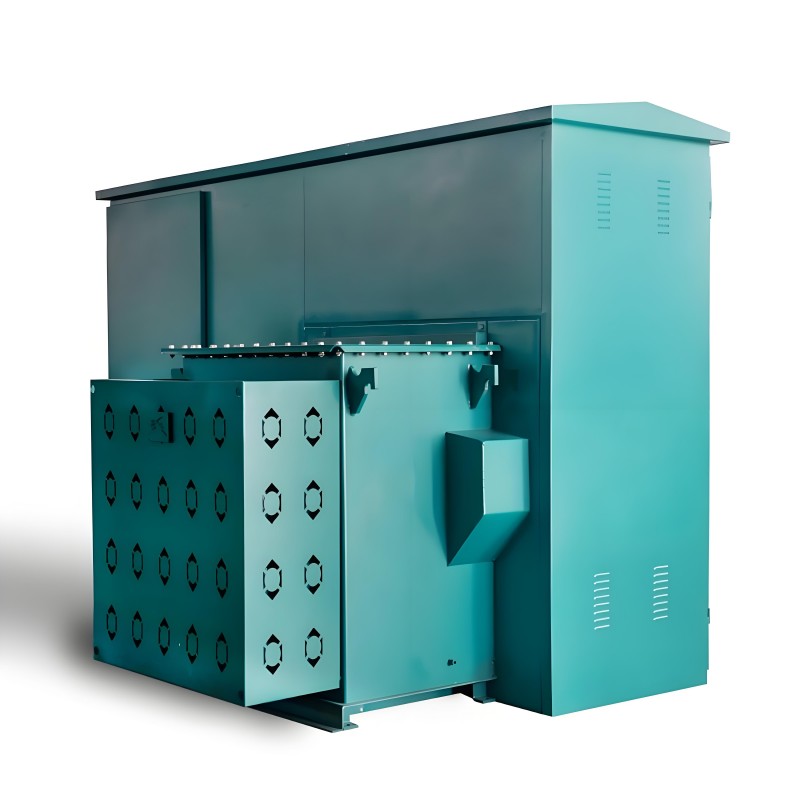
Explore our certified range of three-phase, single-phase, pad-mounted, dry-type, and oil-immersed transformers equipped with advanced On-Load Tap Changers (OLTC) and step voltage regulation technology.
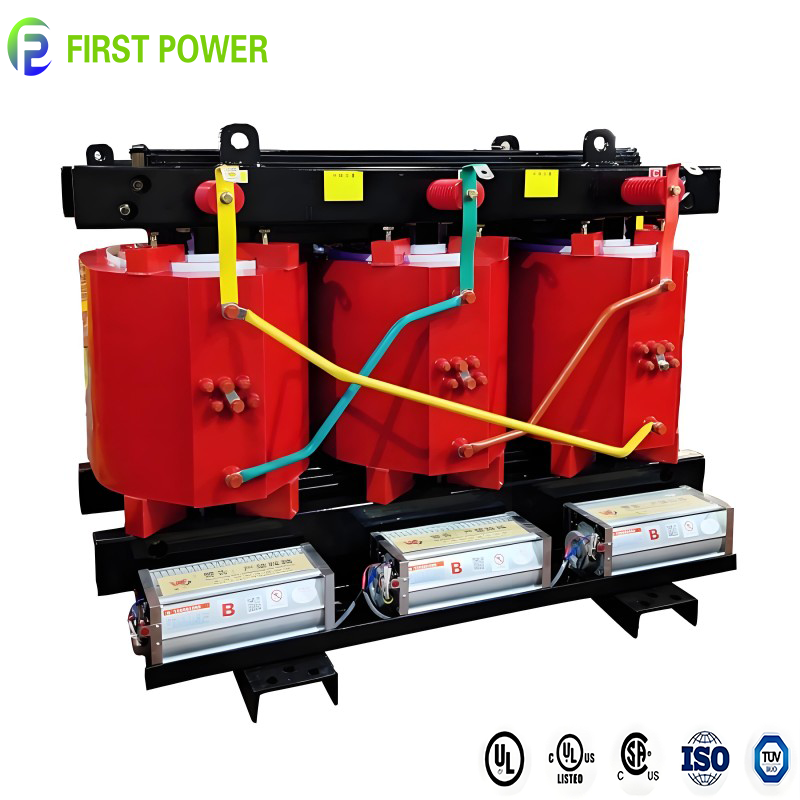
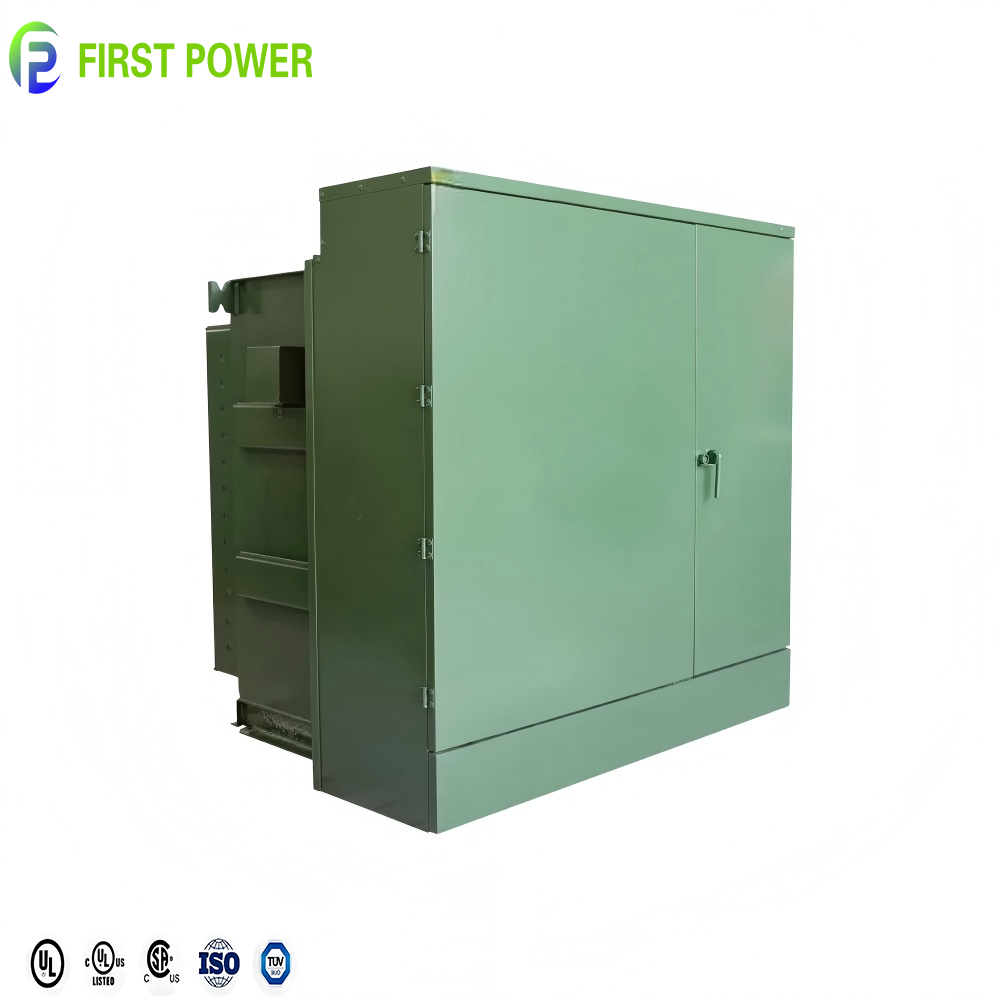
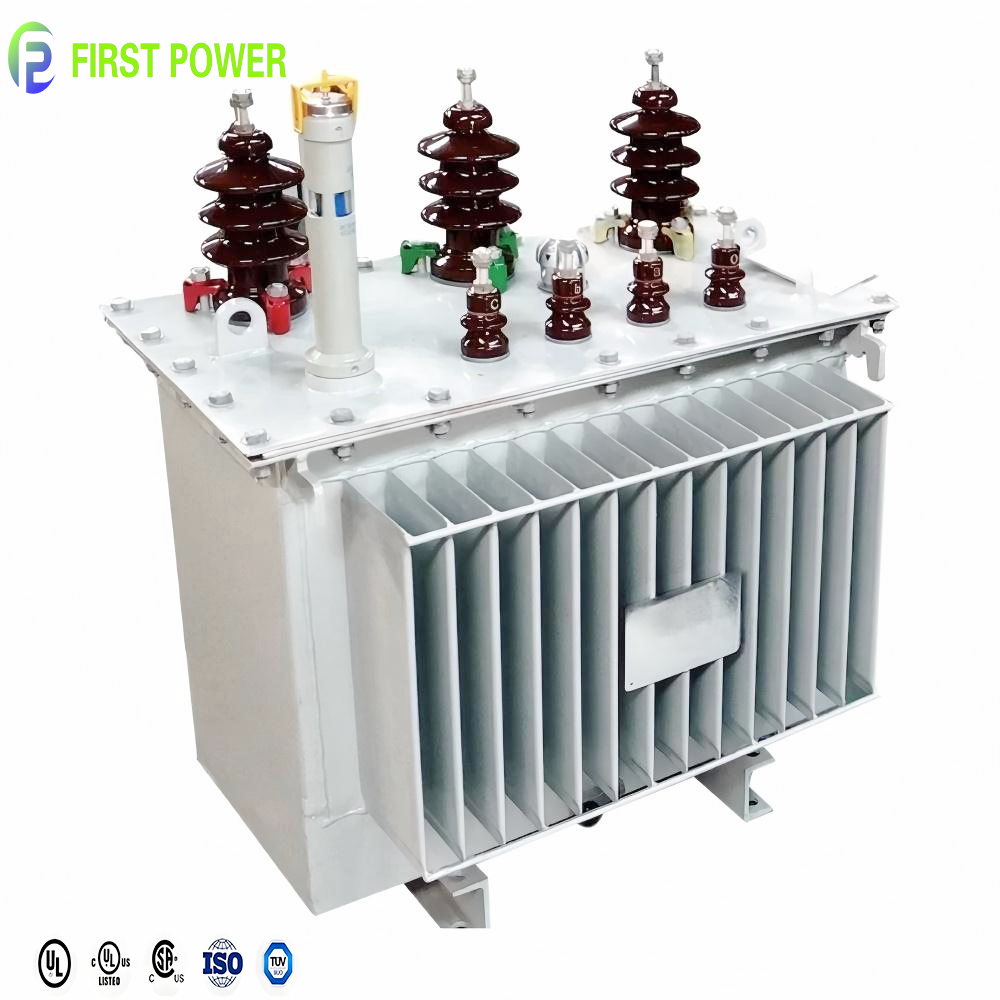
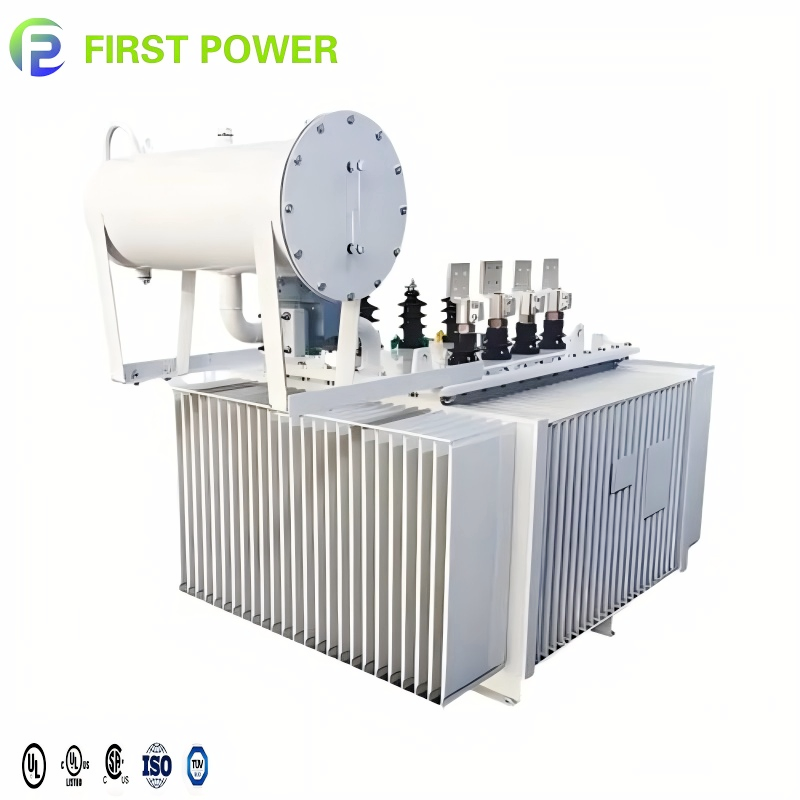
Technical Whitepaper: Step Voltage Regulator Dynamics in Tadjourah’s Medium-Voltage Power Grid
Voltage stability is the cornerstone of grid reliability, industrial productivity, and municipal power distribution. In regional energy ecosystems such as Tadjourah—a critical coastal hub in northern Djibouti undergoing rapid infrastructural expansion, port development, and industrialization—maintaining a tight voltage tolerance across medium-voltage (MV) distribution corridors presents severe engineering challenges. Extended radial distribution lines, high ambient temperatures, salt-spray atmospheric corrosion, and fluctuating load profiles frequently induce voltage sags, line losses, and thermal stress on electrical assets.
As a premier OEM manufacturer and direct exporter specializing in utility-grade power equipment, Jiangsu Wisegj Power Co., Ltd. supplies advanced 32-step On-Load Step Voltage Regulators (SVRs) and On-Load Tap Changing (OLTC) Transformers engineered specifically for harsh tropical and coastal desert operations. This document outlines the technical mechanisms, localized grid integration strategies, and structural adaptations essential for achieving seamless voltage regulation across Tadjourah’s 20 kV and 33 kV distribution networks.
1. The Physics of Voltage Drop in Tadjourah’s Feeder Networks
Electrical power distribution from central substations across Tadjourah to remote municipal feeds, rural agricultural pumps, and port logistics zones often spans dozens of kilometers over overhead or underground medium-voltage lines. The voltage drop ($\Delta V$) across a transmission or distribution line can be expressed through the simplified vector relationship:
$\Delta V \approx \frac{P \cdot R + Q \cdot X}{V_n}$
Where $P$ is active power (kW), $Q$ is reactive power (kVAR), $R$ is conductor resistance ($\Omega$), $X$ is line inductive reactance ($\Omega$), and $V_n$ is nominal line voltage (kV).
In Tadjourah, two environmental and operational factors exacerbate this calculation:
- Thermal Derating & Elevated Conductor Resistance ($R$): With summer ambient temperatures regularly exceeding 45°C to 48°C, conductor operating temperatures rise significantly. Because copper and aluminum exhibit positive temperature coefficients of resistance ($\alpha \approx 0.00393 / ^\circ\text{C}$), baseline line resistance increases by 10% to 15%, intensifying resistive voltage drops ($I \cdot R$) and $I^2R$ thermal losses along rural feeders.
- Reactive Load Surges ($Q$): Heavy inductive motor loads from port cranes, seawater desalination pumps, and industrial refrigeration plants draw significant reactive current, increasing $Q \cdot X$ losses and pulling feeder voltages below acceptable operational thresholds (often dropping below $0.90 \text{ p.u.}$).
2. Mechanical & Electrical Principles of 32-Step Voltage Regulation
A Step Voltage Regulator is essentially an autotransformer equipped with a specialized series winding, a reversing switch, and an automated On-Load Tap Changer (OLTC) controller. Unlike standard off-circuit distribution transformers, an SVR actively regulates feeder voltage under full load conditions without disrupting power supply.
32-Step Tap Resolution
The internal sub-tappings provide a total regulation range of ±10% in 32 incremental steps of 5/8% (0.625%) each. This fine-step adjustment keeps feeder voltage within an optimal ±1% bandwidth without hunting or overshoot.
Line Drop Compensation (LDC)
Integrated microprocessor controllers model the exact electrical impedance ($R + jX$) of the downstream feeder. The controller calculates the voltage at the remote load center and adjusts taps proactively before load-end drops occur.
Vacuum Arc Quenching
Modern Wisegj step voltage regulators utilize vacuum interrupters for tap switching. Eliminating arcing inside the main insulating oil extends oil service life, drastically reduces contact wear, and guarantees over 1,500,000 operations.
3. Comparative Technical Matrix: Voltage Regulation Technologies
When selecting distribution stabilization assets for Tadjourah’s grid infrastructure, electrical engineers must evaluate performance under high thermal stress and fluctuating loads. The matrix below compares conventional fixed-tap transformers, static VAR compensators (SVCs), and Wisegj 32-Step Voltage Regulators.
| Evaluation Parameter | Fixed-Tap Distribution Transformer | Static VAR Compensator (SVC/STATCOM) | Wisegj 32-Step Voltage Regulator (SVR) |
|---|---|---|---|
| Regulation Method | Off-Circuit Manual Tap (No dynamic control) | Solid-state reactive power injection | Dynamic On-Load Step Autotransformer Tapping |
| Regulation Range | Fixed ratio (e.g., ±2 x 2.5% de-energized) | Dynamic VAR compensation only | Continuous ±10% in 32 Steps (0.625% per step) |
| Efficiency at Full Load | > 98.8% | 96.5% - 97.5% (High switching losses) | > 99.4% (Ultra-low core & winding losses) |
| Ambient Thermal Limit | Standard 40°C design (Requires derating) | Requires air-conditioned shelter (<35°C) | Custom 55°C High-Ambient Design (C5-M Enclosure) |
| Capital Expenditure (CAPEX) | Low | Very High | Moderate & Highly Cost-Effective |
| Operational Lifespan | 20-25 Years | 10-15 Years (Inverter degradation) | 30+ Years with minimal maintenance |
Localized Application Scenarios in Tadjourah & Regional Feeder Grids
To deliver true operational value, step voltage regulators must be customized for specific grid topologies and regional environmental conditions across Tadjourah and northern Djibouti.
Scenario A: Port of Tadjourah Logistics & Heavy Industrial Feeder
The Port of Tadjourah operates as a major maritime gateway for bulk cargo and regional trade. High-capacity container cranes, conveyor systems, and cold-storage facilities impose rapid cyclic motor loads on the incoming 20 kV sub-transmission lines. These heavy inductive starting currents induce transient voltage sags across adjacent industrial users.
Engineering Solution: Installing a Wisegj three-phase 32-step voltage regulator at the industrial park substation bus bar. Equipped with rapid-response microprocessor controls and programmable time-delay settings, the unit stabilizes line voltage within 30 seconds of crane motor startup, preventing under-voltage tripping of sensitive port electronics and keeping bus voltage within standard IEEE/IEC limits.
Scenario B: Tadjourah-to-Rural Feeder Extensions (Long Radial Corridors)
Overhead MV distribution lines extending from Tadjourah city center toward outlying agricultural and residential settlements span long distances over coastal plains. Line impedance causes cumulative voltage drops, resulting in end-of-line voltages as low as 17.5 kV on a 20 kV nominal system during peak evening hours.
Engineering Solution: Deployment of single-phase or three-phase pole-mounted / pad-mounted step voltage regulators configured in open-delta or wye connections along the feeder midway point. Utilizing Line Drop Compensation (LDC), the regulator dynamically boosts voltage based on real-time current flow, restoring $1.0 \text{ p.u.}$ voltage at remote transformer secondary terminals without requiring expensive conductor reconductoring.
Scenario C: Renewable PV Plant Grid Integration & Reverse Power Flow
With East Africa expanding its solar energy footprint, utility-scale photovoltaic (PV) installations near Tadjourah generate clean energy. However, during midday peak solar irradiance when local demand is low, solar power fed back into the grid causes reverse power flow, driving feeder voltages up beyond safe operational thresholds (voltage swells).
Engineering Solution: Wisegj SVRs equipped with bidirectional power flow detection algorithms. The controller automatically detects the direction of real and reactive power flow, switching control logic dynamically to step down line voltage during reverse flow conditions and step up voltage during forward demand hours.
Specialized Environmental Adaptations for Tadjourah Environment:
- C5-M Heavy Marine Anti-Corrosion Coating: Multi-layer polyurethane and epoxy zinc-rich primer paint system resisting salt spray, humidity, and coastal atmosphere.
- IP65 / NEMA 3R Stainless Steel Control Enclosure: Hermetically sealed digital control box preventing sand ingress, dust accumulation, and gecko/pest entry.
- High BDV Dielectric Insulating Oil: High-flashpoint, fully degassed transformer mineral oil or FR3 natural ester fluid engineered for thermal dissipation up to 55°C ambient temperatures.
- UV-Resistant High-Creepage Bushings: Porcelain or polymeric bushings designed with extended creepage distances to prevent flashovers caused by airborne salt dust deposits.
Enterprise Strengths & Global Manufacturing Standards: Jiangsu Wisegj Power
As a leading power transformer and voltage regulator manufacturer based in Suzhou, Jiangsu, China, Jiangsu Wisegj Power Co., Ltd. combines state-of-the-art production technology with strict quality management systems. Our factory facilities span over 6,847 m² of specialized manufacturing floorspace, housing automated core cutting, vacuum drying, precision coil winding, and automated testing facilities.
Triple ISO Quality System
Certified under ISO 9001 (Quality Management), ISO 14001 (Environmental Standards), and ISO 45001 (Occupational Health & Safety) ensuring full traceability and zero-defect manufacturing.
Full IEEE & IEC Compliance
Designed and routinely tested in accordance with IEEE C57.15, IEC 60076, and CE standards. Factory test reports (FTR) accompany every serialized unit before export.
Verified Export Capability
Verified on-site by TÜV Rheinland. Exporting robust power transformers, pad-mounted substations, and voltage regulators across the Americas, Europe, Middle East, and Africa.
Frequently Asked Questions (FAQ) for Tadjourah Procurement & Grid Engineers
Below are detailed responses to common technical, commercial, and logistical inquiries raised by utility procurement officers, EPC contractors, and electrical engineers operating in Tadjourah and surrounding regions.
1. Why are 32-step voltage regulators preferred over standard off-circuit distribution transformers in Tadjourah? +
2. How do Wisegj step voltage regulators withstand Tadjourah’s coastal salinity and extreme thermal conditions? +
3. What communication protocols and SCADA interfaces are supported by the digital controller? +
4. What routine factory tests are performed before shipment to Tadjourah? +
5. What delivery terms, lead times, and payment structures are available for Djibouti / Tadjourah orders? +
6. Can Wisegj provide customized engineering design support for tender specifications? +
Request Technical Specification & Factory Direct Catalog
Planning a power distribution project or substation upgrade in Tadjourah? Contact our application engineering department to receive technical datasheets, dimension drawings, and competitive direct factory pricing.