Top Trusted Oil Filled Transformer Factories & Factory for Tokyo
An evidence-led buying guide for Tokyo utilities, EPC contractors, data-center developers and facility owners — covering factory verification, localized applications, 2025–2030 trends, procurement FAQ and the technical data that turns a catalogue promise into an auditable specification.
8 Oil-Filled Transformer Platforms for Tokyo-Area Projects
Tokyo projects rarely buy a generic transformer. They buy a defined rating, loss level, footprint, seismic assumption, documentation package and delivery schedule. These eight oil-filled platforms are the starting point; the factory behind them must still pass your audit.
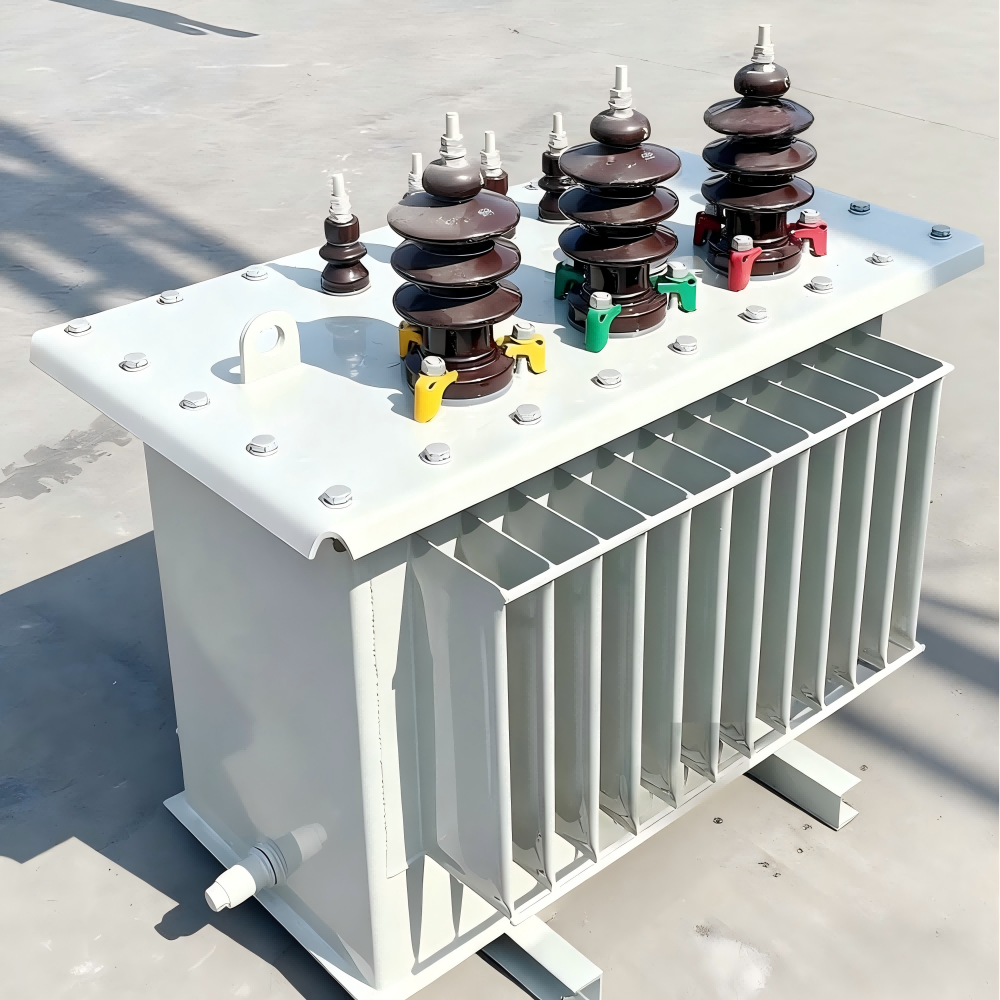 S11 · MV/HV
S11 Three-Phase Oil Transformer 30–31,500 kVA, 6–35 kV
Medium and high-voltage distribution platform for utility feeders, industrial substations and renewable interconnection. Suitable where Tokyo procurement requires conventional oil-filled construction with IEC/ANSI review.
- Power30–31,500 kVA
- Voltage6–35 kV
- Frequency50 / 60 Hz
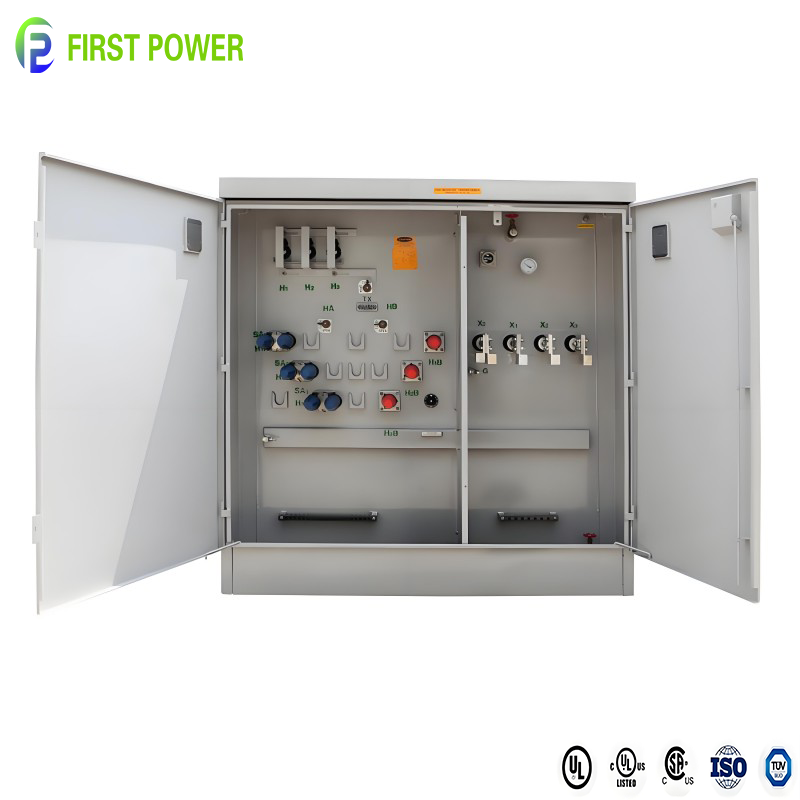 Loop Feed
 Pad Mounted Transformer 300–700 kVA
Tamper-resistant pad-mounted design for underground loop distribution, commercial campuses and public infrastructure where footprint and access control matter.
- Power300–700 kVA
- Voltage10–35 kV
- UseIndustrial
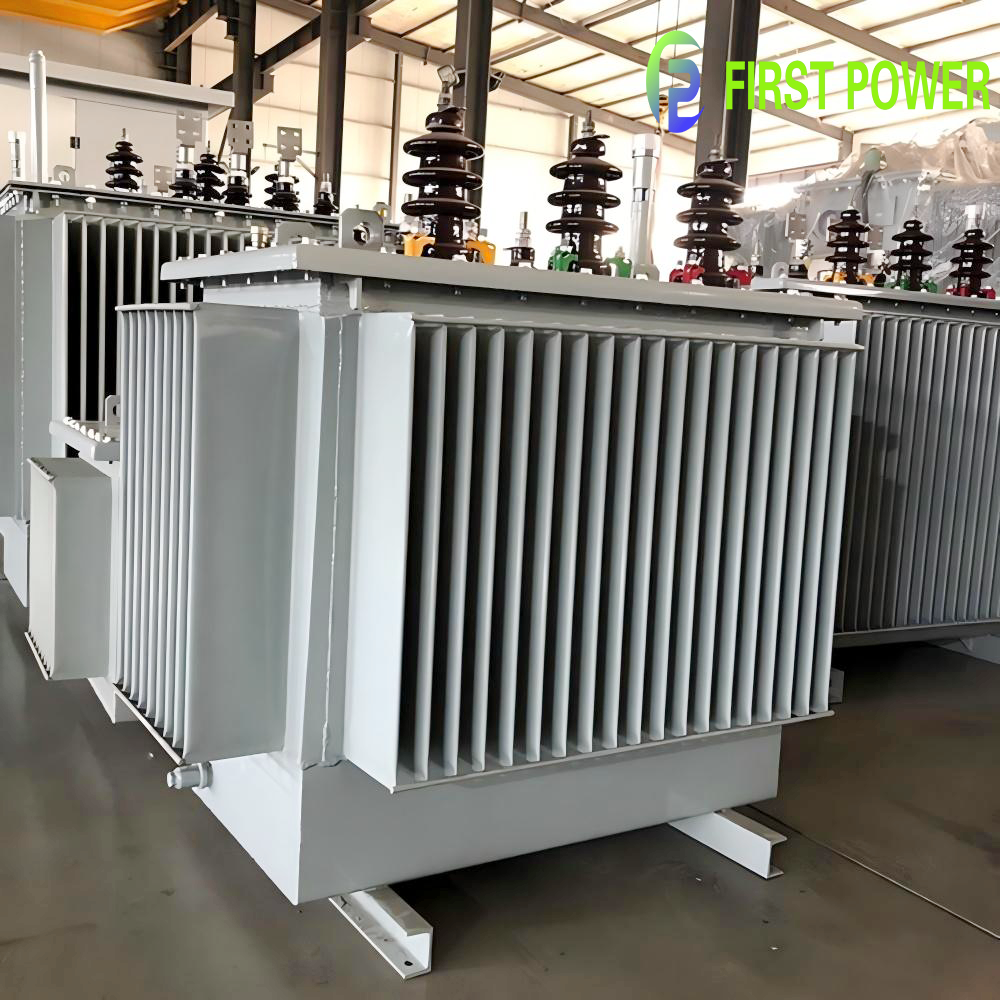 50 kVA
S11 Oil Immersed Distribution Transformer 50 kVA
Compact distribution unit for small loads, secondary networks and dispersed facilities. Useful for phased redevelopment, backup capacity and space-limited sites.
- Power50 kVA
- Voltage10–35 kV
- Frequency50 / 60 Hz
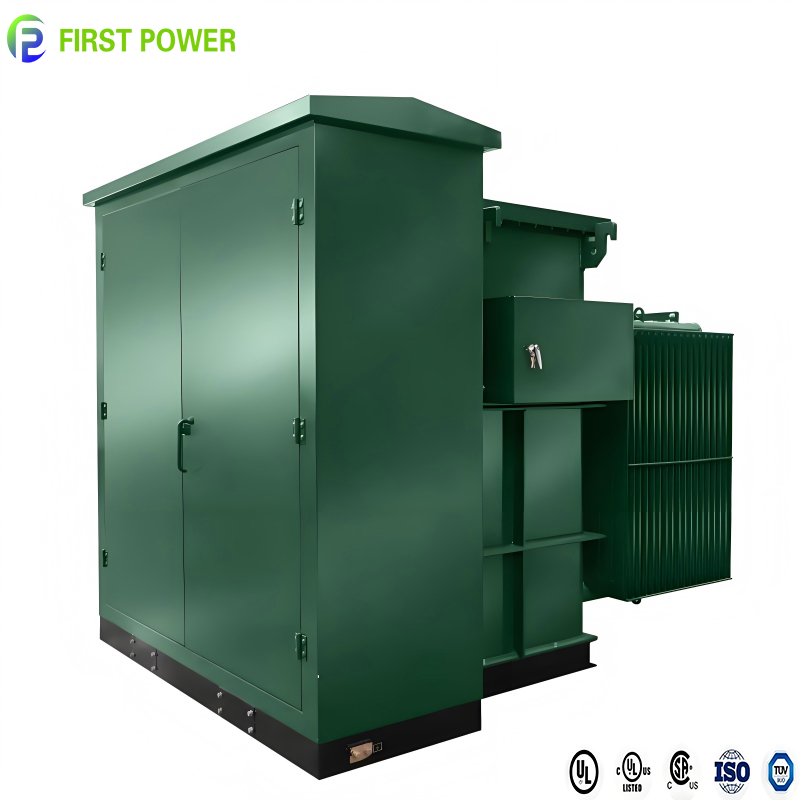 Pedestal
Industrial Pad Mounted Pedestal Transformer 100–630 kVA
Pedestal-mounted configuration for industrial yards, logistics hubs and port-adjacent facilities. Exterior finish, corrosion protection and access layout can be specified.
- Power100–630 kVA
- Voltage6–35 kV
- PhaseThree phase
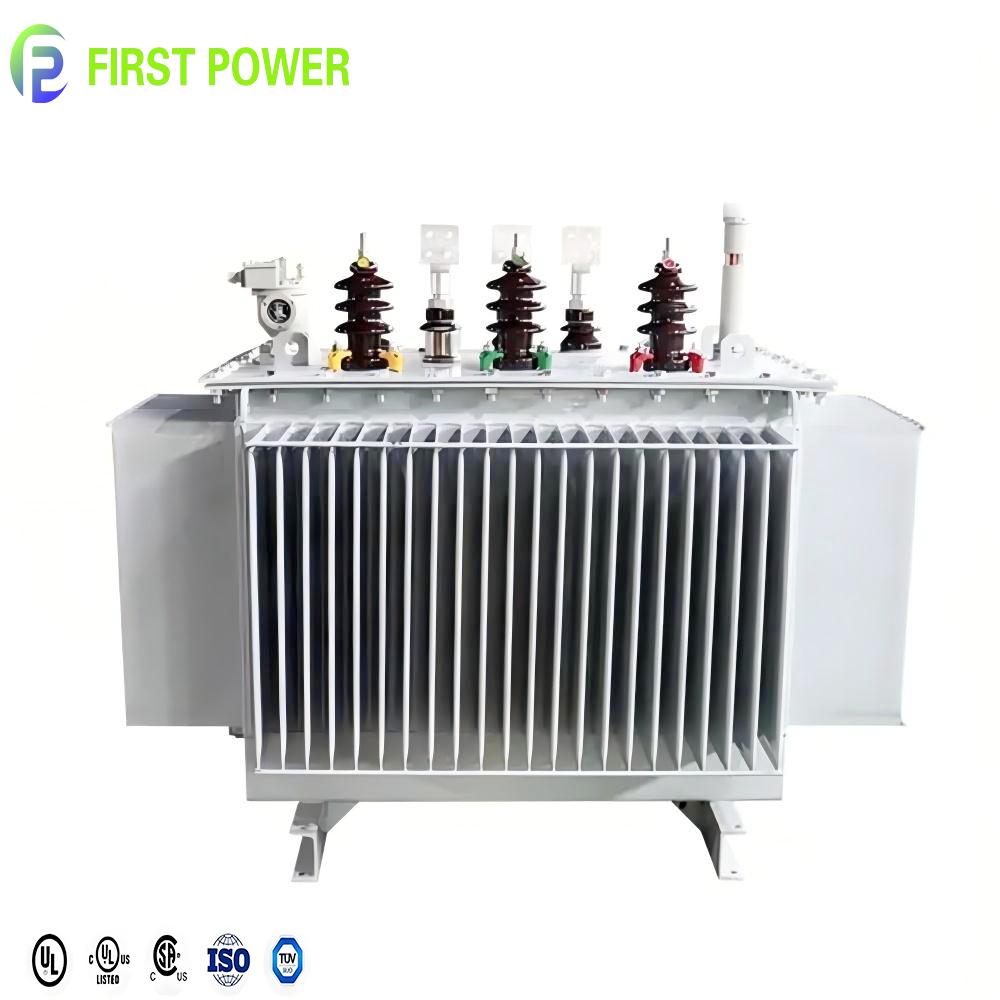 50–250 kVA
S11 Oil-Immersed Transformer 50–250 kVA
Space-conscious three-phase unit for commercial buildings, small factories and community infrastructure. Loss values, tap range and vector group can be engineered to buyer targets.
- Power50–250 kVA
- Voltage10–35 kV
- VectorDyn11 / Yyn0
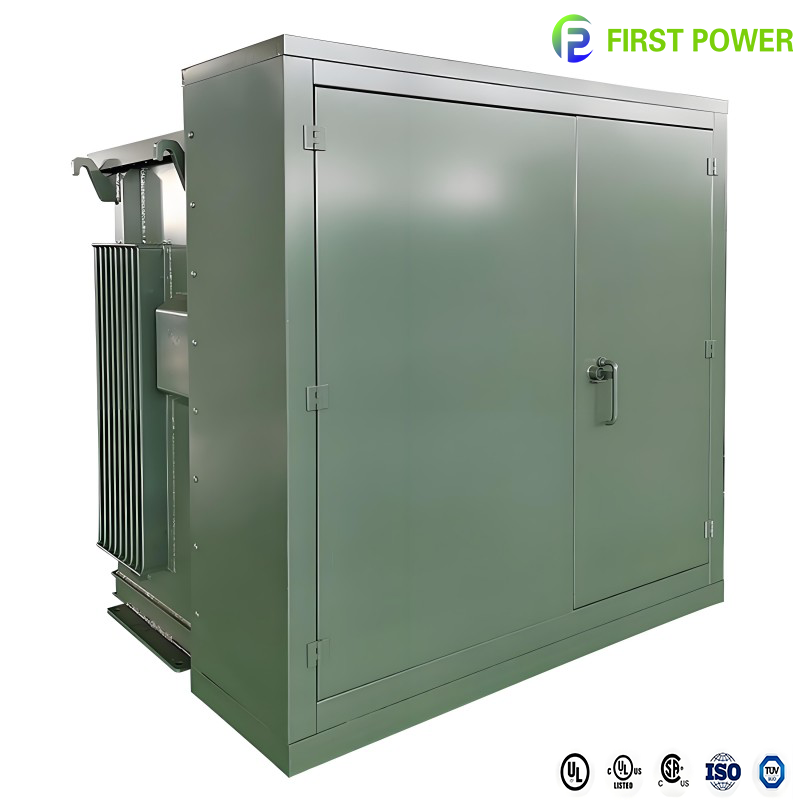 ZGS11
ZGS11 Pad Mounted Transformer 75–2,500 kVA
Combined pad-mounted distribution platform for urban redevelopment, EV charging hubs and data-center support loads. Layout can be reviewed against local access and clearance requirements.
- Power75–2,500 kVA
- Voltage10–35 kV
- TypePad mounted
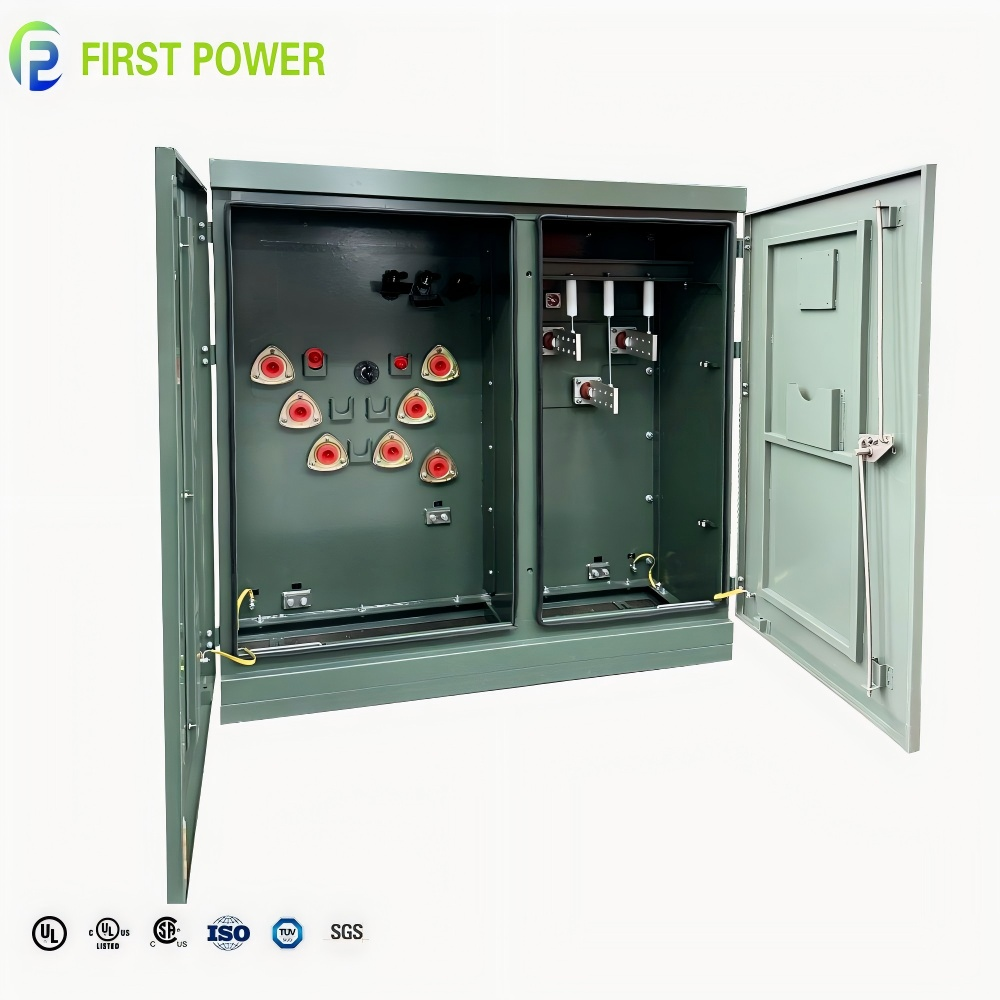 750 kVA
 Loop Feed Pad Mounted Transformer
A loop-feed configuration for higher-capacity commercial and industrial sites that require sectionalizing, future load growth and coordinated protection.
- Power750 kVA
- Voltage10–35 kV
- FeedLoop feed
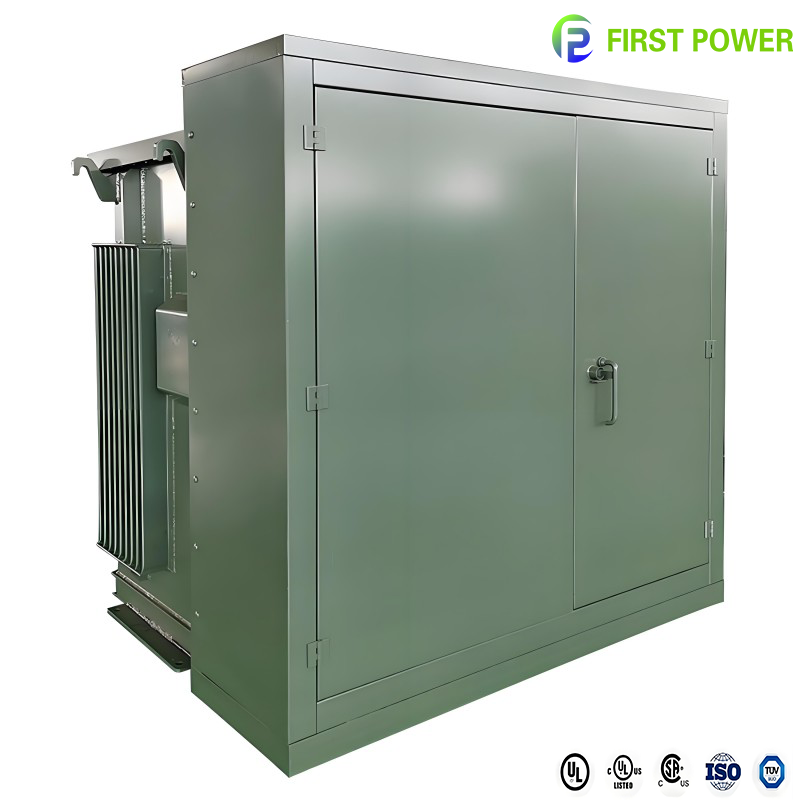 Generation
Oil Type Pad Mounted Transformer 75–400 kVA
For power generation support, distributed energy and backup systems where a compact oil-filled unit is acceptable under site fire, environmental and utility rules.
- Power75–400 kVA
- Voltage10–35 kV
- UsePower generation
Why Tokyo Buyers Need a More Evidence-Based Factory Search
A buyer typing “trusted oil filled transformer factory for Tokyo” is not looking for another catalogue. They are trying to reduce technical, delivery and approval risk.
Tokyo’s procurement environment changes the evaluation. The city combines dense underground distribution, seismic design assumptions, high humidity, typhoon rainfall, salt-air exposure near the bay and strict coordination with utilities, consultants and building owners. A factory that can show capability for one market is not automatically suitable for another. The information gain comes from traceable proof: drawings, guaranteed losses, routine test records, certificate numbers, material traceability and engineers who can answer to a utility review file.
For Tokyo projects, a trusted oil-filled transformer factory should be assessed like a technical partner, not a price sheet. The right supplier can translate IEC or ANSI/IEEE designs into a purchaser’s local requirement set, document every assumption, and support the project through type-test review, witness inspection, shipping and after-sales response. That is the practical meaning of E-E-A-T for transformer procurement: real production experience, engineering expertise, verifiable authority and dependable delivery.
What “Trusted” Should Mean for Tokyo Procurement
In a due-diligence review, six signals matter more than a low quotation. They determine whether the unit can be approved, installed and maintained in Tokyo.
Factory Identity, Not a Trading Shell
Ask for a physical production address, process flow and inspection access. The company profile states a 6,847 m² production base, verified onsite by TÜV Rheinland, with winding, core assembly, drying, tanking and testing areas.
Serial-Number Test Evidence
Routine tests should be linked to each serial number: winding resistance, ratio and vector group, impedance and load loss, no-load loss and current, applied and induced voltage, plus oil dielectric strength for liquid-filled units.
Standards Translation
IEC 60076 and ANSI/IEEE C57.12 are common baselines. For Tokyo, review JIS and applicable JEC requirements with the utility and confirm DENAN/PSE applicability where regulated products are placed on the Japanese market.
Seismic, Flood & Corrosion Inputs
Do not accept a generic quotation for a Tokyo site. Provide site class, anchorage assumptions, flood level, ambient temperature, humidity, salt exposure and acoustic limits. Tank strength, base design, coating system and oil containment should be documented.
Loss & Lifecycle Cost Transparency
Request guaranteed no-load loss and load loss, not only kVA. For a fair comparison, capitalize losses using the project discount rate and expected load profile. A lower purchase price can lose to a higher-efficiency design over the service life.
Documentation & Response
Confirm GA drawings, nameplate drafts, routine test reports, type-test evidence, O&M manuals, packing lists and spare-part recommendations. A 24-hour engineering response is more valuable than a fast sales reply when utility comments arrive.
Oil-Filled Transformer Applications in and Around Tokyo
Local fit depends on how the transformer interacts with the site, the utility network and the maintenance team. These are the scenarios that repeatedly shape Tokyo specifications.
Dense Urban Distribution & Redevelopment
Ward-level redevelopment often uses underground loops, limited footprints, restricted crane access and noise-sensitive boundaries. Pad-mounted or compact oil-filled designs can fit when access, ventilation, fire separation and oil containment are coordinated early.
Data Centers & Digital Infrastructure
Tokyo’s data-center growth increases demand for reliable step-down capacity, low losses, harmonic consideration and monitoring. Oil-filled units are usually placed outdoors or in dedicated compounds; indoor areas may require dry-type alternatives depending on fire code.
Ports, Logistics & Coastal Industry
Bay-area sites face humidity, salt and typhoon-driven rain. Specify coating class, fasteners, gasket materials, cable termination protection and maintenance access. A standard inland finish may not match a coastal Tokyo industrial yard.
Disaster-Resilient Public Infrastructure
Earthquake and flood resilience increasingly influence transformer bases, anchorage, oil containment and restoration strategy. For critical facilities, evaluate spare-unit planning and documentation before an event, not after one.
Renewable & Distributed Generation
Solar, wind, BESS and cogeneration projects need step-up or interconnection transformers that account for reverse power flow, cycling and protection coordination. Loss evaluation and impedance often matter more than the nominal kVA alone.
Rail, Airport & Large Campus
Continuity, maintainability and noise control drive design choices for transport and campus infrastructure. Where access windows are short, factory pre-testing and complete documentation reduce site commissioning time and outage risk.
Tokyo Localization Trends Shaping 2025–2030 Specifications
Three procurement shifts are changing how Tokyo buyers compare oil-filled transformer factories.
Resilience-First Replacement
As equipment ages and severe-weather assumptions tighten, Tokyo buyers are moving beyond basic electrical ratings. Seismic anchorage, flood elevation, oil containment, corrosion class, remote monitoring readiness and emergency restoration planning are being written into specifications. A factory that can respond with design calculations and test evidence is easier to approve than one that only supplies a nameplate rating.
Space-Constrained Electrification
Data centers, EV charging, redevelopment and distributed generation compete for limited land in Tokyo. Low-profile pad-mounted designs, compact layouts and carefully planned cable access are becoming more valuable. The winning factory is not the one with the largest catalogue; it is the one that can optimize a footprint without compromising clearances, cooling or maintenance access.
Total-Cost & Efficiency Procurement
Loss capitalization, high-efficiency cores, natural ester fluid options, digital nameplates and lifecycle documentation are moving from “nice to have” to evaluation criteria. For oil-filled transformers, the lowest bid may not be the lowest evaluated cost. Ask for guaranteed losses, test methods, maintenance assumptions and the documentation needed for future asset management.
Enterprise Advantages Tokyo Buyers Can Verify Before Order
The supplier behind this product series is Jiangsu Wisegj Power Co., Ltd., a Suzhou-based transformer manufacturer and exporter. These advantages are drawn from its published company profile, certificate data and production information.
20+ Years of Team Experience
The engineering team brings more than two decades of hands-on transformer experience, with 50+ R&D and technical engineers supporting specifications and drawings.
Verified Production Base
A 6,847 m² production floorspace inspected onsite by TÜV Rheinland, covering winding, core assembly, drying, tanking and testing operations.
Routine Test Discipline
Each unit is routine-tested before dispatch, and third-party witness inspection is welcome. Test reports can be mapped to serial numbers for project QA files.
Certification Stack
ISO 9001, ISO 14001 and ISO 45001 management systems, plus CE certificates for oil-immersed power transformers, oil immersed transformers, dry type transformers and compact substations.
Custom Engineering
OEM, ODM, design-based and sample-based customization covering ratings, vector group, impedance, tap range, bushings, cooling, insulating fluid, enclosure color and nameplate language.
211 Qualified Partners
A qualified supply chain supports stable availability of silicon steel, copper, bushings and accessories. The company reports serving Fortune 500 companies.
Export Packing & Incoterms
Seaworthy packing, shock indicators and export documentation support delivery from EXW to DDP. Common terms include FOB, CFR, CIF, FCA, CIP, CPT and DDP.
24-Hour Response
The company states a 24-hour pre-sale and after-sale response target, with English drawings, nameplate drafts, test reports and O&M manuals available for project teams.
Factory Evidence That Supports a Tokyo Audit File
A Tokyo procurement file usually needs more than a certificate PDF. It needs evidence of production control, test capability and shipment protection. The images below are from the original company content and show the type of evidence a buyer can request during a factory audit.

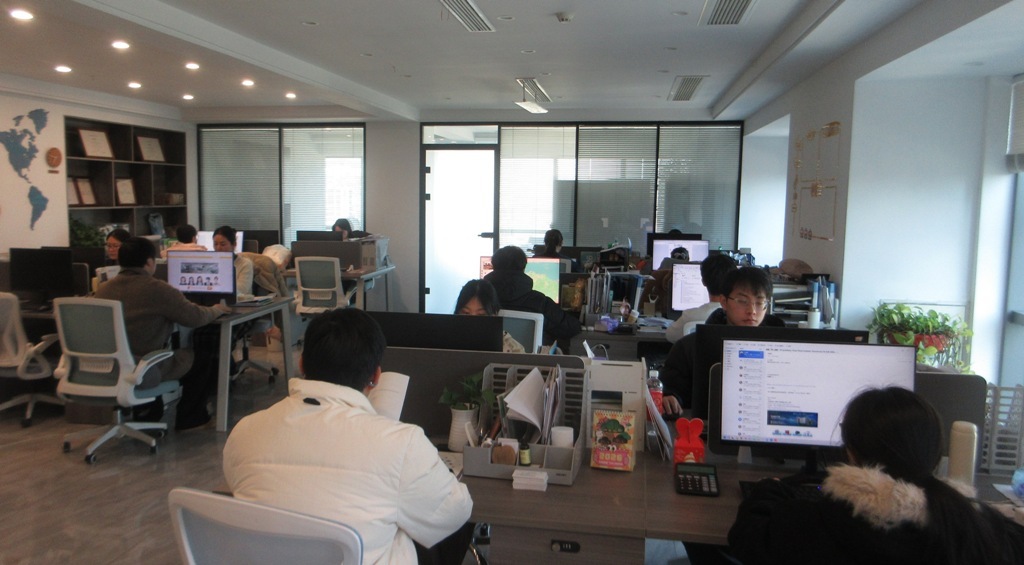

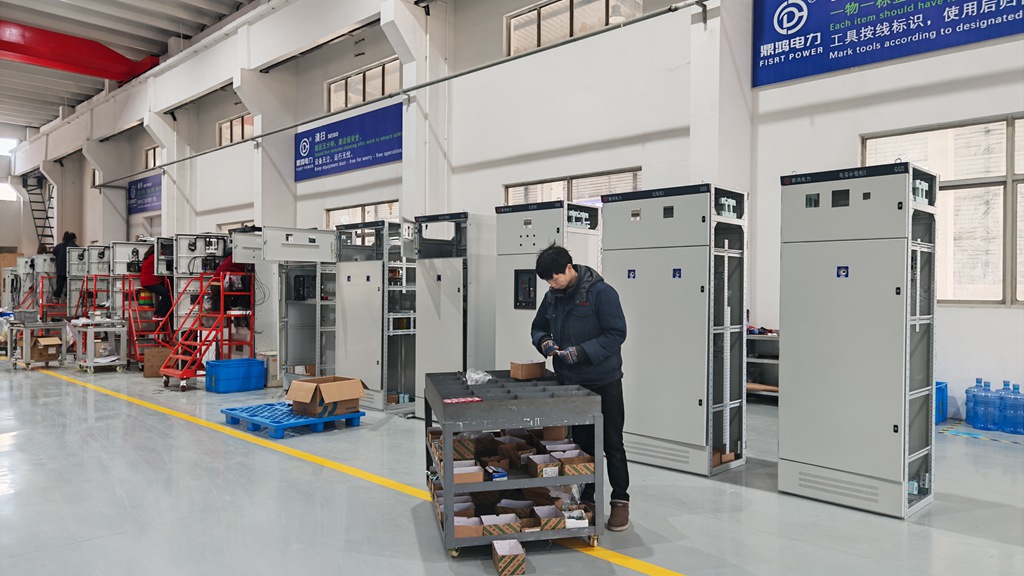
For a Tokyo audit, request the production route card, incoming material records, winding inspection records, oil test certificates, routine test report, nameplate drawing and packing inspection photos. Where the project requires witness testing, agree the test schedule before production begins so that utility or third-party inspectors can attend without delaying shipment.
Selection Matrix for Tokyo Oil-Filled Transformer Projects
Use this matrix to shortlist the platform before comparing factories. Final selection still depends on utility approval, site conditions, loss evaluation and the project’s fire and environmental strategy.
| Platform | Typical Tokyo Use | Why It Fits | Verify Before Order |
|---|---|---|---|
| S11 distribution 50–250 kVA | Commercial buildings, small factories, community facilities and phased redevelopment. | Compact oil-filled design with familiar distribution characteristics and customizable losses. | Loss targets, vector group, tap range, noise limit, oil type and routine test scope. |
| Oil-immersed distribution 30–2,500 kVA | Utility secondary networks, industrial plants, mining and infrastructure loads. | Broad rating coverage and mature IEC 60076 design logic. | IEC/ANSI review, short-circuit withstand, temperature rise, test reports and painting system. |
| Pad-mounted loop feed 300–750 kVA | Underground commercial loops, campuses, public infrastructure and mixed-use sites. | Tamper-resistant enclosure, loop sectionalizing and reduced visual impact. | Footprint, cable termination space, access clearances, corrosion class and oil containment. |
| Pedestal pad-mounted 100–630 kVA | Industrial yards, logistics hubs, port-adjacent facilities and temporary construction power. | Practical access for industrial operations with customizable protection. | Base elevation, flood risk, anti-corrosion finish, lifting provisions and installation method. |
| ZGS11 pad-mounted 75–2,500 kVA | Urban redevelopment, EV charging hubs, data-center support and distributed energy. | Combined pad-mounted platform for higher capacity in constrained sites. | Ventilation, protection coordination, seismic anchorage, footprint and utility interface. |
| Large oil power transformer up to 500 kV class | Transmission substations, generation step-up and renewable grid interconnection. | Project-engineered power transformer scope with cooling and tap-changer options. | Impedance, cooling, OLTC/NLTC, transport study, type-test evidence and site erection plan. |
A Tokyo-Ready RFQ Needs More Than kVA and Voltage
Sharing complete inputs reduces clarification rounds and helps the factory return a compliant design with guaranteed losses. Use this checklist for oil-filled transformer enquiries destined for Tokyo or other Japanese projects.
- Rated power and voltage ratio
- Frequency, vector group and impedance
- No-load loss and load loss targets
- Tap changer type and tapping range
- Cooling method and insulating fluid
- Site ambient, altitude, seismic and flood data
- Applicable standards and approval path
- Documentation language and witness-test plan
Common Questions About Oil-Filled Transformer Factories for Tokyo
Direct answers from the perspective of factory engineering and export documentation. Local approval always remains subject to the purchaser, utility and authorities having jurisdiction.
Can a Chinese oil-filled transformer factory support a Tokyo project?
Yes, potentially, but the factory must be evaluated against the project’s technical and approval requirements. Jiangsu Wisegj Power Co., Ltd. publishes ISO 9001, ISO 14001, ISO 45001 and CE certification data, and its production capability was verified onsite by TÜV Rheinland. For Tokyo, the buyer should still confirm JIS/JEC applicability, utility requirements, DENAN/PSE issues where regulated and any site-specific seismic or environmental conditions before order.
Which Japanese requirements should be reviewed?
Review the purchaser’s specification first. For distribution transformers, JIS C 4304 and applicable JEC standards may be requested by the buyer or utility. The Electrical Appliance and Material Safety Act (DENAN) and PSE requirements can apply to regulated products placed on the Japanese market. The correct approach is to issue the factory with the exact standard list, approval route and utility comments at RFQ stage, not after delivery.
How should seismic and flood risk be handled in the specification?
Provide the design seismic load, site class, anchorage assumptions, flood elevation and oil containment requirements. The factory can respond with tank and base details, coating, lifting provisions and drawings for review. Final structural validation should be completed by the project engineer or authority having jurisdiction, especially for critical facilities and retrofit sites.
What oil and loss values can be supplied?
Mineral oil and natural ester options can be reviewed depending on the project’s fire, environmental and maintenance strategy. Core options include CRGO or amorphous steel where technically and commercially suitable. Buyers should request guaranteed no-load loss, load loss, impedance, temperature rise and test method so that offers can be compared on an evaluated-cost basis rather than purchase price alone.
What documents are normally available for approval and after-sales?
Typical documents include GA drawings, nameplate drafts, routine test reports, type-test reports where available, oil test certificates, packing lists and O&M manuals. For a Tokyo audit file, also request material traceability, inspection records, coating specification and shipment photos. The company states a 24-hour response target for pre-sale and after-sale technical questions.
What are the trade terms and shipping considerations for Tokyo?
The published commercial terms include FOB, CFR, CIF, EXW, FCA, CIP, CPT and DDP, with T/T, L/C, D/P and D/A among payment options. Shipments to Tokyo typically move by sea through Japanese ports, so packing, lifting points, transport dimensions and insurance should be agreed early. Final lead time depends on rating, test-witness requirements, drawing approval and material scheduling.
Send Your Tokyo Project Datasheet to a Transformer Engineer
If you are comparing oil filled transformer factories for Tokyo, use a technical review to separate a compliant design from a catalogue promise. Share the rating, voltage ratio, frequency, vector group, loss target, site conditions and approval path. A qualified engineer will review the requirement and respond within one working day.
Inquire Now