8 Transformer Products for Thailand’s Distribution, Industrial and Renewable Projects
The shortlist below helps Thai buyers compare three phase pad mounted units with complementary oil-immersed, pole-mounted and ANSI platforms. For three phase pad mounted projects, start with the loop-feed MV/HV model and the 50/60 Hz S11 oil-immersed range. All product URLs are preserved so your engineering team can review live specifications.
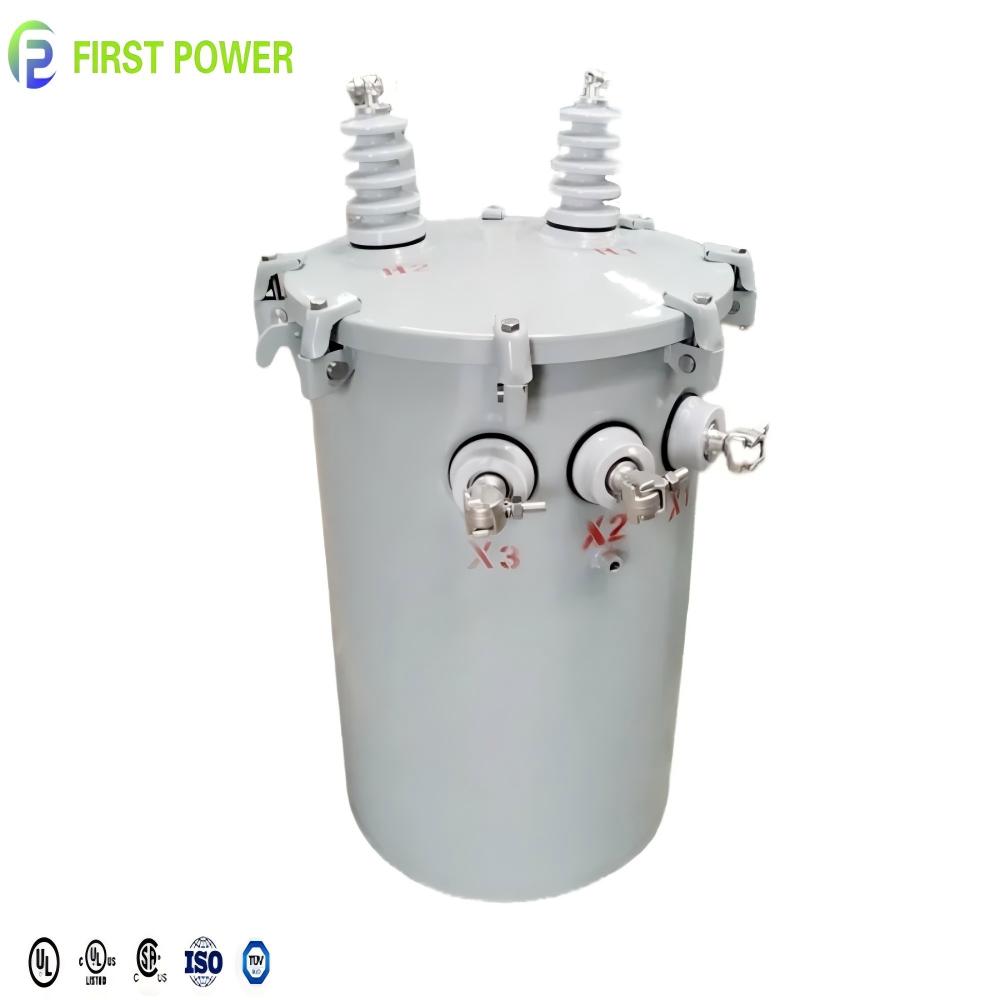 Pole Mounted
ANSI 50/60HZ 6KV 10KV 15KV 20KV 35KV 15KVA 25KVA 50KVA 100KVA Single Phase Pole Mounted Transformers for Industrial Power Supply
For rural feeders, island microgrids and industrial spurs where pole mounting is more economical than a pad. Tropical insulation and 50 Hz configuration can be engineered.
View product →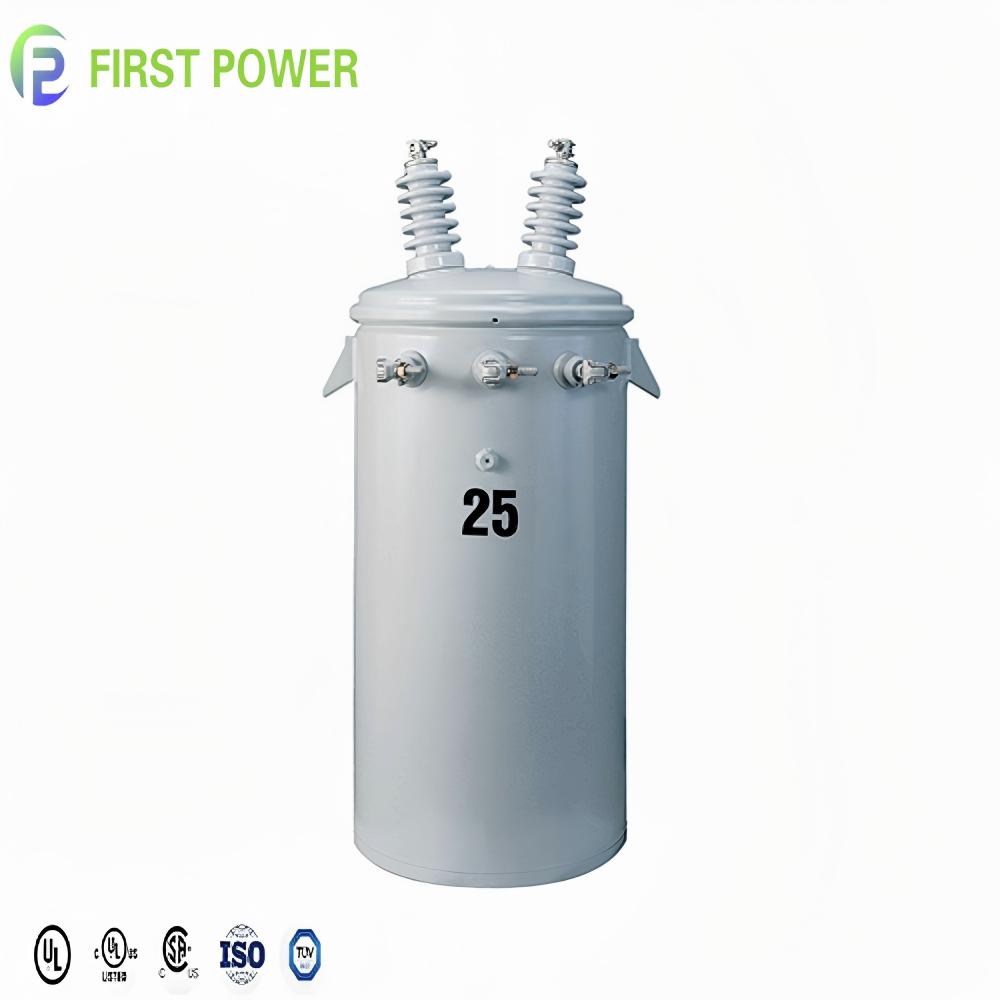 CE Certified
C CE Certification MV&HV 50/60HZ 6KV 10KV 20KV 35KV 25KVA Single Phase Transformer Price for Electric Power Distribution
A compact distribution platform for utility tenders and small industrial loads. CE documentation and routine test records support Thai procurement review.
View product →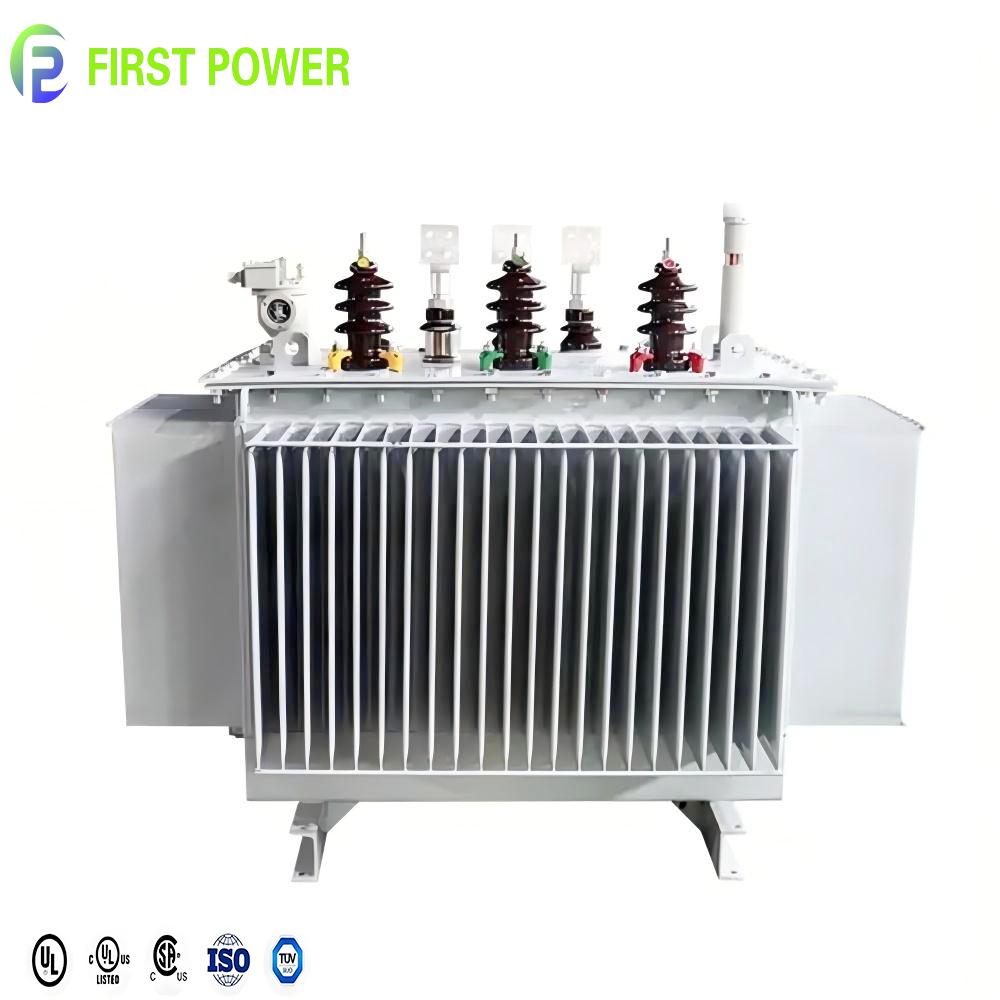 S11 Distribution
C CE S11 10KV 20KV 35KV 50KVA 100KVA 150KVA 200KVA 250KVA 3 Phase Oil-Immersed Transformer for Electric Power Distribution
Well suited to Thai industrial estates and commercial buildings that need reliable 50 Hz distribution with low maintenance and proven S11 loss behaviour.
View product →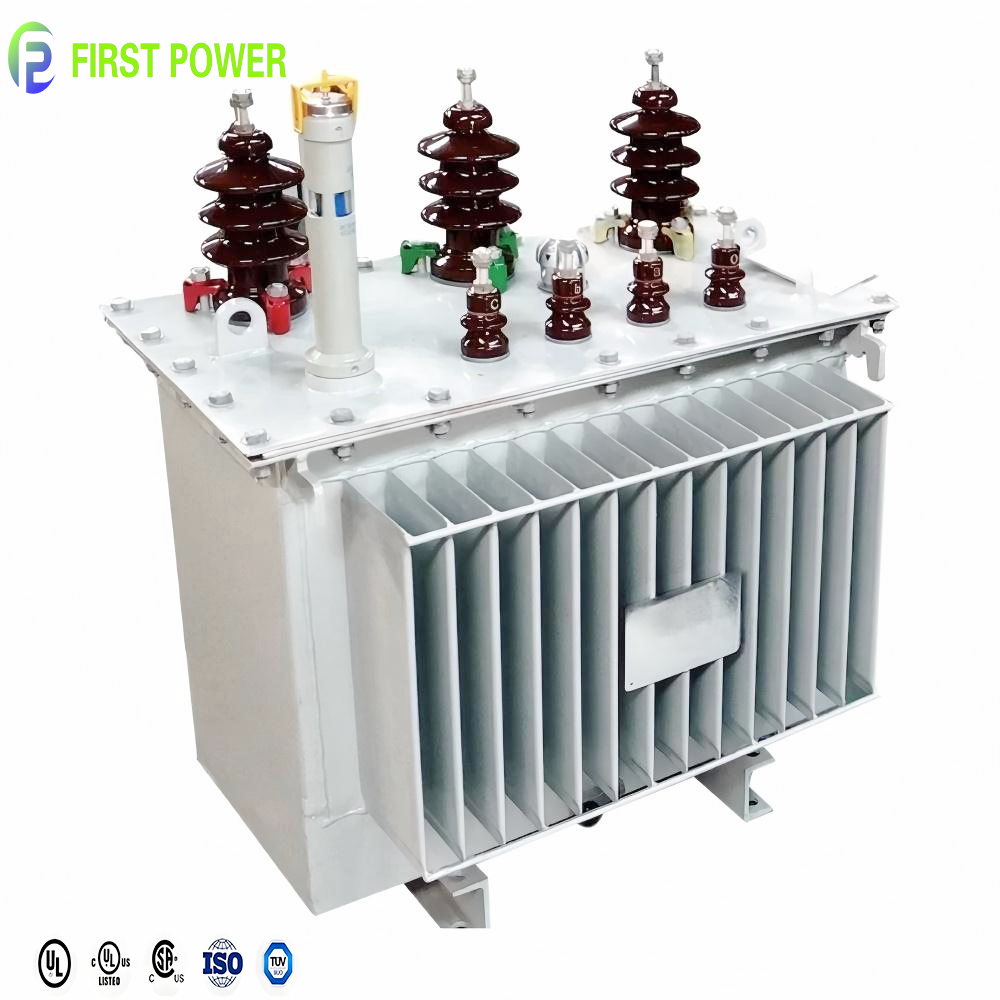 Industrial Oil
C CE 10KV 20KV 35KV 50KVA 100KVA 200KVA 300KVA 400KVA 500KVA Electric Oil Immersed Transformer for Industrial Power Supply
For factories, warehouses and processing plants with motor-heavy loads. Ratings, taps and impedance can be aligned with Thai short-circuit and protection studies.
View product →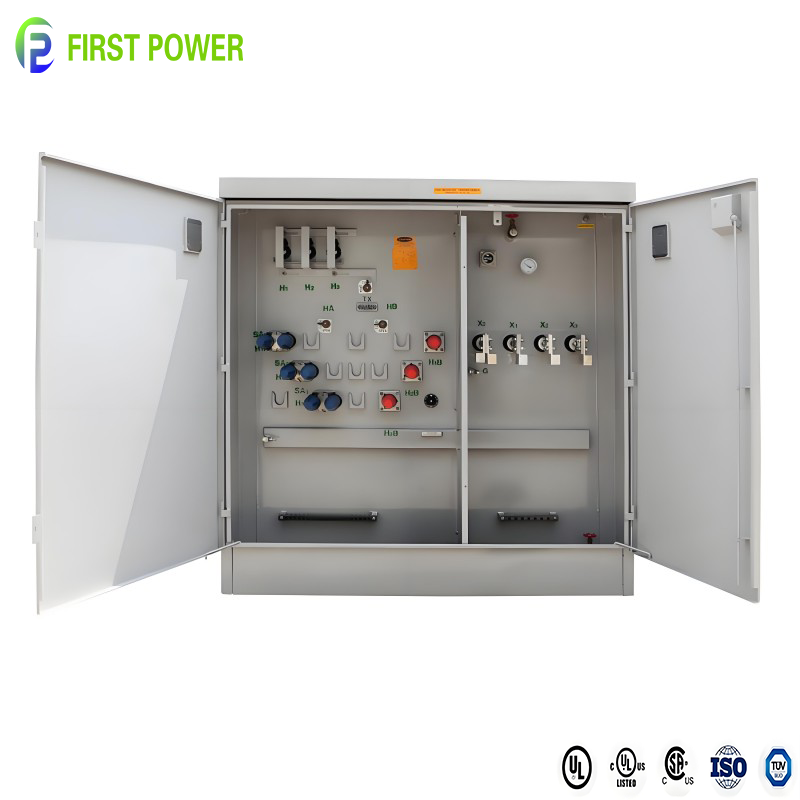 Loop Feed Pad
C CE MV&HV 50/60HZ 300KVA 500KVA 630KVA 700KVA 10KV 15KV 20KV 35KV 3 Phase Loop Feed Pad Mounted Transformer for Industrial
A core recommendation for Thai underground distribution, campuses and EEC projects. Loop-feed switching, dead-front cable compartments and tamper-resistant enclosures reduce site work.
View product →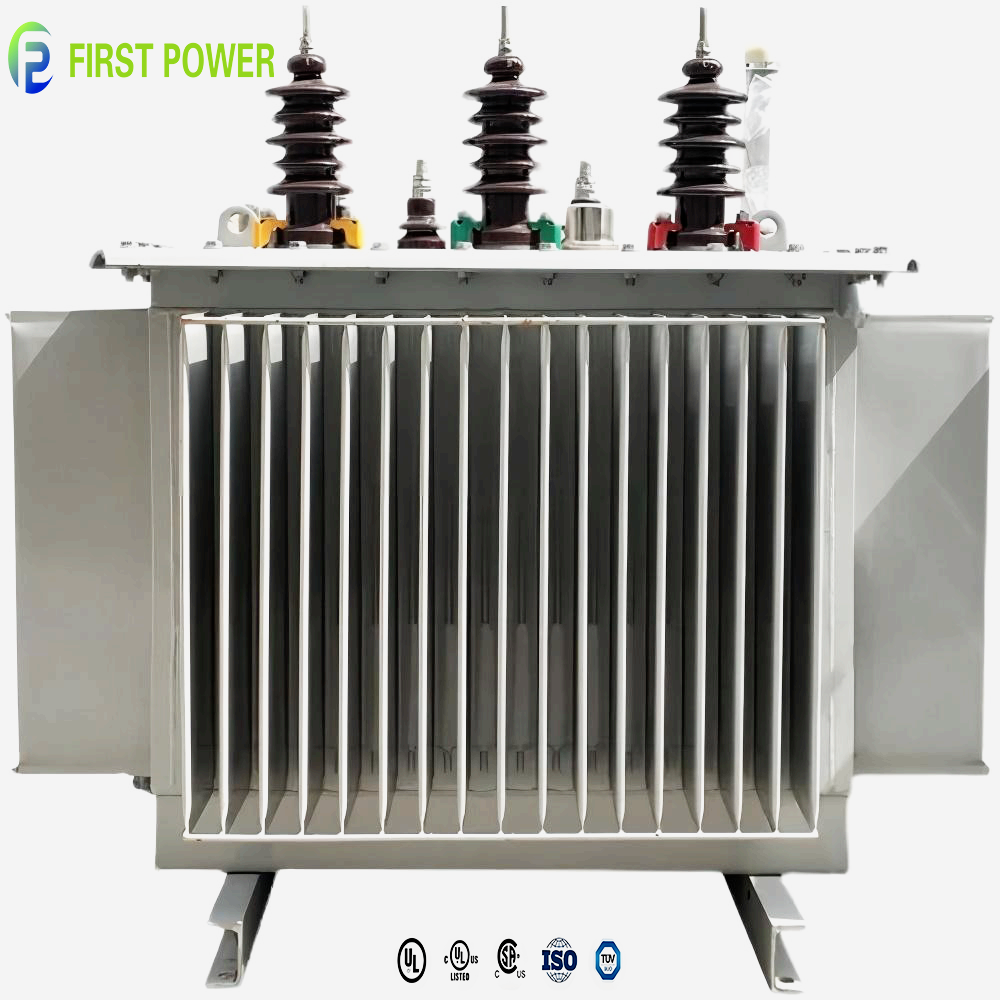 S11 Platform
/C Certification 60HZ S11 Three Phase 10KV 35KV 500 KVA 22KV/0.4KV 50HZ Electric Oil Immersed Transformer for Power Supplies
Frequently specified for 22 kV / 0.4 kV distribution. Frequency and loss values should be confirmed at quotation so the final design matches Thailand’s 50 Hz grid.
View product →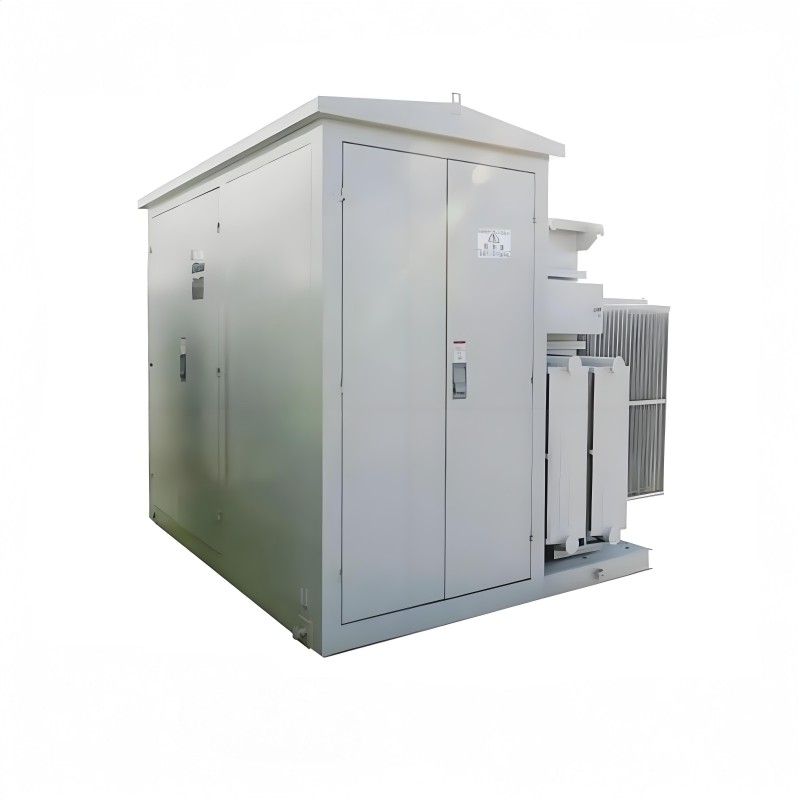 ANSI / 34.5 kV
American Standard /C Certified 3000kva 34.5kv/480v Oil Type Pad Mounted Transformer 60 Hz 10kv Input 380v 440v Output
For Thai projects where an American-standard design is explicitly requested. Enclosure, bushings and nameplate details should be frozen against the project single-line diagram.
View product →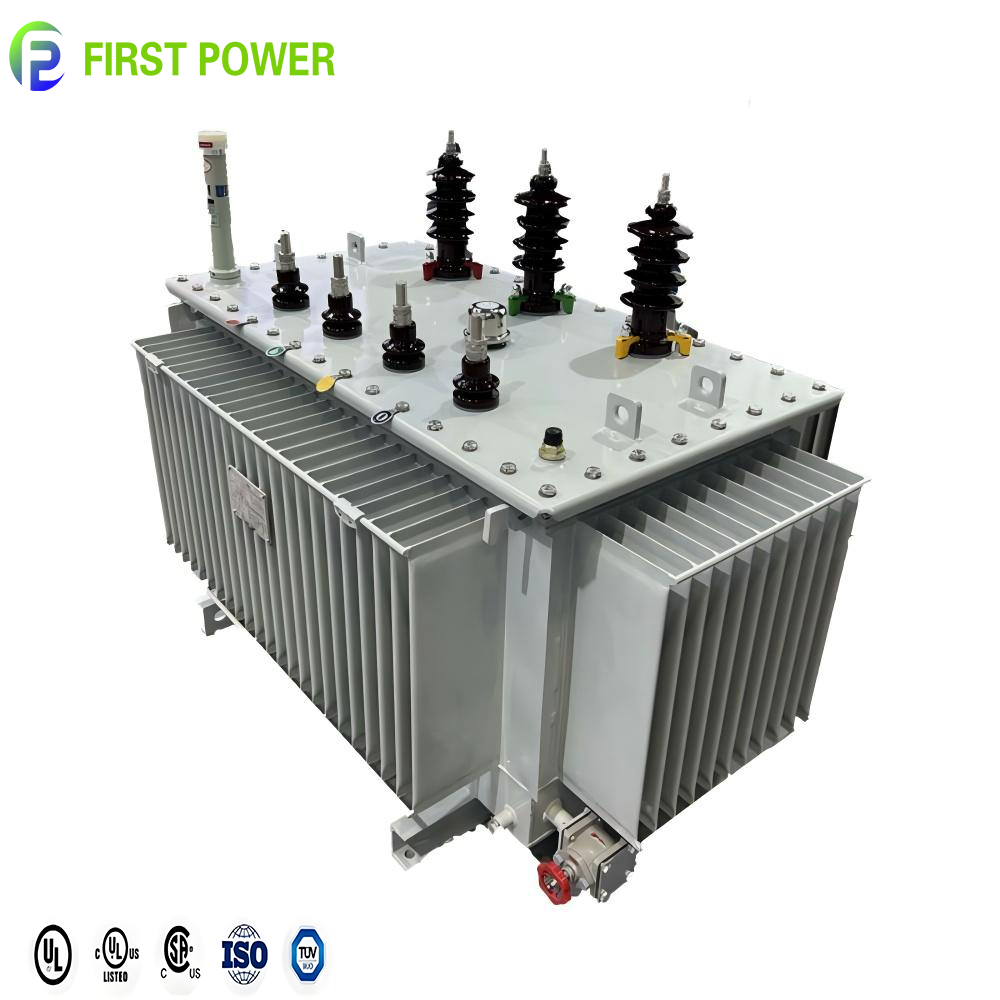 Distribution
C CE 50/60HZ S11 10KV 20KV 35KV 50KVA 100KVA 200KVA 3 Phase Electrical Oil Immersed Transformer for Distribution System
A practical option for Thai distribution upgrades where efficiency, compact footprint and predictable delivery matter more than custom enclosure complexity.
View product →Not sure whether your project should use a three phase pad mounted transformer or an oil-immersed distribution unit? Share the single-line diagram, site conditions and loss target, and our engineers will return a selection matrix.
Inquire NowWhy Three Phase Pad Mounted Transformers Fit Thailand’s Next Grid Cycle
Thailand’s distribution networks are moving in two directions at once: denser underground infrastructure in Bangkok and the Eastern Economic Corridor, and more distributed capacity for factories, data centres, solar farms and EV charging hubs. A three phase pad mounted transformer answers both trends because it places the transformer, cable compartments, switching and protection into a compact, tamper-resistant outdoor enclosure that reduces civil work and shortens energization time.
For Thai projects, the engineering conversation should not stop at kVA. Buyers should specify 50 Hz operation, 22 kV or 33 kV primary voltage where applicable, 400/230 V secondary, vector group, impedance, tap range, loss capitalization and corrosion class. Humidity, salt fog, monsoon rain and occasional flooding are not cosmetic issues; they influence gasket selection, tank coating, cable entry, hardware grade and maintenance access. A pad mounted transformer built for a dry temperate market may look similar in a catalogue but behave very differently after five rainy seasons.
Information gain for Thai procurement teams: ask for C5-M coating, stainless fasteners, dual sealed cable compartments, pressure relief, oil temperature and winding temperature indicators, and a routine test report per serial number. For flood-sensitive sites, discuss a raised plinth, sealed cable entries, ester oil options and a maintenance plan before the enclosure is finalised.
- Designed around 50 Hz, 22/33 kV and 400/230 V project requirements
- Smaller footprint than an equivalent fenced substation, with controlled access
- Loop-feed or radial-feed arrangements for underground cable networks
- Factory routine testing, nameplate control and export packing before shipment
Localized Application Scenarios in Thailand
Three phase pad mounted transformers are not a single-use product. The same platform can be configured for urban undergrounding, industrial estates, renewable collection or coastal resort loads when the enclosure and insulation system are selected correctly.
Bangkok Undergrounding
Mixed-use towers, hospitals and commercial blocks increasingly require compact outdoor equipment with low visual impact. A dead-front pad mounted unit with 22 kV input and 400/230 V output suits tight urban easements when cable compartments and access clearances are planned early.
EEC Industrial Estates
Rayong, Chonburi and Chachoengsao projects often combine motor loads, high ambient temperature and expansion phases. Specify 33 kV or 22 kV primary, suitable impedance and cooling margin. A loop-feed pad mounted transformer supports phased commissioning without rebuilding the network.
Data Centres & Cloud Campuses
Reliability and loss performance dominate data centre decisions. Pad mounted units can be configured with low-loss cores, thermal monitoring and clear cable termination space. For Thai campuses, the procurement pack should include loss capitalization factors, redundancy scheme and maintenance access assumptions.
Solar Farms & Rooftop PV
Renewable projects require transformers that tolerate harmonic content and variable loading. For solar collection, confirm 50 Hz design, inverter harmonic spectrum, reverse power flow assumptions and protection coordination. Pad mounted enclosures also simplify security and cable management.
EV Charging Hubs
Fast-charging hubs create short-duration peaks and harmonic distortion. A three phase pad mounted transformer with appropriate impedance, cooling and metering space is easier to integrate into roadside or logistics sites than a civil-built substation, especially where land is leased.
Island Resorts & Coastal Sites
Salt spray and high humidity accelerate corrosion on enclosures and hardware. For Phuket, Samui or coastal industrial sites, specify C5-M coating, stainless fasteners, sealed cable entries and a maintenance schedule that inspects gaskets and pressure relief devices.
Flood-Prone Communities
In provinces exposed to monsoon flooding, the transformer is only one part of the resilience plan. A raised concrete plinth, sealed cable entry, corrosion-resistant tank, pressure relief valve and clearly labelled emergency isolation point should all be reviewed together.
Airports, Universities & Hospitals
These sites often need quiet, reliable outdoor transformation close to the load. Pad mounted units can be placed near car parks or service areas while keeping cable routes short. Fire safety, oil containment and access control should be aligned with the facility’s emergency plan.
Thailand Market Trends Shaping Transformer Specifications
Thai buyers are not only asking for a lower purchase price. They are comparing total owning cost, delivery certainty, corrosion protection and documentation quality across the full asset life.
50 Hz & MEA/PEA Alignment
Thailand operates at 50 Hz, so 60 Hz catalogue data must not be copied into tender documents without review. The safest path is to provide the single-line diagram, voltage class, vector group and loss target, then ask the factory to confirm the 50 Hz design explicitly.
BCG & Energy Efficiency
Thailand’s Bio-Circular-Green direction and corporate net-zero targets are pushing buyers to evaluate no-load and load losses over the asset life. A slightly higher-efficiency transformer can outperform a cheaper unit once loss capitalization and cooling demand are included.
Data Centres, EEC & EV Growth
New data centre campuses, EEC manufacturing and EV supply chains are increasing demand for modular power distribution. Pad mounted transformers and compact substations reduce site construction time and make phased expansion easier to finance and commission.
Flood & Climate Resilience
Procurement teams are adding climate clauses to transformer specifications. Common requests include enhanced coating, stainless hardware, sealed cable compartments, oil containment, high-temperature alarms and condition monitoring for remote or flood-exposed sites.
Specification Guide for Thai 50 Hz Distribution Projects
Use this table as a starting point for a request for quotation. Final values must be confirmed against the utility interconnection study, protection settings and site conditions.
| Parameter | Thailand-Focused Recommendation | Why It Matters |
|---|---|---|
| Frequency | 50 Hz design, with test data stated clearly | Prevents mismatched flux, loss and temperature performance when 60 Hz catalogue references are reused. |
| Primary Voltage | 22 kV or 33 kV typical; other MV/HV ratings by project | Must match the local distribution or industrial network, cable ratings and switchgear. |
| Secondary Voltage | 400/230 V, three-phase four-wire where required | Common low-voltage distribution arrangement for Thai commercial and industrial loads. |
| Vector Group | Dyn11 or project-specific alternative | Affects phase shift, protection coordination, harmonic behaviour and parallel operation. |
| Cooling | ONAN standard; ONAF where high ambient or overload margin is required | Thai ambient conditions can reduce available thermal margin if the design is not reviewed. |
| Tap Range | Typically ±2 × 2.5%; confirm against grid voltage profile | Allows secondary voltage adjustment as network loading changes. |
| Impedance | Usually 4–6%; verify with short-circuit study | Balances voltage regulation against fault current and switchgear ratings. |
| Loss Target | Specify no-load and load loss, or provide loss capitalization factors | Supports total owning cost comparison rather than purchase price alone. |
| Insulating Fluid | Mineral oil or ester oil depending on fire and environmental sensitivity | Ester oil can be attractive for flood-prone, indoor-adjacent or high-fire-risk locations. |
| Enclosure | C5-M coating, IP54 enclosure, stainless hardware, sealed cable entries | Improves resistance to humidity, salt fog, monsoon rain and coastal corrosion. |
| Protection & Monitoring | WTI, OTI, pressure relief, surge arresters, oil level sight glass | Supports safe operation, fault diagnosis and planned maintenance. |
| Standards & Documents | IEC 60076 design basis, CE/ISO factory documents, routine test reports | Gives the buyer an auditable compliance pack for utility, EPC and insurer review. |
Total owning cost can be compared using a simple model: purchase price + capitalized no-load loss × no-load loss + capitalized load loss × load loss + maintenance and downtime estimate. Ask each supplier to state the loss values at the same reference temperature and load basis. This is one of the fastest ways to separate a genuinely efficient design from a low-price catalogue offer.
Factory Advantages Behind Wisegj’s Export Program
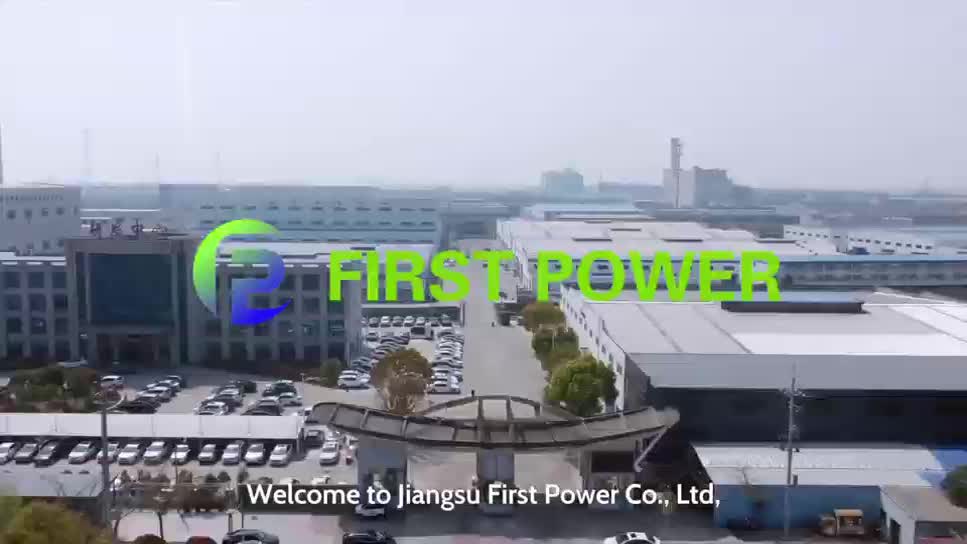
Jiangsu Wisegj Power Co., Ltd. combines transformer engineering, production control and export documentation in one supply chain. The points below matter to Thai buyers because they can be verified during a factory audit or document review.
20+ Years of Team Experience
Our engineering and export team has more than two decades of hands-on experience with distribution transformers, pad mounted units and power transformers for international projects.
6,847 m² Verified Production
Production capability, floorspace and quality inspection have been verified onsite by TÜV Rheinland, giving Thai buyers an independent reference before placing a large order.
50+ Engineers & 211 Partners
A technical team of more than 50 engineers works with 211 qualified supply-chain partners to keep custom designs, material traceability and delivery schedules under control.
ISO & CE Documentation
ISO 9001, ISO 14001 and ISO 45001 management systems support production discipline. CE certificates are available for applicable product lines, subject to final configuration.
Routine Testing on Every Unit
Winding resistance, ratio, vector group, impedance, load loss, no-load loss and applied/induced voltage tests are documented. Oil dielectric tests are included for liquid-filled transformers.
OEM / ODM Customization
Ratings, vector group, impedance, taps, bushings, cooling, insulating fluid, enclosure colour, cable entry and nameplate language can be adapted to Thai project requirements.
Export Logistics to Thailand
Seaworthy packing, shock indicators and full Incoterms coverage are available. Shipments can be arranged to Laem Chabang, Bangkok or other Thai ports with complete export documentation.
24-Hour Engineer Response
Technical questions, tender clarifications and after-sales issues receive a qualified response within one working day. Buyer feedback averages 4.9/5 across served markets.
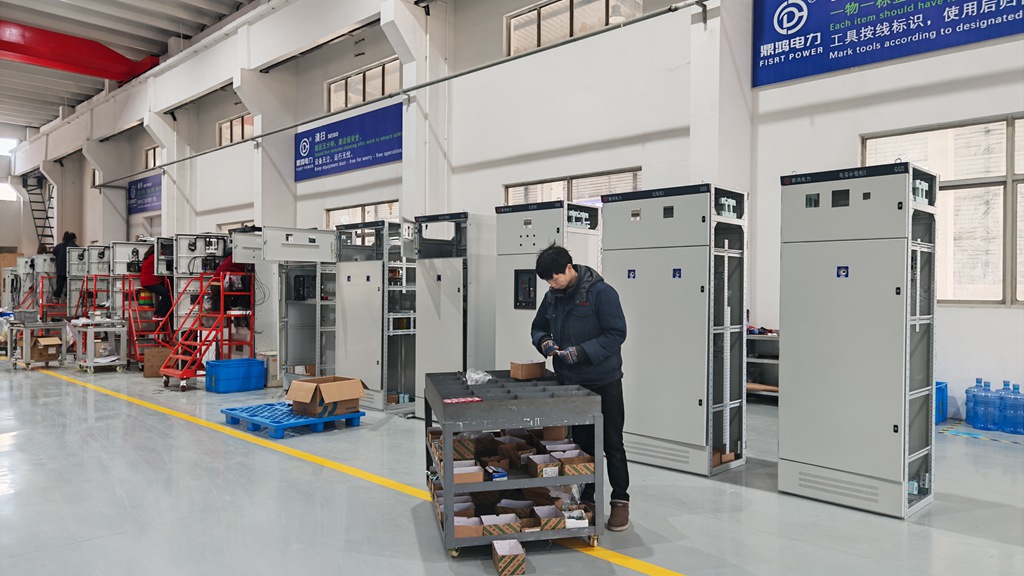
Manufacturing Evidence: From Winding to Routine Test
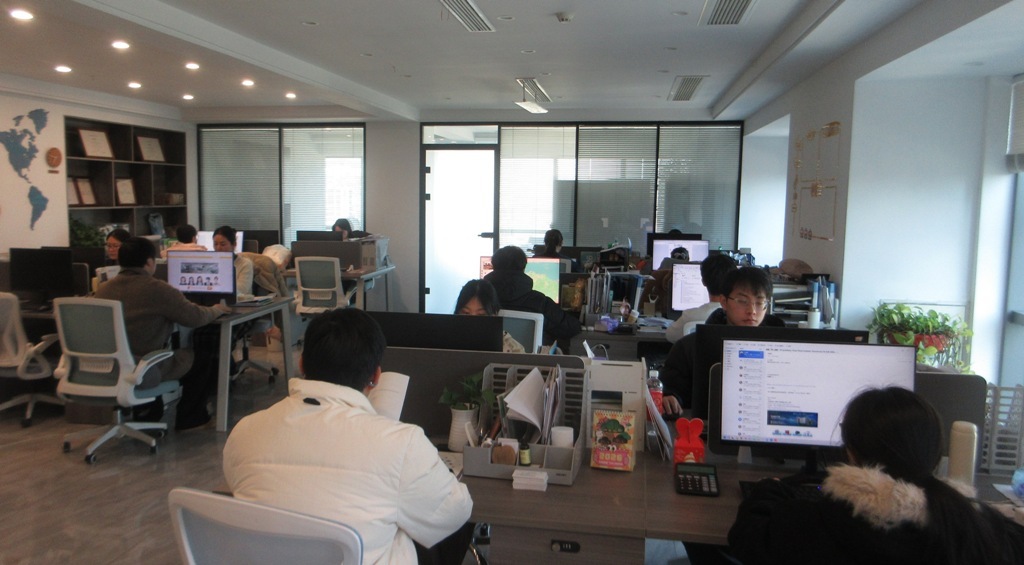
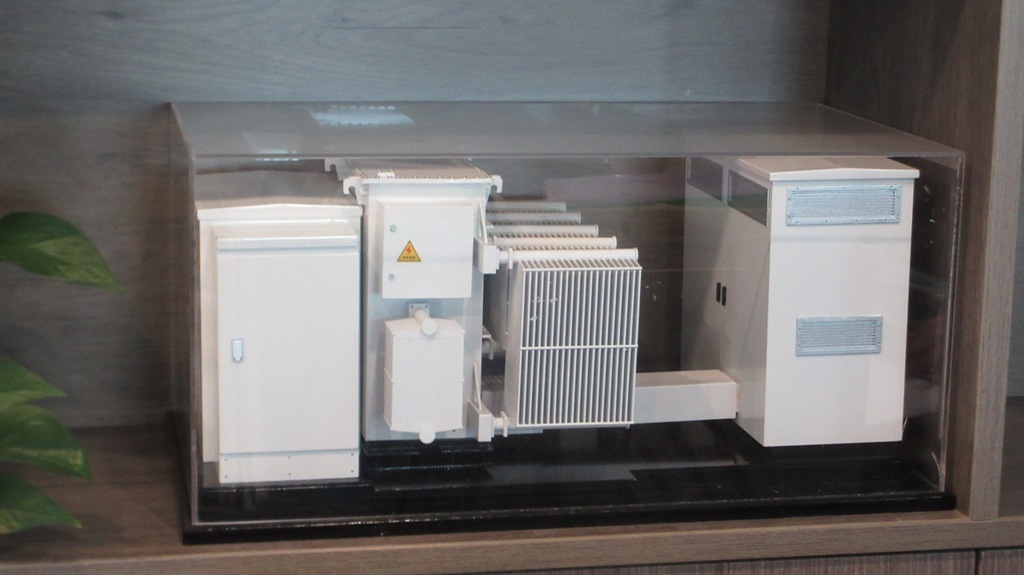
A transformer quotation becomes credible when the buyer can see how the unit is wound, dried, tanked, tested and packed. The images below reflect the production and inspection stages that Thai buyers typically review during a factory audit.


Procurement FAQ for Thai Buyers
These are the questions most frequently raised by Thai utilities, EPC contractors and industrial buyers when comparing three phase pad mounted transformer factories and exporters.
Yes. The design should be confirmed as 50 Hz before quotation. For Thai projects, typical configurations include 22 kV or 33 kV primary voltage and 400/230 V secondary voltage, with vector group, impedance and losses matched to the project study. A 60 Hz product title or catalogue page should never be treated as final without a 50 Hz design review.
Transformers can be designed and tested against IEC 60076 requirements, with CE certificates available for applicable product lines and ISO 9001, ISO 14001 and ISO 45001 management systems. Where a project refers to MEA/PEA specifications, utility standards or a TISI requirement, those clauses should be listed in the technical checklist and confirmed item by item before order. The objective is to avoid assuming that a general export certificate automatically satisfies every local regulated requirement.
22 kV and 33 kV are common distribution voltages for many Thai networks, while projects may also specify 6 kV, 10 kV, 15 kV or 35 kV equipment. Secondary voltage is often 400/230 V for three-phase four-wire distribution. Because project requirements vary by utility, industrial estate and interconnection point, the single-line diagram remains the most reliable basis for quotation.
Specify an appropriate enclosure coating, stainless fasteners, sealed cable entries, dual gaskets, pressure relief and corrosion-resistant tank finish. For coastal or flood-exposed sites, discuss C5-M coating, a raised concrete plinth, oil containment, ester oil options and a maintenance plan. A factory quotation should state the enclosure protection and coating class rather than leaving it to site interpretation.
Yes. OEM, ODM, design-based and sample-based customization are available, covering rating, vector group, impedance, tap range, bushing configuration, cooling method, insulating fluid, enclosure colour, cable entry arrangement and nameplate language. Thai buyers may request bilingual nameplates and English documentation packs for utility and insurer review.
Every unit receives routine tests including winding resistance, voltage ratio and vector group, impedance and load loss, no-load loss and current, applied voltage withstand and induced voltage withstand. Liquid-filled units also receive oil dielectric strength testing. Type test reports can be provided where available, and third-party witness inspection is welcome before packing.
MOQ depends on the design. Standard or repeat platform units can often start from a small quantity, while highly custom enclosures or special ratings may justify a higher minimum. Lead time is typically confirmed after drawing approval and material review; complex pad mounted projects usually require a longer window than standard oil-immersed distribution transformers. Always ask for the production schedule in writing with the quotation.
FOB, CFR, CIF, EXW, FCA, CIP, CPT and DDP arrangements can be discussed, with shipment to Laem Chabang, Bangkok or other Thai ports. Payment methods include T/T, L/C and other agreed instruments in major currencies. A typical document pack includes commercial invoice, packing list, bill of lading, certificate of origin, GA drawings, routine test reports and O&M manuals in English.
Our team supports installation queries, commissioning checks, spare parts and document requests through a 24-hour response channel. For Thai projects, remote technical support and video review can reduce downtime when a site team needs clarification on cable termination, protection settings or maintenance intervals.
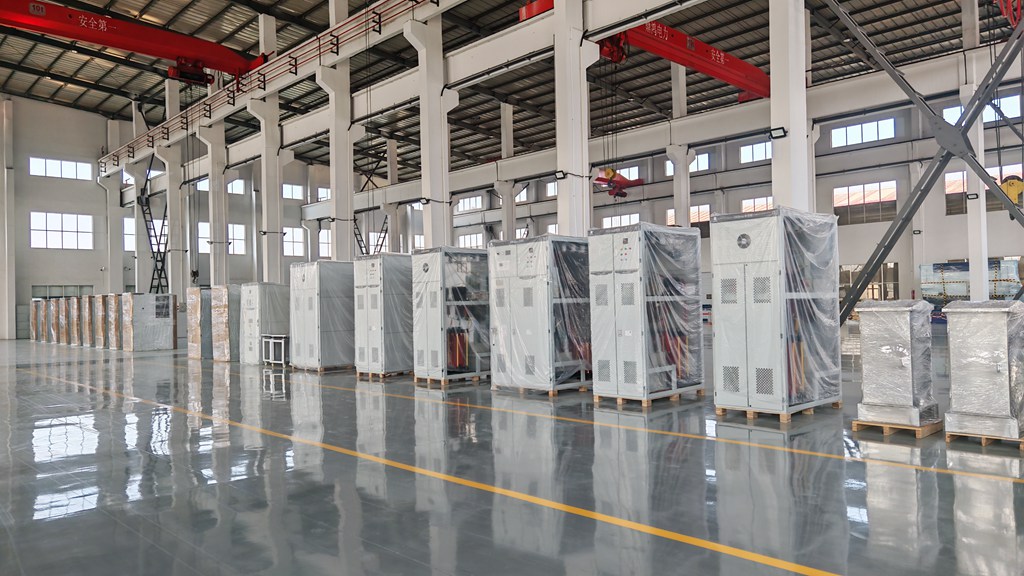
From Laem Chabang to Energization: How the Export Process Works
Thai buyers often need more than a transformer price. They need a document trail that satisfies the utility, the EPC, the insurer and the site team. Our export workflow is structured around technical review, drawing approval, controlled production, routine testing and shipment to Thailand.
- 1. Technical review: single-line diagram, voltage, vector group, loss target, site altitude, ambient, humidity, flood risk and delivery port are checked.
- 2. Drawing approval: GA drawing, nameplate draft, cable entry, enclosure details and guaranteed losses are confirmed.
- 3. Controlled production: core, winding, drying, tanking and painting follow documented work instructions and in-process inspection.
- 4. Routine testing: serial-number test reports are prepared; third-party witness inspection can be arranged before packing.
- 5. Export packing: seaworthy crating, shock indicators and a complete document pack are prepared for the Thai port of discharge.
- 6. Energization support: installation guidance, commissioning queries and spare parts support continue after delivery.
Request a Thailand-Specific Transformer Quotation
Send your rated power, primary and secondary voltage, frequency, vector group, impedance, tap range, loss target, site conditions and destination port. Our engineering team will review the specification and respond with a compliant design direction within one working day.
Inquire Now