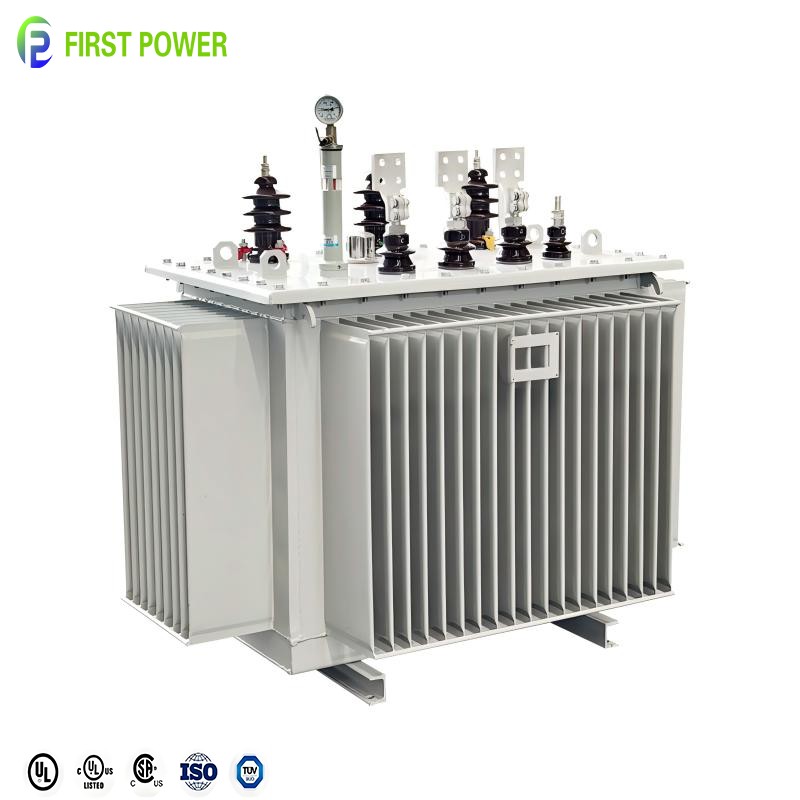
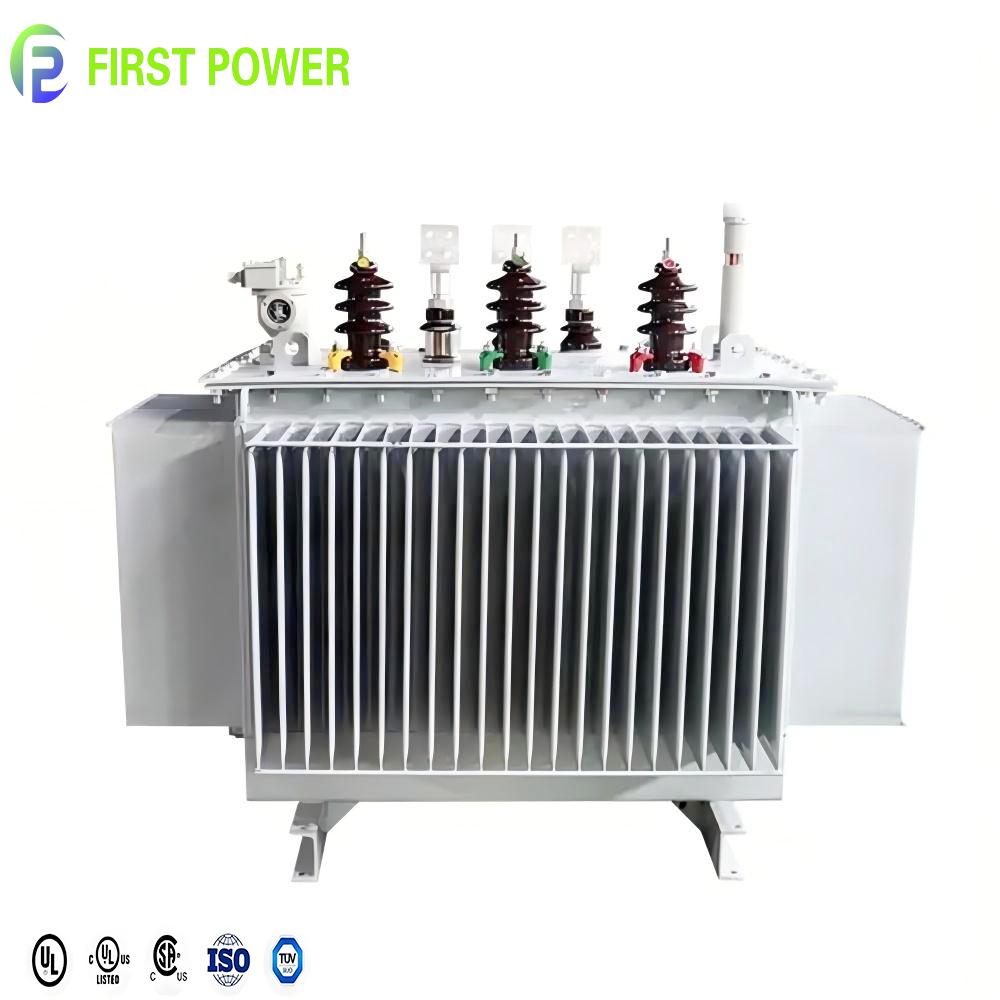
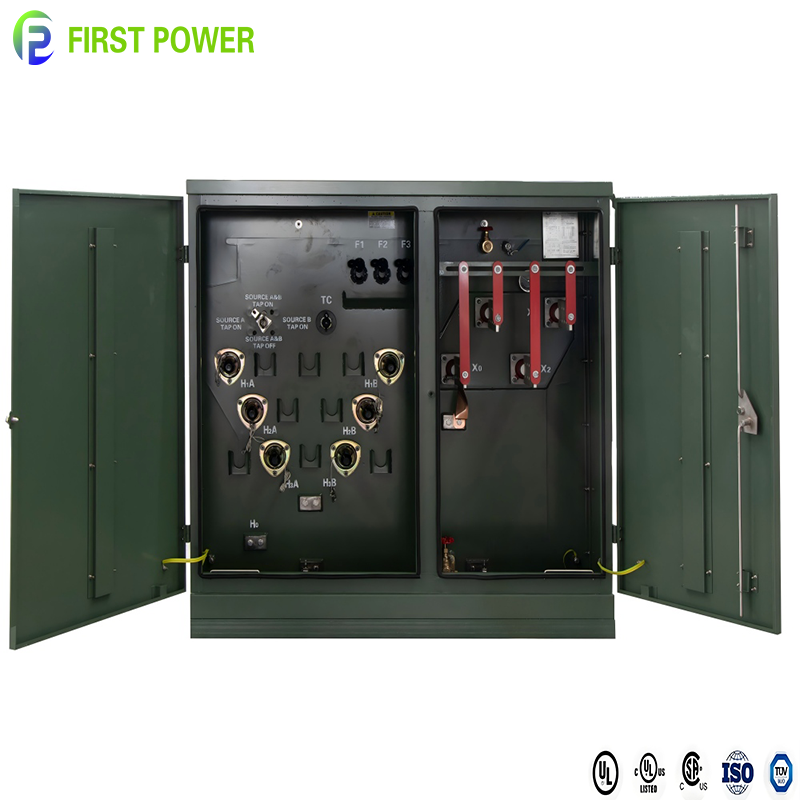
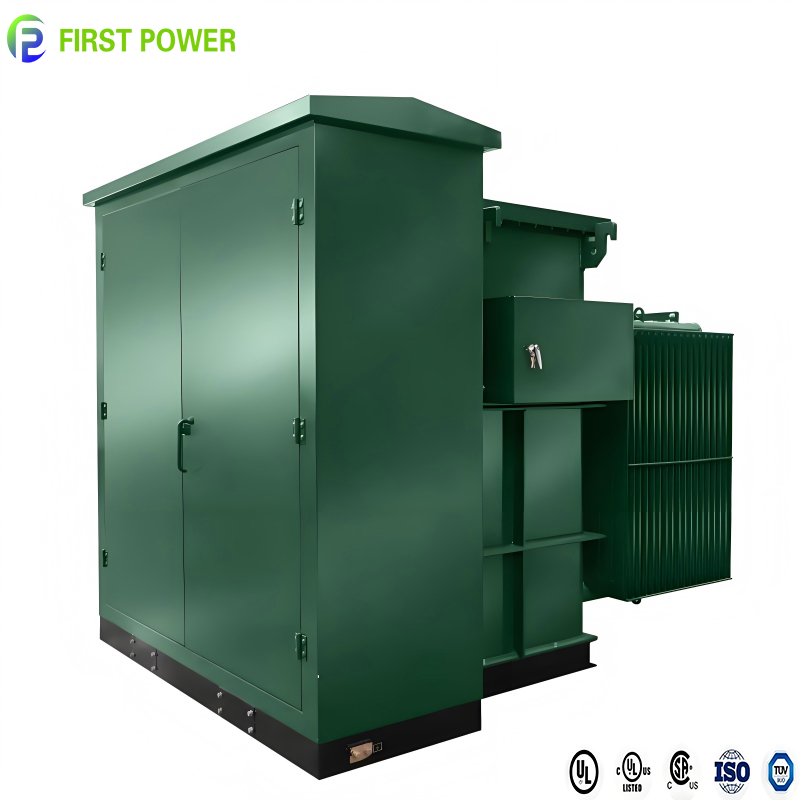
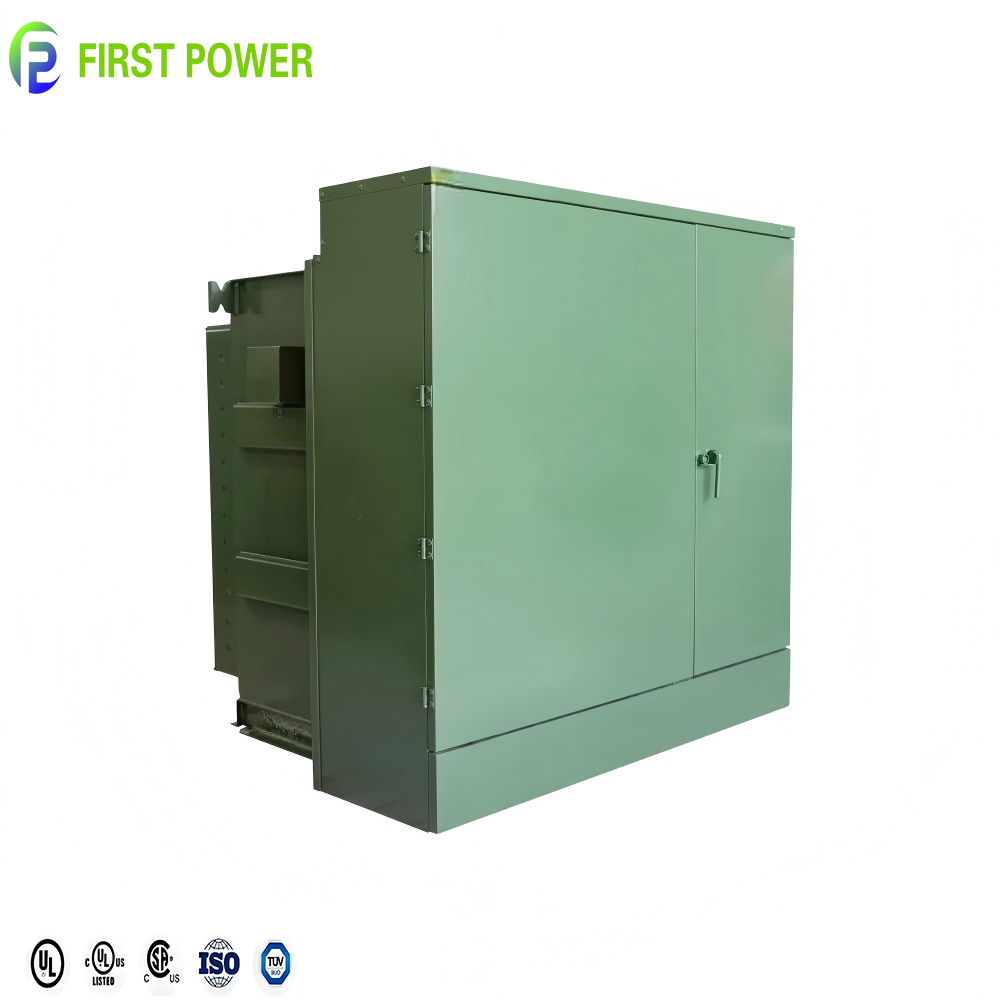
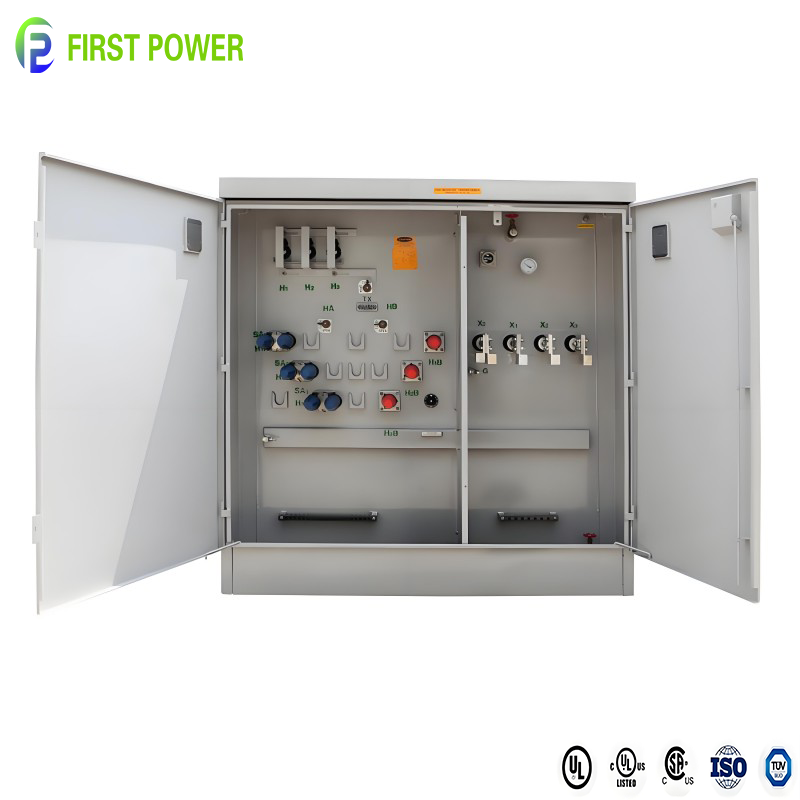
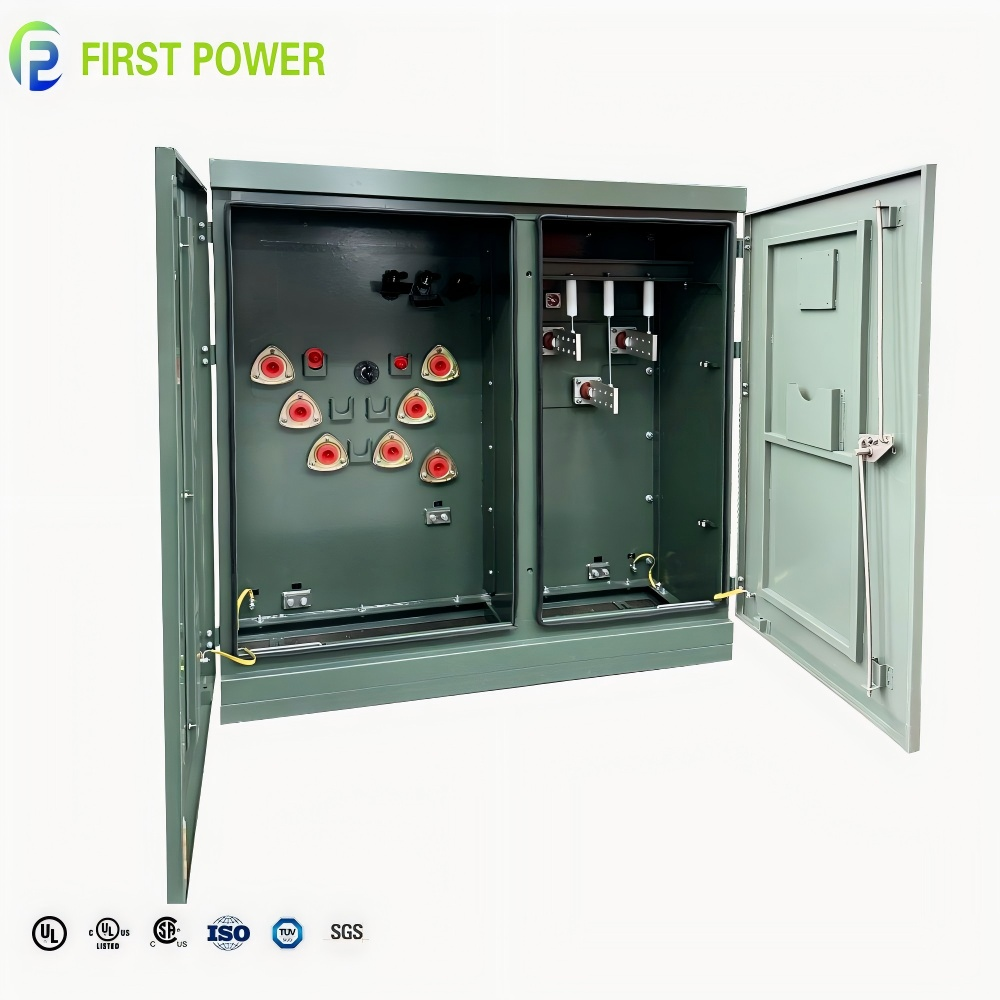
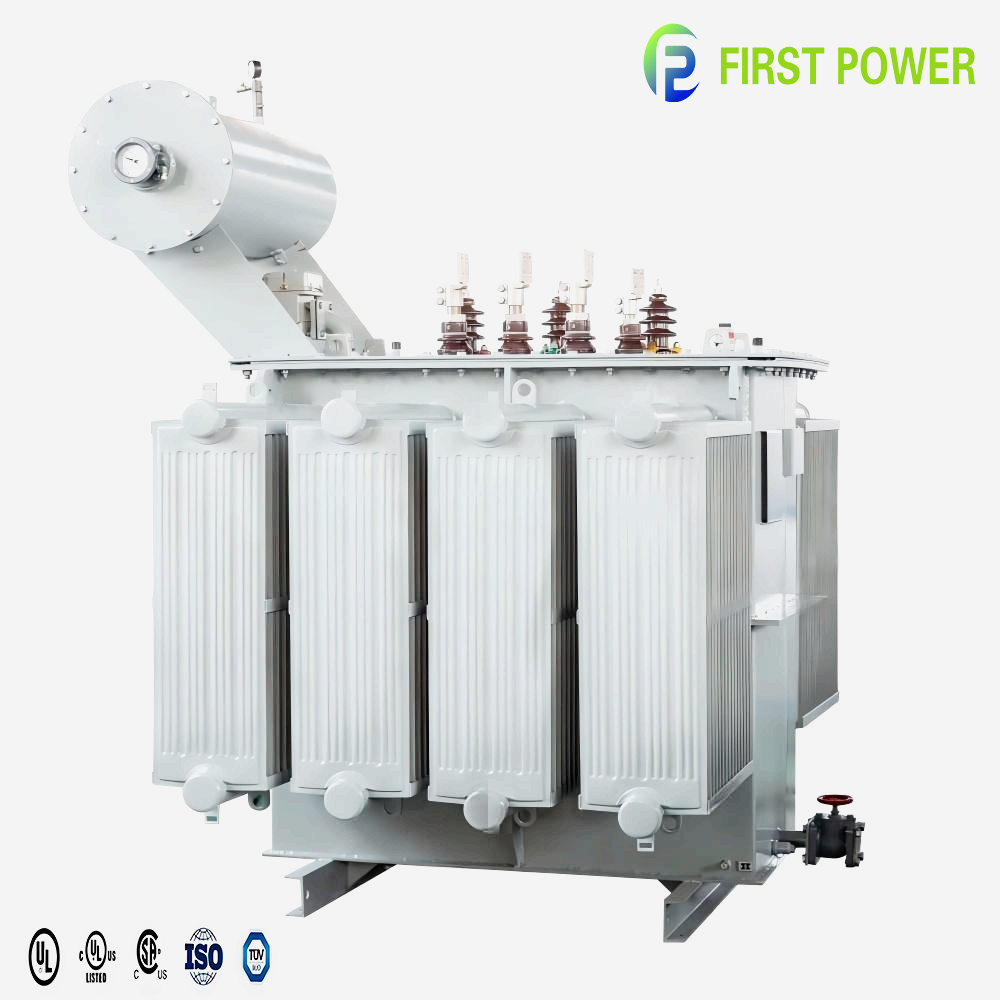
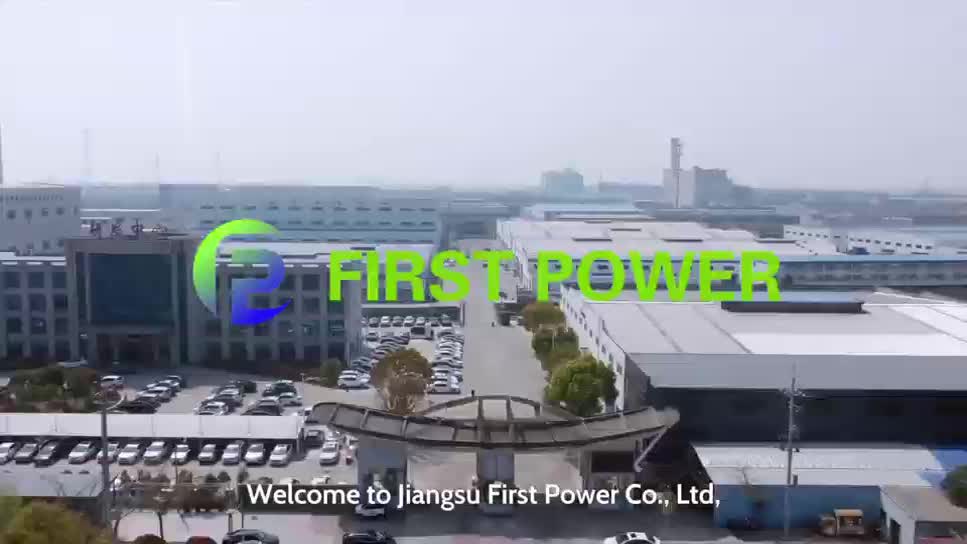
Step Down Isolation Transformer Factory & Wholesalers in Japan

Factory-direct engineering for Japanese utilities, EPC contractors, electrical wholesalers, data centres and renewable projects — step-down isolation transformers from 6.6 kV to 35 kV, built for 50/60 Hz grids, seismic restraint, salt-mist exposure and high-humidity sites.

IEC 60076 & IEEE C57 review CE + ISO 9001 / 14001 / 45001 TÜV Rheinland verified factory data Suzhou, Jiangsu, China
Get a Quote
Factory Product Portfolio

8 Step-Down Isolation Transformer Options for Japan-Focused Procurement

Compare oil-immersed power, distribution, pad-mounted, pedestal, loop-feed and solar PV transformer designs. Each product link below preserves the supplied destination page; ratings, vector groups, impedance, tapping, enclosure finish and documentation can be engineered around Japanese project schedules, utility interfaces and site conditions.

Not sure which rating fits a Japanese 6.6 kV or 22/33 kV interface? Share the single-line diagram, required secondary voltage, load profile and site altitude. Our engineers will review the application before quotation.

Get a Quote
Local Application Fit

Why Japan Buyers Specify Step-Down Isolation Transformers

In Japan, a step-down isolation transformer is rarely selected on kVA alone. Procurement teams weigh galvanic isolation, voltage tolerance, harmonic behaviour, seismic anchoring, salt-mist corrosion, noise, footprint and documentation against the realities of dense cities and exposed coastal or mountainous sites.

Urban and underground distribution

Tokyo, Osaka, Yokohama and Nagoya projects often face limited ground space, strict noise limits and underground cable entry. Pad-mounted or pedestal units help compress the electrical room while preserving service access and cable bending radius.

Seismic and climate resilience

Japan’s seismic zones, typhoon paths, humid summers and salt-mist coastlines demand reinforced anchoring, corrosion-resistant paint systems, stainless hardware and carefully selected IP-rated enclosures. These details should be defined before the tank drawing is approved.

Power quality and safety isolation

Isolation supports separation between source and load grounding arrangements, reduces common-mode noise and limits fault propagation. It is useful for data centres, semiconductor facilities, hospitals, EV charging hubs and precision manufacturing lines.

50 Hz east and 60 Hz west

Japan operates 50 Hz in the east and 60 Hz in the west. A transformer intended for national rollouts may need dual-nameplate documentation, frequency-specific loss validation or separate designs for eastern and western sites.

What Japanese procurement teams commonly weigh in RFQ reviews

The list below is not a market survey. It is an engineering emphasis list drawn from typical step-down isolation transformer enquiries where Japanese standards, utility interfaces and site conditions must be reconciled before shipment.

Clear specification reduces quotation cycles, avoids redesign after drawing approval and protects project schedules. For Japanese buyers, the most useful first document is usually a single-line diagram plus a load schedule.

Seismic restraint and enclosure strength High
50/60 Hz and voltage-interface accuracy High
Salt-mist, humidity and corrosion protection High
Losses, efficiency and noise data High
Test reports and Japanese/English documentation High
Japan Market Trends

Trends Shaping Step-Down Isolation Transformer Demand in Japan

Japan’s transformer market is being reshaped by grid resilience, renewable interconnection, data-centre growth, factory automation and the replacement of ageing equipment. These trends influence specifications, not just price.

Grid resilience and replacement cycles

Utilities and large facilities are upgrading equipment exposed to typhoons, flooding, heat and seismic events. Buyers increasingly ask for test data, corrosion class, anchoring details and spare-part support, not simply a nameplate rating.

Renewables, EV charging and data centres

Solar PV, battery storage, offshore wind, fast charging and AI-ready data centres add step-down and isolation duty at the edge of the grid. Harmonic tolerance, thermal margin and footprint become commercial differentiators.

Efficiency, fire safety and noise

Top Runner-style efficiency expectations, fire-risk reduction and residential noise limits push buyers toward low-loss cores, natural ester oil where suitable, dry-type options in fire-sensitive buildings and quieter cooling design.

From “wholesaler stock” to “factory-verified specification”

Japanese electrical wholesalers remain valuable for local stock, service and contractor relationships. However, for custom ratings, seismic documentation, non-standard secondary voltages or renewable projects, buyers often compare wholesaler offers with a factory-direct engineering route. The right choice depends on lead time, warranty support, customs terms and how much design flexibility the project needs.

A practical procurement strategy is to use local wholesalers for standard replacement units and validated fast-moving items, while using a factory-direct partner for engineered step-down isolation transformers that need drawing approval, witness testing and export documentation.

20+Years of team experience in transformers
6,847 m²Verified production floorspace
50+R&D and technical engineers
211Qualified supply-chain partners
500 kVMaximum voltage class supplied
4.9/5Average buyer rating shown in company profile
Selection Matrix

Matching a Step-Down Isolation Transformer to Japanese Use Cases

Use this matrix as an early-stage shortlisting guide. Final selection must confirm fault level, impedance, vector group, duty cycle, harmonic spectrum, altitude, ambient temperature, enclosure IP and local utility requirements.

Use case
Typical interface
Recommended product family
Why it fits
Urban commercial building
6.6 kV to 200/400 V
Pad-mounted / pedestal step-down isolation transformer
Compact footprint, cable-friendly termination, tamper-resistant enclosure and low noise for mixed-use districts.
Industrial plant or factory
10–35 kV to 400 V
Oil-immersed power or S11 distribution transformer
Thermal robustness for motor starting, duty cycles and process loads; options for low-loss cores and custom impedance.
Solar PV or battery storage
0.4–35 kV collector or grid interface
Solar PV oil-immersed transformer
Designed around inverter interfacing, harmonic content, outdoor exposure and generation-project documentation.
Data centre or semiconductor facility
6.6–35 kV to 400 V
High-capacity pad-mounted or loop-feed transformer
Reliability, isolation, service access and expansion planning for mission-critical electrical infrastructure.
EV charging hub
6.6–22 kV to 400 V
Pad-mounted pedestal or high-capacity pad-mounted transformer
Fast site deployment, compact enclosure and scalable capacity for high-power charging clusters.
Coastal, island or remote site
6.6–35 kV
Corrosion-protected oil-immersed transformer
C5-M style paint, stainless hardware, sealed tank options, anti-condensation planning and transport-ready packing.

Send your use case, primary/secondary voltage, frequency, site location and load profile. We will recommend a product family and prepare a technically reviewable quotation.

Get a Quote
Jiangsu Wisegj Power transformer factory and engineering team supporting Japan projects
Factory Advantages

Factory Advantages That Reduce Risk for Japanese Buyers

Jiangsu Wisegj Power Co., Ltd. is a Suzhou-based manufacturer and exporter of power transformers, distribution transformers, pad-mounted transformers, dry-type transformers, compact substations, switchgear and related power equipment from 220 V to 500 kV. For Japanese buyers comparing wholesalers, trading houses and direct factory supply, the key advantage is engineering review before quotation — not a generic catalogue offer.

The team brings more than 20 years of hands-on transformer experience. Production runs under ISO 9001, ISO 14001 and ISO 45001 management systems, with CE certificates for relevant product lines. Factory capability, floorspace and inspection processes are supported by TÜV Rheinland verification data, and the company reports supplying Fortune 500 customers.

For Japan-bound projects, we focus on drawing approval discipline: confirming the voltage ratio, vector group, impedance, tapping range, cooling method, enclosure finish, cable direction, nameplate language and test plan before production. This reduces the risk of costly site rework in Japanese installations where access, seismic restraint and utility acceptance are tightly managed.

TÜV Rheinland verification logo

Factory data is supported by independent third-party verification and routine test documentation. Certificate validity and project-specific compliance should always be confirmed during quotation.

Verified production base

6,847 m² of inspected floorspace with winding, core assembly, drying, tanking, testing and packing areas.

Routine factory testing

Winding resistance, ratio and vector group, impedance, load loss, no-load loss and dielectric tests are documented per serial number.

Export documentation

GA drawings, nameplate drafts, test reports, O&M manuals, packing lists and Incoterms support from EXW to DDP.

24-hour engineer response

Technical questions, drawing comments and after-sales issues receive a qualified response within one working day.

Japan Buying Channel

Factory Direct or Japanese Electrical Wholesalers?

A common procurement question is whether to buy through a Japanese electrical wholesaler, a trading house, an EPC contractor or directly from the transformer factory. Each route has a role, and the best option depends on specification maturity, required lead time, warranty support and site-service expectations.

Local stock & service

Japanese electrical wholesalers

Useful for standard replacement transformers, contractor familiarity, local credit terms and faster access to auxiliary materials. For custom step-down isolation transformers, the wholesaler may need additional factory engineering input before a firm offer is possible.

Project integration

Trading houses and EPC contractors

Well suited to multi-vendor packages, site coordination and Japanese-language project management. The technical review remains critical: the factory must receive a clear datasheet, utility interface requirements and inspection expectations.

Engineering flexibility

Factory-direct supply

Allows direct discussion with transformer engineers, custom ratings, drawing comments, witness testing and transparent loss data. It suits renewable, data-centre, industrial and replacement projects where a standard catalogue unit may not fully match the site.

CE and ISO evidence

CE certificates for relevant transformer lines and ISO 9001 / 14001 / 45001 management systems support buyer compliance reviews.

Utility-aligned documentation

Test reports, GA drawings, nameplate drafts and O&M manuals can be prepared in English, with Japanese-language review coordinated by the buyer’s local partner.

Third-party inspection

Witness testing and pre-shipment inspection can be arranged before packing, helping Japanese QA teams verify the unit without guessing from photos.

OEM / ODM support

Ratings, colour, nameplate, bushing configuration, enclosure details and packing marks can be customised for project or wholesaler branding.

Procurement FAQ

Step-Down Isolation Transformer FAQ for Japanese Buyers

These are the questions engineers and procurement teams commonly raise when comparing factory-direct step-down isolation transformer supply for Japan. Project-specific compliance must be confirmed in writing before order.

1. Should a transformer for Japan be designed for 50 Hz, 60 Hz or both?

It depends on the destination. Eastern Japan is generally 50 Hz and western Japan is generally 60 Hz. For projects that may be deployed nationwide, specify whether you need a dual-nameplate design, a frequency-specific loss guarantee, or separate 50 Hz and 60 Hz builds. The frequency affects core flux, losses, noise and temperature rise, so it should never be treated as a catalogue afterthought.

2. What primary and secondary voltages are common for step-down isolation in Japan?

Many distribution applications are based on a 6.6 kV high-voltage network with low-voltage outputs such as 100/200 V or 200/400 V, while industrial and subtransmission projects may use 10 kV, 20 kV, 22 kV or 33/35 kV classes. The exact interface must follow the utility, building electrical design and equipment rating. Send the single-line diagram and we will review the ratio and insulation coordination.

3. Can you coordinate with Japanese standards, utility requirements and local inspection?

We can design around IEC 60076 and relevant project requirements, then map documentation to the buyer’s Japanese technical review. Compliance with Japan’s Electrical Business Act technical standards, utility interconnection rules and any PSE applicability should be confirmed with a Japanese certification body or qualified local engineer. We support the documentation and technical clarification process but do not replace local regulatory approval.

4. How do you address seismic, salt-mist, humidity and typhoon exposure?

Specify the site location, altitude, ambient temperature, corrosion category, enclosure IP and anchoring requirements at RFQ stage. Typical measures include reinforced tank bases, seismic restraint details, C5-M style paint systems, stainless hardware, sealed enclosures, anti-condensation heaters and carefully selected bushings. For coastal or island sites, salt-mist and humidity protection should be written into the drawing and inspection plan.

5. What documentation can be supplied for Japanese procurement review?

Typical documents include GA drawings, nameplate drafts, guaranteed technical particulars, routine test reports, oil test reports for liquid-filled units, packing drawings, O&M manuals and certificate copies. Third-party witness inspection can be arranged. If your QA team requires Japanese-language labels or translated manuals, confirm this during quotation so the scope and schedule are clear.

6. What is the minimum order quantity and lead time?

One-off prototypes and pilot units can be discussed for engineered projects, while repeat or wholesaler orders may follow batch production. Lead time depends on rating, customisation, drawing approval, test scope and shipping method. A reliable quotation should state the drawing approval milestone, production period, test date and estimated shipment window rather than giving a single vague promise.

7. Can the transformer be customised for a Japanese site footprint and noise limit?

Yes, subject to engineering review. Common customisations include compact tank layout, cable entry direction, enclosure colour, low-noise cooling, impedance adjustment, vector group, tap range, bushing configuration, insulating fluid choice, nameplate language and lifting or anchoring provisions. For dense urban sites, confirm transport route dimensions and crane access before finalising the enclosure design.

8. What trade terms, payment methods and after-sales support are available?

Incoterms such as FOB, CFR, CIF, EXW, FCA, CIP, CPT and DDP can be discussed, with payment options including T/T and L/C subject to contract review. After-sales support typically covers spare parts, test documentation, remote technical support and warranty terms. For Japan-bound projects, agree the communication channel, response time, spare-parts list and warranty start date before shipment.

Send Your Japanese Project Specification for Engineering Review

Share the rated power, primary and secondary voltage, frequency (50 Hz or 60 Hz), vector group, impedance, tap range, cooling method, site altitude, ambient temperature, enclosure requirements, target standard and delivery port. Our team can return a technically transparent quotation and drawing review path.

Get a Quote