8 Transformer Products Commonly Quoted for Da Nang Projects
For a single phase pad mounted transformer inquiry in Da Nang, the first engineering decision is load shape: residential feeders and shop-house clusters usually start with 10–100 kVA single-phase units, while hotels, industrial parks, ports and data-center loads move to three-phase pad-mounted or oil-immersed designs. The factory references below are shown with their original product URLs and images so procurement teams can match exact models before requesting a single-phase configuration.
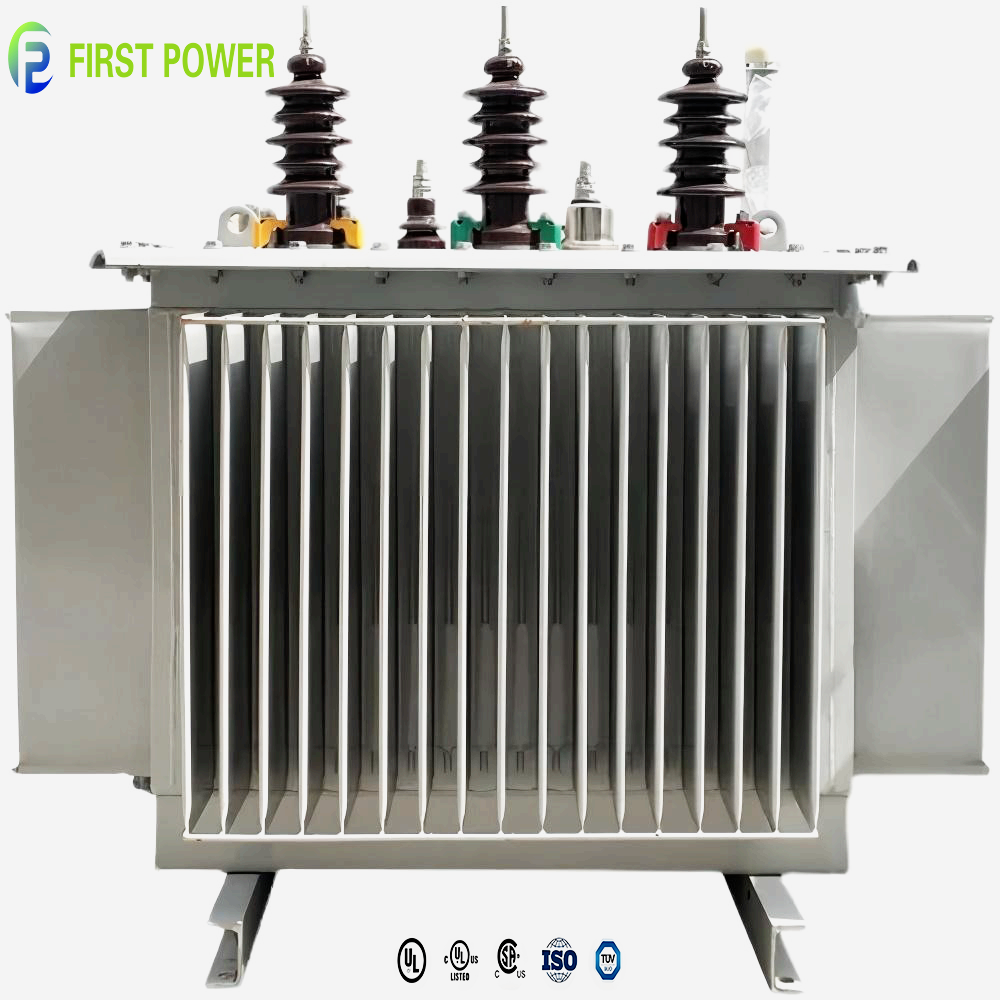 Oil-Immersed
C Certification 60 Hz S11 Three-Phase Oil-Immersed Transformer, 10–35 kV / 500 kVA
A robust distribution option for commercial complexes, pumping stations and hotel back-of-house supply. Frequently quoted alongside single-phase residential units in mixed developments.
- Rating500 kVA class
- Voltage10 / 22 / 35 kV, 0.4 kV
- Frequency50 / 60 Hz
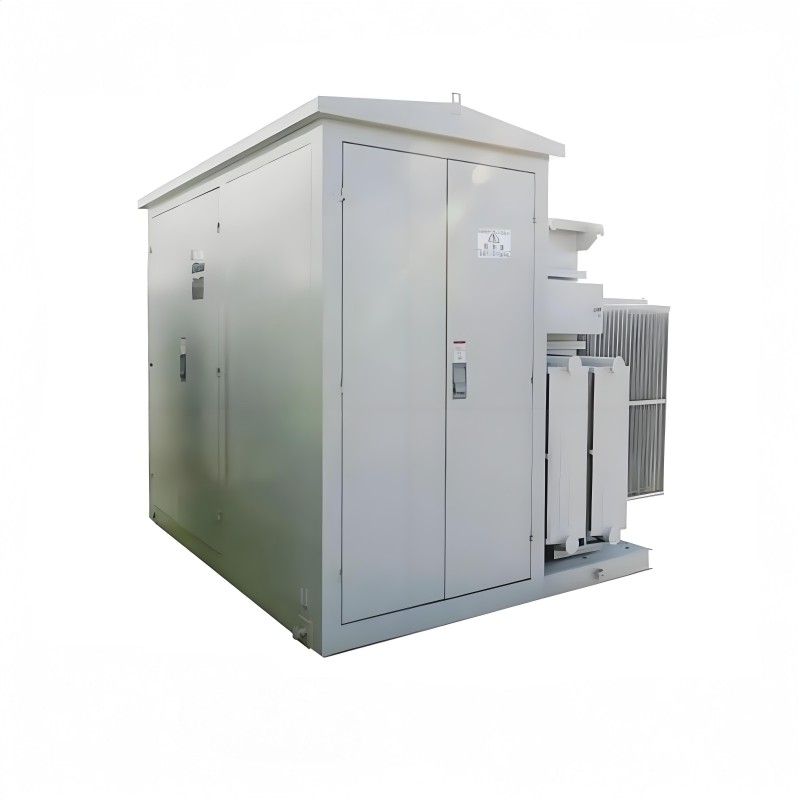 Pad-Mounted
American Standard C-Certified 3,000 kVA Oil-Type Pad-Mounted Transformer, 34.5 kV / 480 V
Large pad-mounted platform for high-density commercial, logistics or industrial loads. Suited to American-standard enclosures and 60 Hz export grids; request a 50 Hz re-rating for Vietnam use.
- Rating3,000 kVA
- Voltage34.5 kV / 480 V
- StandardAmerican / C certified
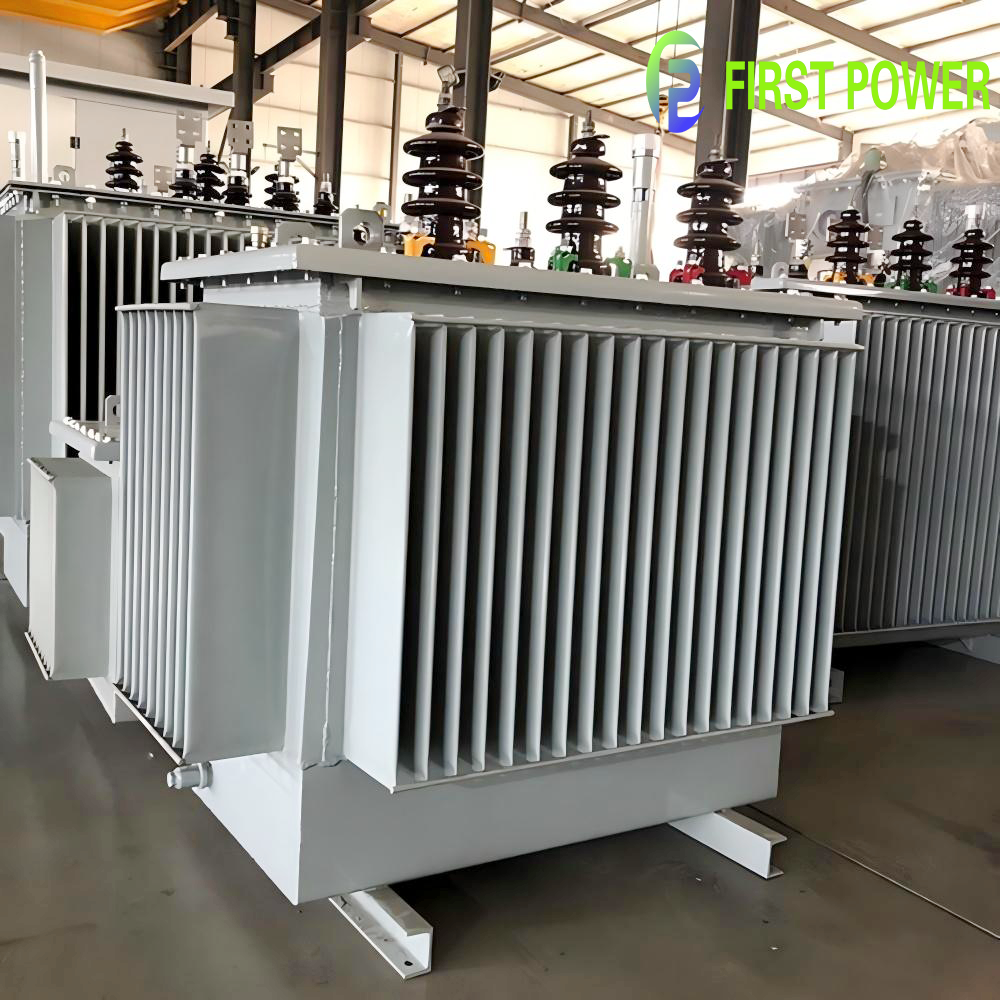 Distribution
C CE MV&HV S11 Three-Phase Oil-Immersed 50 kVA Distribution Transformer, 10–35 kV
A small distribution workhorse for branch feeders and communal supplies where three-phase service is required. Useful in mixed developments that also require single-phase pad-mounted units.
- Rating50 kVA
- Voltage10 / 20 / 35 kV
- TypeS11 oil-immersed
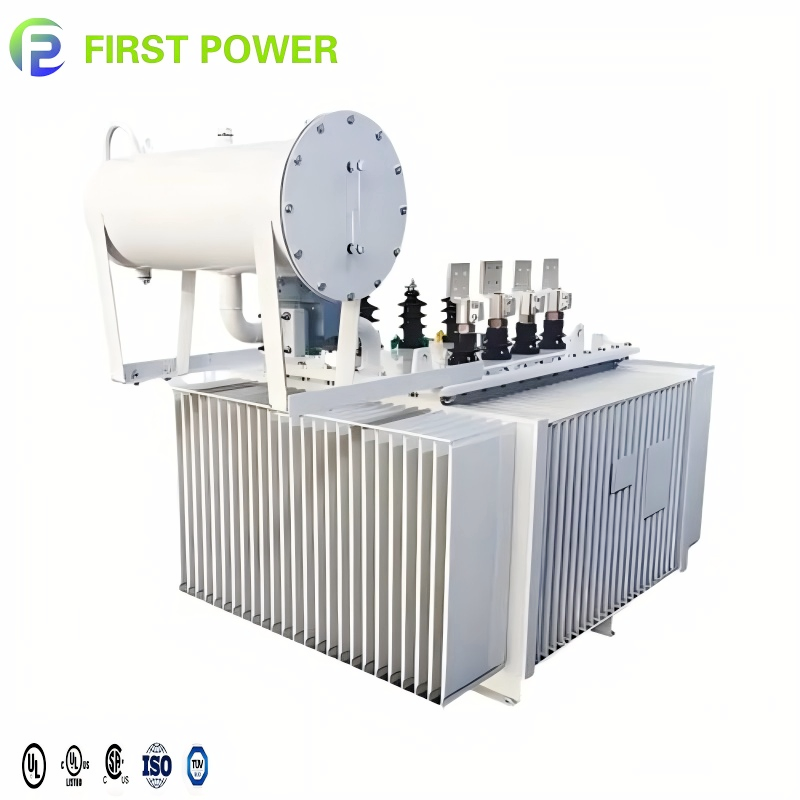 OLTC
C CE 1,000–2,500 kVA Oil-Type On-Load Tap Changer Transformer for Industrial Power
Designed for factories and process lines where stable secondary voltage matters. The on-load tap changer supports voltage regulation under changing load in industrial parks.
- Rating1,000–2,500 kVA
- Voltage10 / 20 / 35 kV
- ControlOn-load tap changer
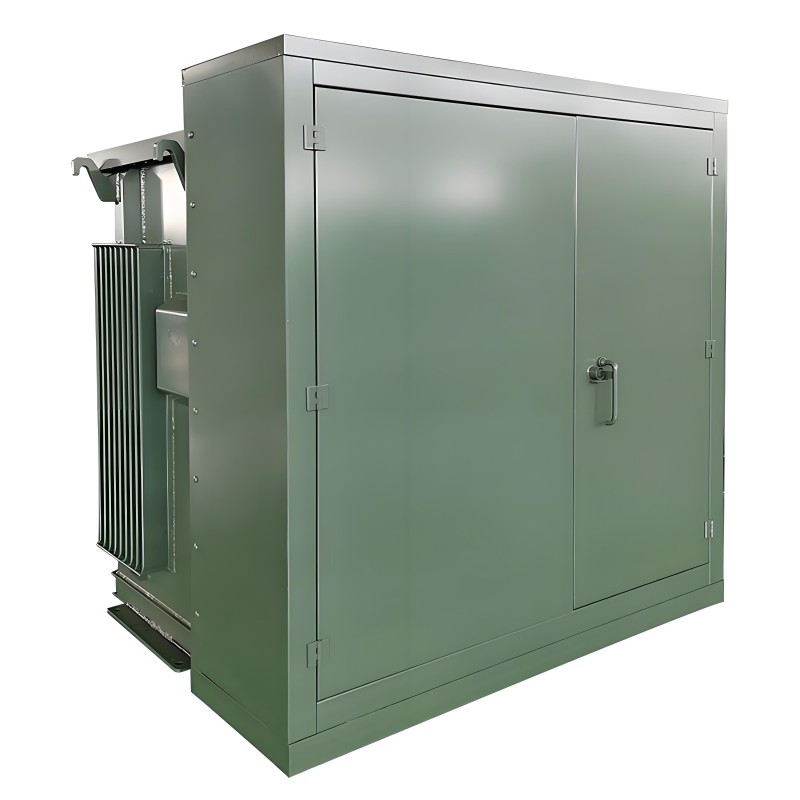 75–2,500 kVA
C-Certified 75–2,500 kVA Oil-Type Three-Phase Pad-Mounted Transformer, 35 kV / 480 V
Flexible pad-mounted range for urban underground distribution. For Da Nang coastal sites, specify enclosure finish, stainless hardware and cable termination details.
- Rating75–2,500 kVA
- Voltage35 kV / 480 V
- TypeThree-phase pad-mounted
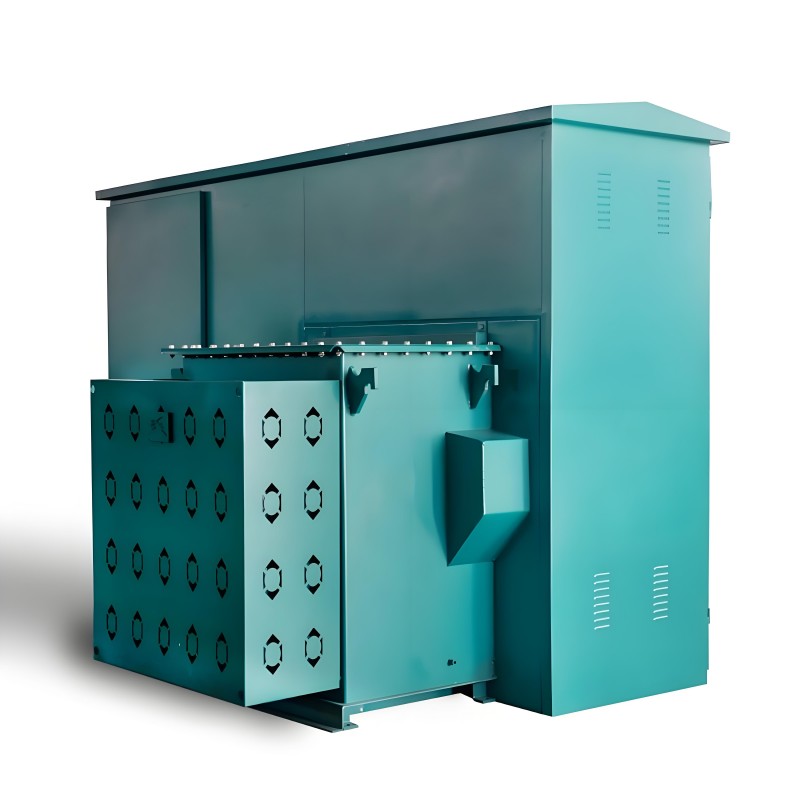 Dead-Front
C-Certified Oil-Type Cooper 75–2,500 kVA Dead-Front Pad-Mounted Transformer, 6–34.5 kV
Dead-front configuration reduces exposed live parts, making it suitable for public-adjacent easements, resort compounds and campus networks. Confirm utility clearances and enclosure approval.
- Rating75–2,500 kVA
- Voltage6–34.5 kV
- Frequency50 / 60 Hz
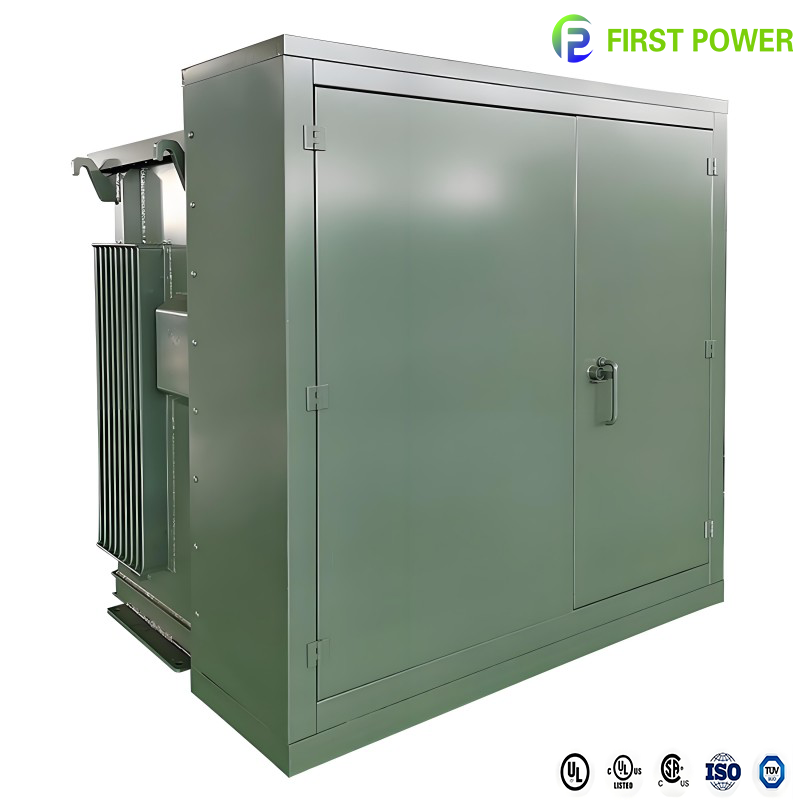 ZGS11
C CE MV&HV ZGS11 75–2,500 kVA Pad-Mounted Three-Phase Transformer
The ZGS11 family supports compact distribution stations where footprint and commissioning speed matter. Specify anti-corrosion finish, 50 Hz nameplate data and local LV voltage for Da Nang.
- Rating75–2,500 kVA
- Voltage10 / 20 / 35 kV
- StandardC / CE
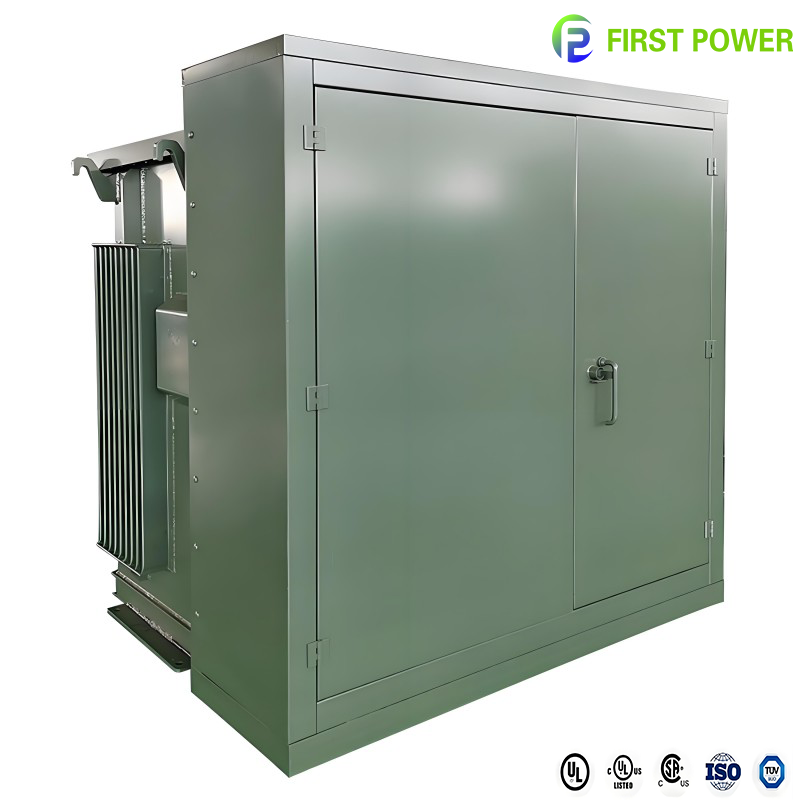 Power Generation
C CE 50/60 Hz 75–400 kVA Oil-Type Three-Phase Pad-Mounted Transformer for Power Generation
A small-to-medium pad-mounted unit for generators, microgrids and renewable interconnections. Often specified with single-phase units for auxiliary supply and station service.
- Rating75–400 kVA
- Voltage10 / 20 / 35 kV
- Frequency50 / 60 Hz
Where Single Phase and Pad-Mounted Transformers Fit in Da Nang
Da Nang combines a dense urban core, major tourism infrastructure, port logistics, industrial parks and a coastline exposed to humidity, salt fog and typhoon seasons. Transformer selection should not be copied from a dry inland template: enclosure finish, corrosion protection, drainage, wind loading, 50 Hz compatibility and utility documentation must be specified from the start.
Residential & Shop-House Clusters
In Hai Chau, Son Tra, Ngu Hanh Son and new urban areas, single-phase pad-mounted transformers are often used for underground residential feeders, street lighting and small commercial loads. Typical planning ranges start at 10–100 kVA, with low noise and tamper-resistant enclosures.
Hotels, Resorts & Coastal Facilities
Resort compounds and coastal hospitality projects need corrosion-resistant paint, sealed tanks and careful cable termination. Pad-mounted designs keep equipment out of sight while allowing service access; specify enclosure finish and stainless hardware for salt-fog exposure.
Industrial Parks & Logistics
Factories in Hoa Khanh, Lien Chieu and the high-tech zone often require 500–2,500 kVA three-phase transformers, OLTC options and low-loss cores. Review harmonic loads, voltage regulation and future expansion before fixing the impedance and tap range.
Renewables, EV & Data Loads
Rooftop solar, EV charging, cold-chain logistics and data rooms increase midday and evening load volatility. Compact pad-mounted units and distribution transformers with clear loss guarantees help protect lifecycle cost and future capacity upgrades.
Da Nang Market Trends Shaping Transformer Procurement
Buyers are moving from simple kVA price comparisons toward lifecycle cost, documentation quality and climate adaptation. These six trends appear repeatedly in export inquiries from Central Vietnam.
Undergrounding & Urban Aesthetics
New urban areas and coastal roads increasingly favor pad-mounted equipment over visible pole-mounted installations. Compact footprints, cable compartment layouts and low-profile enclosures help satisfy planning requirements.
Salt-Fog & Typhoon Resilience
Coastal humidity accelerates corrosion. Da Nang specifications often include enhanced coating systems, sealed tanks, pressure-relief devices, stainless or hot-dip galvanized hardware and clear maintenance access.
Loss Evaluation & Lifecycle Cost
Hotels, factories and data loads operate for long hours, so no-load and load-loss capitalization matters. Ask for guaranteed losses and compare them with routine test reports instead of evaluating first cost alone.
50 Hz Grid Compliance
Vietnam operates at 50 Hz. International product references may show 60 Hz nameplates, so the final design, vector group, tap range and test report must match the actual local grid and utility requirements.
Renewable & EV Load Growth
Rooftop solar, electric vehicles and battery storage create new load profiles. Transformers may need extra thermal margin, low-loss cores and planning flexibility for future capacity increases.
Monitoring & Maintainability
Temperature, oil level, pressure and partial-discharge monitoring are increasingly requested. Even without a full smart-grid system, clear instrument locations and accessible sampling points reduce maintenance risk.
Single-Phase vs Three-Phase Selection for Da Nang Buyers
Use this table as a pre-quotation checklist. Final ratings must be confirmed by a qualified electrical engineer and, where applicable, by the local utility.
| Selection Point | Single-Phase Pad-Mounted Transformer | Three-Phase Pad-Mounted / Distribution Transformer |
|---|---|---|
| Best fit | Residential subdivisions, street lighting, shop houses and small auxiliary loads. | Hotels, commercial buildings, industrial parks, ports, renewables and mixed-use developments. |
| Typical rating | 10–250 kVA, depending on load diversity and voltage drop. | 50–2,500 kVA for distribution; larger power transformers for utility and industrial substations. |
| LV voltage | Often 120/240 V for export designs or 220/230 V arrangements for local projects. | Commonly 220/380 V or 230/400 V in Vietnam; 480 V and other voltages for export projects. |
| Footprint & access | Small pad, single-phase cable termination, simple fuse protection. | Larger enclosure, loop or radial feed, dead-front compartments and cable bending space. |
| Coastal specification | Specify enclosure coating, sealed tank, drainage and stainless hardware. | Add anti-corrosion coating, pressure relief, oil-level gauge and maintainable cable compartments. |
| Procurement risk | Confirm frequency, vector group and voltage ratio before nameplate approval. | Confirm impedance, tap range, cooling, losses and utility approval documents early. |
Planning Fit by Application — Da Nang Project Snapshot
The bars show relative planning emphasis, not a mandatory rating. Capacity, voltage drop, protection coordination and utility approval determine the final transformer size.
What EPCs and Utilities Verify Before Ordering a Pad-Mounted Transformer
Jiangsu Wisegj Power Co., Ltd. supplies pad-mounted, oil-immersed, dry-type and power transformers plus compact substations from 220 V to 500 kV. The company profile, certificates and inspection reports are structured for procurement teams that need evidence before releasing a purchase order.
Routine-Tested Every Unit
Winding resistance, ratio and vector group, no-load loss and current, load loss and impedance, applied and induced voltage tests, plus oil dielectric strength for liquid-filled units.
In-House Engineering Review
Drawings, nameplate drafts and guaranteed losses are reviewed with the buyer before production. Third-party witness inspection is welcome for utility or EPC projects.
OEM / ODM Customization
Ratings, vector group, impedance, tap range, bushings, cooling, mineral oil or ester fluid, enclosure color and nameplate language can be adapted to project specs.
ISO & CE Documentation
ISO 9001, ISO 14001 and ISO 45001 management systems plus CE certificates for qualifying transformer and substation lines, with certificate numbers available for verification.
Export Logistics Support
Seaworthy packing, shock indicators, and trade terms from EXW to DDP. FOB, CFR, CIF and other Incoterms can be quoted for Da Nang and other Vietnamese ports.
Stable Supply Chain
Qualified sources for silicon steel, copper, bushings and accessories help protect lead times for repeat utility and EPC orders.
24-Hour Engineer Response
Technical questions and after-sales issues receive a qualified response within one working day, with a transformer engineer reviewing specifications rather than a script.
Fortune 500 Supply Experience
Production capability, floorspace and quality inspection have been verified by TÜV Rheinland, supporting buyers who require independent evidence before supplier approval.
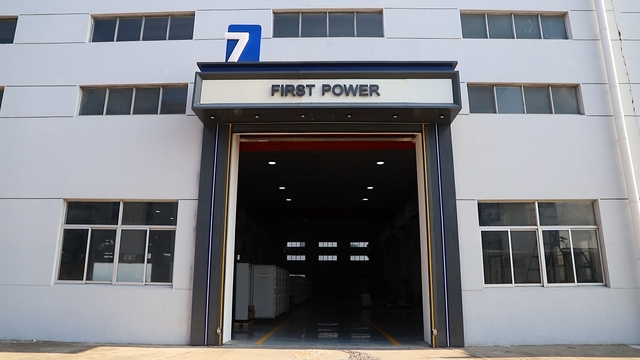
Auditable Factory Evidence for Da Nang Procurement
The factory’s export documentation package includes GA drawings, routine test reports, nameplate drafts, O&M manuals and packing lists. Certificate numbers can be checked before order release, which reduces approval risk for utilities, EPC contractors and industrial buyers.
Questions Local Buyers Ask About Pad-Mounted Transformers
Practical answers for contractors, facility owners and procurement teams comparing single-phase and three-phase options for Central Vietnam.
What rating is typical for a single-phase pad-mounted transformer in Da Nang? +
Residential feeders, shop-house clusters and small auxiliary loads commonly fall in the 10–100 kVA range. Larger mixed-use buildings usually move to 75–500 kVA three-phase units. Final sizing must include connected load, diversity, voltage drop, protection and utility requirements.
Is Vietnam 50 Hz or 60 Hz? +
Vietnam operates at 50 Hz. Several international product references show 60 Hz because they are designed for export markets. For Da Nang service, the nameplate, test report, vector group and tap range must match 50 Hz and the local utility’s voltage standard.
Can the factory supply a single-phase unit even though many listed products are three-phase? +
Yes. Single-phase 10–250 kVA pad-mounted designs can be configured through the same export process. Share the required kVA, primary voltage, secondary voltage, frequency, loop or radial feed, fuse protection and enclosure requirements.
How should transformers be specified for Da Nang’s salt fog and humidity? +
Include site pollution class, ambient temperature, humidity, wind loading, enclosure IP rating, anti-corrosion coating, stainless or galvanized hardware, sealed tank, pressure relief and drainage. For coastal sites, also plan inspection frequency and cable termination protection.
What test reports and documents are supplied? +
Each unit receives routine tests such as winding resistance, ratio and vector group, no-load loss and current, load loss and impedance, applied and induced voltage, and oil dielectric strength for liquid-filled units. Typical documents include GA drawings, nameplate drafts, test reports, O&M manuals and packing lists.
Can you deliver to Da Nang and support export documentation? +
Yes. Quotations can be prepared for FOB, CFR, CIF, EXW, DDP and other Incoterms. Da Nang is served through Tien Sa Port and Da Nang International Airport for urgent parts. The factory provides commercial invoices, packing lists, test reports and product certificates for the buyer’s customs broker; final import conformity and utility acceptance remain subject to Vietnam regulations.
What information is needed for a fast quotation? +
Send rated power, primary and secondary voltage, frequency, vector group, impedance, tap range, cooling method, installation environment, applicable standard, loss target, quantity and delivery port. A single-line diagram or tender specification will shorten the review.
Can enclosure color, nameplate and losses be customized? +
Yes. OEM, ODM, design-based and sample-based customization is available, covering enclosure color, nameplate language, vector group, taps, bushings, cooling, insulating fluid and guaranteed losses. Confirm the utility’s preferred pad dimensions and cable termination style before production approval.
Need a Single Phase Pad Mounted Transformer Quotation for Da Nang?
Send your kVA, voltage ratio, frequency, enclosure requirements and delivery schedule. A transformer engineer will review the specification, confirm the correct single-phase or three-phase platform, and prepare a catalog and technical offer for your project.
Get Catalog Technical review · Export packing · Routine test reports · IEC/ANSI project support