8 Outdoor Transformer & Substation Products for Urban, Humid and High-Reliability Sites
Start with the transformer platform that matches your Makati load profile. The eight products below are part of Wisegj’s export portfolio and can be reviewed against the site’s 60 Hz supply, Meralco interconnection requirements, space, noise, flood level and maintenance strategy. A complete outdoor substation can combine these transformers with MV switchgear, protection, LV distribution and enclosure packages.
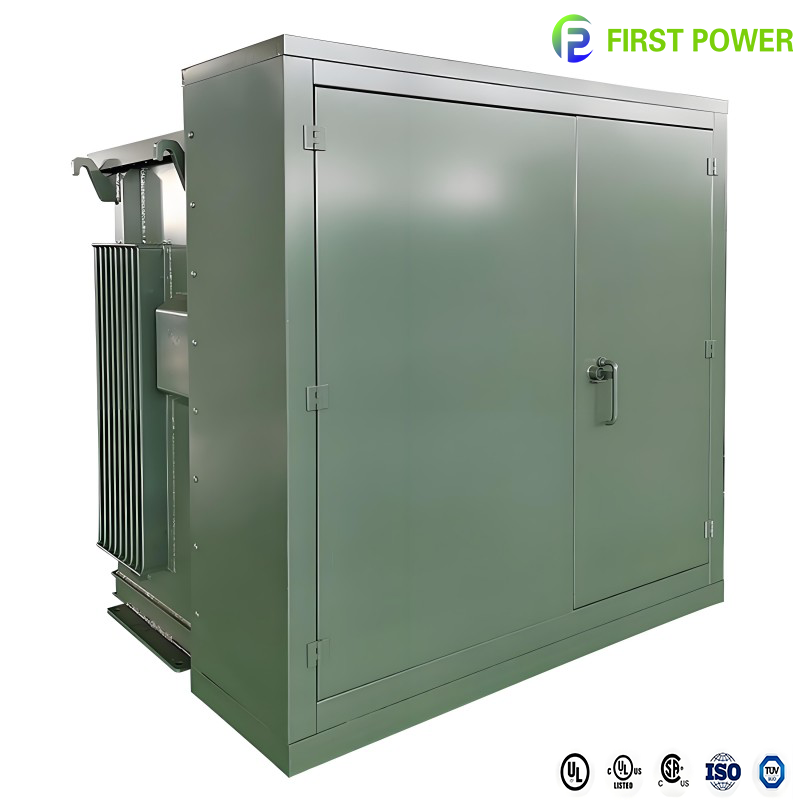
C CE MV&HV ZGS11 75-2500KVA 10KV 20KV 35KV Pad Mounted Three Phase Transformer for Electric Power Distribution
Compact, tamper-resistant three-phase pad mounted transformer for underground commercial distribution and constrained outdoor pads.
Makati fit: podium utility yards, redevelopment parcels and 13.8/34.5 kV underground feeds where footprint and public safety matter.
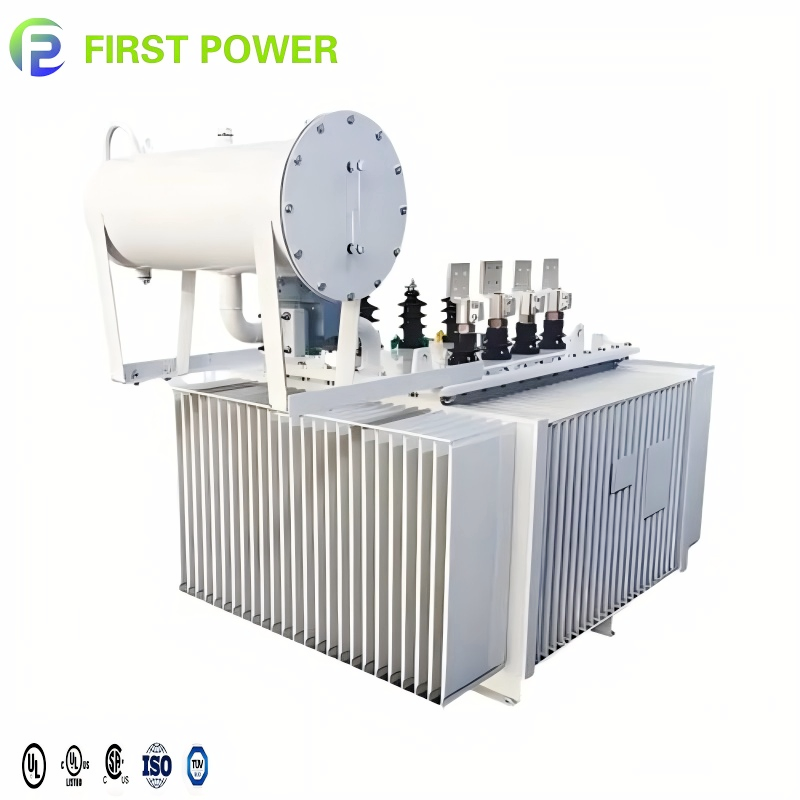
C CE 10KV 20KV 35KV 1000KVA 2000KVA 2500KVA 3 Phase Oil Type on Load Tap Changer Transformer for Industrial Power Supply
Oil-type transformer with on-load tap changing for voltage regulation where load profiles shift during the day.
Makati fit: BPO, light industrial, mixed-use and district cooling plants where voltage stability supports sensitive equipment and tenant comfort.
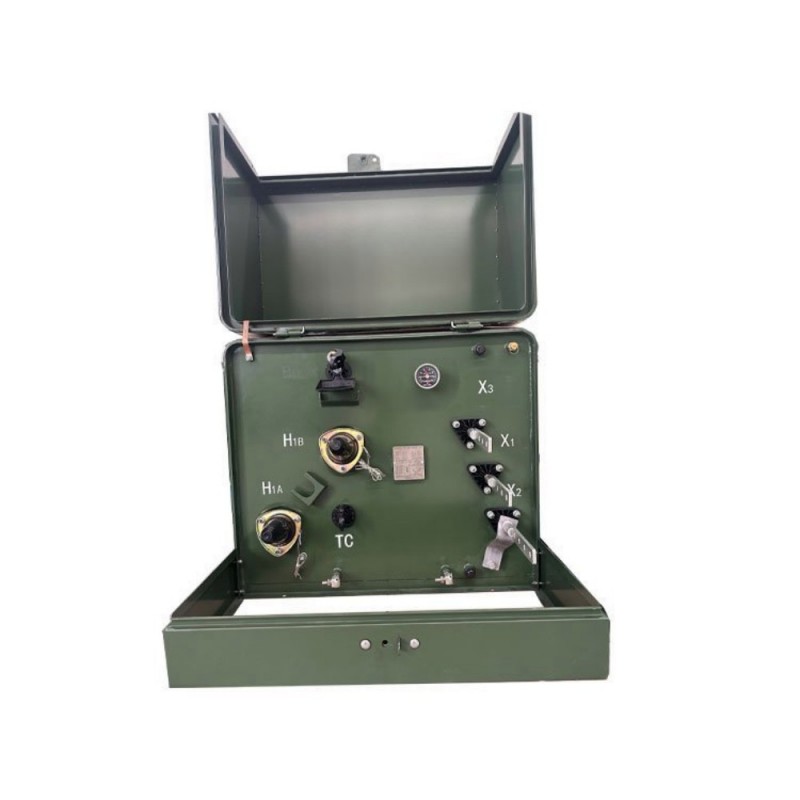
/C Certification 6KV 10KV 13KV 20KV 34.5KV 50/60HZ Oil Type Single Phase 75KVA Pad Mounted Transformers
Single-phase pad mounted unit for residential pockets, street lighting, auxiliary loads and small outdoor interfaces.
Makati fit: barangay-level upgrades, gated residential streets and auxiliary supplies where a three-phase pad would be oversized.
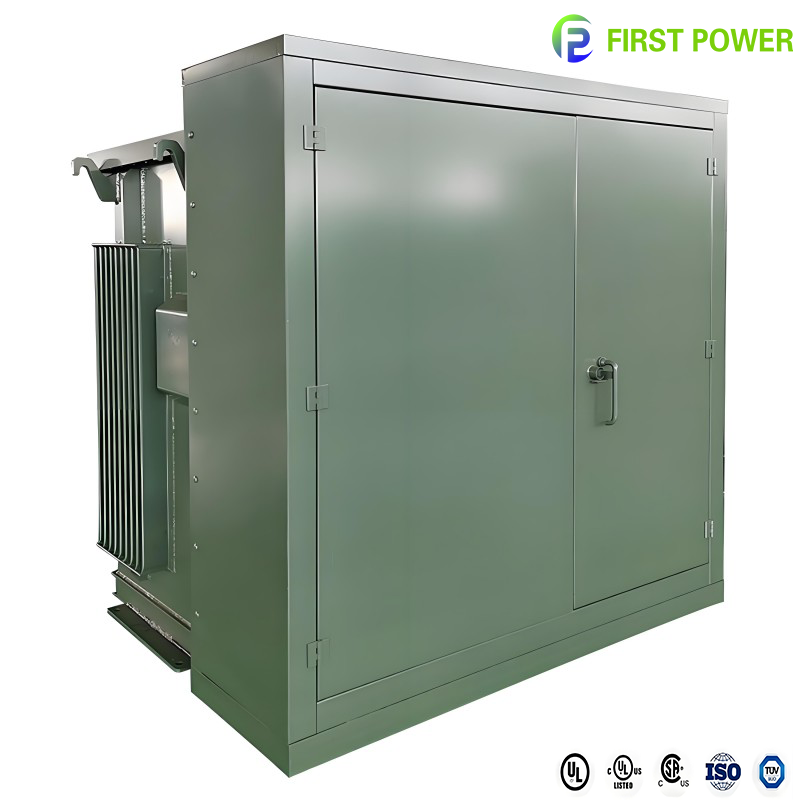
C CE 50/60HZ 10KV 20KV 35KV 75KVA 100KVA 200KVA 300KVA 400KVA 3 Phase Oil Type Pad Mounted Transformer for Power Generation
Three-phase oil-type pad mounted transformer for generation, distributed energy and small outdoor interconnection points.
Makati fit: rooftop solar, emergency generators and small distributed generation where an outdoor point of interconnection is required.
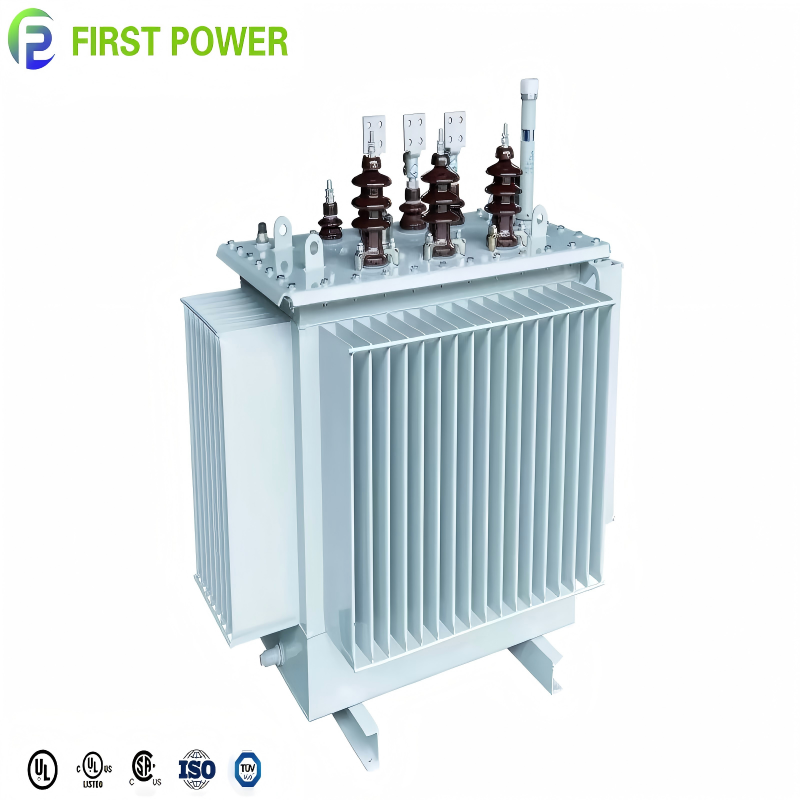
C CE S11 50/60HZ 6KV 10KV 15KV 20KV 35KV 100KVA 300KVA 3 Phase Oil Immersed Transformer 50KVA 33KV for Distribution System
Oil-immersed S11 distribution transformer for conventional distribution systems, low-loss operation and industrial supplies.
Makati fit: building complexes, retail and light industry that need proven IEC-style distribution with accessible ratings.
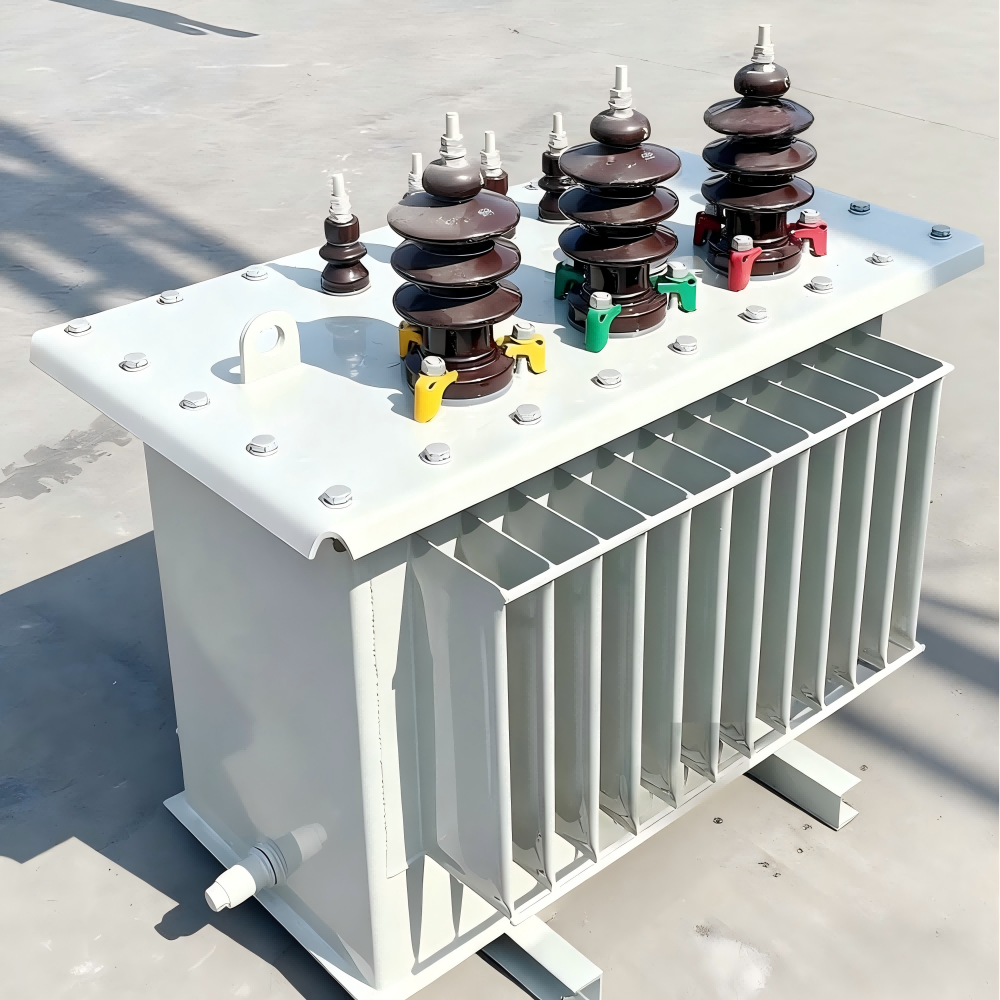
C CE MV&HV 30-31500KVA 6KV 10KV 15KV 20KV 35KV S11 Three Phase Oil Transformer for Electric Power Distribution
Higher-capacity three-phase oil transformer for distribution substations, larger load centers and utility interfaces.
Makati fit: district substations, large mixed-use blocks and industrial users needing 30 kVA to 31,500 kVA flexibility.
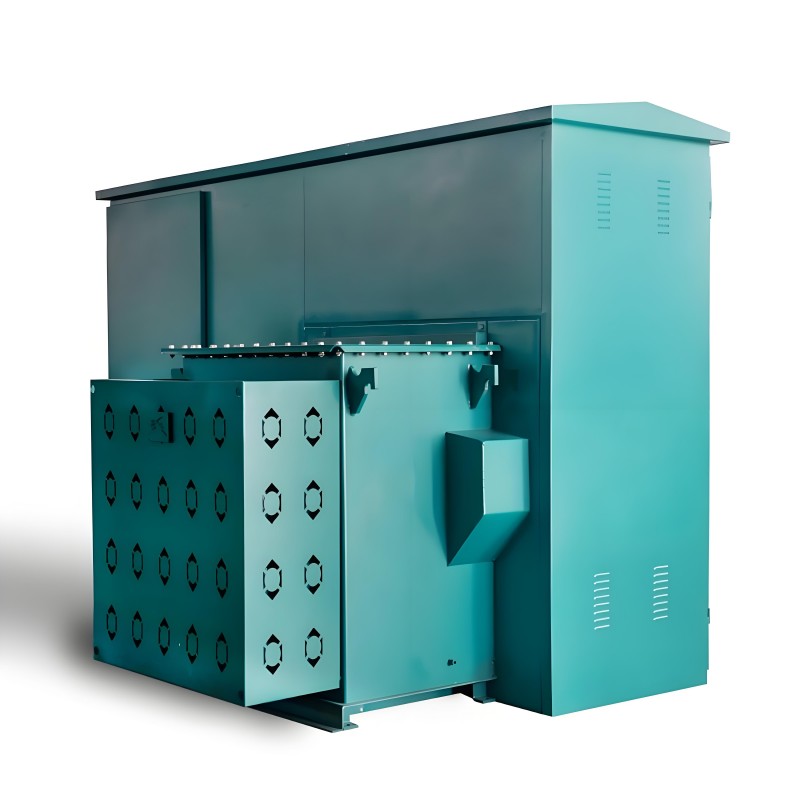
/C Certified Oil-Type Cooper 75-2500kva Pad Mounted Transformer 6kv-34.5kv 50/60hz Dead Front Three Phases
Dead-front three-phase pad mounted transformer with a safer public-facing configuration for constrained urban sites.
Makati fit: street-adjacent pads, hotel and retail frontages, and public realm upgrades where dead-front protection is preferred.
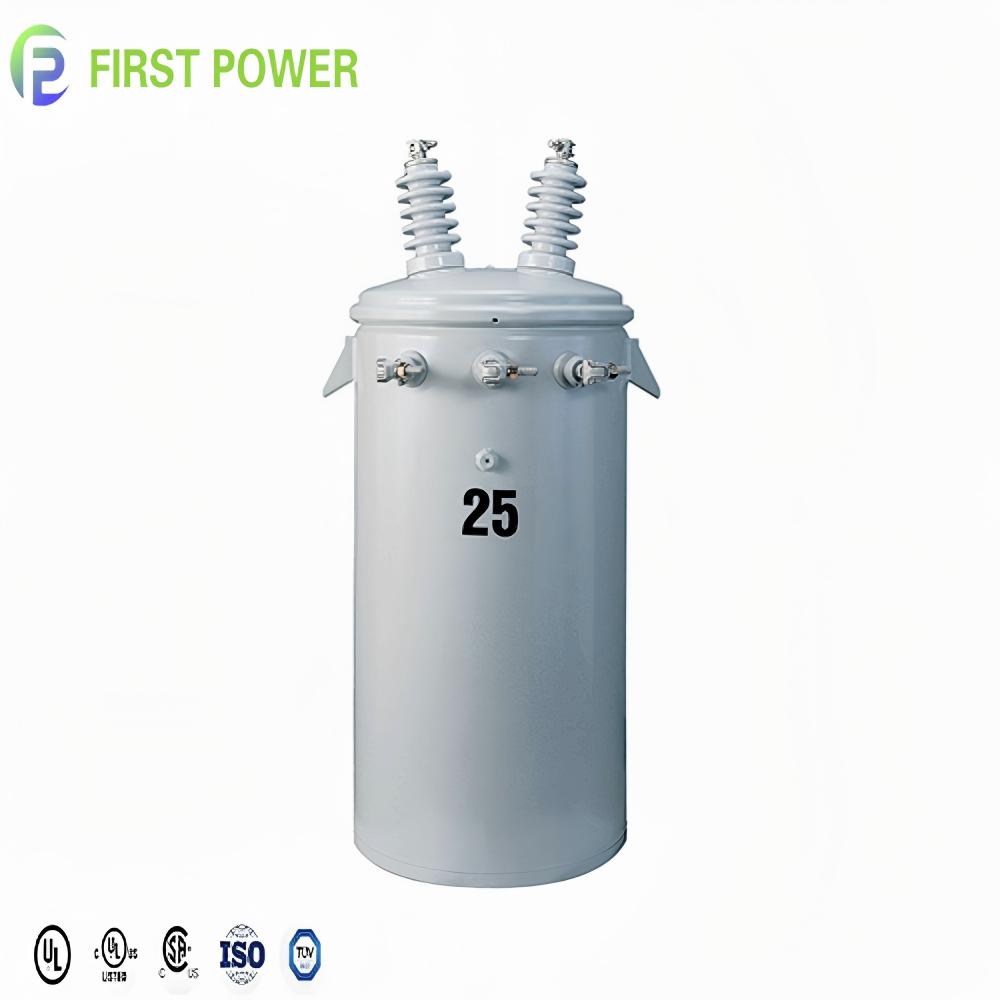
C CE Certification MV&HV 50/60HZ 6KV 10KV 20KV 35KV 25KVA Single Phase Transformer Price for Electric Power Distribution
Single-phase transformer for small power distribution, auxiliary loads and compact outdoor points.
Makati fit: lighting circuits, auxiliary building loads and phased site works where a three-phase unit is not yet required.
What Changes the Specification in Makati
Makati is not a generic outdoor substation market. The city concentrates high-rise offices, BPO facilities, hospitals, hotels, embassies, retail and mixed-use blocks into a small land area. Many sites have little or no room for a standalone utility yard. Procurement teams therefore evaluate footprint, noise, heat rejection, flood level, public safety, utility interconnection and total cost of ownership together — not only the transformer price.
For the Philippine grid, equipment should be reviewed at 60 Hz and against the actual service voltage confirmed by the project designer and Meralco. Common distribution voltages include 13.8 kV and 34.5 kV, while low-voltage systems may be 230/400 V or 480 V depending on the building’s design. A supplier that simply relabels a 50 Hz catalogue unit creates risk; the magnetic design, cooling, losses and protection must be coordinated for the real operating condition.
Makati’s tropical environment also demands more than a weatherproof paint finish. High humidity, monsoon rain, typhoon-driven wind loads, seismic loading and local flood-risk micro-locations can affect enclosure layout, anti-condensation control, foundation height, cable termination and maintenance access. For street-adjacent or customer-facing pads, dead-front design, locking, labelling and fire separation should be resolved before the unit is released for manufacture.
Permit and approval work matters as much as the electrical design. A Makati project may need coordination with the Local Government Unit, Bureau of Fire Protection, Philippine Electrical Code requirements, Meralco service connection rules and the building’s professional electrical engineer. Early single-line diagrams, load schedules, protection settings and equipment datasheets shorten review cycles. This is not legal advice; final approval always rests with the authority having jurisdiction.
Makati Specification Quick Check
- System: 60 Hz, 13.8/34.5 kV distribution; secondary voltage confirmed by design.
- Site: outdoor pad, roof deck, podium yard, loading bay or compact substation enclosure.
- Climate: humidity, monsoon rain, heat, seismic and site-specific flood level.
- Evidence: routine test report, drawings, nameplate, O&M manual and certificate package.
- Delivery: Manila/Batangas port routing, CBD truck windows and lifting access.
Planning priorities for urban projects
Where Outdoor Substations Fit in Makati
Makati projects rarely have the luxury of a large, isolated electrical yard. Outdoor substation planning therefore combines equipment selection with architecture, fire access, utility coordination and maintenance logistics.
CBD Office and BPO Towers
Use three-phase pad mounted or compact substation arrangements for underground service where façade, sidewalk and loading access are constrained. Specify low loss, clear protection coordination and remote monitoring readiness for facility teams.
Mixed-Use and Hospitality
Hotels, residences and retail podiums need quiet operation and clean sightlines. Place the transformer away from guest areas, coordinate acoustic louvres and verify ventilation with heat-load calculations rather than assuming an open yard condition.
Hospitals and Critical Facilities
Critical facilities need maintainability, spare capacity and clear switching logic. Outdoor substations can support redundancy and generator integration, but the procurement package should include test reports, protection data and escalation support.
Data, Finance and Telecom
Sensitive digital loads justify a total-cost review that includes no-load loss, load loss, cooling strategy and monitoring access. A cheaper transformer with higher losses can become the more expensive choice over the asset’s life.
Retail, Malls and Light Industry
For load centers with voltage variation, an on-load tap changer or carefully specified tap range may be more useful than a larger nameplate rating. Confirm the actual load profile, duty cycle and future expansion before locking the design.
Street-Level and Flood-Prone Sites
Raise pads above the design flood level, protect cable entries and select corrosion-resistant finishes. Dead-front pad mounted units improve public safety in street-adjacent locations; delivery and lifting plans must still fit Makati’s traffic windows.
What Is Changing in Makati’s Outdoor Substation Market
Buyers are moving from “lowest price per kVA” toward evidence-based procurement: measured losses, verifiable tests, service response, climate resilience and documentation that supports permits and asset management.
Compact and underground-friendly designs
Land scarcity pushes equipment into smaller pads, podium yards and enclosures. Compact substations and dead-front pad mounted transformers reduce visual and safety friction in dense districts.
True 60 Hz localization
Philippine projects require 60 Hz review and coordination with actual service voltages. Buyers increasingly ask for design calculations, nameplate drafts and test evidence rather than a generic datasheet.
Flood, heat and seismic resilience
Outdoor equipment is being specified with raised foundations, anti-condensation measures, corrosion protection and structural anchorage that reflect the site, not only the product family.
Loss evaluation and total cost
Developers and facility owners are comparing no-load and load losses over the asset life. Energy-efficient cores and guaranteed loss values can outperform a lower purchase price.
Monitoring-ready substations
Temperature, voltage, current and condition data are becoming part of the procurement brief. Even when monitoring is added later, the equipment layout and documentation should keep that path open.
Solar, EV and distributed energy
Rooftop solar, emergency generation, EV charging and tenant demand growth create new interconnection points. Flexible pad mounted and compact substation platforms help phase capacity without redesigning the entire yard.
Outdoor Substation Selection Matrix for Makati Projects
Use this matrix to shortlist equipment, then confirm the final design with your electrical engineer, utility requirements and authority approvals. The objective is not simply to choose a transformer type; it is to choose the lowest-risk configuration for the site.
| Equipment type | Typical Makati use | What to specify | Watch-outs |
|---|---|---|---|
| Three-phase pad mounted transformer | Commercial towers, mixed-use blocks, underground distribution and podium yards | kVA, 13.8/34.5 kV primary, secondary voltage, 60 Hz, vector group, impedance, loop/radial feed, dead-front configuration | Pad size, cable bend radius, flood height, public safety and lifting access |
| Single-phase pad mounted transformer | Residential streets, lighting circuits, auxiliary supplies and phased works | 75 kVA class and required primary voltage, fuse/protection, enclosure finish and mounting height | Future three-phase load growth and unbalanced loading |
| Oil-immersed distribution transformer | Building complexes, retail, light industry and conventional distribution rooms or yards | 30–2,500 kVA, 6–35 kV, Dyn11/Yyn0 options, losses, cooling and insulating fluid | Fire separation, oil containment, ventilation and maintenance access |
| On-load tap changer transformer | Loads with daily voltage variation, industrial processes and sensitive tenants | Tap range, step size, control strategy, impedance and protection coordination | Added maintenance requirements and control-panel location |
| Larger S11 distribution transformer | District substations, large mixed-use blocks and utility or industrial interfaces | Capacity, voltage class, guaranteed losses, sound level, transport dimensions and test plan | Road permits, crane access, foundation design and long-term spare strategy |
| Compact outdoor substation package | Space-constrained developments, renewable connections and fast-track projects | MV switchgear, transformer, LV distribution, protection, enclosure IP rating, ventilation and metering | Single-supplier interface, factory assembly tests, delivery splits and site commissioning |
Ask for a guaranteed loss table and routine test plan with the quotation. For Makati, the technical offer should also state the design ambient temperature, altitude, enclosure rating, sound level basis and the standards used for tests.
Why Makati Buyers Review Jiangsu Wisegj Power
Jiangsu Wisegj Power Co., Ltd. is a Suzhou-based manufacturer and exporter of transformers, compact substations and switchgear from 220 V to 500 kV. The company’s value to a Makati project is not a generic “factory direct” claim; it is the combination of engineering review, documented production, verifiable certificates and export execution.
Verified factory capacity
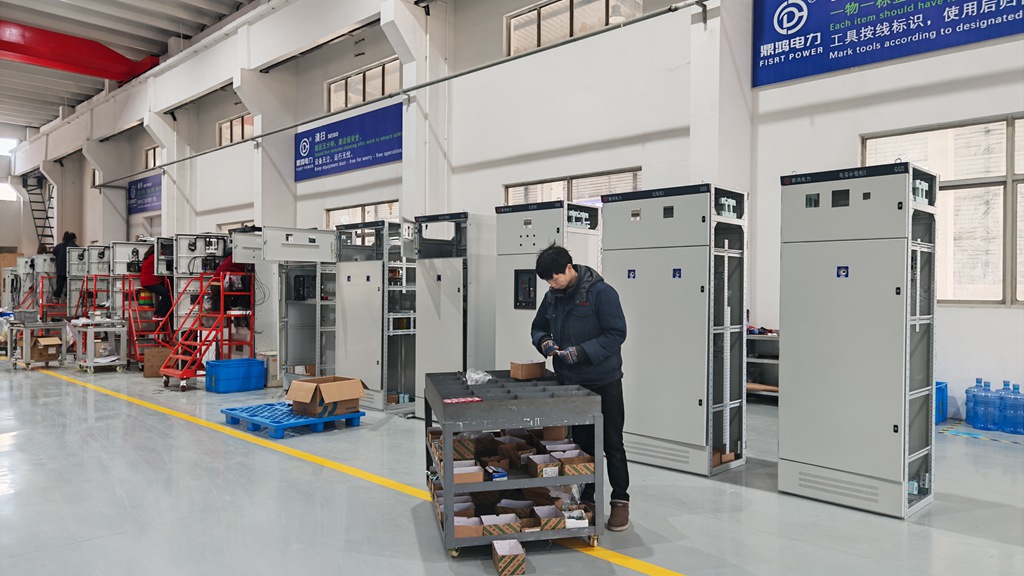
6,847 m² inspected production floorspace with dedicated areas for winding, core assembly, drying, tanking and testing.
20+ years of team experience
Hands-on transformer experience supports specification review before quotation, not after the purchase order.
50+ engineers
R&D and technical support teams can review ratings, losses, vector groups, cooling, enclosure layout and documentation needs.
Certificate-backed production
ISO 9001, ISO 14001 and ISO 45001 systems plus CE certificates for key product lines, with numbers available for verification.
211 qualified suppliers
A managed supply chain for silicon steel, copper, bushings and accessories helps stabilize quality and lead time.
Routine tests and documents
Winding resistance, ratio and vector group, impedance and load loss, no-load loss and current, applied/induced voltage and oil tests are documented per unit.
Export logistics support
Seaworthy packing, shipping marks, Incoterms from EXW to DDP and coordination for Manila/Batangas delivery routes.
24-hour engineer response
Technical and after-sales questions receive a qualified response within one working day; OEM, ODM and design-based customization are available.

Credentials a Makati procurement team can verify
Production capability, floorspace and quality inspection were verified onsite by TÜV Rheinland. Certificate numbers are listed so your compliance team can check them with the issuing bodies.
Inside the Manufacturing and Testing Evidence
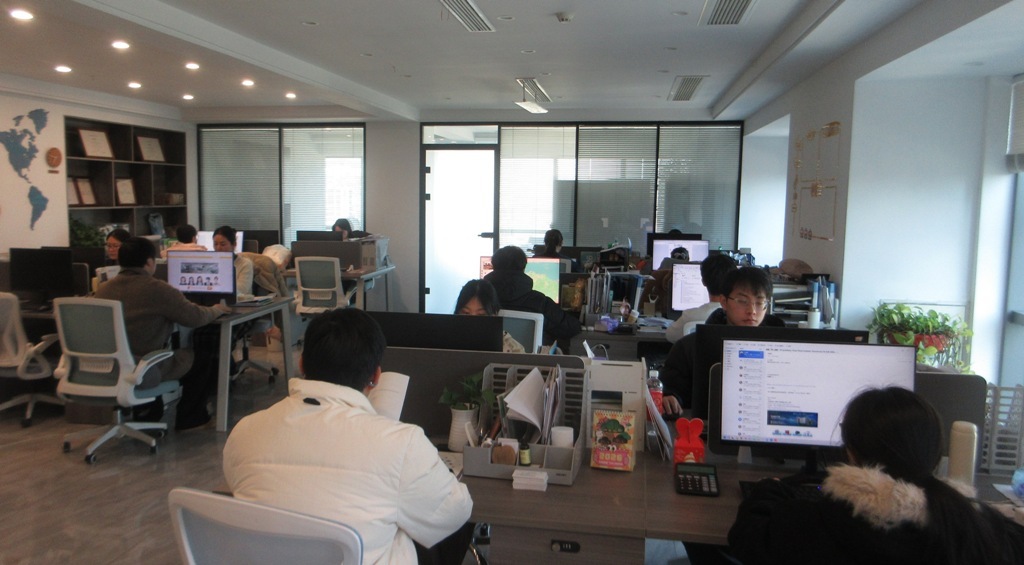
A Makati buyer cannot inspect every production step, so the quotation should carry auditable evidence: factory photos, process controls, test records and a clear document list. The images below are from the original company profile and production article assets.


Specification review
Ratings, 60 Hz requirement, voltage class, site altitude, ambient, flood level and standard are checked before quotation.
Drawing approval
GA drawing, nameplate, guaranteed losses and interface points are confirmed with the buyer or EPC.
Routine testing
Each unit receives documented routine tests; third-party witness inspection can be arranged when specified.
Packing and shipping
Export crating, shipping marks, test reports and documents are prepared for Manila/Batangas delivery routes.
Questions Local Buyers Ask Before Ordering Outdoor Substations
These are the practical questions that arise when Makati developers, EPCs, utilities and facility owners compare outdoor substation manufacturers and suppliers for a real project.
Are your transformers suitable for the Philippines’ 60 Hz grid?
Yes — the design must be reviewed for 60 Hz. Wisegj can engineer units for 50 Hz or 60 Hz operation and confirm the flux, cooling, losses and test basis for the project. Do not accept a catalogue unit labelled for 50 Hz without an engineering review for the actual service condition.
Which voltage and capacity should a Makati project specify?
Confirm primary voltage with the utility and electrical designer; 13.8 kV and 34.5 kV are common distribution references. Capacity depends on the load schedule, spare capacity, duty cycle and future expansion. Secondary could be 230/400 V or 480 V, depending on the building design.
How do you address humidity, rain, flooding and corrosion?
Specify the enclosure IP rating, anti-condensation provision, corrosion-resistant finish, cable-entry sealing and a pad height above the site’s design flood level. Makati’s dense urban environment also requires attention to ventilation, noise, fire access and maintenance clearances.
Can equipment meet PEC, Meralco and local permit requirements?
Wisegj can supply IEC/ANSI-aligned equipment, drawings, test reports and certificate documents that support review. Final compliance with the Philippine Electrical Code, Meralco service rules, LGU permits and BFP fire requirements must be confirmed by the project’s professional engineer and local authorities.
What documents are supplied for Makati approvals?
A typical package includes GA drawings, nameplate draft, routine test report, O&M manual, packing list and relevant certificates. For a faster review, provide the single-line diagram, load schedule, rating, vector group, impedance, protection requirements and target standards before order.
How do you control noise and heat in dense areas?
Ask for a sound-level basis and a cooling calculation, not just a product family name. Position the equipment away from sensitive façades, coordinate acoustic louvres if needed, and ensure the enclosure or yard can reject heat while maintaining service access and fire separation.
How is delivery to Makati handled with CBD truck restrictions?
Shipments normally route through Manila or Batangas port and then by truck to the site. Makati’s CBD delivery windows, road permits, crane position, lifting radius and temporary storage must be planned early. The supplier should provide dimensions, weights and lifting points before shipment.
What testing and inspection evidence is provided?
Routine tests generally include winding resistance, voltage ratio and vector group, impedance and load loss, no-load loss and current, applied and induced voltage tests, plus oil dielectric testing for liquid-filled units. Third-party witness inspection is welcome when included in the purchase order.
What lead times, trade terms and payments are realistic?
Lead time depends on capacity, voltage class, enclosure, testing and document requirements. Export terms can include FOB, CFR, CIF, EXW, FCA, CIP, CPT and DDP. Payment options include T/T, L/C, D/P and D/A, and currencies such as USD, EUR, GBP, CAD and AUD, subject to contract agreement.
Have a Makati Outdoor Substation Specification Ready for Review?
Send the load schedule, single-line diagram, required voltage class and target standards. A transformer engineer can review the application, identify missing data and return a compliant offer path within one working day.
- Rated power in kVA or MVA
- Primary and secondary voltage
- Frequency: 50 or 60 Hz
- Vector group and impedance
- Indoor/outdoor and IP rating
- Site flood level and ambient
- Dead-front or live-front requirement
- Target standard: IEC or ANSI/IEEE
Email: [email protected] · Jiangsu Wisegj Power Co., Ltd. · Suzhou, Jiangsu, China
Request a Makati-focused technical review
Share your datasheet, tender drawing or preferred product link. Include the site delivery city, required approval documents and any preferred brand of switchgear to shorten the review.
Send an Inquiry Secure inquiry · Engineering and export team review