8 Outdoor Substation & Distribution Transformers for Dodoma
These eight product lines cover outdoor pad-mounted duty, industrial power supply, loop-feed distribution and dry-type indoor use. For a Dodoma project, confirm the utility voltage, design ambient, dust exposure, altitude and loss evaluation before finalising the single-line diagram. Product URLs are preserved for direct specification review.
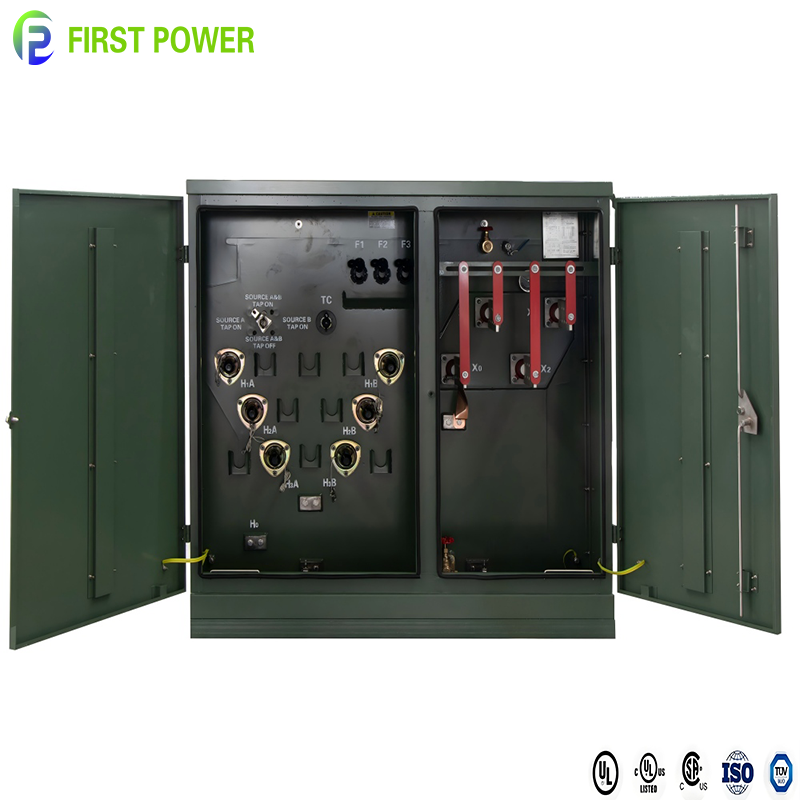
Listed C CE MV&HV 50/60HZ 6KV 10KV 15KV 20KV 35KV 3 Phase Pad Mounted Transformer Electrical for Industrial Power Supply
Dodoma fit: industrial and commercial outdoor supply where a tamper-resistant pad-mounted enclosure and 6–35 kV primary interface are required.
View product specification →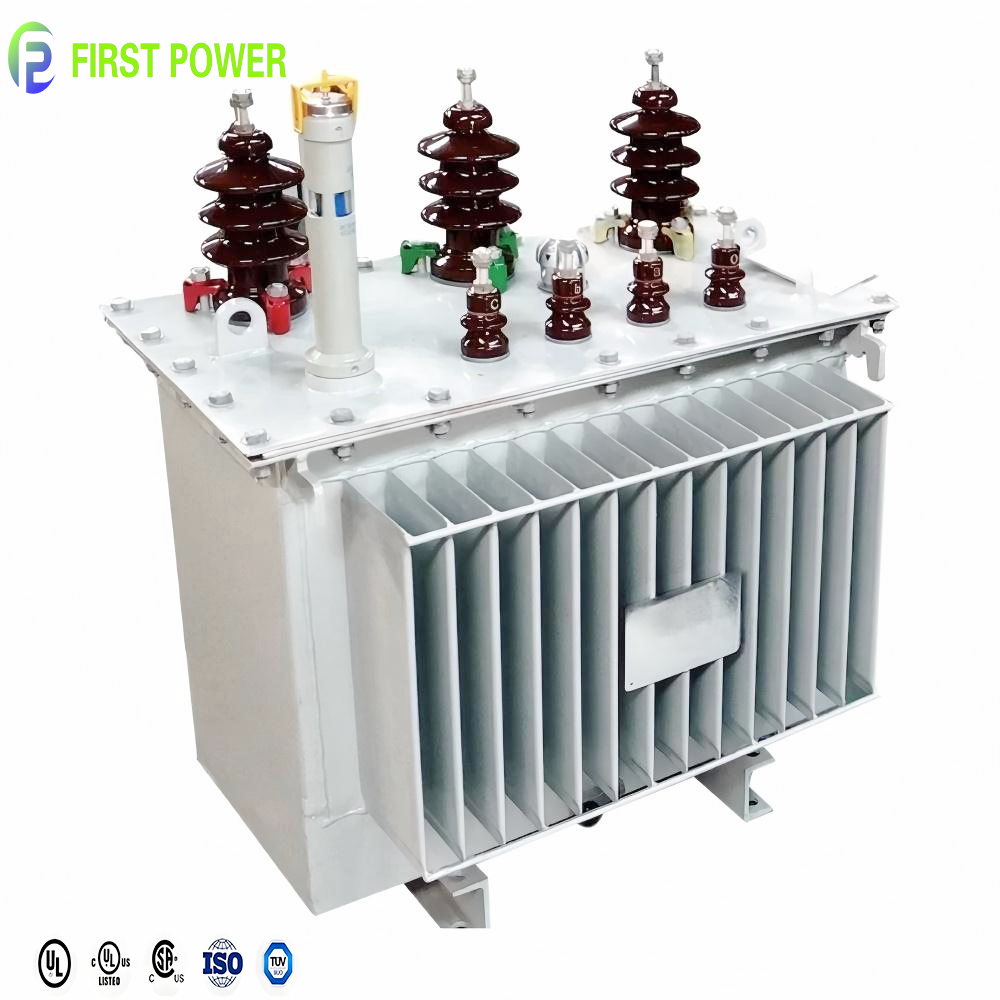
C CE 10KV 20KV 35KV 50KVA 100KVA 200KVA 300KVA 400KVA 500KVA Electric Oil Immersed Transformer for Industrial Power Supply
Dodoma fit: robust 50–500 kVA distribution for workshops, agro-processing, warehouses and pumping loads where oil-filled equipment is acceptable.
View product specification →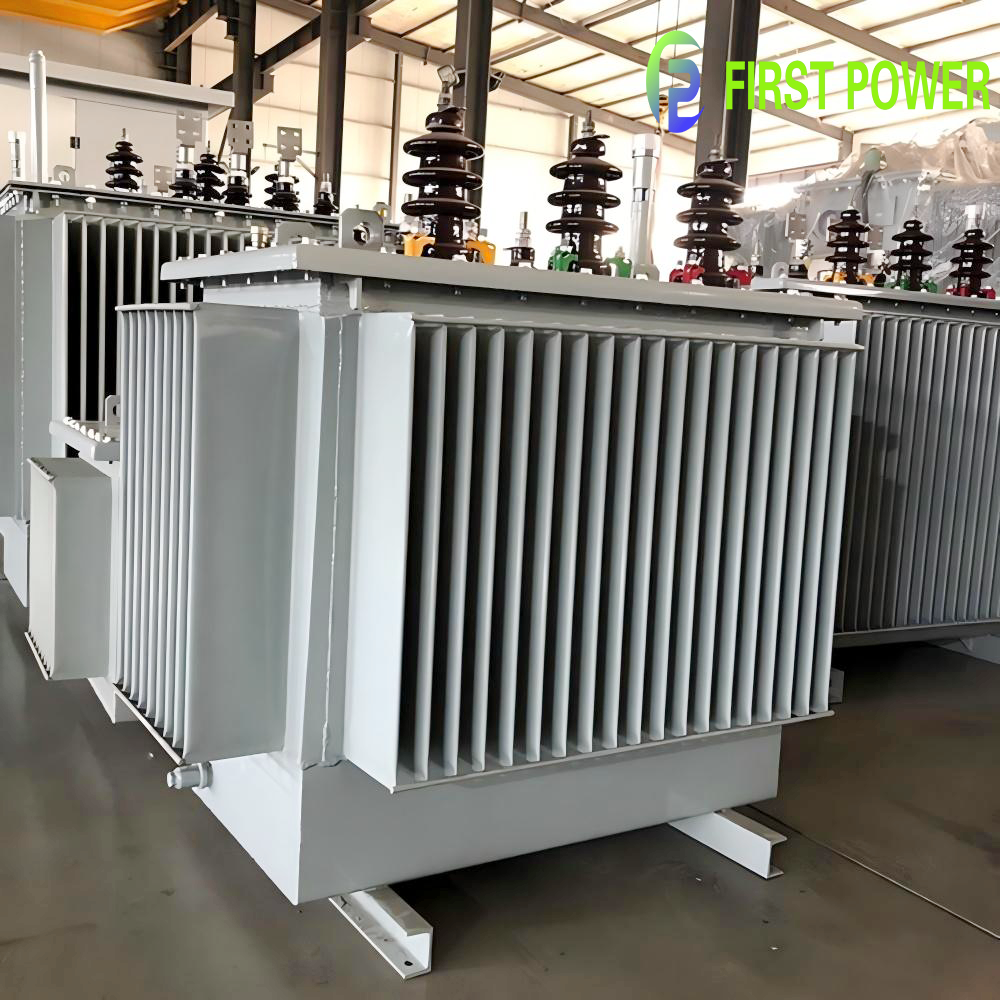
C CE MV&HV S11 50/60HZ 10KV 20KV 35KV Three Phase Oil Immersed 50KVA Transformer for Electric Power Distribution
Dodoma fit: low-loss S11 distribution duty for public infrastructure, commercial buildings and utility reticulation in hot, dusty inland conditions.
View product specification →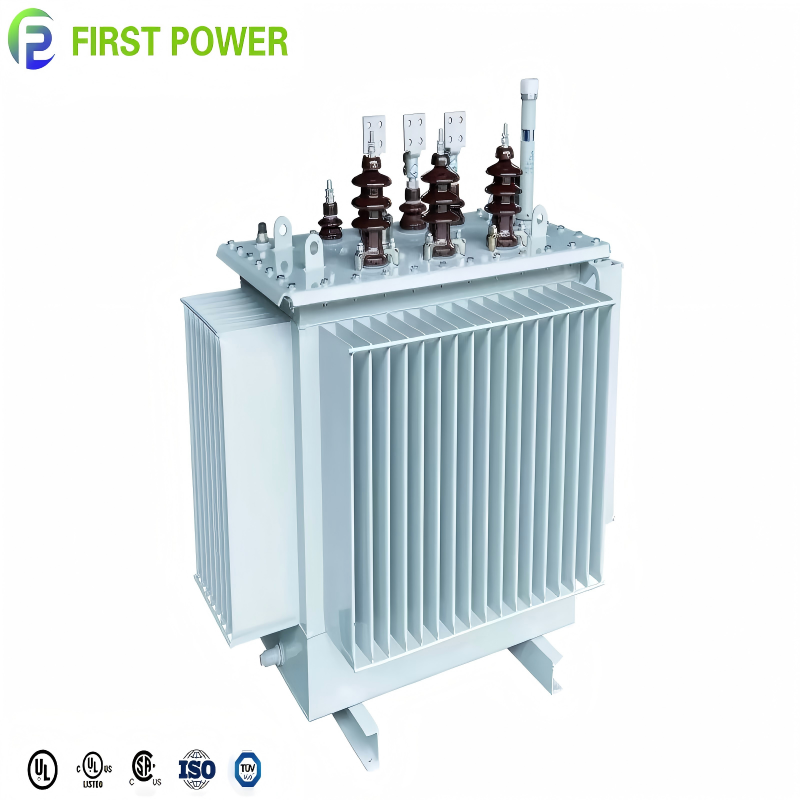
C CE S11 50/60HZ 6KV 10KV 15KV 20KV 35KV 100KVA 300KVA 3 Phase Oil Immersed Transformer 50KVA 33KV for Distribution System
Dodoma fit: flexible distribution transformer for 11 kV and 33 kV network segments, including water pumping, light industry and institutional campuses.
View product specification →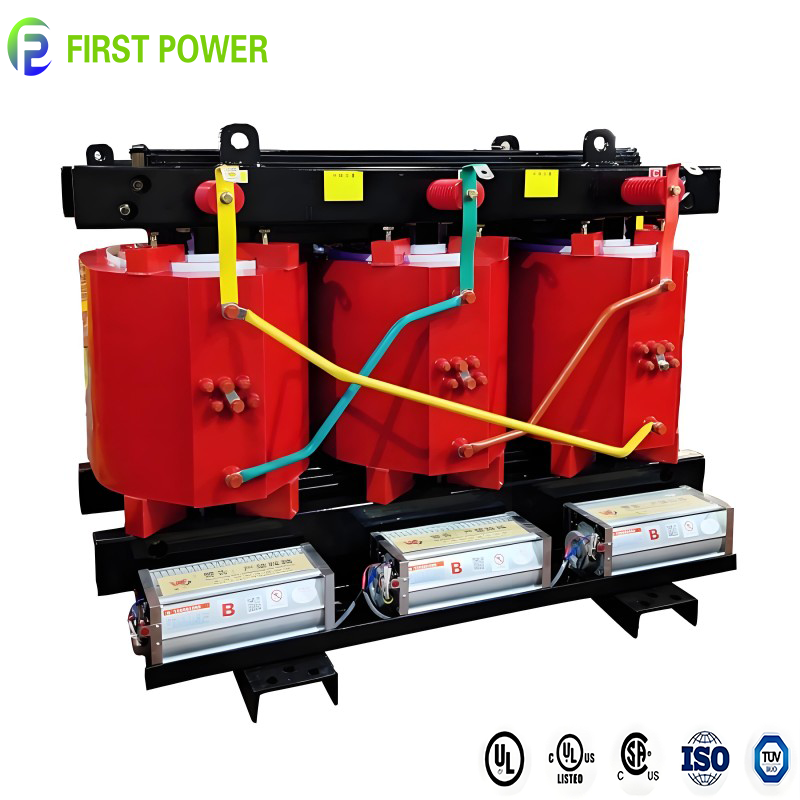
C CE Certification IEEE Standard 50/60HZ 5MVA 6MVA 6KV 35KV 3 Phase Dry Type Transformer for Electric Power Distribution
Dodoma fit: oil-free indoor and semi-indoor applications where fire risk, maintenance access or environmental containment favours dry-type insulation.
View product specification →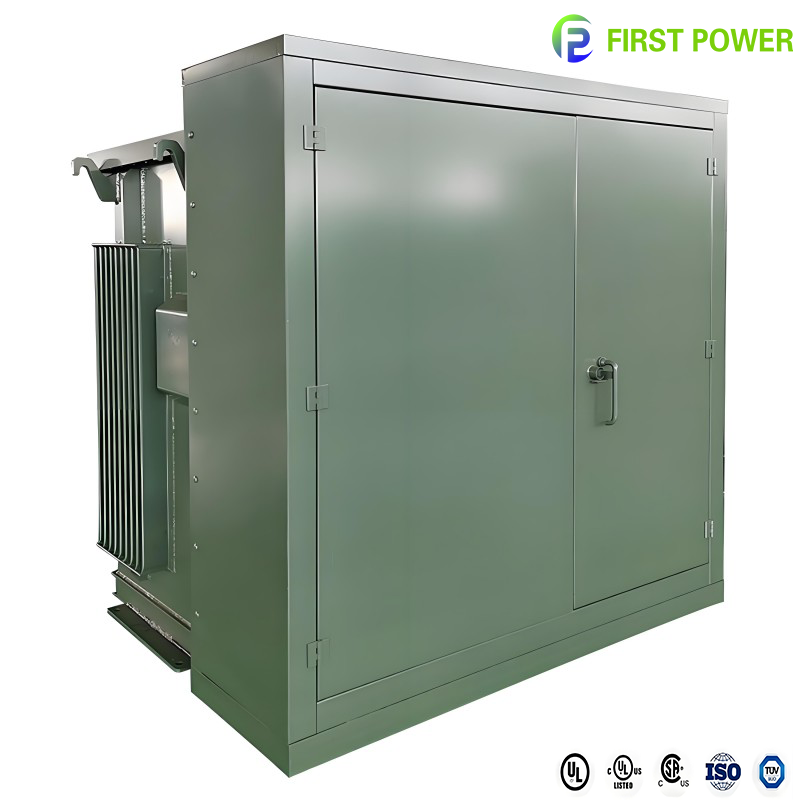
C CE 50/60HZ 10KV 20KV 35KV 75KVA 100KVA 200KVA 300KVA 400KVA 3 Phase Oil Type Pad Mounted Transformer for Power Generation
Dodoma fit: 75–400 kVA outdoor pad-mounted supply for commercial compounds, standby generation and distributed public facilities.
View product specification →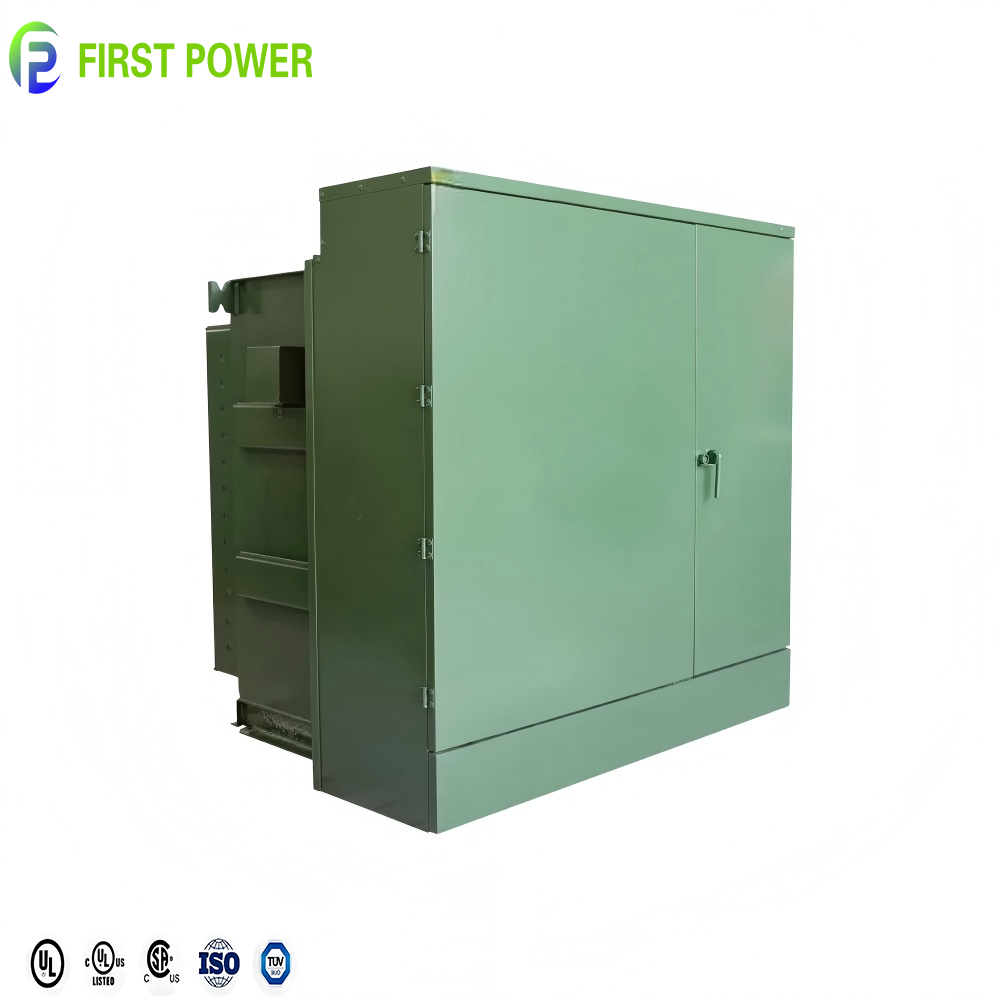
C CE 50/60HZ 10KV 20KV 35KV 300KVA 500KVA 630KVA 750KVA Three Phase Pad Mounted Transformer for Electric Power Distribution
Dodoma fit: larger outdoor distribution nodes where underground cable feed, compact footprint and utility-grade enclosure security are priorities.
View product specification →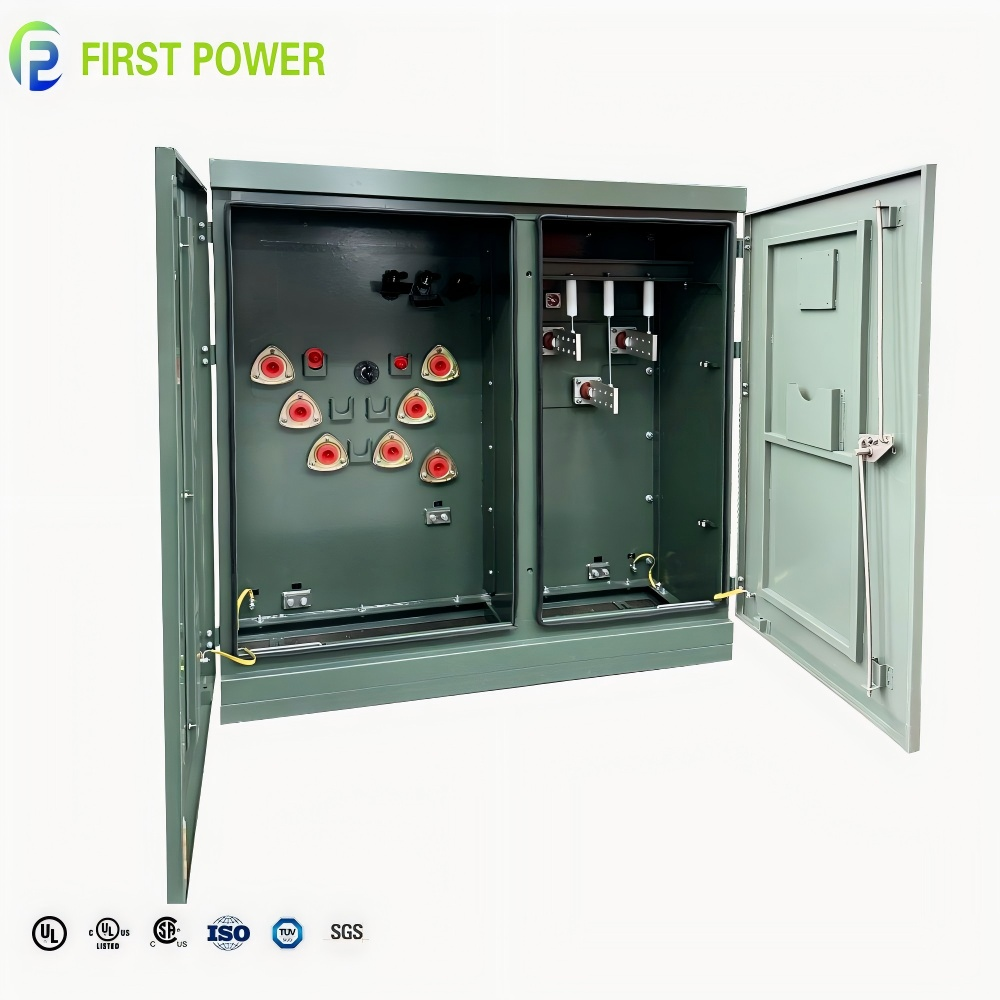
C CE Certification 50/60HZ 10KV 20KV 35KV 3 Phase Loop Feed Pad Mounted 750KVA Transformer for Electric Power Distribution
Dodoma fit: loop-feed outdoor distribution for master-planned commercial zones, campuses and underground reticulation with future switching flexibility.
View product specification →Not sure whether a pad-mounted transformer, compact substation or dry-type unit fits your Dodoma site? Share your single-line diagram and load schedule for an engineering review.
Outdoor Substations for Dodoma: What the Specification Must Prove
The search intent behind “outdoor substation manufacturers and exporters for Dodoma” is not simply a request for a transformer price. Buyers, EPC contractors and utility engineers need evidence that the equipment will perform in a hot, dusty, high-solar-radiation inland climate, interconnect with a 50 Hz network, survive road transport to the capital and satisfy project documentation requirements.
Grid Compatibility
Tanzania uses 50 Hz and 230/400 V low-voltage distribution, while 11 kV and 33 kV are common medium-voltage distribution levels. The final design must follow the actual utility single-line diagram, protection settings and applicable IEC/IEEE standards.
Climate Reality
Dodoma’s inland location brings high solar exposure, dust and significant temperature swings. Outdoor enclosures, bushings, paint systems and ventilation paths should be specified for those conditions rather than a generic temperate-climate datasheet.
Procurement Evidence
A compliant offer should include GA drawings, nameplate data, routine test reports, oil test reports for liquid-filled units, O&M manuals and packing details. Third-party inspection and witness testing can be arranged when the tender requires independent verification.
A transformer that is merely CE marked is not automatically a Dodoma-ready outdoor substation. The real difference lies in design ambient, temperature-rise margin, enclosure IP rating, anti-condensation provision, lightning arrester coordination, earthing interface, cable termination space and lifecycle loss evaluation. For public infrastructure, hospitals, water utilities, industrial parks and renewable interconnection, those details decide whether the substation is easy to commission and whether it remains reliable through years of dust and heat.
The most efficient procurement process therefore starts with a technical checklist rather than a screenshot of a product. Confirm the primary and secondary voltages, transformer rating, vector group, impedance, tap range, cooling method, enclosure type, service conditions, protection philosophy and required documentation. With those inputs, a manufacturer can return a design that is both buildable and auditable — not simply the lowest-priced box that meets a label.
Specification Priorities That Reduce Lifetime Risk
The practical difference between a standard export quotation and a Dodoma-ready outdoor substation package is shown below. This is the engineering conversation we recommend having before purchase order release.
Why the bars matter
In Dodoma, the purchase price is only one part of the decision. Heat, dust and transport create maintenance risk. Losses create recurring cost. Documentation quality affects utility approval and commissioning time. A specification that scores well on all four dimensions is usually more valuable than a small initial saving.
Information gain for tender review
Ask suppliers to state the design ambient, temperature rise, IP rating, altitude assumption, loss values, tap range, vector group, protection interface and test plan in the offer. A supplier that can answer those points clearly is easier to audit and less likely to create site rework.
Where Outdoor Substations and Transformers Are Used in Dodoma
Dodoma’s role as Tanzania’s capital continues to drive public buildings, institutions, commercial property, water infrastructure and industrial development. Each application has a different balance of outdoor footprint, fire safety, reliability and expansion capability.
Capital District Buildings
Government offices, commercial blocks and institutional campuses use outdoor pad-mounted or compact substations where land is available, or dry-type transformers inside technical rooms where fire risk and maintenance access require an oil-free solution.
Water Pumping and Utilities
Water treatment, boreholes and pumping stations need stable voltage and protection against dust and thermal stress. Oil-immersed distribution transformers in the 50–500 kVA class are common, with earthing and lightning protection coordinated with the pump controls.
Solar and Distributed Generation
Solar farms, hybrid plants and captive generation projects require step-up transformers and outdoor interconnection equipment. Specify reverse-power capability, harmonic tolerance, protection coordination and a clear interface between the inverter control system and the substation.
Hospitals and Universities
Healthcare and education facilities usually prioritise reliability and fire safety. Dry-type transformers are often preferred indoors, while outdoor pad-mounted units serve campus distribution. Redundancy, generator interface and maintenance access should be defined early.
Industrial Parks and Agro-Processing
Warehouses, food processing, workshops and light manufacturing need expandable outdoor substations. Consider future load growth, motor starting, power factor correction and protection discrimination before choosing the transformer impedance and switchgear rating.
Underground Reticulation
Loop-feed pad-mounted transformers support underground distribution in commercial zones and planned developments. Tamper-resistant enclosures, dead-front compartments, cable terminations and clear labeling help utility crews operate the network safely.
Dodoma’s Local Development Trends and Procurement Direction
Outdoor substation demand in Dodoma is being shaped by capital-city growth, grid reinforcement, renewable integration and a stronger focus on lifecycle cost. Buyers are moving away from generic catalogue products toward documented, project-specific equipment.
Public Infrastructure Expansion
New and upgraded government buildings, institutions, roads, water systems and civic facilities create repeat demand for packaged outdoor substations that can be commissioned quickly and documented for public procurement.
Grid Reinforcement and Loss Reduction
Utilities and large consumers are paying more attention to no-load and load losses, voltage regulation and transformer efficiency. Lifecycle cost evaluation is becoming part of the commercial decision, not only the technical review.
Renewable and Distributed Generation
Solar, hybrid and captive generation projects need transformers that can handle reverse power, harmonics and coordinated protection. Outdoor substations are increasingly specified as an integrated package rather than loose equipment.
Prefabricated and Compact Solutions
Compact substations reduce site civil works, crane time and commissioning days. For fast-track buildings, campuses and industrial plots, factory-assembled MV switchgear, transformer and LV distribution are attractive.
Underground and Aesthetic Distribution
Planned urban areas often prefer underground cabling and pad-mounted equipment to reduce visual clutter and improve public safety. Loop-feed configurations support future expansion without repeated civil works.
Stronger Procurement Evidence
Tender teams now ask for certificate numbers, routine test records, nameplate drafts, loss data and third-party inspection. Suppliers that provide these documents early shorten the approval cycle and reduce post-award clarification.
Why Wisegj Is a Practical Outdoor Substation Partner for Dodoma
Jiangsu Wisegj Power Co., Ltd. is a specialist transformer and substation supplier based in Suzhou, China, exporting pad-mounted, oil-immersed, dry-type and power transformers plus compact substations and switchgear. The focus is not only product supply, but engineering review, documentation and export execution.
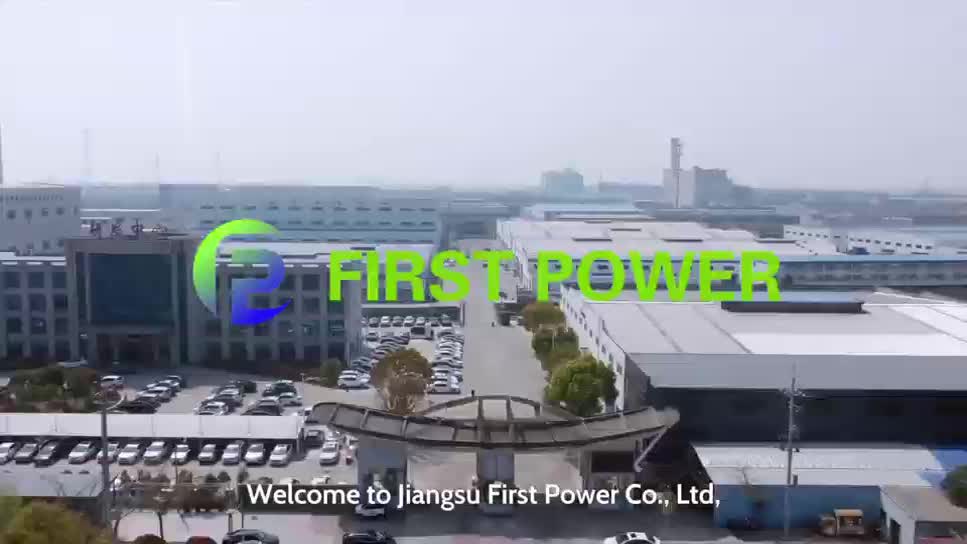

Engineering depth: the team brings more than 20 years of hands-on transformer experience, with 50+ R&D and technical engineers supporting specification review, drawings, loss evaluation, testing and after-sales response. Maximum voltage class supplied reaches 500 kV, while the Dodoma product scope typically centres on 11–33 kV distribution and substation equipment.
Verified production: 6,847 m² of production floorspace, 211 qualified supply-chain partners and an average buyer rating of 4.9/5. Production is managed under ISO 9001, ISO 14001 and ISO 45001 systems, with certificate numbers that can be checked by a procurement or compliance team.
Customisation: OEM, ODM, design-based and sample-based customisation covers ratings, vector group, impedance, tap range, bushing configuration, cooling method, insulating fluid, enclosure colour, protection interface and nameplate language. That matters for Dodoma projects where the utility single-line diagram rarely matches a stock catalogue item.
- Routine tests documented by serial number
- CE product lines and ISO management systems
- Third-party witness inspection welcome
- GA drawings and nameplate drafts before build
- Export packing and Incoterms support
- 24-hour engineer response target

Production capability, floorspace and quality inspection have been verified onsite by TÜV Rheinland, an independent third-party inspection body.
Certificate examples: ISO 9001 No. 62824Q6052R0S; ISO 14001 No. 62824E6053R0S; ISO 45001 No. 62824S6054R0S. CE certificate examples include oil-immersed power transformer No. 3N230310.JYTU038, dry-type transformer No. FQC2530404 and compact substation No. M.2025.206.C121884. Always confirm the exact certificate scope against your product rating and destination requirement.
For Dodoma buyers, that combination of product breadth, custom engineering and export documentation reduces the gap between tender specification, factory build and site commissioning.
Local Procurement Questions from Dodoma Buyers
These are the practical questions asked by procurement teams, EPC contractors and facility owners when comparing outdoor substation manufacturers and exporters for Dodoma projects.
Can your outdoor substations be configured for Tanzania’s 50 Hz and 11/33 kV networks?
Yes. Equipment can be designed for 50 Hz operation and common 11 kV or 33 kV distribution levels, with 230/400 V low-voltage outputs where required. The final design must be based on your actual single-line diagram, transformer rating, protection settings and the applicable TANESCO or project utility requirements.
What changes for Dodoma’s heat, dust and altitude?
We review design ambient, temperature rise, cooling method, enclosure IP rating, filtered ventilation, anti-condensation provision, UV-stable finish and altitude correction. Dodoma is around 1,100 m above sea level, so air clearance and dry-type temperature-rise assumptions should be checked rather than copied from a sea-level catalogue.
Which documents are supplied for procurement and utility review?
A typical package includes GA drawings, nameplate draft, routine test report, winding resistance, ratio and vector group, impedance and loss data, applied and induced voltage test records, oil dielectric report for liquid-filled units, O&M manual, packing list and inspection records. TBS or utility-specific documents can be prepared when listed in the tender.
How are goods shipped and packed for delivery to Dodoma?
Export terms can be quoted as FOB, CFR, CIF, EXW, FCA, CIP, CPT or DDP depending on the buyer’s preference. Equipment is packed for sea transport and onward road haulage from Dar es Salaam to Dodoma, with moisture protection, lifting marks and shock indicators where appropriate.
Can you customise the transformer and substation protection interface?
Yes. OEM and ODM customisation covers rating, vector group, impedance, tap range, bushings, cooling, insulating fluid, enclosure colour, cable termination, earthing arrangement, metering and protection interface. Send the SLD, load schedule and protection philosophy so the design review can be completed before quotation.
What payment terms, lead time and warranty should we expect?
Payment options include T/T, L/C, D/P and D/A in USD, EUR, GBP, CAD, AUD and other major currencies. Lead time is confirmed after drawing approval and material allocation; projects with third-party witness testing require additional review time. Warranty terms are contract-specific and should be confirmed in the final quotation alongside the test and documentation scope.
What to Send for a Dodoma-Ready Outdoor Substation Quotation
Sharing the right technical inputs removes clarification rounds and helps the engineering team issue a compliant design, guaranteed losses and a realistic delivery plan.
Minimum technical data checklist
- Rated power in kVA or MVA
- Primary and secondary voltage
- Frequency: 50 Hz or 60 Hz
- Vector group and impedance
- Tap changer type and range
- Cooling method and insulating fluid
- Applicable standard: IEC or IEEE
- Site altitude and ambient temperature
- Loss limits or efficiency target
- Enclosure IP rating and installation mode
Useful attachments for engineering review
Single-line diagram, load schedule, protection philosophy, site layout, utility specification, nameplate language, required test plan, third-party inspection requirements, delivery port and preferred Incoterm.
Send these details to [email protected] or use the contact button below. A transformer engineer, rather than an automated sales script, will review the specification and respond within one working day.
Request a Dodoma-Ready Outdoor Substation Review
Share your transformer rating, voltage class, site conditions and required documentation. We will help compare pad-mounted, oil-immersed, dry-type and compact substation options, then return a specification that is practical to build, test, export and commission.