Certified Distribution & Power Transformer Portfolio
Engineered to ANSI/IEEE C57 and IEC 60076 standards. Designed for high thermal resilience, hermetic reliability, and seamless integration into Botswana’s grid expansion projects.
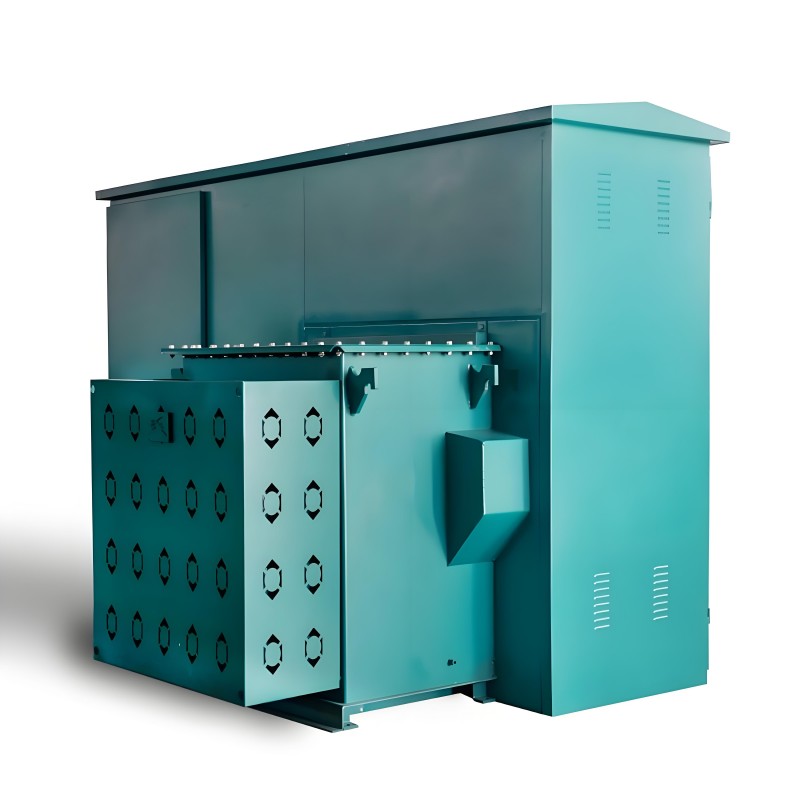
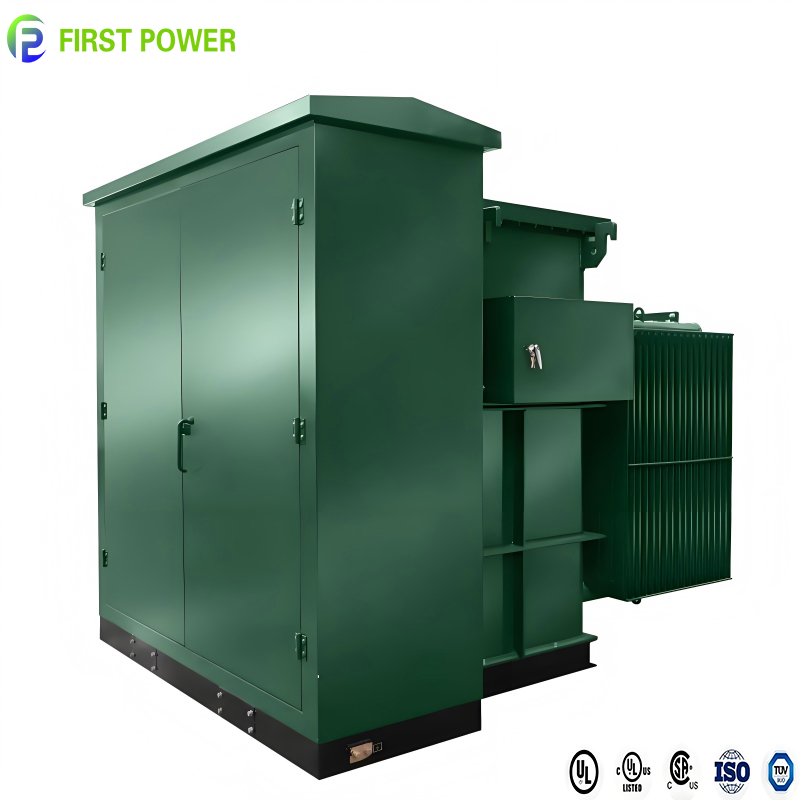
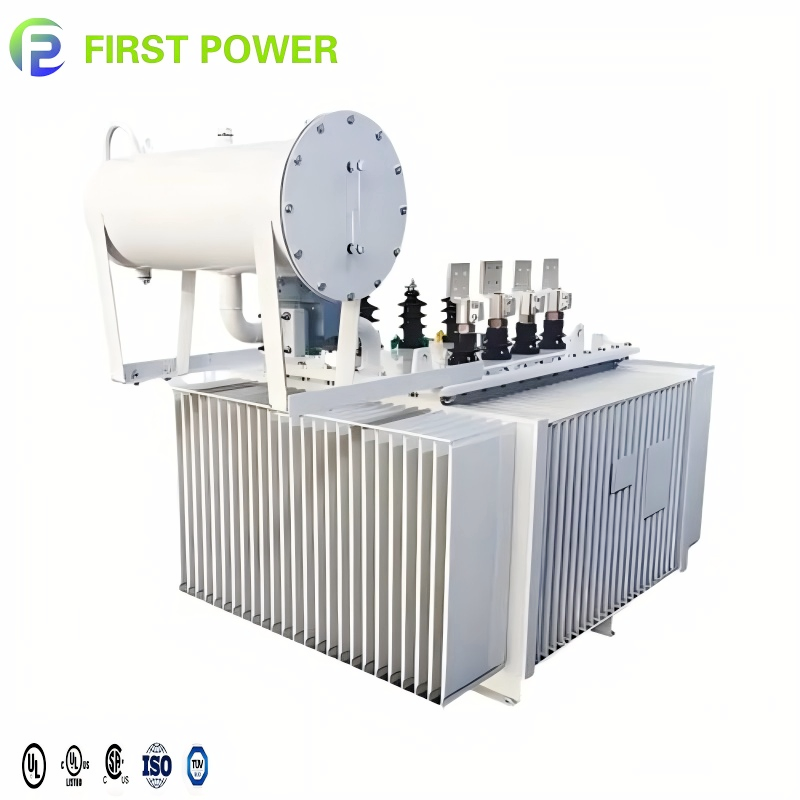
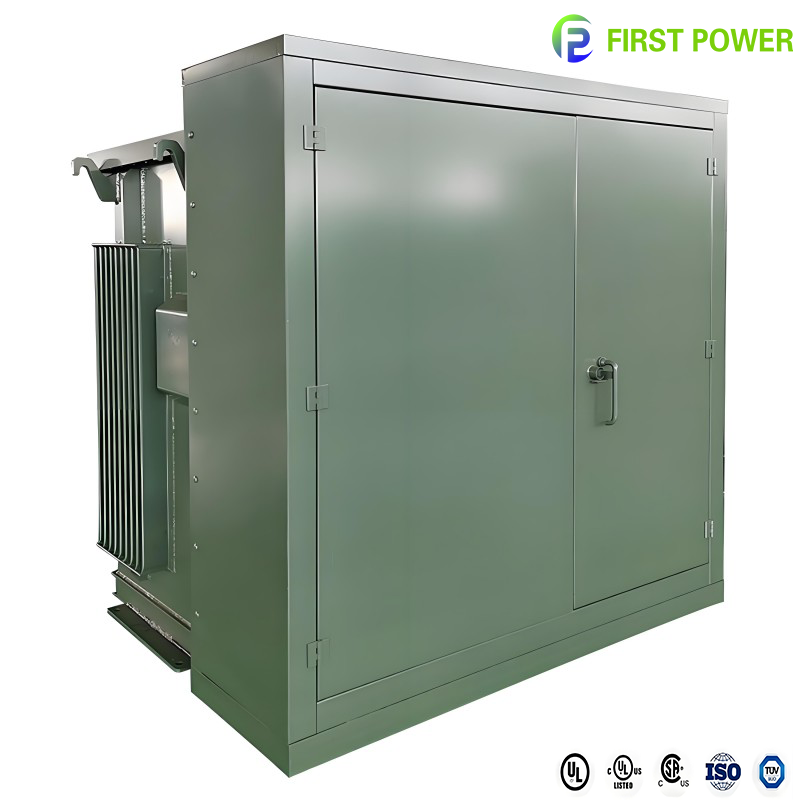
Technical Whitepaper: Liquid-Immersed Transformer Deployment in the Maun & Okavango Ecosystem
Maun, globally recognized as the gateway to the Okavango Delta in Botswana, presents an intricate operational environment for electrical distribution infrastructure. Situated on the edge of the Kalahari Desert, the region experiences severe environmental stressors including ambient summer temperatures regularly exceeding 40°C, high dust concentration from fine Kalahari sand, and localized micro-climatic humidity variations near seasonal floodplains. For electrical engineers, procurement directors, and utility planners working on regional distribution networks, selecting an optimal oil filled transformer requires rigorous evaluation of thermal dissipation, dielectric stability, hermetic sealing, and loss minimization.
As a premier global manufacturer and direct factory exporter, Jiangsu Wisegj Power Co., Ltd. provides utility-grade liquid-immersed transformers specially re-engineered to overcome Sub-Saharan environmental degradation. Standard off-the-shelf distribution units frequently suffer from thermal runaway, accelerated paper insulation aging, and oil oxidation under Maun's persistent high solar radiation and extreme heat cycles. Our specialized export series incorporates high-permeability cold-rolled grain-oriented (CRGO) silicon steel cores, thermite-resistant sealed compartments, and advanced synthetic ester or highly refined naphthenic mineral dielectric fluids to maintain continuous rated kVA capacity without premature derating.
Localized Application Scenarios across Maun & the North-West District
The ongoing economic expansion in Botswana’s North-West District demands versatile, ultra-reliable power transformation across diverse commercial, municipal, and industrial segments. Our oil-immersed and pad-mounted transformer lines are customized for four primary operational ecosystems in the region:
1. Off-Grid Eco-Resorts & Safari Lodges
Luxury lodges operating in the Okavango Delta rely on hybrid solar-diesel microgrids. Our low-loss three-phase and single-phase transformers deliver silent, vibration-dampened step-down power (from 11kV/33kV distribution down to 400V/230V service). Available with biodegradable FR3 natural ester fluid, these units eliminate environmental contamination risks in ecologically sensitive wetland preserves.
2. Botswana Power Corporation (BPC) Grid Extension
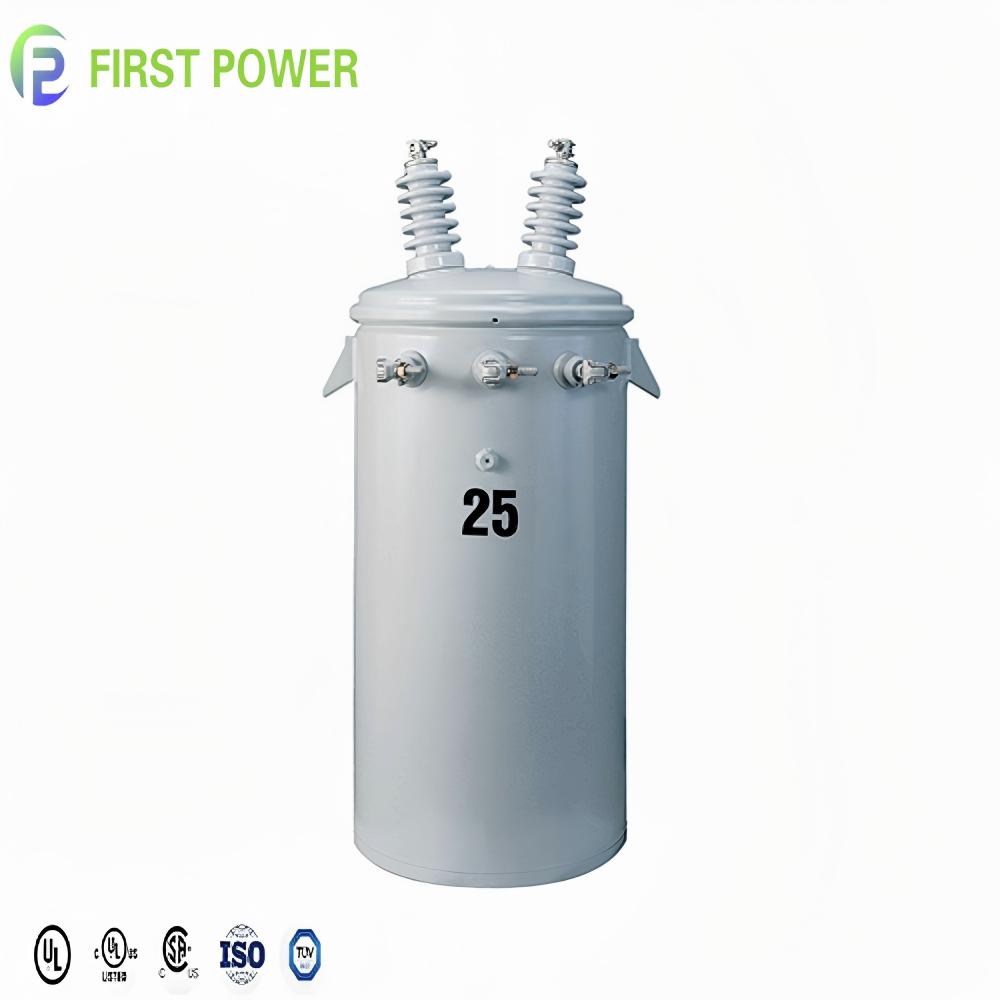
Rural electrification mandates across Ngamiland require strict compliance with BPC network codes. We supply pole-mounted and ground-pad units with customized vector groups (Dyn11/Yyn0), primary BIL levels up to 200kV, and dual-voltage primary taps to support long-distance rural feeder lines subject to heavy line voltage drops.
3. Maun International Airport & Commercial Hubs
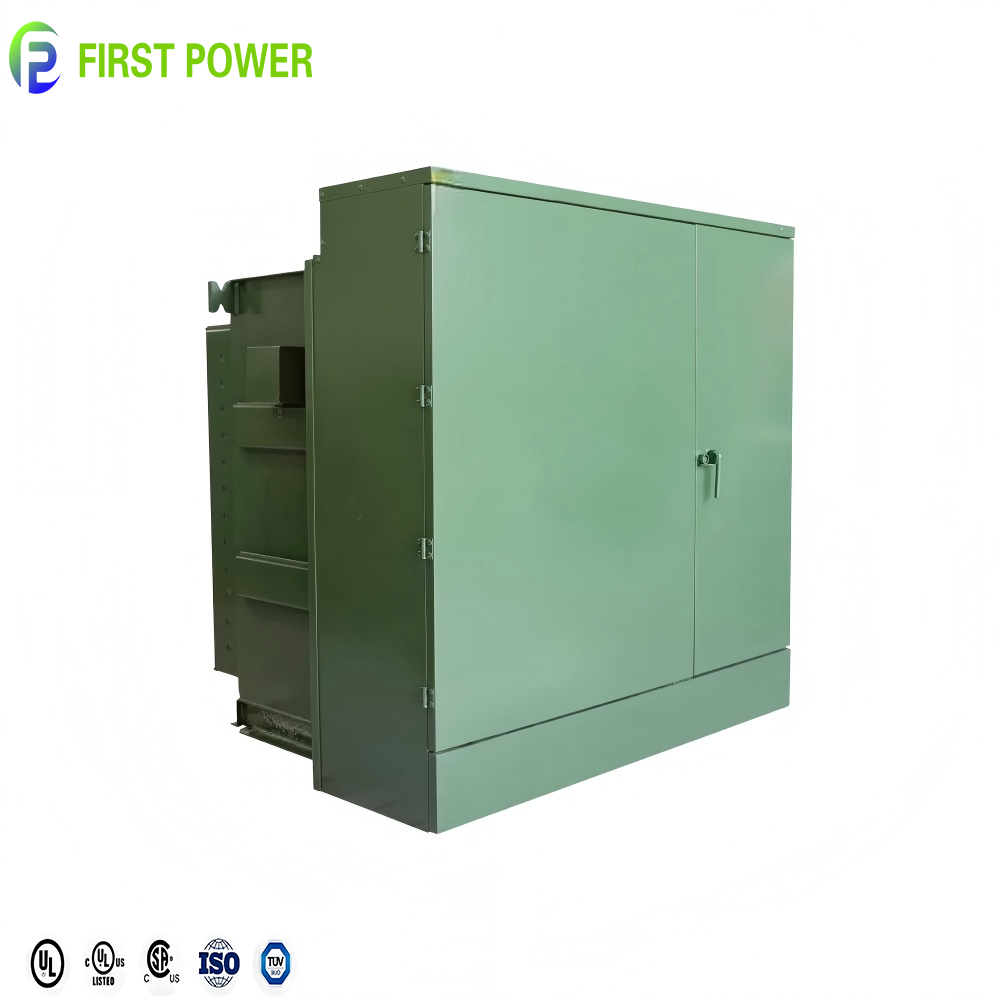
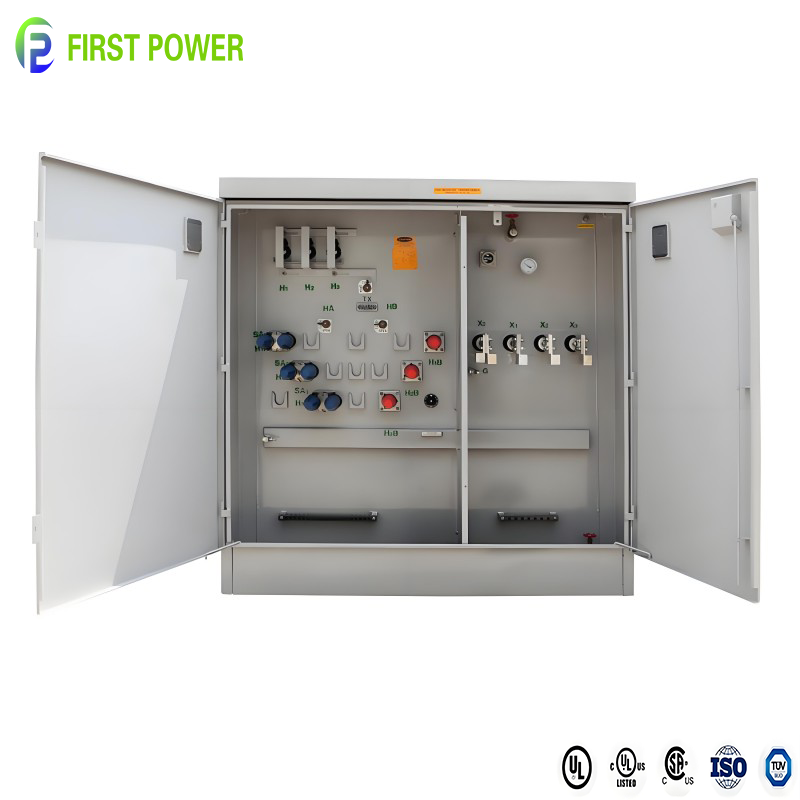
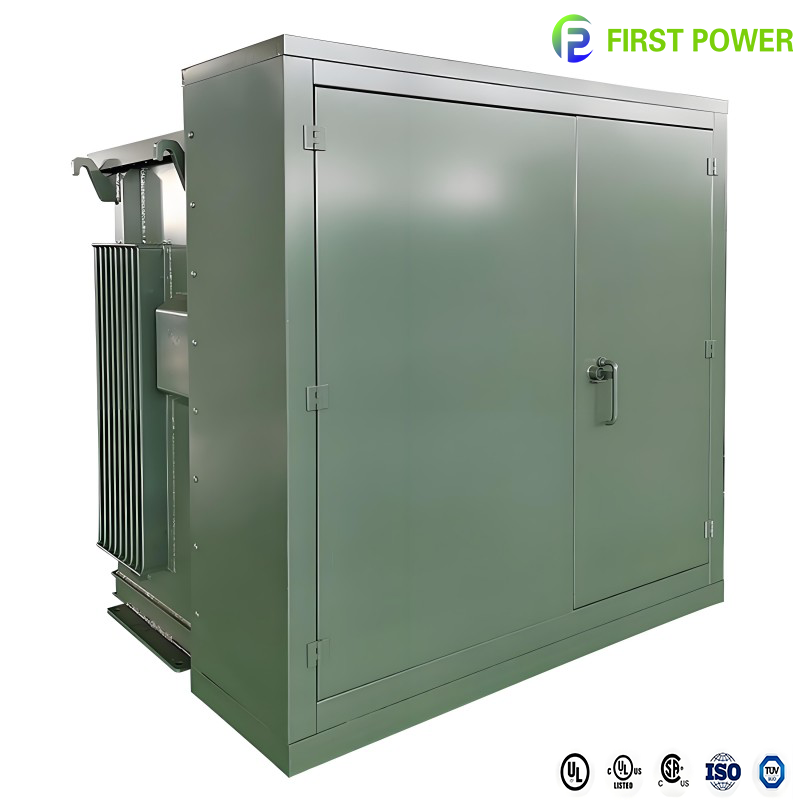
High-density commercial hubs, logistics centers, and airport infrastructure require continuous, uninterrupted power. Our loop-feed three-phase pad mounted transformers feature dead-front safety construction, integrated vacuum load-break switches, and bayonet surge protection to safeguard sensitive aviation radar, HVAC, and digital facility controls.
4. Mining Operations & Heavy Industrial Feeders
For regional quarrying, water pumping stations along the Thamalakane River, and industrial workshops, our heavy-duty oil-filled transformers with On-Load Tap Changers (OLTC) maintain stable busbar voltages despite volatile heavy motor loads and variable primary grid feeder inputs.
Engineering Solutions for Thermal Stress & Environmental Protection
Designing liquid-immersed transformers for Maun requires an advanced understanding of thermodynamic laws and material science. Below is a detailed breakdown of how Jiangsu Wisegj Power engineers equipment specifically for high thermal stress and harsh outdoor environments:
1. Thermal Derating & Elevated Temperature Rise Calculation
Standard IEC 60076 standards specify a top oil temperature rise limit of 60K and average winding rise of 65K based on a maximum ambient of 40°C and a daily average of 30°C. In Maun, where ambient ground temperatures regularly hover at 42°C-45°C during summer, standard units suffer severe thermal overload.
To prevent thermal aging of Class A cellulose paper insulation (Montsinger’s 8-degree rule states that thermal insulation life degrades by 50% for every 6°C rise over rated limits), our engineering team utilizes:
- Elevated Thermal Class Materials: Thermally upgraded kraft paper (TUK) and Nomex hybrid insulation rated for 120°C hottest-spot temperature.
- Expanded Radiator Surface Area: Corrugated tanks and external cooling fins designed with 25% larger surface area to accelerate natural thermosiphon oil circulation (ONAN cooling mode).
- Low-Loss Core Steel Selection: High-permeability domain-refined 23ZH085 or 20ZH075 CRGO steel sheets, reducing no-load core hysteresis loss and lowering base internal heating.
2. Hermetically Sealed Tanks vs. Conservator Systems
Dust accumulation in Maun is a critical failure factor. Traditional conservator tanks rely on silica gel breathers that saturate rapidly in high-humidity periods and allow desert dust ingress, contaminating the oil and dropping dielectric breakdown voltage (BDV).
We manufacture fully hermetically sealed corrugated tank distribution transformers. The expansion and contraction of insulating oil during temperature cycles are absorbed by the elastic flexing of the corrugated tank walls. This totally isolates the dielectric oil from atmospheric oxygen and moisture, extending oil lifespan beyond 30 years with zero maintenance.
3. Dielectric Fluid Selection: Mineral Oil vs. Natural Ester (FR3)
For project engineers evaluating environmental safety in Botswana, fluid choice is paramount:
| Performance Parameter | High-Grade Naphthenic Mineral Oil | FR3 Natural Synthetic Ester |
|---|---|---|
| Fire Point / Flash Point | 145°C / 170°C (Standard) | >300°C / >360°C (K-Class High Safety) |
| Environmental Impact | Non-biodegradable; containment required | 100% Non-toxic; Biodegradable in <28 days |
| Moisture Tolerance | Low (<30 ppm saturation limit) | High (>2,700 ppm saturation limit) |
| Insulation Life Extension | Baseline benchmark | Extends paper insulation life by up to 5x |
| Primary Application in Maun | Utility grids & industrial distribution | Eco-lodges, Okavango Delta, high-fire risk sites |
Localized Energy Development Trends in Botswana & the Maun Market
Botswana's National Energy Policy is undergoing a pivotal transformation. The government’s drive toward decentralized solar PV microgrids, coupled with BPC’s grid modernization initiatives, is reshaping procurement mandates across the country. Key trends influencing transformer selection in the Maun market include:
Integration of Distributed Renewable Energy (DER)
With high solar irradiance across Ngamiland, solar-diesel hybrid systems are multiplying. Solar step-up transformers face unique harmonics, DC offsets, and rapid loading transitions caused by passing cloud cover. Our transformer cores are engineered with low magnetic flux density design (<1.55T) to avoid core saturation under harmonic distortion.
Strict Energy Loss Mandates & Eco-Design Standards
BPC and regional IPPs are aligning with global low-loss mandates (similar to EU Tier 2 / IEEE C57.12.00 standards). Reducing no-load (excitation) losses and load (copper) losses directly reduces operational expenditure over a 30-year lifecycle, significantly lowering lifetime levelized cost of energy (LCOE).
Factory Strength & Exporter Credentials: Jiangsu Wisegj Power Co., Ltd.
When importing electrical infrastructure into Botswana, working with a verified, highly technical manufacturer ensures seamless site installation and long-term grid compliance. Jiangsu Wisegj Power Co., Ltd. stands at the forefront of international power transformer manufacturing.
Full Quality System Certifications
Our manufacturing ecosystem operates strictly under ISO 9001:2015 Quality Management, ISO 14001:2015 Environmental Management, and ISO 45001:2018 Occupational Health & Safety System Certifications. All product series carry verified CE Certificates for international export.
TÜV Rheinland Verified Onsite Facility
Our factory floorspace spanning over 6,800 m², advanced high-voltage testing bay, automated winding machines, and vacuum drying chambers have been independently inspected and verified onsite by TÜV Rheinland, providing global buyers with complete transparency and trust.
R&D Engineering Power
Backed by over 50 specialized electrical engineers and 20+ years of team expertise, we offer complete OEM, ODM, and custom engineering according to client single-line diagrams (SLD) and tender technical datasheets.
Comprehensive Testing & Fast Export Logistics
100% of manufactured units undergo strict routine factory testing prior to shipment—including winding resistance, voltage ratio, vector group, impedance, load loss, no-load loss, and high-voltage dielectric withstand tests. We deliver seaworthy export packaging and handle sea-freight logistics via Durban/Walvis Bay ports directly to Maun.
Technical Specifications Matrix for Export Transformers
Below is a standard specification blueprint utilized by municipal buyers, contractors, and project developers importing transformers into Botswana:
| Feature / Parameter | Three Phase Pad-Mounted Transformer | Oil Immersed Distribution Transformer | Substation Power Transformer |
|---|---|---|---|
| KVA Capacity Range | 45 kVA – 5,000 kVA | 30 kVA – 2,500 kVA | 2.5 MVA – 100 MVA |
| Primary Voltage Rating | 6kV, 10kV, 11kV, 20kV, 33kV, 34.5kV | 6kV, 10kV, 11kV, 22kV, 33kV | 33kV, 66kV, 110kV, 132kV, up to 500kV |
| Secondary Voltage | 208Y/120V, 480Y/277V, 400V, 415V | 400V / 230V, 415V | 6.6kV, 11kV, 33kV Custom |
| Frequency | 50 Hz / 60 Hz | 50 Hz / 60 Hz | 50 Hz / 60 Hz |
| Vector Group | Dyn11, Yyn0, Dyn1, Custom | Dyn11, Yyn0 | YNd11, YNyn0, Custom |
| Cooling Method | ONAN / ONAF | ONAN (Hermetic Corrugated) | ONAN / ONAF / OFAF |
| Insulation / Fluid Type | Mineral Oil / FR3 Natural Ester | Mineral Oil / Synthetic Ester | Inhibited Mineral Oil |
| Enclosure Protection | IP54 / IP65 Tamper-Resistant (NEMA 3R/4) | Outdoor Pole / Ground Base IP55 | Heavy-Duty Substation Construction |
| Compliance Standards | IEEE C57.12.34, ANSI, CE | IEC 60076, BS 148, CE | IEC 60076, IEEE C57.12.00 |
Frequently Asked Questions for Maun & Botswana Buyers
Addressing critical engineering, procurement, and logistical inquiries raised by contractors and utility planners in the North-West District:
Partner with a Leading Transformer Factory & Exporter
Require a formal tender quote, technical datasheet, single-line diagram (SLD) review, or custom high-ambient transformer engineering for your Maun project? Contact our senior engineering team today.