High-Performance Oil Immersed & Pad Mounted Transformers
Fully compliant with IEC 60076 & IEEE C57 standards, designed for resilient operation in Cotonou's commercial, industrial, and utility infrastructure networks.
Optimizing Oil Immersed Transformer Reliability for Cotonou’s Power Grid
A Comprehensive Engineering & Procurement Guide for Industrial Developers, Utilities, and EPC Contractors in Benin
The municipality of Cotonou, serving as Benin's economic capital and primary maritime gateway, presents a demanding operational environment for high-voltage power distribution equipment. As the node of the Société Béninoise d'Énergie Électrique (SBEE) grid network and the focal point of the West African Power Pool (WAPP) interconnections, power infrastructure in Cotonou must withstand severe environmental and electrical stresses. For electrical engineers, plant directors, and procurement managers, sourcing heavy-duty, oil filled electrical transformers from established manufacturers like Jiangsu Wisegj Power Co., Ltd. represents a foundational investment in operational continuity and asset protection.
1. Environmental Challenges & Thermal Management in West Africa
Cotonou features a tropical savanna climate with perpetual ambient temperatures ranging between 26°C and 38°C, paired with extreme relative humidity often exceeding 85%. Furthermore, the proximity to the Gulf of Guinea subjects outdoor installations—such as those near the Autonomous Port of Cotonou (PAC) or the Akpakpa industrial zone—to dense marine salt spray containing high concentrations of sodium chloride (NaCl) and corrosive moisture.
Standard off-the-shelf transformers frequently suffer from premature dielectric breakdown, oil oxidation, tank rust, and bushing flashovers when exposed to these conditions without localized engineering modifications. To overcome these climate-induced vulnerabilities, specialized manufacturing standards must be applied:
C5-M Marine Coating
Tanks undergo multi-stage shot blasting (SA 2.5) followed by electrostatic application of zinc-rich epoxy primers and polyurethane topcoats, delivering >1500 hours of salt-spray resistance under ISO 12944 C5-M standards.
Enhanced ONAN Thermal Sizing
Designed for low temperature rise (50°C top oil, 55°C winding) under ambient conditions reaching 45°C. Radiator panel surface area is enlarged by 18-25% over standard European designs to accelerate natural convection cooling.
Hermetic Sealing Technology
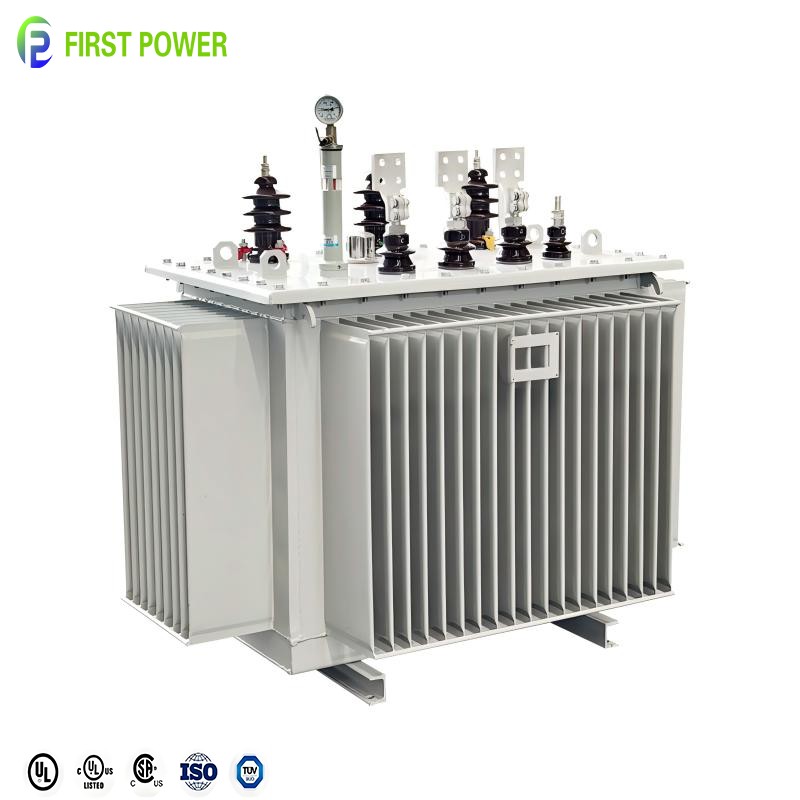
Utilizing high-elastic corrugated steel fin tanks fully oil-filled under deep vacuum (<50 Pa). Eliminates conservator tanks, preventing moisture ingress, sludge formation, and oil degradation across decades of continuous service.
Localized Application Scenarios Across Cotonou
Custom-engineered oil-filled power distribution equipment fulfilling exact technical requisites of Beninese infrastructure sectors.
1. Autonomous Port of Cotonou (PAC) & Logistics Corridors
Operating Environment: Severe salt spray, continuous heavy crane load switching, high ambient temperature, and harmonic distortion from variable frequency drives (VFDs) on container handling equipment.
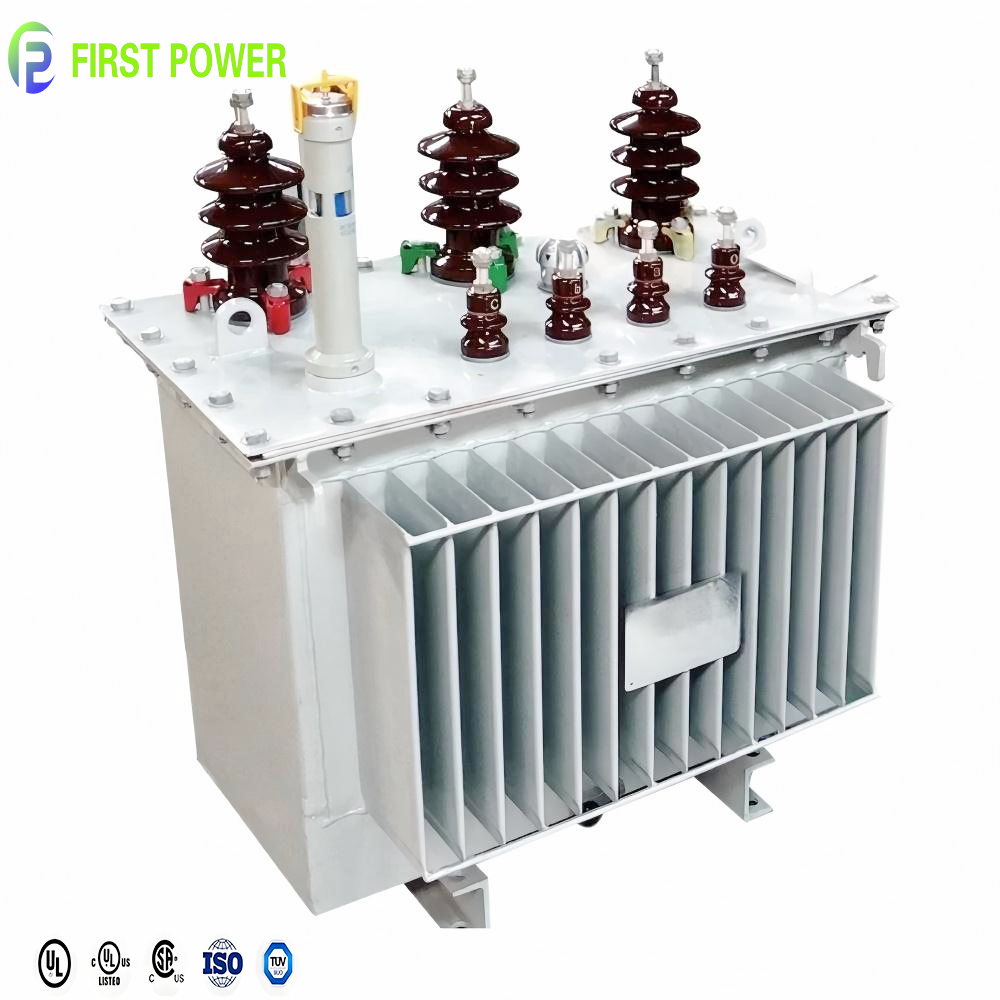
Technical Solution: Wisegj 15kV / 33kV to 400V 3-phase oil-immersed distribution transformers featuring Dyn11 vector configuration and reinforced copper windings. Units feature anti-vibration rubber damper mountings, high creepage distance porcelain or composite bushings (31mm/kV), and automated pressure relief valves with alarm contacts integrated directly into local SCADA networks.
2. Akpakpa & Sèmè-Kpodji Industrial Hubs
Operating Environment: Cement milling, textile manufacturing, agro-processing factories, and plastic injection molding facilities experiencing severe voltage sag and frequent grid tripping.
Technical Solution: Heavy-duty oil-filled power transformers (1000kVA to 5000kVA ratings) equipped with Off-Circuit Tap Changers (OCTC) or On-Load Tap Changers (OLTC) providing ±5% or ±2x2.5% regulation range. Constructed with cold-rolled grain-oriented (CRGO) silicon steel cores operating at low flux density (1.65T to 1.7T) to minimize no-load losses and acoustic noise emissions while preventing thermal runaway during temporary grid overvoltages.
3. SBEE Suburban Grid Electrification (Calavi & Cadjehoun)
Operating Environment: Urban residential expansion, commercial shopping centers, and public utility nodes requiring compact, vandal-proof, tamper-resistant equipment in high-density areas.
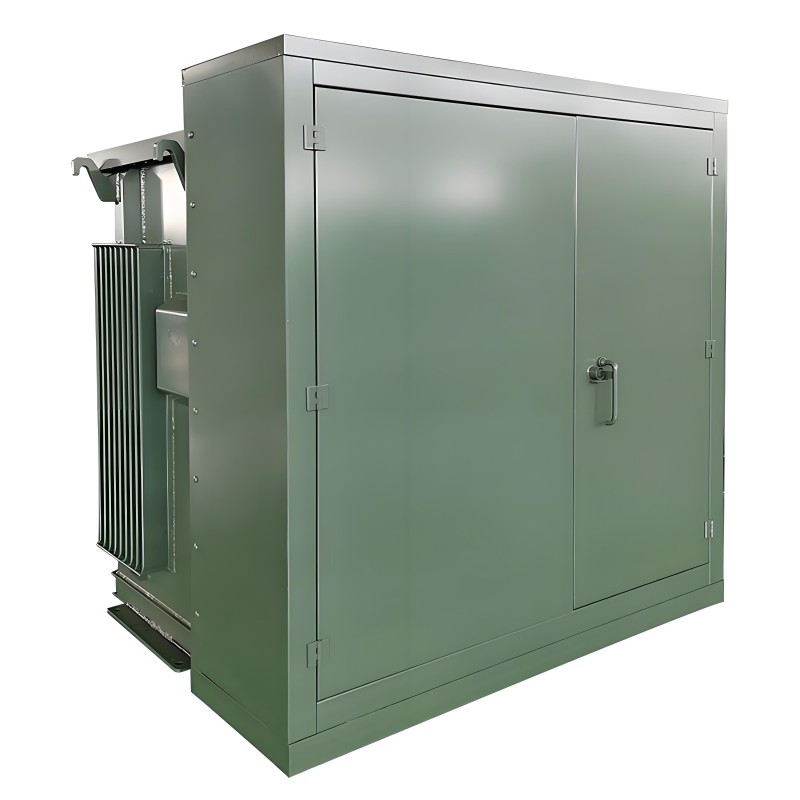
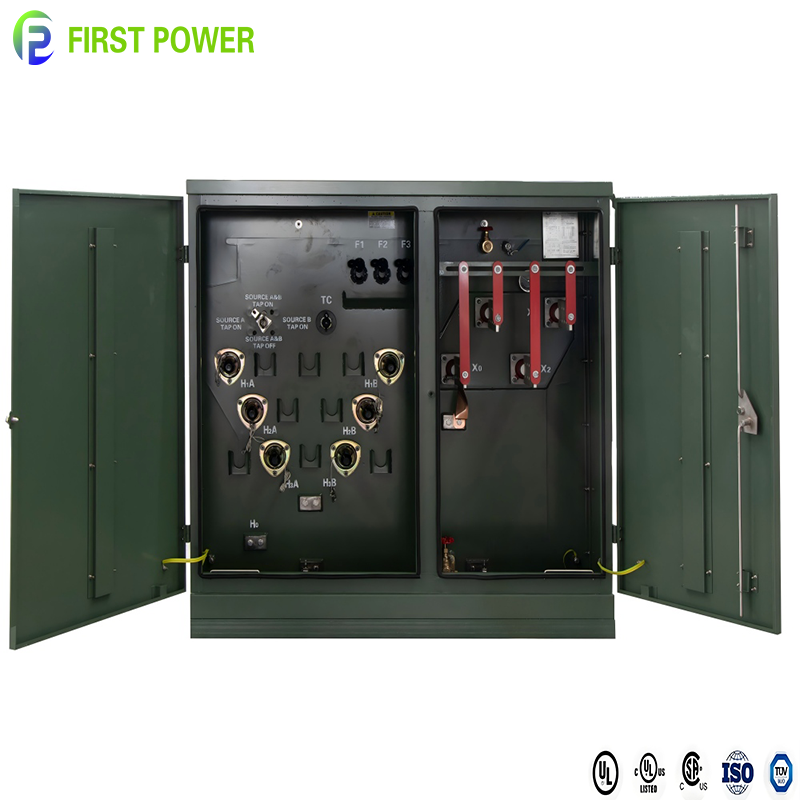
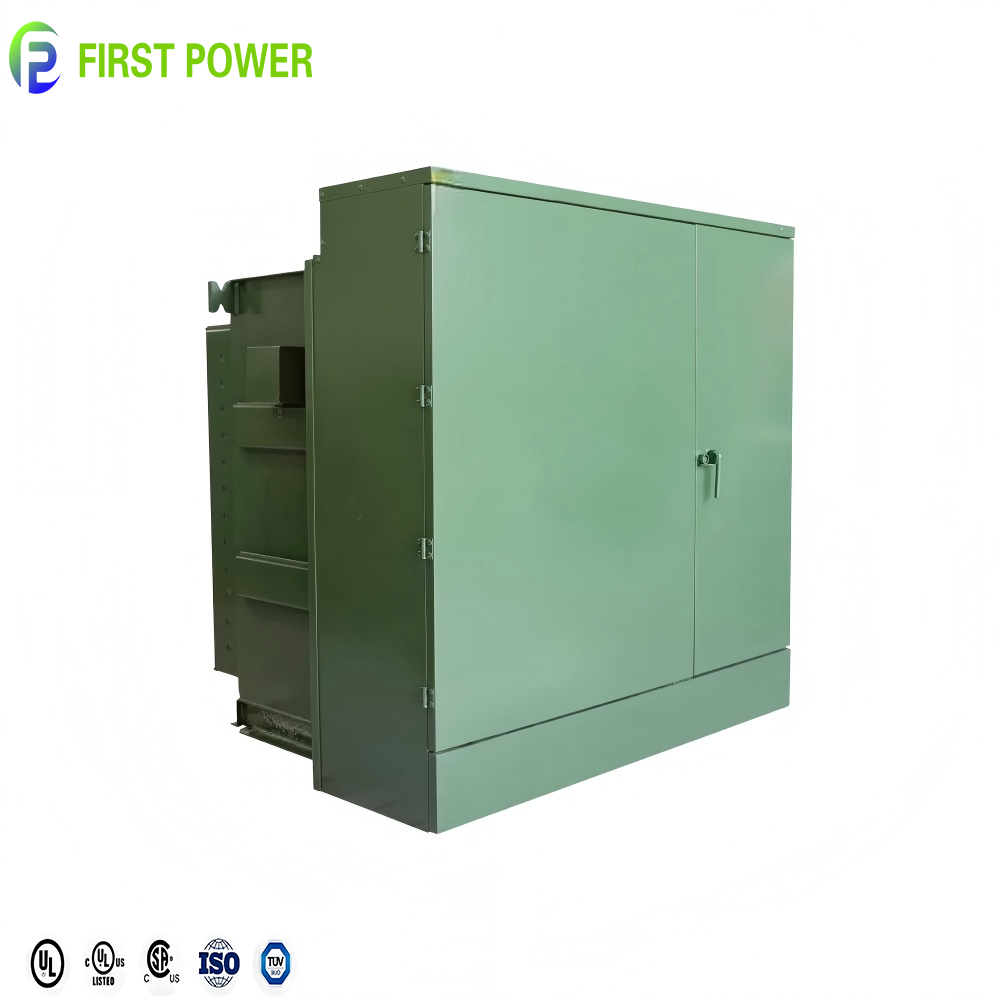
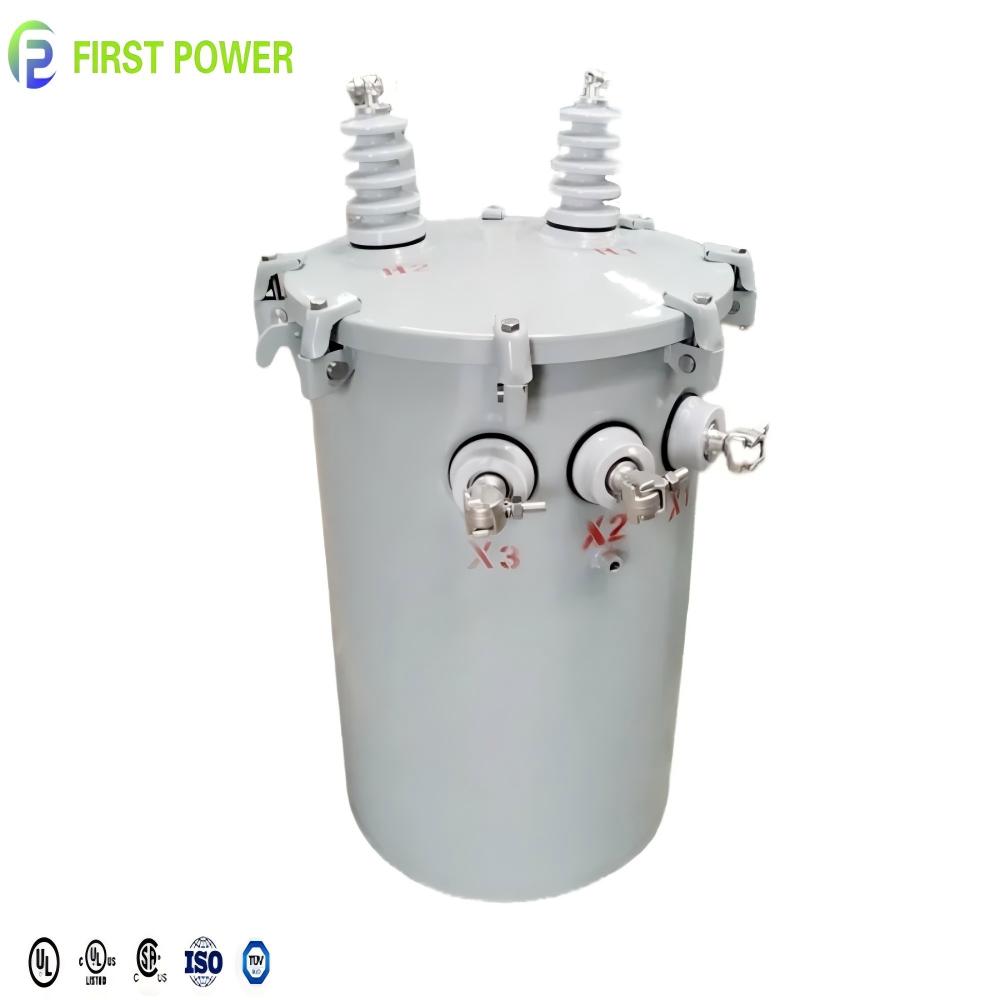
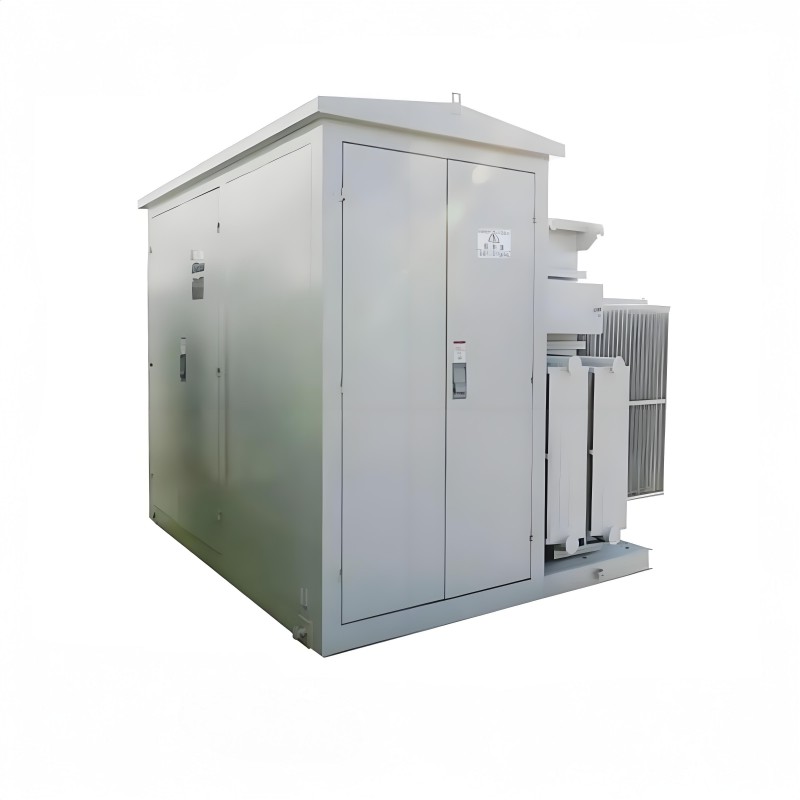
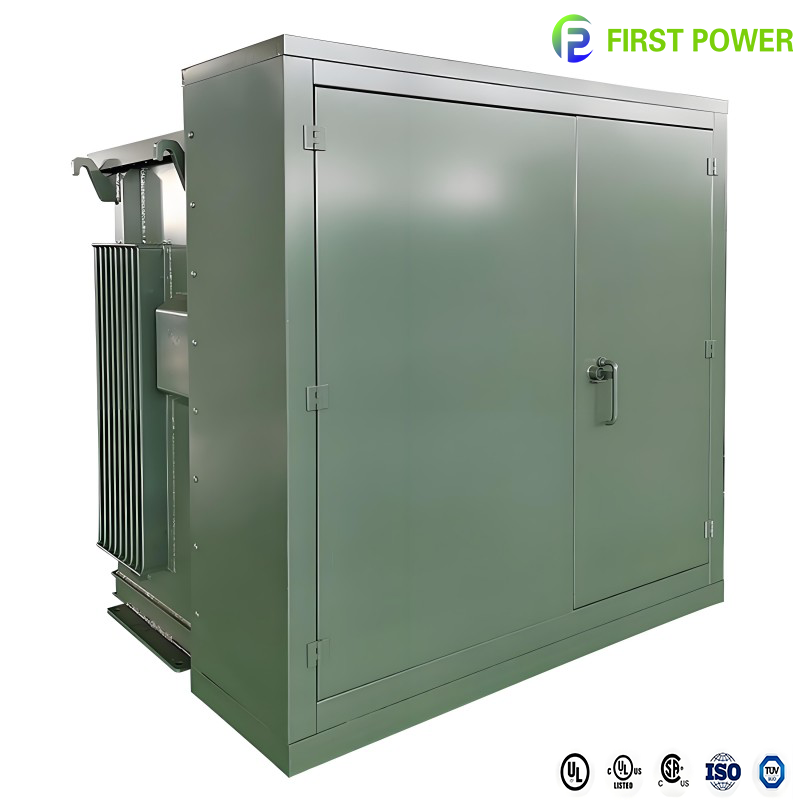
Technical Solution: Three-phase and single-phase pad mounted transformers (ZGS11 series) and pole-mounted units designed to IEEE C57.12 and IEC standards. The dead-front compartmentalized steel enclosure prevents unauthorized access, while bayonet fuses and current-limiting backup fuses protect against secondary line faults. Compact footprint minimizes civil engineering footprint along municipal rights-of-way.
4. Solar PV Microgrid Step-Up Interconnections
Operating Environment: Utility-scale solar installations and hybrid diesel-PV mini-grids serving outer Atlantic department commercial zones, subjected to reverse power flows and thermal cycling.
Technical Solution: Inverter duty oil filled step-up transformers (0.4kV / 0.8kV to 15kV / 20kV / 33kV) with electrostatic shielding between primary and secondary windings to attenuate high-frequency harmonics generated by solar inverters. High dielectric strength insulating mineral oil (IEC 60296) ensures long-term insulation integrity despite severe diurnal temperature swings.
Benin’s Energy Modernization Trends & Technical Specifications
Analyzing key structural shifts in Cotonou's power distribution ecosystem under government action plans and regional grid expansions.
Under the framework of Benin’s Programme d'Action du Gouvernement (PAG) and the ongoing infrastructure upgrades funded by international financial institutions (such as the Millennium Challenge Account - MCA Benin II), the electricity sector in Cotonou is undergoing unprecedented structural changes. Key trends impacting transformer sourcing include:
1. Transition to Ultra-Low Loss Standards (Amorphous Metal & High-Grade CRGO)
SBEE and private concessionaires are prioritizing loss-reduction initiatives to curb technical and commercial grid losses. Traditional high-loss transformers are rapidly being replaced by energy-efficient models. Transformers manufactured with Amorphous Metal Alloy Cores or high-permeability domain-refined CRGO steel sheets exhibit up to 70-80% lower no-load losses compared to traditional silicon steel transformers. Sourcing low-loss transformers significantly lowers long-term Total Cost of Ownership (TCO) for both utilities and independent industrial power producers.
2. Voltage Standardization Across MV Distribution Networks
Historically, Beninese networks operated across fragmented medium-voltage levels (including 6kV, 10kV, 15kV, and 20kV). Modern regional grid integration via WAPP is consolidating distribution lines into standardized 15kV, 20kV, and 33kV primary networks stepping down to 400V three-phase (230V single-phase) at 50Hz. Suppliers must provide dual-voltage primary windings (e.g., 15-20kV dual input) or wide tap-changer configurations to accommodate ongoing grid upgrades without requiring total equipment replacement.
3. Integration of Bio-Degradable Synthetic & Natural Ester Fluids
For sensitive installations near Lake Nokoué, the Cotonou coastal lagoon, and dense commercial centers, environmental protection mandates are driving demand for transformers filled with natural ester (vegetable oil) or synthetic ester insulating liquids (e.g., FR3). Ester fluids offer high fire points (>300°C), eliminating classical transformer fire hazards while offering 100% biodegradability in the event of accidental leaks.
| Technical Feature | Standard Import Transformer | Wisegj Cotonou Tropicalized Transformer | Engineering Benefit |
|---|---|---|---|
| Core Material | Standard M4/M5 Silicon Steel | High-Permeability CRGO / Amorphous Metal | Reduces no-load electrical loss by up to 75% |
| Corrosion Protection | C2/C3 Industrial Paint (80µm) | C5-M Heavy Marine Epoxy-PU (160-240µm) | Prevents rust & salt spray failure in coastal areas |
| Winding Material | Aluminum or Mixed Conductors | 100% Electrolytic Oxygen-Free Copper | Maximizes short-circuit strength & overload margin |
| Insulation Class | Class A (60°C Rise) | Class A/B with Thermal Upgrade (50°C Rise) | Extends transformer operational life at 45°C ambient |
| Tank Construction | Standard Bolted Cover | Hermetically Sealed Corrugated Vacuum Tank | Eliminates oil maintenance & atmospheric oxidation |
| Bushings | Standard Porcelain (16mm/kV) | High-Creepage Composite/Porcelain (31mm/kV) | Prevents marine salt pollution flashovers |
Why Choose Jiangsu Wisegj Power Co., Ltd.
Over two decades of verified transformer engineering excellence, state-of-the-art testing, and trusted global supply logistics.
Certified Compliance
Our manufacturing complex maintains full registration under ISO 9001 (Quality), ISO 14001 (Environment), and ISO 45001 (Safety). Complete product ranges carry official CE Certificates and third-party verification by TÜV Rheinland.
R&D Engine & Factory Scale
Spanning 6,847 m² of verified cleanroom production floorspace, backed by over 50 technical & electrical engineers. We produce transformers ranging from low-voltage 220V units up to massive 500kV utility power step-up substations.
Rigorously Tested Every Unit
100% of manufactured units undergo stringent routine factory testing before dispatch: winding resistance, voltage ratio, vector group check, short-circuit impedance, load loss, no-load loss, separate-source AC withstand voltage, induced overvoltage, and oil dielectric strength (BDV).
Frequently Asked Questions by Benin & West Africa Procurement Teams
Addressing core technical, regulatory, and shipping queries for importing oil-filled electrical transformers to Cotonou.
What vector groups and voltage configurations are standard for SBEE projects in Cotonou?
How do Wisegj transformers resist salt-spray corrosion at the Port of Cotonou?
What shipping Incoterms and delivery options are available for Cotonou Port (PAC)?
Can Factory Acceptance Testing (FAT) be witnessed by Beninese engineers or third-party agencies?
What is the difference between hermetically sealed corrugated oil transformers and conservator transformers?
Need Custom Transformer Sizing or Quotation for Benin Projects?
Consult directly with our experienced high-voltage electrical engineers. Receive guaranteed losses, GA dimensional drawings, single-line diagrams, and competitive wholesale pricing tailored for Cotonou.
Get Catalog