A Practical Sourcing Brief for Bandung EPCs, Developers and Utilities
Bandung is no longer only a consumer market for imported electrical equipment. Greater Bandung's industrial estates, textile and food-processing clusters, logistics parks, data-centre pipeline and renewable-energy interconnection queue are pushing procurement teams to ask for more than a standard catalogue transformer.
They need an OEM/ODM pad mounted transformer manufacturer that can interpret PLN owner specifications, align with IEC 60076 test routines, document losses and impedance, and deliver equipment that survives tropical humidity, lightning activity and congested urban sites. For international suppliers, Bandung is also a test of documentation quality: nameplates, general arrangement drawings, routine test reports and operation and maintenance manuals must be clear enough for local consultants, contractors and facility teams to approve without repeated clarification loops.
This guide is written for buyers comparing OEM/ODM pad mounted transformer manufacturers and factories for Bandung delivery. It explains the product platforms, local application scenarios, procurement trends, factory controls and FAQ points that affect total cost of ownership. The aim is to help your team specify a unit that is easier to approve, install and maintain — not simply to compare a headline kVA price. All product links below preserve the original catalogue destinations, and the Get Catalog button uses the site's existing third-party live-chat trigger without any additional JavaScript or redirect.
Eight OEM/ODM Transformer Platforms for Bandung Projects
The shortlist below is built around the questions Bandung buyers ask most often: Will the enclosure suit an outdoor commercial or industrial site? Can the transformer operate on 50 Hz with 10 kV, 20 kV or 35 kV primary? Is the loss level acceptable for a PLN-connected scheme? Can nameplate, manuals and test reports be supplied in English and Indonesian? Each platform can be customised through OEM, ODM, design-based or sample-based routes.
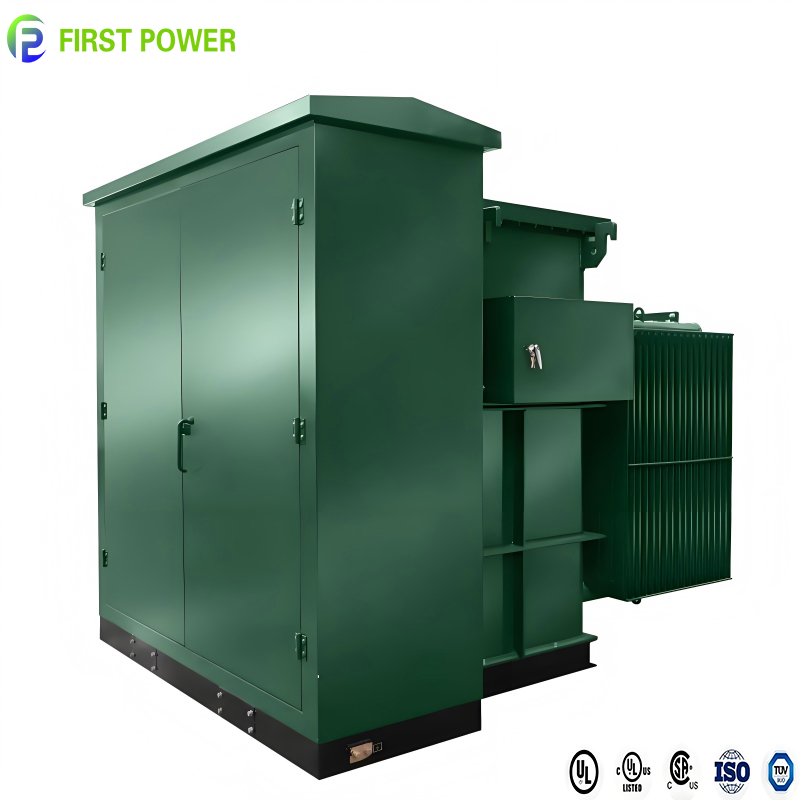 Industrial
C/CE 3-Phase Pad Mounted Pedestal Transformer for Industrial
For Bandung industrial estates and workshops that need a tamper-resistant, ground-level distribution point. Suitable for 6–35 kV primary systems with 100–630 kVA class ratings, subject to final design. The pedestal format keeps cable termination organised and simplifies inspection in tight yards.
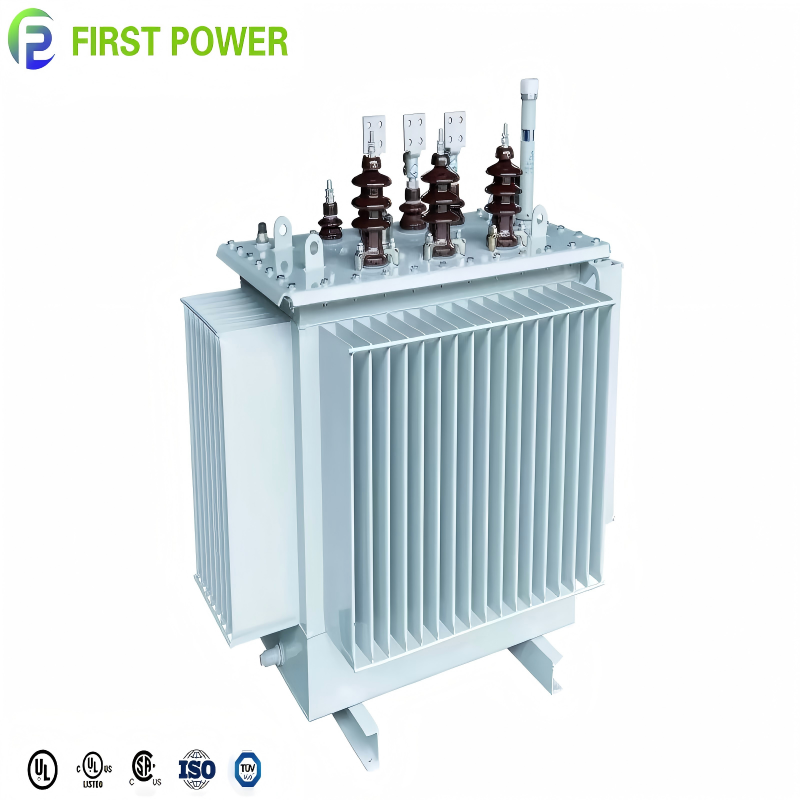 Distribution
S11 Oil-Immersed 3-Phase Distribution Transformer
A workhorse platform for commercial buildings, light industrial feeders and utility distribution. Low-loss S11 core options help buyers meet efficiency targets and reduce no-load losses in continuously energised networks. Vector group, tap range and impedance can be matched to your protection study.
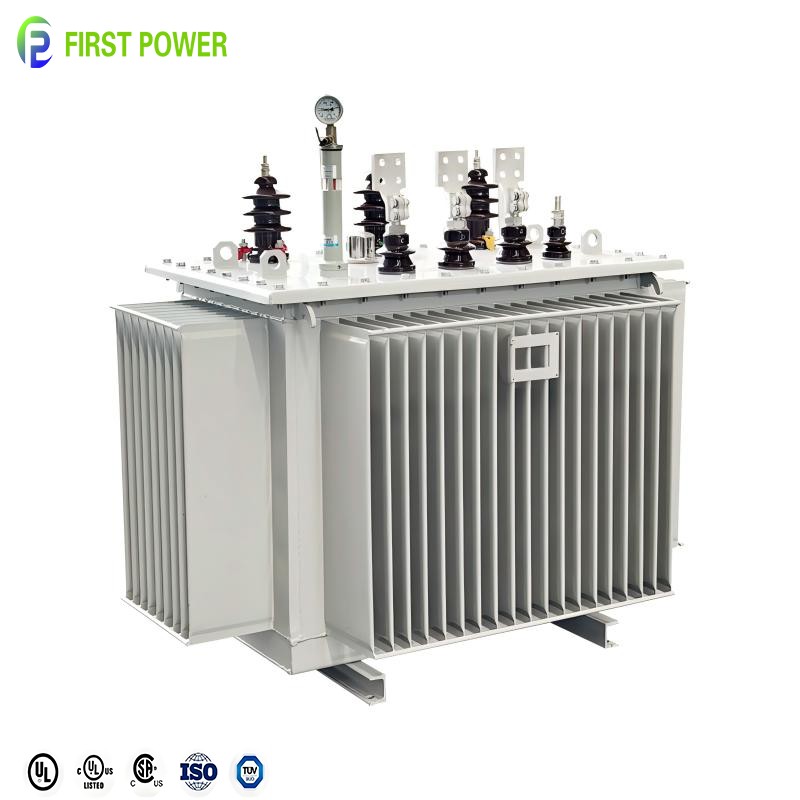 Power
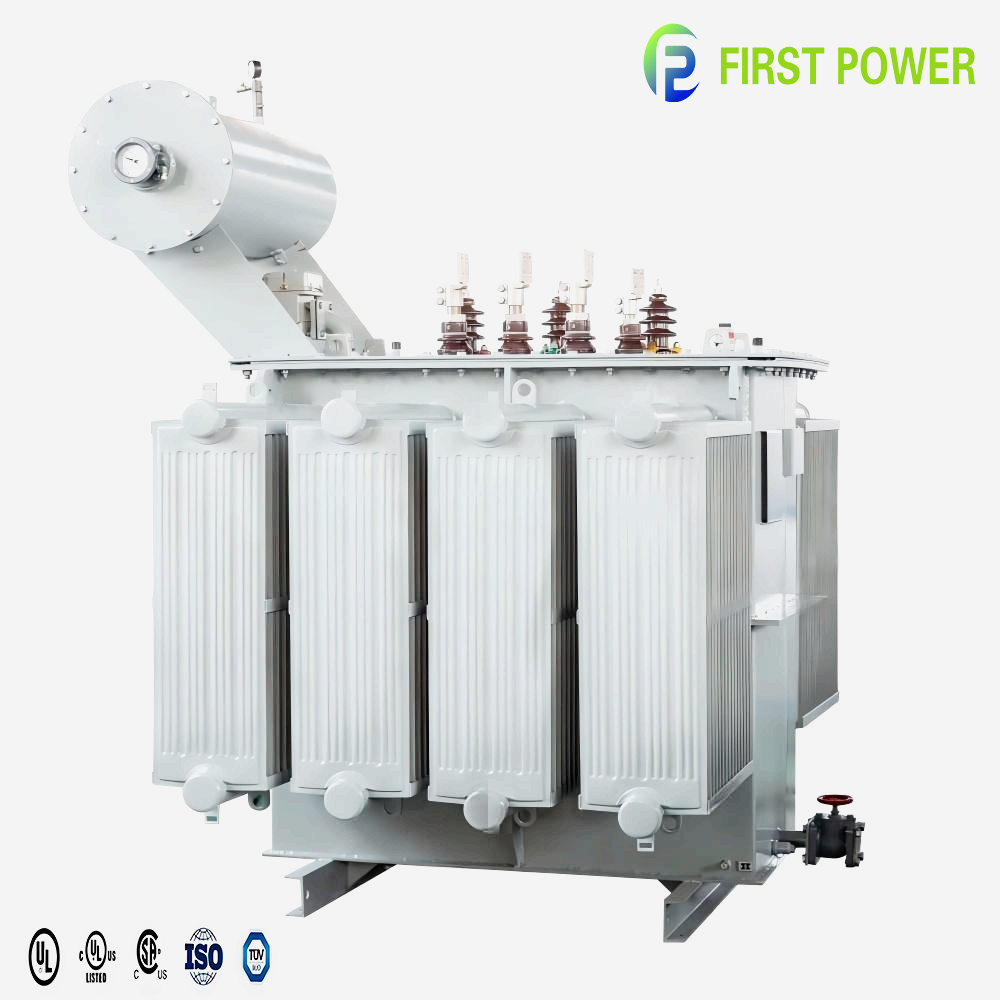
Oil-Immersed 3-Phase Power Transformer
For larger plants, substation step-down and project power supplies where load growth and motor starting need more thermal headroom. Cooling, tap range and impedance can be aligned with your single-line diagram, while guaranteed losses support lifecycle cost evaluation.
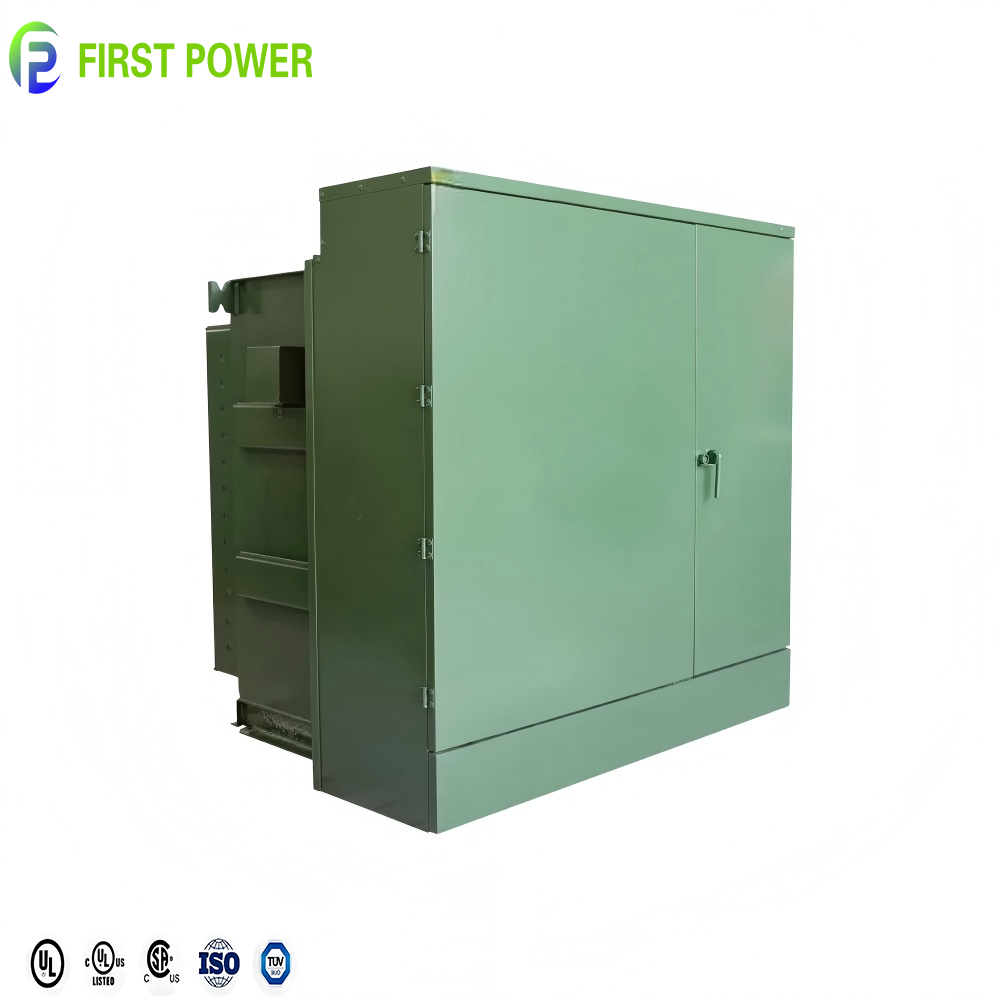 Pad-Mounted
3-Phase Pad Mounted Distribution Transformer
A strong fit for mixed-use developments, hospitals, logistics hubs and underground distribution in Bandung's denser corridors. Dead-front options and loop-feed arrangements support maintainability, while enclosure dimensions can be reviewed against available pad space before shipment.
 Solar PV
1000 kVA / 1 MW Solar PV Oil-Immersed Transformer
Specified for solar PV and renewable interconnection where inverter harmonics, daily cycling and outdoor heat need careful thermal design. The platform can be coordinated with collector substation layout, protection philosophy and future expansion without treating the transformer as an isolated item.
 ANSI
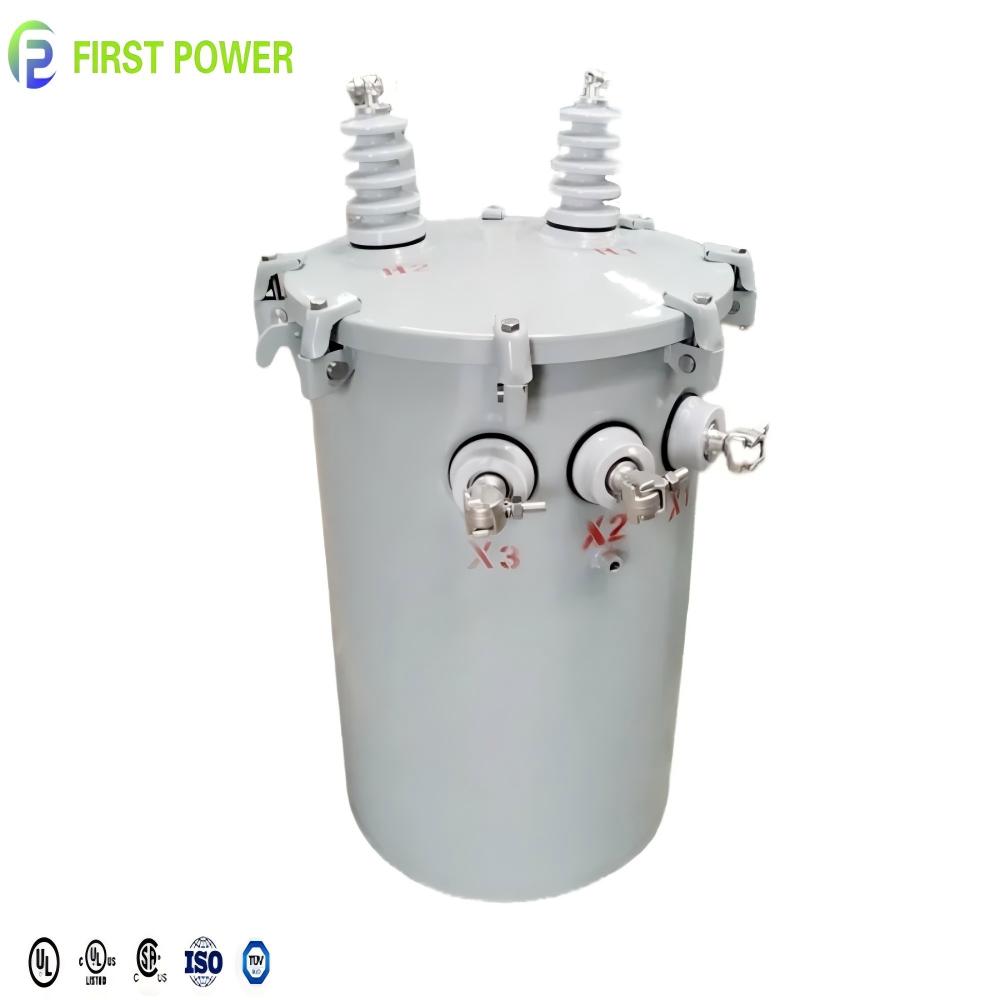
ANSI Single-Phase Pole-Mounted Transformer
For residential feeders, rural electrification and light commercial branches where a pole-mounted format is more practical than a pad. ANSI dimensions and bushings can be matched to project standards, and the design can be documented for local utility review before production.
 MV / HV
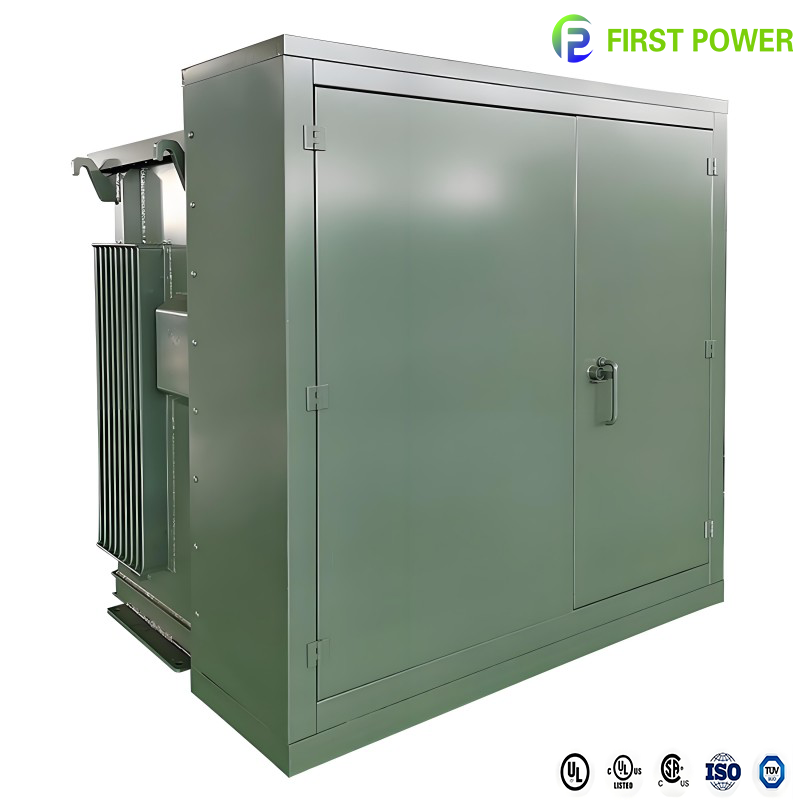
MV/HV ZGS11 Pad Mounted Transformer
A compact three-phase platform for higher-capacity distribution nodes. Useful where footprint, cable entry and enclosure appearance matter in commercial and utility projects. Buyers can freeze dimensions, finish colour, locking strategy and cable termination details during the ODM review.
 Oil-Immersed
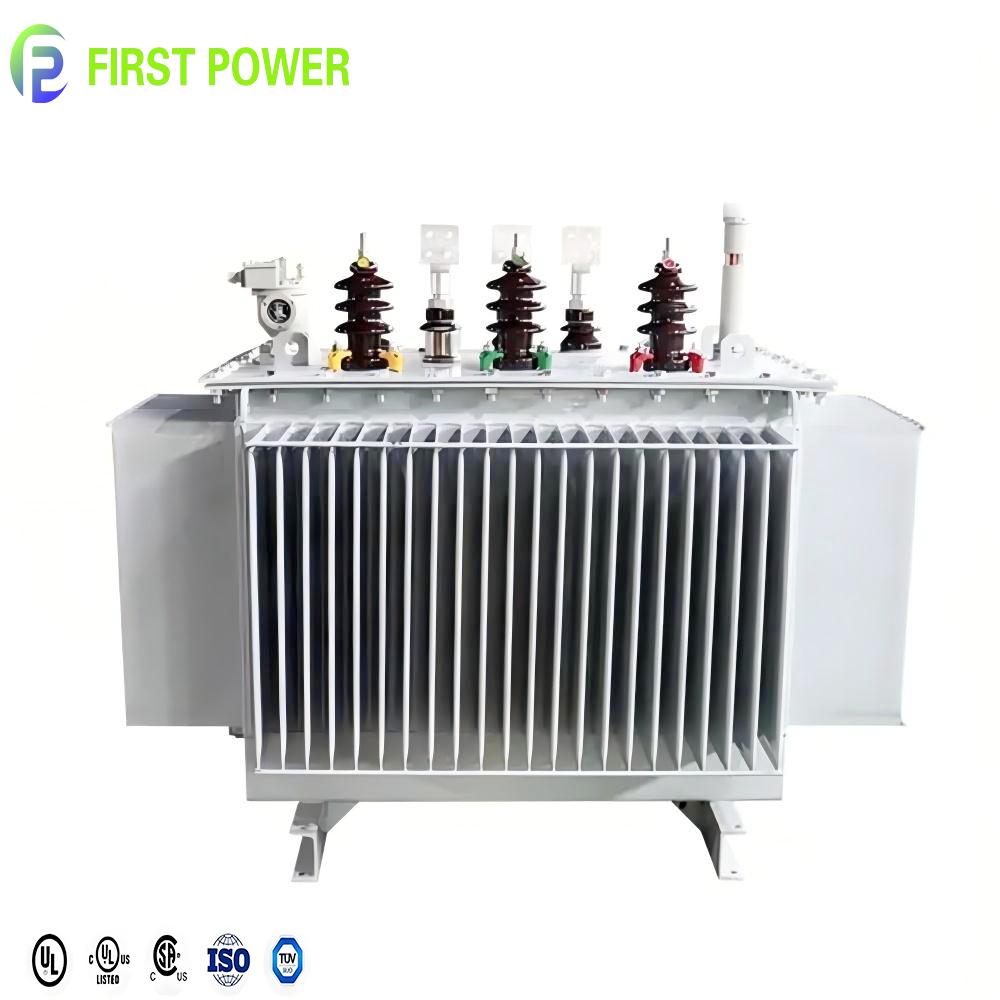
S11 10–35 kV Oil-Immersed Transformer
For smaller distribution loads, branch feeders and retrofit projects. Hermetically sealed construction and routine testing help reduce maintenance touchpoints in space-constrained sites. It is often a practical bridge between standard catalogue supply and a fully customised OEM design.
Need a Bandung-ready datasheet package?
Share your ratings, voltage ratio, site conditions and owner specification. The sales-engineering team can return a preliminary design direction, documentation list and export schedule.
Where Pad Mounted Transformers Fit in Bandung's Localised Applications
Bandung's topography and urban form influence transformer selection as much as electrical load does. The city sits in a highland basin with intense rain periods, congested access roads and a mix of legacy overhead networks and new underground distribution. For procurement teams, the most useful question is not “Which transformer is cheapest?” but “Which configuration reduces site risk, approval rework and lifetime maintenance?”
Industrial estates and manufacturing plants
Textile, food, electronics and automotive suppliers need reliable step-down capacity. Pad-mounted units keep HV termination secure and allow outdoor installation near load centres, freeing indoor floor area for production and improving cable routing discipline.
Commercial and mixed-use developments
Malls, hotels, hospitals and campuses benefit from low-profile enclosures, dead-front designs and low-noise configurations. Specify acoustic limits early if the unit is close to public areas, loading bays or occupied buildings.
Data centres and digital infrastructure
Bandung's digital economy is increasing demand for resilient power. Transformers should be selected with loss evaluation, thermal margin, monitoring provisions and expansion strategy in mind, not only initial kVA capacity.
Solar PV and renewable integration
West Java's renewable pipeline requires transformers that tolerate cyclic loading and harmonic content. Specify PV-specific designs, cooling, protection coordination and clear loss guarantees before comparing delivered price.
EV charging and urban mobility
Fast-charging hubs create short, high-current loads. Transformer impedance, cable sizing, ventilation and protection must be coordinated with the charger profile and the site's future expansion plan.
Residential townships and underground distribution
New housing clusters prefer pad-mounted or compact designs to reduce visual clutter. Loop-feed arrangements improve restoration time and support phased energisation as occupancy grows.
Bandung's Localised Development Trends — and What They Mean for Your Specification
Procurement is moving away from one-off price comparison toward lifecycle evaluation. In West Java, four trends are especially relevant to pad mounted transformer selection, factory documentation and acceptance testing.
Grid modernisation and undergrounding
Urban upgrading and reliability programs favour pad-mounted enclosures, loop-feed switching and dead-front termination. Buyers increasingly request cable-entry drawings and pad layouts before order.
Energy transition and solar integration
Renewable targets and captive generation are pushing PV transformers, low-loss cores and clear loss guarantees. Ask for guaranteed no-load and load losses, not just a compliance statement.
Climate resilience and safety
Tropical humidity, lightning and local flooding risk make IP-rated enclosures, anti-corrosion treatment, surge arresters and oil containment relevant specification items.
Local content and documentation
TKDN discussions, PLN/SNI owner specifications and bilingual documentation mean nameplates, test reports, GA drawings and O&M manuals should be reviewed as part of technical compliance.
Bandung project fit matrix
Use this qualitative matrix to structure the technical clarification meeting. Values are illustrative procurement priorities, not a guarantee of performance.
OEM/ODM Customisation: What Can Be Locked to Your Bandung Specification?
A genuine OEM/ODM program is more than printing your logo on a nameplate. It should convert your project's electrical, environmental and documentation requirements into a frozen design package before production starts.
Electrical design
Rated power, primary and secondary voltage, 50/60 Hz frequency, vector group, impedance, tap range, cooling method, loss targets and insulation level.
Enclosure and mechanical
Dead-front or live-front configuration, loop or radial feed, cable entry position, pad layout, finish colour, locking strategy and access clearance.
Climate and site protection
IP rating, anti-corrosion finish, surge arresters, oil containment, raised pad recommendations and seismic restraint details for the specific installation site.
Documentation
GA drawing, nameplate file, O&M manual, routine test report, packing list, bilingual labels and approval drawings supplied in a format that your consultant can review.
Compliance and testing
IEC or ANSI design basis, CE certification where applicable, ISO management systems, routine factory tests and third-party witness inspection.
Packaging and logistics
Export packing, shock indicators, Incoterms coordination, spare-part scope, shipping marks and documentation for delivery to an Indonesian port and onward to Bandung.
The Factory Advantages Behind Your Bandung OEM/ODM Order
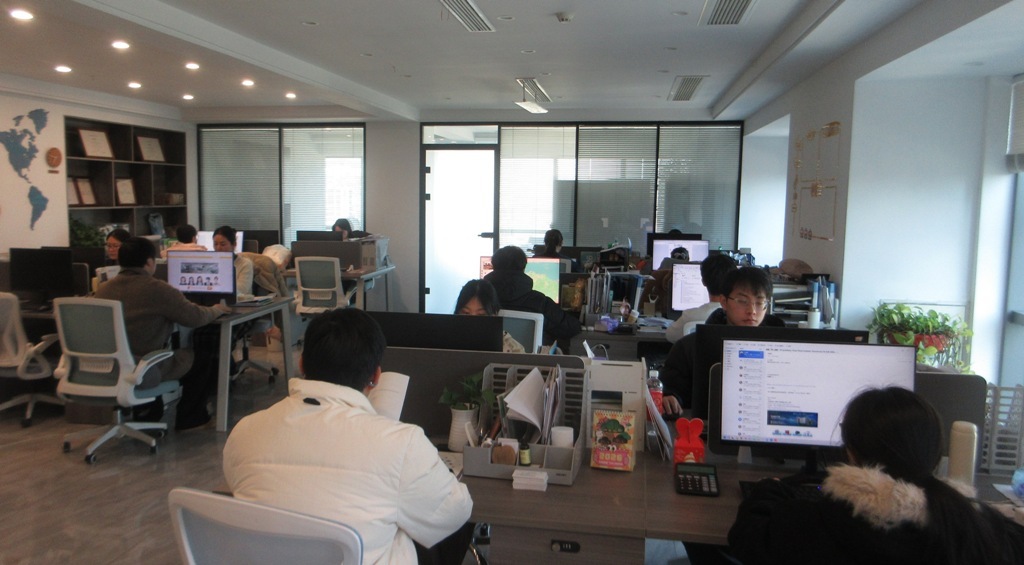
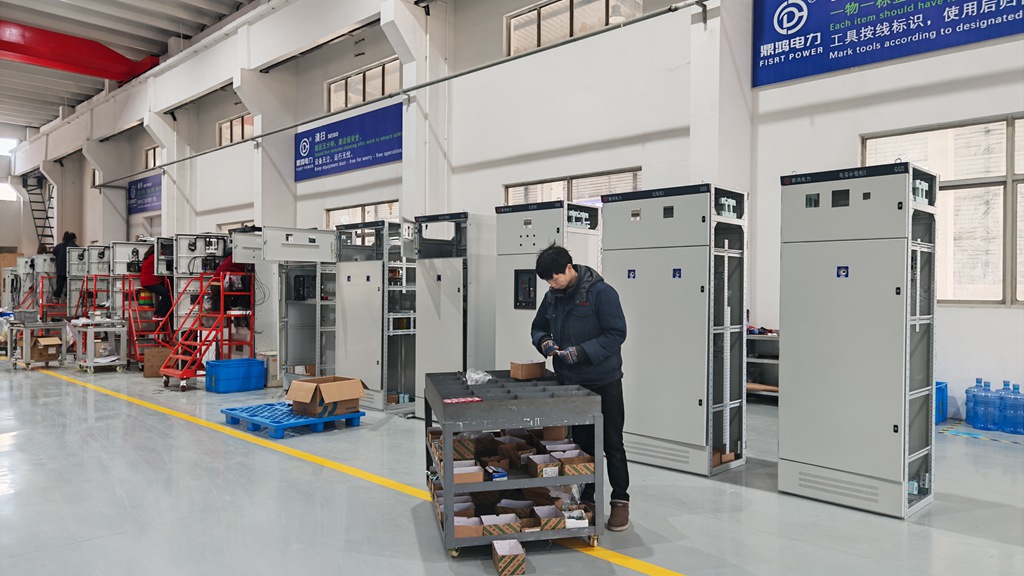
A transformer is only as dependable as the factory system that produced it. Jiangsu Wisegj Power Co., Ltd. designs, assembles and exports medium- and high-voltage equipment from 220 V up to 500 kV, including pad mounted transformers, oil immersed transformers, dry type transformers, power transformers, compact substations, switchgear, distribution boxes and voltage stabilisers.
The team brings more than 20 years of hands-on transformer experience, and each project is reviewed by engineers before quotation. Production runs under ISO 9001, ISO 14001 and ISO 45001 management systems. The portfolio includes CE-certified oil-immersed transformer, dry type transformer and compact substation lines. Verified factory floorspace, production capability and quality inspection have been assessed onsite by TÜV Rheinland.
For Bandung buyers, that means technical claims can be checked against certificates, drawings and test records rather than accepted as marketing language. The factory supplies OEM, ODM, design-based and sample-based customisation, and finished product inspection is carried out on every unit. Engineering support is available for specification review, drawing approval, nameplate checks and routine test documentation.
- Own production base with industry certificates
- 50+ engineers in R&D and technical support
- Supplier to Fortune 500 companies
- 24-hour pre-sale and after-sale response
- OEM, ODM and design-based customisation
- Finished-product inspection on every unit

Production capability, floorspace and quality inspection verified onsite by TÜV Rheinland, an independent third-party inspection body.


Verified factory capacity
6,847 m² inspected floorspace with dedicated winding, core assembly, drying, tanking and test areas.
In-house testing
Ratio, resistance, loss, impedance, dielectric and oil BDV tests documented for each serial number.
Design customisation
Ratings, vector group, impedance, taps, bushings, cooling and enclosure adapted to utility specifications.
Certified systems
ISO 9001, ISO 14001 and ISO 45001 management systems, plus CE-certified product lines.
Export logistics
Seaworthy packing, shock indicators and Incoterms coverage from EXW to DDP for Indonesian delivery.
Complete documentation
GA drawings, nameplate drafts, test reports and O&M manuals supplied in English for approval.
211 supply partners
Qualified sources for silicon steel, copper, bushings and accessories secure stable lead times.
24-hour engineer response
Technical questions and after-sales issues receive a qualified reply within one working day.
From Bandung RFQ to Factory Acceptance Test: A Transparent Six-Step Workflow
International transformer procurement works best when the approval steps are visible. This workflow keeps the Bandung buyer, consultant and factory engineering team aligned before material is released to production.
Specification review
Engineers check ratings, standards, site altitude, ambient conditions, loss targets, enclosure requirements and the applicable PLN/SNI/IEC basis.
Drawing and loss approval
GA drawing, nameplate draft and guaranteed losses are confirmed with the buyer before production. Cable entry and pad clearance are reviewed at this stage.
Controlled production
Core, winding, drying and tanking follow documented work instructions, with in-process quality-control records retained for inspection.
Routine and witnessed testing
Each unit receives routine tests and a test report. Third-party witness inspection and pre-shipment documentation checks are welcome.
Export packing and shipment
Export crating, shock indicators, shipping marks and complete documents are prepared for sea freight to an Indonesian port and onward delivery.
Commissioning support
O&M manuals, nameplate records, spare-part recommendations and technical follow-up support installation and future maintenance planning.
Which Transformer Platform Is Right for Your Bandung Project?
Use this comparison as a shortlisting tool. Final selection should follow your load flow, fault level, protection study and owner specification.
| Platform | Typical Bandung application | Typical range | Standards to confirm | Choose when |
|---|---|---|---|---|
| Three-phase pad mounted | Industrial estates, commercial sites, underground distribution | 45–5,000 kVA class, up to 35 kV | IEC 60076, IEEE C57.12 series as specified | You need outdoor installation, secure cable termination and a low visual profile. |
| Single-phase pole mounted | Residential feeders, rural branches, light commercial loads | 10–250 kVA class | ANSI/IEEE or project standard | Pole-mounted installation is more practical than a ground pad. |
| Oil-immersed distribution | Utility distribution, industrial plants, retrofit feeders | 30–2,500 kVA class, 6–35 kV | IEC 60076-1/-2/-3 | You need proven distribution performance and flexible protection coordination. |
| Solar PV transformer | Solar farms, captive renewable generation, grid interconnection | 1 MVA class and above, subject to design | IEC 60076 and owner renewable specification | Cyclic loading, harmonics and inverter coordination drive the design. |
| MV/HV pad mounted | Higher-capacity distribution nodes, urban networks, commercial clusters | 75–2,500 kVA class, 10–35 kV | IEC 60076 and project-specific requirements | Footprint, cable entry and enclosure appearance are critical. |
| Oil-immersed power transformer | Plant step-down, substation projects, larger industrial loads | 100–1,000 kVA class and above | IEC 60076 or IEEE C57 | Motor starting, load growth and thermal margin require more capacity. |
Ranges shown are typical production ranges. Ratings outside these values can be engineered on request. For Bandung delivery, always confirm the applicable owner specification, port of discharge, inland transport route and site installation conditions before finalising the purchase order.
Bandung Buyer FAQ: OEM/ODM Pad Mounted Transformer Factories
These are the questions procurement teams most often raise when comparing manufacturers and factories for Bandung delivery.
Are you a manufacturer or a trading company?
Can you customise to PLN/SNI/IEC requirements and Indonesian nameplates?
How do you address Bandung humidity, lightning and flooding risk?
What is the typical lead time to Bandung?
Can we witness factory tests or arrange third-party inspection?
What information should we send for a fast quotation?
Do you support trial orders or sample orders?
What after-sales documentation and support is included?
Request a Bandung-Specific OEM/ODM Transformer Proposal
Send your datasheet, single-line diagram, PLN/SNI owner requirements, site conditions and target delivery date. Our engineers will review the specification, identify gaps early and return a compliant design direction with guaranteed losses, documentation scope and export logistics.
- Engineering review before quotation
- GA drawings, nameplate and test reports
- Export packing and Incoterms coordination
- Bilingual documentation support
Use the existing catalogue trigger to request product data, drawings and the latest OEM/ODM questionnaire.
Get Catalog