Custom OEM Step Up Power Transformer Manufacturers & Factories in the Rome Market
Engineering-led step-up transformer supply for Rome’s 50 Hz grid, Lazio renewable projects, data centers, transport infrastructure, hospitals and space-constrained urban substations—supported by factory testing, CE documentation and export logistics.
Eight Transformer Platforms for Custom Step-Up Projects
Each platform can be reviewed against Rome project requirements for frequency, voltage ratio, impedance, vector group, tap range, cooling, enclosure, loss target, documentation and factory acceptance testing.
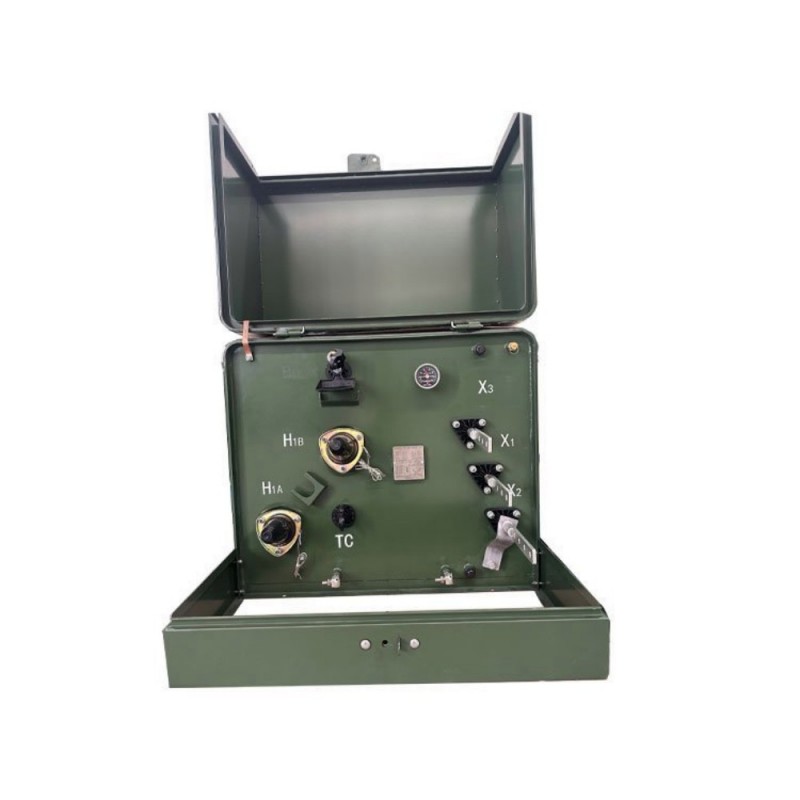 Pad Mounted
/C Certification 6KV 10KV 13KV 20KV 34.5KV 50/60HZ Oil Type Single Phase 75KVA Pad Mounted Transformers
A single-phase oil-type pad-mounted platform for multi-voltage distribution duties. For Rome, confirm the 50 Hz operating point, project MV interface and 75 kVA load profile before design approval.
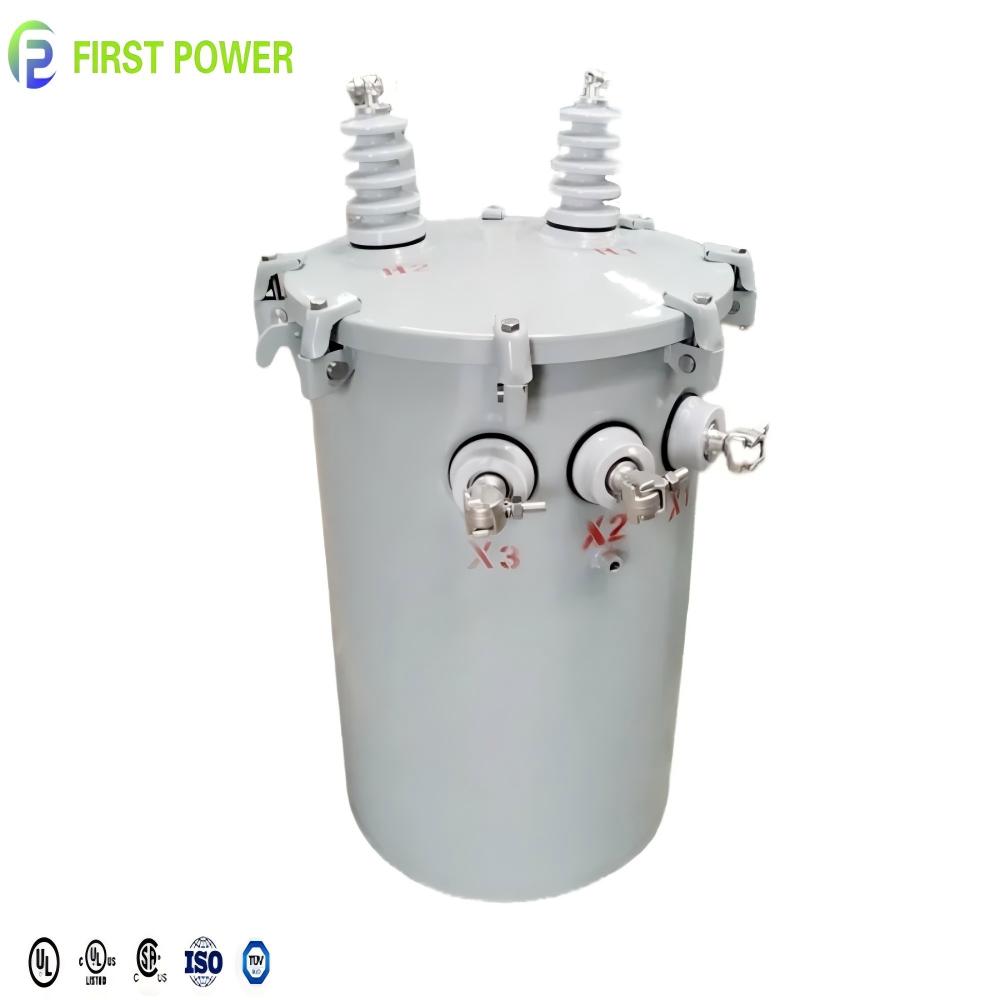 ANSI
ANSI 50/60HZ 6KV 10KV 15KV 20KV 35KV 15KVA 25KVA 50KVA 100KVA Single Phase Pole Mounted Transformers for Industrial Power Supply
ANSI pole-mounted family for industrial power supply in 15–100 kVA classes. Useful for multinational facilities with ANSI standards; for Italian DSO interconnection, an IEC/CE review should be part of the specification.
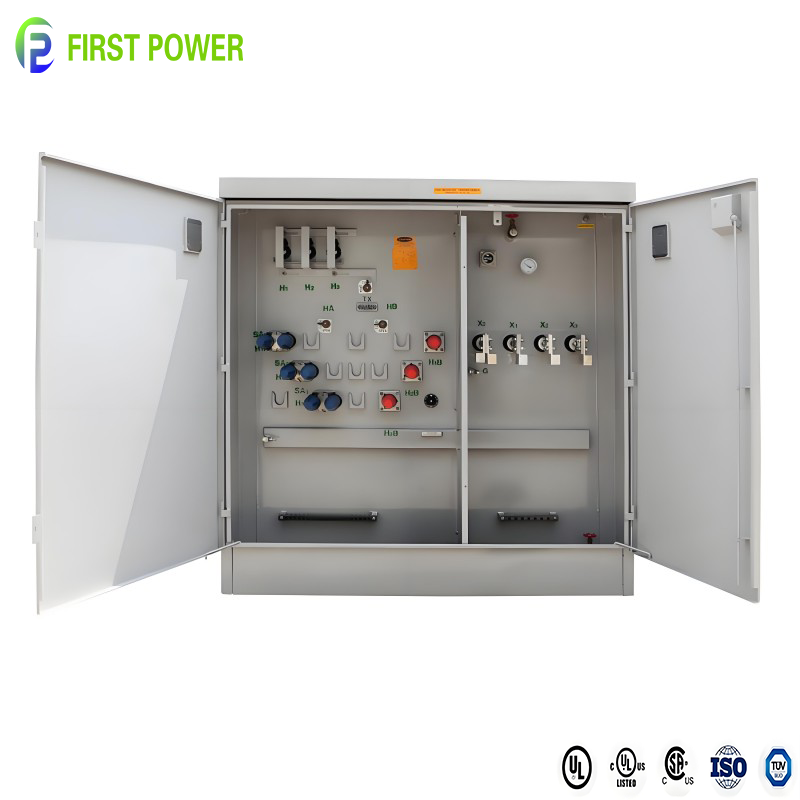 Loop Feed
C CE MV&HV 50/60HZ 300KVA 500KVA 630KVA 700KVA 10KV 15KV 20KV 35KV 3 Phase Loop Feed Pad Mounted Transformer for Industrial
A loop-feed three-phase pad-mounted design for industrial MV/HV distribution. Loop-feed arrangements can support sectionalizing and outage isolation on campus, logistics and manufacturing networks.
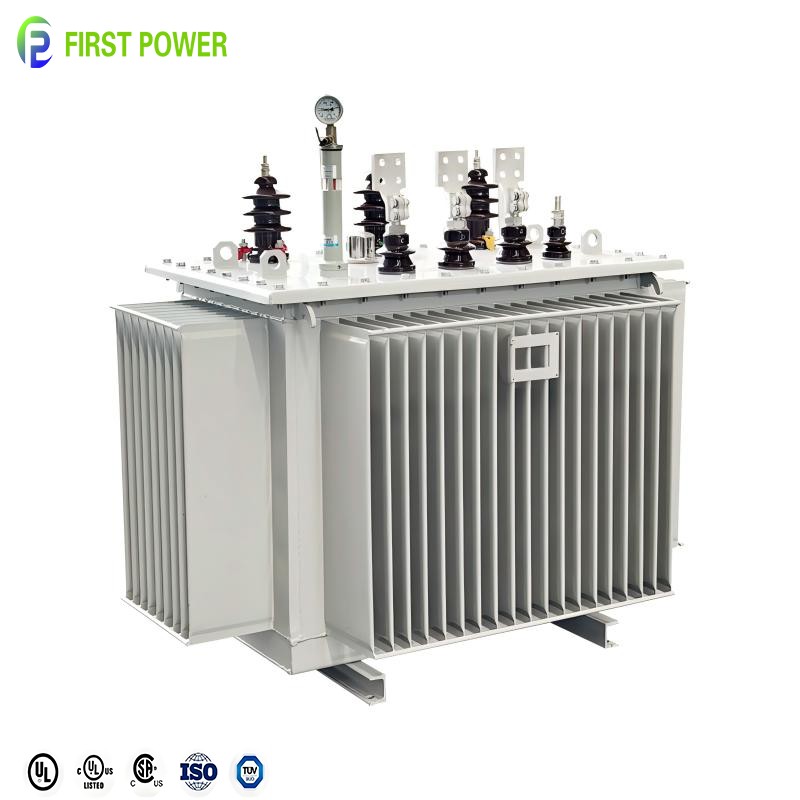 Oil Immersed
C CE 50/60HZ 100KVA 300KVA 500KVA 630KVA 1000KVA 10KV 20KV 35KV 3 Phase Oil Immersed Power Transformer for Power Supplies
Oil-immersed three-phase power transformer for 10–35 kV class supplies. A practical base for OEM step-up or step-down designs when loss, impedance, temperature rise and tap requirements are clearly defined.
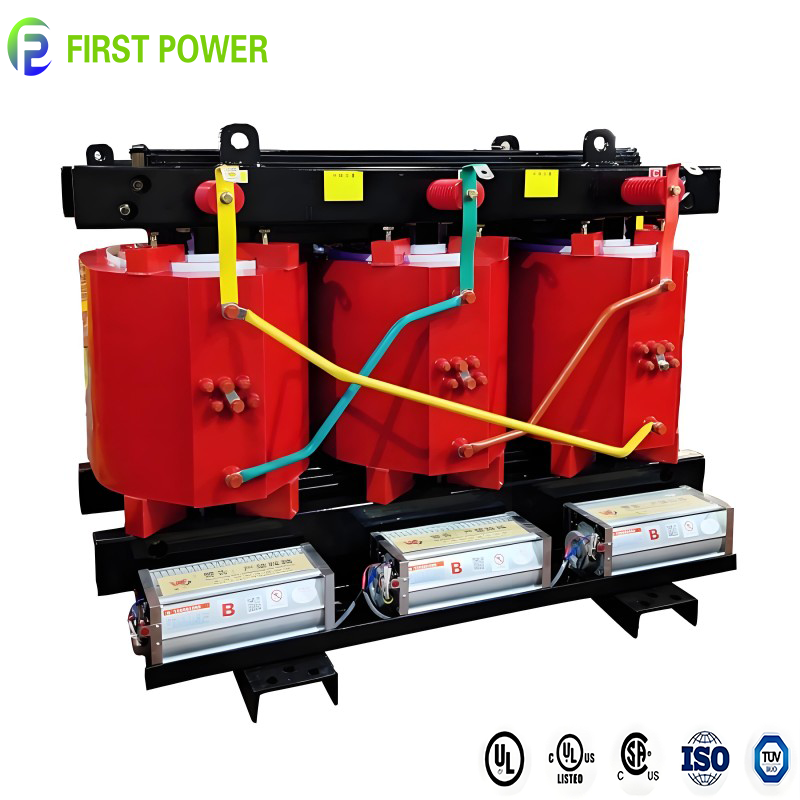 Dry Type
C CE Certification IEEE Standard 50/60HZ 5MVA 6MVA 6KV 35KV 3 Phase Dry Type Transformer for Electric Power Distribution
A dry-type distribution platform for indoor, fire-sensitive or space-limited electrical rooms. Especially relevant where oil containment, fire separation or maintenance access inside Rome buildings is difficult.
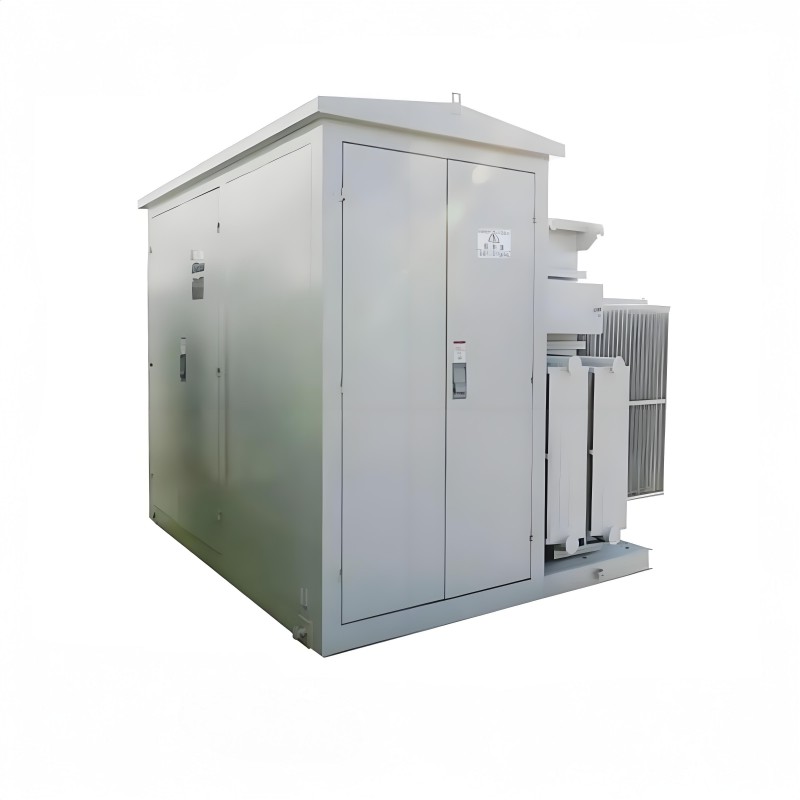 ANSI / Oil
American Standard /C Certification 75-2500KVA Oil Type Three Phase 13.8KV Pad Mount Transformers for Power Generation
American-standard oil-filled pad-mounted unit for power generation and 13.8 kV applications. Keep ANSI details separate from the CE/IEC design package when the equipment is intended for Rome or wider EU use.
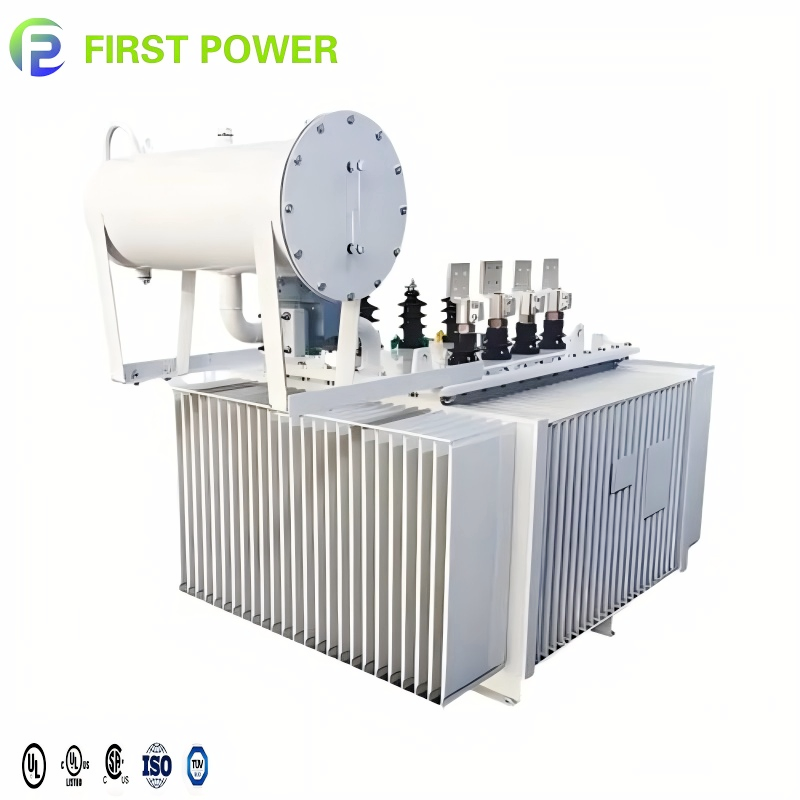 OLTC
C CE 10KV 20KV 35KV 1000KVA 2000KVA 2500KVA 3 Phase Oil Type on Load Tap Changer Transformer for Industrial Power Supply
Oil-type on-load tap changer transformer for 1,000–2,500 kVA industrial supply. OLTC is useful where voltage variation, load cycling or upstream network conditions must be managed automatically.
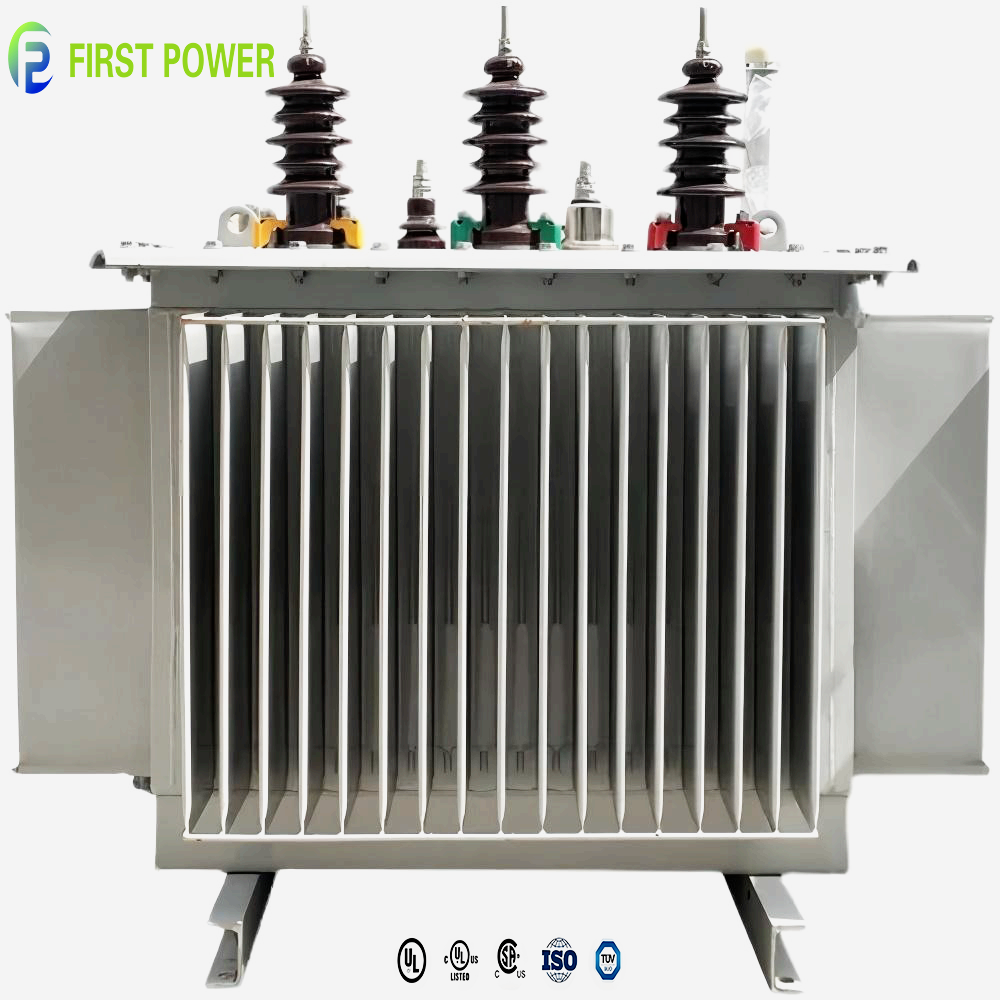 S11
/C Certification 60HZ S11 Three Phase 10KV 35KV 500 KVA 22KV/0.4KV 50HZ Electric Oil Immersed Transformer for Power Supplies
S11 three-phase oil-immersed transformer for power supplies. Suitable for distribution applications where efficiency, thermal performance, routine testing and complete documentation are primary procurement criteria.
Evaluating Custom OEM Step Up Power Transformer Manufacturers & Factories in the Rome Market
Rome is not a generic transformer market. Frequency, CE obligations, medium-voltage practice, urban planning constraints and Lazio’s renewable build-out all influence the technical diary that a factory must answer.
Rome’s electricity system is fundamentally European: 50 Hz operation, 230/400 V utilization, medium-voltage distribution commonly based on 20 kV with project-specific 10 kV or 35 kV interfaces, and CE marking obligations for equipment placed on the EU market. A step-up transformer is not simply a transformer ordered with a reversed voltage ratio. It is a system component whose impedance, vector group, insulation level, cooling, tap range, loss profile and protection interface must match the generator, inverter or upstream network as well as the downstream collection or distribution system.
For a factory, EPC contractor or electrical consultant in Rome, “custom OEM” should mean more than a private label. It should mean documented design review, traceable materials, routine testing, controllable nameplate data, English and project-specific documentation, and a supplier able to explain how the unit will behave under the fault levels and operating profile of the site. The strongest tender responses separate IEC/CE design requirements from ANSI/IEEE options. Italy normally specifies IEC and CE evidence; ANSI products remain useful for multinational facilities, American-standard private networks and export projects, but they should not be mixed into a Rome DSO package without a deliberate review.
Wisegj’s portfolio covers 220 V to 500 kV equipment, including power transformers, distribution transformers, pad-mounted transformers, dry-type transformers, compact substations, switchgear, distribution boxes and voltage stabilizers. For the Rome market, the practical question is not whether a catalogue contains a transformer of the right kVA. It is whether the factory can connect a 50 Hz project specification to a controlled design, certified management system, test report and export packing plan that survives independent scrutiny.
Where Custom Step-Up Transformers Create Value Around Rome
Step-up transformers appear wherever a low-voltage source must be connected to a medium-voltage collection or distribution system—or where an industrial process needs a controlled voltage interface.
Solar, BESS and Distributed Generation
Lazio projects often step up from inverter or battery low voltage to a 20 kV collection network. Loss evaluation, impedance, thermal design and grid-code documentation matter more than a generic kVA label.
Urban and Historic-Center Constraints
Inside Rome, footprint, fire separation, acoustic impact and ventilation often determine the equipment architecture. Dry-type transformers and compact substations can reduce oil containment and civil-work complexity.
Industrial, Data Center and Public Resilience
Data centers, universities, hospitals and transport infrastructure require traceable test reports and designs that support maintenance planning. On-load tap changers and low-loss cores can be evaluated where load variation is material.
Rome Market Applications for OEM Step-Up Power Transformers
These scenarios are common starting points for specification discussions. Final equipment selection must be confirmed by a licensed electrical designer and the relevant network operator.
Commercial and data-center power rooms
Step-up or interface transformers for campus distribution, backup generation and medium-voltage connections where documentation and outage planning are critical.
Compact, low-fire-risk substations
Dry-type and compact solutions for constrained electrical rooms, refurbishment projects and locations where oil containment or acoustic impact would complicate approvals.
Solar and battery interconnection
Step-up transformers from inverter or battery voltage to project MV, with loss evaluation, impedance review, tap range, protection coordination and test documentation.
Factories and logistics parks
Custom step-up units for process plants, logistics hubs and manufacturing sites where voltage regulation, short-circuit withstand and maintenance access must be designed together.
Metro, rail, airports and public buildings
Transformers supporting traction auxiliaries, signalling, ventilation, pumping and public-building resilience, with emphasis on traceability and maintenance documentation.
Corrosion and ambient review
Coastal humidity, summer ambient temperature and enclosure finish should be defined early. Outdoor and pad-mounted equipment benefits from a project-specific corrosion and thermal review.
What Is Changing in Rome’s Transformer Procurement?
The direction is clear: lower losses, stronger documentation, smaller footprints and more distributed generation. Buying only on first cost is becoming harder to defend.
Total owning cost
Loss evaluation, maintenance access and expected service life increasingly enter the comparison alongside the quoted transformer price.
CE and IEC evidence
Procurement teams request test reports, declaration support, nameplate control and standards traceability rather than a general certificate image alone.
Urban compactness
Historic and dense areas push the design toward dry-type, compact substations, low-noise cooling and layouts that reduce civil works.
Renewable interconnection
Solar, storage and EV charging create more step-up interfaces, faster project schedules and stronger demand for engineering review before quotation.
Product Recommendations by Rome Project Type
Use this matrix as a technical shortlisting aid. It does not replace a short-circuit, protection, loss and thermal study.
| Project Need | Recommended Family | Why It Fits | Procurement Check |
|---|---|---|---|
| 20 kV solar or BESS interconnection | Oil-immersed three-phase power transformer | Efficient step-up from inverter or battery voltage to project MV, with customizable impedance and taps. | Loss target, vector group, grid protection, 50 Hz verification and test report scope. |
| Indoor electrical room in a dense building | Dry-type distribution transformer | Oil-free design supports fire-safety planning and simpler indoor containment strategies. | Acoustic level, enclosure ventilation, altitude, ambient and class of insulation. |
| Underground commercial or campus distribution | Loop-feed pad-mounted transformer | Tamper-resistant outdoor arrangement and loop-feed sectionalizing for resilient operation. | Loop/radial configuration, cable termination, enclosure finish and fault level. |
| Industrial voltage regulation | Oil-type on-load tap changer transformer | OLTC supports controlled voltage under load variation and upstream network changes. | Tap range, step size, maintenance philosophy, oil monitoring and protection interface. |
| Low-loss MV/LV distribution | S11 oil-immersed transformer | Distribution-class platform with routine testing and customizable loss and temperature-rise requirements. | Efficiency regulation, no-load/load loss evaluation and documentation for CE review. |
| Space-limited public or historic site | Compact substation | Factory-assembled MV switchgear, transformer and LV distribution reduces site integration risk. | Civil layout, access, ventilation, acoustic impact and utility approval requirements. |
| American-standard private network | ANSI oil-filled pad-mounted transformer | Appropriate where the facility’s internal standard is ANSI/IEEE rather than Italian DSO practice. | Do not assume CE/IEC compliance; request a formal gap review for EU installation. |
| Single-phase distribution with pad-mounted interface | Single-phase pad-mounted transformer | Multi-voltage options support specific distribution architectures and OEM requirements. | 50 Hz, voltage ratio, fuse coordination, enclosure and local installation standard. |
For a Rome specification, request IEC/CE documentation and a design review before accepting an ANSI or dual-standard offer. Network connection approval remains the responsibility of the project’s licensed designer and the relevant Italian utility or DSO.
How Wisegj Controls Quality from Specification to Dispatch
The strongest OEM relationship is one where your team can see the design basis, production controls, tests and shipping documents.



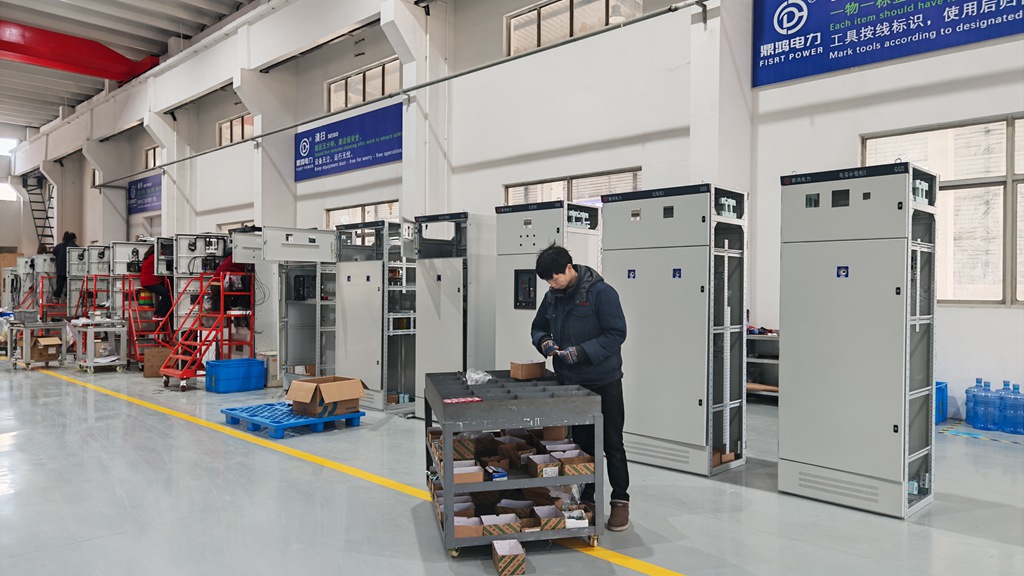
Auditable supply, not just catalogue capacity
Jiangsu Wisegj Power Co., Ltd. is a Suzhou-based manufacturer and exporter of pad-mounted, oil-immersed, dry-type and power transformers, compact substations, switchgear, distribution boxes and voltage stabilizers. The company reports 20+ years of team experience in transformers, 6,847 m² of verified production floorspace, 50+ R&D and technical engineers, 211 qualified supply-chain partners and a 4.9/5 average buyer rating.
Production is organized under ISO 9001, ISO 14001 and ISO 45001 management systems. Independent TÜV Rheinland verification supports the reported factory capability, and CE certificates are listed for oil-immersed power transformers, dry-type transformers and compact substations. Certificate numbers should be verified directly with the issuing body before they are used in a tender submission.
Every transformer order can be supported with guaranteed losses, general arrangement drawings, nameplate approval, routine factory test reports and O&M documents in English. Third-party witness testing is welcome. For Rome buyers, that means the commercial offer can be converted into a reviewable engineering package rather than a price-only quotation.
Specification review
Engineers check rated power, voltage ratio, 50/60 Hz, impedance, vector group, tap range, ambient, altitude and applicable standard.
Design and loss optimization
Core, winding, cooling and insulation are reviewed against guaranteed losses, temperature rise and site constraints.
Drawing and nameplate approval
GA drawing, nameplate data and key guarantees are confirmed before production, reducing late-stage change risk.
Controlled production
Incoming materials, winding, core assembly, drying, tanking and finishing are controlled with in-process inspection.
Routine testing
Winding resistance, ratio, vector group, impedance, load loss, no-load loss, applied voltage and induced voltage tests are documented per unit.
Packing and dispatch
Seaworthy packing, impact indicators where required and complete shipping documentation support delivery through Italian logistics routes.
Certificates and Compliance Evidence for Tender Review
Certificate numbers are provided to help compliance teams verify validity with issuing bodies. Always confirm that the scope covers the exact product, rating and manufacturing site in your order.
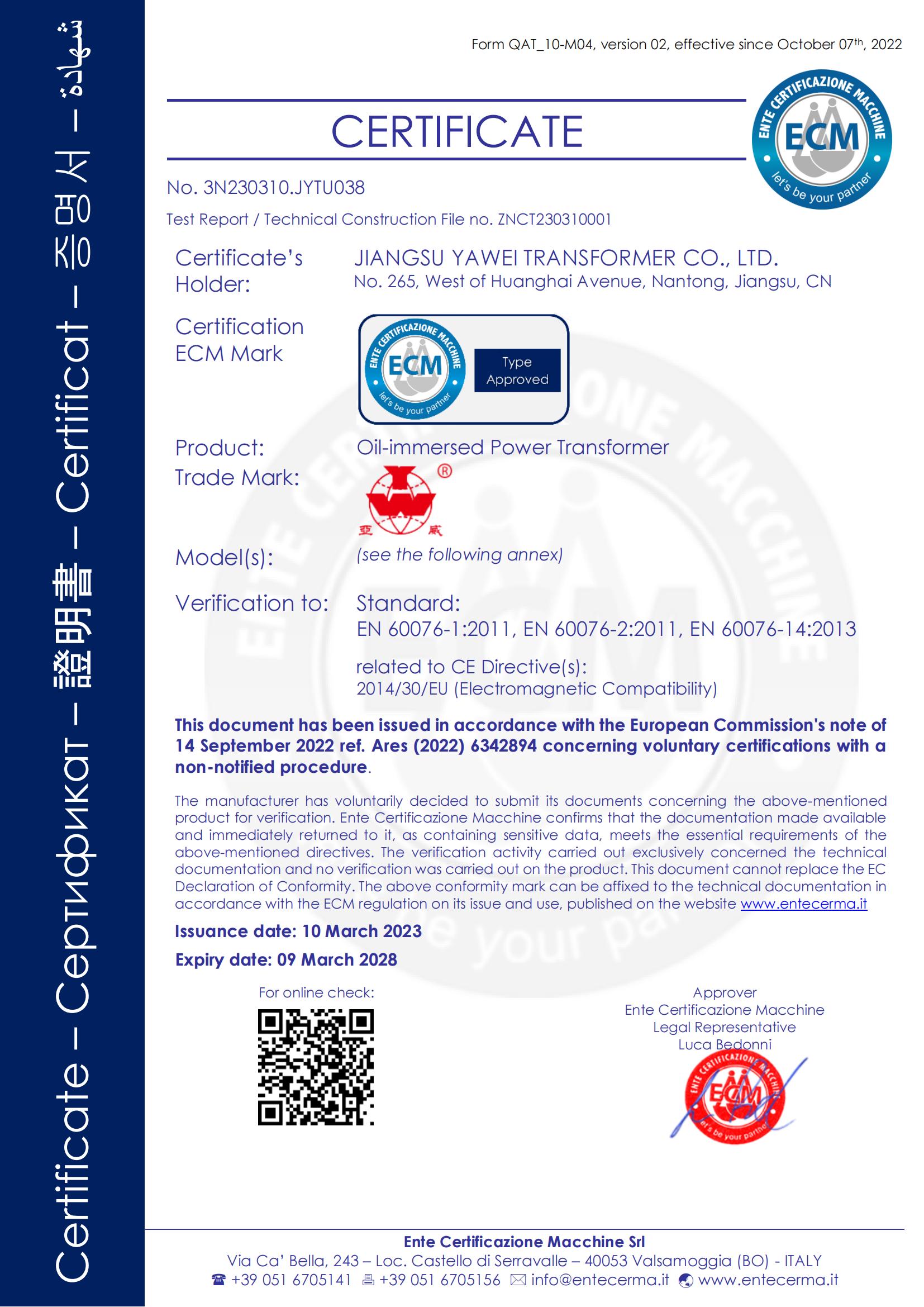
CE Power Transformer
Oil-immersed power transformer certificate reference 3N230310.JYTU038.
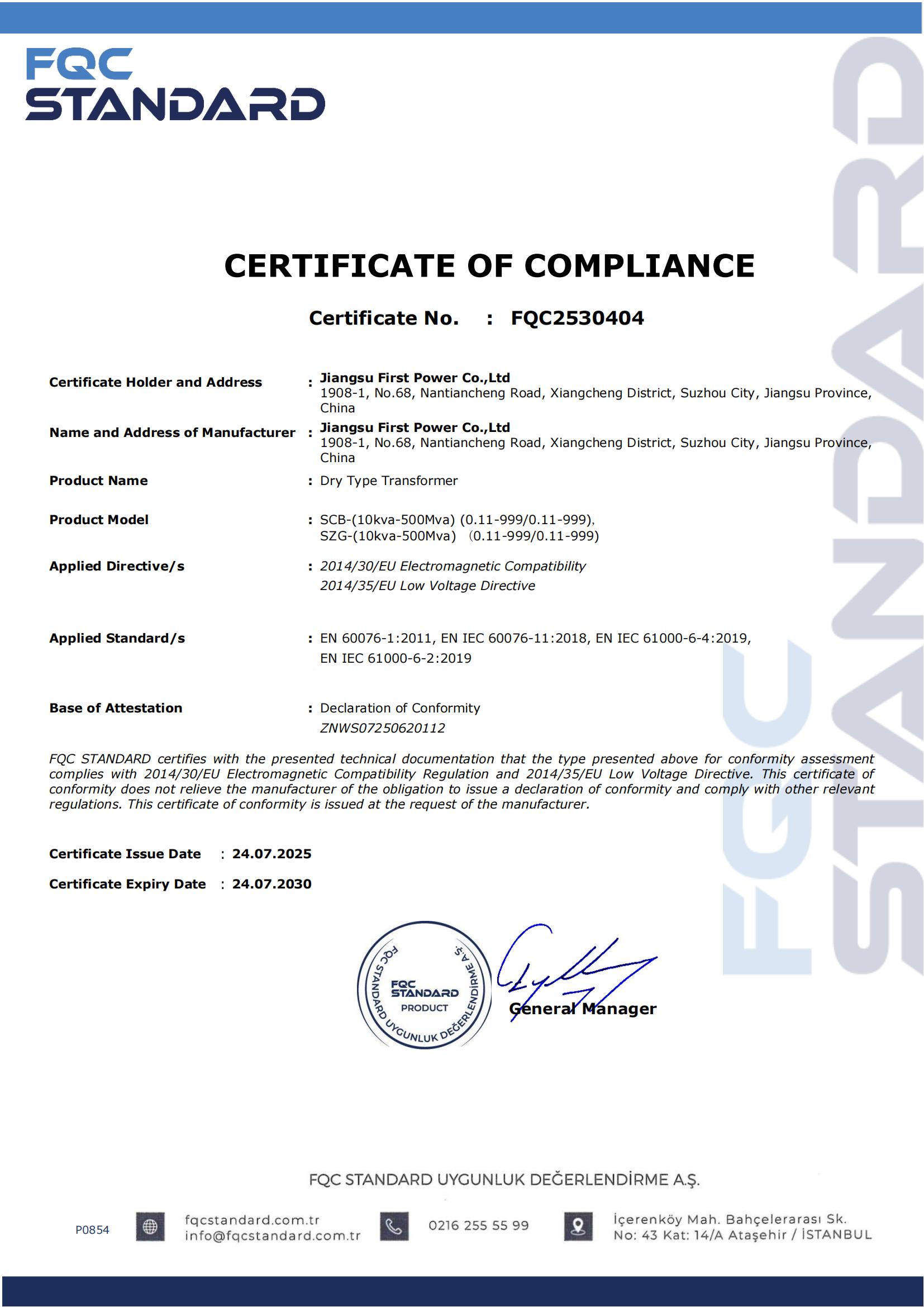
CE Dry Type
Dry-type transformer certificate reference FQC2530404.
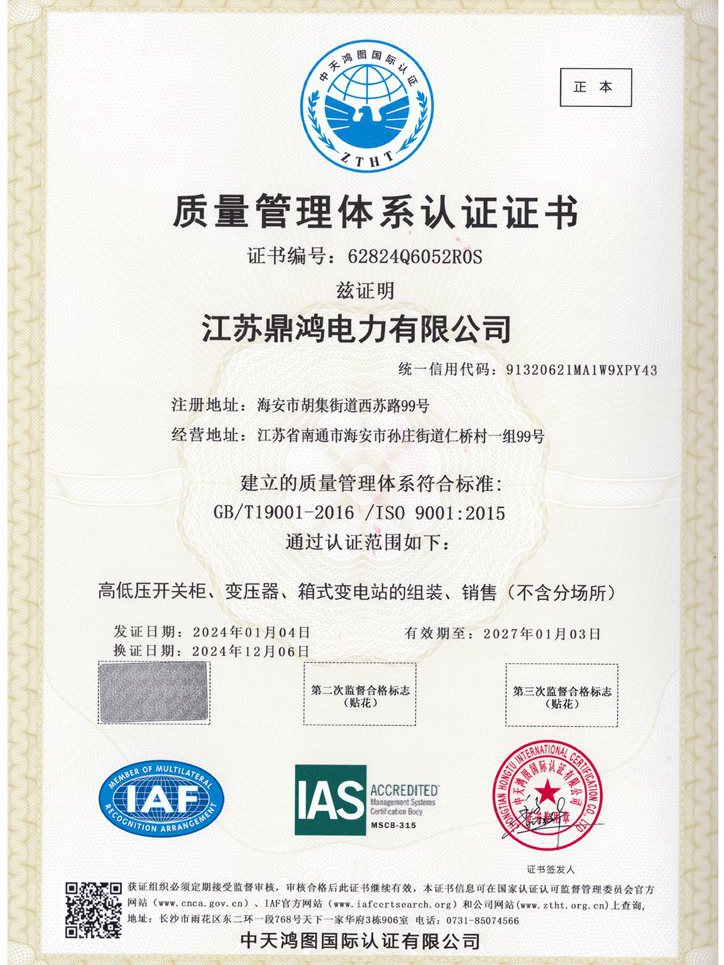
ISO 9001
Quality management system certificate reference 62824Q6052R0S.
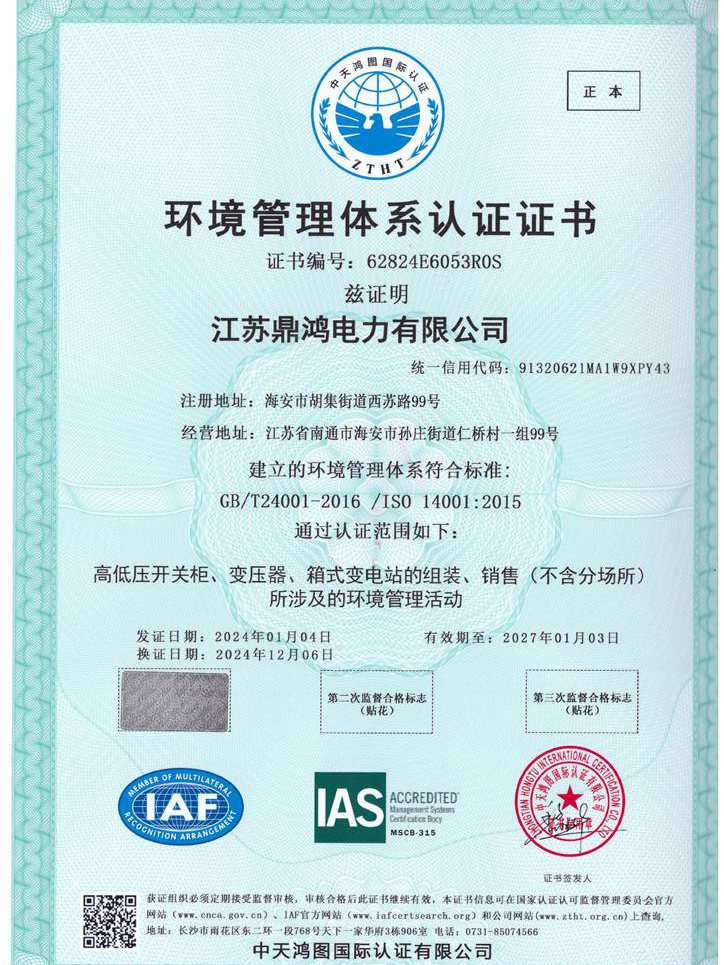
ISO 14001
Environmental management system certificate reference 62824E6053R0S.
Additional references include ISO 45001 certificate 62824S6054R0S and CE documentation for compact substations under M.2025.206.C121884. A Rome tender package should also include routine test reports for the actual serial numbers, not only a certificate library.
Rome Market FAQ for OEM Step-Up Transformer Buyers
Answers for electrical consultants, EPC contractors, facility owners and procurement teams comparing factories for Rome projects.
Do Rome projects normally require 50 Hz or 60 Hz transformers?
Italy operates at 50 Hz, so a Rome installation should normally be specified at 50 Hz. Many catalogue titles show 50/60 Hz because the same mechanical platform can be engineered for export. The purchase order, nameplate, test report and loss guarantees must clearly state 50 Hz operation, the actual voltage ratio and the applicable IEC/CE requirements. A 60 Hz design should not be accepted for a Rome project without a documented engineering review.
Which standards and marks matter for a transformer installed in Italy?
Projects commonly reference IEC 60076 for power transformers, applicable efficiency requirements and EU directives for CE marking, together with the network operator’s connection requirements. A manufacturer should provide design documentation, routine test reports and nameplate data that allow the consultant to verify the offer. ISO 9001, ISO 14001 and ISO 45001 certificates support management-system due diligence, but they do not replace product-specific test evidence. ANSI/IEEE products can be supplied for specific facility standards, but they should be compared carefully against Italian CE/IEC expectations.
Can the transformer be customized for impedance, vector group, taps and cooling?
Yes. OEM customization can include rated power, primary and secondary voltage, frequency, vector group, impedance, tap changer type and range, cooling method, insulating fluid, bushings, enclosure finish, cable boxes, nameplate language and documentation scope. The earlier the factory receives the load flow, protection, fault-level and site-condition data, the fewer assumptions will remain in the design.
How should a step-up transformer be specified for a 20 kV Rome interconnection?
Begin with the source voltage, source type, project maximum export/import, the point of connection, fault level, earthing arrangement, required vector group, protection interface and loss target. Then define whether an OLTC or off-circuit tap changer is appropriate, whether the transformer will be indoor or outdoor, and what documentation the DSO or owner requires. The final design should be reviewed by the project’s licensed electrical engineer; the factory quotation should state assumptions clearly.
What factory tests are normally included before shipment?
Routine tests typically include winding resistance, voltage ratio and vector group, impedance and load loss, no-load loss and current, applied voltage withstand, induced voltage withstand and oil dielectric strength for liquid-filled units. Type-test reports can be supplied where available, and third-party witness testing can be arranged. For Rome tender submissions, confirm that the test plan matches the project specification rather than assuming a standard catalogue test list is sufficient.
What lead time and shipping route should a Rome buyer expect?
Lead time depends on the design, materials, testing scope and order volume. A custom step-up transformer with OLTC, special enclosure, witness testing or unusual documentation will require more time than a repeat standard unit. Rome deliveries are typically planned through Italian ports and EU logistics, with Civitavecchia or other gateways selected according to the Incoterm and project schedule. The quotation should state ex-works lead time, testing milestones and shipping assumptions clearly.
Which Incoterms and payment methods are accepted?
The supplier’s stated trade coverage includes FOB, CFR, CIF, EXW, FCA, CIP, CPT and DDP terms, with T/T, L/C, D/P and D/A among payment options in major currencies such as USD, EUR and GBP. For an Italian buyer, EUR quotation and DAP/DDP options may simplify landed-cost comparison, but responsibility for import clearance, VAT treatment and final delivery must be agreed in writing.
Can documentation be supplied for Italian consultants, contractors and facility owners?
Yes. A practical package can include guaranteed technical particulars, general arrangement drawings, nameplate drafts, routine test reports, packing lists, O&M manuals and certificate references. If a project requires translated documentation, special language on the nameplate or additional inspection records, these requirements should be stated in the RFQ so they can be included in the quotation and production plan.
RFQ Checklist for a Rome-Ready Step-Up Transformer
Share these eight data points and the factory can return a more precise technical and commercial proposal without unnecessary clarification rounds.
- Rated power and duty profile
- Primary and secondary voltage
- 50 Hz and applicable standard
- Vector group and impedance
- Tap changer type and range
- Cooling, fluid and installation location
- Loss target, ambient and altitude
- Inspection, documents and Incoterm
Need a factory-reviewed shortlist?
Request the product catalogue or send your specification for a Rome project review. The manufacturer’s stated response target for technical questions is within one working day.
Get CatalogNo additional action is required on this page. Use the catalogue request to start the third-party enquiry workflow.
Build a Rome-Ready Step-Up Transformer Specification with a Factory That Can Document It
Compare custom OEM step-up power transformer manufacturers and factories for the Rome market on engineering review, IEC/CE evidence, routine testing, traceable documentation and export experience—not on catalogue kVA alone.
Get Catalog