Jiangsu Wisegj Power Co., Ltd. · IEC & CE Transformer Engineering
Custom OEM Prefabricated Transformer Substation Manufacturers & Manufacturer for Verona
IEC/CE-engineered pad-mounted transformers, oil-immersed distribution transformers, loop-feed units and factory-built transformer substations for Verona’s urban, hospitality, logistics, winery and renewable energy projects.
8 Transformer & Substation Options for Verona Projects
These production lines are suitable for EPC contractors, electrical consultants, utilities and facility owners comparing 20 kV / 400 V distribution, compact outdoor footprints, loop-feed reliability and custom OEM documentation for Verona and the wider Veneto region.
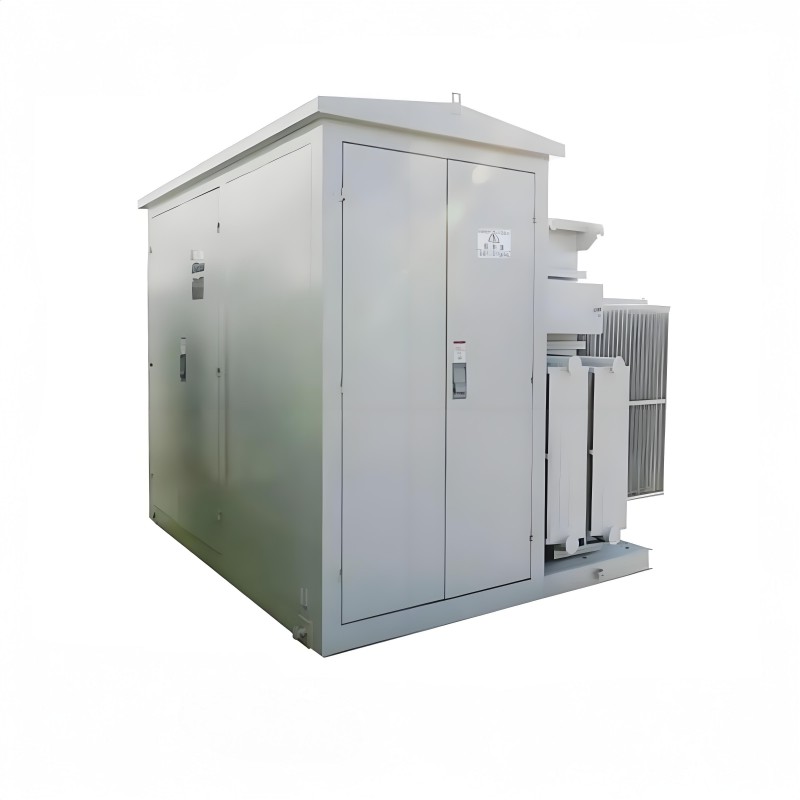 ANSI / CE
American Standard /C Certification 75-2500KVA Oil Type Three Phase 13.8KV Pad Mount Transformers for Power Generation
Oil-filled three-phase pad-mount platform for power generation and export projects requiring ANSI-style compartmentation, robust cable access and 13.8 kV class insulation coordination.
Verona fit: useful for OEM packages, private generation interfaces or international projects managed from Verona where 13.8 kV equipment is specified.
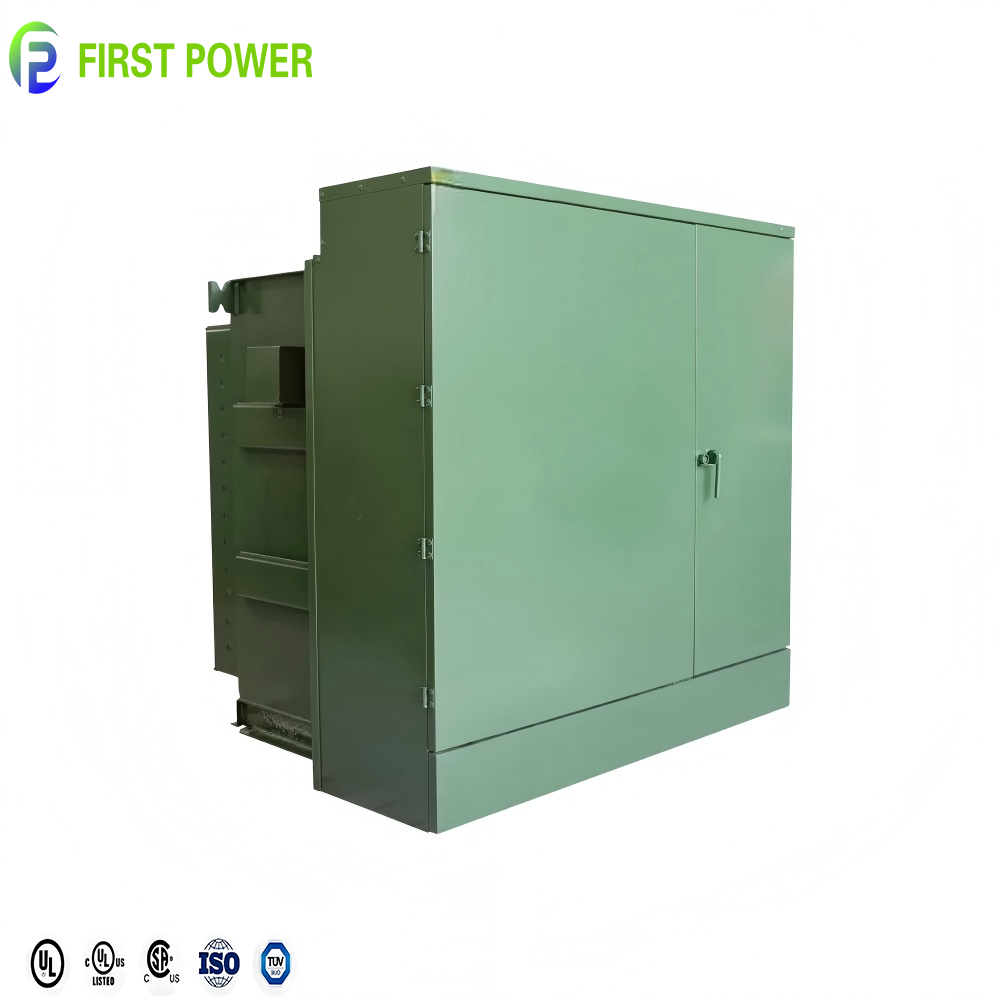 20 kV ready
C CE 50/60HZ 10KV 20KV 35KV 300KVA 500KVA 630KVA 750KVA Three Phase Pad Mounted Transformer for Electric Power Distribution
A practical three-phase pad-mounted range for underground MV distribution, with enclosure and termination choices suited to commercial and public-sector sites.
Verona fit: strong candidate for 20 kV / 400 V urban distribution, hotel retrofits, retail parks and municipal projects where site access and footprint matter.
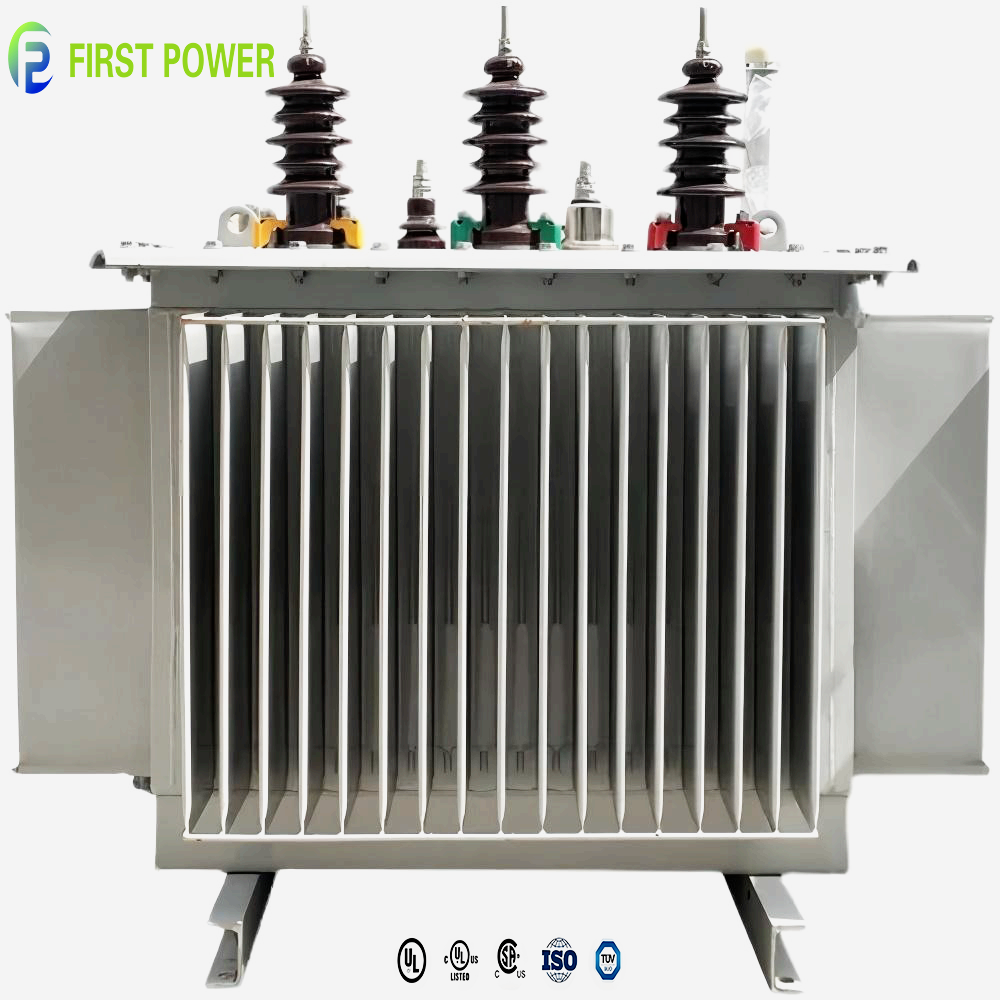 S11 low loss
/C Certification 60HZ S11 Three Phase 10KV 35KV 500 KVA 22KV/0.4KV 50HZ Electric Oil Immersed Transformer for Power Supplies
S11 oil-immersed transformer architecture for stable power supplies, with customizable losses, taps, vector group and protection accessories.
Verona fit: suitable for industrial facilities, workshops and commercial buildings needing conventional oil-immersed distribution with proven materials and routine testing.
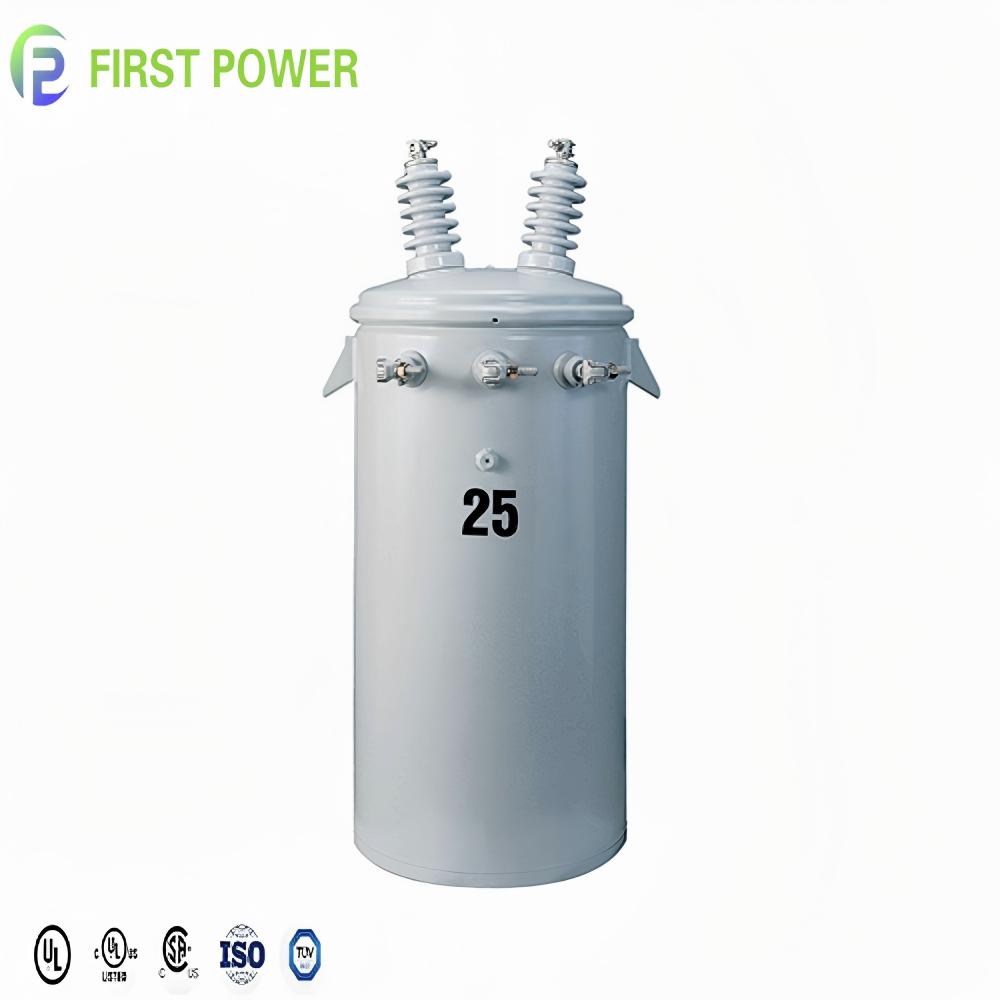 Single phase
C CE Certification MV&HV 50/60HZ 6KV 10KV 20KV 35KV 25KVA Single Phase Transformer Price for Electric Power Distribution
Medium-voltage single-phase distribution transformer for small loads, auxiliary supplies and niche distribution layouts where three-phase capacity is unnecessary.
Verona fit: good for auxiliary power, remote loads, rural or niche commercial sites, and OEM projects needing a compact single-phase unit with CE documentation.
 Up to 31.5 MVA
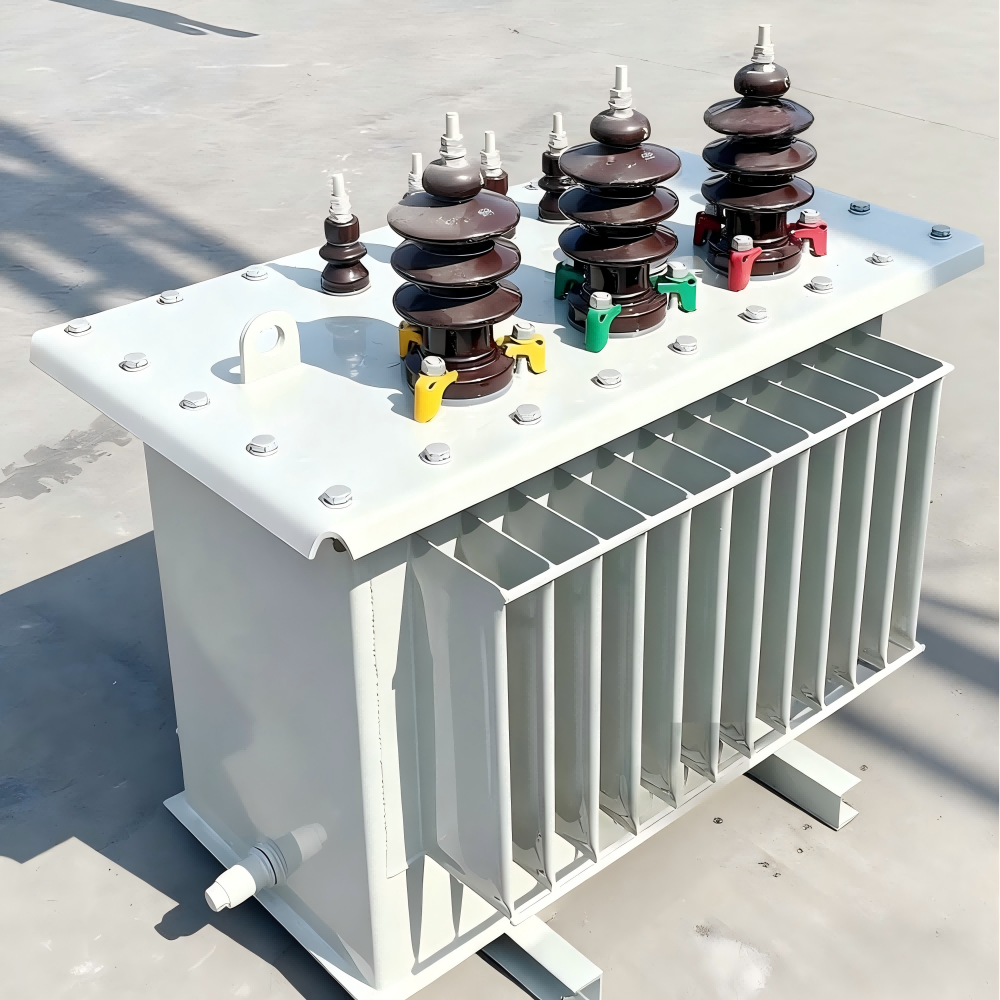
C CE MV&HV 30-31500KVA 6KV 10KV 15KV 20KV 35KV S11 Three Phase Oil Transformer for Electric Power Distribution
A broad S11 oil transformer range for distribution and step-down duties, from compact commercial ratings to large industrial capacities.
Verona fit: relevant for logistics hubs, food processing, wineries and manufacturing plants requiring high-capacity distribution with customized impedance and loss values.
 Industrial
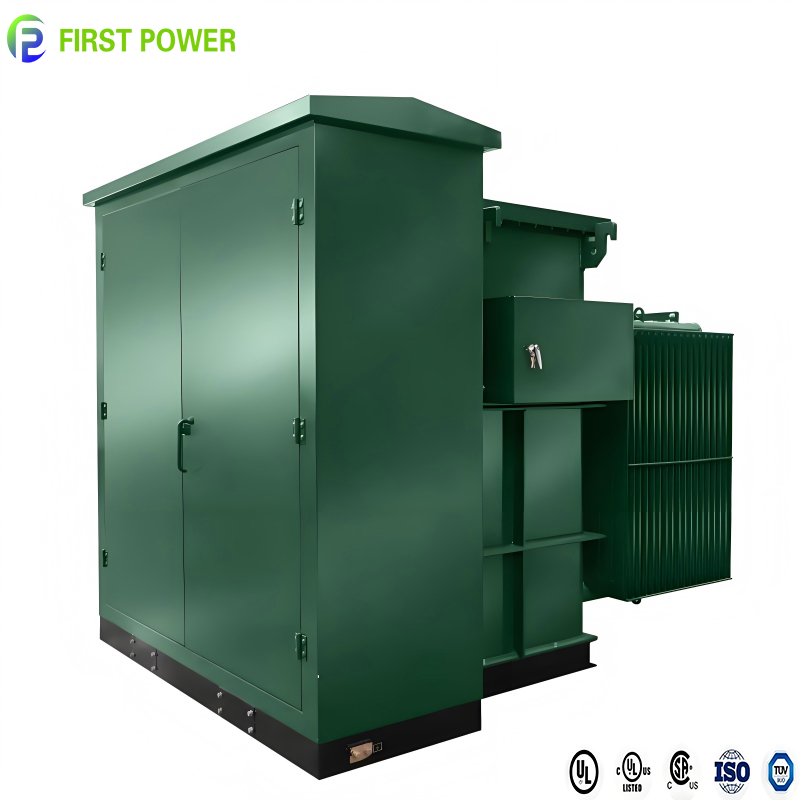
C CE 50/60HZ 6KV 10KV 15KV 20KV 35KV 100KVA 300KVA 500KVA 630KVA 3 Phase Pad Mounted Pedestal Transformer for Industrial
Pedestal-style pad-mounted transformer designed for industrial sites that need a defined outdoor footprint, service access and protection against environmental exposure.
Verona fit: appropriate for industrial parks, warehouse charging infrastructure, cold-chain facilities and commercial expansion projects around Verona’s logistics corridors.
 Dead front
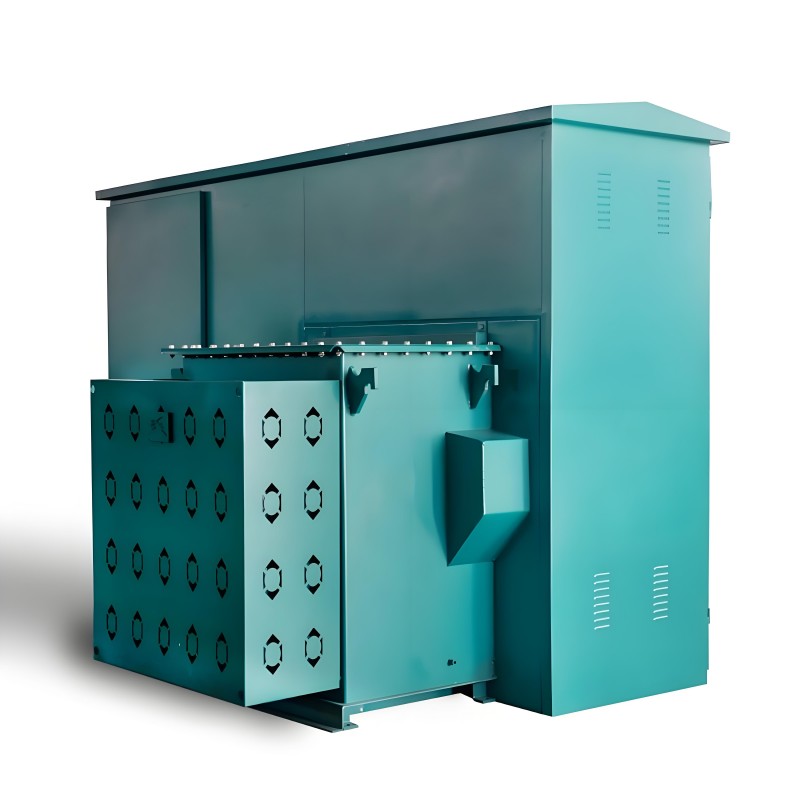
/C Certified Oil-Type Cooper 75-2500kva Pad Mounted Transformer 6kv-34.5kv 50/60hz Dead Front Three Phases
Dead-front pad-mounted three-phase transformer with accessible high-voltage compartments and safety-oriented cable termination for public-adjacent installations.
Verona fit: well suited to urban renewal, hotel courtyards, residential compounds and underground distribution where public safety and compact enclosures are priorities.
 Loop feed
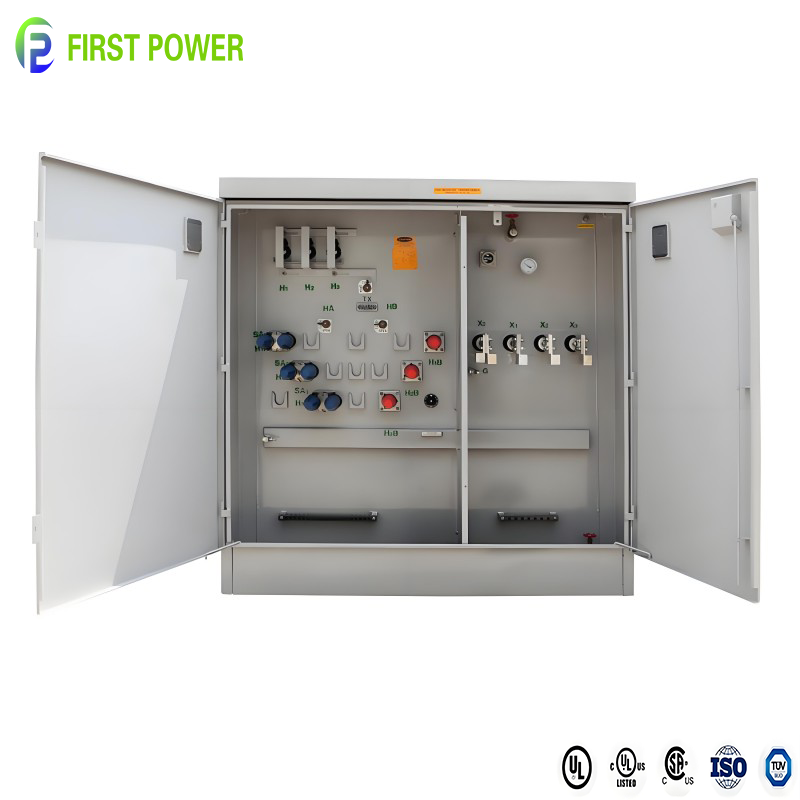
C CE MV&HV 50/60HZ 300KVA 500KVA 630KVA 700KVA 10KV 15KV 20KV 35KV 3 Phase Loop Feed Pad Mounted Transformer for Industrial
Loop-feed pad-mounted transformer for industrial and renewable projects that require redundancy, sectionalizing and efficient cable routing.
Verona fit: recommended for solar self-consumption, EV fleet depots, logistics centers and industrial sites needing looped MV networks with future expansion capability.
Why Verona Buyers Need a Specification-Led Transformer Partner
Verona is not a generic destination for electrical equipment. The city combines historic urban constraints, high-value hospitality and retail loads, important logistics corridors, agricultural processing and a growing renewable energy appetite.
For a custom OEM prefabricated transformer substation project in Verona, the lowest purchase price is rarely the lowest lifecycle cost. A transformer must match the local MV distribution practice, usually 20 kV with 400 V secondary distribution, while also respecting site access, acoustic limits, fire safety, seismic bracing, enclosure corrosion protection and Italian-language documentation. The difference between a smooth commissioning and a delayed site usually comes from pre-order engineering: guaranteed losses, impedance, tap range, vector group, protection coordination and cable termination details should be agreed before production begins.
This guide is written for EPC contractors, electrical consultants, facility managers, developers and procurement teams comparing OEM transformer substation manufacturers for Verona. It explains where each transformer family fits, how to structure a technical inquiry, what local trends are shaping demand, and which factory evidence should be requested before releasing a purchase order.
- Application-led selection: choose pad-mounted, oil-immersed, single-phase or loop-feed equipment based on site layout and operating philosophy, not only kVA.
- Documentation quality: confirm GA drawings, nameplate drafts, routine test reports and O&M manuals before shipment.
- Local compliance interface: align the substation design with Italian MV connection practice, CE marking expectations and project-specific CEI requirements.
- Lifecycle value: evaluate no-load and load losses, cooling, maintenance access and spare-part strategy rather than price alone.
Transformer Substation Scenarios in Verona
From the historic centre to the logistics districts and the wineries of Valpolicella, the right enclosure and transformer type depend on access, noise, safety and load profile.
Localized Trends Shaping Transformer Demand
Procurement decisions in Verona are increasingly driven by grid modernization, electrification and lifecycle carbon performance rather than replacement-only purchasing.
Prefabricated Transformer Substation Engineering for Verona
A prefabricated transformer substation is more than a transformer inside an enclosure. It is an integrated electrical interface that should be reviewed as a system.
What Can Be Customized
Jiangsu Wisegj Power Co., Ltd. supports OEM, ODM and design-based customization for transformer substation projects. For Verona, the engineering conversation usually starts with the site layout, MV connection point, transformer rating, protection philosophy and documentation language.
- Transformer rating, impedance, vector group and tap range
- 20 kV / 400 V or project-specific voltage ratio
- MV switchgear, fuse, breaker and protection interface
- LV distribution panel and metering compartment options
- Enclosure material, color, IP rating and anti-corrosion finish
- Natural or forced ventilation, acoustic treatment and solar shielding
- Seismic bracing and anchor details for local structural review
- English and Italian nameplate/documentation packages
- Routine test reports, third-party witness inspection and FAT support
- Export packing, shock indicators and site delivery coordination
Typical Planning Weight for Verona Projects
Indicative weighting based on common technical and procurement priorities; final selection should follow the project specification.
Auditable Manufacturing Evidence for EPC and OEM Buyers
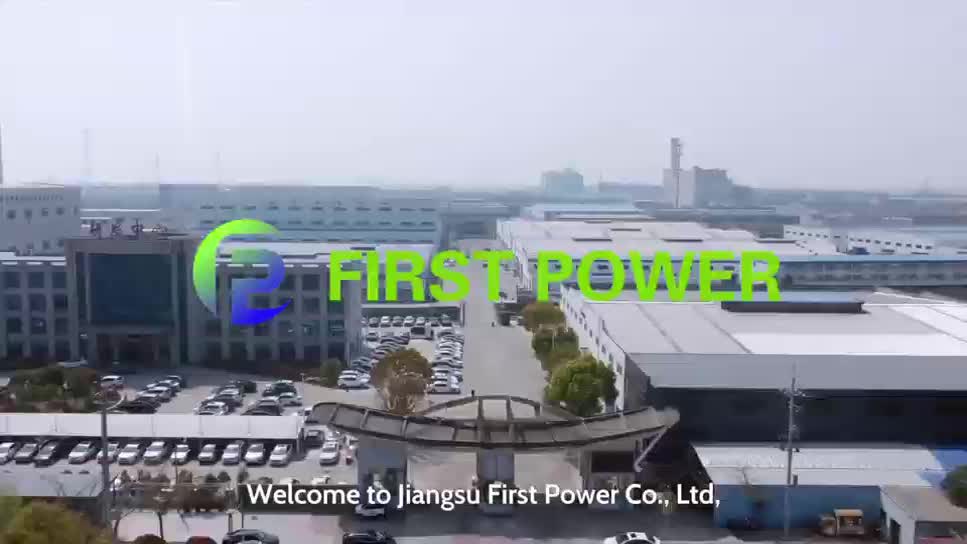
Jiangsu Wisegj Power Co., Ltd. designs, assembles and exports medium and high voltage equipment from 220 V up to 500 kV, including pad-mounted transformers, oil-immersed distribution transformers, power transformers, dry-type transformers, compact substations, switchgear and distribution boxes. Our engineering team brings more than 20 years of hands-on transformer experience to specification review and custom design.
Every project can be supported with GA drawings, guaranteed losses, nameplate drafts, routine test reports and export documentation. Production runs under ISO 9001, ISO 14001 and ISO 45001 management systems, and product lines hold CE certificates. Factory capability has been inspected onsite by TÜV Rheinland, an independent third-party body.
Where Our Factory Reduces Project Risk
Our value is not simply component assembly. It is the combination of engineering review, documented production controls, export experience and responsive communication.
Specification Review Before Quote
Engineers check rating, voltage, frequency, altitude, ambient, standards, losses and site conditions before confirming the offer.
In-House Routine Testing
Winding resistance, ratio, vector group, impedance, load loss, no-load loss and dielectric tests are documented per serial number.
OEM Nameplates & Drawings
Nameplate language, drawing formats, project tags, enclosure color and documentation packages can be adapted to your workflow.
Export Packing
Seaworthy packing, protective wrapping and optional impact indicators help protect equipment through multimodal transport.
Third-Party Witness Support
Customer representatives or appointed inspection agencies can witness factory acceptance testing and review test records.
211 Qualified Suppliers
A qualified chain for silicon steel, copper, bushings, insulation materials and accessories supports stable lead times.
24-Hour Engineer Response
Technical clarifications and after-sales questions receive a qualified response within one working day.
Full Incoterms Coverage
FOB, CFR, CIF, EXW, FCA, CIP, CPT and DDP options can be quoted according to procurement preference.
Questions Buyers Ask Before Ordering
These answers reflect the technical and commercial topics most often raised by European EPC teams and facility owners evaluating a custom transformer substation.
Can you supply a transformer substation configured for Verona’s 20 kV network?
Yes. Pad-mounted and prefabricated substations can be engineered for 20 kV / 400 V duty, with voltage ratio, insulation level, protection interface, impedance and tap range confirmed against your project specification. Where the site uses 10 kV or 15 kV legacy equipment, the design can be adapted after drawing review.
Which standards and certificates should be requested?
Typical requirements include IEC 60076 for transformers, IEC 62271-202 for prefabricated substations where applicable, CE marking support for relevant equipment and project interface requirements linked to Italian MV connection practice. We provide CE certificates for applicable product lines and can supply routine test reports, drawings and documentation packages.
Can nameplates and manuals be supplied in Italian?
Yes. Nameplate language, warning labels and selected O&M documentation can be prepared in Italian or bilingual Italian/English format. Project tags, drawing title blocks and document numbering can also be aligned with EPC document-control requirements.
How do you handle limited site access in historic or urban areas?
Factory-built substations reduce site assembly time and crane requirements when the enclosure is properly sized for transport. We can review the delivery route concept, enclosure dimensions, lifting points and modular arrangements during the drawing approval stage so the equipment matches the available access.
What testing is performed before shipment?
Routine tests generally include winding resistance, voltage ratio and vector group, impedance and load loss, no-load loss and current, applied voltage and induced voltage tests. Oil-filled units can include oil dielectric strength checks. Type test reports can be supplied where available, and third-party witness testing is welcome.
Can you customize losses for EU efficiency and lifecycle cost targets?
Yes. No-load and load loss values can be optimized within the thermal and material design limits of the selected transformer platform. Send your loss capitalization formula or efficiency target with the inquiry so the design and quotation can be evaluated on a lifecycle basis.
What is the usual process from inquiry to delivery?
The process typically follows specification review, technical offer, drawing approval, production, routine testing, documentation review, export packing and shipment. Lead time depends on rating, enclosure complexity, accessories, testing requirements and current factory schedule, so it is confirmed per project rather than promised generically.
Which information should be included in the first inquiry?
Please provide rated power, primary and secondary voltage, frequency, vector group, impedance, tap range, cooling method, applicable standard, altitude, ambient temperature, seismic requirement, enclosure type, documentation language, delivery destination and required Incoterm. A single-line diagram or tender drawing helps our engineers respond faster.
What to Check in a Custom Transformer Quotation
For a high-value substation, compare offers on the same technical basis so the commercial decision reflects the true scope.
First, verify that the offered transformer matches the required voltage ratio, vector group, impedance tolerance, tap range and cooling class. Second, compare guaranteed losses and the calculation method used for evaluation. Third, check the enclosure scope: IP rating, ventilation, anti-corrosion treatment, cable entry, earthing points, lighting, access doors and lifting provisions. Fourth, confirm protection and metering interfaces, because a low transformer price can become misleading if major interface works are excluded.
Finally, review the documentation and testing schedule. A credible OEM transformer substation manufacturer should be comfortable with drawing approval, factory acceptance testing, third-party inspection and bilingual documents for Verona projects. This is where E-E-A-T matters in practice: experience is demonstrated by how clearly a supplier identifies missing information, explains design choices, and documents the equipment before it leaves the factory.
- Scope alignment: transformer, switchgear, LV panel, protection, enclosure and transport should be listed item by item.
- Loss evaluation: request no-load and load loss guarantees plus tolerance and measurement method.
- Site interface: confirm cable type, termination direction, foundation details and earthing arrangement.
- Compliance file: collect drawings, test reports, certificates, nameplate drafts and O&M manuals.
Send Your Verona Transformer Substation Specification for Review
Share your single-line diagram, rating, voltage ratio, enclosure requirements and documentation expectations. Our engineering team will review the application and respond with a technically aligned proposal for OEM pad-mounted transformers, oil-immersed transformers or a prefabricated transformer substation.
No extra JavaScript is added to the inquiry button; the existing third-party live chat handler remains responsible for opening the contact window.