China Wholesale Power Substation Equipment Manufacturer & Wholesalers for Bafatá
Utility-Grade Pad-Mounted Transformers, Oil-Immersed Distribution Units, & Prefabricated Compact Substations Engineered for Guinea-Bissau & West Africa
Catalog & Recommended Hardware
Wholesale Power Substation Equipment for Bafatá
Custom-engineered medium and high-voltage power distribution equipment built under ISO 9001 and CE frameworks. Optimized for sub-Saharan grid resilience, tropical humidity, and continuous industrial duty.
Engineering Resilient Power Substation Infrastructure in Bafatá, Guinea-Bissau
As the administrative capital of Guinea-Bissau’s central region and a pivotal agricultural processing center along the Geba River basin, Bafatá demands robust, low-loss electrical distribution systems. Electrification expansion programs in sub-Saharan Africa require high-spec substation hardware capable of enduring demanding climatic and operating constraints. Jiangsu Wisegj Power Co., Ltd. supplies high-efficiency power distribution hardware specifically tailored for municipal power networks, rural electrification projects, commercial installations, and industrial processing operations across Bafatá and greater West Africa.
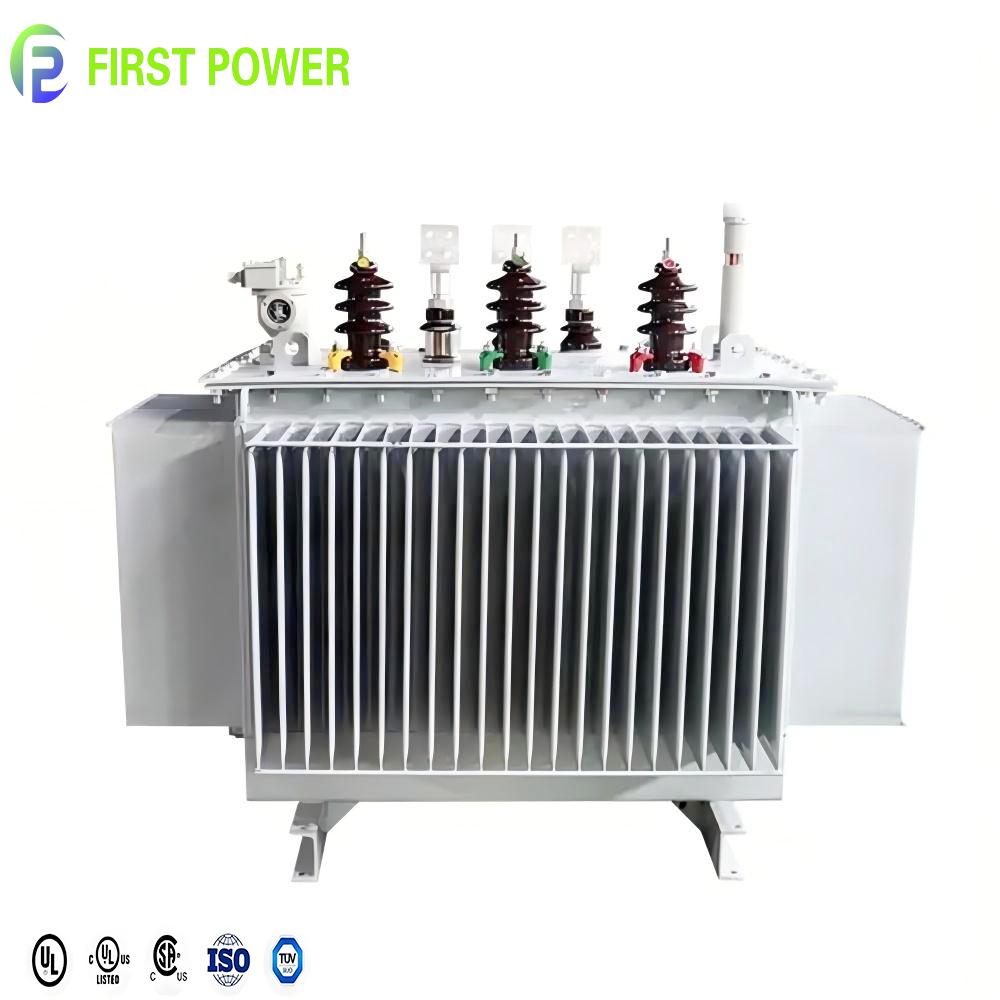
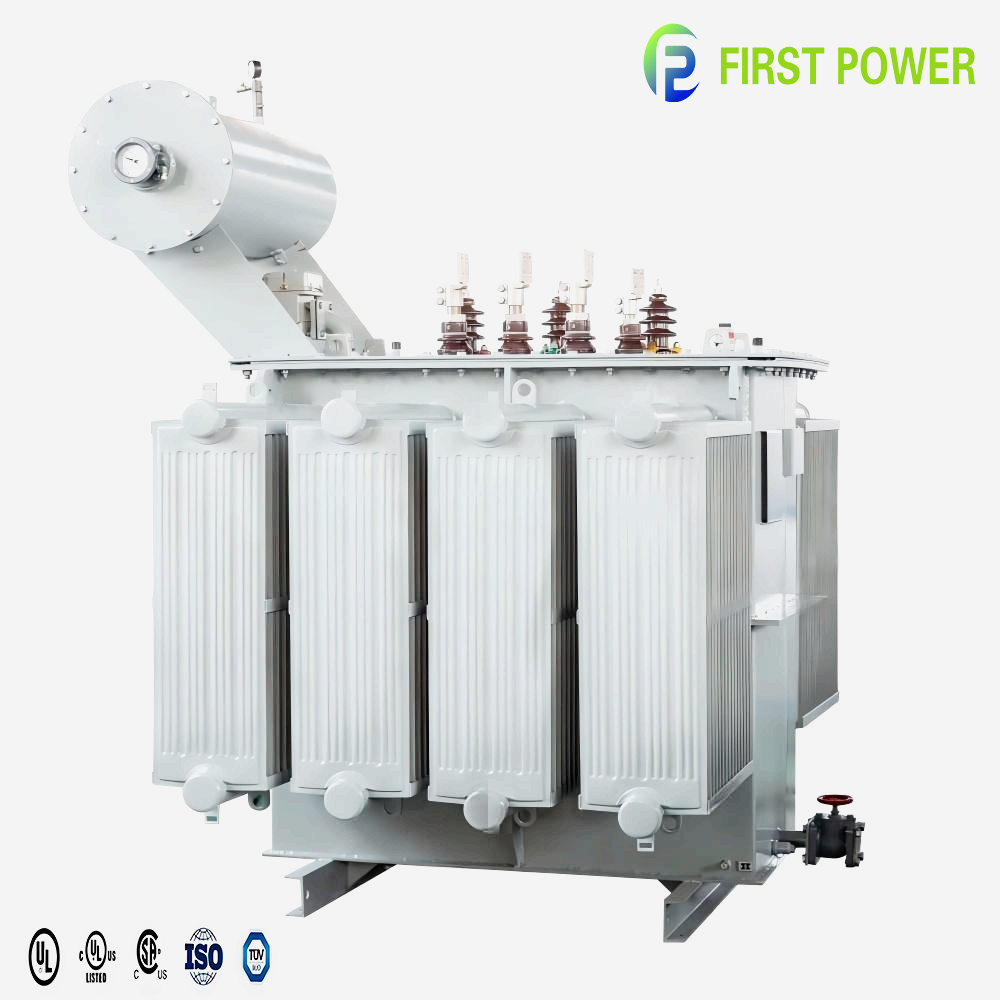
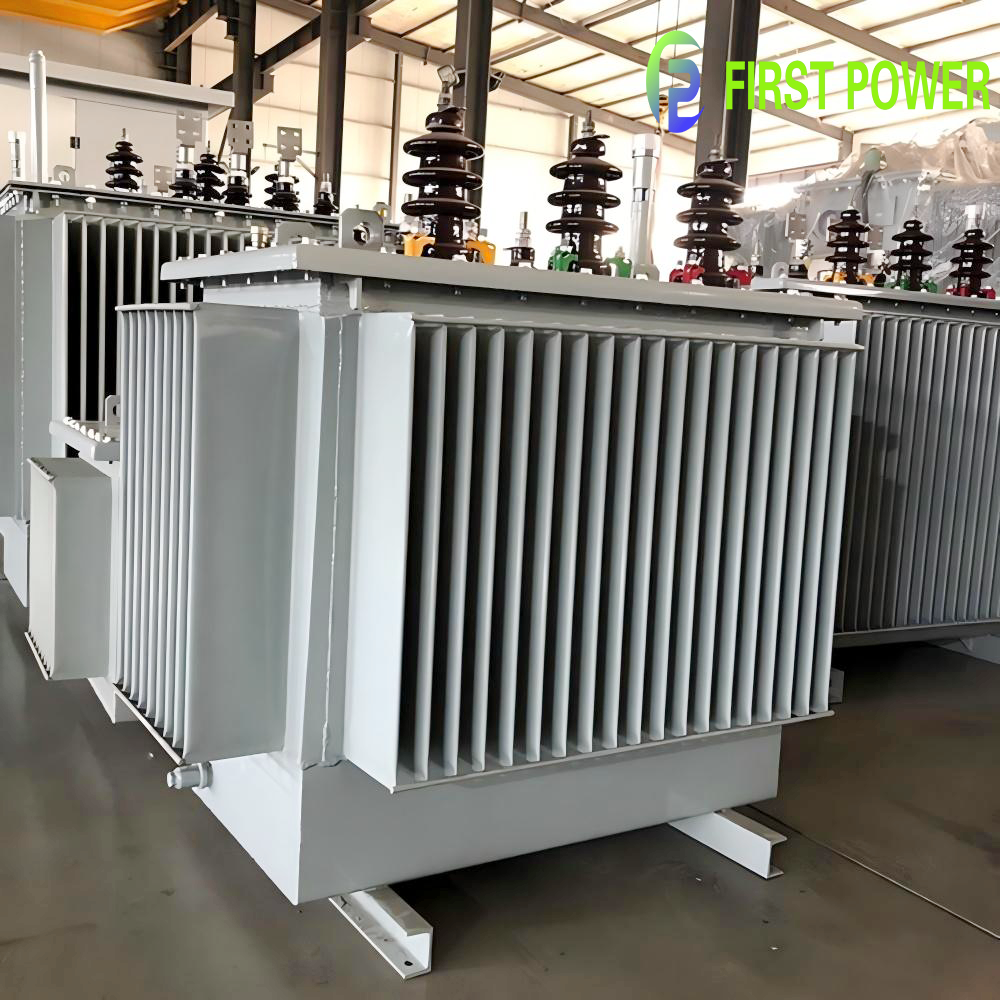
Procuring power substation equipment from a verified Chinese manufacturer provides wholesale buyers, utility contractors, and engineering procurement construction (EPC) companies in Guinea-Bissau with direct access to utility-grade technology. Equipped with advanced cold-rolled grain-oriented (CRGO) steel cores, low-loss copper windings, multi-layer anti-corrosion cabinet treatments, and hermetically sealed corrugated oil tanks, Wisegj equipment minimizes line losses, operational maintenance, and total cost of ownership (TCO).
Key Engineering Fact for Bafatá Deployments: Equipment deployed in Bafatá operates in ambient temperatures exceeding 40°C during dry seasons, combined with intense relative humidity (up to 95%) and dust blowing from Harmattan winds. Our transformers feature specialized 60/65°C thermal rise ratings, mineral or FR3 liquid insulation, and C4/C5-M anti-corrosion protective coatings to guarantee a 30+ year operating lifecycle under sub-Saharan field conditions.
Technical Challenges of Bafatá’s Electrical Infrastructure
Primary distribution in regional centers like Bafatá relies on medium-voltage (MV) radial and loop networks operating primarily at 10kV, 20kV, and 35kV. Line attenuation, load surges from heavy inductive motor starts in agricultural processing facilities, and grid voltage fluctuations present constant operational hurdles. Substation equipment deployed in this environment must address four critical engineering challenges:
1. Thermal Dissipation in High Ambient Operating Conditions: Standard European or Asian transformer designs configured for 30°C nominal ambient baselines experience accelerated thermal aging and dielectric breakdown when operated under Bafatá's sustained tropical heat. Wisegj custom-engineers radiator surface areas, tank fluid volumes, and paper insulation thermal limits (Class A with upgraded cellulose or Class H/F dry-type resins) to prevent derating.
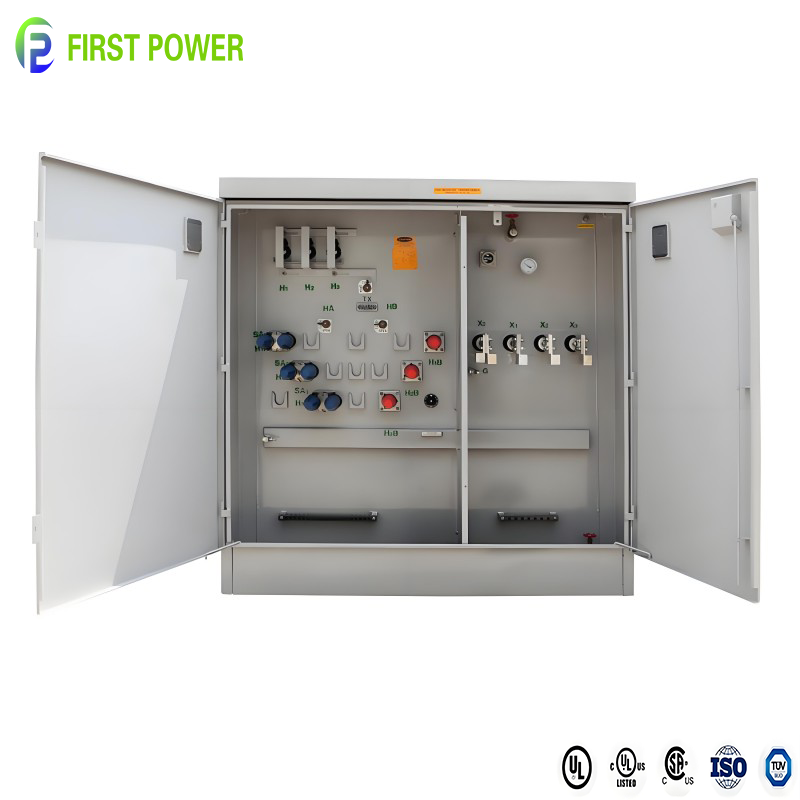
2. Atmospheric & Dust Ingress Protection: Seasonal Harmattan winds transport fine particulate dust, while rainy seasons introduce moisture and fungal growth risks. Pad-mounted transformers and compact substations require IP54/NEMA 3R sealed compartmental enclosures, stainless steel hardware, and dead-front elbow connections to insulate live medium-voltage conductors against airborne contamination.
3. Severe Voltage Fluctuations & Unbalanced Loading: Single-phase domestic connections mixed with three-phase industrial loads along Geba River agricultural corridors cause phase unbalance. Standard Yyn0 winding configurations are vulnerable to neutral point displacement and harmonic overheating. Supplying transformers with Dyn11 vector group configurations enables neutral current return handling up to 75% of rated capacity, stabilizing secondary 400V/230V bus voltages.
4. Minimization of No-Load and Load Losses: In regions where power generation costs from diesel or imported heavy fuel oil (HFO) remain high, purchasing low-loss distribution equipment yields rapid capital return. Our S11 and S13 oil-immersed series reduce no-load losses by 25% to 35% compared to legacy S9 units, while reducing no-load current to less than 0.8%.
Target Deployment Scenarios
Localized Application Scenarios Across Bafatá & Regional Grids
Tailored transformer and substation designs matching specific agricultural, municipal, commercial, and off-grid renewable infrastructure projects in central Guinea-Bissau.
Bafatá serves as a major trade hub for raw cashew nuts, peanuts, and grain processing. Agro-industrial plants require heavy-duty 3-phase oil-immersed transformers (300kVA to 2500kVA) configured for 10kV/0.4kV or 35kV/0.4kV step-down operation. Built with off-load tap changers (NLTC) or on-load tap changers (OLTC) covering ±2x2.5%, these transformers maintain smooth terminal voltage for heavy motor drives, sorting machinery, and cold storage units.
2. Urban Distribution & Municipal Grid Expansion
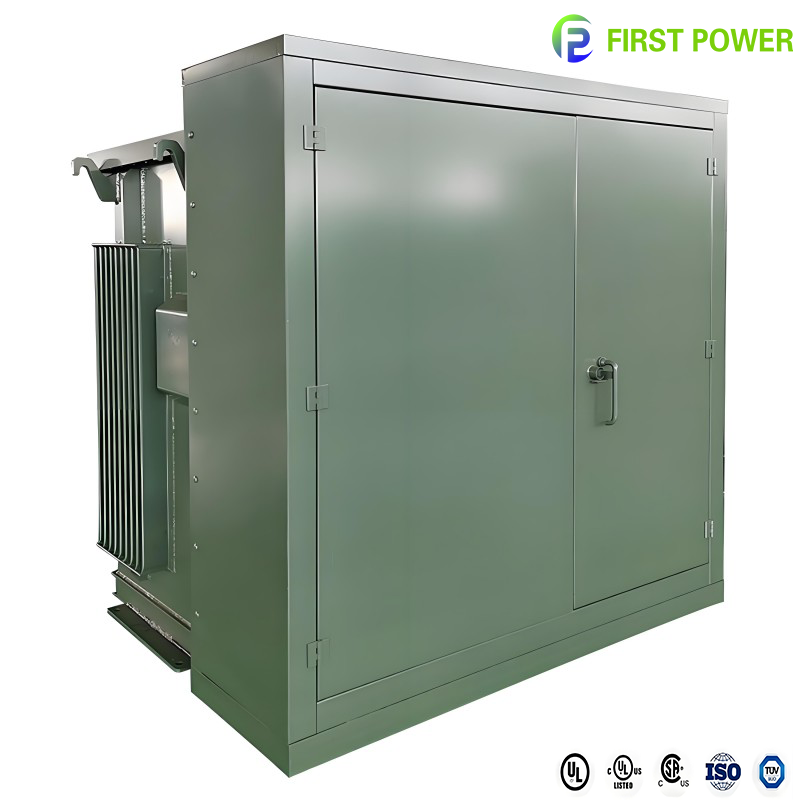
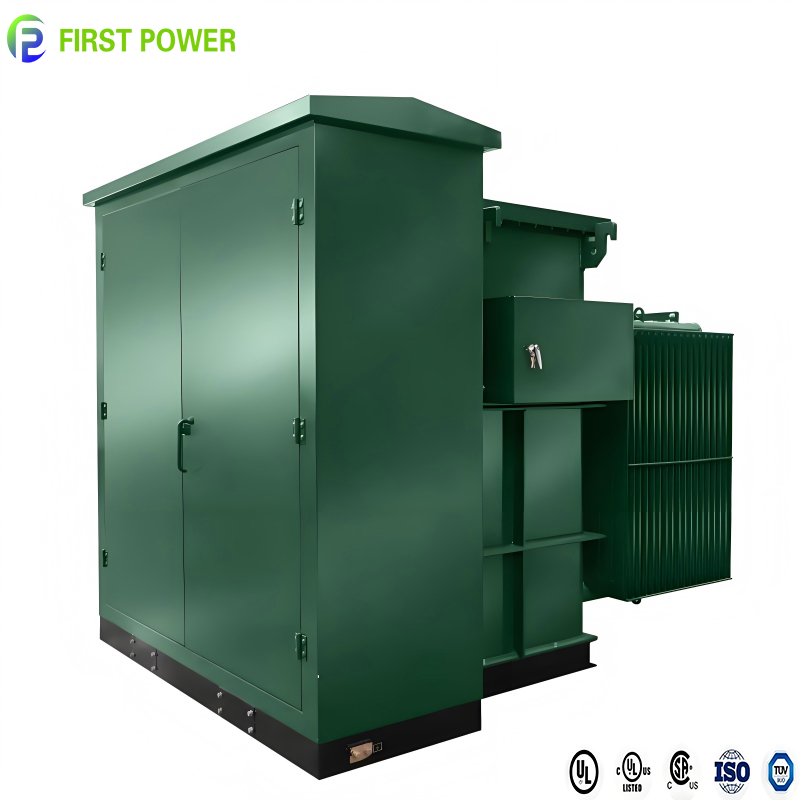
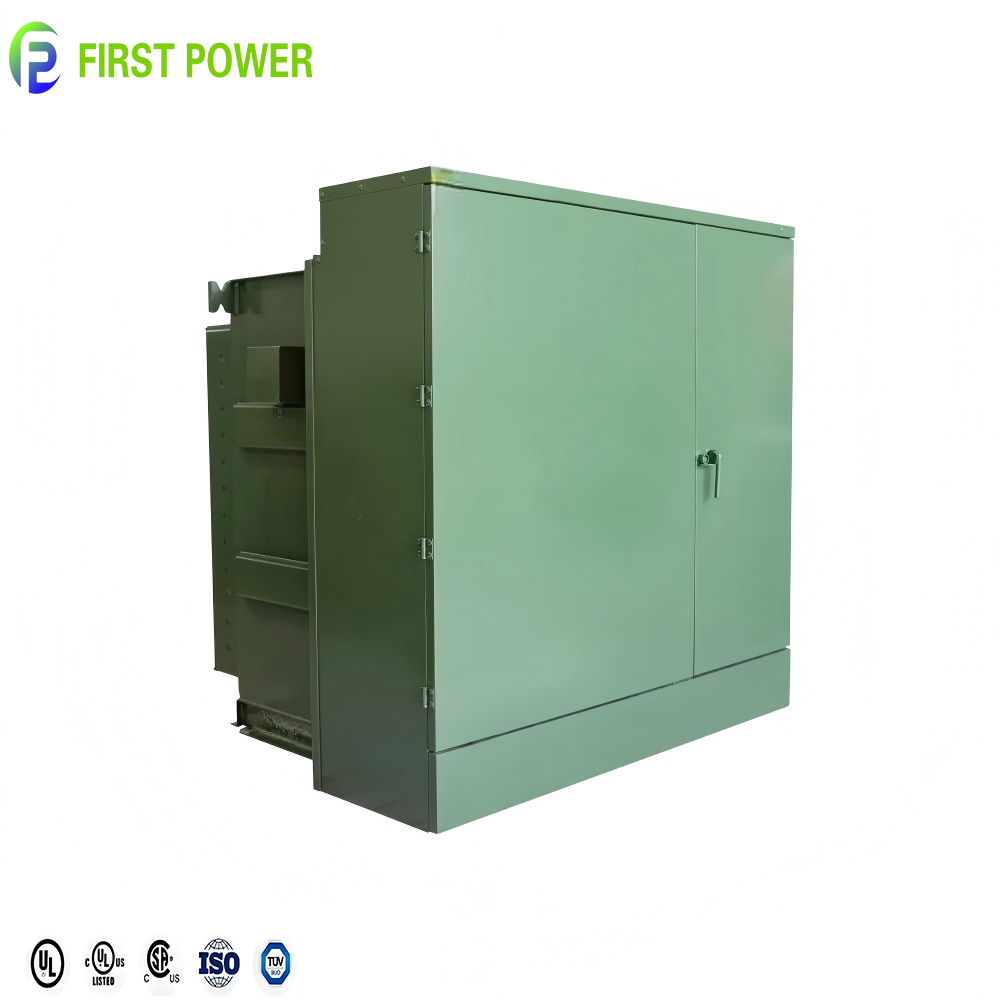
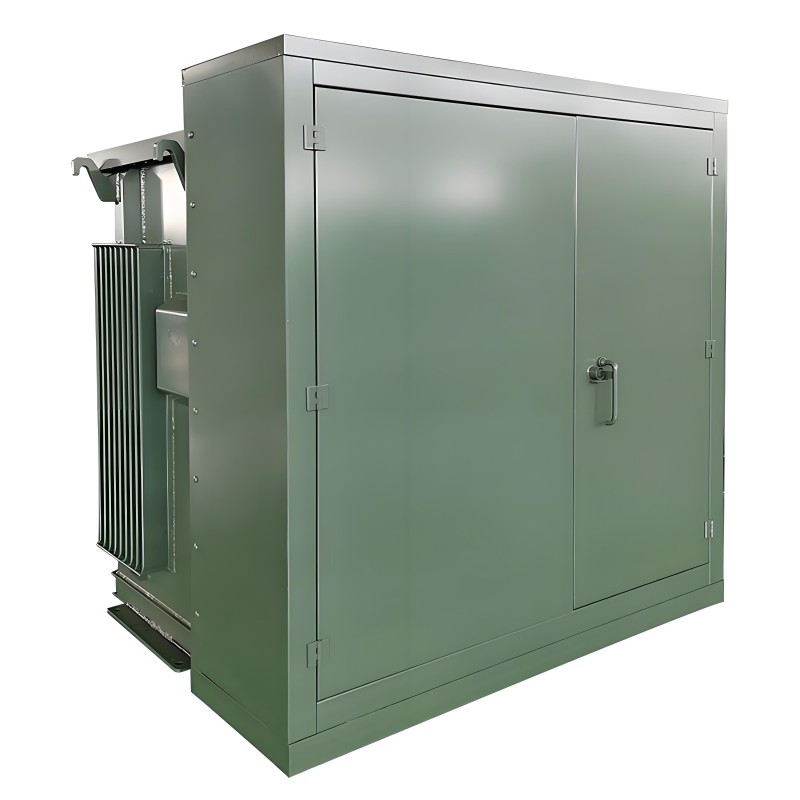
Electrification initiatives within Bafatá city center demand safe, tamper-resistant equipment that can be placed in densely populated public areas. Wisegj 3-phase loop-feed pad-mounted transformers (75kVA to 750kVA) feature tamper-proof dead-front cabinets, internal Bay-O-Net fuse protection, and dual-purpose switching. They eliminate the need for costly brick-and-mortar substation buildings, enabling fast, plug-and-play installation on concrete pads.
3. Solar PV Plants & Off-Grid Microgrids
To reduce reliance on imported fossil fuels, hybrid solar-diesel microgrids and utility-scale PV plants are rapidly expanding in the Geba River basin. Wisegj manufactures step-up solar transformers (1000kVA / 1MW to 3150kVA) engineered with dual low-voltage split windings to match central solar inverter outputs. Units feature electrostatic shielding between windings to block inverter harmonics and prevent grid pollution.
4. River Port Logistics & Water Pumping Stations
High relative humidity and proximity to Geba River waterways accelerate rust and insulation degradation. Our compact substations (100kVA to 1600kVA) integrate MV switchgear (SF6 or ring main unit), dry/oil transformers, and LV distribution panels inside an insulated, corrosion-resistant steel cabinet (C4/C5 coating) equipped with automatic forced-air ventilation and anti-condensation heating elements.
Localized Electrification Trends in Guinea-Bissau & West Africa
Regional infrastructure expansion across West Africa is experiencing a technological transition driven by international development initiatives, regional power pooling (ECOWAS/WAPP), and decentralized solar integration. Equipment suppliers supplying Bafatá must align with four core evolution trends:
1. Shift Toward Prefabricated Compact Substations
Traditional open-air field substations require lengthy civil engineering timelines, extensive site labor, and exposure of switchgear to ambient environmental elements. Modern EPC contractors operating in Guinea-Bissau are standardizing on prefabricated compact substations built in accordance with IEC 62271-202. Factory-assembled and routine-tested in China prior to shipment, these units reduce on-site civil commissioning time by over 70%.
2. Stringent Efficiency & Loss Reduction Benchmarks
With transmission line losses across regional sub-Saharan distribution grids historically exceeding 15–20%, regional utilities are enforcing strict loss evaluation formulas during procurement tenders. Purchasing S11/S13 series oil-immersed transformers manufactured with high-grade CRGO silicon steel lamination reduces core loss (no-load loss) and winding copper loss (load loss), directly lowering utility operational cost over a 30-year operational period.
3. Adoption of Environmentally Friendly Dielectric Fluids
For installations in sensitive ecological zones, such as agricultural water basins or urban centers near the Geba River, fire-resistant and biodegradable synthetic/natural ester fluids (such as FR3) are gaining preference over conventional mineral oils. Ester fluids possess flash points above 300°C (compared to 140°C for mineral oil), preventing fire propagation and offering complete bio-degradability within 28 days in the event of an accidental spill.
4. Standardized Voltage Ratios & Multi-Tap Flexibility
Given that regional distribution grids in Guinea-Bissau feature legacy 10kV feeders alongside expanding 20kV and 35kV regional backbones, buyers require transformers with multi-voltage primary taps (e.g., dual primary 10kV / 20kV selectable windings). This enables immediate connection to current infrastructure while allowing seamless voltage upgrades without replacing the physical transformer asset in the future.
Equipment Selection Matrix
Power Substation Hardware Comparison for Bafatá Projects
Review engineering attributes across primary product lines to select the appropriate equipment topology for your field installation.
Product Category
Primary Voltage
Capacity Range
Cooling / Medium
Applicable Standards
Best Fit in Bafatá
Three-Phase Pad-Mounted
10kV – 35kV
45 kVA – 5,000 kVA
ONAN (Oil / FR3)
IEEE C57.12.34, CE
Urban Bafatá centers, solar plants, commercial facilities
Fast-track municipal electrification, river port logistics
High Voltage Power Transformer
35kV – 500kV
2.5 MVA – 180 MVA
ONAN / ONAF / OFAF
IEC 60076, IEEE C57
Regional grid interconnectors, main step-down substations
Why Bafatá Technical Buyers & Contractors Partner with Wisegj Power
Jiangsu Wisegj Power Co., Ltd. (Room 1908-1, Building 1, Xinyi Plaza, Suzhou, Jiangsu, China) is a premier Chinese manufacturer and global exporter of distribution transformers, power transformers up to 500kV, compact substations, and high/low voltage switchgear. Our factory facilities, trade capabilities, and quality systems undergo continuous auditing by international inspection bodies including TÜV Rheinland.
ISO 9001 / 14001 / 45001 Certified
Production runs under strict ISO management systems (Certificates: 62824Q6052R0S, 62824E6053R0S, 62824S6054R0S) ensuring full traceability from raw copper wire sourcing to final routine factory dielectric testing.
Full CE Certification Coverage
Product lines carry official CE compliance credentials (Power Transformers: 3N230310.JYTU038; Oil Immersed: M.2025.206.C121882; Dry Type: FQC2530404; Compact Substations: M.2025.206.C121884).
100% Factory Acceptance Testing
Every unit undergoes mandatory routine testing per IEC 60076 before crating: winding resistance, voltage ratio, vector group verification, short-circuit impedance, load loss, no-load loss, and applied/induced AC voltage withstand.
Technical FAQ
Frequently Asked Procurement Questions for Bafatá Buyers
Direct technical answers from our engineering and export departments regarding hardware selection, customization, and West Africa logistics.
What core standards and primary voltage levels apply to transformers deployed in Bafatá?
Power distribution in Bafatá and central Guinea-Bissau operates on medium-voltage networks including 10kV, 20kV, and 35kV primary levels at 50Hz frequency. Wisegj designs equipment to comply with either IEC 60076 (standard for international and West African grids) or IEEE C57 / ANSI standards depending on project tender specifications. Standard secondary outputs include 400V/230V three-phase four-wire system or 480V for specialized industrial and solar installations.
How do Wisegj transformers handle high ambient heat and tropical humidity in Bafatá?
Equipment delivered to sub-Saharan Africa is fully tropicalized. We utilize 60/65°C oil/winding temperature rise parameters, high-grade mineral insulating oil tested for dielectric breakdown voltage >50kV (IEC 60156), hermetically sealed corrugated expansion tanks that prevent moisture ingress, and C4/C5-M multi-layer polyurethane exterior paint coatings to resist corrosion from humidity and rain.
What vector group is recommended for mixed residential and agricultural processing loads?
We strongly recommend the Dyn11 vector group for general distribution in Bafatá. Unlike Yyn0, the Dyn11 winding connection suppresses 3rd harmonic voltages, accommodates unbalanced single-phase load distributions up to 75% of neutral rated current, and provides superior short-circuit withstand capability during grid disturbance events.
Can Wisegj supply customized pad-mounted transformers for solar PV plants?
Yes. We engineer dedicated solar PV step-up transformers (1000kVA / 1MW to 3150kVA) featuring dual low-voltage input windings (e.g., 0.8kV / 0.8kV to 35kV), electrostatic grounding shields between primary and secondary coils to eliminate high-frequency inverter harmonics, and natural ester FR3 fluid options for maximum fire safety.
What routine testing and certification reports are provided with each order?
Every serial-numbered unit receives 100% factory acceptance testing (FAT) prior to crating. Test documentation provided includes winding resistance measurement, voltage ratio & vector group verification, short-circuit impedance & load loss test, no-load loss & no-load current test, dielectric oil breakdown testing, and applied/induced overvoltage withstand tests. Third-party witness inspections (SGS, TÜV, Bureau Veritas) are welcomed.
How are equipment shipments routed to Bafatá, Guinea-Bissau?
Wholesale orders are packed in seaworthy, reinforced wooden crates with internal moisture-proof barrier bags, shock indicators, and desiccant packs. Cargo is shipped via container vessels (20GP/40HQ) or flat-rack containers to the primary seaport at Port of Bissau, followed by overland flatbed truck transit along the N2 national highway directly to job sites in Bafatá.
What trade Incoterms and payment methods does Wisegj support for West Africa buyers?
We offer flexible commercial terms including FOB China ports (Shanghai/Ningbo/Qingdao), CFR, CIF Port of Bissau, FCA, CIP, and DDP. Accepted payment methods include Telegraphic Transfer (T/T) and Irrevocable Commercial Letter of Credit at Sight (L/C) in major currencies (USD, EUR, CNY).
Technical Data Checklist for Bafatá Quotations
To receive an accurate engineering design, loss guarantee, and commercial price proposal within 24 hours, please include the following parameters in your inquiry:
✓ Rated Capacity: kVA or MVA
✓ Primary Voltage: 10kV, 20kV, 35kV
✓ Secondary Voltage: 400V, 480V, 6.3kV
✓ Vector Group: Dyn11, Yyn0, YNd11
✓ Tap Range: Off-load (NLTC) / On-load (OLTC)
✓ Type: Pad-Mounted, Oil S11, Dry-Type
✓ Cooling / Fluid: ONAN / Mineral / FR3
✓ Installation: Outdoor / Indoor / Coastal
✓ Standard: IEC 60076 / IEEE C57
Ready to Request a Technical Proposal or Wholesale Tender Quote?
Consult directly with Jiangsu Wisegj Power engineering staff. We provide GA dimension drawings, schematic diagrams, guaranteed loss tables, and factory-direct pricing for projects in Bafatá and across West Africa.
 ANSI / IEEE