China Wholesale Amorphous Alloy Single Phase Pole Mounted Transformer Manufacturer & Factory Serving Alexandria
Factory-direct amorphous core distribution transformers engineered for Alexandria’s coastal climate, loss-reduction targets, and utility procurement standards.
Eight Transformer & Substation Products for Alexandria Distribution Projects
Review export-ready platforms from the same manufacturing system that supports our amorphous alloy single phase pole mounted transformer program. Product URLs are preserved below, and each platform can be quoted with project-specific drawings, routine test reports, and Alexandria delivery terms.
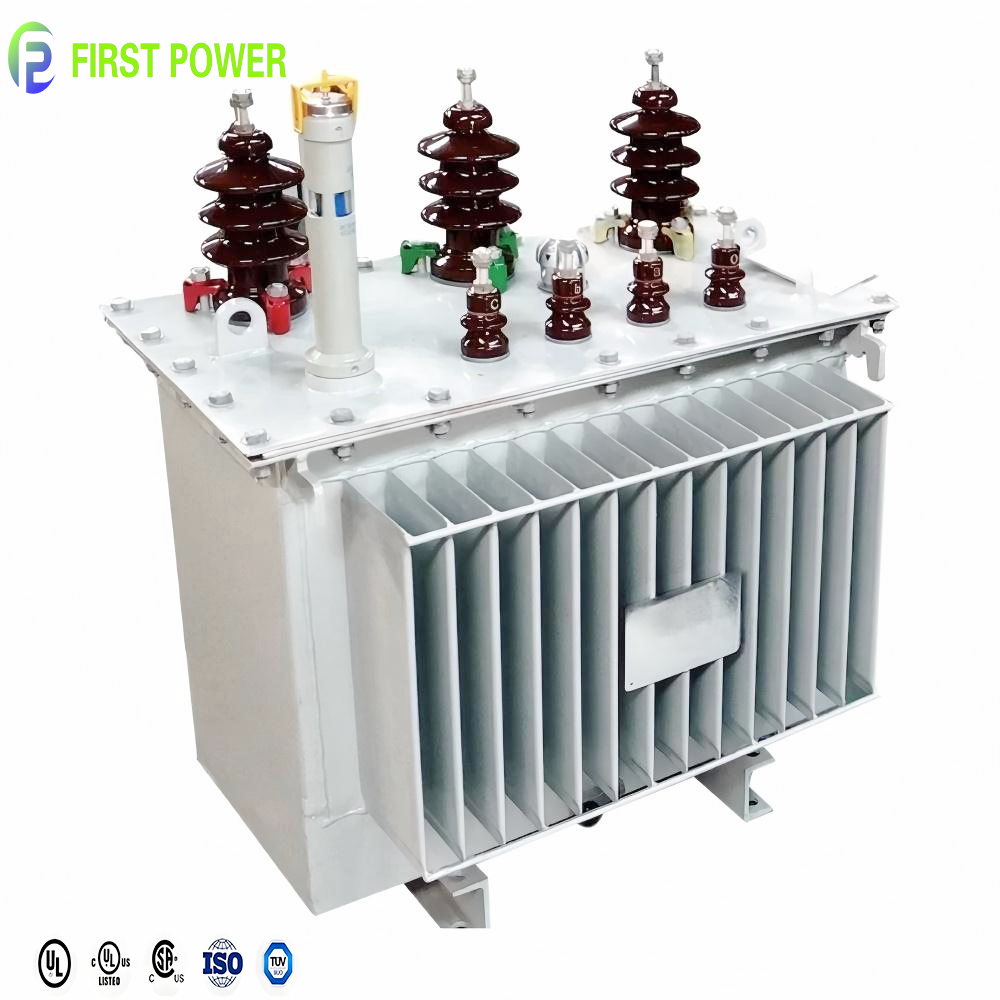
C CE 10KV 20KV 35KV 50KVA 100KVA 200KVA 300KVA 400KVA 500KVA Electric Oil Immersed Transformer for Industrial Power Supply
Oil-immersed distribution platform for industrial power supply, suitable where three-phase loads sit behind a single-phase pole-mounted feeder.
View product →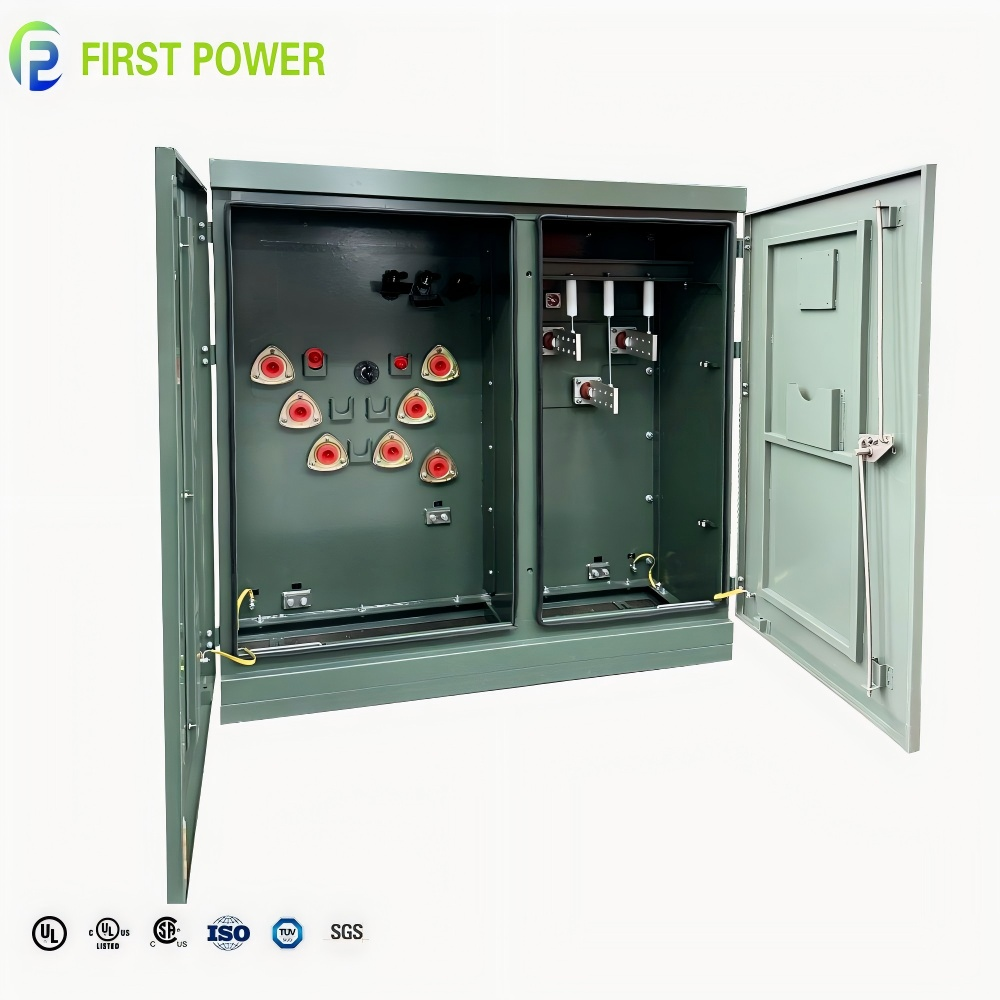
C CE Certification 50/60HZ 10KV 20KV 35KV 3 Phase Loop Feed Pad Mounted 750KVA Transformer for Electric Power Distribution
Loop-feed pad-mounted distribution transformer for commercial, utility, and campus projects requiring compact ground-level equipment.
View product →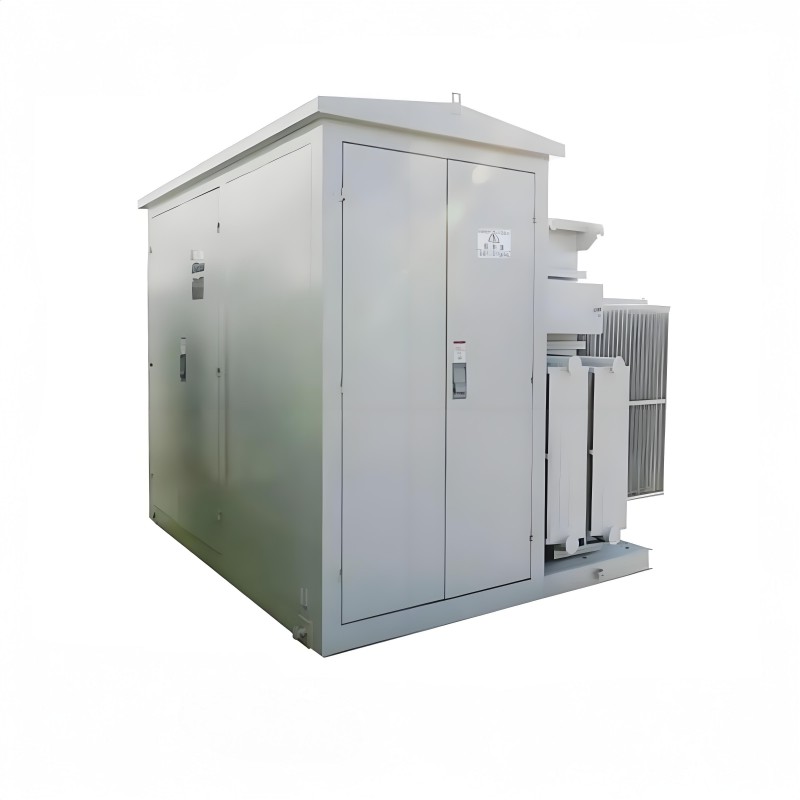
American Standard /C Certification 75-2500KVA Oil Type Three Phase 13.8KV Pad Mount Transformers for Power Generation
Oil-type pad-mounted platform for power generation and distribution projects that require American-standard construction details.
View product →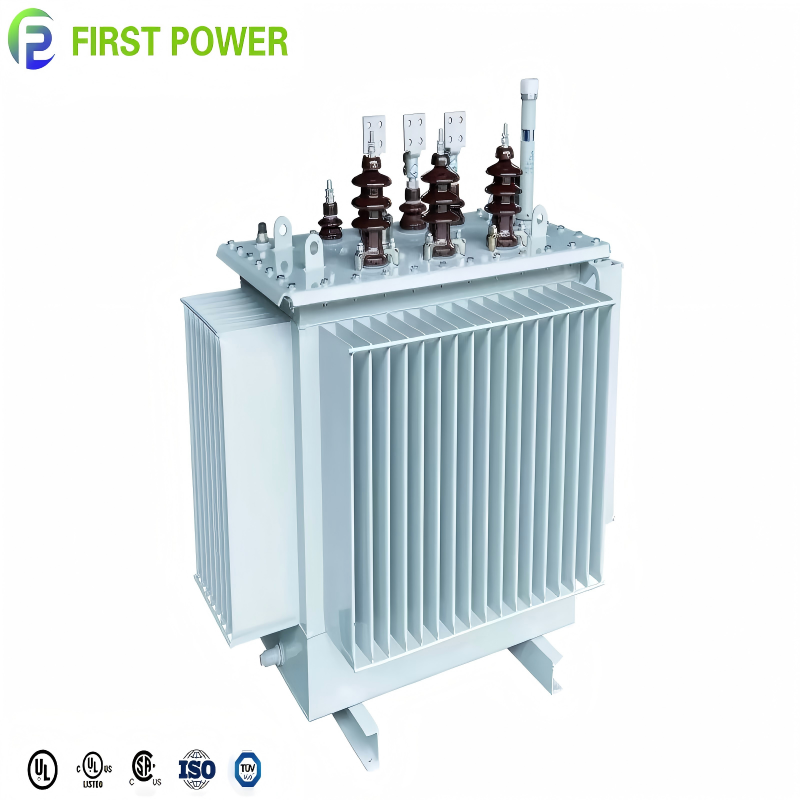
C CE S11 50/60HZ 6KV 10KV 15KV 20KV 35KV 100KVA 300KVA 3 Phase Oil Immersed Transformer 50KVA 33KV for Distribution System
S11 oil-immersed distribution transformer for 6–35 kV systems, useful for utility and industrial distribution expansion.
View product →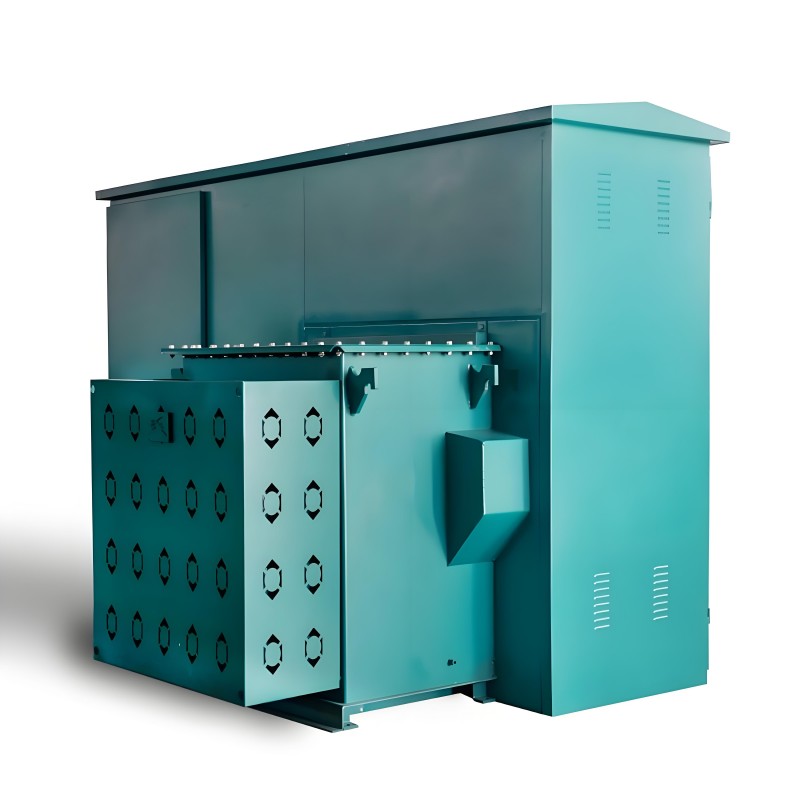
/C Certified Oil-Type Cooper 75-2500kva Pad Mounted Transformer 6kv-34.5kv 50/60hz Dead Front Three Phases
Dead-front pad-mounted three-phase transformer for projects requiring accessible, tamper-resistant distribution equipment.
View product →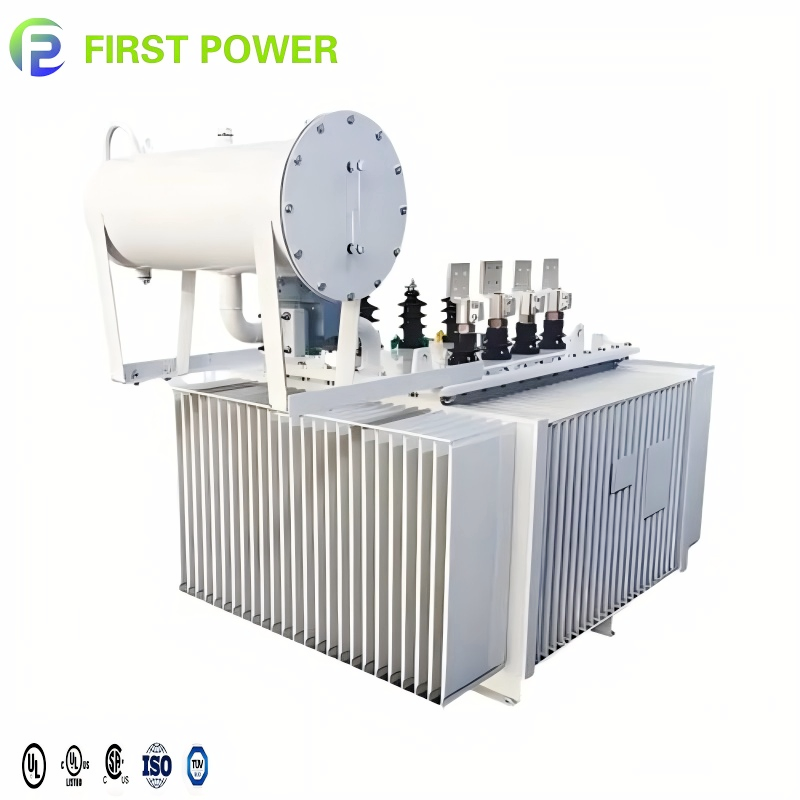
C CE 10KV 20KV 35KV 1000KVA 2000KVA 2500KVA 3 Phase Oil Type on Load Tap Changer Transformer for Industrial Power Supply
On-load tap changer transformer for industrial power supply, providing voltage regulation under changing load conditions.
View product →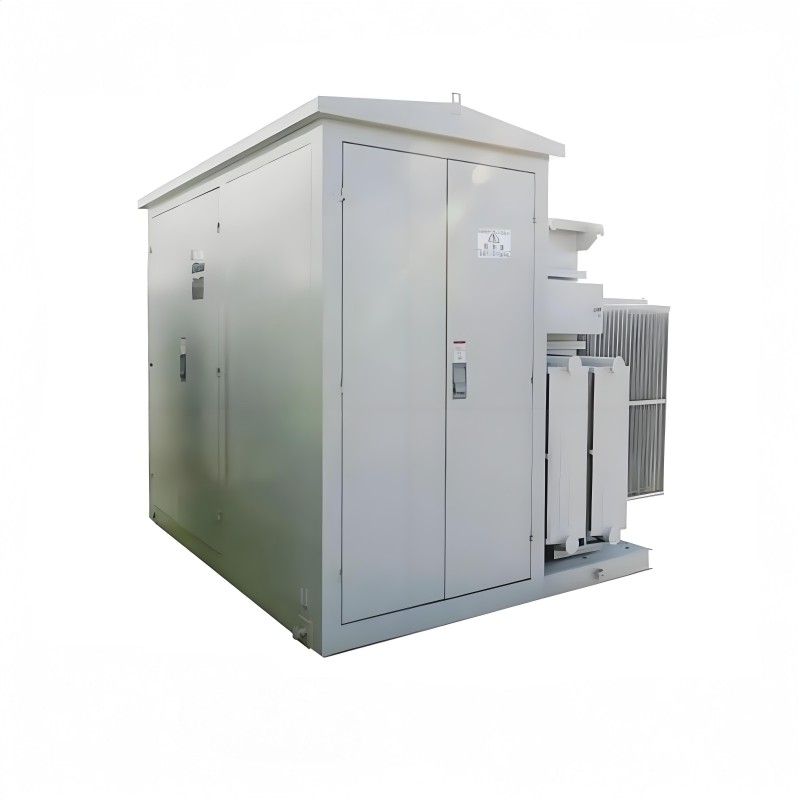
American Standard /C Certified 3000kva 34.5kv/480v Oil Type Pad Mounted Transformer 60 Hz 10kv Input 380v 440v Output
High-capacity pad-mounted transformer for large distribution loads, generation interconnections, and industrial facilities.
View product →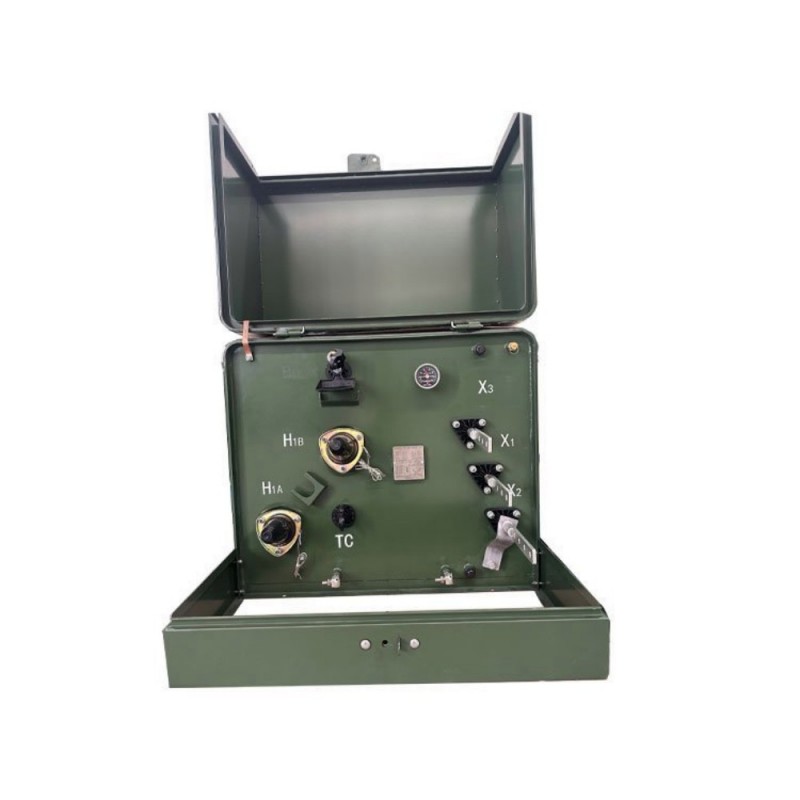
/C Certification 6KV 10KV 13KV 20KV 34.5KV 50/60HZ Oil Type Single Phase 75KVA Pad Mounted Transformers
Single-phase distribution platform for residential and light commercial loads, relevant when comparing pole-mounted and pad-mounted service approaches.
View product →Amorphous Alloy Single Phase Pole Mounted Transformer: A White-Paper View for Alexandria Buyers
Alexandria’s distribution environment combines dense urban streets, coastal humidity, seasonal tourism peaks, port-related logistics, and new peripheral housing. These conditions make transformer selection more than a kVA calculation. A China wholesale amorphous alloy single phase pole mounted transformer manufacturer can offer a low first-cost platform, but the real value for Alexandria lies in total ownership cost: no-load loss, temperature rise, corrosion protection, service continuity, and the ability to place a compact unit close to single-phase load centers.
Why amorphous alloy cores matter
Amorphous alloy cores differ from conventional grain-oriented silicon steel, often called CRGO. The amorphous metal solidifies with a disordered atomic structure, increasing electrical resistivity and reducing hysteresis loss. In distribution transformers, where many units operate at low load for long periods, this no-load loss reduction can be material. Engineering estimates often show 60–75% lower no-load loss than a comparable CRGO design, although exact values depend on rating, flux density, conductor design, and the test standard used. For Alexandria, the benefit is not only lower energy bills. Lower loss also means less heat inside a pole-mounted tank during long summer ambient periods, which supports insulation life and reduces thermal stress.
Where single-phase pole-mounted units fit
Single-phase pole-mounted configuration is appropriate where loads are mainly phase-to-neutral: residential clusters, street lighting, small shops, tourism facilities, water pumps, and auxiliary building loads. The unit sits on a concrete or steel pole, uses fused cutouts and surge arresters, and delivers single-phase service through a low-voltage bushing arrangement. For larger commercial or industrial demand, a three-phase pad-mounted or oil-immersed platform is usually more suitable. The eight product platforms above allow procurement teams to compare both paths with one supplier.
What Alexandria-specific design review should cover
Alexandria projects should address high ambient temperature, solar gain, coastal humidity, salt-laden air, occasional flooding in low-lying areas, and grid voltage variation. Specify corrosion class, tank finish, gasket material, bushing creepage, pressure relief, oil level gauge, lifting provisions, and nameplate language. For coastal sites, a C5-M corrosion-protection system and sealed tank design are common considerations. For areas with long feeders, loss evaluation and voltage-drop studies should be completed before the transformer rating is fixed.
Total ownership cost beats quotation price
Wholesale purchasing decisions should use a total ownership cost model. A practical TOC comparison includes transformer price, no-load loss capitalization, load-loss capitalization, installation cost, pole or platform cost, maintenance, expected service life, outage risk, and logistics. Because amortization of losses over 20–30 years can outweigh the initial price difference, the lowest quotation is not automatically the lowest-cost project outcome. Buyers serving Alexandria should request guaranteed loss values, routine test reports, and a design that matches the local utility’s voltage, frequency, protection, and grounding practice.
From a factory perspective, amorphous alloy transformer production requires careful handling of the core, controlled annealing, stable clamping, and attention to sound and vibration. A manufacturer should be able to explain its core lamination process, noise-control measures, short-circuit withstand verification, and oil testing. For international projects, documentation is as important as hardware: GA drawings, nameplate drafts, test reports, packing lists, and O&M manuals should be available in English before shipment.
Typical no-load loss index
Illustrative comparison for early-stage loss evaluation.
Indicative only; not a guarantee. Actual loss values must be confirmed by transformer rating, design review, and routine test report.
Alexandria evaluation priorities
- C5-M corrosion protection for salt and humidity
- High-ambient thermal design and oil testing
- 11 kV, 20 kV or 33 kV primary confirmation
- Loss capitalization and total ownership cost
- Pole loading, protection coordination, and grounding
Recommended Amorphous Alloy Single Phase Pole Mounted Transformer Configurations for Alexandria
The following starting points help procurement teams frame an RFQ. Final designs must be confirmed by load flow, short-circuit, protection coordination, pole loading, and utility approval.
25 kVA / 11 kV / 0.24 kV
ONAN cooling, amorphous alloy core, sealed tank, C5-M finish, fused cutout, surge arrester, and low-noise design for narrow streets and residential clusters. This configuration is a practical starting point for low load-factor single-phase service in Alexandria.
37.5–50 kVA / 11 or 20 kV / 230–240 V
Low-loss amorphous core, anti-condensation treatment, UV-resistant finish, and compact enclosure for hospitality areas, retail corridors, and public lighting. Seasonal peaks and visual sensitivity should be reviewed during the pole and cable design.
75 kVA / 20 kV / 0.24 kV
High-ambient design, enhanced bushing creepage, corrosion-resistant hardware, oil level indication, and pressure relief for port warehouses, security loads, and pumping auxiliaries. If motor load exceeds practical single-phase limits, evaluate our three-phase oil-immersed or pad-mounted platforms above.
Where Alexandria Buyers Use Single-Phase Pole Mounted Transformers
These application modules reflect common distribution planning patterns; each project should still be confirmed by the local utility and consulting engineer.
Dense residential districts
Pole-mounted units reduce land take and place transformation close to single-phase residential loads. Low no-load loss is valuable where many units operate below rated load for most of the day.
Hospitality and tourism
Hotels, cafés, and promenade facilities need quiet, compact equipment with corrosion protection. Amorphous core loss reduction supports operating-cost goals during long cooling seasons.
Port and logistics facilities
Warehouse lighting, offices, security systems, and auxiliary loads can be served by compact distribution equipment. Coastal salt exposure makes enclosure finish, gaskets, and hardware selection critical.
Water pumping and desalination auxiliaries
Single-phase pole-mounted transformers can support smaller pumping and auxiliary loads. Larger motor drives usually require a three-phase design and a detailed starting-current study.
Agricultural periphery and cold storage
Long feeders and voltage-drop concerns favor a reviewed transformer location and rating. Pole-mounted units help shorten low-voltage runs while keeping equipment accessible for maintenance.
Smart street lighting and public spaces
Small amorphous core units can support lighting circuits, sensors, and public-space services. Metering, protection, and future load growth should be included in the initial specification.
Alexandria Distribution Trends Shaping Transformer Procurement
Three shifts are changing how buyers compare wholesale transformers, especially for coastal and urban projects.
Loss reduction as a procurement KPI
Energy-cost pressure and efficiency targets are pushing buyers beyond first price. No-load loss capitalization, test verification, and total ownership cost are becoming standard evaluation columns.
Climate-resilient coastal specification
Salt spray, humidity, and high ambient temperatures make corrosion class, sealing, thermal rise, and oil quality part of the technical requirement rather than an afterthought.
Digital and distributed energy integration
Smart meters, rooftop solar, EV charging, and monitoring systems are increasing the need for accurate loss data, stable voltage control, and documented transformer performance.
Alexandria Selection Matrix: What to Specify and Why
Use this matrix to prepare a clearer RFQ and reduce clarification cycles with the factory.
| Parameter | Why it matters in Alexandria | Recommended direction |
|---|---|---|
| Rated power | Residential growth, seasonal peaks, and single-phase service limits affect voltage quality and loading. | Typical 25–75 kVA for single-phase pole-mounted; review three-phase designs above practical single-phase limits. |
| Primary voltage | Must match the local utility distribution class and protection scheme. | Confirm 11 kV, 20 kV, or 33 kV before quotation; do not assume from another region. |
| Secondary voltage | Determines compatibility with residential and commercial service equipment. | Confirm 230 V or 240 V single-phase service; three-phase projects require a different platform. |
| Frequency | 50 Hz and 60 Hz designs are not interchangeable. | State frequency clearly, especially for imported projects and mixed equipment packages. |
| Core material | Drives no-load loss, noise, inrush behavior, and total ownership cost. | Amorphous alloy for low load-factor distribution; compare CRGO where load factor is high or utility practice requires it. |
| Loss values | Loss capitalization over 20–30 years can exceed the initial price difference. | Request guaranteed no-load and load losses, test method, and routine test report format. |
| Corrosion protection | Coastal humidity and salt-laden air accelerate tank and hardware deterioration. | Specify C5-M finish, sealed tank, suitable gaskets, stainless fasteners, and touch-up provisions. |
| Temperature rise | High ambient temperature reduces thermal margin and insulation life. | Review 65 K rise or lower where utility standards allow; confirm ambient and solar conditions. |
| Protection | Lightning, switching, and short-circuit events affect service continuity. | Coordinate surge arresters, fuse cutouts, pressure relief, grounding, and upstream protection. |
| Documentation | Customs clearance, utility approval, and maintenance depend on complete paperwork. | Require GA drawings, nameplate, test reports, packing list, and English O&M manual. |
Why Wisegj Is a Practical Manufacturer & Factory Partner for Alexandria
Jiangsu Wisegj Power Co., Ltd. supports buyers who need engineering review, documented quality, and export execution rather than a catalogue-only transaction.
Factory-backed product range
Power transformers, distribution transformers, pad-mounted transformers, dry-type transformers, compact substations, and switchgear from 220 V to 500 kV.
Verified production capacity
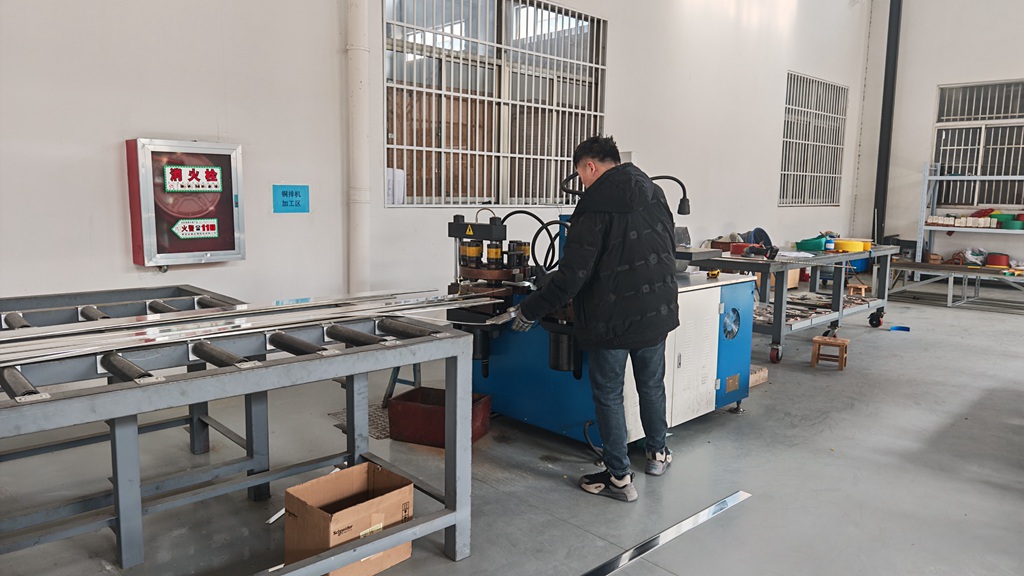
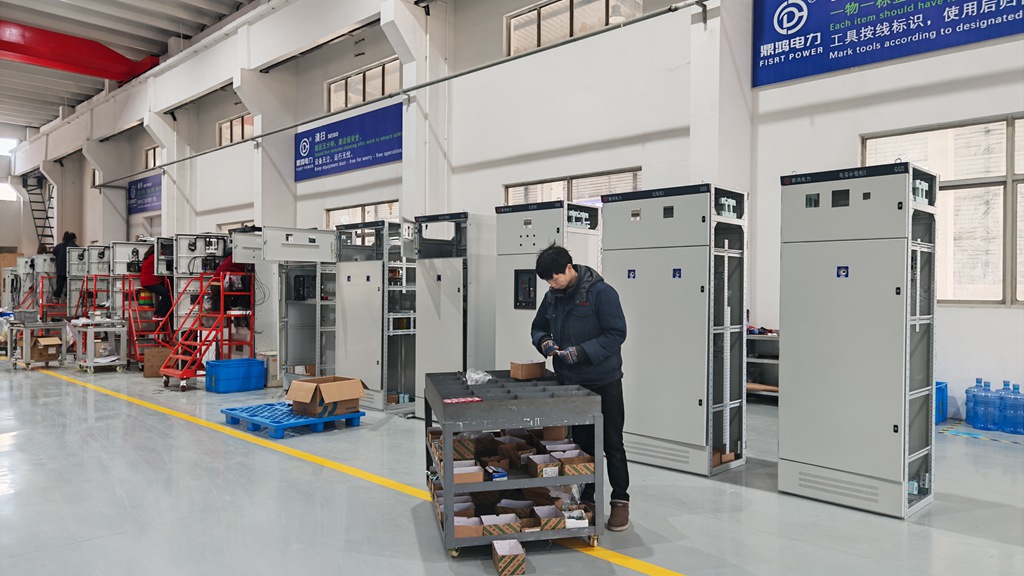
6,847 m² of inspected production floorspace with winding, core assembly, drying, tanking, and testing areas. TÜV Rheinland has verified production capability and quality inspection onsite.
Engineering team depth
More than 20 years of team experience and 50+ R&D and technical engineers support specification review, drawings, loss guarantees, and after-sales response.
Certified quality systems
ISO 9001, ISO 14001, and ISO 45001 management systems, plus CE certificates for relevant transformer and substation lines. Certificate numbers can be verified by your compliance team.
Complete testing documentation
Winding resistance, ratio and vector group, impedance and load loss, no-load loss and current, applied and induced voltage tests, and oil dielectric tests for liquid-filled units. Third-party witness inspection is welcome.
OEM, ODM and export execution
Ratings, taps, bushings, cooling, enclosure finish, nameplate language, and packing can be customized. FOB, CFR, CIF, EXW, FCA, CIP, CPT, and DDP terms are supported, with 24-hour pre-sale and after-sale response.

Company & facility overview

Assembly workshop
Testing laboratory
Export packing & loading
From Specification to Alexandria Delivery
A documented workflow keeps engineering, production, testing, and logistics aligned.
Specification & local code review
Confirm rated power, voltage, frequency, loss targets, corrosion class, pole details, protection, and delivery schedule.
Drawing & loss guarantee
Approve GA drawing, nameplate, accessories, test plan, and guaranteed no-load and load losses before production.
Controlled production
Core, winding, drying, oil processing, tanking, and finishing are controlled with in-process inspection records.
Routine testing & export packing
Complete routine tests, document results, prepare seaworthy packing, and coordinate shipping documents for Alexandria.
Alexandria Buyer Questions About Amorphous Alloy Single Phase Pole Mounted Transformers
Direct answers from the engineering and export team help procurement teams prepare a more accurate inquiry.
What is an amorphous alloy single phase pole mounted transformer?
Is amorphous alloy always better than CRGO for Alexandria?
Which ratings and voltages can be supplied?
How do you protect the transformer against salt spray, humidity, and heat?
What routine tests are performed before shipment?
Can the transformer be customized for Alexandria utility requirements?
What is the wholesale procurement process and lead time?
Which trade terms, payments, and documents are supported?
Request an Alexandria-Specific Amorphous Alloy Transformer Proposal
Share your rated power, primary and secondary voltage, frequency, loss target, corrosion class, pole details, protection scheme, and delivery schedule. Our engineers will review the specification and prepare a factory-direct quotation with documents suitable for utility and procurement review.