8 Outdoor Oil Transformer Products Recommended for Kenyan Projects
These eight product families map directly to common Kenyan procurement routes: 11 kV and 33 kV distribution upgrades, pad-mounted estate networks, single-phase last-mile electrification, industrial self-generation, renewable interconnection and high-capacity substations. All can be configured for 50 Hz operation, IEC 60076 or ANSI/IEEE C57.12 practice, and Kenya-specific climate and altitude conditions.
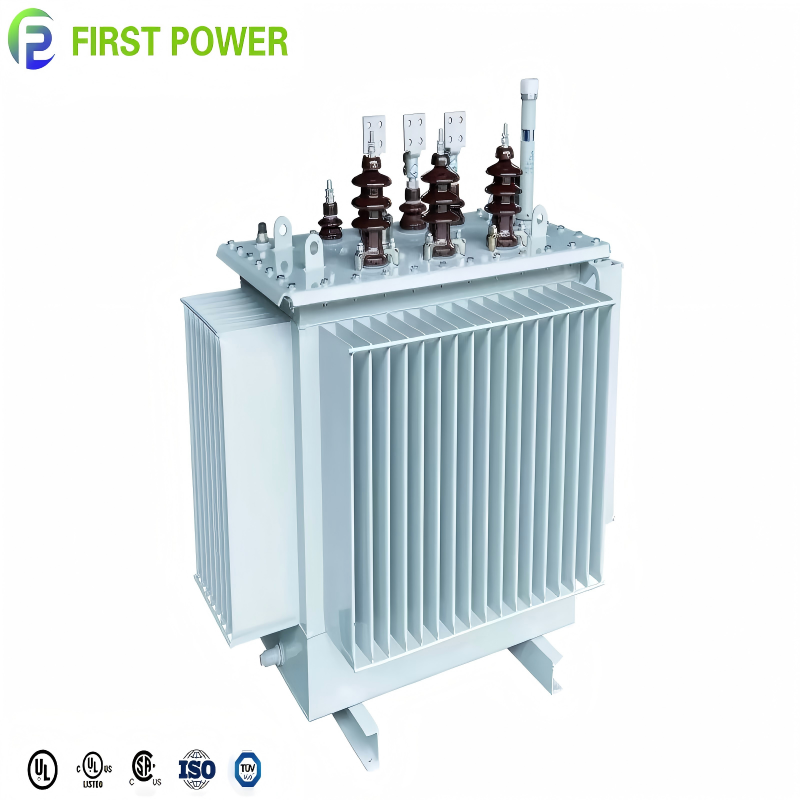
C CE S11 3 Phase Oil Immersed Distribution Transformer
Low-loss 50–300 kVA distribution workhorse for county feeders, commercial estates and industrial loads requiring sealed-tank reliability.
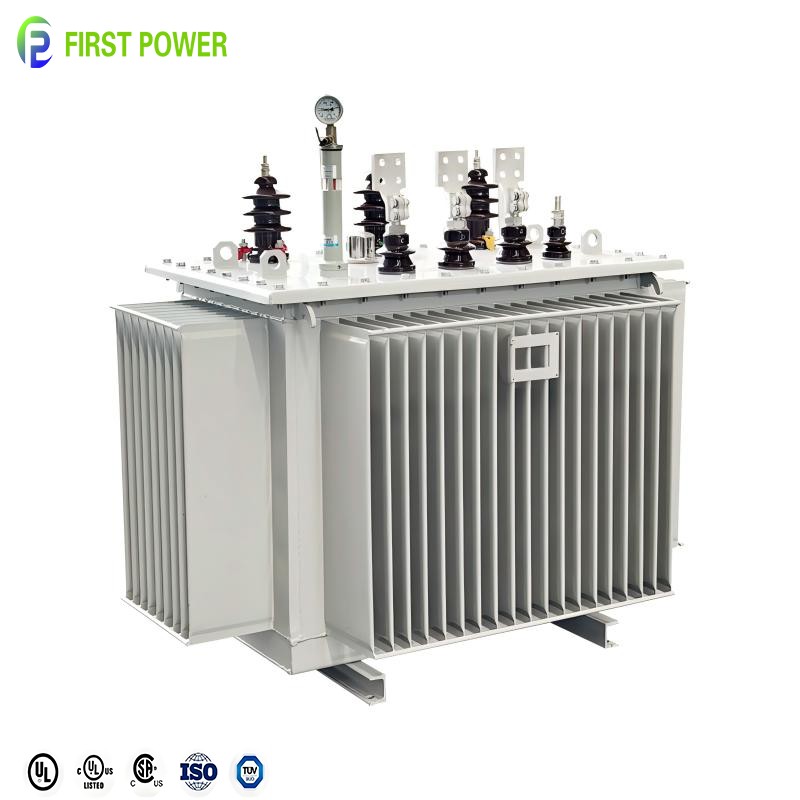
C CE 3 Phase Oil Immersed Power Transformer 100–1000 kVA
For utility substations, factories, agro-processing plants and industrial parks needing stable 10–35 kV power supplies.
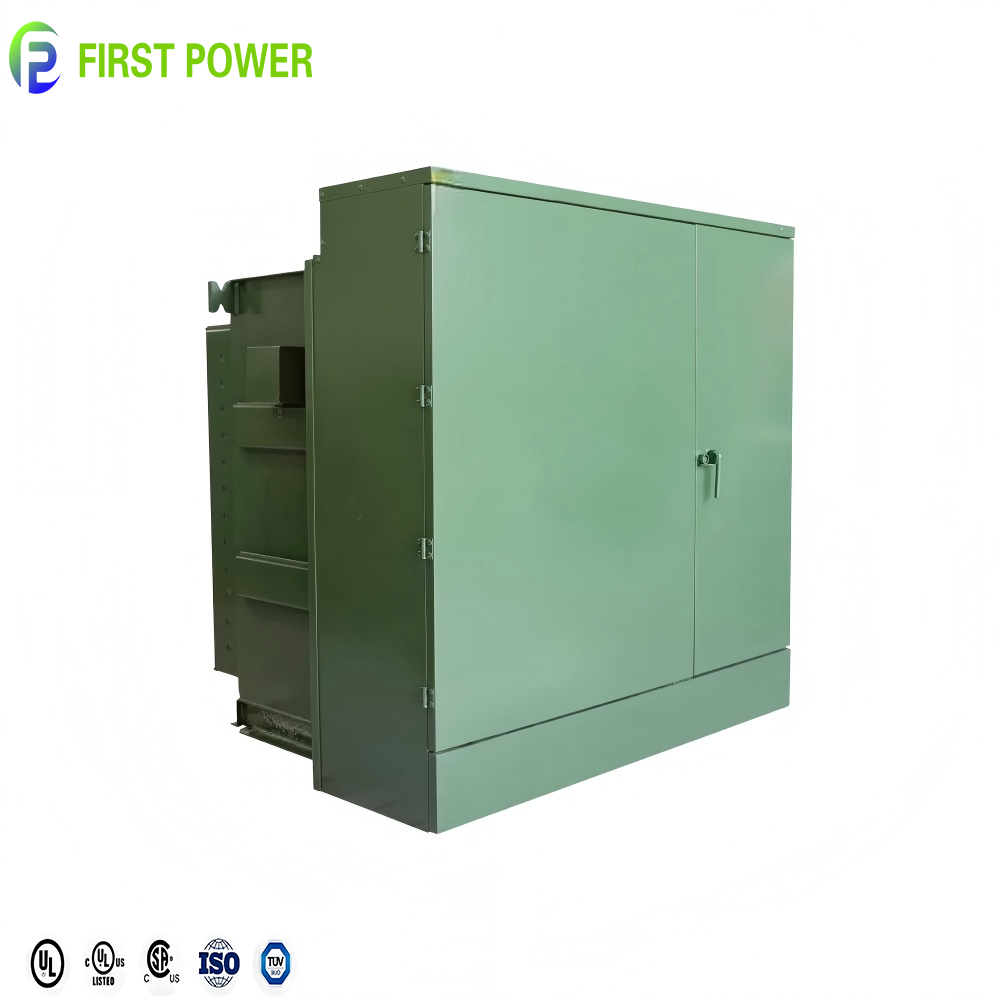
C CE 3 Phase Pad Mounted Distribution Transformer 300–750 kVA
Tamper-resistant outdoor distribution for underground estate networks, commercial campuses and urban developments.
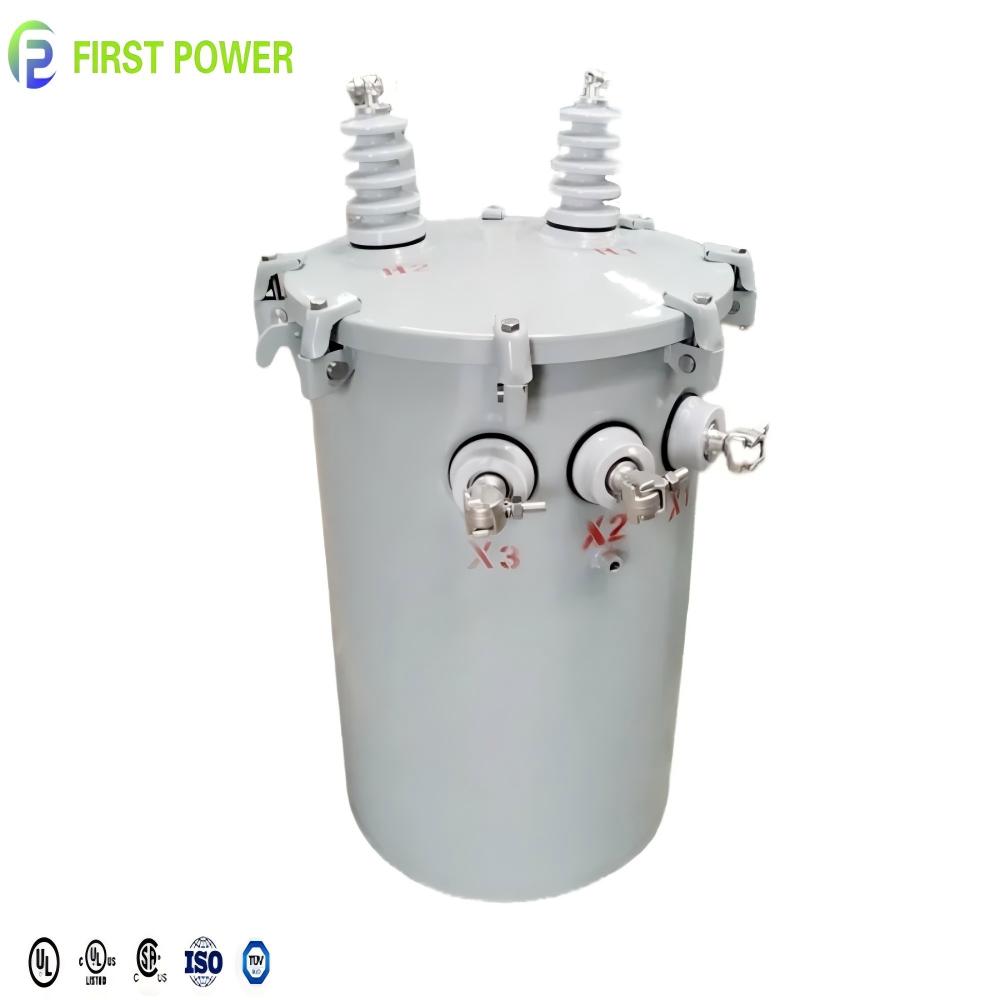
ANSI Single Phase Pole Mounted Transformer 15–100 kVA
Practical for rural electrification, last-mile county projects, smallholder communities and dispersed commercial loads.
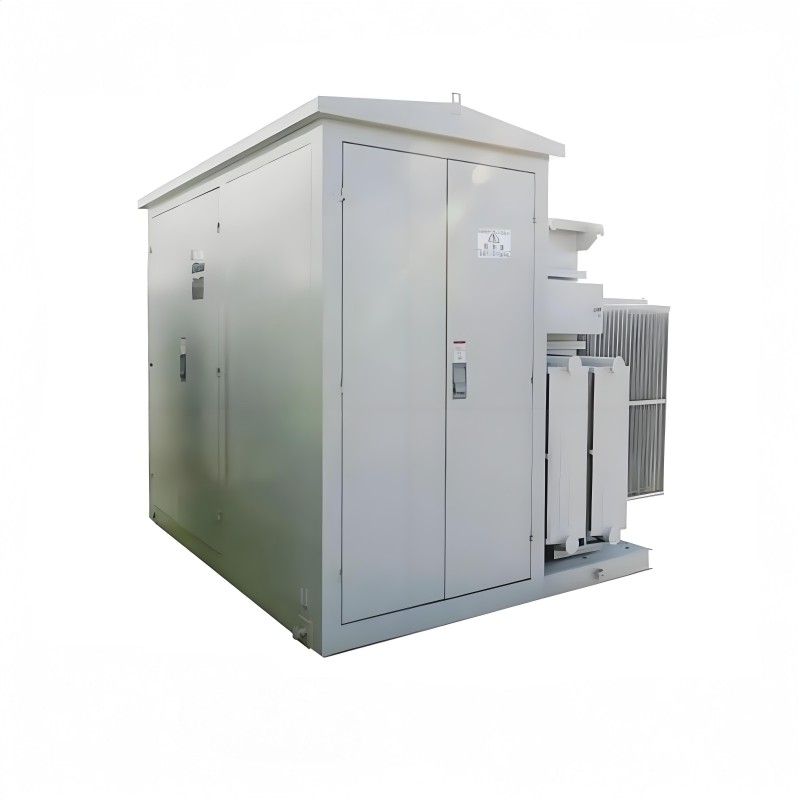
American Standard 3000 kVA Oil Pad Mounted Transformer 34.5 kV
High-capacity outdoor solution for industrial plants, mining loads, logistics hubs and large commercial interconnections.
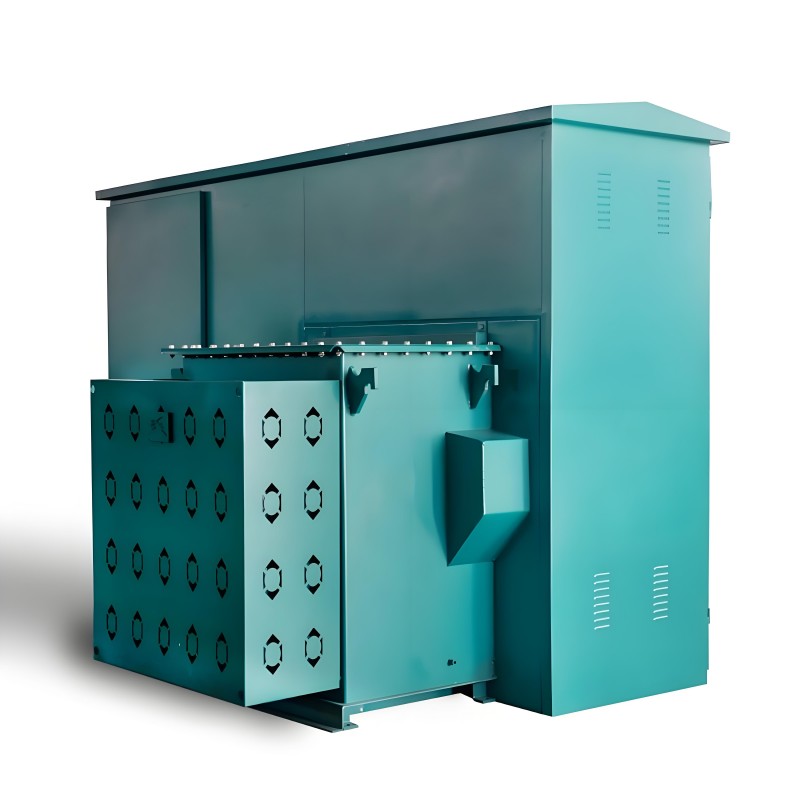
CE Certified Cooper-Style Dead-Front Pad Mounted Transformer 75–2500 kVA
Safety-focused pad-mounted design for public-facing sites, gated communities and utility underground distribution.
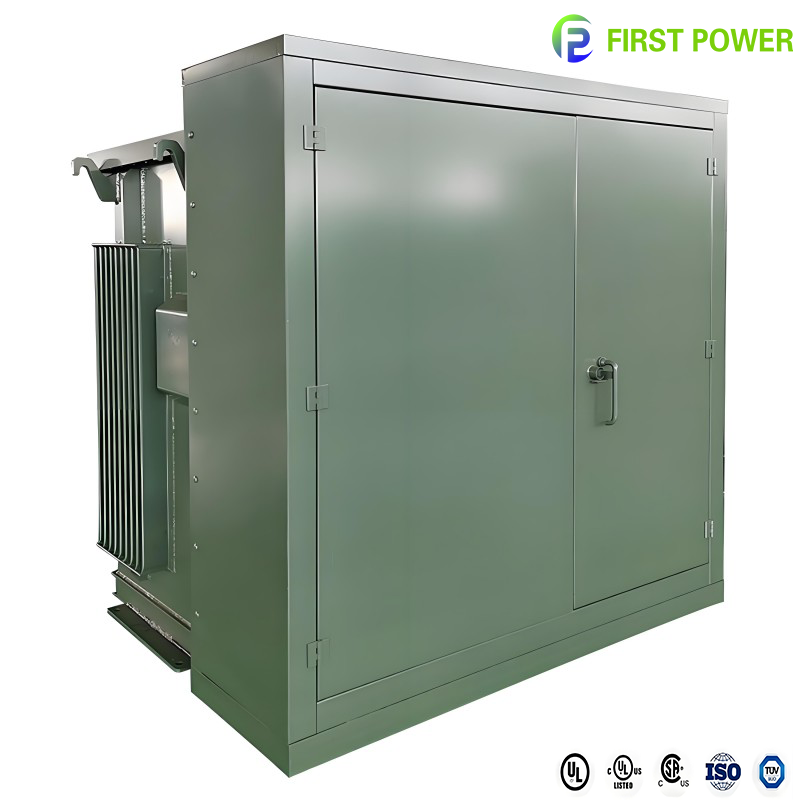
C CE 3 Phase Oil Type Pad Mounted Transformer 75–400 kVA
Suited to captive power, solar generation, commercial backup systems and distributed generation projects.
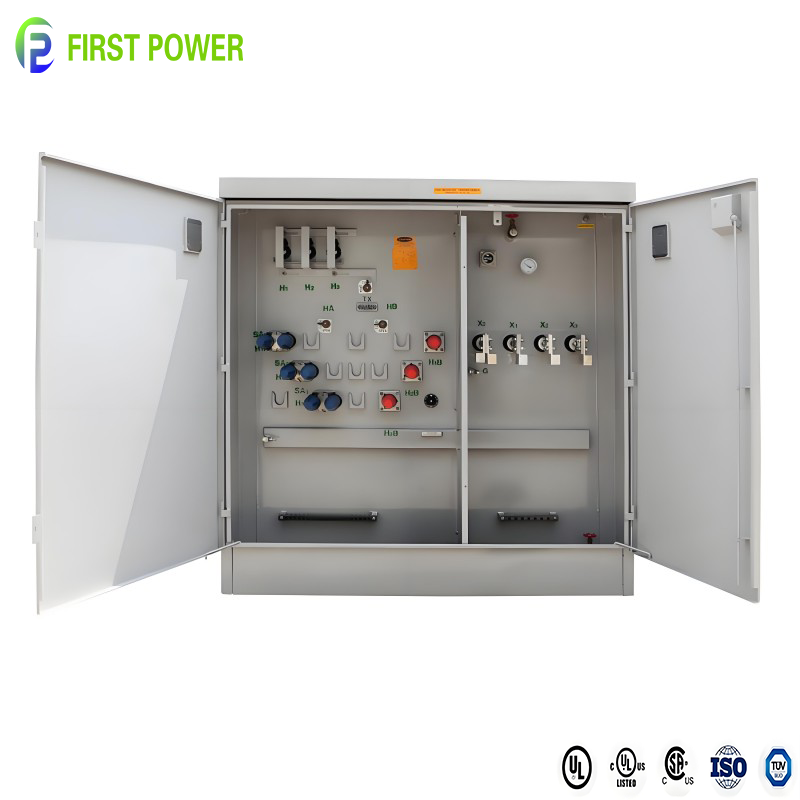
C CE MV/HV Loop Feed Pad Mounted Transformer 300–700 kVA
Loop-feed configuration for industrial parks, data centres and campuses requiring redundancy and planned maintenance.
Where Outdoor Oil Transformers Fit in Kenya’s Energy Landscape
Kenya’s transformer demand is shaped by more than nameplate kVA. Buyers must consider 50 Hz grid compatibility, coastal corrosion, lightning exposure, altitude, dust, voltage regulation and the total cost of losses. These are the application scenarios where outdoor oil-immersed transformers are most often specified.
Nairobi commercial and mixed-use estates
Westlands, Upper Hill, Kilimani, Tatu City and similar growth corridors need compact outdoor distribution near the load. Pad-mounted oil transformers support underground cabling, reduce visual impact and allow utility access without occupying premium building space.
Mombasa, Kilifi and coastal industry
Salt-laden air, high humidity and intense solar exposure demand more than a standard paint finish. Specify tank coating systems, gasket quality, stainless hardware, oil preservation and routine dielectric testing for coastal installations.
County last-mile electrification
Single-phase pole-mounted transformers from 15–100 kVA remain practical for rural feeders, county electrification programmes and dispersed communities where low no-load loss and simple maintenance matter.
Solar, wind and C&I renewable projects
Kenya’s renewable-rich generation mix includes geothermal, hydro, wind and solar. C&I solar, mini-grids and grid-tied projects need transformers that tolerate reverse power flow, harmonics and voltage fluctuation.
Agro-processing and manufacturing
Tea, coffee, horticulture, packaging and light manufacturing sites often experience seasonal load swings, dust and voltage dips. Robust oil-immersed transformers with defined impedance and cooling class support stable production.
Data centres, logistics and SEZs
High-availability facilities and special economic zones require redundancy, low noise, clear protection coordination and high-capacity pad-mounted transformers that can be commissioned quickly without a masonry substation.
Kenya Transformer Demand Trends That Affect Procurement Decisions
Kenya’s power sector is balancing rapid access expansion with grid reliability, renewable integration and affordability. For transformer buyers, this means the lowest purchase price is rarely the lowest project cost.
Loss reduction and total cost of ownership
Utilities and industrial buyers increasingly evaluate no-load loss, load loss and impedance—not just kVA. Low-loss S11 or amorphous-core designs can improve life-cycle economics, especially where energy costs and load factors are high.
Renewable-rich and distributed grids
Geothermal, hydro, wind, solar and C&I generation all influence transformer specification. Projects may require reverse power capability, wider tap ranges, harmonic consideration and coordination with protection schemes.
Undergrounding and public-safety design
Urban developments are moving toward underground distribution and public-facing pad-mounted equipment. Dead-front compartments, tamper resistance, clear labels and lockable enclosures are becoming practical procurement requirements.
Compliance documentation and traceability
IEC 60076 test reports, nameplate drawings, oil test certificates, packing lists and English O&M manuals are now part of the buying decision. KEBS/PVoC documentation and EPRA-licensed installation requirements should be clarified before shipment.
How Kenyan Procurement Teams Should Evaluate a China Outdoor Oil Transformer Supplier
A credible supplier should make verification easy: factory evidence, test records, certificate numbers, Kenya-specific design review and export documentation. Use the six checks below to compare offers on substance rather than brochure claims.
Factory evidence and auditability
Ask for production floorspace, equipment list, in-process inspection records and third-party verification. Wisegj operates from a verified 6,847 m² production base with a team bringing more than 20 years of transformer experience.
Kenya grid compatibility
Confirm 50 Hz design, 11 kV or 33 kV primary voltage, 415 V secondary, vector group, tap range, impulse level, altitude and ambient conditions. Avoid simply copying a 60 Hz North American datasheet.
IEC/ANSI design and testing discipline
Request routine test procedures for winding resistance, ratio and vector group, impedance and load loss, no-load loss and current, applied and induced voltage, plus oil dielectric strength where applicable.
Loss guarantees and total cost
Evaluate guaranteed no-load and load losses, impedance tolerance and efficiency assumptions. A low-loss transformer can reduce operating cost over 20–30 years, especially in high-utilization industrial or utility applications.
Export packing and Mombasa logistics
Seaworthy packing, shock indicators, bushing protection, oil containment and complete shipping documents matter for the Mombasa route. Confirm FOB, CFR, CIF or DDP responsibilities before order.
After-sales documentation and response
Require English O&M manuals, GA drawings, nameplate drafts, test reports and spare-parts guidance. A qualified engineer should respond to technical queries quickly rather than routing every question through a sales script.
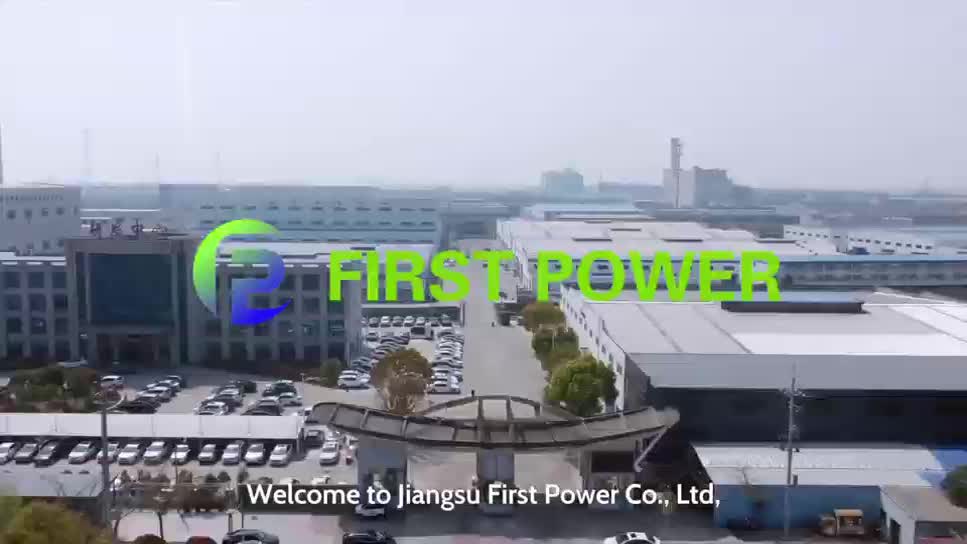
Why Wisegj Is a Practical China Partner for Kenya’s Outdoor Oil Transformer Market
Jiangsu Wisegj Power Co., Ltd. designs, assembles and exports medium and high voltage equipment from 220 V up to 500 kV, including oil-immersed distribution transformers, pad-mounted transformers, power transformers, dry-type transformers, compact substations, switchgear, distribution boxes and voltage stabilizers.
For Kenyan buyers, the advantage is not only catalogue range. It is the ability to review a utility or EPC specification, confirm losses and impedance, prepare drawings, complete routine testing and ship with English documentation. Production runs under ISO 9001 quality management, with ISO 14001 and ISO 45001 systems also in place.
- 20+ years of transformer team experience
- 6,847 m² verified production floorspace
- 50+ R&D and technical engineers
- 211 qualified supply-chain partners
- OEM, ODM and design-based customization
- 24-hour engineer response target
Product lines hold CE certificates for oil-immersed power transformers, oil-immersed transformers, dry-type transformers, compact substations and switchgear. Certificate numbers are available for buyer verification, and production capability has been inspected onsite by TÜV Rheinland.
Manufacturing and Export Evidence for Kenyan Buyer Verification
Wisegj supports procurement due diligence with factory imagery, in-house testing references and export packing evidence. These visuals are original website assets, used here to help buyers understand the production and shipment environment behind the product list.
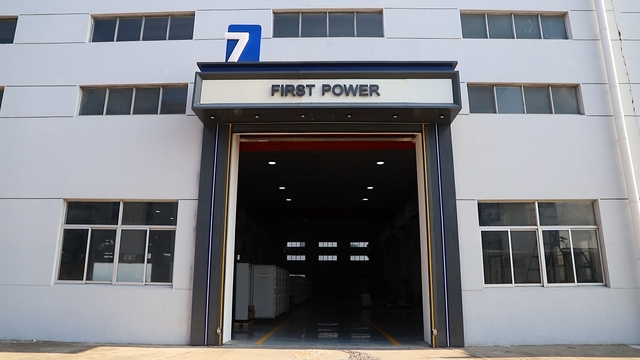
Company and facility overview, including transformer production and assembly areas.
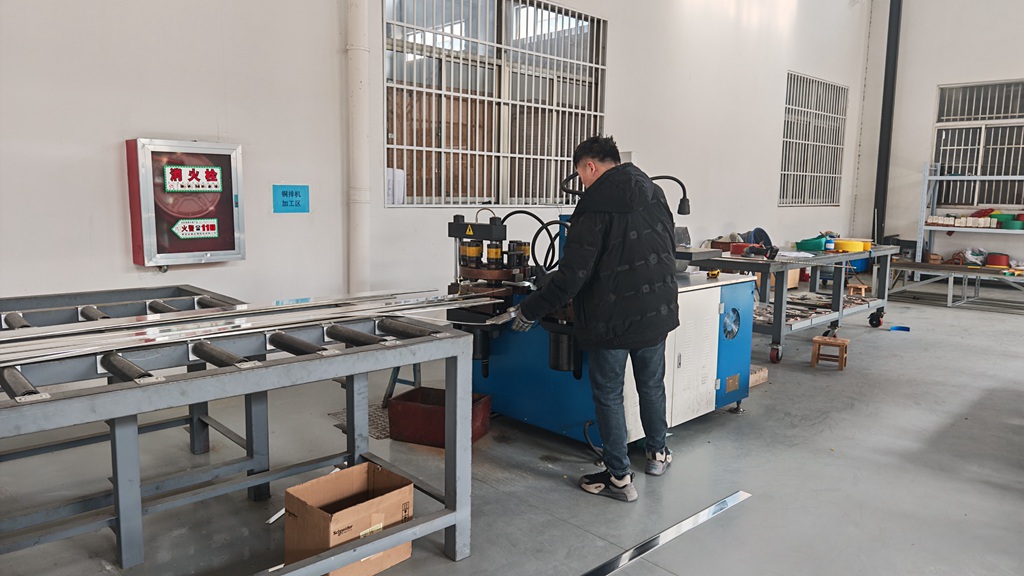
In-house testing environment supporting routine electrical, loss and dielectric checks.
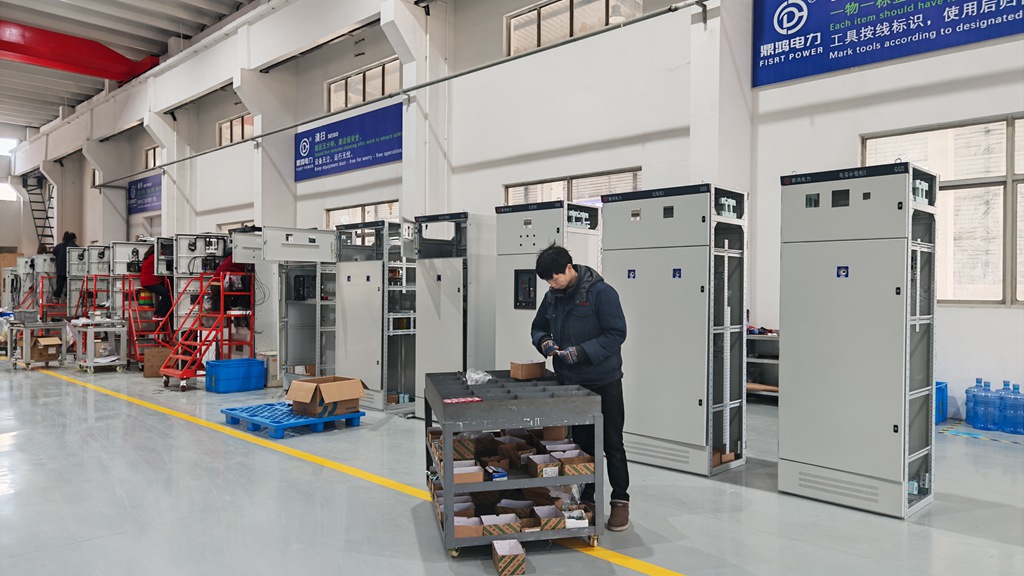
Export packing and loading stage, where seaworthy protection and shipping documents are prepared.
Frequently Asked Questions from Kenyan Buyers and Procurement Teams
These are the questions our engineering and export teams most often receive from Kenyan utilities, EPC contractors, developers and industrial buyers sourcing outdoor oil transformers from China.
What transformer ratings are most common for Kenyan distribution projects?
Can Wisegj supply 50 Hz transformers specifically for Kenya?
How do outdoor oil transformers handle coastal humidity, salt spray and lightning?
Are your transformers compliant with KEBS, PVoC and EPRA-related requirements?
What is the typical lead time and shipping route to Kenya?
Can you customize vector group, impedance, taps and enclosure for Kenyan utility specifications?
Which factory tests are performed before shipment?
What information should a Kenyan buyer provide for an accurate quotation?
Request a Kenya-Specific Outdoor Oil Transformer Catalog
Share your kVA, primary and secondary voltage, frequency, vector group, site conditions and target commissioning date. The Wisegj engineering and export team can review the specification and recommend a compliant outdoor oil transformer configuration for the Kenyan market.
Technical review and E-E-A-T note: This guide was prepared by the Jiangsu Wisegj Power Co., Ltd. transformer engineering and export team in Suzhou, China. Product images and company evidence are taken from the original website. Figures such as 20+ years of team experience, 6,847 m² production floorspace, 50+ engineers and 211 supply-chain partners are company-provided. Final transformer selection, KEBS/PVoC compliance, EPRA-licensed installation and grid protection coordination should be confirmed with the buyer’s utility, consultant and appointed inspection body before order.