Direct factory wholesale transformer solutions engineered to meet strict EN/IEC safety codes and withstand Iceland's demanding environmental conditions.
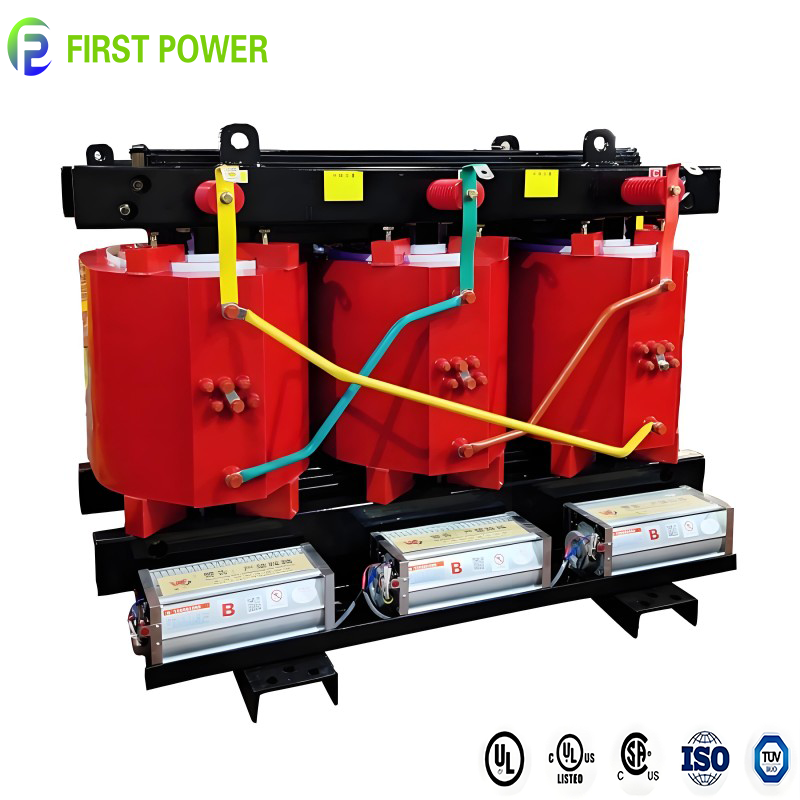
- Capacity: 5MVA - 6MVA
- Voltage: 6kV - 35kV
- Standard: IEEE / IEC 60076
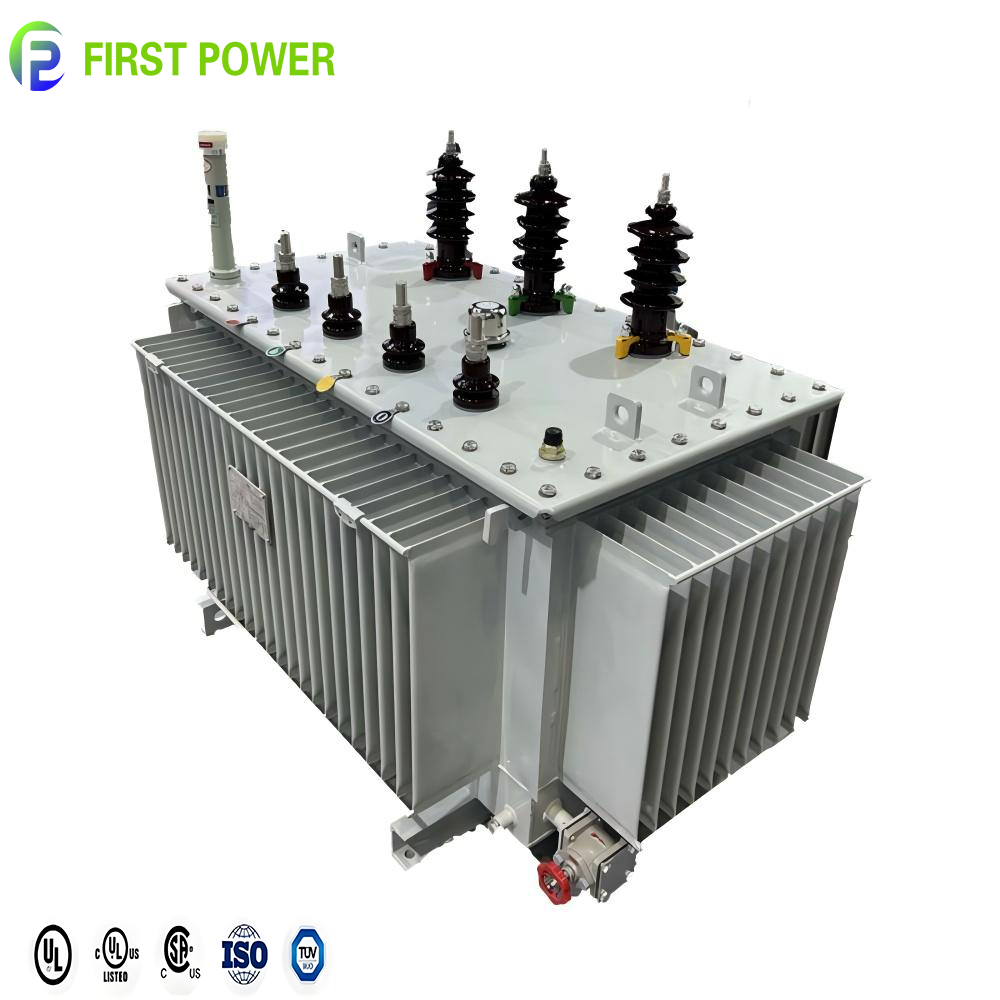
- Rating: 50KVA - 200KVA
- Primary: 10kV / 20kV / 35kV
- Type: Hermetically Sealed Oil
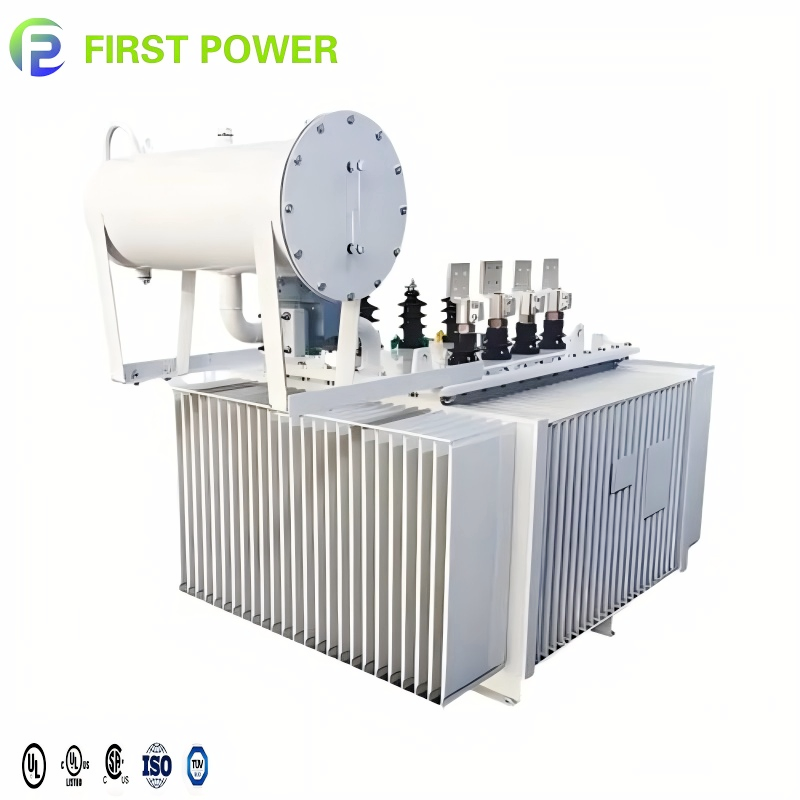
- Rating: 1000kVA - 2500kVA
- Feature: On-Load Tap Changer (OLTC)
- Application: Heavy Industrial Power
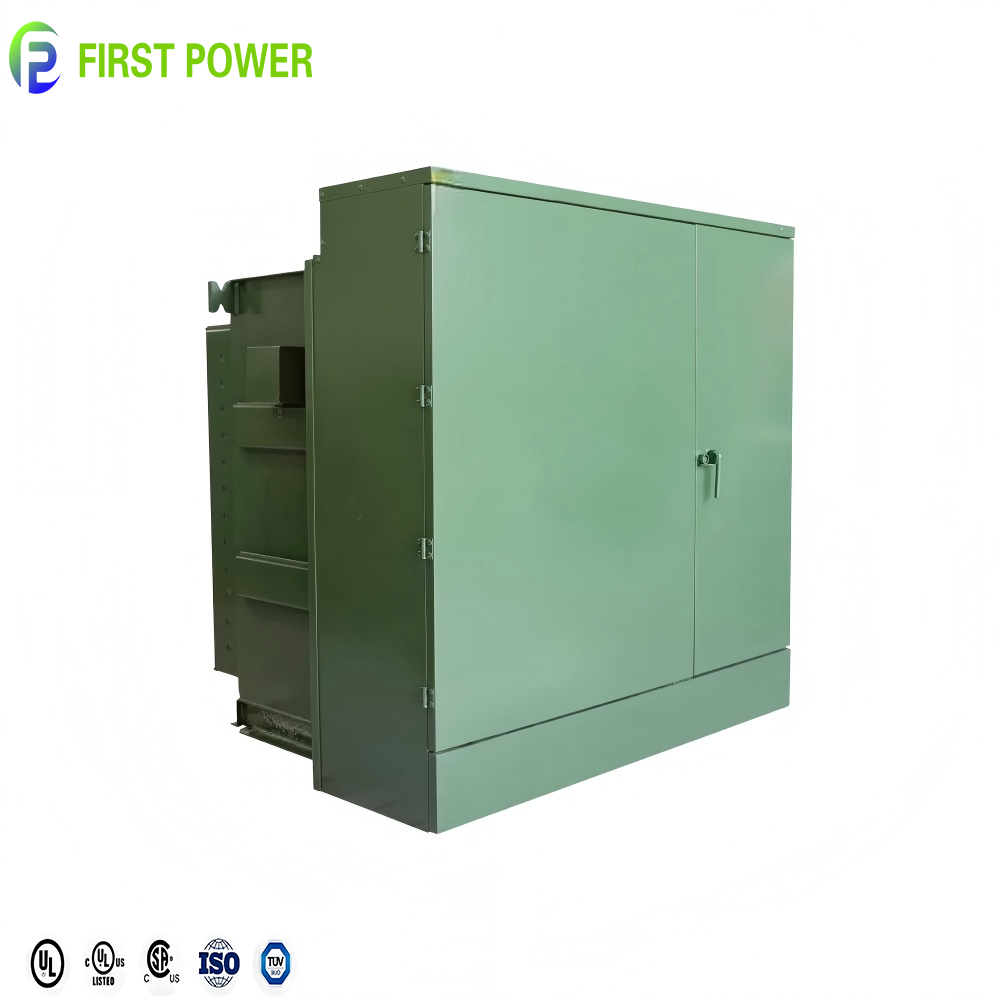
- Rating: 300kVA - 750kVA
- Design: Pad Mounted Outdoor Enclosure
- Protection: Tamper-Resistant Cabinet
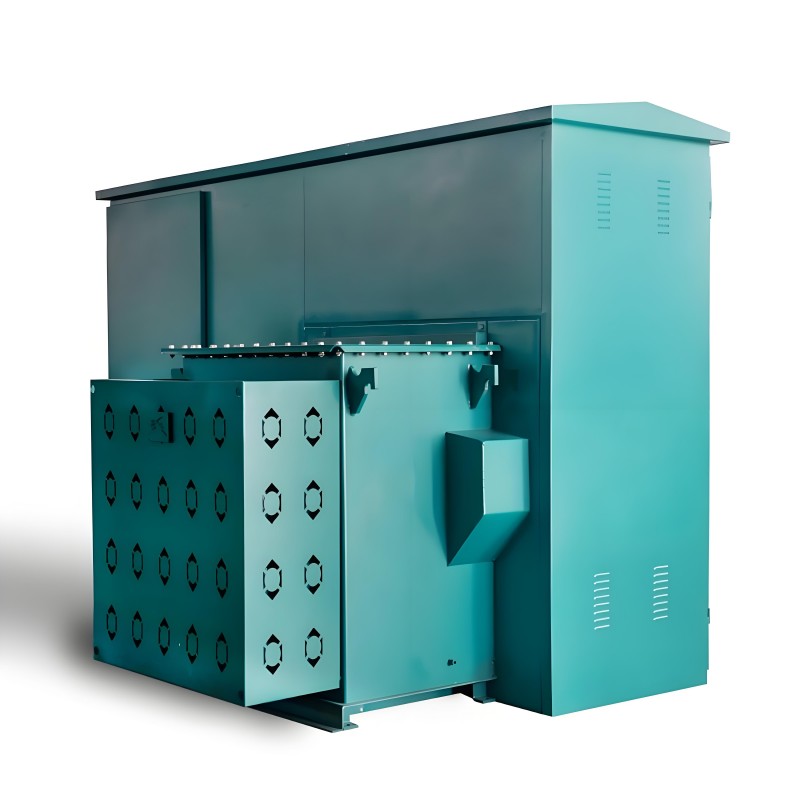
- Rating: 75kVA - 2500kVA
- Front: Dead-Front High Safety
- Voltage: Up to 34.5kV
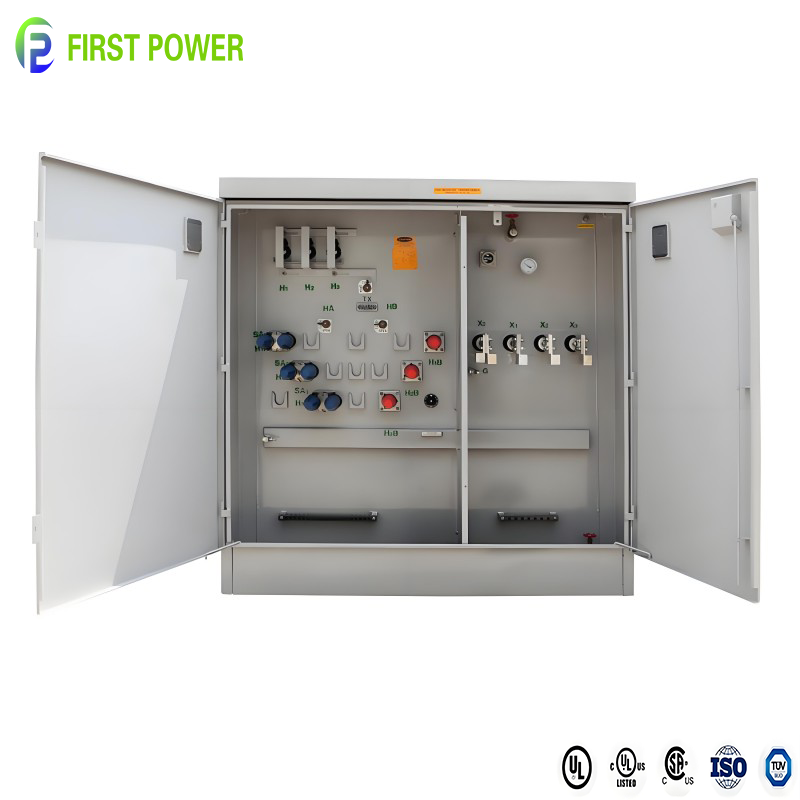
- Feed Type: Loop Feed Configuration
- Voltage Class: 10kV - 35kV MV/HV
- Rating: 300kVA - 700kVA
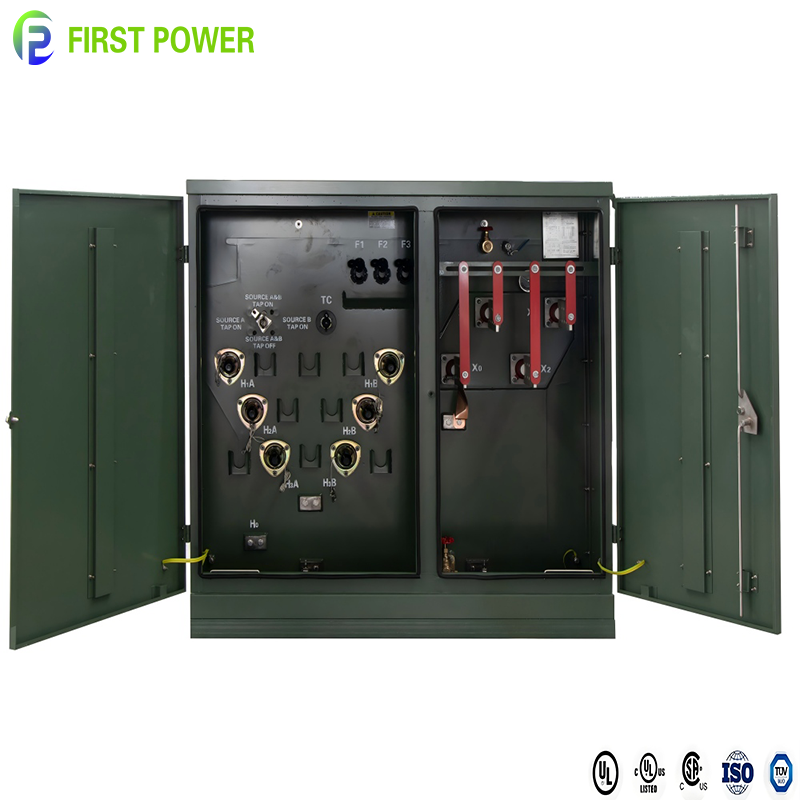
- Certifications: CE / ISO Listed
- Voltage: 6kV to 35kV Flexible Taps
- Enclosure: Subarctic C5-M Coating
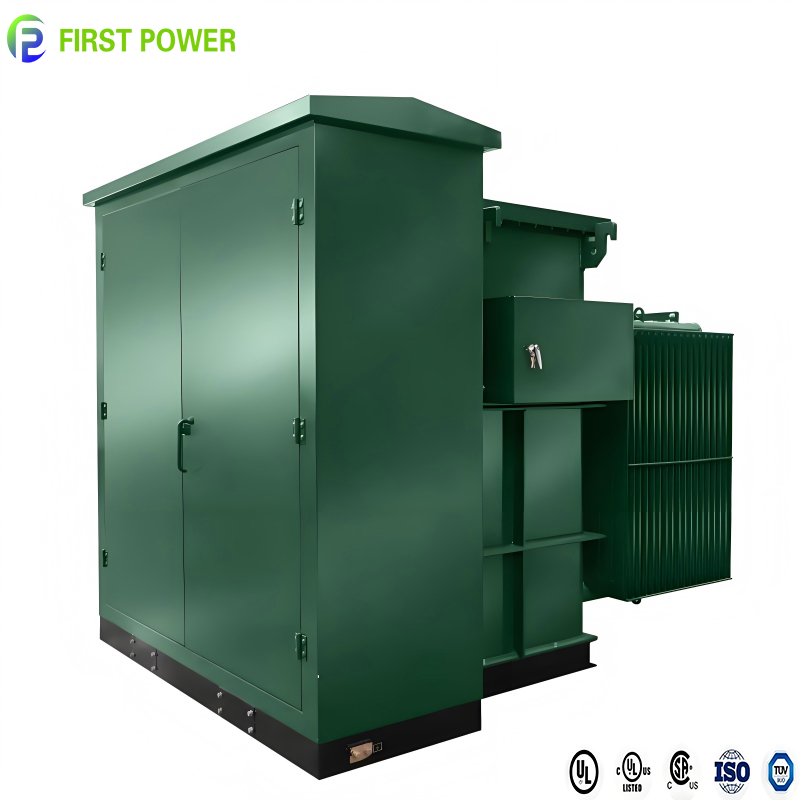
- Design: Pedestal Mount Cabinet
- Range: 100kVA - 630kVA
- Standards: EN 61558 / IEC 60076
Engineering CE Certified Three-Phase Isolation Transformers for Iceland’s Grid & Harsh Environments
Iceland’s electrical landscape presents a unique combination of high-density renewable power generation, remote microgrid infrastructure, and extreme environmental exposure. Powered almost entirely by geothermal plants (e.g., Hellisheiði, Nesjavellir) and hydroelectric networks (such as Landsvirkjun’s Kárahnjúkar power station), the Icelandic transmission grid—operated by Landsnet alongside distribution system operators (DSOs) like RARIK, Veitur, HS Veitur, and Norðurorka—demands transformer architectures with non-negotiable operational stability.
For B2B engineering procurement leads, electrical contractors, and utility project managers in Reykjavík, Hafnarfjörður, Akureyri, and Grundartangi, sourcing CE-certified three-phase isolation transformers directly from tier-1 original equipment manufacturers (OEMs) and factory wholesalers is a critical strategic decision. A three-phase isolation transformer does not simply step voltage up or down; its primary mandate is to provide true magnetic decoupling between primary and secondary windings, completely isolating sensitive downstream electrical systems from grid voltage transients, ground loops, common-mode noise, and harmonic pollution.
1. Magnetic Decoupling & Galvanic Isolation Principles
Unlike standard autotransformers—where primary and secondary circuits share a common copper winding—three-phase isolation transformers feature physically separated primary and secondary coils wound around high-permeability, cold-rolled grain-oriented (CRGO) silicon steel cores. Electrical energy is transferred purely via electromagnetic induction across an insulating barrier.
This physical isolation prevents DC bias currents from migrating into utility step-down transformers, eliminates circulating ground currents between separate facility grounds, and dampens high-frequency electromagnetic interference (EMI). For data centers in Reykjanesbær and heavy industrial rectifiers operating near aluminum smelters, galvanic isolation serves as the first line of defense against severe electrical system failure.
2. Electrostatic Shielding & Harmonic K-Factor Mitigation
In modern industrial facilities, non-linear loads—such as variable frequency drives (VFDs) in fish processing plants, high-capacity uninterruptible power supplies (UPS), and silicon-controlled rectifiers (SCRs)—generate significant high-order harmonics ($3rd, 5th, 7th, 11th, 13th$). These harmonics cause overheating in core steel and neutral conductor overloading.
Our CE-marked three-phase isolation transformers incorporate grounded copper electrostatic shielding (Faraday shields) positioned between the high-voltage and low-voltage windings. This attenuation barrier capacitive-couples high-frequency spikes and lightning transients directly to ground, achieving common-mode noise rejection exceeding $60 \text{ dB}$. Furthermore, custom transformer designs engineered with K-factor ratings ($K-4, K-13, K-20$) utilize transposed conductor strands, enlarged neutral busbars (rated at $200\%$ of phase current), and optimized core flux densities to suppress eddy current losses caused by non-sinusoidal currents.
3. Resisting Iceland’s Severe Environmental Stressors
Deploying electrical equipment in Iceland requires robust protection against atmospheric conditions rarely encountered in continental Europe:
Geothermal H₂S Gas Protection
Atmospheric Hydrogen Sulfide ($H_2S$) around active geothermal fields aggressively corrodes exposed copper and silver contacts. Our transformers utilize conformal vulcanized varnishes, tin-plated or silver-clad copper busbars, and hermetically sealed terminal enclosures.
C5-M Offshore Marine Coating
Coastal installations face relentless salt aerosol spray and high humidity. Transformer tanks undergo shot-blasting to Sa 2.5 cleanliness, followed by multi-coat epoxy primer and polyurethane finish paints complying with ISO 12944-5 C5-M marine durability standards.
Subarctic (-40°C) Cold Withstand
For unheated outdoor sub-station yards and remote pad-mounted installations, tanks and seals utilize low-temperature synthetic elastomers (HNBR/Fluorosilicone) and specialized transformer mineral or ester oils with fluid pour points below $-45^\circ\text{C}$.
Engineering Comparison: Three-Phase Isolation Transformers vs. Alternative Power Solutions
Selecting the correct magnetic topology for Icelandic projects requires balancing galvanic safety, footprint, thermal performance, and compliance with the EU EcoDesign Directive 2019/1783 (Tier 2 energy efficiency standard adopted by the European Economic Area).
| Transformer Parameter | Three-Phase Galvanic Isolation | Cast Resin Dry-Type Isolation | Standard Autotransformer |
|---|---|---|---|
| Galvanic Decoupling | Complete Physical Winding Separation | Complete Physical (Resin Encapsulated) | None (Shared Primary/Secondary Winding) |
| Harmonic Mitigation | High (Faraday Shield & K-Factor Rated) | High (Designed for VFD/Non-Linear Loads) | Low (Passes Harmonics to Grid) |
| Iceland Weather Rating | C5-M Hermetically Sealed Tank (Outdoor) | IP23 / IP54 Enclosed (Indoor/Substation) | Standard NEMA/IP (Limited Protection) |
| Common Mode Noise Attenuation | > 60 dB (with Electrostatic Shield) | > 50 dB | 0 dB (No Noise Shielding) |
| Geothermal H₂S Resistance | Exceptional (Hermetic Tank + Sealed Bushings) | Moderate (Requires Specialized Enclosure) | Low (Exposed Copper Busbars Vulnerable) |
| EEA Compliance Standards | CE, IEC 60076, EN 61558-2-4 | CE, IEC 60076-11, EN 60076-11 | CE, IEC 60076-1 |
Custom engineering tailored to Iceland's core economic sectors and municipal infrastructure projects.
1. Geothermal Power Plant Auxiliaries
Providing isolated, noise-free control power for turbine control loops, valve actuators, and monitoring instrumentation in high-sulfur environments like Hellisheiði and Svartsengi.
2. High-Performance Data Centers
Serving data centers in the Reykjanes peninsula (e.g., Verne Global, Borealis Data Center). K-rated 3-phase isolation transformers clean incoming grid voltage spikes and protect high-density server racks.
3. Aluminum Smelting & Electro-Metallurgy
Isolating heavy industrial rectifiers, smelting potline controls, and auxiliary cooling systems in major industrial corridors such as Grundartangi, Straumsvík, and Reyðarfjörður.
4. Seafood Processing & Cold Storage
Mitigating severe harmonic distortion caused by industrial ammonia freezing VFDs and automated fish-meal processing equipment in harbor towns like Vestmannaeyjar and Ísafjörður.
5. Onshore Power Supply (OPS) / Shore Power
Supplying step-down galvanic isolation transformers for cruise ships, fishing fleets, and cargo vessels at the Port of Reykjavík and Akureyri, preventing galvanic corrosion of vessel hulls.
6. Microgrids & Small Hydro Networks
Integrating distributed run-of-river hydro stations and localized microgrids in remote fjords into the national DSO medium-voltage network ($11\text{kV} / 33\text{kV}$).
Emerging Power & Grid Trends Shaping Iceland’s Transformer Market
1. Rapid Expansion of Maritime Shore Power (Electrification of Harbors)
Aligned with Iceland’s national climate action plan to achieve carbon neutrality by 2040, Icelandic port authorities are investing heavily in Shore-to-Ship Power (Onshore Power Supply - OPS). Connecting docked maritime vessels directly to the grid eliminates auxiliary diesel engine emissions. However, shore power conversion systems require high-capacity three-phase isolation transformers ($1000\text{kVA}$ to $5000\text{kVA}$) equipped with electrostatic shielding to isolate shipboard electrical systems from shore grid earth faults and prevent severe galvanic corrosion on metallic ship hulls.
2. High-Density Computing & AI Data Center Infrastructure
Driven by Iceland’s 100% renewable energy grid and cool ambient climate, international tech firms and HPC operators are expanding facility footprints around Keflavík International Airport. Modern AI server hardware presents non-linear, dynamic loading profiles. Sourcing low-loss, CE-certified dry-type and liquid-immersed isolation transformers with K-13 and K-20 harmonic mitigation capabilities is paramount for ensuring uptime and compliance with European power quality standards.
3. Transition to Biodegradable Ester Insulating Fluids
Environmental protection regulations in Iceland’s pristine pristine rivers and coastal regions have accelerated the adoption of natural and synthetic ester fluids (such as FR3 or Midel) in place of conventional mineral oil. Natural ester fluids offer a flash point exceeding $300^\circ\text{C}$ (Class K fire rating) and are 100% biodegradable within 28 days, ensuring zero environmental contamination in the event of an unexpected tank rupture.
Expert technical answers addressing regulatory compliance, shipping logistics, and custom manufacturing options for Iceland.
Do your transformers comply with European Economic Area (EEA) and CE directives relevant to Iceland?
+
How do you protect transformers against corrosion from geothermal hydrogen sulfide ($H_2S$) and coastal salt air?
+
What primary and secondary voltage configurations can your factory manufacture?
+
Can your pad-mounted transformers withstand subarctic temperatures down to $-40^\circ\text{C}$?
+
What are the lead times and shipping options to major Icelandic ports like Reykjavík or Eimskip/Smyril Line terminals?
+
What factory testing documents are provided prior to shipment dispatch?
+
Jiangsu Wisegj Power Co., Ltd. – World-Class Transformer Manufacturing Excellence
Jiangsu Wisegj Power Co., Ltd. is a premier global manufacturer and direct exporter of utility-grade medium and high voltage power electrical equipment. Operating from our state-of-the-art production complex in Suzhou, Jiangsu, China, our team brings over 20 years of specialized engineering experience supplying power systems spanning from 220V up to 500kV.
Verified Manufacturing Facility
Over 6,847 m² of specialized production floorspace featuring automated vacuum drying ovens, precision CNC winding machines, laser core-cutting lines, and automated oil purification plants verified onsite by TÜV Rheinland.
Certified ISO Quality Systems
Fully accredited management systems operating under ISO 9001:2015 (Quality Management No. 62824Q6052R0S), ISO 14001:2015 (Environmental Management No. 62824E6053R0S), and ISO 45001:2018 (Occupational Health & Safety No. 62824S6054R0S).
Full OEM / ODM Customization
Over 50 senior technical and R&D engineers capable of customizing kVA ratings, vector groups (Dyn11, Yyn0, Dd0), impedance values, enclosure IP ratings, paint specs, and nameplate languages to match client tender specifications.
Our comprehensive product portfolio includes single-phase and three-phase pad-mounted transformers, oil-immersed distribution transformers, cast-resin dry-type transformers, high/low voltage switchgear cabinets, and prefabricated compact substations. We maintain long-term supply relationships with engineering procurement contractors (EPCs), public utilities, mining conglomerates, and industrial system integrators across Europe, North America, the Middle East, Southeast Asia, and Africa.
Need Custom Transformer Specs or a Direct Factory Quote for Iceland?
Submit your single-line diagram (SLD) or project specification sheet today. Our senior electrical engineering team will review your parameters and provide a compliant technical proposal with guaranteed low-loss performance within 24 hours.