What Is an Isolation Step Up Step Down Transformer?
An isolation step up step down transformer is a two-winding transformer that changes voltage while providing galvanic separation between the primary and secondary circuits. It is specified when voltage matching alone is not enough and the project also needs safety isolation, noise reduction or fault separation.
Unlike an autotransformer, which shares part of a single winding, an isolation step up step down transformer uses separate primary and secondary windings. This design prevents a direct electrical connection between source and load, limits common-mode noise and ground-loop currents, and helps protect sensitive equipment from upstream disturbances. For global procurement teams, the same phrase can describe a step-up unit feeding a higher-voltage bus, a step-down unit serving a lower-voltage distribution system, or a dual-purpose isolation transformer matching one system voltage to another while adding power-quality benefits.
A typical inquiry may involve a 480 V delta to 380Y/220 V step-down isolation transformer for a data center, a 690 V to 400 V isolation transformer for a renewable plant, or a 13.8 kV to 480 V unit with electrostatic shielding for a critical process line. Each application requires a different review of source voltage, load profile, neutral arrangement, fault level, harmonic spectrum, ambient temperature, altitude, installation location and local code compliance.
At Jiangsu Wisegj Power Co., Ltd., engineering review starts with the duty rather than the catalogue. We ask whether the transformer is intended mainly for voltage matching, personnel and equipment safety, harmonic isolation, or all three. That answer changes the winding design, impedance, electrostatic shielding, insulation system, cooling method, enclosure rating and routine test plan. Buyers who share the application data early usually receive a more accurate design, fewer clarification rounds and a lower total cost of ownership.
Separate primary and secondary windings for galvanic isolation
Step-up, step-down or dual-voltage ratio options
Dry-type or liquid-immersed construction
Electrostatic shielding for sensitive loads
IEC or ANSI/IEEE design review
Routine test reports and export documentation
Common duties include renewable interconnection, industrial voltage matching, data-center power distribution, marine and shipyard supplies, EV charging hubs, hospital electrical rooms and manufacturing lines fed from a utility service at a different voltage. In each case, the isolation transformer is not simply a magnetic component; it is part of the electrical protection and power-quality strategy.
Typical Isolation Step-Up/Down Duties
480 V to 380 V / 220 V
600 V to 480 V
415 V to 380 V
690 V to 400 V
240 V to 120/240 V
11 kV / 33 kV to LV
Product Recommendation
Recommended Isolation Step Up Step Down Transformer Configurations
Jiangsu Wisegj Power Co., Ltd. engineers each unit against the project voltage ratio, load profile, environment and local standard. The configurations below are starting points for procurement review and can be customized.
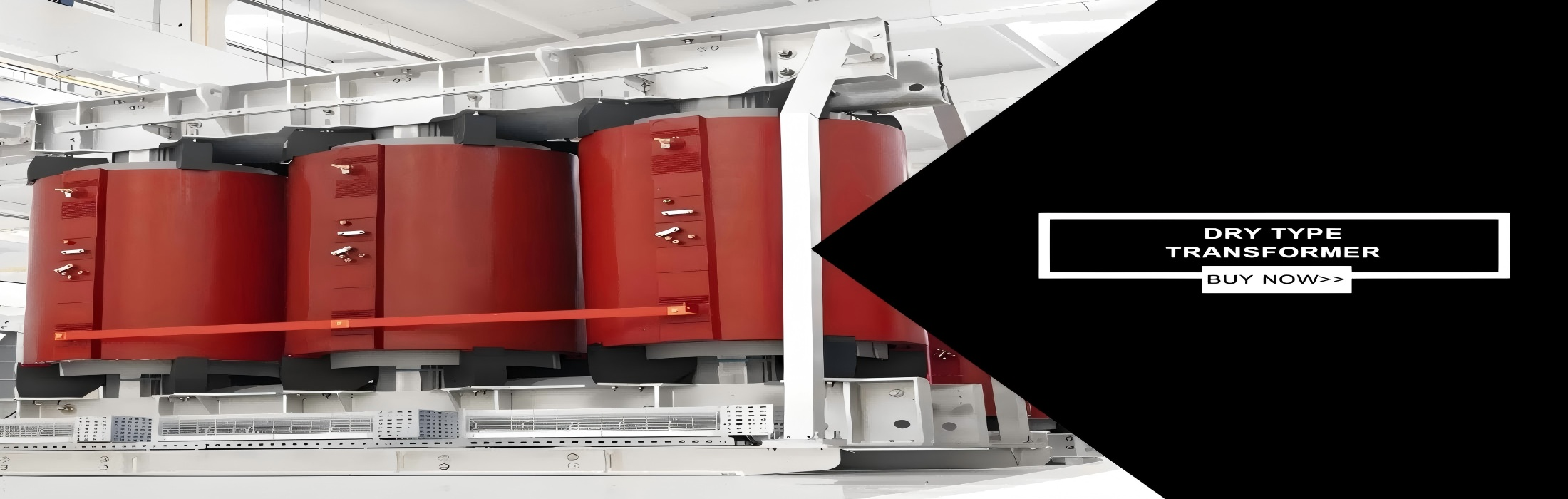
A two-winding dry-type design for indoor distribution where fire safety, low maintenance and clean installation are priorities. Suitable for data centers, hospitals, commercial buildings and EV charging rooms.
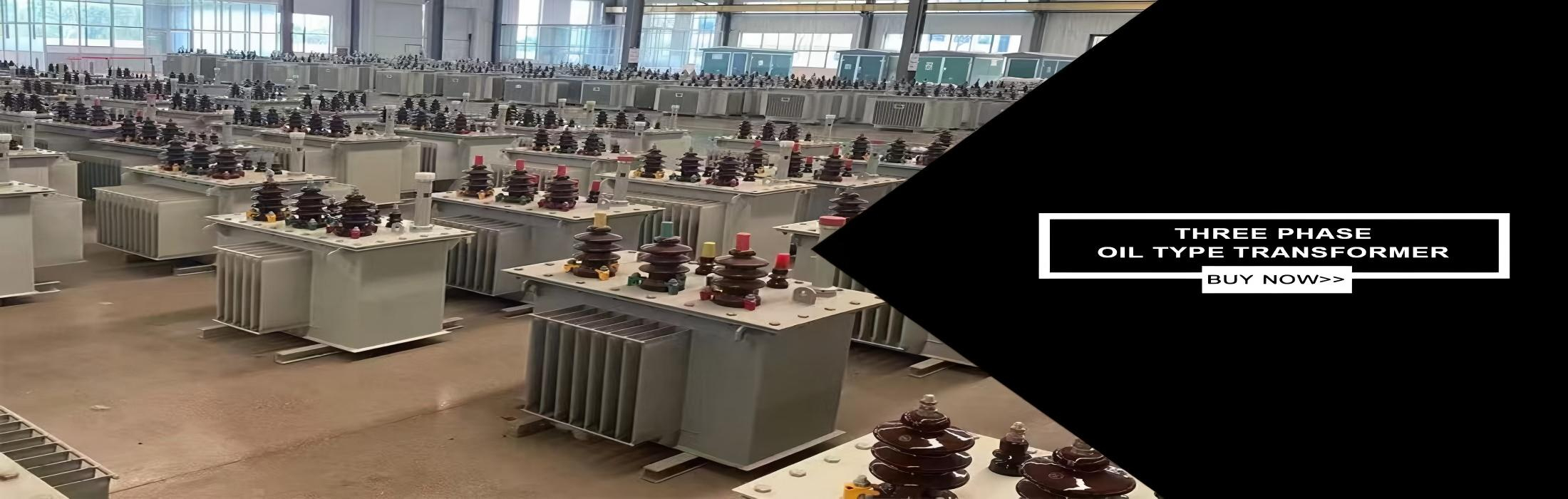
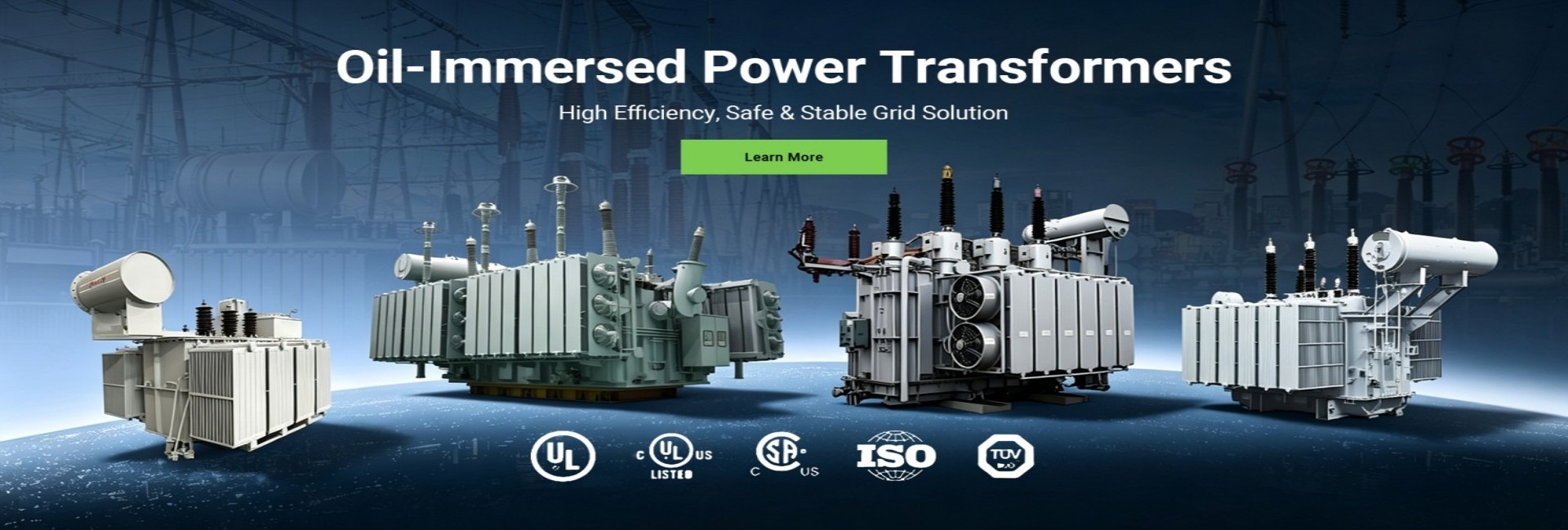
A robust choice for outdoor platforms, industrial plants and renewable projects. CRGO or amorphous cores, sealed tank construction and optional natural ester fluid can be reviewed for the site environment.
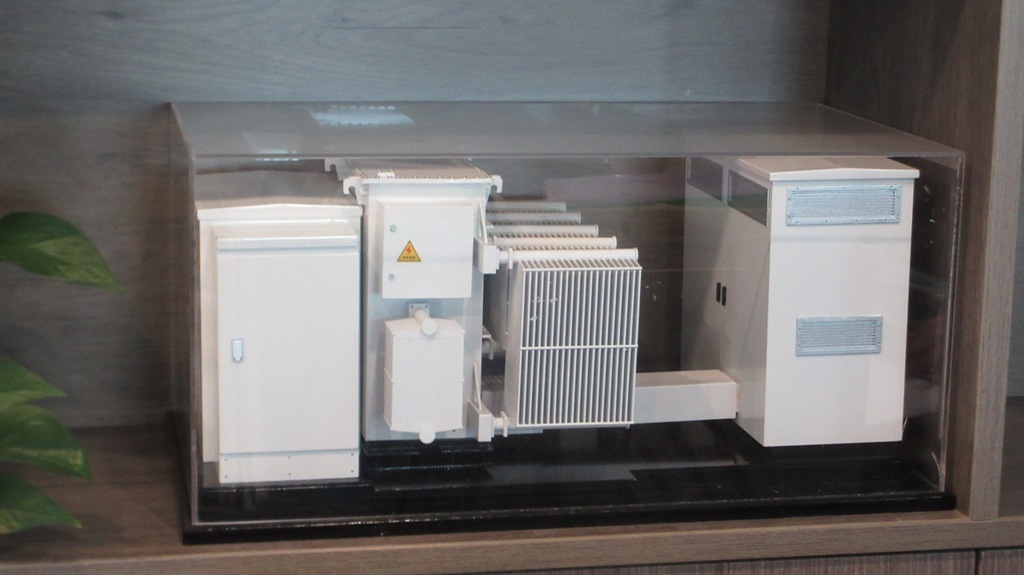
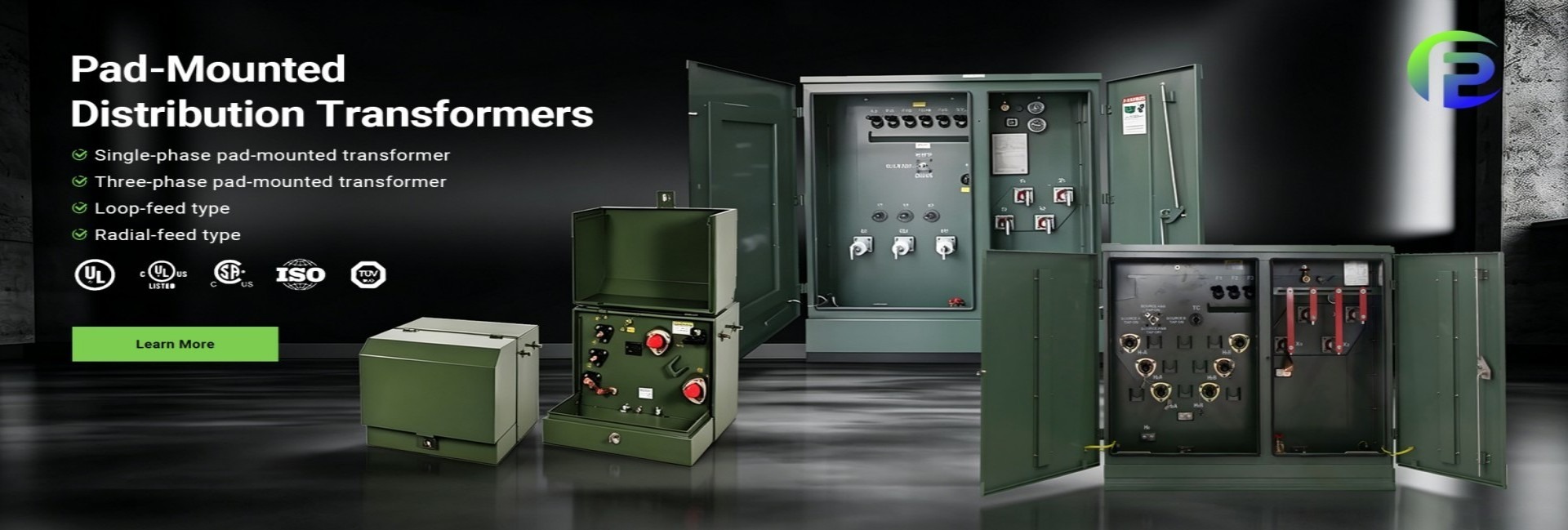
Factory-assembled MV switchgear, isolation transformer and LV distribution in one enclosure. Useful for underground distribution, renewables, temporary power and projects where site commissioning time is limited.
How to Specify an Isolation Step Up Step Down Transformer
A clear specification reduces design risk, avoids later change orders and helps suppliers quote comparable equipment. The table below lists the parameters our engineering team reviews before preparing a guaranteed design.
Parameter
What to Specify
Why It Matters
Application and duty
Continuous, cyclic, motor starting, rectifier, EV charging, renewable interconnection or critical process
Defines temperature rise, impedance, harmonic allowance and overload review.
Power rating
kVA or MVA, future expansion margin, load profile and ambient temperature
Undersizing causes overheating; oversized units can increase no-load loss and cost.
Voltage ratio
Primary and secondary voltage, winding connection, neutral requirement and tap range
Controls the step-up or step-down function and compatibility with the local grid.
Phase and frequency
Single phase or three phase, 50 Hz or 60 Hz
Affects core design, winding turns, cooling and test requirements.
Isolation and shielding
Two-winding isolation, electrostatic shield, grounding arrangement and neutral point
Improves safety and reduces common-mode noise or ground-loop interference.
Vector group
Dyn11, Yyn0, YNd11 or other project requirement
Must match protection, paralleling and phase-displacement requirements.
Impedance
Percentage impedance and fault-current coordination study
Supports protective-device coordination and limits short-circuit stress.
Cooling and insulation
ONAN, ONAF, cast resin, mineral oil, natural ester or dry-type
Balances fire safety, maintenance, ambient conditions and installation location.
Losses and efficiency
No-load loss, load loss, reference temperature and local efficiency regulation
Drives operating cost and may be mandatory for tenders or utility approval.
Enclosure and environment
Indoor or outdoor, IP rating, altitude, seismic zone, coastal or desert conditions
Ensures mechanical protection, corrosion resistance and reliable cooling.
Monitoring and protection
Winding temperature, oil temperature, alarms, tripping contacts and remote monitoring
Supports condition-based maintenance and faster fault response.
Tests and documentation
Routine tests, type tests, witness testing, drawings, O&M manuals and test reports
Provides auditable evidence for QA teams, utilities and third-party inspectors.
Compliance
IEC 60076, ANSI/IEEE C57.12 series, CE, local grid code and buyer specification
Confirms that the transformer can be accepted in the destination market.
For nonlinear loads, include the harmonic spectrum or K-factor requirement. For projects with strict loss evaluation, provide the capitalization formula used by the utility so the design can be optimized against total evaluated cost rather than first price alone.
Future Procurement Trends
What Global Buyers Will Ask for Next
Procurement teams are moving from simple price comparison toward lifecycle cost, traceability, compliance evidence and delivery resilience. These trends are already shaping isolation transformer specifications.
Renewables and Grid Interconnection
Solar, wind, battery storage and microgrids need step-up isolation transformers with defined loss limits, harmonic tolerance and grid-code compliance. Buyers are asking for designs that can handle rapid load changes and bidirectional power flow.
Data Centers and Electrification
Data centers, EV charging hubs, heat pumps and electrified industrial processes are increasing demand for dry-type isolation transformers with low noise, high efficiency, compact footprints and monitoring-ready designs.
Total Cost of Ownership
No-load and load losses are now evaluated over the asset life. Buyers compare evaluated cost, maintenance cost, spare-part availability and outage risk, not only the landed equipment price.
Resilient and Traceable Supply Chains
Procurement teams request factory audit evidence, material traceability, production schedules and contingency plans. A supplier that can share test records and component sourcing information is easier to qualify.
Local Compliance and Carbon Data
Destination-market codes, CE marking, efficiency rules and carbon reporting are becoming part of the purchase order. Buyers want compliance documents and loss data early, before the technical bid is finalized.
Digital Quality Records
Digital nameplates, QR-linked test reports and remote monitoring data are replacing paper-only handover packages. These records simplify utility approval, maintenance planning and future spare-parts ordering.
Product Development Trends
How Isolation Transformer Technology Is Evolving
Manufacturers are responding to efficiency rules, electrification and serviceability requirements. The most relevant developments for procurement teams are practical rather than experimental.
Low-Loss Core Design
CRGO and amorphous core options are evaluated against capitalized loss formulas, especially for renewable, utility and continuously loaded industrial applications.
Dry-Type and Ester Fluids
Fire safety and environmental requirements are increasing interest in cast-resin transformers and natural-ester liquid units for indoor and sensitive locations.
Modular Substations
Factory-assembled compact substations shorten site work, improve quality control and reduce interfaces between switchgear, transformer and LV distribution.
Monitoring-Ready Designs
Temperature sensors, alarm contacts and digital documentation support condition-based maintenance and help owners plan interventions before unplanned outages.
Harmonic and Transient Performance
Electrostatic shielding, K-factor windings and impedance optimization are being requested for data centers, EV charging and rectifier loads.
These developments do not replace a proper electrical study. They give buyers useful options to discuss with the transformer engineer once the load profile, harmonics, fault level and local code requirements are known.
Why Jiangsu Wisegj Power Co., Ltd.
Auditable Manufacturing and Engineering Support
Jiangsu Wisegj Power Co., Ltd. supports global buyers with transformer engineering, production, testing and export documentation for distribution transformers, power transformers, pad mounted transformers, dry type transformers, isolation step up step down transformers and compact substations. Our team brings more than 20 years of hands-on transformer experience, with 6,847 m² of verified production floorspace, 50+ R&D and technical engineers, 211 qualified supply-chain partners and an average buyer rating of 4.9/5 according to published company data.
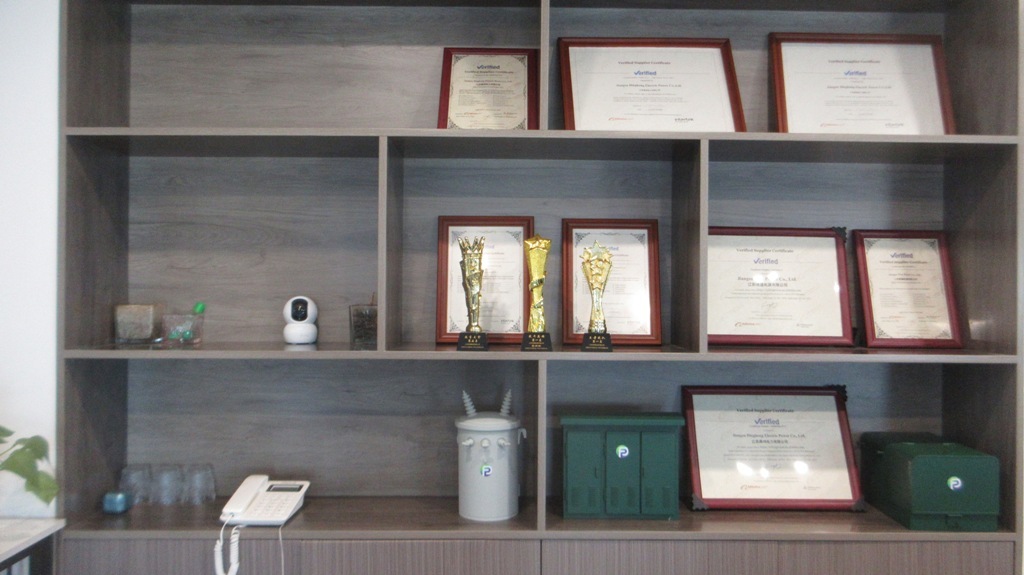
Every isolation transformer inquiry is reviewed by engineers before quotation. The review covers the voltage ratio, vector group, impedance, shielding, cooling method, enclosure, applicable standard, loss target and site conditions. Production is controlled under ISO 9001, ISO 14001 and ISO 45001 management systems, and relevant product lines hold CE certificates. TÜV Rheinland has verified production capability, floorspace and quality inspection onsite, giving procurement teams a stronger basis for supplier approval.
Engineer-led specification review before quotation
Routine test report for each serial number
OEM, ODM and design-based customization
Third-party witness inspection welcome
Export packing and complete shipping documents
24-hour engineer response for technical questions
Production capability, floorspace and quality inspection are verified onsite by TÜV Rheinland, an independent third-party inspection body.
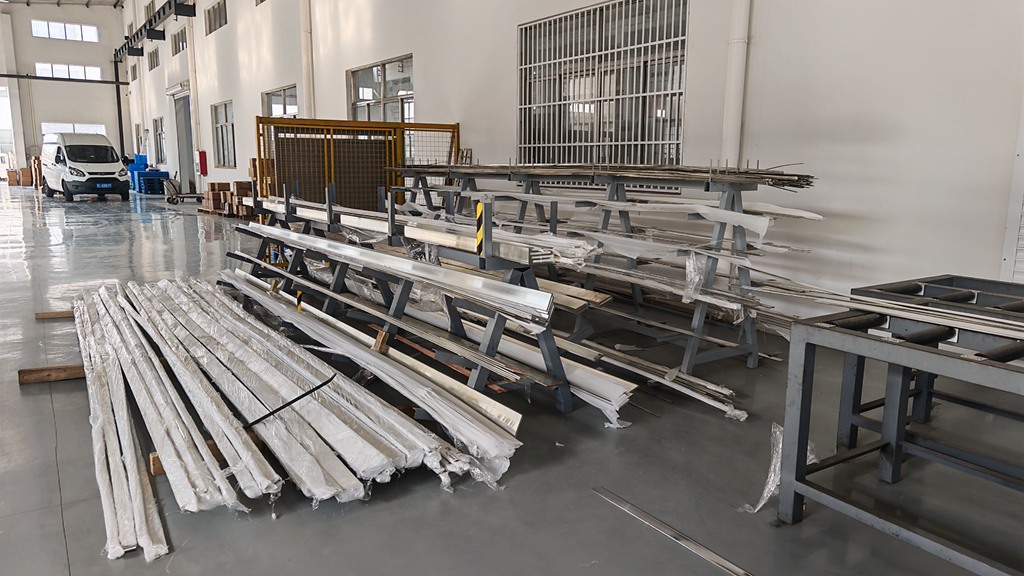
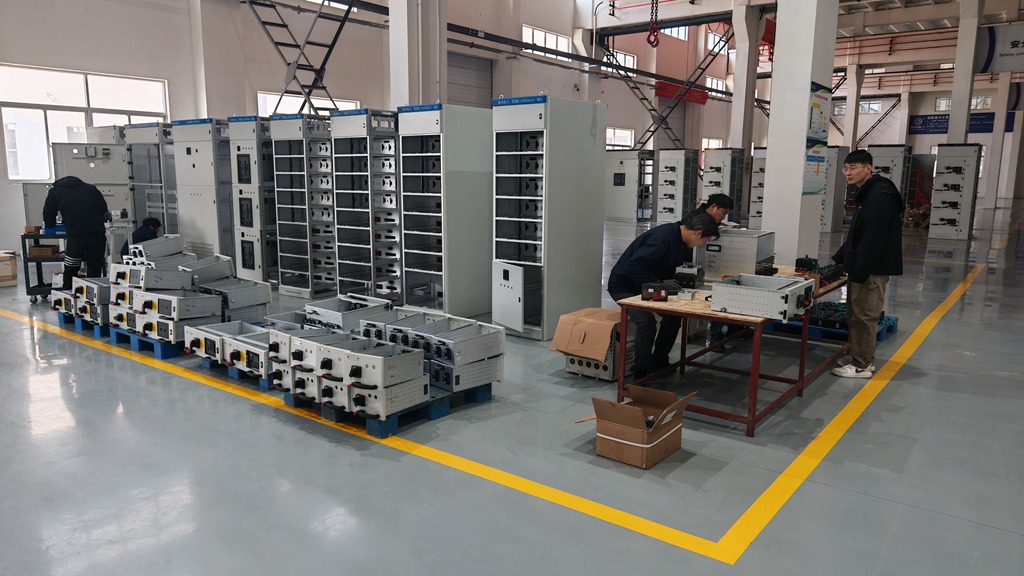
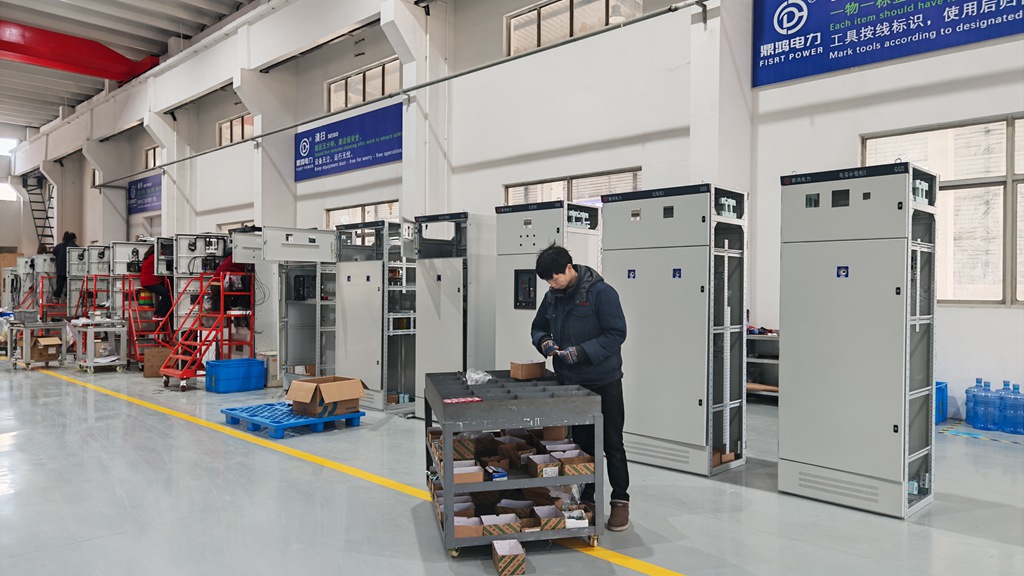
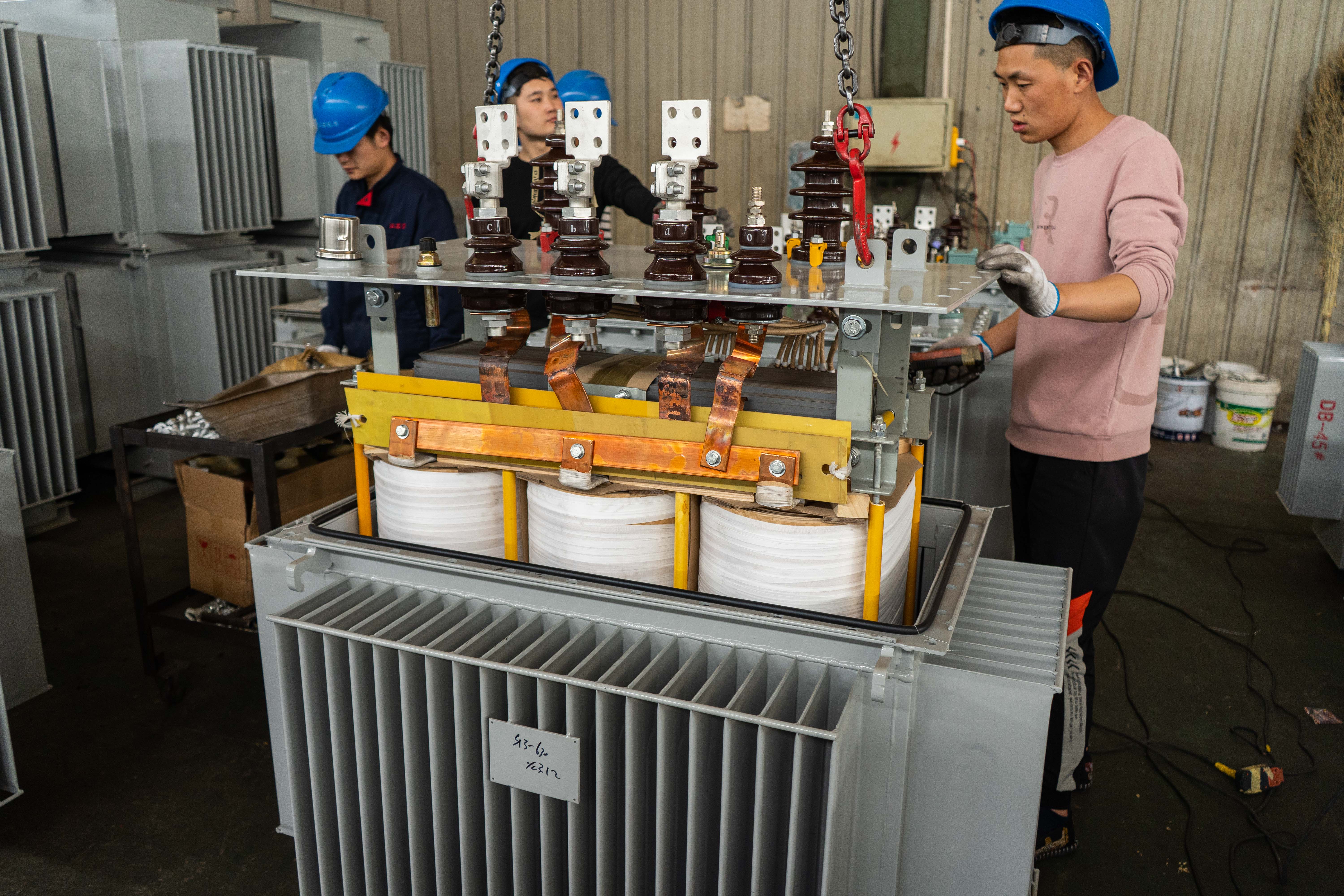
For buyer audits and project approvals, seeing the production and test environment is as important as reading a specification sheet. These images show the workshop, assembly, testing and packing activities behind Jiangsu Wisegj Power Co., Ltd. transformer supply.
Isolation Step Up Step Down Transformer Questions Buyers Ask
These are the questions our engineering and export teams receive most often from global procurement teams, EPC contractors and utility buyers.
What is an isolation step up step down transformer used for?
It combines two-winding galvanic isolation with voltage transformation. Typical uses include matching one system voltage to another, protecting sensitive loads from common-mode noise and ground loops, isolating critical processes, supporting renewable interconnection, and feeding data centers, EV charging hubs, hospitals and industrial lines. It is different from an autotransformer because the primary and secondary circuits are electrically separated.
How do I size an isolation step up step down transformer?
Start with the continuous kVA load, then review future expansion, duty cycle, motor starting, harmonic content, ambient temperature, altitude, cooling method and impedance. For nonlinear loads, specify K-factor or provide harmonic study data so the winding and neutral are correctly designed. A transformer should not be selected from kVA alone when the load has high inrush, harmonic distortion or cyclic overload.
Can one transformer perform both step-up and step-down duty?
The transformer is defined by its winding ratio. A unit can be ordered with a higher-voltage primary and lower-voltage secondary for step-down duty, or the reverse for step-up duty. Some projects use dual-voltage or multi-tap designs, but the final connection, insulation and vector group must be reviewed for the intended operating direction and fault conditions.
Which standards can Jiangsu Wisegj Power Co., Ltd. design to?
Designs can follow IEC 60076 for many international projects or ANSI/IEEE C57.12 series standards for North American requirements. CE marking, local grid codes and buyer specifications can be incorporated after engineering review. Relevant product lines hold CE certificates, and production runs under ISO 9001, ISO 14001 and ISO 45001 management systems.
What tests are performed before shipment?
Routine tests usually include winding resistance, voltage ratio and vector group, impedance and load loss, no-load loss and current, applied and induced voltage withstand, and oil dielectric tests for liquid-filled units. Type test reports can be supplied when available, and third-party witness inspection is welcome for project QA teams.
Can the transformer include electrostatic shielding or harmonic options?
Yes. Electrostatic shielding can be added to reduce high-frequency noise and common-mode interference between primary and secondary windings. K-factor windings, neutral oversizing and impedance adjustments can also be reviewed for nonlinear loads. The correct option depends on the source, load, harmonic spectrum and grounding arrangement.
How are export packing and documentation handled?
Units are prepared for sea or land transport with export packing, shock indicators where appropriate, and complete shipping documents. Documentation normally includes general arrangement drawings, nameplate details, routine test reports and O&M manuals in English. Incoterms and document requirements can be agreed during quotation.
What information is needed for a fast quotation?
Provide kVA or MVA rating, primary and secondary voltage, frequency, phase, vector group, impedance, tap range, cooling method, indoor or outdoor installation, ambient and altitude, applicable standard, loss target and any shielding or monitoring requirements. If tender documents or single-line diagrams are available, include them so our engineers can review the complete application.
Technical Data Checklist for an Accurate Isolation Transformer Offer
Sharing these parameters allows Jiangsu Wisegj Power Co., Ltd. engineers to return a compliant design, guaranteed losses and a practical delivery schedule.
Rated power (kVA / MVA)
Primary and secondary voltage
Frequency (50 / 60 Hz)
Vector group and impedance
Tap changer type and range
Cooling method and insulating fluid
Applicable standard (IEC / IEEE)
Site altitude and ambient range
Loss limits or efficiency target
Send Your Isolation Step Up Step Down Transformer Specification
Share your datasheet, single-line diagram or tender documents. A transformer engineer from Jiangsu Wisegj Power Co., Ltd. will review the voltage ratio, isolation requirement, standards, testing and delivery schedule.

 Indoor / Fire-Safe