Eight Three Phase Transformer Configurations Buyers Request Most
These production-ready families cover oil-immersed distribution, pad-mounted underground networks, loop-feed designs, on-load tap changer units, and mixed single-phase complements. Every quotation is reviewed against your voltage, frequency, loss, altitude, ambient, and installation requirements.
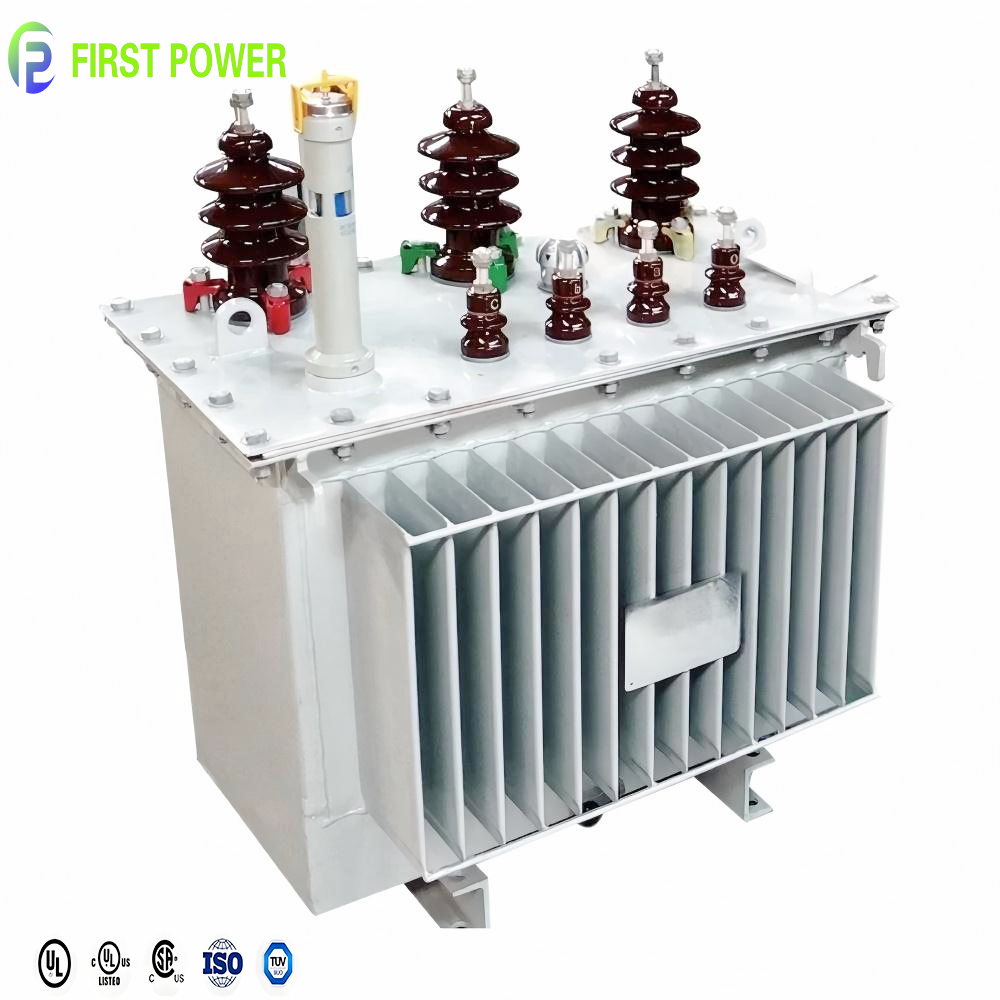
C CE 10KV 20KV 35KV 50KVA 100KVA 200KVA 300KVA 400KVA 500KVA Electric Oil Immersed Transformer for Industrial Power Supply
A practical choice for industrial distribution, plant power rooms, and utility feeder upgrades where robust thermal performance and routine testing are essential.
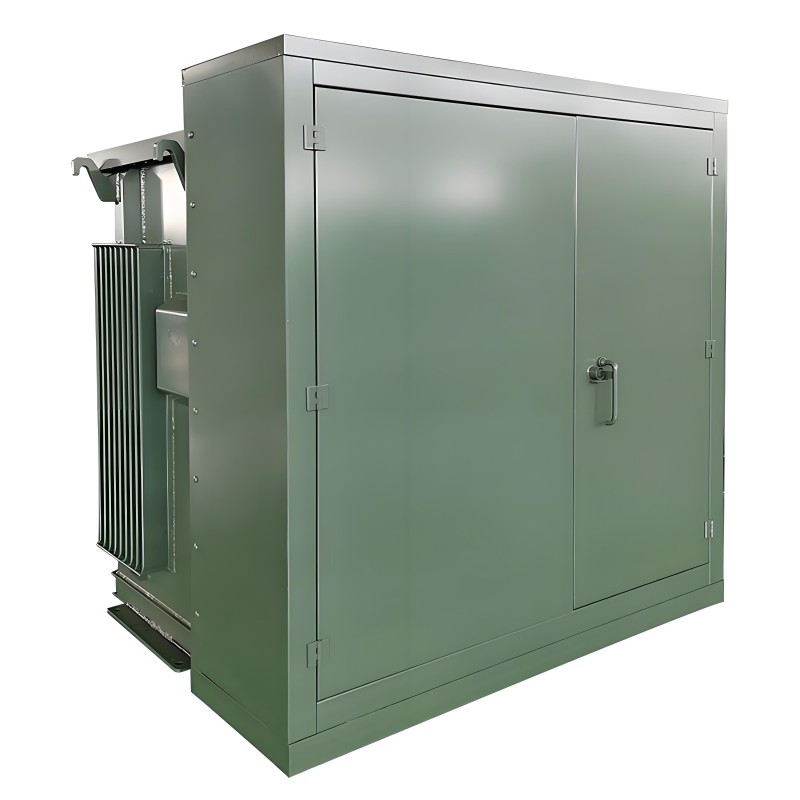
C Certified 75-2500KVA Oil Type Three-Phase Pad-Mounted Transformer 480V Output Voltage 35KV Input Voltage 50/60HZ
Suitable for underground commercial distribution, campus networks, and utility projects requiring a tamper-resistant pad-mounted enclosure.
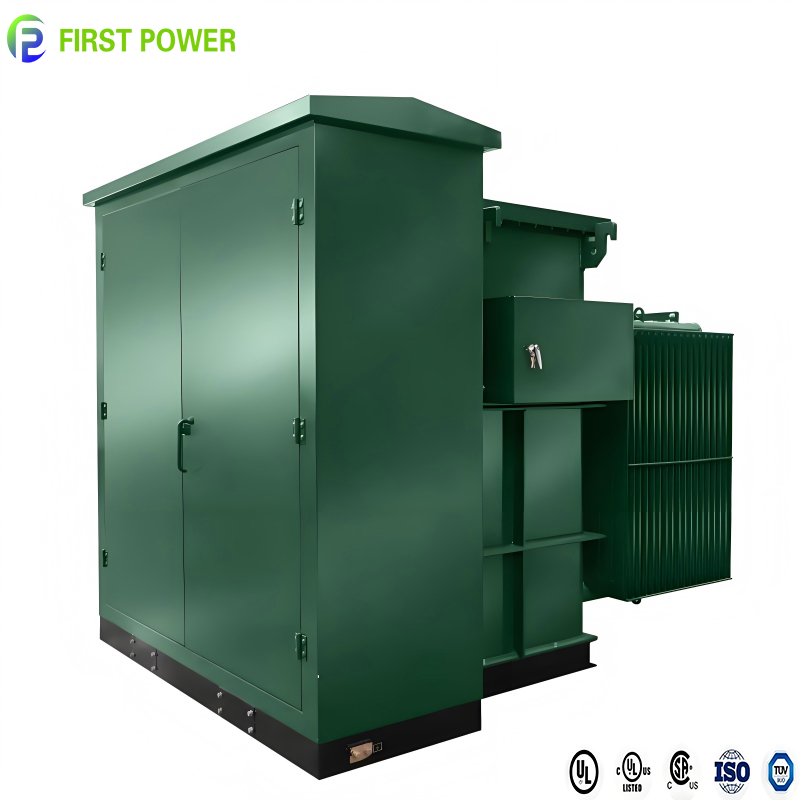
C CE 50/60HZ 6KV 10KV 15KV 20KV 35KV 100KVA 300KVA 500KVA 630KVA 3 Phase Pad Mounted Pedestal Transformer for Industrial
Designed for industrial sites and underground distribution points where a compact footprint and accessible cable termination are priorities.
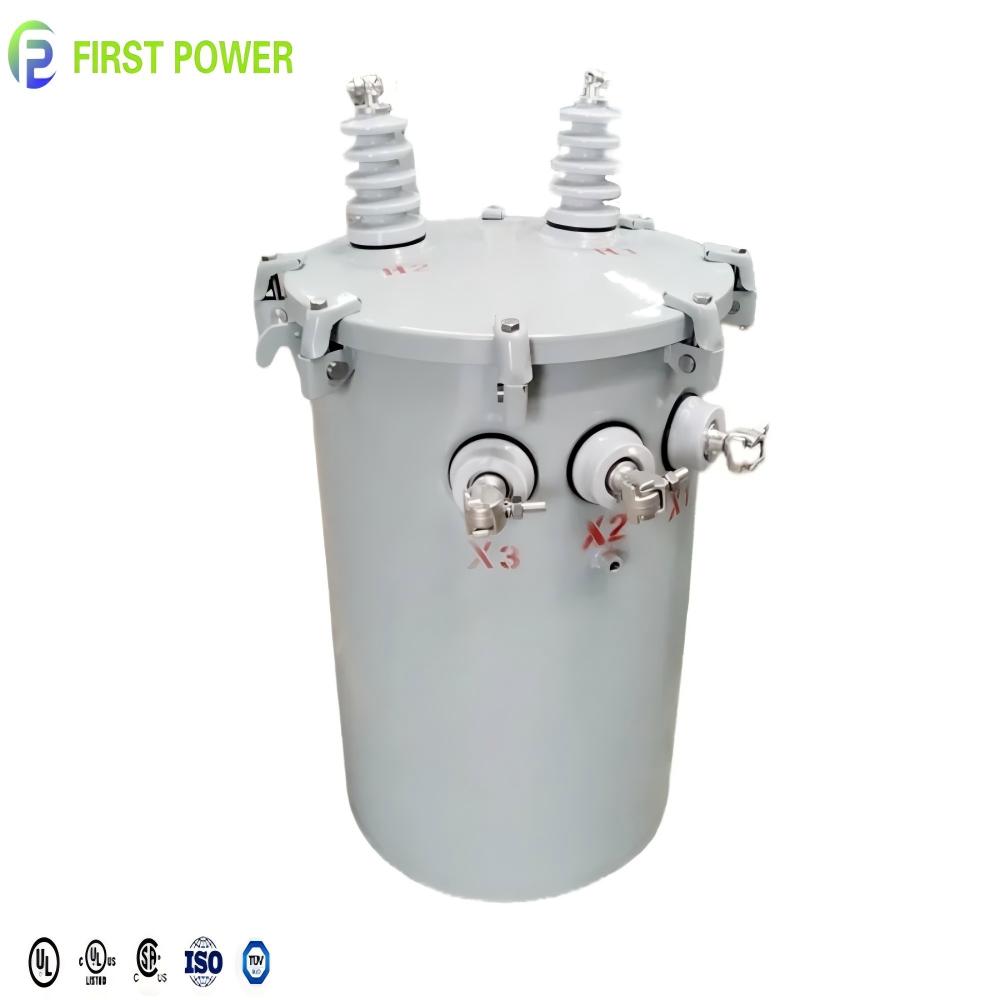
ANSI 50/60HZ 6KV 10KV 15KV 20KV 35KV 15KVA 25KVA 50KVA 100KVA Single Phase Pole Mounted Transformers for Industrial Power Supply
A single-phase complement for mixed distribution packages, rural feeders, and projects that require both three-phase and single-phase transformer supply.
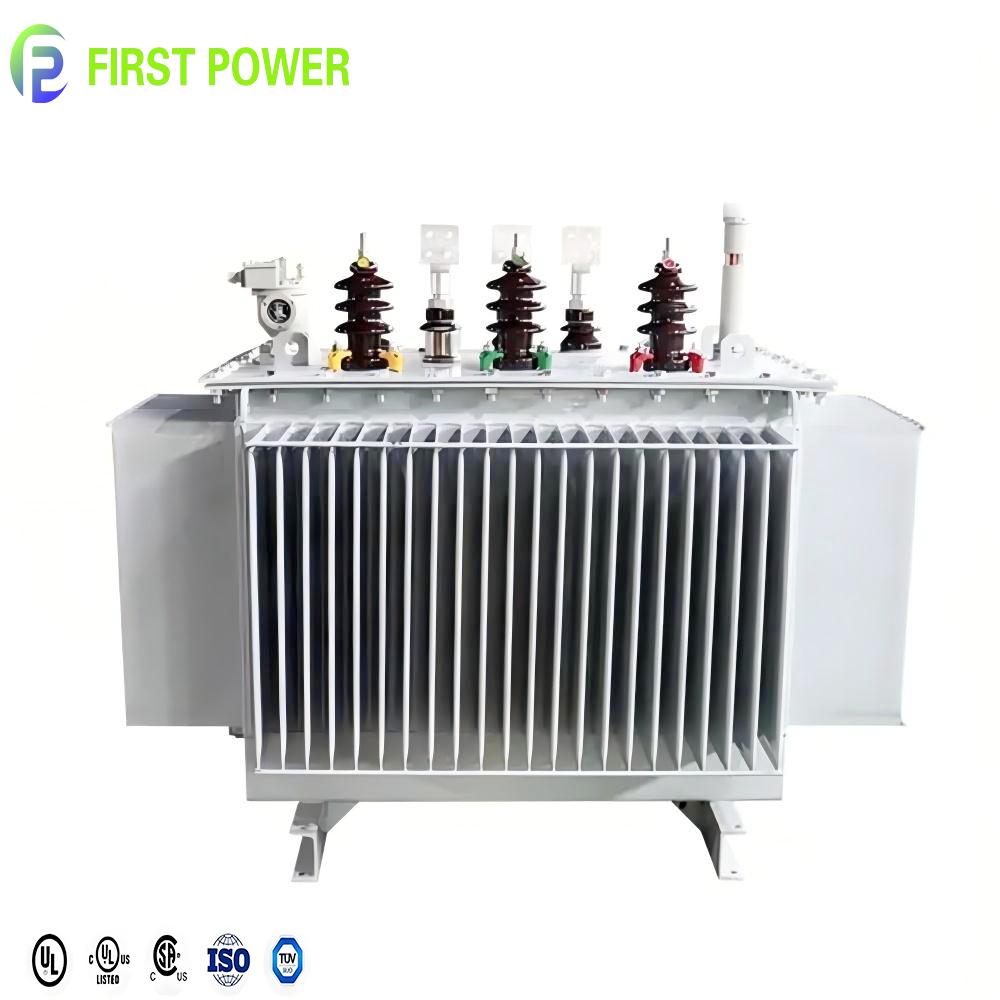
C CE S11 10KV 20KV 35KV 50KVA 100KVA 150KVA 200KVA 250KVA 3 Phase Oil-Immersed Transformer for Electric Power Distribution
A familiar low-loss distribution platform for utilities and industrial parks that need predictable lead times and straightforward maintenance.
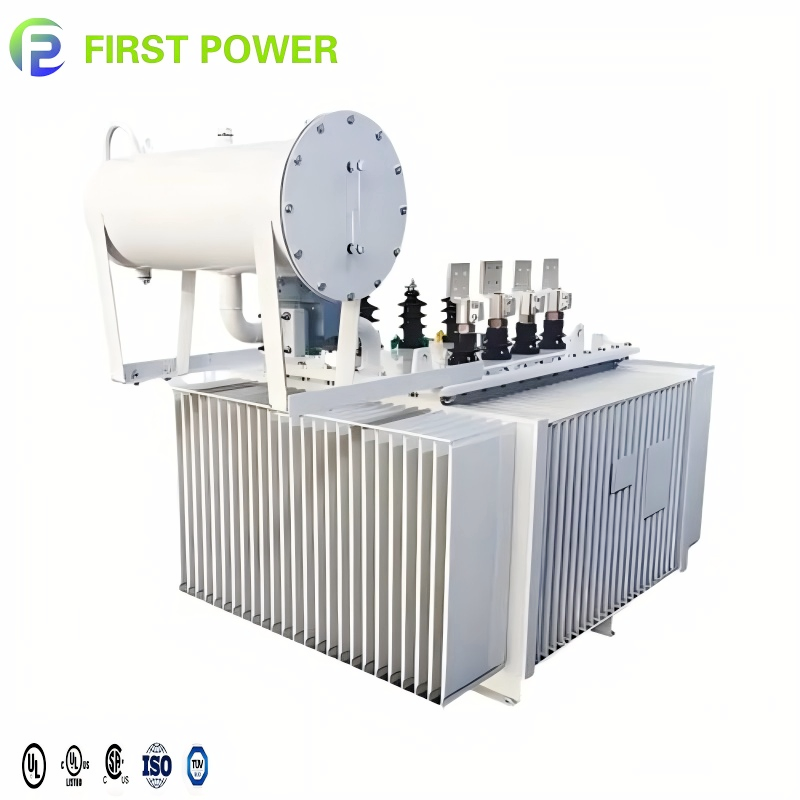
C CE 10KV 20KV 35KV 1000KVA 2000KVA 2500KVA 3 Phase Oil Type on Load Tap Changer Transformer for Industrial Power Supply
For industrial loads and substations where voltage regulation under changing demand is important to equipment performance and process continuity.
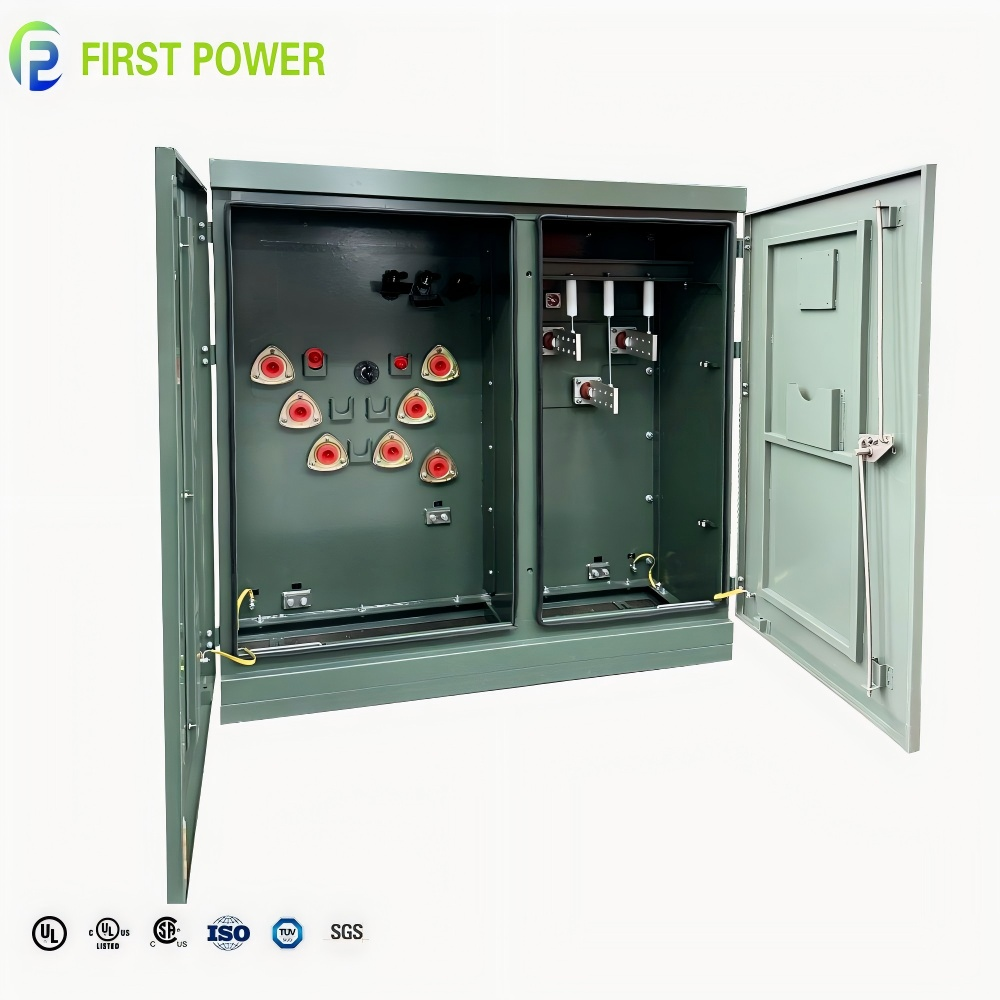
C CE Certification 50/60HZ 10KV 20KV 35KV 3 Phase Loop Feed Pad Mounted 750KVA Transformer for Electric Power Distribution
Loop-feed configuration for underground distribution systems that require sectionalizing flexibility and reliable cable access.
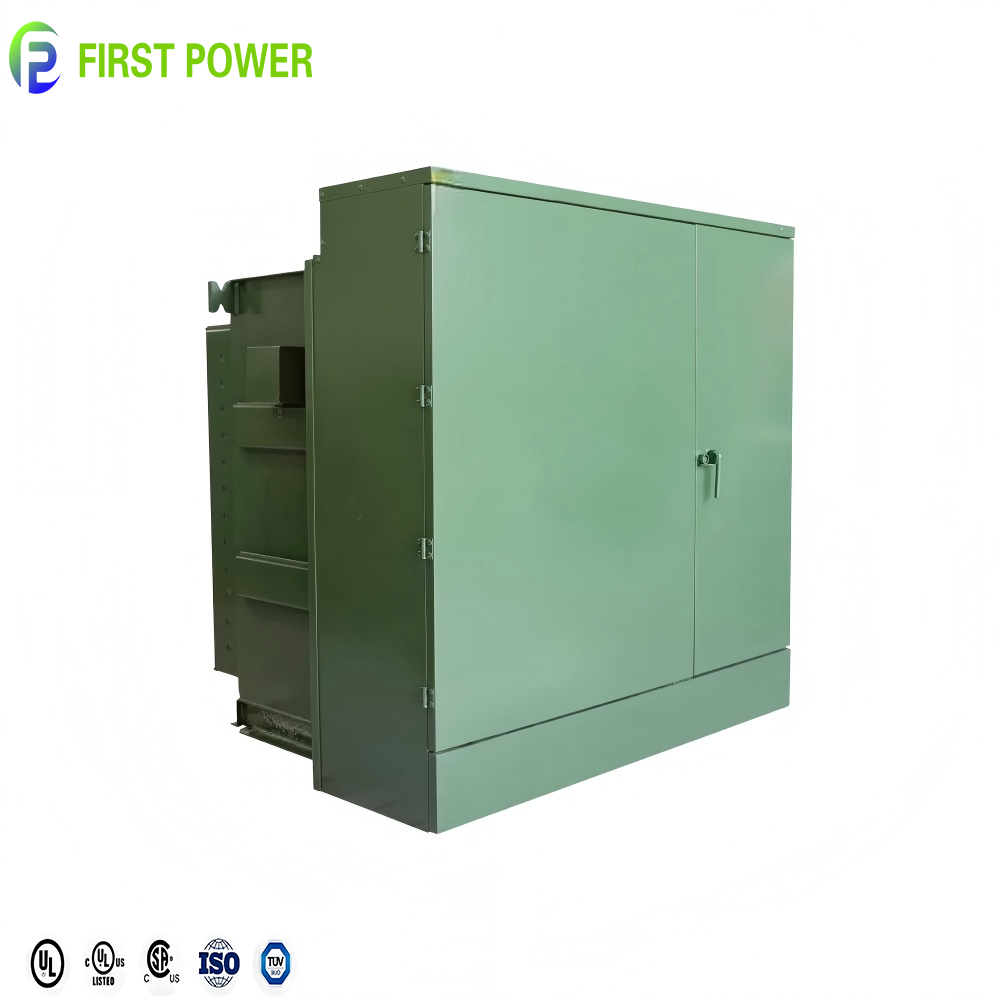
C CE 50/60HZ 10KV 20KV 35KV 300KVA 500KVA 630KVA 750KVA Three Phase Pad Mounted Transformer for Electric Power Distribution
A pad-mounted distribution workhorse for commercial developments, utility networks, and renewable interconnection points.
What Makes a Three Phase Transformer Manufacturer Trusted?
Price is only one line in the purchasing decision. For transformers, the real risk sits in loss guarantees, dielectric strength, thermal design, documentation, and the supplier’s ability to answer engineering questions before and after shipment.
A credible manufacturer should make verification easy. That means sharing certificate numbers, routine test reports, drawings, nameplate drafts, packing records, and—when required—welcoming third-party witness inspection. The strongest supplier is the one whose evidence survives your compliance team’s review.
Evaluate a Transformer Supplier Like an Engineer, Not a Catalog Buyer
A three phase transformer can sit in service for decades. Small design choices affect losses, temperature rise, noise, fault tolerance, maintenance access, and eventual replacement cost.
Trust begins with specification clarity. A reliable manufacturer will confirm rated power, primary and secondary voltage, vector group, impedance, tap range, cooling method, insulating fluid, altitude, ambient temperature, and applicable standards before issuing a final quotation. If those questions are skipped, the lowest offer is often the most expensive one because the design may need to be changed after drawings are approved.
Then comes production evidence. Ask how core and coil assembly are controlled, how oil is filtered and tested, how tank sealing is checked, and which routine tests are performed on every serial number. For liquid-filled units, winding resistance, ratio and vector group, impedance and load loss, no-load loss and current, applied voltage, induced voltage, and oil dielectric strength are essential. For dry type units, the emphasis shifts to partial discharge control, insulation class, temperature rise, and enclosure ventilation.
Finally, assess the commercial and technical response. A strong supplier can explain standards in plain language, provide drawings quickly, support OEM or ODM customization, and respond to after-sales questions with engineers rather than scripted sales replies. This is where E-E-A-T becomes practical: experience is visible in the questions asked, expertise is visible in the documents shared, authority is visible in certifications, and trust is visible in how problems are handled.
- Certificate numbers and issuing bodies can be independently checked.
- Routine test reports are traceable to the serial number on the nameplate.
- Drawings and nameplate drafts are approved before production.
- Loss values and impedance are stated in the quotation, not left ambiguous.
- Packing, shock indication, and shipping documents match the destination market.
- Incoterms, currency, payment method, and warranty terms are documented clearly.
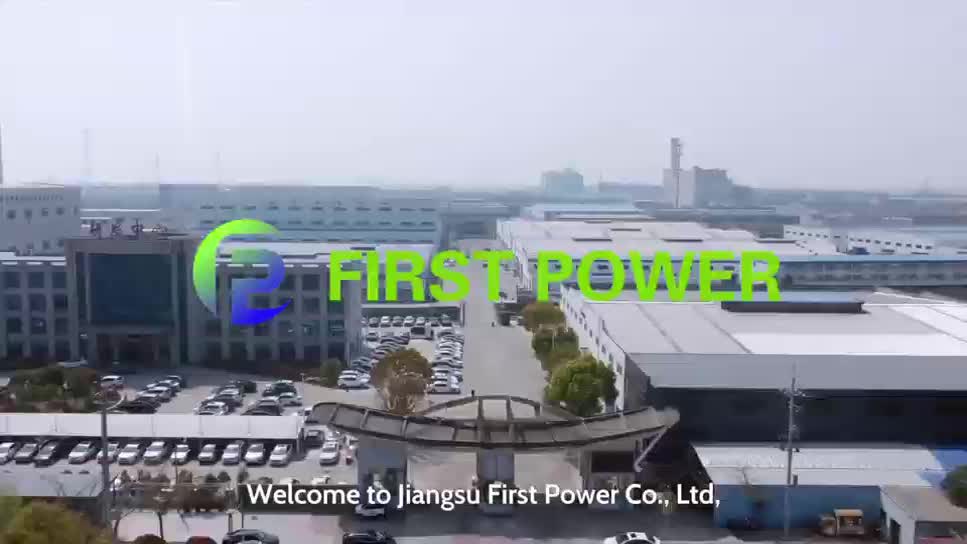
Why Wisegj Is a Trusted Supplier for Three Phase Transformer Procurement
Jiangsu Wisegj Power Co., Ltd. designs, assembles, and exports power transformers, distribution transformers, pad mounted transformers, dry type transformers, compact substations, switchgear, distribution boxes, and voltage stabilizers from 220 V to 500 kV. The team supports utility, commercial, industrial, and renewable projects with engineer-reviewed specifications and export-ready documentation.
The company combines a verified production base, an experienced engineering team, qualified supply-chain partners, and a quality system built around ISO 9001, ISO 14001, and ISO 45001. Product lines hold CE certification, and production capability has been inspected by TÜV Rheinland. For buyers, that means fewer surprises during vendor qualification and a clearer path from inquiry to drawing approval, routine testing, and shipment.
- Own production base with ISO and CE documentation for buyer review.
- 50+ engineers in R&D and technical support for specification matching.
- OEM, ODM, design-based, and sample-based customization options.
- Experience serving demanding buyers, including Fortune 500 companies.
- 24-hour pre-sale and after-sale technical response target.
- Finished-product inspection and routine testing on every unit.

Production capability, floorspace, and quality inspection can be supported by independent third-party verification documents for procurement review.
Production Control That Buyers Can Audit
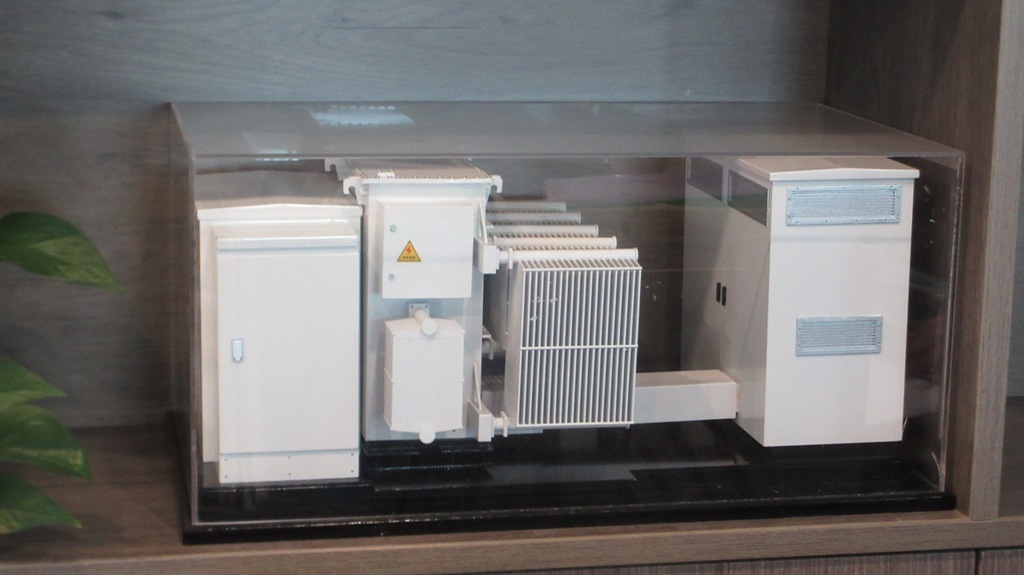
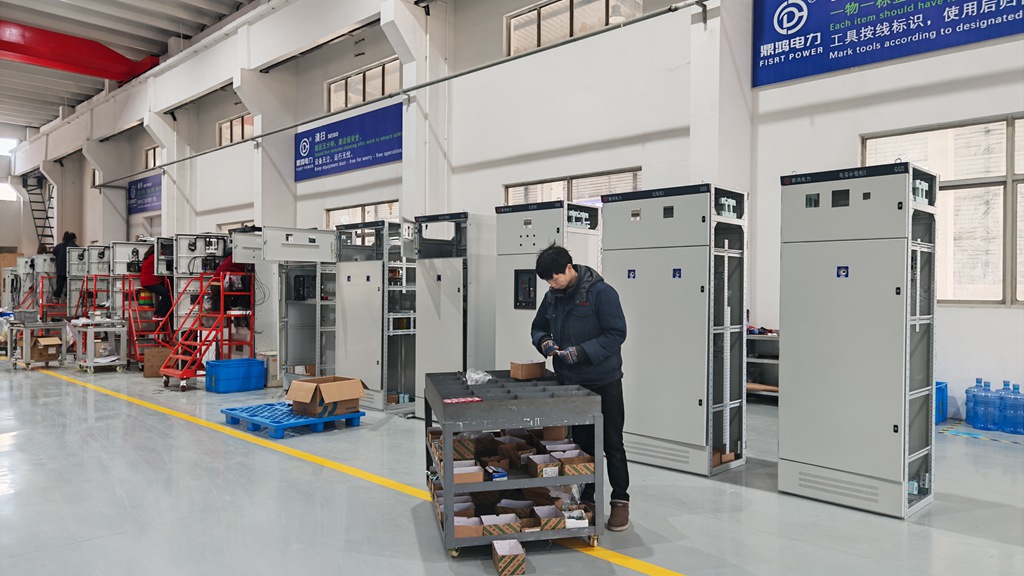
From core and coil assembly to oil processing, tank fabrication, routine testing, and export packing, each step should leave a record. These images reflect the type of production evidence procurement teams should request during supplier qualification.




Verified Factory Capacity
6,847 m² inspected floorspace with defined winding, core assembly, drying, tanking, testing, and packing areas for repeatable production control.
In-House Routine Testing
Ratio, winding resistance, load loss, no-load loss, impedance, applied voltage, induced voltage, and oil dielectric strength can be documented per serial number.
Certified Management Systems
ISO 9001, ISO 14001, and ISO 45001 systems support quality, environmental responsibility, and occupational health and safety across production.
Export-Ready Documentation
GA drawings, nameplate drafts, test reports, packing lists, and O&M manuals can be prepared in English for customs and site teams.
Customization Without Chaos
Ratings, vector group, impedance, taps, bushings, cooling, insulating fluid, enclosure color, and nameplate language can be aligned to project specifications.
Responsive Technical Support
Pre-sale specification review and after-sale technical questions are handled with a 24-hour response target, reducing downtime risk for project teams.
Future Procurement Trends Reshaping Three Phase Transformer Buying
Transformer procurement is moving from a one-time price comparison toward a lifecycle risk model. The most competitive buyers now compare loss capitalization, delivery reliability, documentation quality, and service response alongside the quoted equipment price.
Total Cost of Ownership Beats Sticker Price
No-load and load losses accumulate over decades. Procurement teams increasingly request guaranteed loss values, efficiency comparisons, and a simple lifecycle cost calculation before awarding a contract.
Supply-Chain Traceability and Resilience
Buyers want evidence of material sourcing, production capacity, testing records, and shipping readiness. Dual-source planning and documented lead-time assumptions are becoming standard risk controls.
Renewable and Data-Center Load Profiles
Solar, wind, storage, and data centers place different demands on transformers. Harmonic behavior, non-linear loads, thermal margins, compact substations, and fast commissioning are now central specification topics.
Digital Documentation and Monitoring
QR-coded serial records, digital test reports, and condition-monitoring readiness are moving from premium features to normal expectations for utility and industrial buyers.
What Buyers Weigh When Shortlisting a Transformer Supplier
A practical procurement view: technical compliance and documented evidence often carry more weight than an aggressive initial price.
Information gain for buyers: request a loss capitalization table, not just guaranteed losses. Multiply no-load loss by expected operating hours, multiply load loss by a realistic loading profile, then apply an internal energy cost. This simple model often separates a cheap quotation from a genuinely lower-cost transformer.
Transformer Product Development Trends to Watch
The next generation of three phase transformers will be judged not only by kVA and voltage, but by efficiency, environmental profile, installation speed, and data readiness.
Low-Loss Cores and Efficiency Optimization
High-grade CRGO silicon steel and amorphous core options continue to gain attention where utilities apply loss capitalization. Design teams must balance efficiency, noise, footprint, and cost rather than maximizing one metric.
Eco-Friendly Fluids and Circular Design
Natural ester fluids, leakage-risk reduction, recyclable materials, and end-of-life planning are increasingly part of tenders for sensitive environments and public infrastructure.
Prefabricated and Compact Substations
Factory-assembled compact substations reduce site labor, shorten commissioning, and improve quality control because switchgear, transformer, and low-voltage distribution are integrated before shipment.
Digital-Ready Condition Monitoring
Temperature sensors, partial discharge monitoring, oil analysis ports, and digital nameplates help asset owners move from calendar maintenance to condition-based maintenance.
Product development should not be treated as a future-only concern. A transformer ordered today may remain in service while the surrounding grid becomes more digital, more distributed, and more sensitive to outage cost. Specifying documentation, monitoring provisions, and efficiency headroom at the quotation stage is often cheaper than retrofitting later. Design for the asset’s full service life, not only for the day it is energized.
Recommended Configurations by Application
Use these starting points to shortlist equipment, then confirm final ratings, losses, impedance, and enclosure details with an engineer.
Utility Distribution and Substations
For feeders, industrial parks, and utility substations, prioritize loss guarantees, impedance, vector group, and a clear routine test plan.
- S11 oil-immersed distribution transformers for standard feeder duty
- On-load tap changer units for voltage regulation under variable load
- Power transformers for higher voltage interconnection needs
Commercial, Campus, and Data Center
Underground distribution, limited footprints, and fire-safety requirements often favor pad-mounted or dry type solutions.
- Loop-feed pad-mounted transformers for sectionalizing flexibility
- Cast resin dry type units for indoor, fire-sensitive areas
- Compact substations for faster site commissioning
Renewable and Industrial Projects
Solar, wind, storage, mining, and heavy industry require attention to ambient temperature, harmonics, load cycling, and maintenance access.
- Pad-mounted distribution transformers for collection systems
- Oil-immersed transformers with enhanced cooling where needed
- Customized bushings, fluids, and enclosures for local conditions
| Transformer Type | Typical Range | Installation | Best Application | Standards to Discuss |
|---|---|---|---|---|
| Three Phase Pad Mounted | 45–5,000 kVA, up to 34.5 kV | Outdoor ground pad, underground cable feed | Commercial sites, solar farms, data centers, campuses | IEEE C57.12.34 / C57.12.28, project spec |
| Single Phase Pad or Pole Mounted | 10–250 kVA | Residential easement or pole | Housing developments, rural feeders, mixed packages | IEEE C57.12.38, local utility standard |
| Oil Immersed Distribution | 30–2,500 kVA, 6–35 kV | Outdoor platform, pole, or substation | Utility distribution, industrial plants, mines | IEC 60076-1/-2/-3 |
| Cast Resin Dry Type | 30–2,500 kVA, up to 35 kV | Indoor, close to load | Hospitals, high-rises, tunnels, marine, fire-sensitive areas | IEC 60076-11 |
| Power Transformer | 35–500 kV class | Outdoor substation | Transmission, generation step-up, grid interconnection | IEC 60076, IEEE C57.12.00 |
| Compact Substation | 100–2,500 kVA, 10–35 kV | Prefabricated enclosure | Renewables, urban networks, fast-track projects | IEC 62271-202 |
Ranges shown are typical production references. Ratings outside these values can be engineered after review. Final selection should account for altitude, ambient temperature, seismic requirement, harmonic load, fault level, and local grid code.
Common Questions About Buying Three Phase Transformers
Straight answers for procurement teams, EPC contractors, and utility engineers preparing a quotation request.
How can I verify a transformer manufacturer’s claimed factory capacity?
Ask for the company’s production address, floor area, key equipment list, quality system certificates, and any third-party assessment report. Confirm certificate numbers directly with the issuing body. For important projects, request a live video tour or arrange a factory audit that covers winding, core assembly, drying, tanking, oil processing, testing, and packing areas.
Which standards should be specified for a three phase transformer?
The standard depends on the destination market and project owner. IEC 60076 is widely used for oil-immersed and dry type transformers, while ANSI/IEEE C57.12 series standards are common in North America. Pad-mounted equipment may also reference specific IEEE enclosure or tamper-resistance requirements. Always state the governing standard, frequency, voltage class, and any local utility addendum in the inquiry.
What routine tests should be witnessed before shipment?
Typical routine tests include winding resistance, voltage ratio and vector group, impedance and load loss, no-load loss and current, applied voltage withstand, induced voltage withstand, and oil dielectric strength for liquid-filled units. Insulation resistance and other checks may be added by specification. Third-party witness inspection can be arranged when the project requires independent verification.
Can transformers be customized for 50 Hz or 60 Hz projects?
Yes. Frequency affects flux density, core design, losses, and sometimes cooling. A transformer designed for 50 Hz should not simply be applied to a 60 Hz system without engineering review, and the reverse is also true. Provide the rated frequency, voltage, load profile, and applicable standard so the design can be optimized rather than adapted after the fact.
How do I compare total cost of ownership between quotations?
Start with guaranteed no-load loss and load loss. Estimate annual energy cost using expected operating hours and a realistic loading profile. Add maintenance, expected service life, spare-part availability, and outage risk. A transformer with a slightly higher purchase price but lower losses and stronger documentation can be the lower-cost asset over its service life. Ask each supplier to state loss values clearly and consistently.
What technical data should be included in an inquiry?
Provide rated power, primary and secondary voltage, frequency, vector group, impedance, tap range, cooling method, insulating fluid preference, applicable standard, altitude, ambient temperature, installation location, and any loss or efficiency limits. If you have a single-line diagram, nameplate requirement, or tender specification, include it with the inquiry to reduce clarification rounds.
What trade terms and payment methods are commonly supported?
Export projects may use FOB, CFR, CIF, EXW, FCA, CIP, CPT, DDP, and other Incoterms. Payment methods can include T/T, L/C, D/P, and D/A subject to commercial agreement. Currency, warranty, inspection, and document requirements should be confirmed in the final contract so that logistics and finance teams have a single reference point.
Why should buyers ask for drawings and nameplate drafts before production?
Drawings and nameplate drafts catch mismatches early: bushing orientation, cable entry, enclosure dimensions, lifting points, vector group, voltage ratio, frequency, and project tagging. Approving these documents before production reduces the risk of rework, delayed shipment, and site-level installation problems. A supplier with strong engineering discipline will treat drawing approval as a required milestone, not a formality.
Send a Specification for Engineer Review
Share your transformer datasheet, single-line diagram, tender document, or target rating. A technical review can confirm the right three phase transformer configuration, applicable standards, test plan, and documentation package before quotation.
Technical and export support for utility, industrial, commercial, and renewable projects.