China Oil Immersed Transformer Manufacturing · IEC & ANSI/IEEE
Top China Oil Immersed Power Transformer Factory & Supplier
Utility-grade oil immersed distribution and power transformers, pad-mounted units and project-specific designs — engineered for efficiency, traceability and export-ready delivery.
Product Recommendations
8 Oil Immersed Transformer Models for Utility, Industrial & Pad-Mounted Projects
These eight production families cover single-phase and three-phase distribution, oil immersed power transformers and American-standard pad-mounted designs. Every link below preserves the original product page so buyers can inspect ratings, drawings and enquiry options.
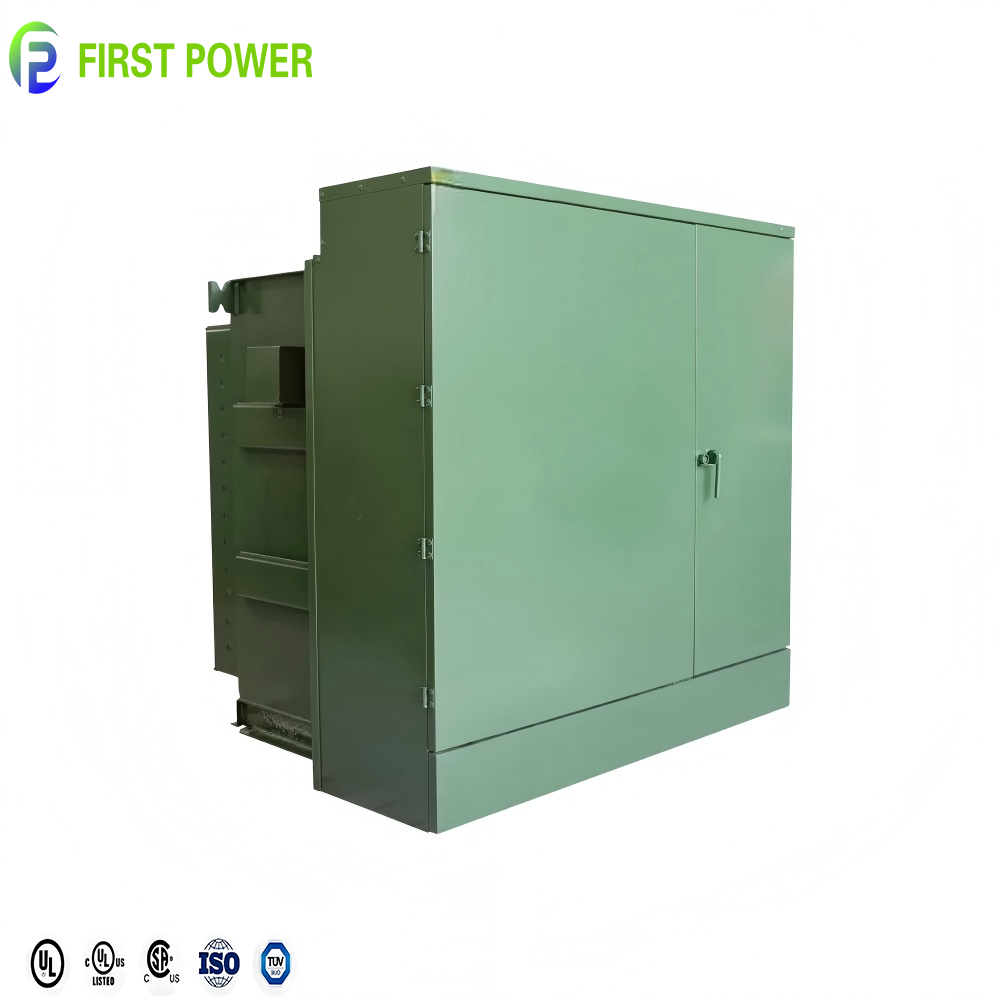
C CE 50/60HZ 10KV 20KV 35KV 300KVA 500KVA 630KVA 750KVA Three Phase Pad Mounted Transformer for Electric Power Distribution
For underground commercial distribution, campus networks and renewable interconnections where tamper-resistant pad-mounted equipment is specified.
- Rating: 300–750 kVA
- Voltage: 10 kV / 20 kV / 35 kV
- Format: Three-phase pad-mounted
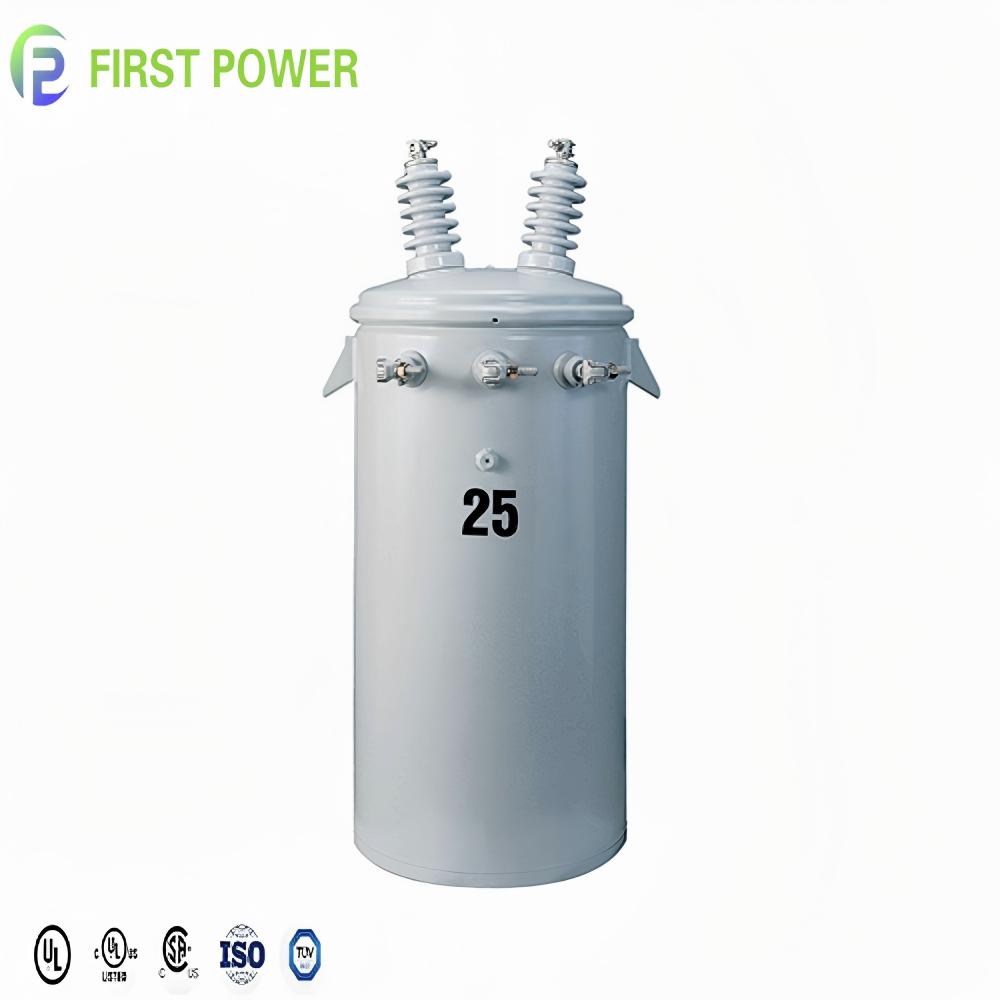
C CE Certification MV&HV 50/60HZ 6KV 10KV 20KV 35KV 25KVA Single Phase Transformer Price for Electric Power Distribution
Ideal for rural feeders, residential subdivisions and single-phase loads on medium-voltage distribution systems requiring compact ratings.
- Rating: 25 kVA class
- Voltage: 6–35 kV
- Format: Single-phase distribution
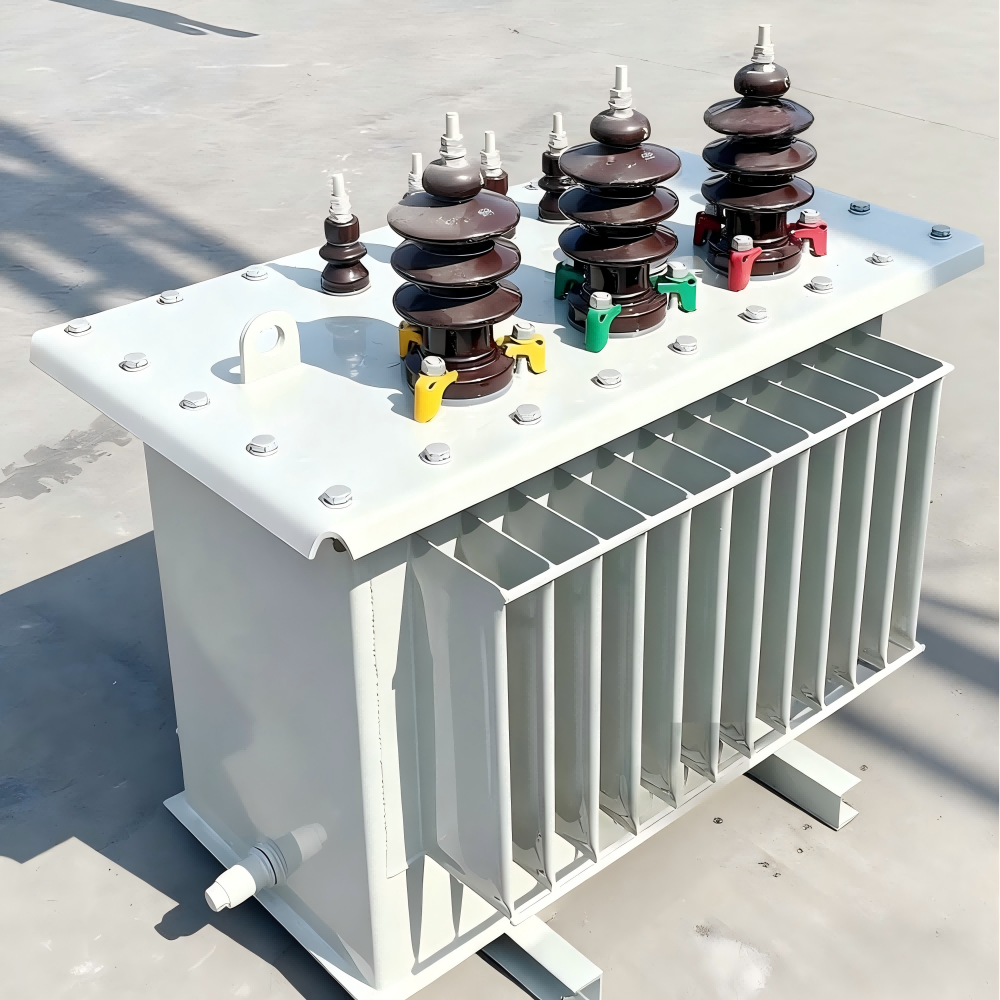
C CE MV&HV 30-31500KVA 6KV 10KV 15KV 20KV 35KV S11 Three Phase Oil Transformer for Electric Power Distribution
A broad S11 oil immersed family for utility distribution, industrial substations and step-down applications with configurable losses.
- Rating: 30–31,500 kVA
- Voltage: 6–35 kV
- Vector: Project-specific
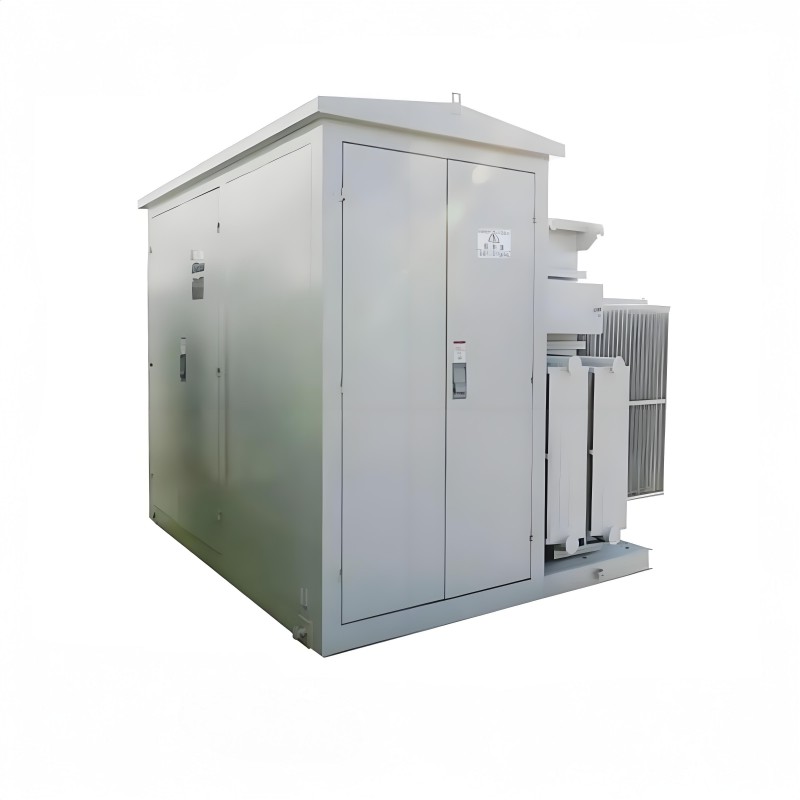
American Standard /C Certification 75-2500KVA Oil Type Three Phase 13.8KV Pad Mount Transformers for Power Generation
American-standard pad-mounted configuration for power generation, commercial distribution and utility projects using 13.8 kV class systems.
- Rating: 75–2,500 kVA
- Voltage: 13.8 kV class
- Standard: American / ANSI style
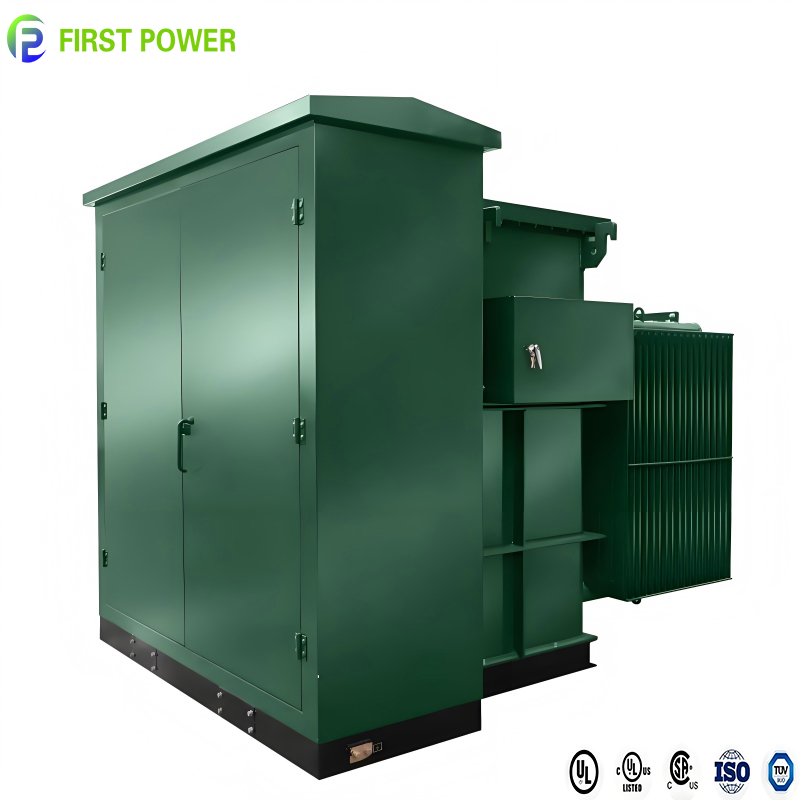
C CE 50/60HZ 6KV 10KV 15KV 20KV 35KV 100KVA 300KVA 500KVA 630KVA 3 Phase Pad Mounted Pedestal Transformer for Industrial
Industrial pedestal-style pad-mounted transformer for production plants, logistics hubs and facilities requiring secure ground-level distribution.
- Rating: 100–630 kVA
- Voltage: 6–35 kV
- Format: Pedestal / pad-mounted
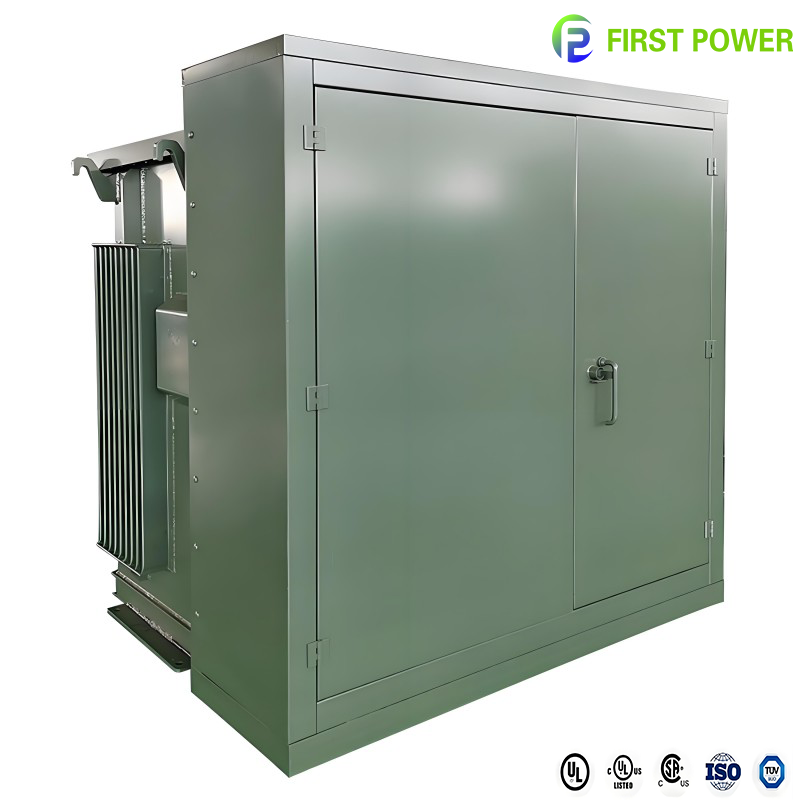
C CE 50/60HZ 10KV 20KV 35KV 75KVA 100KVA 200KVA 300KVA 400KVA 3 Phase Oil Type Pad Mounted Transformer for Power Generation
Medium-capacity oil type pad-mounted unit for distributed generation, commercial buildings and local utility reinforcement.
- Rating: 75–400 kVA
- Voltage: 10–35 kV
- Format: Oil type pad-mounted
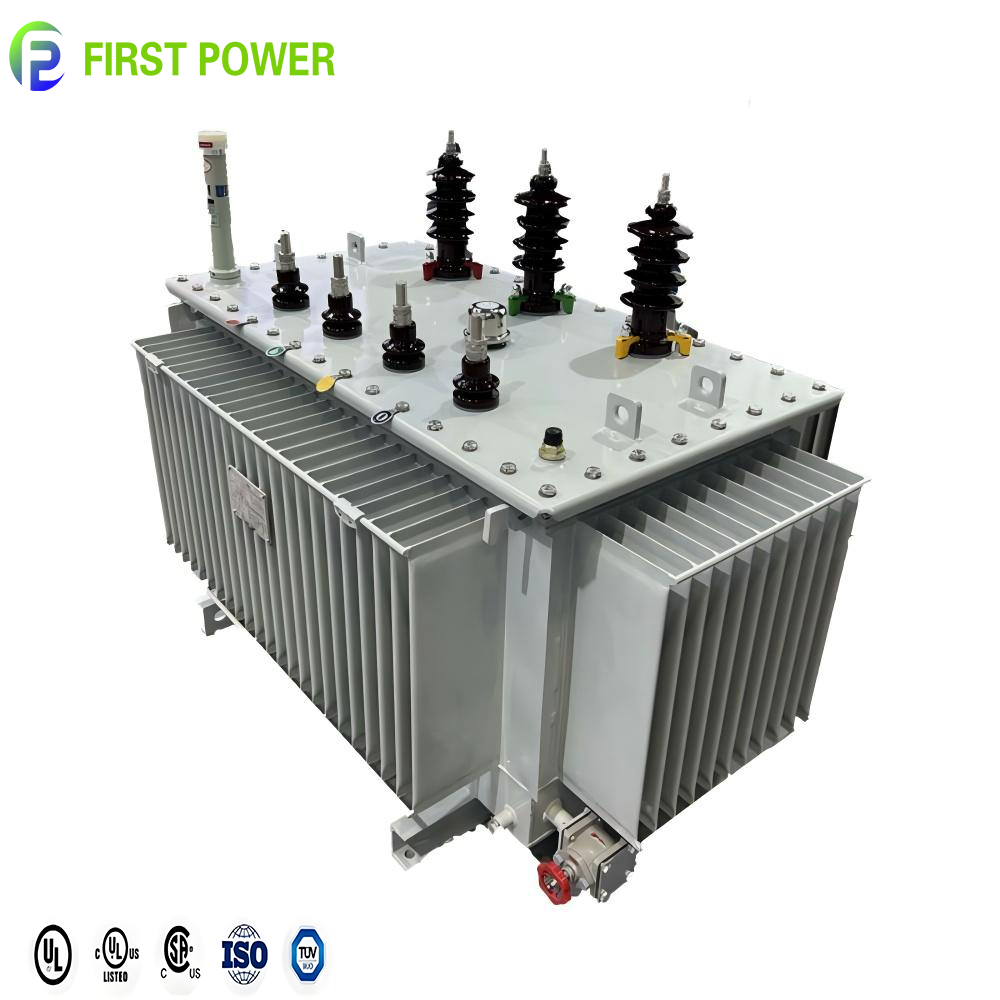
C CE 50/60HZ S11 10KV 20KV 35KV 50KVA 100KVA 200KVA 3 Phase Electrical Oil Immersed Transformer for Distribution System
Compact S11 distribution transformer for utility networks, public buildings and rural electrification where low losses matter.
- Rating: 50–200 kVA
- Voltage: 10–35 kV
- Application: Distribution systems
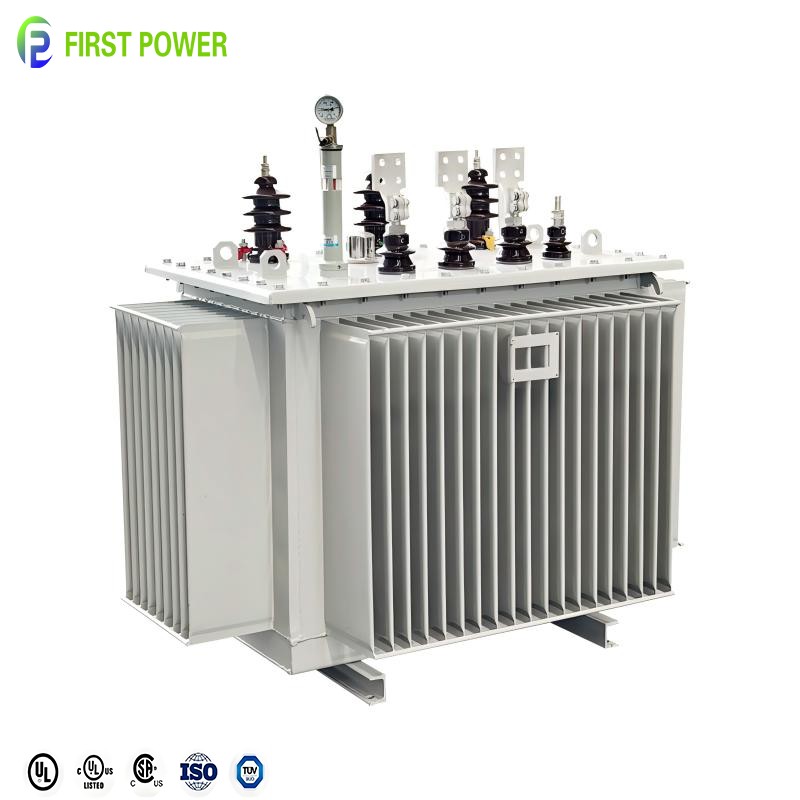
C CE 50/60HZ 100KVA 300KVA 500KVA 630KVA 1000KVA 10KV 20KV 35KV 3 Phase Oil Immersed Power Transformer for Power Supplies
Higher-capacity oil immersed power transformer for industrial power supplies, substations and renewable plant auxiliary systems.
- Rating: 100–1,000 kVA
- Voltage: 10–35 kV
- Application: Power supplies
Search Intent & Market Context
What Procurement Teams Really Mean by “Top China Oil Immersed Power Transformer Factory”
A buyer searching for a China oil immersed power transformer factory is rarely looking for a list of names. Utility engineers, EPC contractors and industrial maintenance teams are usually trying to answer four practical questions: can this supplier meet the required standards, can it prove the design with test data, can it deliver the exact configuration without hidden exceptions, and can it support the project after shipment? That is why a credible factory page should read less like a catalogue and more like an evidence pack.
Oil immersed transformers remain the workhorse of medium-voltage distribution because liquid insulation supports compact construction, effective heat transfer and proven reliability in demanding climates. In pad-mounted form they also protect distribution equipment in underground networks, commercial campuses, solar plants and urban regeneration zones. But the transformer itself is only one part of the procurement decision. The real value comes from the factory’s ability to translate a specification into a manufacturing file, document every inspection step and deliver equipment that can be commissioned without repeated clarifications.
This guide is written for buyers who compare suppliers on total cost of ownership, guaranteed losses, routine test evidence, standards compliance and delivery reliability. It reflects the manufacturing and export experience of Jiangsu Wisegj Power Co., Ltd., a Suzhou-based transformer manufacturer serving utilities, industry and EPC projects across multiple markets.
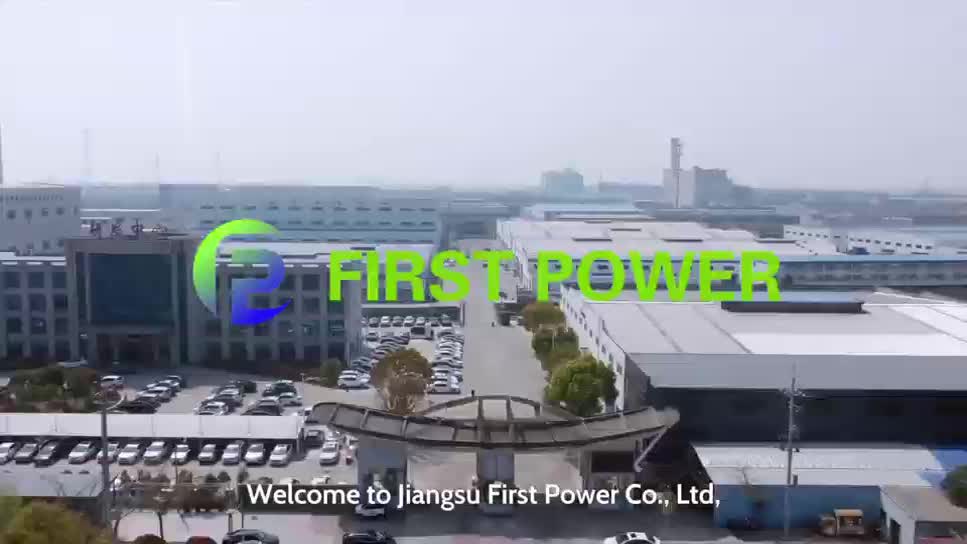
Factory Advantage Introduction
Inside Jiangsu Wisegj Power Co., Ltd.
Jiangsu Wisegj Power Co., Ltd. designs, assembles and exports medium- and high-voltage equipment from 220 V up to 500 kV, including power transformers, distribution transformers, oil immersed transformers, pad-mounted transformers, dry type transformers, compact substations and switchgear. For this oil immersed power transformer series, the core advantage is not simply manufacturing capacity — it is the way engineering review, material control and factory testing are linked before a quotation becomes a shipment.
The team brings more than 20 years of hands-on transformer experience. Production capability, floorspace and inspection processes have been verified onsite by TÜV Rheinland, an independent third-party inspection body. The company operates under ISO 9001, ISO 14001 and ISO 45001 management systems, and product lines hold CE certification for relevant equipment categories. That combination gives international buyers a clearer audit trail from design approval to final inspection.
- Verified factory and assessment report
- More than 50 R&D and technical engineers
- 211 qualified supply-chain partners
- OEM, ODM and design-based customization
- Full routine test reports by serial number
- English drawings, manuals and nameplate drafts

Independent third-party verification helps procurement teams check production capacity, floorspace and quality inspection before placing an order.
Why Buyers Choose Wisegj
Eight Factory Advantages That Can Be Verified
A supplier claim matters only when your QA team can check it. These advantages are built around documents, inspection points and project communication rather than brochure language.
Verified Production Base
6,847 m² of inspected floorspace supports winding, core assembly, drying, tanking and testing under documented work instructions.
In-House Routine Testing
Winding resistance, ratio and vector group, impedance, load loss, no-load loss, applied voltage, induced voltage and oil dielectric tests are documented per unit.
Design Customization
Ratings, vector group, impedance, tap range, cooling method, bushing configuration, insulating fluid and enclosure details can be aligned to project specifications.
Export Logistics Experience
Seaworthy packing, shipping marks, shock indicators and Incoterms coverage from EXW to DDP help reduce risk between factory gate and project site.
Certified Management Systems
ISO 9001, ISO 14001 and ISO 45001 systems are relevant because they show how quality, environmental and safety controls are managed across production.
Complete Documentation Pack
GA drawings, nameplate drafts, test reports and O&M manuals are supplied in English so consultants and site teams can review before dispatch.
Qualified Supply Chain
211 qualified partners for silicon steel, copper, bushings and accessories support material planning and repeat-order consistency.
24-Hour Engineer Response
Technical questions, drawing revisions and after-sales issues are directed to qualified staff so buyers receive an actionable response within one working day.
Manufacturing Evidence
From Specification Review to Export Packing
Every oil immersed transformer project is handled through controlled checkpoints. The value for buyers is a traceable sequence: approved drawing, controlled production, routine test report and shipment-ready packing.

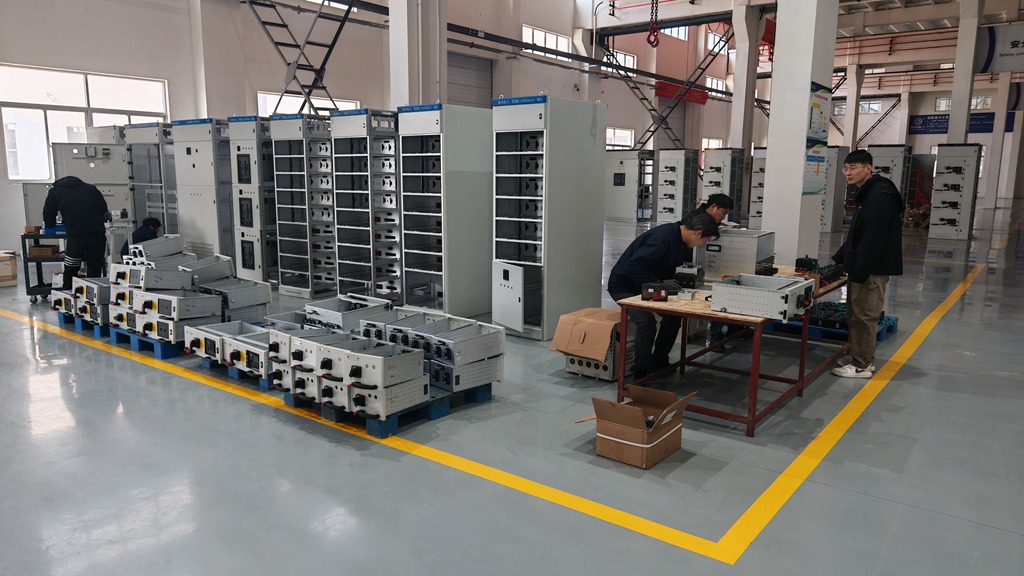
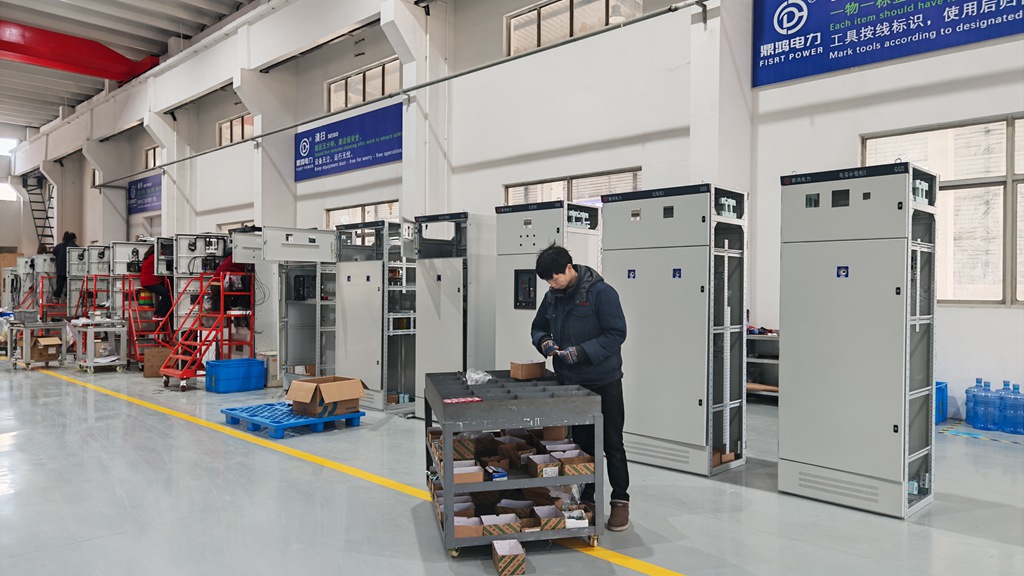
Specification Review
Engineers check rating, voltage, frequency, altitude, ambient conditions, standards and loss targets before quotation.
Drawing Approval
GA drawing, nameplate draft, guaranteed losses, impedance and accessory configuration are confirmed with the buyer.
Controlled Production
Core, winding, drying and tanking are executed with in-process inspection records and material traceability.
Routine Testing
Each unit receives routine tests before packing. Third-party witness inspection can be arranged when requested in the contract.
Product Recommendations
How to Shortlist an Oil Immersed Transformer for Your Project
The most accurate starting point is not the kVA number alone. Begin with the installation environment, grid voltage, expected load profile and the standards your utility or consultant requires.
Utility Distribution
Choose an S11 three-phase oil immersed distribution transformer when the priority is proven medium-voltage distribution performance, low losses and a clear test record.
Review S11 transformer family →Underground & Commercial
Specify a three-phase pad-mounted transformer for underground feeders, commercial campuses, solar facilities and locations where enclosure security is important.
Review pad-mounted range →Residential & Single-Phase Feeders
Use a single-phase transformer for residential subdivisions, rural electrification and single-phase loads where a compact distribution rating fits the load study.
Review single-phase options →Industrial Power Supplies
For higher-capacity auxiliary supplies, production plants and substation step-down duties, compare the oil immersed three-phase power transformer family.
Review power supply series →| Transformer Format | Typical Role | Installation Environment | Procurement Focus | Key Standards to Discuss |
|---|---|---|---|---|
| Three-Phase Pad-Mounted | Distribution for commercial, solar, urban and campus networks | Outdoor pad, underground feed, tamper-resistant enclosure | Enclosure security, loop/radial feed, dead-front configuration, cable access | IEEE C57.12 series or project-specific IEC design |
| Single-Phase Distribution | Residential feeders and rural loads | Pole, pad or ground-level installation depending on design | Voltage ratio, mounting method, fuse protection, load growth | IEEE C57.12.38 or buyer specification |
| S11 Oil Immersed Distribution | General utility and industrial distribution | Outdoor platform, pole, substation or compact substation | Guaranteed losses, impedance, vector group, tap range and oil containment | IEC 60076-1/-2/-3 |
| Oil Immersed Power Transformer | Industrial supplies and substation step-down | Outdoor substation or dedicated equipment area | Thermal performance, short-circuit strength, cooling and monitoring | IEC 60076 / IEEE C57.12.00 |
| Custom Pad-Mounted Generation Unit | Distributed generation and power projects | Outdoor pad with project-specific enclosure | 13.8 kV class compatibility, generation interface and site layout | American standard or nominated utility standard |
Ratings shown on individual product pages reflect available production families. For ratings outside those ranges, provide a datasheet so engineers can confirm feasibility rather than force a standard model into a non-standard duty.
Future Procurement Trends
What Is Changing in Oil Immersed Transformer Buying?
Transformer procurement is moving from lowest-price comparison toward evidence-based evaluation. Buyers still care about price, but they increasingly ask suppliers to prove losses, explain material choices and demonstrate delivery controls.
Total Cost of Ownership
No-load and load losses are evaluated over the asset life, not just at the quotation stage. A slightly higher initial price can be justified when guaranteed losses, efficiency and thermal margin are documented and verified.
Traceable Test Evidence
Buyers increasingly request routine test reports by serial number, calibrated instrument records and witness testing. Certificates show system capability; test reports show what happened to the actual unit.
Resilience & Fluid Choice
Natural ester and other fire-sensitive or environmentally preferred fluids are discussed more often for urban, renewable and sensitive sites. The decision should be based on fire strategy, temperature profile, cost and local code acceptance.
Shorter, More Predictable Delivery
Material planning, drawing approval speed and factory slot visibility matter as much as vessel schedules. Early technical clarification reduces the risk of late redesign, which is often more damaging than a quoted lead-time difference.
Illustrative 100-Point Buyer Scorecard
This is not a universal formula. It is a practical example of how a utility or EPC team may weight commercial and technical evidence before shortlisting an oil immersed transformer factory.
Ask for Lost-Cost Guarantees
Request no-load and load loss values with tolerances, test method and the standard used for acceptance.
Request Serial-Numbered Reports
Confirm that the test report provided after production matches the unit nameplate and shipping documents.
Review Drawings Before Steel Cutting
Clear GA drawings, bushings, cable boxes and enclosure dimensions early to avoid site fit-up problems.
Confirm the Fluid & Sealing Strategy
Mineral oil, ester fluid, preservation method and sealing type should be explicitly stated in the technical offer.
Plan Witness Testing
If third-party inspection is required, agree the inspection scope, notice period and document language before production.
Check Accessory Traceability
Bushings, gauges, valves, fuses and tap changers should be identified by brand/model or approved equal in the contract.
Product Development Trends
Oil Immersed Transformer Technology: Efficiency, Monitoring and Circularity
Transformer development is not driven by one trend. Utilities want lower losses, industrial buyers want reliability, renewable developers want compact equipment and urban projects want safety and visual acceptance. The factory’s job is to turn those priorities into an auditable design.
Low-Loss Core Design
CRGO and amorphous core options continue to be evaluated against capital cost and lifetime energy cost. The procurement question is not simply “low loss” but which guaranteed loss values, at which evaluation tariff, will be verified in routine tests.
Ester Fluid & Fire Safety
Natural ester fluids are increasingly considered for locations where fire risk, environmental sensitivity or indoor proximity drives the specification. Buyers should check local code acceptance, fluid compatibility and thermal design together.
Monitoring-Ready Designs
Temperature indicators, pressure relief, DGA sampling points and optional remote monitoring are becoming easier to specify. A monitoring-ready transformer should still remain serviceable if digital systems are added later by the owner.
Compact & Modular Integration
Pad-mounted transformers and compact substations reduce civil works and site labour. The trend is toward factory-assembled modules that arrive with tested protection, clearer interfaces and faster commissioning.
| Development Trend | Engineering Implication | What Buyers Should Ask | Commercial Impact |
|---|---|---|---|
| Lower guaranteed losses | Core grade, winding design and cooling must be optimised together | What are the guaranteed no-load and load losses, and how are they tested? | May raise initial cost but reduces lifetime energy cost |
| Alternative insulating fluids | Fluid choice affects thermal behaviour, sealing, fire strategy and maintenance | Is the fluid acceptable to the local authority, and what is the temperature-rise basis? | Can improve safety acceptance but requires project-specific costing |
| Digital monitoring readiness | Sensors and sampling points need mechanical and electrical integration | Which signals are required at commissioning, and who supplies the gateway? | Adds optional scope; plan interfaces early |
| Compact substation integration | Transformer, MV switchgear and LV distribution are coordinated in one enclosure | What are the enclosure dimensions, ventilation, access and cable termination requirements? | Reduces site labour and civil works but requires early layout approval |
Standards such as IEC 60076 and IEEE C57.12 provide the technical framework, but project-specific specifications still govern acceptance. Buyers should treat type-test reports, routine-test reports and design drawings as different evidence categories.
FAQ
Common Questions About Buying Oil Immersed Transformers From China
These answers reflect the questions most often raised by procurement teams, consultants and site engineers during technical and commercial review.
What is an oil immersed power transformer used for?
Which standards should an oil immersed transformer comply with?
Which factory tests are normally performed before shipment?
Can the transformer be customized for 50 Hz or 60 Hz systems?
How do I verify that the supplier is a real factory rather than a trading company?
What trade terms and payment methods are accepted?
What information is needed for an accurate quotation?
What after-sales support is available after delivery?
Send Your Oil Immersed Transformer Specification for Engineering Review
Share your datasheet, single-line diagram or tender requirement. The review should confirm the correct transformer format, feasible rating, standards basis, test scope and documentation package before commercial negotiation begins.
Inquire Now [email protected]