What Makes a Top 10 Step-Up Transformer Supplier Different?
A step-up power transformer is not a commodity line item. It connects generation assets to the grid, so thermal margin, impedance, loss guarantees, insulation coordination, short-circuit strength and documentation quality directly affect project finance, commissioning and 25-year operating cost.
This guide does not repeat an unverifiable directory of company names. Instead, it applies a practical Top 10 supplier evaluation framework that procurement teams can use to compare step-up transformer manufacturers and suppliers with evidence: test reports, certifications, engineering response, factory verification, export capability and after-sales traceability. Jiangsu Wisegj Power Co., Ltd. is used below as a reference manufacturer because its oil-immersed, pad-mounted, dry-type and compact substation portfolio is verifiable against IEC and ANSI/IEEE market requirements.
For buyers searching for the Top 10 Step Up Power Transformer Manufacturers & Supplier, the real decision is not simply who offers the lowest first price. It is who can document repeatable design, prove routine test performance, handle grid-code customization, and keep delivery risk under control from quotation to site energization.
8 Step-Up and Distribution Transformer Products Worth Reviewing
These products cover renewable generation, industrial power supply, distribution networks and pad-mounted applications. All product links and images are taken from the original product series and should be reviewed against the project’s voltage, frequency, loss and grid-code requirements.
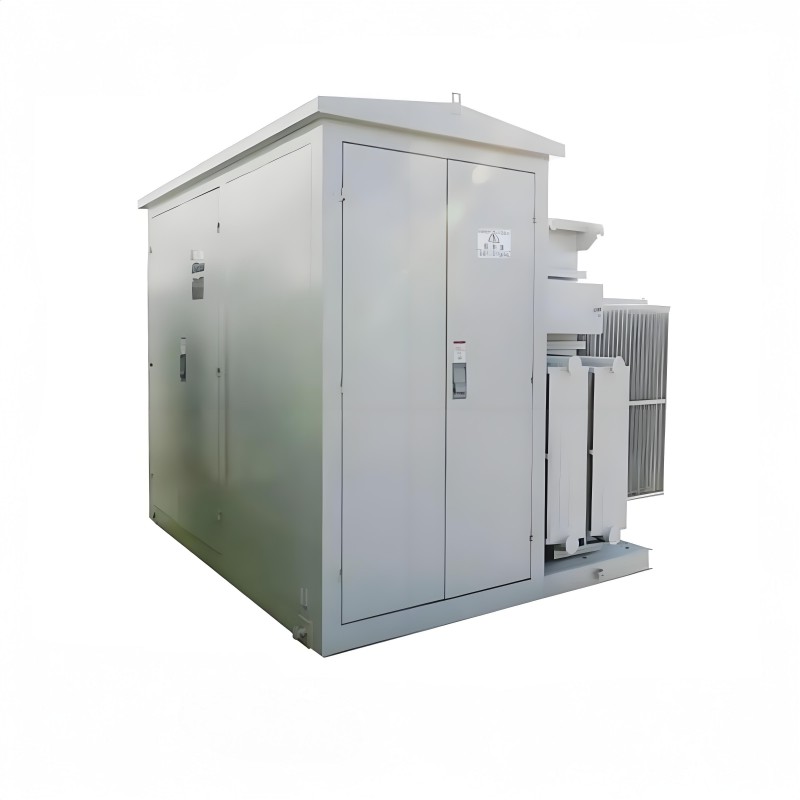
American Standard /C Certification 75-2500KVA Oil Type Three Phase 13.8KV Pad Mount Transformers for Power Generation
A strong shortlist option for generation projects that need American-standard pad-mounted construction, oil-immersed reliability and flexible 75–2,500 kVA ratings.
- Application: power generation and underground distribution
- Voltage: 13.8 kV class
- Buyer value: ANSI-oriented design with project customization
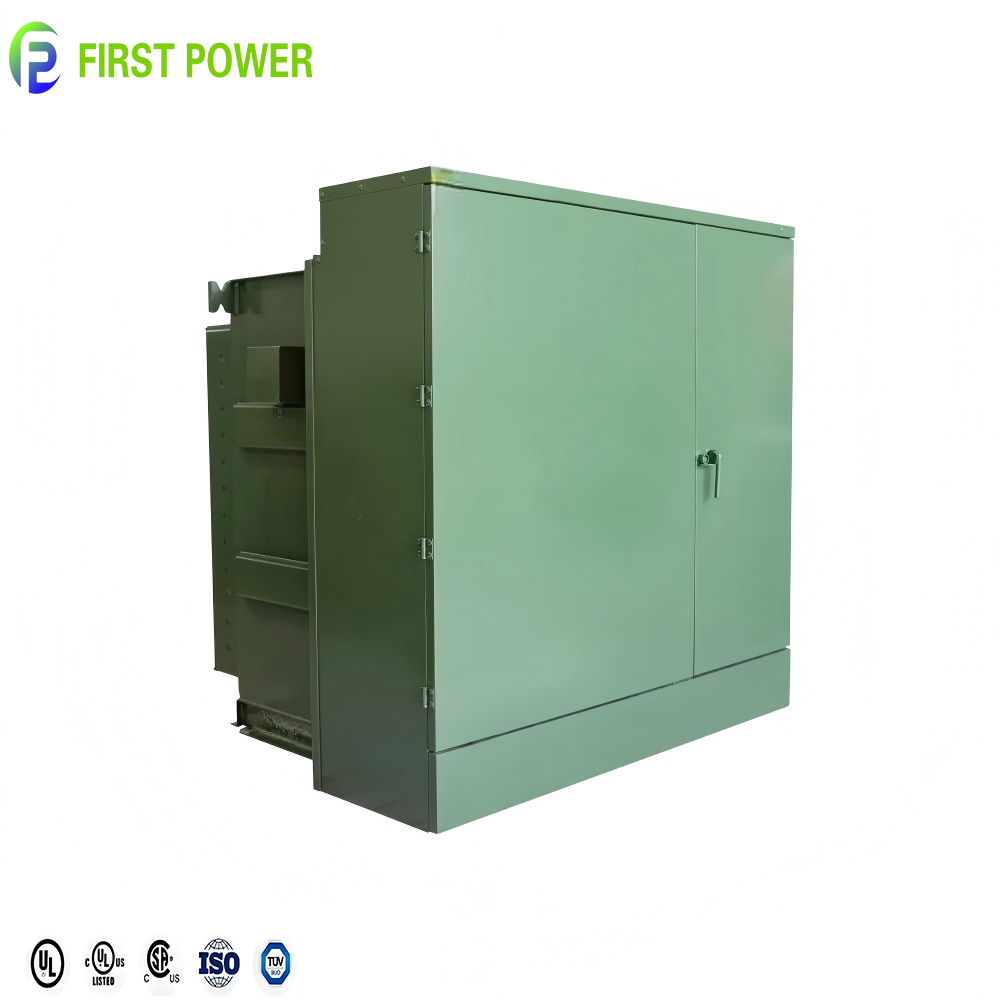
C CE MV&HV 50/60HZ 750KVA 1250KVA 1500KVA 2000KVA 2500KVA 3 Phase Pad Mounted Transformer for Industrial Power Supply
Designed for industrial sites that need MV/HV transformation, robust enclosure protection and CE-market documentation in a pad-mounted footprint.
- Rating range: 750–2,500 kVA
- Frequency: 50/60 Hz market configuration
- Buyer value: factory-assembled platform for faster site work
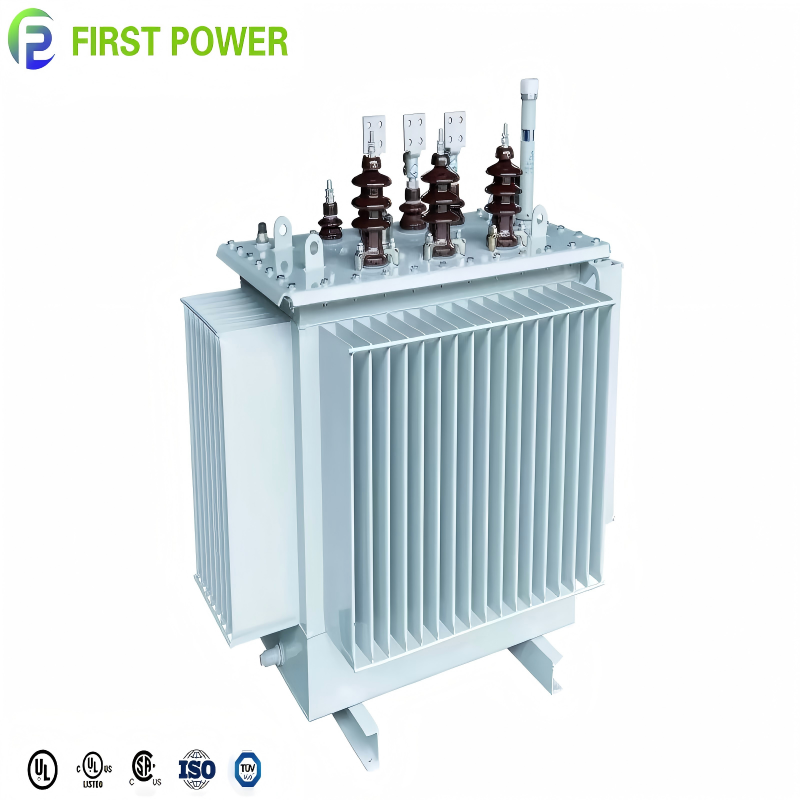
C CE S11 50/60HZ 6KV 10KV 15KV 20KV 35KV 100KVA 300KVA 3 Phase Oil Immersed Transformer 50KVA 33KV for Distribution System
A practical oil-immersed distribution transformer for utility and industrial networks where low loss, proven insulation and routine testing are priorities.
- Voltage class: 6–35 kV
- Rating: 50–300 kVA range
- Buyer value: CE-oriented documentation for export projects
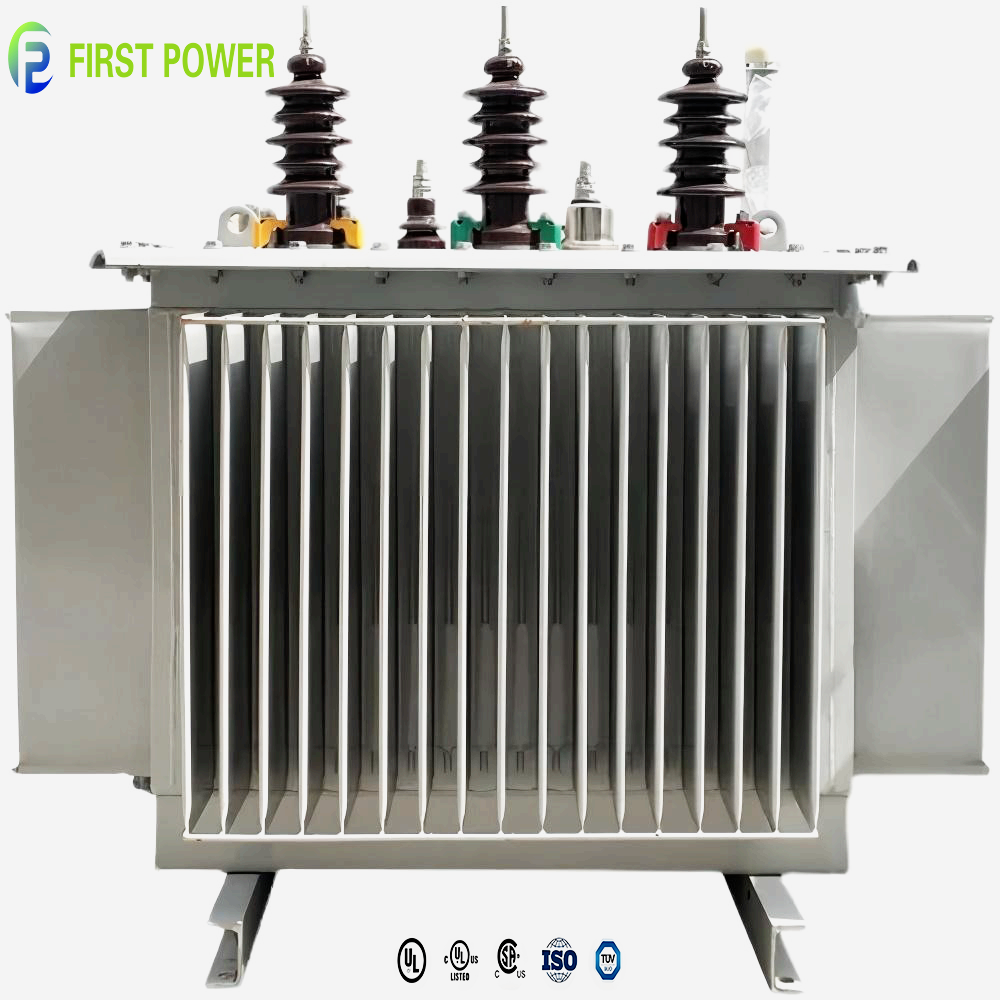
/C Certification 60HZ S11 Three Phase 10KV 35KV 500 KVA 22KV/0.4KV 50HZ Electric Oil Immersed Transformer for Power Supplies
Suited to projects that require S11-type oil-immersed transformation across 10 kV and 35 kV systems with 60 Hz or dual-frequency market adaptation.
- Typical rating: 500 kVA class
- Secondary: 22 kV/0.4 kV configurations
- Buyer value: strong fit for power supply and distribution upgrades
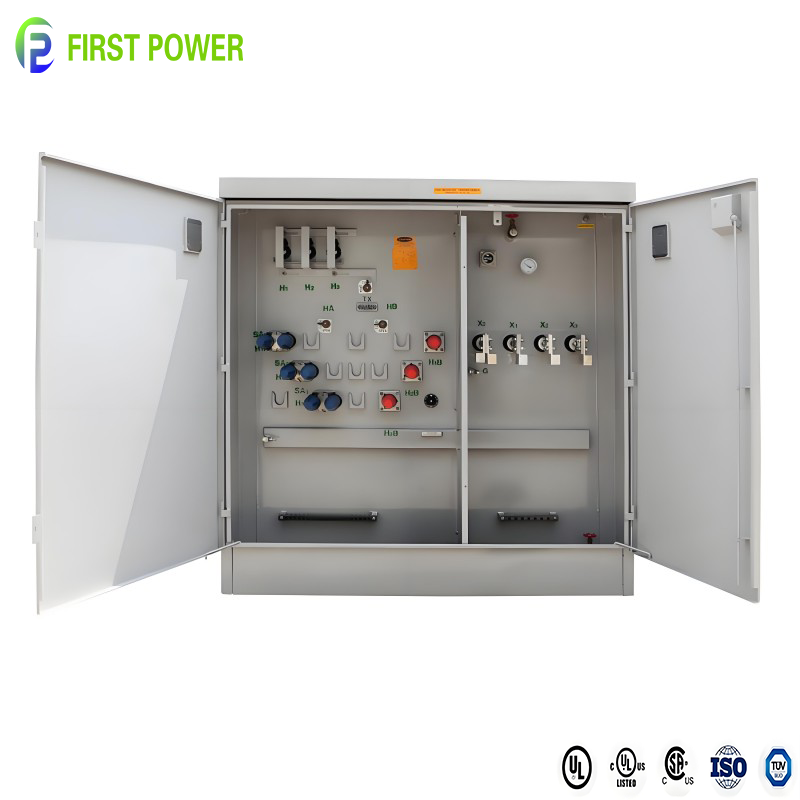
C CE MV&HV 50/60HZ 300KVA 500KVA 630KVA 700KVA 10KV 15KV 20KV 35KV 3 Phase Loop Feed Pad Mounted Transformer for Industrial
Loop-feed pad-mounted architecture supports industrial and commercial distribution systems that require sectionalizing, future expansion and compact outdoor installation.
- Rating range: 300–700 kVA
- Voltage: 10–35 kV class
- Buyer value: loop-feed flexibility for phased industrial loads
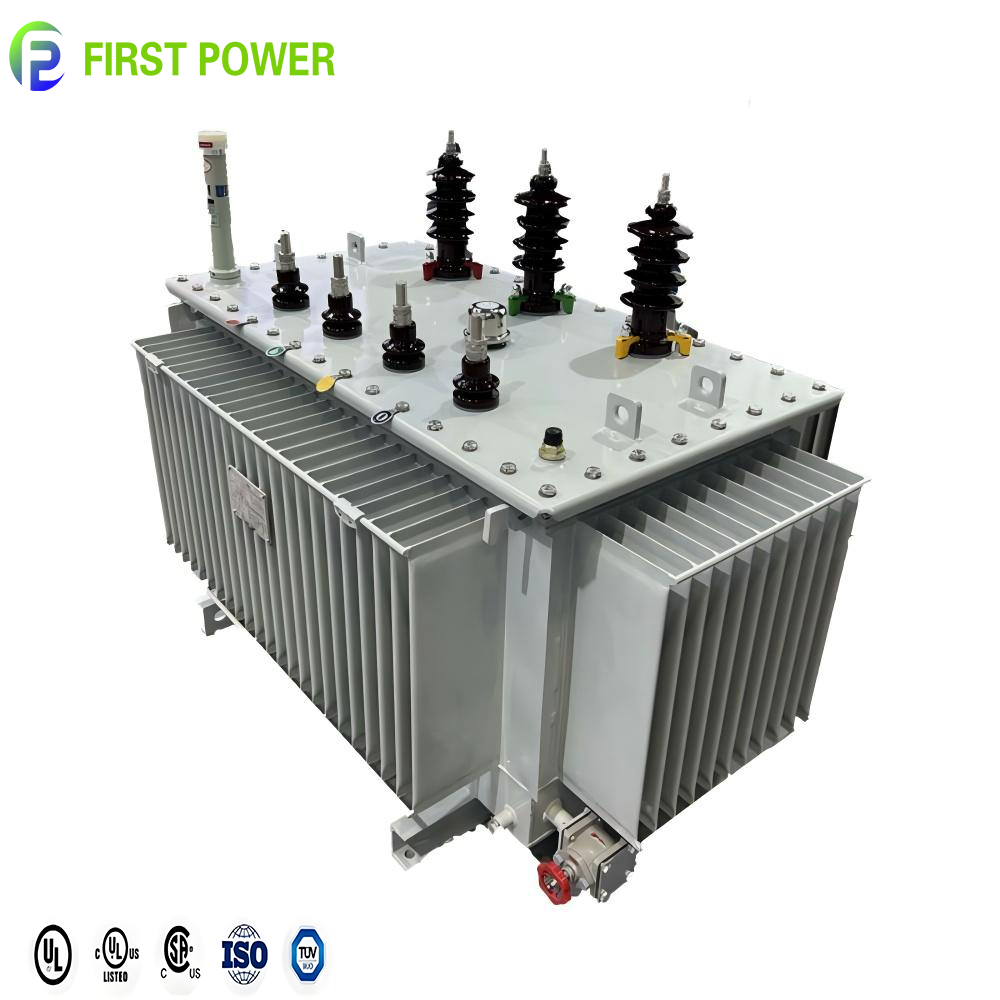
C CE 50/60HZ S11 10KV 20KV 35KV 50KVA 100KVA 200KVA 3 Phase Electrical Oil Immersed Transformer for Distribution System
An efficient option for distribution systems needing S11 oil-immersed transformers in smaller ratings, with flexible voltage configuration for export networks.
- Rating range: 50–200 kVA
- Voltage class: 10–35 kV
- Buyer value: compact distribution solution with CE documentation
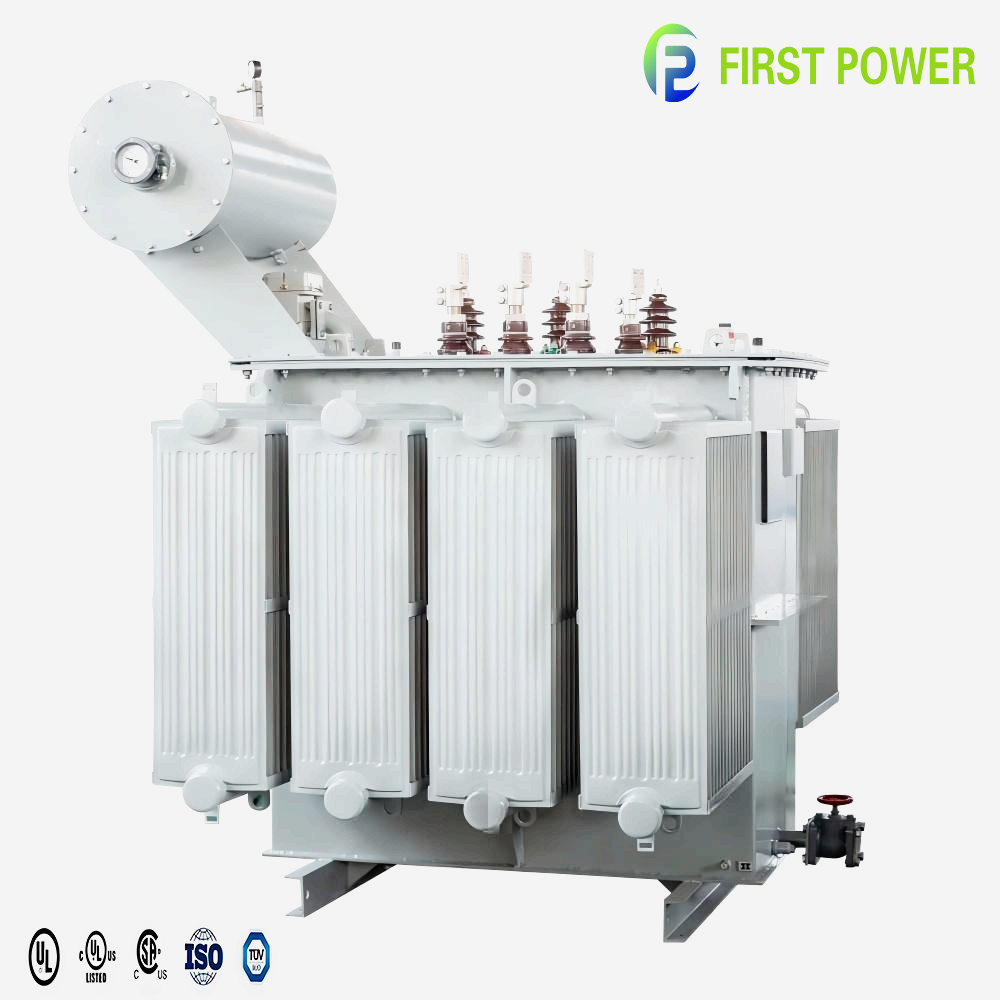
/C Certification 50/60HZ 6KV 10KV 20KV 35KV Three Phase 1000KVA 1MW Solar PV Transformers Oil Immersed for Power Generation
Built around solar PV step-up requirements, this 1 MW-class oil-immersed transformer is relevant for renewable interconnection and medium-voltage collection systems.
- Typical rating: 1,000 kVA / 1 MW class
- Voltage: 6–35 kV configuration
- Buyer value: renewable-focused step-up platform
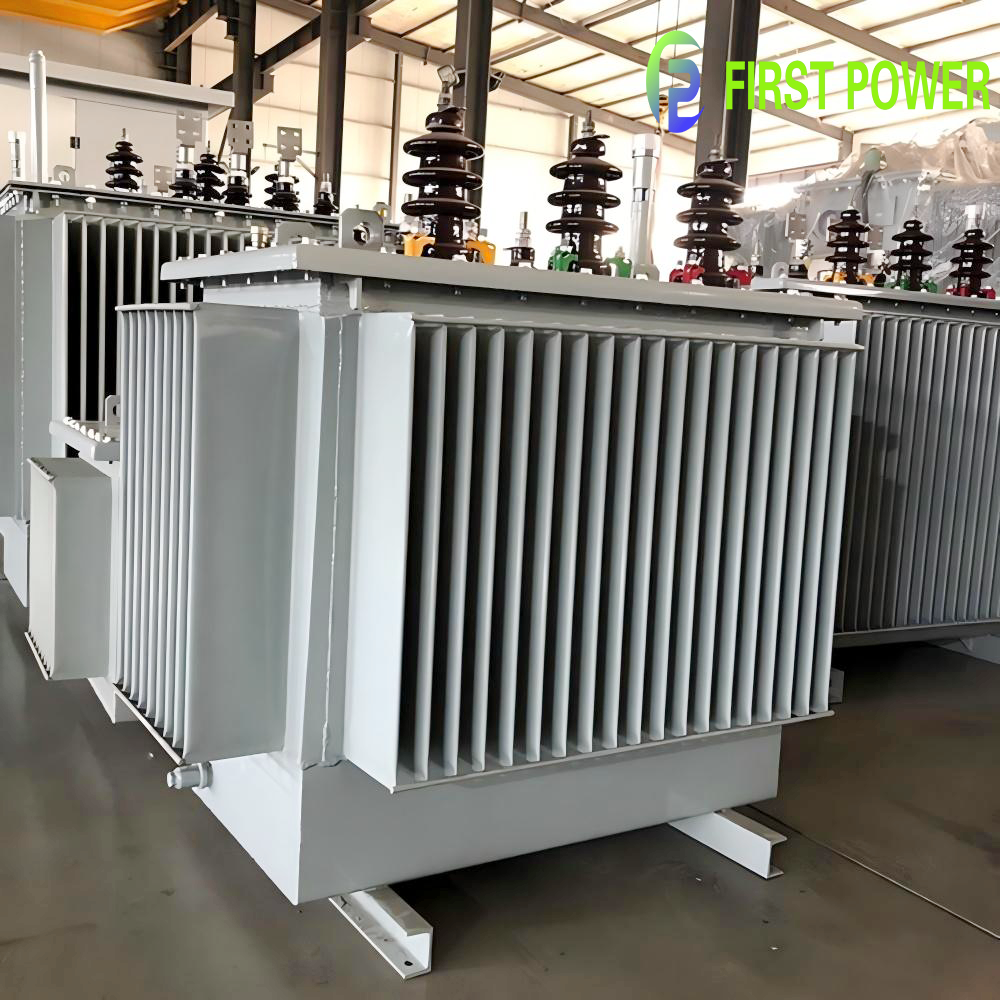
C CE MV&HV S11 50/60HZ 10KV 20KV 35KV Three Phase Oil Immersed 50KVA Transformer for Electric Power Distribution
A small-rating distribution transformer for utility networks, rural electrification and industrial auxiliary loads where reliability and serviceability matter.
- Rating: 50 kVA class
- Voltage: 10–35 kV class
- Buyer value: practical utility distribution footprint
Why Jiangsu Wisegj Power Is a Credible Reference Manufacturer
Buyers evaluating the Top 10 Step Up Power Transformer Manufacturers & Supplier should look for evidence that survives an audit: third-party factory verification, management-system certificates, product CE certificates, in-house testing records and engineering responsiveness.

 Factory capability, floorspace and quality inspection verified onsite by TÜV Rheinland. Production runs under ISO 9001, ISO 14001 and ISO 45001 management systems, with CE certificates for oil-immersed transformers, dry-type transformers, compact substations and switchgear.
Verified Factory Capacity
6,847 m² of inspected production floorspace supports winding, core assembly, drying, tanking, testing and export packing.
In-House Routine Testing
Winding resistance, ratio, vector group, impedance, load loss, no-load loss, applied and induced voltage tests are recorded by serial number. Oil BDV testing is performed for liquid-filled units.
Design Customization
OEM, ODM, design-based and sample-based customization covers ratings, vector group, impedance, taps, bushings, cooling, insulating fluid, enclosure color and nameplate language.
Certificates Buyers Can Verify
ISO 9001: 62824Q6052R0S; ISO 14001: 62824E6053R0S; ISO 45001: 62824S6054R0S. CE certificates cover oil-immersed power transformers, dry-type transformers, compact substations and switchgear.
211 Supply Partners
A qualified supply chain for silicon steel, copper, bushings, oil and accessories helps stabilize material quality and delivery schedules.
24-Hour Engineering Response
50+ R&D and technical engineers support pre-sale specification review, drawings and after-sales technical clarification, with 24-hour response targets.
Export Logistics
Seaworthy packing, shock indicators, complete shipping documents and trade terms from EXW to DDP support projects across the Americas, Europe, Africa, the Middle East and Asia.
Complete Technical Documentation
GA drawings, nameplate drafts, routine test reports and English O&M manuals reduce approval cycles for utilities, EPC contractors and consultants.
The Top 10 Evaluation Matrix for Step-Up Transformer Manufacturers
Use the same 10 criteria to compare quotations. A supplier that scores well on first cost but poorly on test access, loss guarantees or documentation can create far higher project risk.
Grid-Code Alignment
Confirm IEC 60076, IEEE C57.12, local utility requirements, frequency, vector group and voltage class before comparing price.
Loss Guarantees
Ask for guaranteed no-load and load losses. Evaluate total owning cost rather than first price alone, especially for continuous operation.
Thermal Design
Check cooling method, temperature rise, ambient conditions, altitude, enclosure ventilation and overload expectation.
Short-Circuit Strength
Validate winding design, clamping, core support and mechanical withstand for utility networks with high fault current.
Test & Inspection Access
Routine tests should be documented per unit. Agree witness inspection, third-party inspection and type-test report availability early.
Material Traceability
Review core grade, copper versus aluminum conductor, insulation class, oil type, bushing source and accessory brands.
Customization Depth
Check ability to adjust impedance, tap range, bushings, cable boxes, cooling, enclosure, monitoring and nameplate details.
Certification Proof
Request certificate numbers and verify management systems, CE scope, product families and validity dates with issuing bodies.
Logistics & Site Support
Confirm dimensions, transport weight, lifting points, sea packing, shock indicators, installation guide and commissioning support.
After-Sales Response
Ask who answers technical questions after shipment, how spare parts are handled, and what warranty documentation is supplied.
Future Procurement Trends and Product Development Trends
Step-up transformer procurement is shifting from transactional purchasing to risk-managed, total-cost decision-making. Renewable interconnection, grid resilience, loss capitalization and digital documentation are changing how top suppliers are selected.
Renewable Interconnection Drives Earlier Specification
Solar, wind and battery storage projects need step-up transformers earlier in project development. Buyers are engaging manufacturers during feasibility to lock voltage class, impedance, loss limits, enclosure style and delivery windows before EPC tender.
Total Owning Cost Replaces Lowest Price
Utilities increasingly capitalize no-load and load losses. A slightly higher first cost can be justified when guaranteed losses, efficiency and thermal margin lower 20–30-year operating cost. Procurement should request loss evaluation data, not just quotation price.
Lead-Time Resilience and Documentation
Buyers are reducing single-source risk through frame agreements, supplier audits and early drawing approval. Complete test reports, material certificates and shipping documents are now part of supplier qualification, not an afterthought.
Low-Loss Cores and Efficiency-First Designs
CRGO and amorphous-core options, optimized winding geometry and improved cooling are being used to meet stricter efficiency expectations. For step-up applications, loss performance must be balanced against impedance, sound level and short-circuit strength.
Natural Ester and Fire-Safe Configurations
Projects near buildings, tunnels, data centers and environmentally sensitive sites are evaluating natural ester fluids and dry-type alternatives. The design trend is toward lower fire risk, biodegradability and easier indoor or urban siting.
Digital Monitoring and Prefabricated Substations
Temperature sensors, digital nameplates and condition-monitoring interfaces are becoming easier to specify. Compact substations combine MV switchgear, transformer and LV distribution in a factory-built enclosure, reducing site labor and commissioning time.
Step-Up Power Transformer Buying Questions
These are the questions engineering and procurement teams most often ask when comparing top step-up transformer manufacturers, suppliers and technical proposals.
What is the difference between a step-up transformer and a distribution transformer?
How do I specify a step-up transformer for solar, wind or battery storage?
Which standards should a top supplier comply with?
What tests should be witnessed before shipment?
How do transformer losses affect total cost of ownership?
Can vector group, impedance, tap range and enclosure be customized?
What lead time, trade terms and payment methods are typical?
How can I verify factory capability and certificates?
What information is needed for an accurate step-up transformer quotation?
What documentation should be delivered with the transformer?
Have a Step-Up Transformer Specification Ready for Review?
Send your datasheet, single-line diagram or tender documents. The review should cover voltage class, rating, losses, impedance, cooling, standards, testing, packing and delivery terms so your shortlist is based on engineering evidence rather than catalog claims.