Custom OEM Liquid Immersed Transformer Factory & Exporter
Engineered oil-immersed and pad-mounted transformer platforms from 10 kVA to 500 kV class, built to IEC 60076 and ANSI/IEEE C57.12 requirements with CE certification, ISO management systems and export-ready documentation.
Eight Transformer Platforms Ready for Custom Specification
These product families cover underground distribution, utility pad-mounted systems, solar PV interconnection, industrial power distribution and complementary oil-free installation requirements. Each platform can be customised by rating, voltage ratio, vector group, impedance, tap range, cooling class, insulating fluid, enclosure finish and nameplate language.
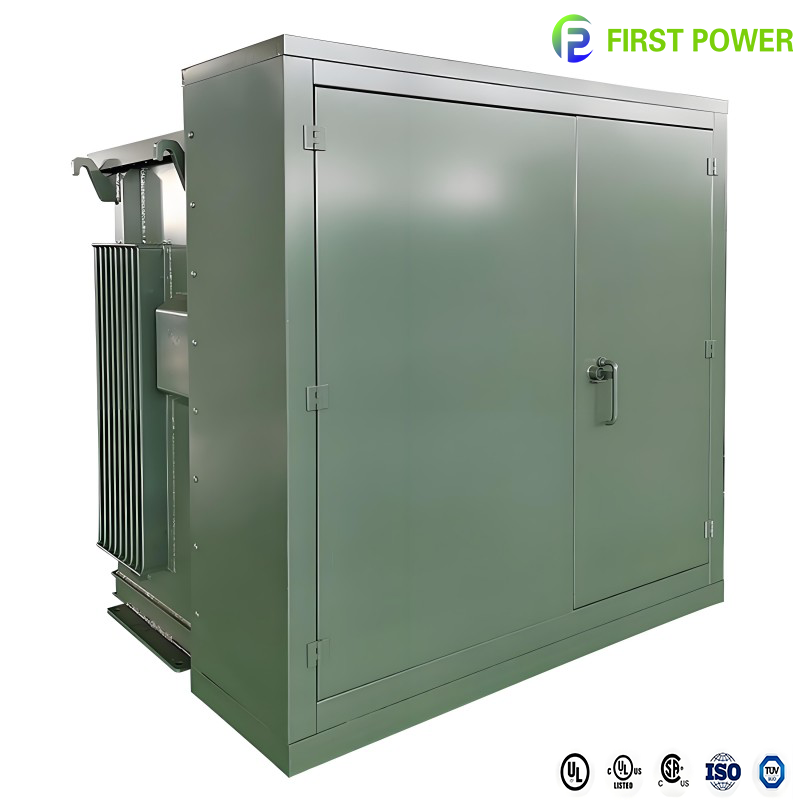
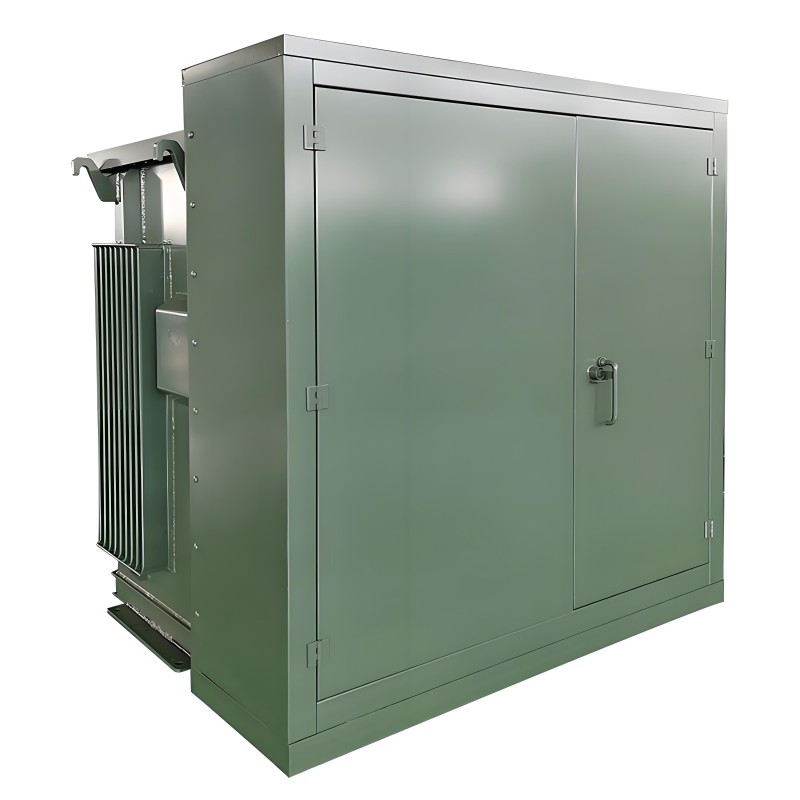 Pad-Mounted
C Certified 75–2500 kVA Oil Type Three-Phase Pad-Mounted Transformer 480V Output, 35KV Input, 50/60HZ
A utility-grade liquid-immersed platform for underground distribution, commercial developments and North American projects requiring 35 kV input with 480 V output.
- Rating75–2500 kVA
- Input35 kV class
- Output480 V
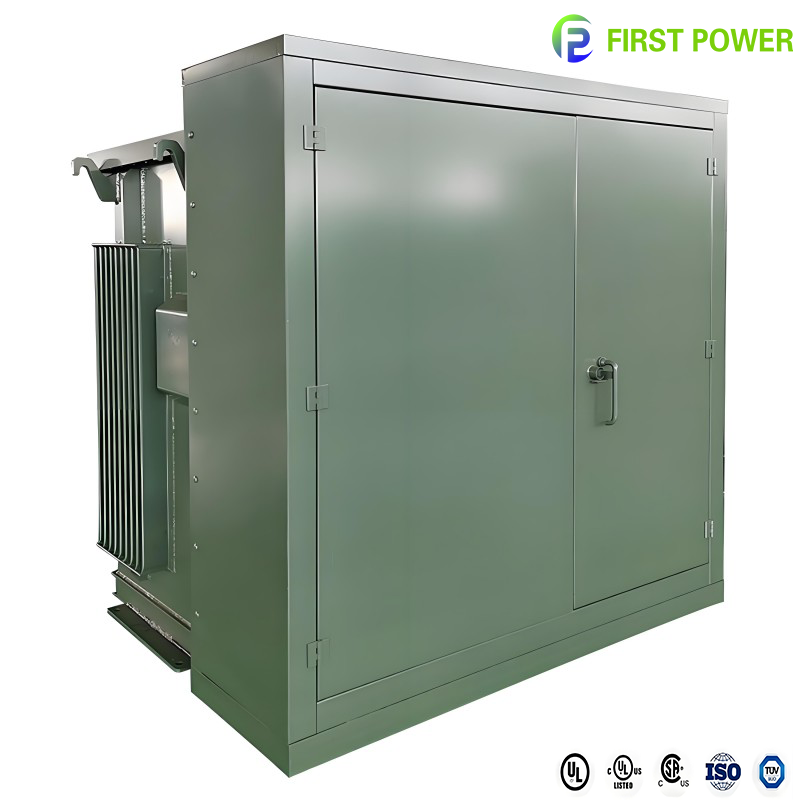
 ZGS11
C CE MV&HV ZGS11 75–2500 kVA 10 kV, 20 kV, 35 kV Pad Mounted Three Phase Transformer for Electric Power Distribution
ZGS11 pad-mounted distribution equipment for medium-voltage networks, with loop-feed configuration, corrosion-resistant enclosure and compact footprint for urban and industrial sites.
- Rating75–2500 kVA
- Voltage10–35 kV
- UseDistribution
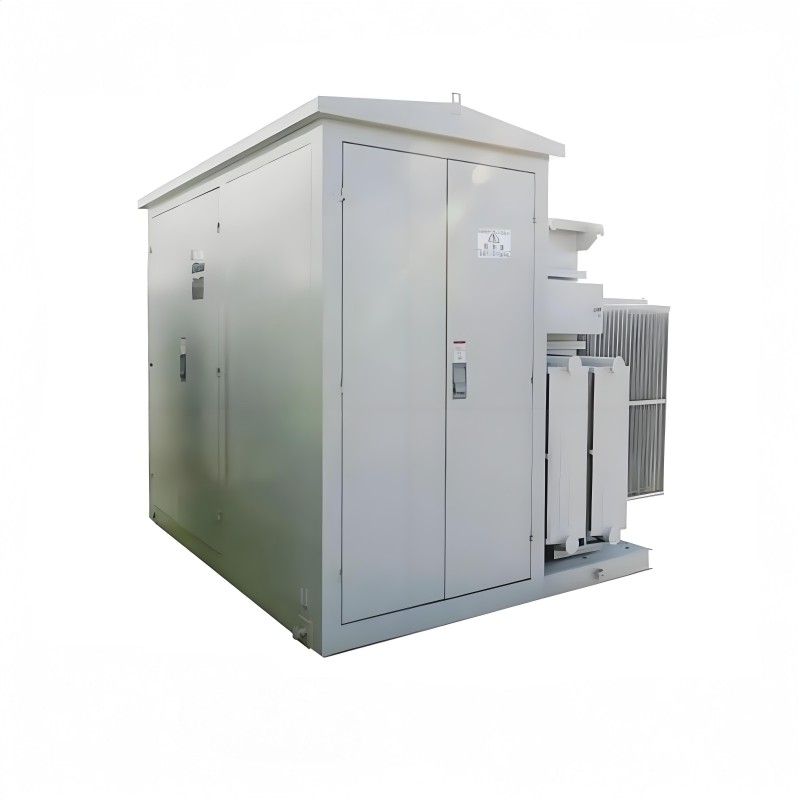
 50 / 60 Hz
C CE 50/60HZ 10KV 20KV 35KV 75KVA 100KVA 200KVA 300KVA 400KVA 3 Phase Oil Type Pad Mounted Transformer for Power Generation
A flexible three-phase oil-type pad-mounted model for power generation, distributed energy and utility networks where compact design and repeatable performance matter.
- Rating75–400 kVA
- Primary10–35 kV
- Frequency50 / 60 Hz
 3000 kVA
American Standard / C Certified 3000kva 34.5kv/480v Oil Type Pad Mounted Transformer 60 Hz 10kv Input 380v 440v Output
A high-capacity American-standard pad-mounted platform for larger commercial, industrial and utility projects that require 34.5 kV class input and multiple low-voltage output options.
- Rating3000 kVA
- Class34.5 kV
- StandardAmerican
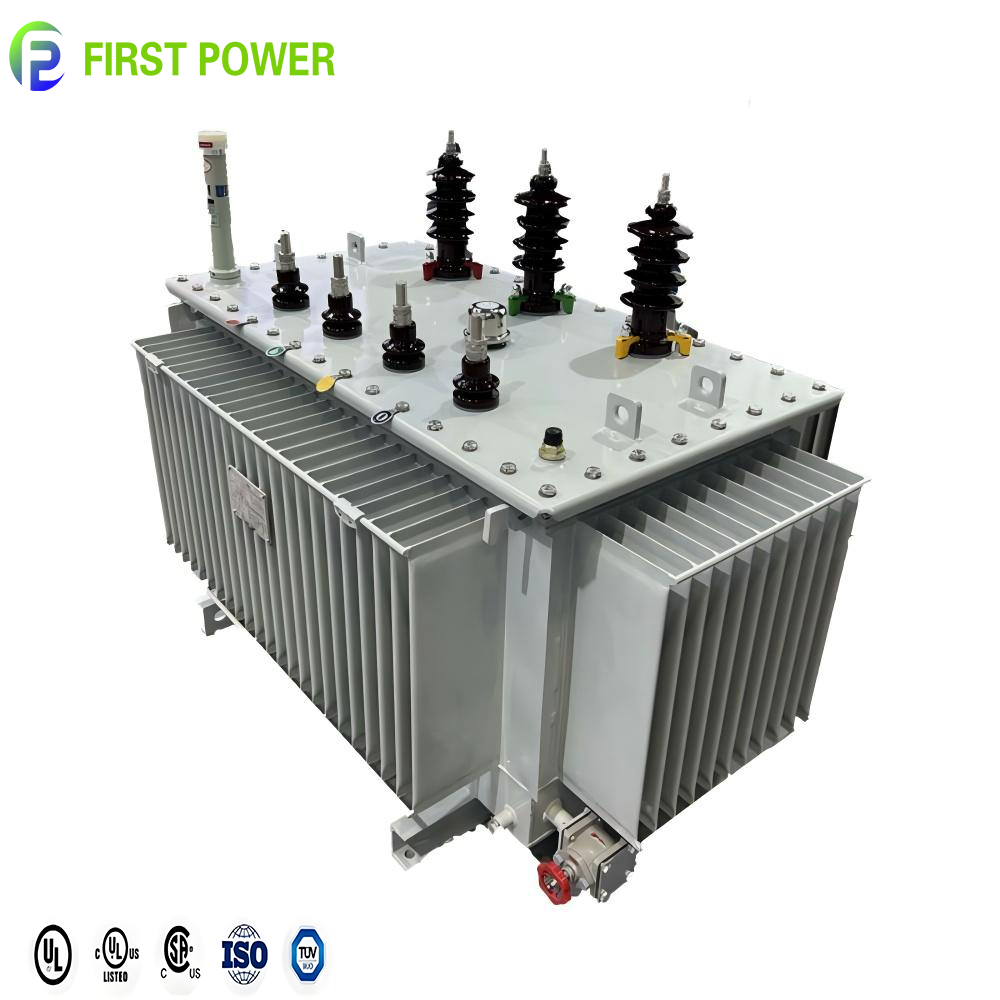 S11 Series
C CE 50/60HZ S11 10KV 20KV 35KV 50KVA 100KVA 200KVA 3 Phase Electrical Oil Immersed Transformer for Distribution System
A proven S11 oil-immersed distribution transformer for utilities, factories and rural electrification, with corrugated tank construction and low-loss core options.
- Rating50–200 kVA
- Voltage10–35 kV
- TypeOil immersed
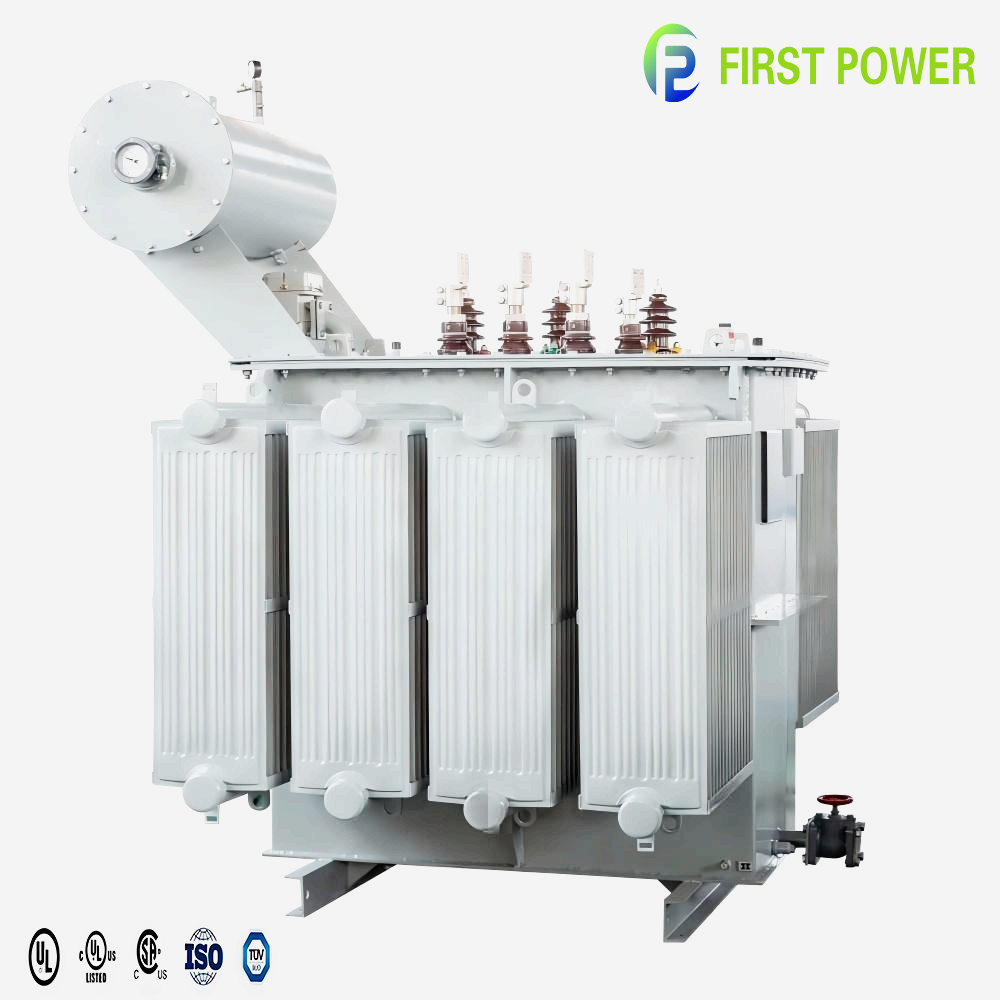 Solar PV
C Certification 50/60HZ 6KV 10KV 20KV 35KV Three Phase 1000KVA 1MW Solar PV Transformers Oil Immersed for Power Generation
A renewable-energy transformer platform for solar PV and distributed generation, designed around inverter harmonics, high ambient conditions and long service intervals.
- Rating1000 kVA / 1 MW
- Voltage6–35 kV
- UseSolar PV
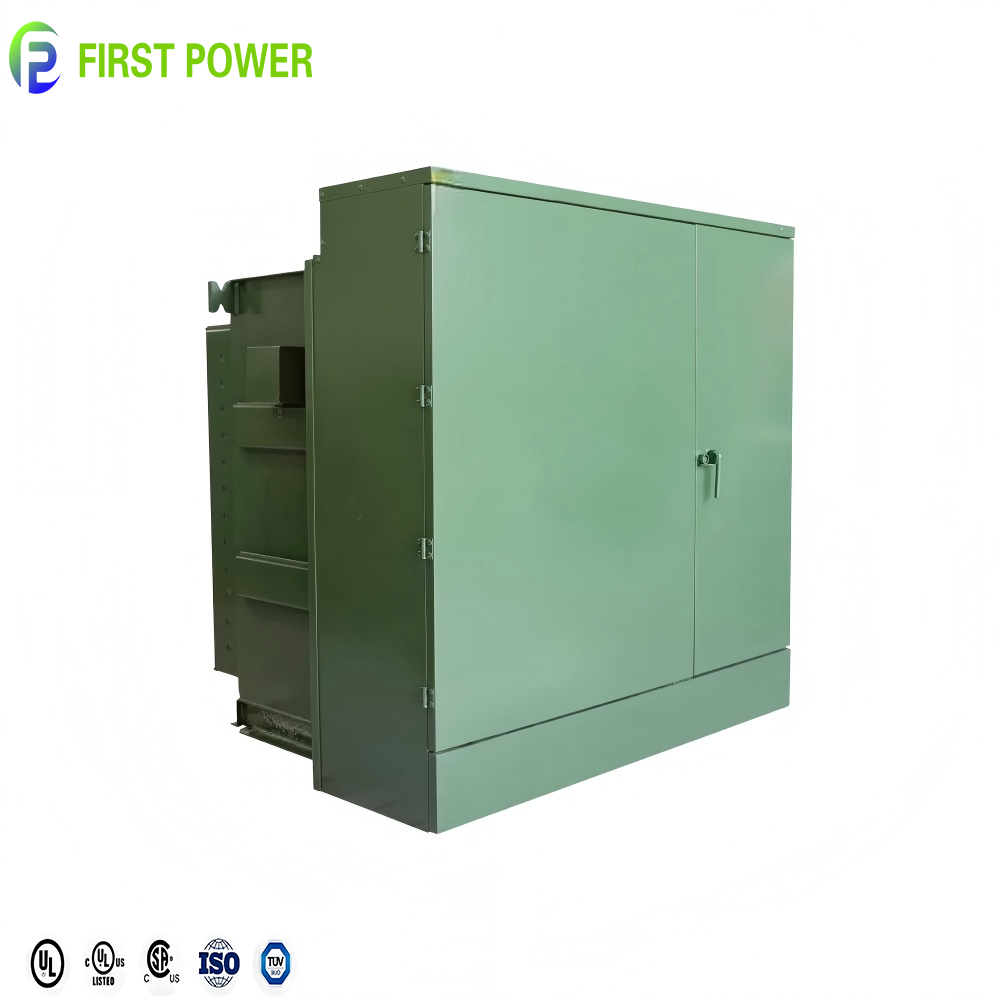 300–750 kVA
C CE 50/60HZ 10KV 20KV 35KV 300KVA 500KVA 630KVA 750KVA Three Phase Pad Mounted Transformer for Electric Power Distribution
A mid-range pad-mounted distribution transformer for commercial complexes, industrial parks and grid reinforcement projects requiring compact outdoor installation.
- Rating300–750 kVA
- Voltage10–35 kV
- TypePad mounted
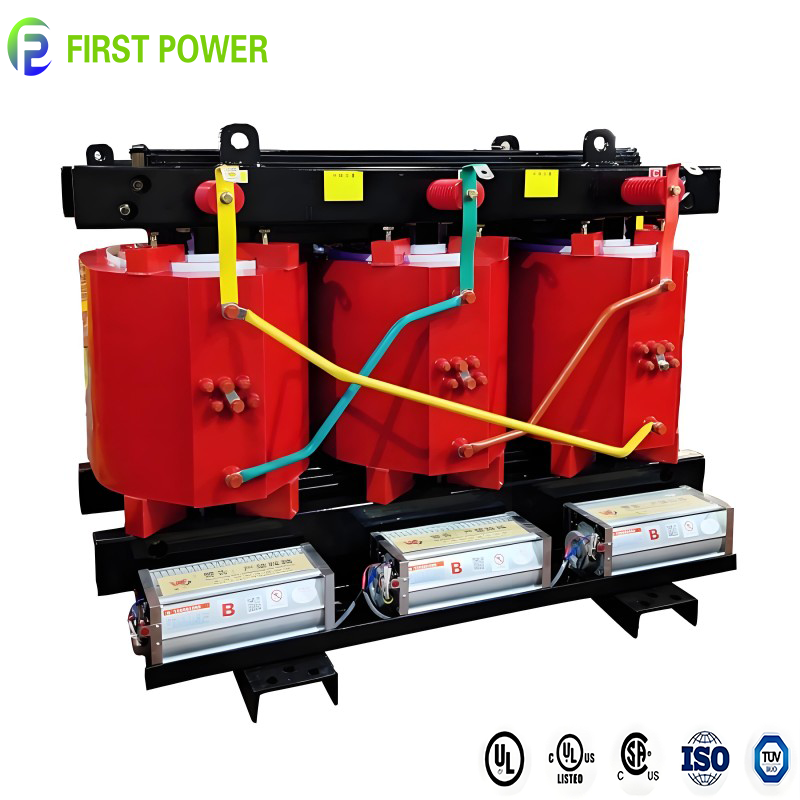 Oil-Free
C CE Certification IEEE Standard 50/60HZ 5MVA 6MVA 6KV 35KV 3 Phase Dry Type Transformer for Electric Power Distribution
A complementary dry-type platform for fire-sensitive indoor areas, high-rise buildings, tunnels and projects where oil-free equipment is preferred. The same OEM review workflow applies.
- Rating5–6 MVA
- Voltage6–35 kV
- TypeDry type
Why a Custom OEM Liquid Immersed Transformer Is a 25-Year Decision
A transformer is rarely replaced because it failed to match a purchase order; it is replaced because the purchase order missed the operating reality. Loss capitalisation, harmonic loading, altitude, ambient temperature, fire strategy, maintenance access and documentation quality determine whether a low bid becomes a low total cost.
From commodity purchase to engineered asset
Liquid-immersed transformers operate at the intersection of electrical performance, thermal endurance and environmental exposure. For a utility, EPC contractor or industrial buyer, the key question is not simply “what is the price per kVA?” It is “what will this unit cost to own, test, maintain and replace over its service life?” That shift explains why custom OEM sourcing has become a procurement strategy rather than a purchasing shortcut.
A well-engineered specification should lock down rated power, primary and secondary voltage, frequency, vector group, impedance, tap range, cooling method, insulating fluid, temperature rise, altitude, enclosure protection, bushing configuration and applicable standards. When those variables are left to a generic catalogue, buyers often inherit avoidable site modifications, delayed energisation and unclear test accountability.
Jiangsu Wisegj Power Co., Ltd. approaches OEM liquid-immersed transformer projects as an engineering review first and a quotation second. The company’s Suzhou-based team supports pad-mounted, oil-immersed, power, dry-type and compact substation requirements, with export experience across North America, South America, Europe, the Middle East, Southeast Asia and Africa. For buyers, that means a design conversation grounded in grid code, installation practice and factory test evidence, not just a list of standard ratings.

What Will Decide Transformer Orders Through 2030
Procurement teams are becoming risk managers. The winning supplier will be the one that can prove design compliance, loss performance, material traceability and delivery control before the first core is stacked.
Loss Capitalisation Replaces Sticker Price
Buyers increasingly evaluate no-load and load-loss values with a capitalisation formula over 20–30 years. Guaranteed losses, tolerance limits and efficiency verification are moving into the commercial contract rather than remaining technical footnotes.
Digital QA and Serial-Number Traceability
Procurement teams now expect a document package that maps to each serial number: routine test reports, material certificates, oil test records, nameplate drafts, packing photos and O&M manuals. Digital traceability reduces audit friction and shortens site acceptance.
Supply-Chain Resilience and Lead-Time Transparency
Core steel, copper, bushings and tap changers can all affect schedule. Serious exporters demonstrate qualified supply partners, raw-material planning and realistic factory slots. Buyers are reserving capacity earlier and asking for milestone visibility from drawing approval to export packing.
Natural Ester and Fire-Safety Engineering
For urban networks, renewables, data centres and indoor-adjacent installations, natural ester fluid is being specified for its high fire point and environmental profile. The procurement question is no longer only “mineral oil or ester?” but “which fluid supports the site fire strategy and maintenance plan?”
Grid-Code Localisation, Not Generic Export
IEC and ANSI/IEEE markets differ in voltage class, enclosure practice, protection schemes, vector groups and documentation conventions. True OEM customisation means adapting the transformer to the destination grid code, altitude, ambient range, seismic requirement and nameplate language.
Lifecycle Service and Spare-Part Readiness
Long-term support is now part of the award decision: recommended spare parts, oil testing intervals, gasket and bushing availability, tap-changer service guidance and responsive engineering communication. A transformer is a long-life asset, and the supplier relationship should last as long as the asset.
Where Liquid-Immersed Transformer Design Is Heading
The next generation of oil-immersed transformers will be judged on measurable efficiency, material discipline, digital documentation and integration with renewable and urban grids.
High-Efficiency Core and Winding Optimisation
Step-lap CRGO cores, amorphous core options, copper winding discipline and optimised flux density are being used to reduce no-load loss, load loss and temperature rise without compromising short-circuit strength.
Condition-Monitoring-Ready Designs
Winding temperature indicators, oil temperature indicators, pressure-relief devices, DGA sampling points and optional sensor interfaces are increasingly specified so operators can trend condition rather than react to failure.
Fluid Selection as a Design Variable
Mineral oil remains the established choice for many distribution projects, while natural ester is gaining ground where fire risk, environmental sensitivity or indoor adjacency drives specification. Fluid choice affects cooling, sealing and maintenance planning.
Compact and Pre-Engineered Substation Integration
Pad-mounted transformers, MV switchgear and LV distribution are increasingly assembled as pre-engineered compact substations to reduce site labour, commissioning time and interface risk.
Corrosion and Climate-Specific Enclosures
Coastal humidity, desert dust, high altitude and seismic zones require enclosure, coating and cooling decisions that go beyond a generic IP rating. Export-grade designs are increasingly climate-specific.
Digital Nameplates and Documentation Packs
QR-linked product records, searchable test reports and English O&M manuals are becoming part of the product experience. Documentation quality is now a differentiator, especially for utilities and EPC contractors.
Liquid-Immersed Transformer Selection by Application
Use this high-level matrix to shortlist a platform before the technical review. Final selection should always be confirmed against load profile, fault level, altitude, ambient temperature and local grid code.
| Application | Recommended Platform | Why It Fits | Procurement Check |
|---|---|---|---|
| Underground utility and commercial distribution | Three-phase pad-mounted, 75–2500 kVA, 10–35 kV | Loop feed, dead-front compartment, tamper-resistant enclosure and compact footprint | Confirm 50/60 Hz, vector group, bay configuration and enclosure finish |
| Residential subdivisions and mixed-use developments | Single or three-phase pad-mounted / S11 oil-immersed | Low visual impact, flexible staging and proven distribution performance | Check secondary voltage, noise level, cable entry and pad dimensions |
| Solar PV and renewable interconnection | 1000 kVA / 1 MW solar PV oil-immersed transformer | Harmonic-aware design, high ambient resilience and long service interval | Review inverter harmonics, cooling, loss guarantees and corrosion class |
| Industrial plants and power generation | S11 distribution or pad-mounted 300–750 kVA | Robust thermal design and service access for continuous operation | Define loading profile, tap range, protection devices and spare parts |
| Data centres and fire-sensitive buildings | Dry-type or ester-filled liquid-immersed design | Oil-free or high-fire-point solutions for indoor-adjacent locations | Confirm fire strategy, ventilation, temperature rise and local code |
| Utility substations and grid interconnection | Power transformers up to 500 kV class | Step-up or step-down duty for transmission, generation and grid reinforcement | Check cooling class, OLTC/NLTC, impedance, seismic and test plan |
Ratings shown are typical production ranges. Custom voltage ratios, impedance values, tapping ranges, fluids, enclosures and nameplate languages can be engineered on request.
Why OEM Buyers Verify Wisegj Before Negotiating Price
Engineering claims are only useful when they can be audited. Wisegj supports procurement teams with verified production capacity, routine test documentation, certificate numbers and export experience across multiple grid-code markets.
Years of team experience in transformer engineering and export projects
Verified production floorspace for winding, assembly, drying, tanking and testing
R&D and technical engineers supporting custom design and documentation
Qualified supply-chain partners supporting stable material and component planning
Maximum voltage class supported across the wider transformer and substation portfolio
Average buyer rating reflected in the company’s verified trade profile
Verified Factory Capacity
6,847 m² of inspected production floorspace with dedicated winding, core assembly, drying, tanking, testing and packing areas. TÜV Rheinland has verified production capability and inspection processes onsite.
In-House Routine Testing
Winding resistance, voltage ratio, vector group, impedance, load loss, no-load loss and current, applied and induced voltage tests plus oil dielectric strength are documented per serial number for liquid-filled units.
OEM, ODM and Design-Based Customisation
Ratings, vector group, impedance, tap changer range, bushings, cooling method, insulating fluid, enclosure colour and nameplate language can be adapted to the project specification and destination market.
Certified Management Systems
ISO 9001 quality management, ISO 14001 environmental management and ISO 45001 occupational health and safety systems are maintained. Product lines hold CE certification with certificate numbers available for verification.
Export Logistics and Incoterms
Seaworthy packing, shock indicators and export documentation support FOB, CFR, CIF, EXW, FCA, CIP, CPT and DDP terms. Payment options include T/T, L/C, D/P and D/A in major currencies.
Complete English Documentation
GA drawings, nameplate drafts, routine test reports, packing lists and O&M manuals are supplied in English so procurement, QA and commissioning teams work from a single aligned document set.
Qualified Supply Chain
A network of 211 qualified supply partners supports silicon steel, copper, bushings, tap changers and accessories. This helps protect lead times when raw-material markets move quickly.
24-Hour Engineer Response
Pre-sale technical questions, drawing reviews and after-sales issues receive a qualified reply within one working day. The objective is to reduce clarification loops that slow down tender and project approval.
From Specification to Energisation: Five Control Points
A reliable OEM transformer order is built on five practical control points. Each one should leave a document trail that the buyer can audit before shipment.
Define the Operating Envelope
Load profile, harmonics, altitude, ambient range, seismic requirement, noise limit, enclosure location and fire strategy all shape the design.
Lock the Electrical Design
Confirm rating, voltages, vector group, impedance, tap range, cooling class, insulating fluid, bushings and guaranteed losses before production.
Approve Compliance and Drawings
Check IEC or IEEE compliance, CE scope, ISO systems, GA drawing, nameplate draft, test plan and any local grid-code requirements.
Witness and Document Testing
Routine tests, oil dielectric strength, loss measurements and third-party witness inspection should be recorded against the serial number.
Control Packing and Energisation
Export crating, shock indicators, shipping documents, O&M manuals, spare-part recommendations and commissioning checklists close the loop.
Common Questions from Transformer Buyers
Direct answers for procurement teams, EPC contractors and utility engineers evaluating a custom OEM liquid-immersed transformer supplier.
What does a custom OEM liquid-immersed transformer include?
Can you manufacture to IEC, ANSI/IEEE and project-specific standards?
How do you control losses and efficiency in a liquid-immersed transformer?
Which factory tests are performed before shipment?
What is the typical lead time and how do you protect the schedule?
What trade terms, payment methods and currencies are accepted?
Can you support factory audits and third-party inspection?
What information should I send for a fast, accurate quotation?
How are liquid-immersed transformers packed for export?
Send Your Transformer Specification for Engineering Review
Share your datasheet, tender document or existing nameplate details. A transformer engineer can review the application, propose a compliant custom OEM configuration and confirm the documentation package before quotation.
Contact UsCustom OEM liquid-immersed transformers · IEC and ANSI/IEEE options · CE-certified product lines · ISO 9001, ISO 14001 and ISO 45001 production systems