China Wholesale Utility Pole Transformer Factories & Exporter
Factory-direct oil-immersed, pad-mounted and distribution transformers for utility, EPC, solar and OEM procurement — engineered to IEC and ANSI/IEEE practice with CE, ISO and third-party verified production evidence.
Eight Utility Transformer Products for Wholesale Procurement
This selection covers the practical range behind most “utility pole transformer” sourcing requests: single-phase and three-phase distribution transformers, oil-immersed power transformers, ANSI-style pad-mounted units, solar PV transformers and export-ready S11 families. Each link below points to the live product page so technical teams can compare ratings, standards and application fit before requesting a quotation.
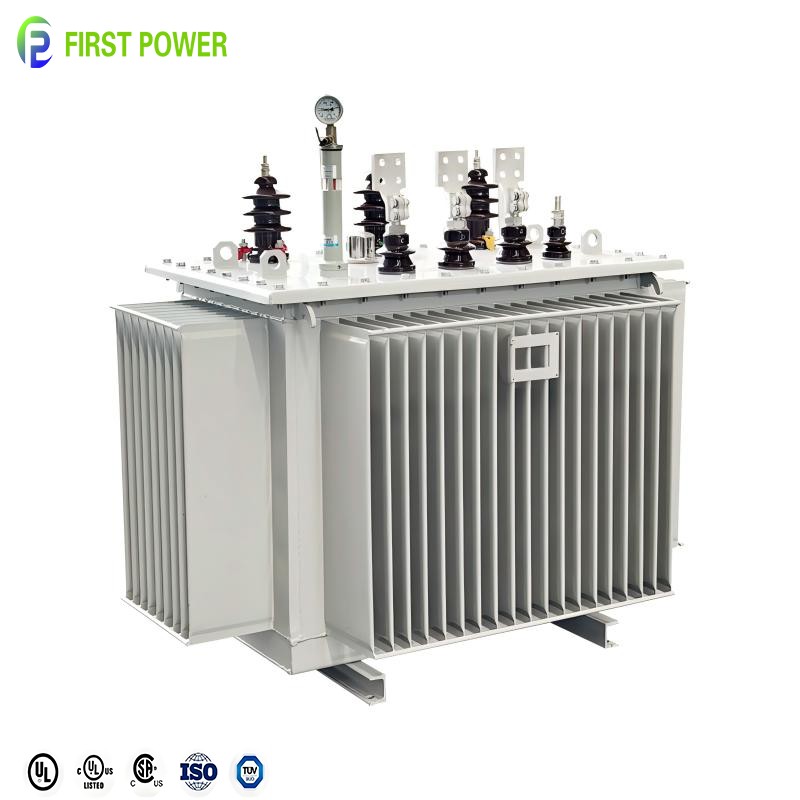
C CE 50/60HZ 100KVA 300KVA 500KVA 630KVA 1000KVA 10KV 20KV 35KV 3 Phase Oil Immersed Power Transformer for Power Supplies
Three-phase oil-immersed power transformer for utility supply points, industrial step-down duties and projects requiring IEC-style construction and routine test documentation.
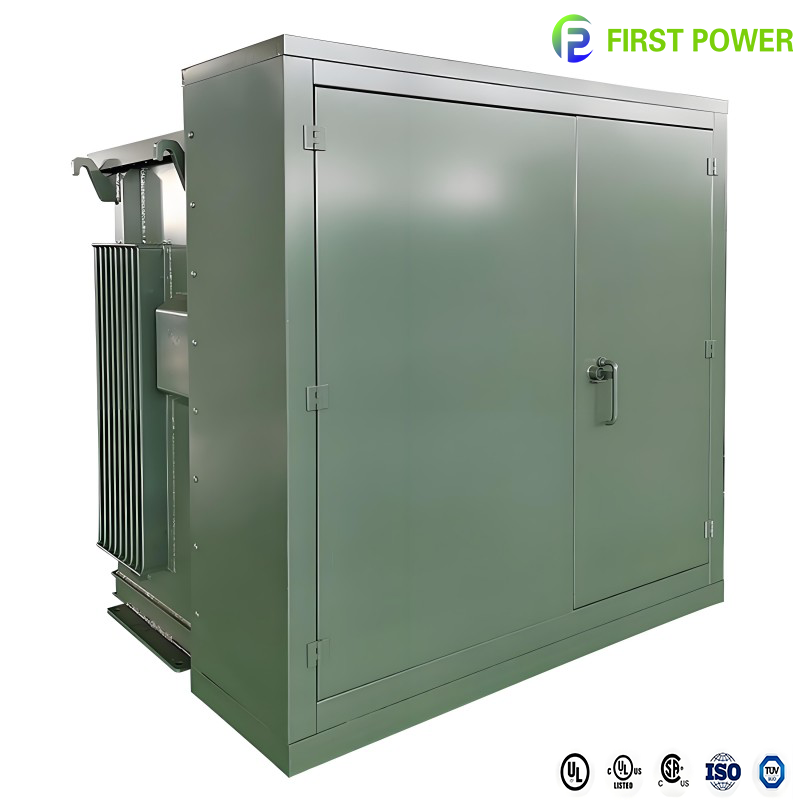
C CE MV&HV ZGS11 75-2500KVA 10KV 20KV 35KV Pad Mounted Three Phase Transformer for Electric Power Distribution
Pad-mounted three-phase distribution transformer for underground feed, commercial campuses, renewable interconnections and space-constrained utility projects.
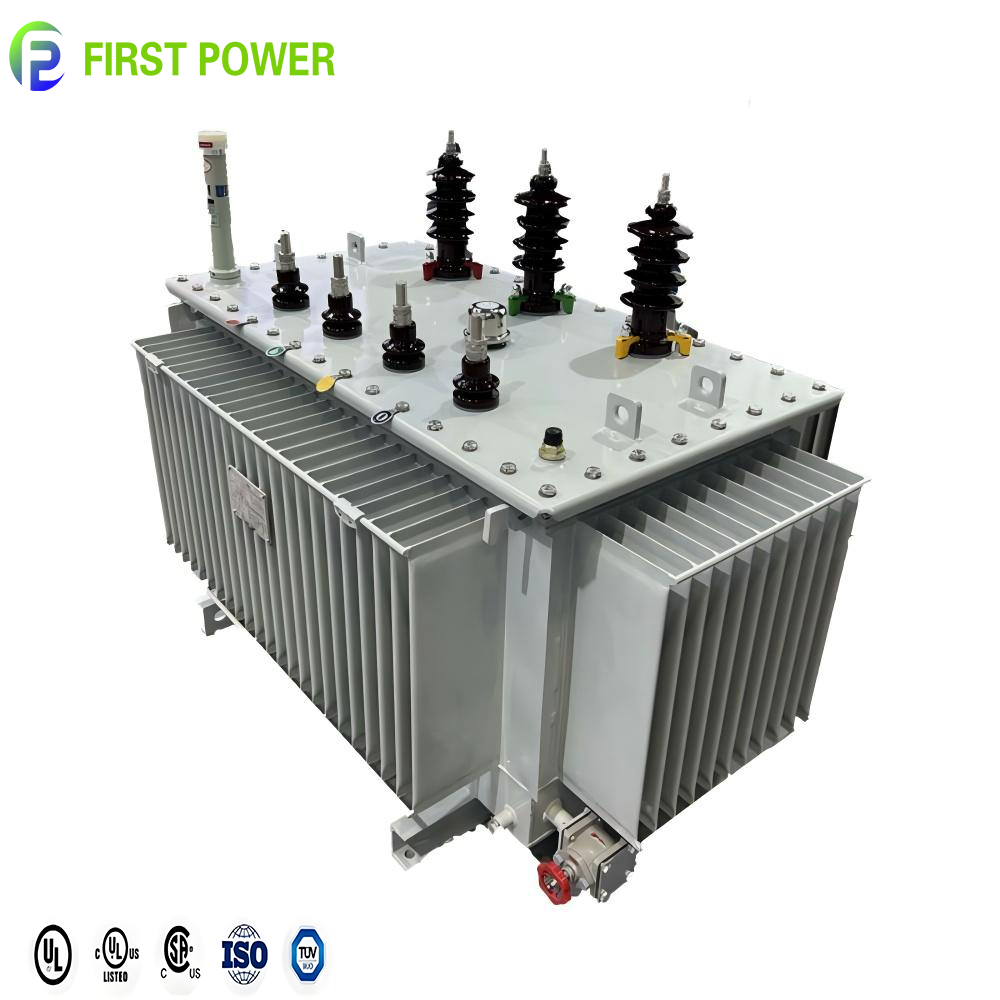
C CE 50/60HZ S11 10KV 20KV 35KV 50KVA 100KVA 200KVA 3 Phase Electrical Oil Immersed Transformer for Distribution System
S11 oil-immersed distribution transformer for overhead and platform installations where low loss, proven insulation and export documentation are priorities.
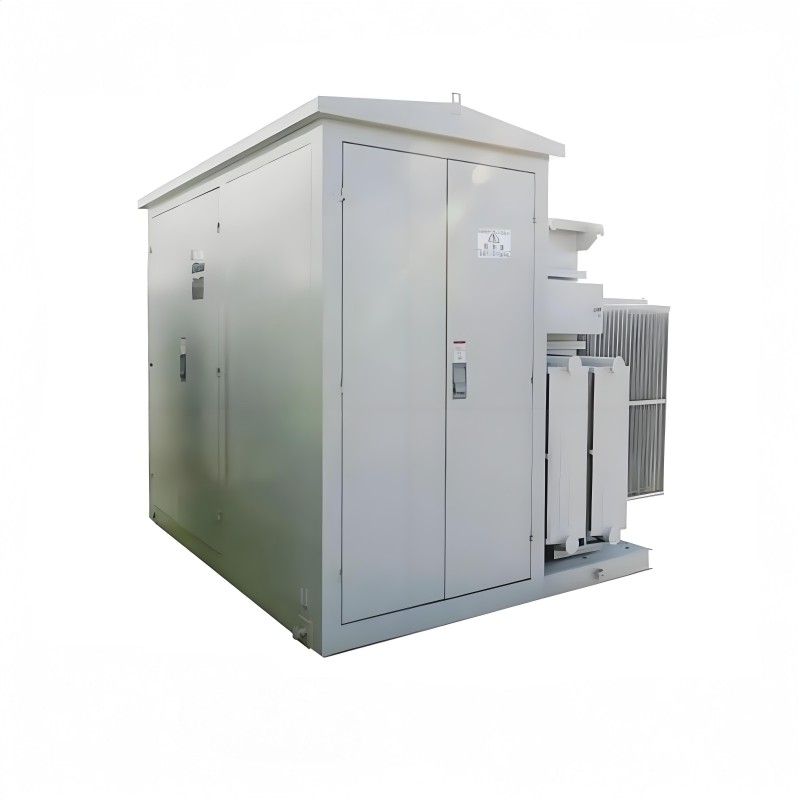
American Standard /C Certified 3000kva 34.5kv/480v Oil Type Pad Mounted Transformer 60 Hz 10kv Input 380v 440v Output
American-standard pad-mounted configuration for 60 Hz projects needing high-capacity oil-type construction and export-market voltage combinations.
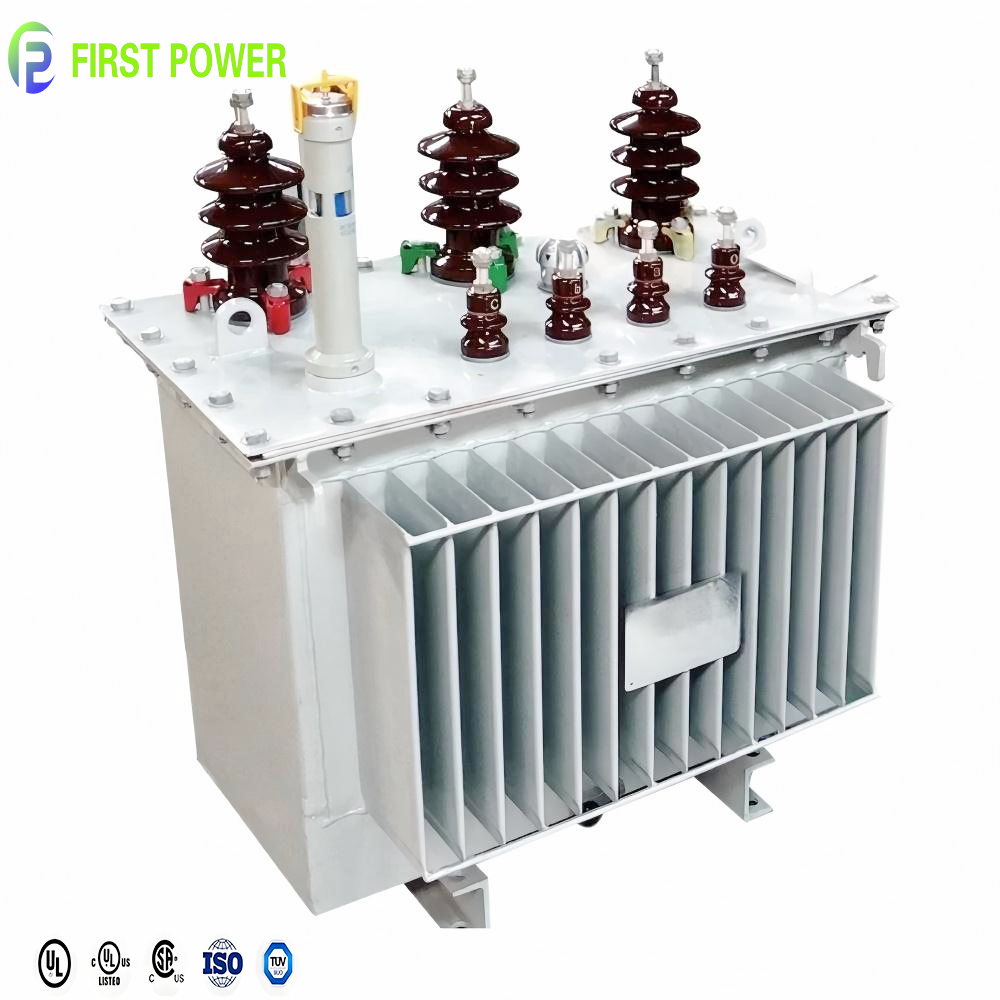
C CE 10KV 20KV 35KV 50KVA 100KVA 200KVA 300KVA 400KVA 500KVA Electric Oil Immersed Transformer for Industrial Power Supply
Oil-immersed transformer for factory power distribution, production lines and industrial parks requiring flexible 10–35 kV configurations.
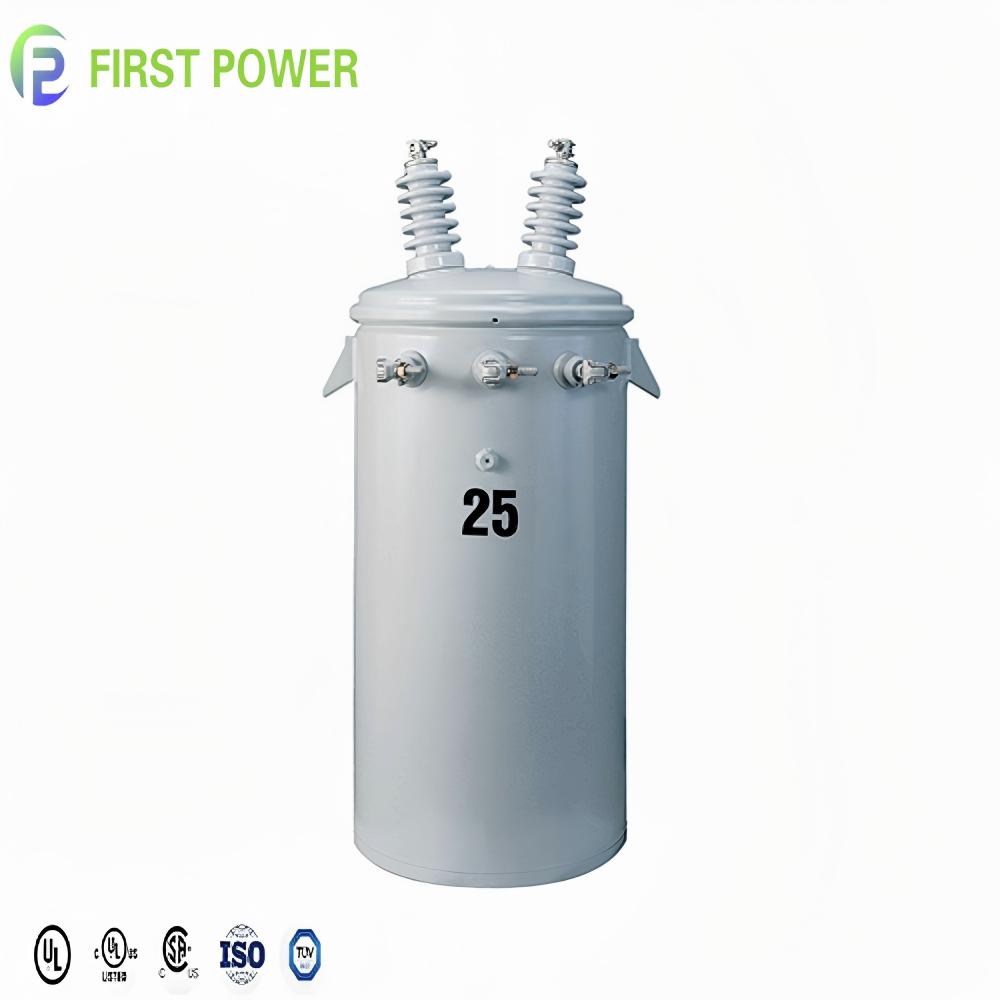
C CE Certification MV&HV 50/60HZ 6KV 10KV 20KV 35KV 25KVA Single Phase Transformer Price for Electric Power Distribution
Single-phase distribution transformer for rural feeders, residential overhead networks and replacement programs where compact ratings are required.
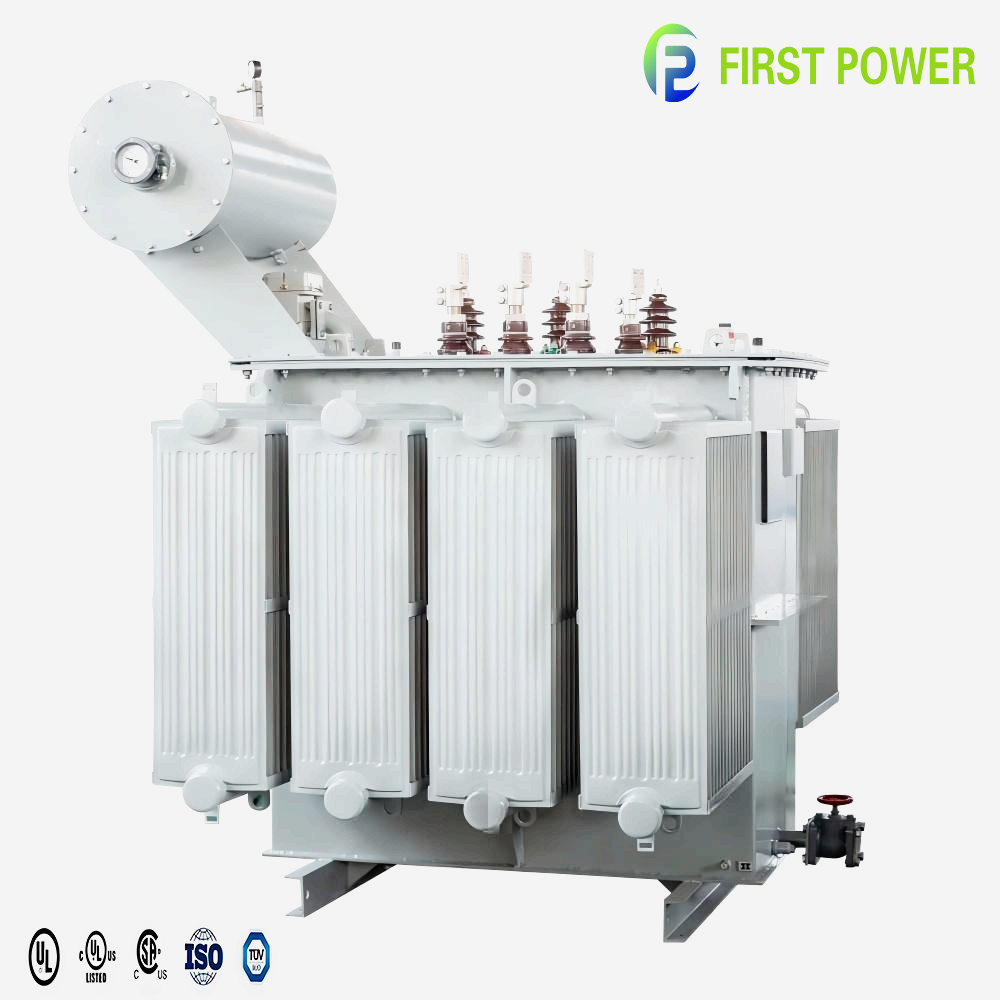
/C Certification 50/60HZ 6KV 10KV 20KV 35KV Three Phase 1000KVA 1MW Solar PV Transformers Oil Immersed for Power Generation
Solar PV transformer for renewable generation projects requiring 1000 kVA-class oil-immersed step-up or interconnection duty.
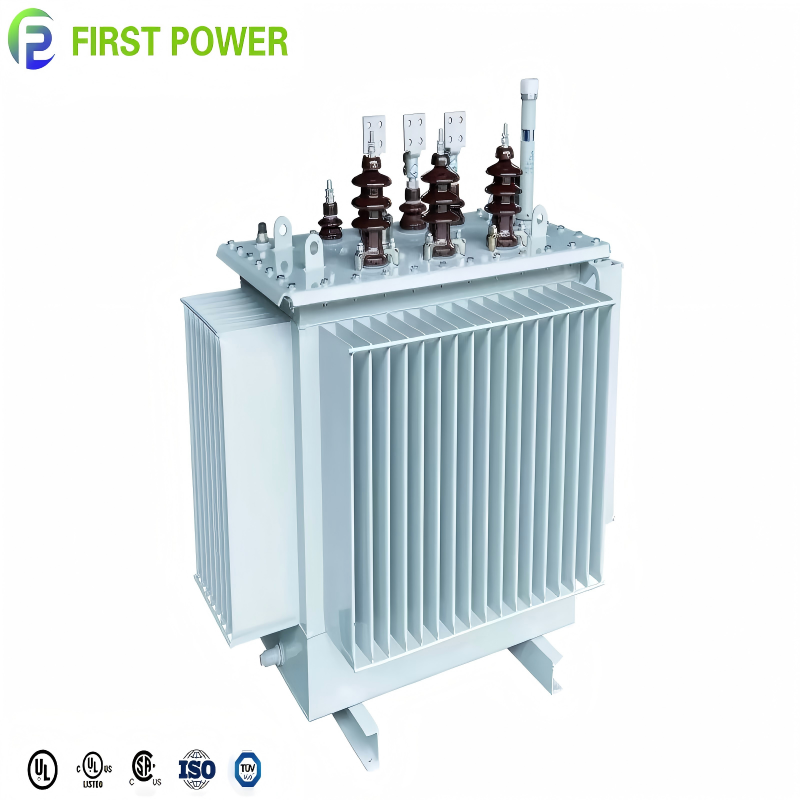
C CE S11 50/60HZ 6KV 10KV 15KV 20KV 35KV 100KVA 300KVA 3 Phase Oil Immersed Transformer 50KVA 33KV for Distribution System
Flexible S11 three-phase oil-immersed transformer for distribution systems across 6–35 kV classes and multiple kVA ratings.
What “China Wholesale Utility Pole Transformer Factories & Exporter” Really Means
The phrase “utility pole transformer” often hides three different purchases: an overhead pole-mounted distribution transformer, a pad-mounted transformer for underground service, or a broader oil-immersed distribution transformer procured for a utility replacement programme. Buyers may use the same search phrase while needing very different mounting hardware, bushings, enclosures, protection accessories and test documentation.
The information gain in this guide is not a longer catalogue; it is a clearer buying framework. Before asking a China exporter for a price, separate the request into five signals: installation type, kVA and voltage, frequency and standard, environmental conditions, and approval evidence. That single step reduces quotation cycles and prevents a factory from quoting a transformer that is technically correct but commercially wrong for your project.
Wisegj supports this early-stage review because our product range spans 220 V to 500 kV, including single-phase and three-phase oil-immersed distribution transformers, ANSI-style pad-mounted units, power transformers and compact substations. The objective is to match the quotation to the intended grid application rather than to a generic keyword.
Replacement Buyer
Needs dimensional fit, ratio, impedance, tap range, bushing arrangement and nameplate data to match an existing pole or platform installation.
Project EPC Buyer
Requires approved drawings, loss guarantees, routine test reports, packing plans and delivery milestones aligned with site commissioning.
Utility Tender Buyer
Prioritises standard compliance, type and routine tests, certificate evidence, material traceability and witness inspection rights.
OEM / Private Label
Wants custom nameplates, enclosure colour, documentation language, packaging and repeatable production specifications.
The Nine Data Points That Prevent a Transformer Re-Quote
Utility buyers rarely lose time because a factory cannot build a transformer. They lose time because the first enquiry omitted a parameter that changes the design. Use this checklist as a pre-RFQ control sheet.
| Data point | Why it changes the offer | Practical instruction |
|---|---|---|
| Rated power | Defines core and winding size, losses, tank dimensions and transport weight. | State kVA or MVA, plus expected overload or future growth if relevant. |
| Primary and secondary voltage | Controls insulation levels, bushings, tap range and winding configuration. | Give both system voltages and the exact transformer ratio required. |
| Frequency | 50 Hz and 60 Hz designs cannot be treated as interchangeable without review. | Confirm 50 Hz or 60 Hz, and the destination market. |
| Vector group and impedance | Affects short-circuit performance, paralleling and protection coordination. | Specify Dyn11, Yyn0 or the utility-approved vector group and impedance tolerance. |
| Cooling and insulating fluid | ONAN, ONAF, mineral oil and natural ester lead to different thermal and safety designs. | State cooling class, fluid preference and any fire-safety restrictions. |
| Installation environment | Altitude, ambient temperature, humidity, seismic zone and coastal exposure influence design margins. | Provide site conditions rather than only the country name. |
| Standard and certification | IEC 60076, ANSI/IEEE C57.12 and CE evidence require different documentation packages. | List the exact standard, certificate scope and witness-test requirement. |
| Loss targets | Efficiency requirements can change core grade, copper content and total cost of ownership. | Share guaranteed no-load and load loss limits, not only an efficiency label. |
| Delivery and documentation | Port, Incoterm, drawing approval and test-report language affect schedule and price. | Include destination port, target shipment window and required document language. |
Tip for procurement teams: if the tender uses the phrase “pole transformer”, add a simple note confirming whether pole mounting brackets, hangers, a platform or a pad-mounted enclosure are in scope. This one clarification avoids a large class of mismatched quotations.
Future Procurement Trends Utilities and EPCs Will Reward
The lowest initial price still matters, but it is no longer the only evaluation criterion. Utility buyers increasingly compare total cost of ownership, evidence quality, delivery resilience and long-term service support.
Total Cost of Ownership
Buyers are evaluating guaranteed losses, efficiency over the service life, maintenance access and spare-part availability instead of treating the purchase price as the only number.
Evidence-Based Procurement
Certificate numbers, routine test reports, drawing approval records and third-party inspection are becoming normal parts of the supplier qualification file.
Supply Resilience
Projects are being planned with staged deliveries, qualified component sources and early drawing approval to reduce delays caused by material or accessory shortages.
Multi-Standard Flexibility
A single exporter may need to serve IEC markets, ANSI/IEEE-style projects and 50/60 Hz destinations, so documentation and accessory compatibility must be controlled clearly.
Fire Safety and Ester Fluids
For populated areas, indoor-adjacent locations and fire-sensitive sites, buyers increasingly ask about natural ester fluid, dry-type alternatives and enclosure protection.
Monitoring-Ready Designs
Utilities are asking for provision for temperature, pressure or condition-monitoring accessories, plus digital documentation that links test records to each serial number.
How Utility Transformer Design Is Evolving
Modern distribution transformers are becoming more efficient, more application-specific and easier to verify. The changes below are directly relevant to wholesale buyers comparing factories.
Low-Loss Cores and Windings
CRGO and amorphous-core options, improved winding geometry and tighter loss control help utilities meet efficiency targets and reduce lifetime energy cost.
Sealed Tanks and Corrugated Design
Hermetically sealed and corrugated tank constructions reduce maintenance touchpoints and improve reliability in outdoor distribution networks.
Fire-Safer Insulation Choices
Natural ester fluids and dry-type transformers are being specified where oil spill risk, indoor proximity or public safety influences the approval process.
Modular and Monitoring-Ready
Compact substations, plug-and-play assemblies and monitoring provisions shorten commissioning and support condition-based maintenance.
Which Transformer Configuration Fits Your Project?
Use this application map to shortlist the right family before sending an RFQ. Final design should always be confirmed against your grid code, protection study and site conditions.
Overhead Rural and Residential Feeders
Choose a single-phase oil-immersed transformer where the utility needs compact pole or platform equipment for residential or rural distribution. Confirm pole hardware separately from the transformer supply.
Review single-phase rangeGeneral Utility Distribution
S11 oil-immersed distribution transformers are a practical fit for 10/20/35 kV networks where standard ratings, low losses and routine test reports are required.
Review S11 rangeCommercial Underground Distribution
For campus, commercial or utility underground systems, pad-mounted ZGS11 units offer a tamper-resistant enclosure and application-specific voltage configurations.
Review pad-mounted rangeSolar PV and Renewable Projects
Solar PV transformers should be selected with the inverter output, grid interconnection voltage, harmonic environment and cycling duty in mind, not only the kVA rating.
Review solar PV transformerIndustrial Plant Power Supply
Industrial buyers should share load profile, motor starting conditions, ambient temperature and protection coordination so the transformer design supports actual operating duty.
Review industrial transformerANSI-Style Export Replacement
American-standard pad-mounted units are relevant for 60 Hz projects needing high-capacity oil-type construction and specific 34.5 kV/480 V style voltage arrangements.
Review ANSI-style unitWhy Wisegj Is an Auditable China Transformer Exporter
Jiangsu Wisegj Power Co., Ltd. is a Suzhou-based manufacturer and exporter of power transformers, distribution transformers, pad-mounted transformers, dry-type transformers, compact substations, switchgear and voltage stabilizers. The company serves utility, EPC, industrial and renewable buyers who need a supplier that can be checked, not only a quotation that sounds attractive.
Verified Factory Capacity
Dedicated winding, core assembly, drying, tanking and testing areas support consistent transformer production.
In-House Testing
Ratio, resistance, loss, impedance, dielectric and oil BDV tests are documented for each serial number.
Engineering Customization
OEM, ODM, design-based and sample-based customization cover ratings, vector group, impedance, taps, bushings, cooling and enclosure details.
Export Logistics
Seaworthy packing, shock indicators and Incoterms coverage from EXW to DDP support predictable international delivery.
Certified Systems
ISO 9001, ISO 14001 and ISO 45001 management systems, with CE certificates for key transformer and substation product lines.
Complete Documentation
GA drawings, nameplate drafts, test reports, packing lists and O&M manuals are supplied in English for approval files.
Supply-Chain Depth
Qualified sources for silicon steel, copper, bushings and accessories help stabilise lead times for repeat utility programmes.
24-Hour Engineer Response
Technical questions and after-sales issues aim to receive a qualified engineer response within one working day.
Factory Verification, Testing and Export Documentation
For utility procurement, a supplier claim is only useful when it can be attached to a document, a certificate number or an inspection record. Wisegj’s production capability, floorspace and quality inspection have been verified onsite by TÜV Rheinland, an independent third-party inspection body.
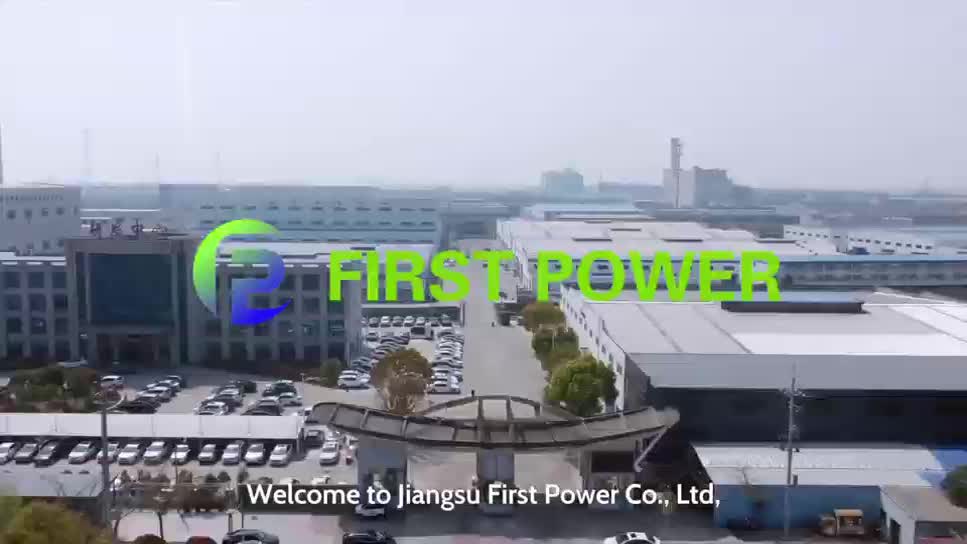 Factory and engineering review
 Company and facility overview
 Assembly workshop
Certificate evidence procurement teams can verify
- ISO 9001 Quality Management System · No. 62824Q6052R0S
- ISO 14001 Environmental Management System · No. 62824E6053R0S
- ISO 45001 Occupational Health and Safety · No. 62824S6054R0S
- CE · Oil-immersed power transformer · No. 3N230310.JYTU038
- CE · Dry type transformer · No. FQC2530404
- CE · Compact substation · No. M.2025.206.C121884
Every transformer receives routine tests before shipment: winding resistance, voltage ratio and vector group, impedance and load loss, no-load loss and current, applied voltage withstand and induced voltage withstand. Liquid-filled units also receive oil dielectric strength testing. Type test reports can be supplied, and third-party witness inspection is welcome.
Common Questions from Utility Pole and Distribution Transformer Buyers
These answers reflect the questions most often raised during technical review, factory audit and export documentation checks.
What is the difference between a utility pole transformer, a pad-mounted transformer and a distribution transformer?
A utility pole transformer usually refers to an overhead single-phase or small three-phase distribution transformer mounted on a pole. A pad-mounted transformer sits on a concrete pad at grade for underground feed. A distribution transformer is the functional category, and it can be pole-mounted, pad-mounted or installed inside a compact substation. If your tender uses “pole transformer”, confirm whether pole brackets, hangers, live-front or dead-front access and single-phase or three-phase construction are required before quoting.
How do I choose kVA and voltage for a wholesale order?
Start with load calculation, future growth, ambient temperature, altitude, duty cycle and allowable voltage drop. Give both primary and secondary voltages, frequency, vector group, impedance and tap range. For a mixed utility programme, standardising several kVA ratings can reduce lead time, while project-specific ratings can still be engineered. Avoid sizing only by purchase price; loss evaluation, maintenance access and expected service life can change the total cost comparison.
Can you supply both 50 Hz and 60 Hz units, and IEC or ANSI/IEEE-style designs?
Yes. Wisegj’s range covers 50/60 Hz and IEC or ANSI/IEEE-style requirements depending on the destination market. North American buyers often specify pad-mounted enclosures, dead-front compartments and particular bushing arrangements, while projects in Asia, Africa, Europe and the Middle East commonly reference IEC 60076. Share the destination, grid code and utility standard at the enquiry stage so accessories and documentation are not mismatched.
Which factory tests are performed before shipment?
Every unit receives routine tests: winding resistance, voltage ratio and vector group, impedance and load loss, no-load loss and current, applied voltage withstand and induced voltage withstand. Oil-filled units also receive oil dielectric strength testing. Type test reports can be provided, and third-party witness inspection is welcome. A serial-number-linked routine test report is included in the shipment documentation.
What customization is available for OEM and private-label projects?
OEM, ODM, design-based and sample-based customization are available. Typical changes include rating, vector group, impedance, tap range, bushing configuration, cooling method, insulating fluid such as mineral oil or natural ester, enclosure colour, nameplate language, packaging and documentation language. For private-label programmes, agree on drawing approval, nameplate artwork and inspection checkpoints before production begins.
What documents are supplied for utility approval?
Wisegj supplies GA drawings, nameplate drafts, routine test reports, oil test records for liquid-filled units, O&M manuals in English, packing lists and shipping documents. Certificate evidence includes ISO 9001 No. 62824Q6052R0S, ISO 14001 No. 62824E6053R0S, ISO 45001 No. 62824S6054R0S and CE certificates for oil-immersed power transformers, dry type transformers, compact substations and switchgear.
What affects lead time and price most?
Price is driven by copper or aluminium windings, core grade, loss targets, tank design, bushings, tap changer, fluid, enclosure and testing scope. Lead time is driven by drawing approval, material availability, special accessories, witness testing and shipping schedule. Early approval of the GA drawing and loss values prevents costly rework. For repeat utility programmes, standardised designs usually shorten production and improve delivery reliability.
What trade and payment terms are accepted?
Wisegj works with FOB, CFR, CIF, EXW, FCA, CIP, CPT, DDP and other Incoterms. Payment options include T/T, L/C, D/P and D/A, and quotations can be issued in USD, EUR, GBP, CAD, AUD and other major currencies. Seaworthy packing, shock indicators and complete export documents are prepared for each shipment.
Do you provide installation support, spare parts and after-sales service?
Yes. The technical team supports specification review, drawing approval, commissioning questions and after-sales troubleshooting. Wisegj aims to provide a qualified engineer response within 24 hours. Spare parts, accessories and replacement components can be quoted with the original order or later. For projects with multiple sites, staged delivery and documentation by serial number can be planned.
How can I verify a China transformer factory before ordering?
Ask for the factory address, business licence, certificate numbers, product test reports and a live or recorded factory tour. Check that the certificate scope matches the product and voltage class. Confirm whether production floorspace and testing equipment have been third-party verified. Wisegj’s production capability, floorspace and quality inspection have been verified onsite by TÜV Rheinland, and buyer or third-party inspection before shipment is welcome.
Ready to Shortlist a China Utility Pole Transformer Factory?
Send your kVA, primary and secondary voltage, frequency, vector group, applicable standard, destination port and target schedule. A transformer engineer can review the specification and return a configuration, loss estimate and documentation package for your procurement file.
Contact Us