Jiangsu Wisegj Power Co., Ltd. · Factory-Direct Export
China Wholesale Three Phase Power Transformer Exporter & Wholesaler
Pad-mounted, oil-immersed and distribution transformers engineered from 6 kV to 500 kV, built to IEC 60076 and ANSI/IEEE C57.12 requirements, with serial-level routine test documentation.
Eight Three Phase Power Transformer Models for Global Procurement
These recommended configurations cover underground commercial distribution, utility feeders, industrial power supply, generation projects and MV/HV pad-mounted applications. Every product link below preserves the original factory listing so buyers can verify ratings, drawings and test scope before quotation.
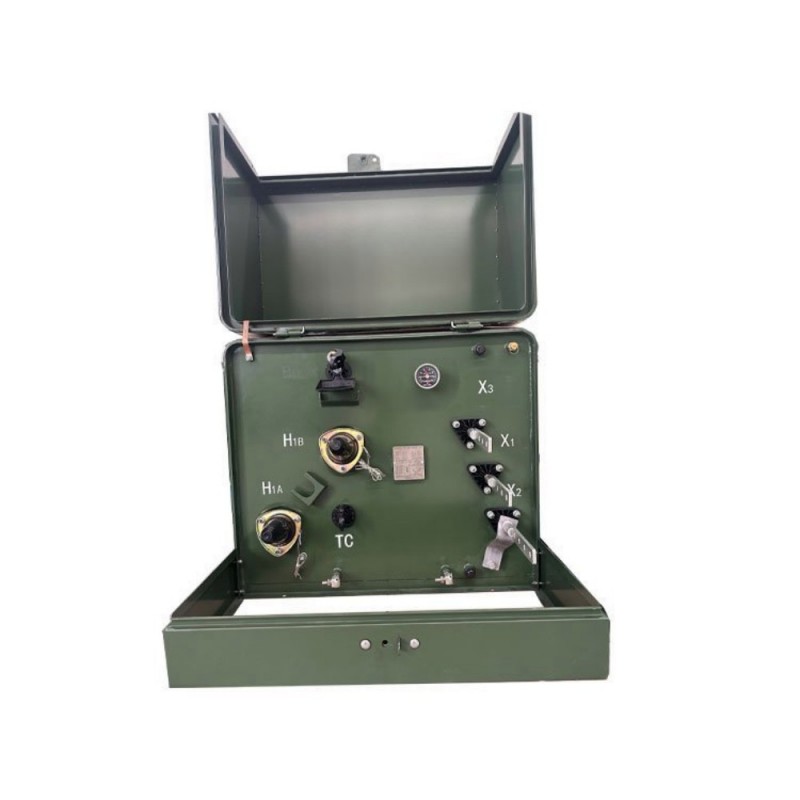
/C Certification 6KV 10KV 13KV 20KV 34.5KV 50/60HZ Oil Type Single Phase 75KVA Pad Mounted Transformers
A single-phase pad-mounted companion for mixed procurement packages, residential subdivisions and light-commercial underground service where three phase equipment is combined with single-phase feeders.
- Class: 75 kVA · 50/60 Hz
- Primary: 6–34.5 kV range
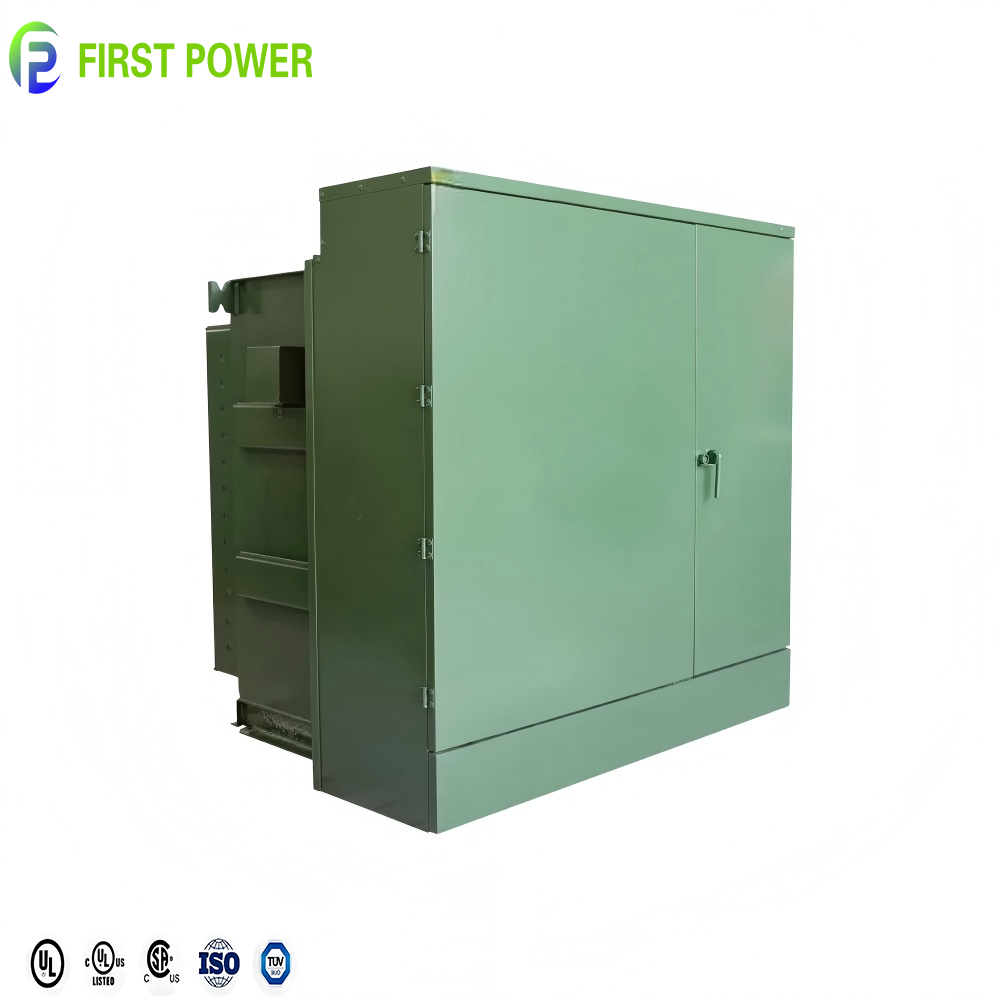
C CE 50/60HZ 10KV 20KV 35KV 300KVA 500KVA 630KVA 750KVA Three Phase Pad Mounted Transformer for Electric Power Distribution
A three-phase pad-mounted distribution platform for commercial campuses, municipal networks and utility underground loops where tamper-resistant enclosures and cable access matter.
- Range: 300–750 kVA
- Compliance: CE · 10–35 kV
American Standard /C Certification 75-2500KVA Oil Type Three Phase 13.8KV Pad Mount Transformers for Power Generation
An American-standard pad-mounted design for generation and distribution projects that need 13.8 kV class equipment, high capacity and oil-filled thermal performance.
- Range: 75–2,500 kVA
- Voltage: 13.8 kV class
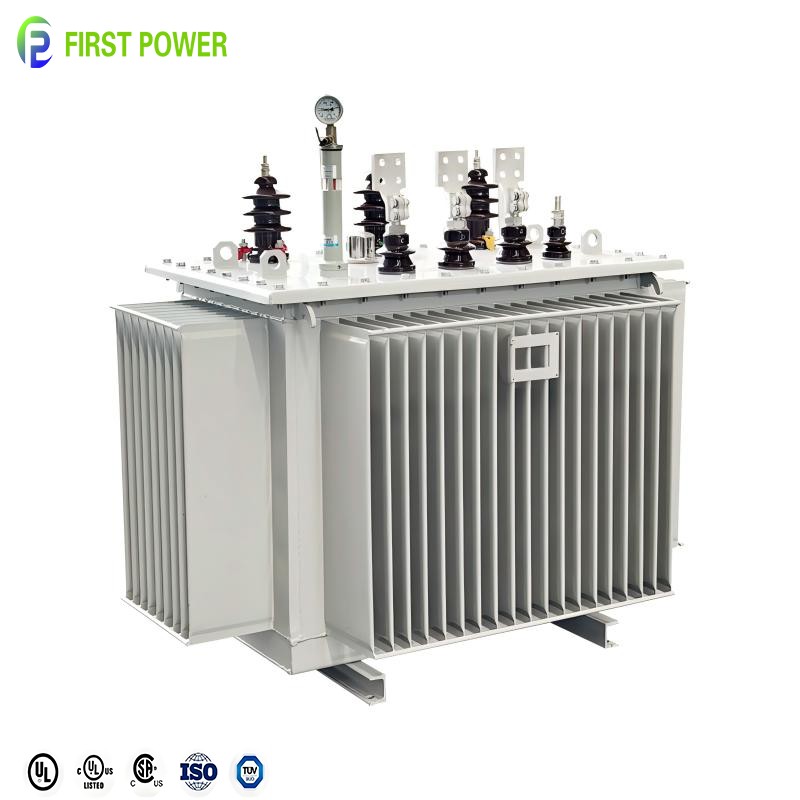
C CE 50/60HZ 100KVA 300KVA 500KVA 630KVA 1000KVA 10KV 20KV 35KV 3 Phase Oil Immersed Power Transformer for Power Supplies
A robust oil-immersed three-phase power transformer for industrial supplies, utility distribution and project packages where thermal margin and low losses are key.
- Range: 100–1,000 kVA
- Primary: 10–35 kV
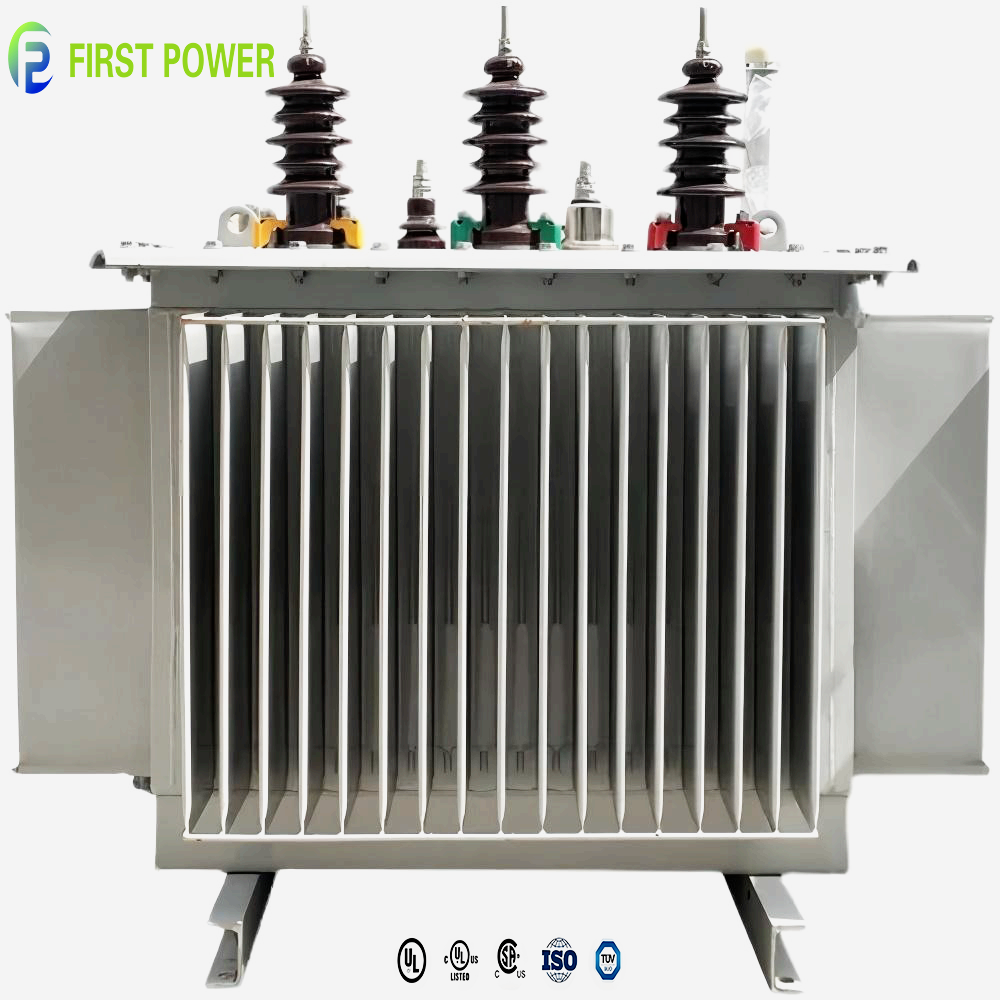
/C Certification 60HZ S11 Three Phase 10KV 35KV 500 KVA 22KV/0.4KV 50HZ Electric Oil Immersed Transformer for Power Supplies
An S11 three-phase oil-immersed configuration for buyers who need proven no-load loss control, stable temperature rise and flexible 50/60 Hz market adaptation.
- Class: 500 kVA reference
- Ratio: 22 kV / 0.4 kV
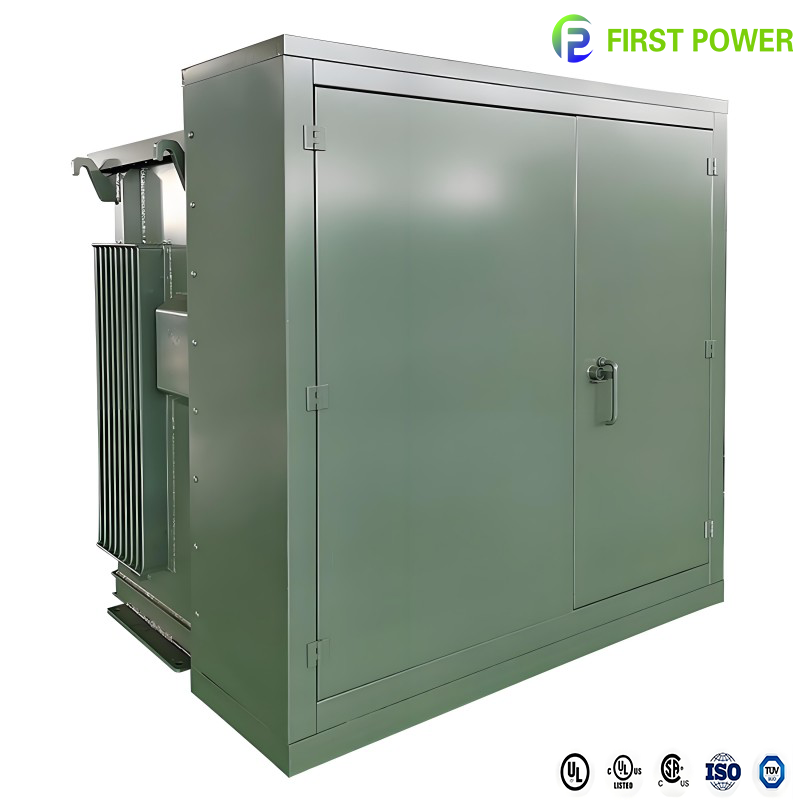
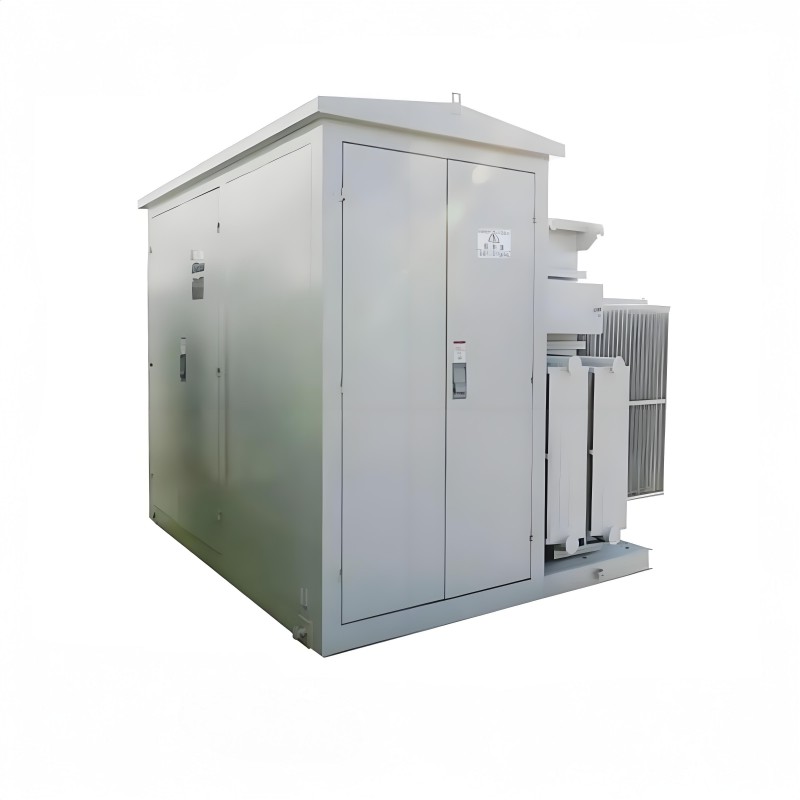
C CE MV&HV ZGS11 75-2500KVA 10KV 20KV 35KV Pad Mounted Three Phase Transformer for Electric Power Distribution
A ZGS11 pad-mounted three-phase transformer for MV/HV distribution networks that require compact footprints, cable compartment access and high capacity in a secure enclosure.
- Range: 75–2,500 kVA
- Voltage: 10–35 kV
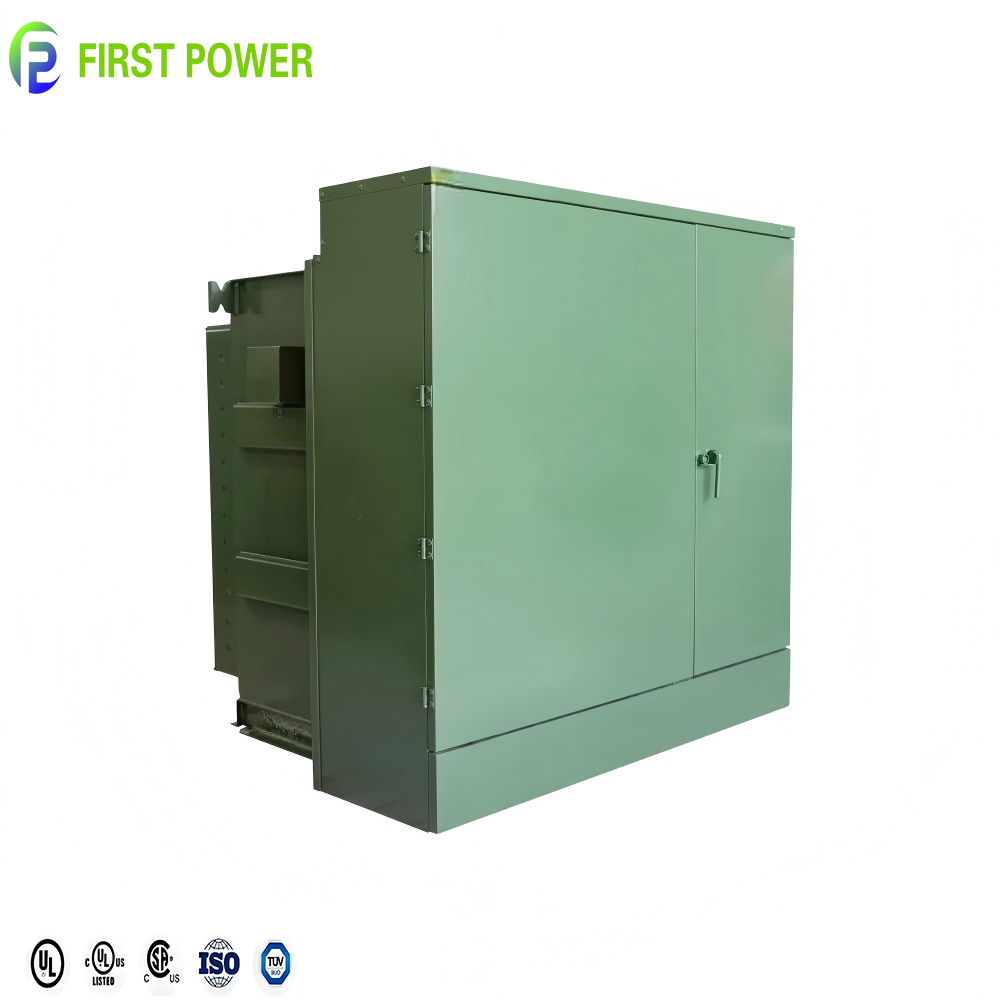
C CE MV&HV 50/60HZ 750KVA 1250KVA 1500KVA 2000KVA 2500KVA 3 Phase Pad Mounted Transformer for Industrial Power Supply
A high-capacity three-phase pad-mounted transformer for factories, mining, data centers and industrial parks where load growth and service continuity are critical.
- Range: 750–2,500 kVA
- Frequency: 50/60 Hz
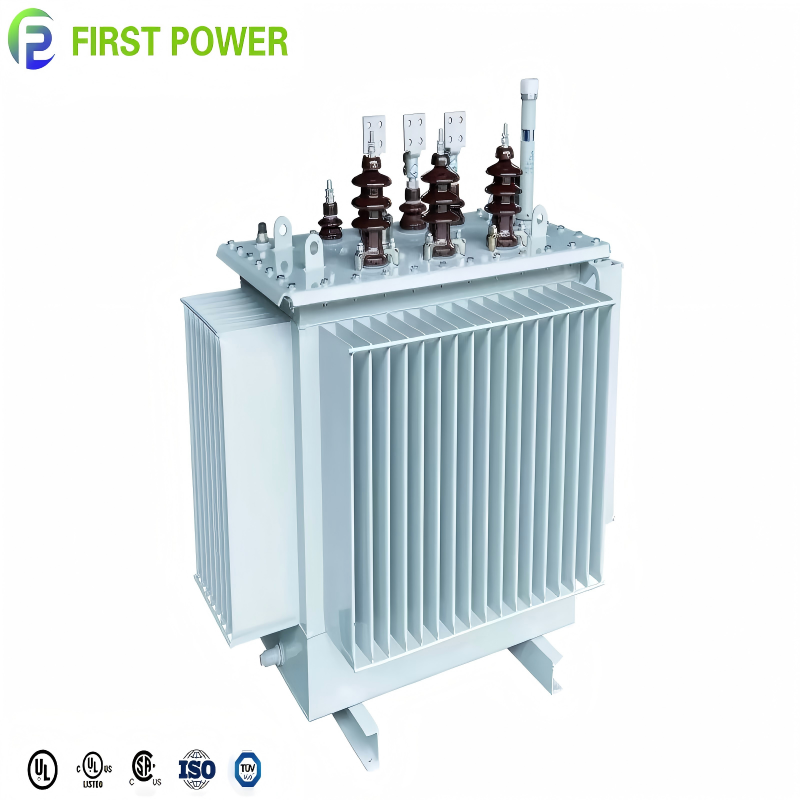
C CE S11 50/60HZ 6KV 10KV 15KV 20KV 35KV 100KVA 300KVA 3 Phase Oil Immersed Transformer 50KVA 33KV for Distribution System
An S11 oil-immersed distribution transformer for 6–35 kV networks, suitable for utility distribution, rural electrification and industrial feeder projects.
- Range: 50–300 kVA
- Voltage: 6–35 kV
What Wholesale Buyers Actually Need From a China Transformer Exporter
Buyers searching for a China wholesale three phase power transformer exporter are usually not looking for a catalogue description alone. They are comparing technical fit, evidence, delivery risk and the cost of ownership over 20 to 30 years.
The strongest supplier is not automatically the lowest first quotation. It is the supplier that can prove guaranteed losses, match the destination grid code, document routine tests by serial number, and keep lead time and after-sales response predictable after the purchase order is placed.
Procurement Is Moving From Unit Price to Total Cost of Ownership
For many years, wholesale transformer procurement was dominated by kVA price. That model is no longer sufficient for utilities, EPC contractors, data-center developers or renewable-energy investors. A transformer with a lower purchase price but higher no-load loss can become more expensive within a few years of energization. In markets with strict efficiency rules, the wrong loss profile can even prevent commissioning or reduce project financing attractiveness.
As a result, serious buyers now ask for loss guarantees, impedance values, temperature-rise assumptions, tap ranges, vector groups, test standards and third-party witness inspection before they compare commercial terms. The purchasing question has shifted from “What is the price per kVA?” to “What is the installed cost per reliable kVA over the asset lifecycle?” This is especially true for three phase pad-mounted transformers serving commercial underground networks, industrial power supply and renewable interconnection.
Another visible change is documentation-led qualification. Buyers want to see ISO management system certificates, CE certificates where applicable, routine test records, GA drawings, nameplate drafts, oil test results and packing specifications. A supplier that can provide these documents quickly reduces the hidden cost of clarification, rework and late-stage inspection failure.
Example Wholesale Evaluation Weighting
A practical scorecard for comparing three phase power transformer suppliers. Adjust the percentages for your project, but keep evidence in the scoring model.
A useful comparison formula is: bid price + capitalized no-load loss + capitalized load loss + freight/duty + inspection cost + estimated outage risk. The exact assumptions should be agreed before evaluation.
Lifecycle Cost Is Now a Tender Metric
Utility and EPC buyers increasingly score offers with loss capitalization. Guaranteed no-load and load loss values must be clear, testable and consistent with the quoted design.
Evidence Outranks Broad Claims
Certificate numbers, routine test reports, material traceability and third-party inspection are becoming part of supplier qualification rather than a post-award formality.
Grid-Code Localization Is Mandatory
50/60 Hz, vector group, neutral arrangement, impulse level, altitude, ambient temperature and enclosure practice must be confirmed for the destination market.
Lead-Time Resilience Still Wins
Buyers are qualifying suppliers with stable core, copper, bushing and tank supply chains, then planning staged delivery rather than accepting avoidable schedule risk.
How Three Phase Power Transformers Are Evolving
The next procurement cycle will reward transformers that combine lower losses, tighter documentation, better environmental performance and easier integration with modern distribution networks.
Low-Loss Cores and Optimized Windings
CRGO and amorphous-core options, improved core stacking and winding geometry are being used to meet tighter no-load loss targets without sacrificing short-circuit strength.
Sealed Tanks and Ester-Fluid Options
Environmental and fire-safety requirements are driving interest in sealed oil-immersed designs, natural ester fluids and dry-type alternatives for sensitive indoor locations.
Digital-Ready Monitoring
Temperature sensors, oil-level monitoring, partial-discharge measurement and communication-ready terminals are becoming easier to specify for critical facilities.
Prefabricated and Pad-Mounted Systems
Compact substations and pad-mounted transformers reduce civil works, site labor and commissioning time, which matters for data centers, renewables and urban distribution.
These trends do not mean every project should buy the most complex transformer. The right answer depends on load profile, fault level, altitude, ambient temperature, fire strategy, installation location and the buyer’s maintenance capability. A wholesale supplier should help narrow the design instead of simply quoting every optional feature. In practice, the best quotation is the one that makes the technical basis clear enough for the buyer’s engineer to approve without repeated clarification.
Which Three Phase Transformer Fits Your Project?
Use this matrix as an early-stage filter. Final selection still requires voltage, loss, impedance, site and protection studies.
| Recommended Family | Typical Project | Configuration Focus | Procurement Risk to Manage |
|---|---|---|---|
| Three Phase Pad-Mounted | Commercial campuses, underground utility loops, data centers | 10–35 kV class, 75–2,500 kVA, tamper-resistant enclosure, cable compartments | Site layout, cable termination space, enclosure finish and access clearance |
| Oil-Immersed Distribution Transformer | Utility feeders, industrial plants, rural electrification | 6–35 kV, 30–2,500 kVA, low no-load loss, Dyn11 or Yyn0 vector group | Loss capitalization, oil containment, thermal design and routine test proof |
| MV/HV Pad-Mounted Transformer | Industrial power supply, renewable collection, district networks | 750–2,500 kVA, 50/60 Hz, high ambient, loop or radial feed | Fault level, protection coordination, shipping dimensions and foundation design |
| Power Transformer | Generation step-up, grid interconnection, utility substations | 35–500 kV class, ONAN/ONAF, OLTC or NLTC, low loss | Impedance study, transport permits, factory test witness and site commissioning plan |
| Compact Substation | Renewables, temporary power, urban distribution | MV switchgear, transformer and LV distribution in one enclosure | Interface responsibility, enclosure rating and protection scheme approval |
| Dry-Type Transformer | Hospitals, tunnels, high-rise buildings, fire-sensitive areas | Cast resin, 30–2,500 kVA, up to 35 kV, indoor installation | Ambient ventilation, fire strategy, noise level and enclosure coordination |
Typical values are for procurement planning only. Ratings outside these ranges can be engineered on request; request a design review before issuing a purchase order.
What to Send for a Faster, More Accurate Transformer Offer
Completing these parameters reduces clarification cycles and helps the supplier provide a compliant design, guaranteed losses and a test plan without guesswork.
Why Jiangsu Wisegj Power Co., Ltd. Is a Serious Wholesale Partner
E-E-A-T is not a slogan in transformer procurement. It is the ability to show where the equipment is made, who reviews the design, which certificates are valid and how the shipment will be documented.
Verified Production Base
A 6,847 m² production area with winding, core assembly, drying, tanking and testing functions, inspected onsite by TÜV Rheinland as an independent third party.
Certified Management Systems
ISO 9001 quality, ISO 14001 environmental and ISO 45001 health and safety systems are supported by CE certificates for key product lines, with certificate numbers available for verification.
Engineering Depth
A team with more than 20 years of transformer experience and over 50 R&D and technical engineers supports specification review, drawings and application matching.
Customization Without Loose Ends
OEM, ODM, design-based and sample-based customization can cover ratings, vector group, impedance, taps, bushings, cooling, insulating fluid, enclosure color and nameplate language.
Supply Chain and Export Discipline
211 qualified supply-chain partners help secure core, copper, bushings and accessories. Export support covers Incoterms from EXW to DDP, multiple currencies and seaworthy packing.
Documentation and Response
GA drawings, nameplate drafts, routine test reports and O&M manuals are supplied in English. Technical questions and after-sales issues receive a qualified response target within 24 hours.
For wholesale buyers, these advantages matter most when they shorten the distance between an RFQ and a purchase order that can be defended internally. A utility engineer needs to see the standard and test plan. A procurement manager needs clear Incoterms and payment terms. A project manager needs packing dimensions and shipping milestones. A factory that can answer all three perspectives from one technical team reduces friction across the whole buying process.
The company supplies pad-mounted, oil-immersed, dry-type and power transformers, compact substations and switchgear, with a product scope from 220 V to 500 kV. For this three phase power transformer category, the most relevant advantages are design flexibility, serial-level testing, export packing experience and the ability to review a specification before the quotation is finalized.
Wholesale Three Phase Power Transformer FAQ
Direct answers to the questions procurement teams, consulting engineers and project buyers ask most often.
Which standards should a three phase power transformer be designed to?
How do I choose between pad-mounted, oil-immersed and dry-type transformers?
Can the transformer be customized for my project?
Which factory tests are normally performed before shipment?
How should I compare transformer losses between suppliers?
Can you supply 50 Hz, 60 Hz and dual-market configurations?
What documentation is supplied with a wholesale order?
What affects lead time for a three phase power transformer?
What trade terms and payment methods can be discussed?
How do I start a technical review with Jiangsu Wisegj Power?
Send a Specification, Not a Guess
Share your transformer rating, voltages, frequency, standard, site conditions and target schedule. The quotation can then be built around a reviewable technical basis, clear loss values, test documentation and export terms.
[email protected]