8 Liquid-Filled Transformer Configurations for Utility, Industrial, and Renewable Projects
Start with the application, not the price per kVA. These eight configurations cover industrial pad-mounted pedestals, MV/HV distribution, S11 oil-immersed distribution, 60 Hz export power supplies, loop-feed industrial systems, American-standard 34.5 kV/480 V projects, solar PV step-up duty, and power-generation pad-mounted layouts. Every product URL is preserved exactly as supplied, and each design can be engineered with project-specific impedance, tap range, cooling, fluid, enclosure, and nameplate requirements.
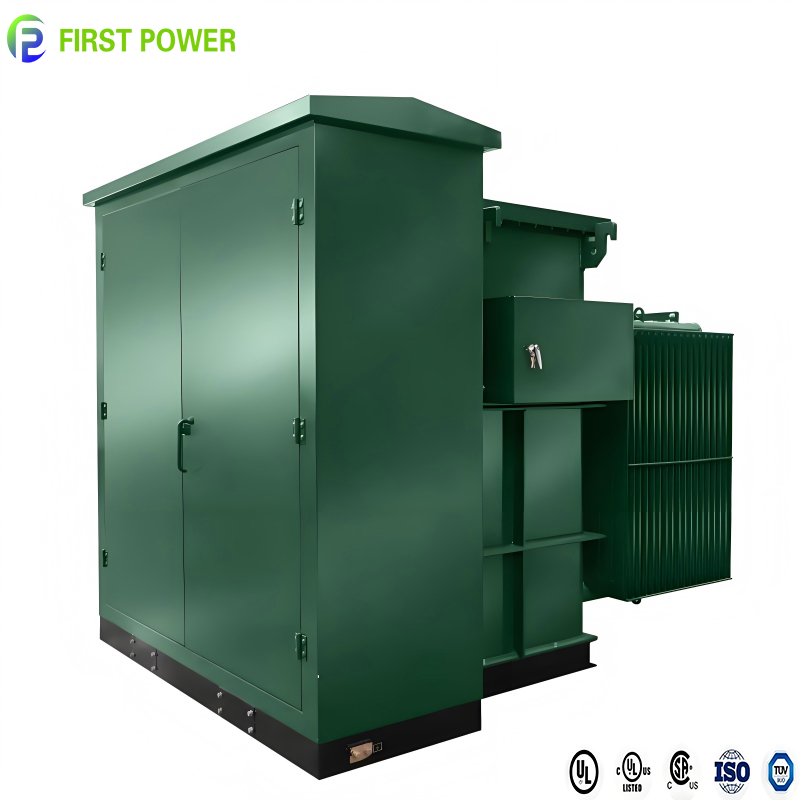
C CE 50/60HZ 6KV 10KV 15KV 20KV 35KV 100KVA 300KVA 500KVA 630KVA 3 Phase Pad Mounted Pedestal Transformer for Industrial
Industrial pad-mounted pedestal configuration for underground distribution, campus networks, and high-reliability commercial sites. Dead-front access and loop or radial feed options support long service life with a limited footprint.
View Product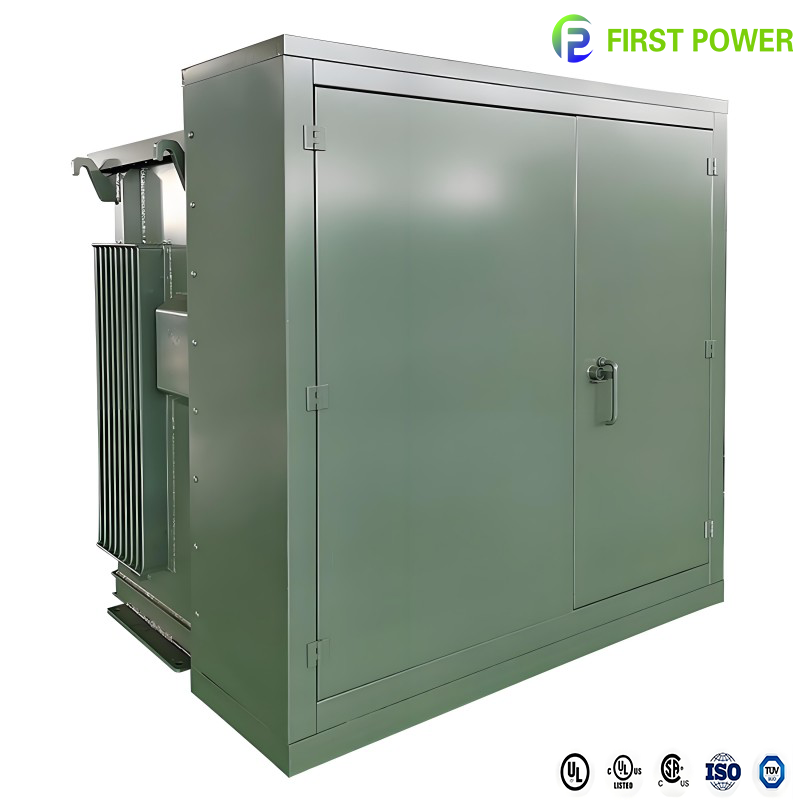
C CE MV&HV ZGS11 75-2500KVA 10KV 20KV 35KV Pad Mounted Three Phase Transformer for Electric Power Distribution
ZGS11 three-phase pad-mounted distribution platform from 75 to 2,500 kVA. Compact enclosure, accessible terminations, and a utility-friendly layout suit public distribution, industrial parks, and renewable interconnections.
View Product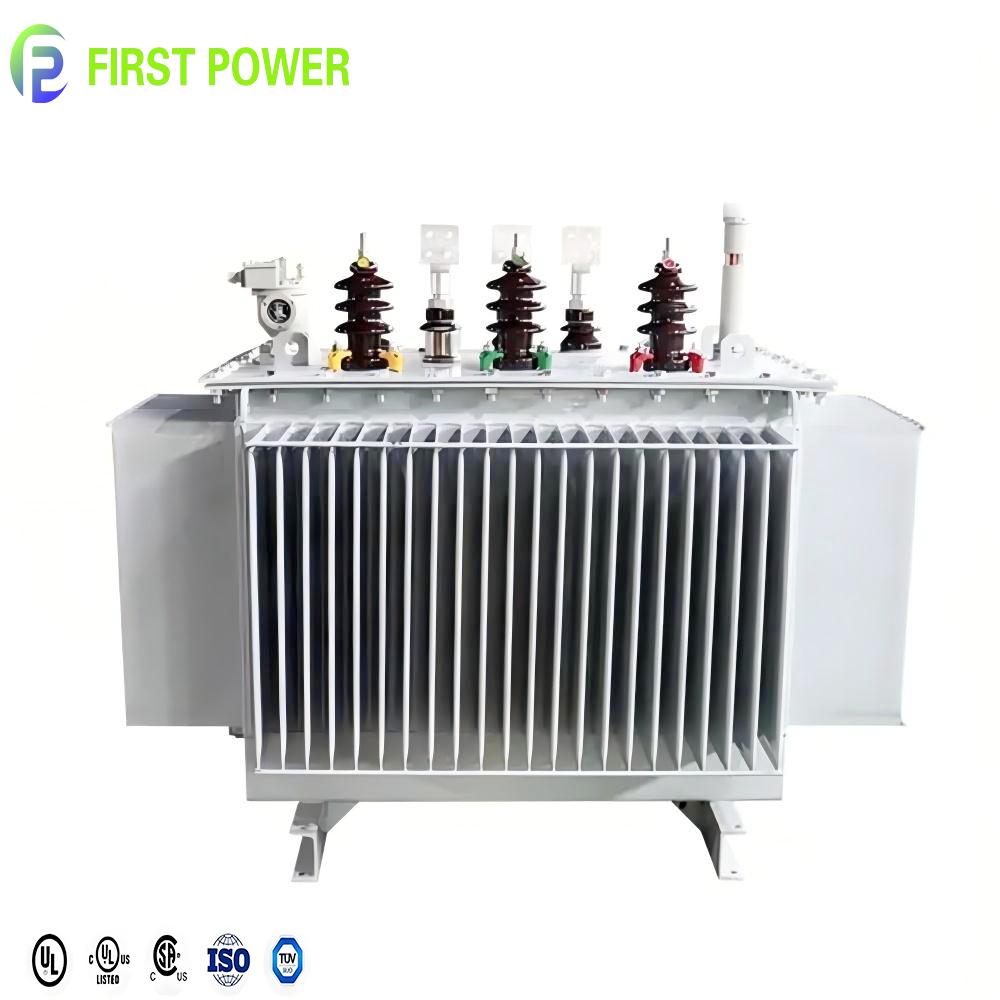
C CE S11 10KV 20KV 35KV 50KVA 100KVA 150KVA 200KVA 250KVA 3 Phase Oil-Immersed Transformer for Electric Power Distribution
S11 oil-immersed distribution transformer for 50–250 kVA applications. Low-loss core and sealed tank construction make it suitable for utility feeders, rural electrification, and commercial distribution where efficiency and maintenance access matter.
View Product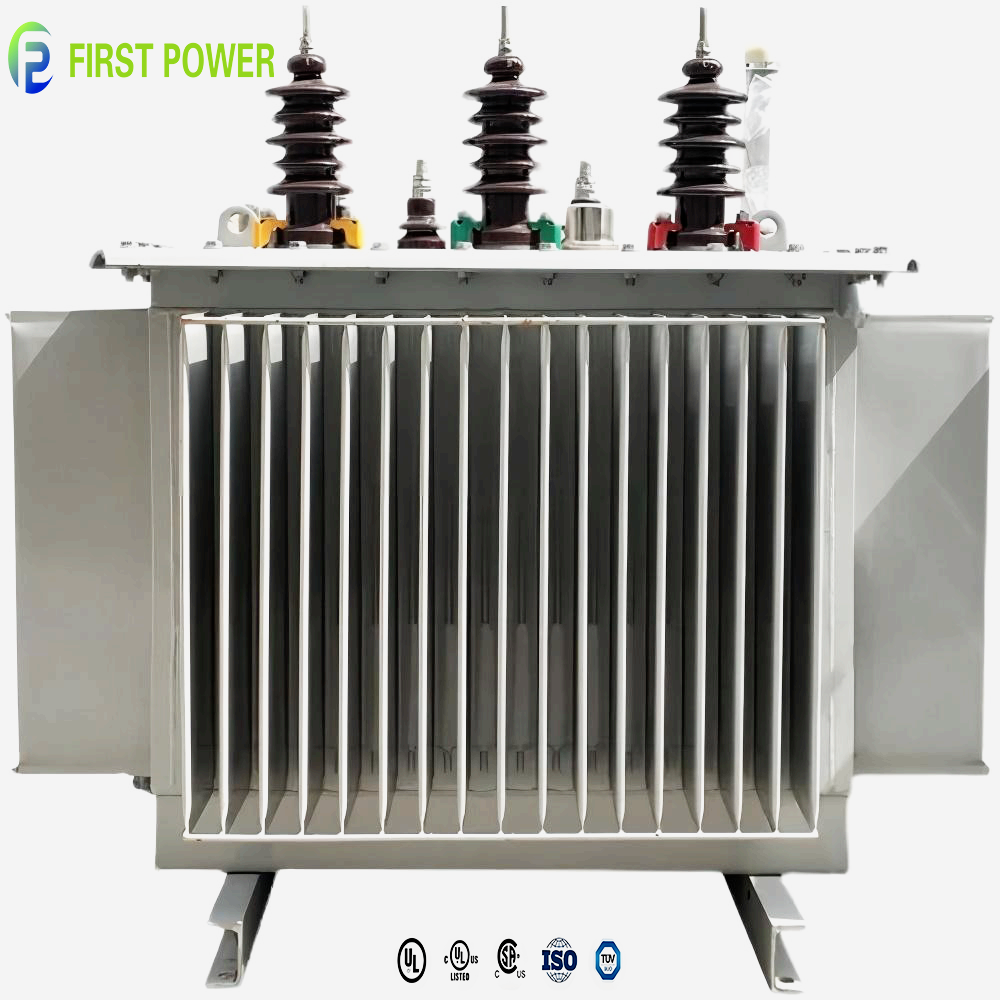
C Certification 60HZ S11 Three Phase 10KV 35KV 500 KVA 22KV/0.4KV 50HZ Electric Oil Immersed Transformer for Power Supplies
60 Hz S11 three-phase transformer built for export power supplies, including 22 kV/0.4 kV configurations. The design can be adapted for local vector group, impedance, and protection requirements.
View Product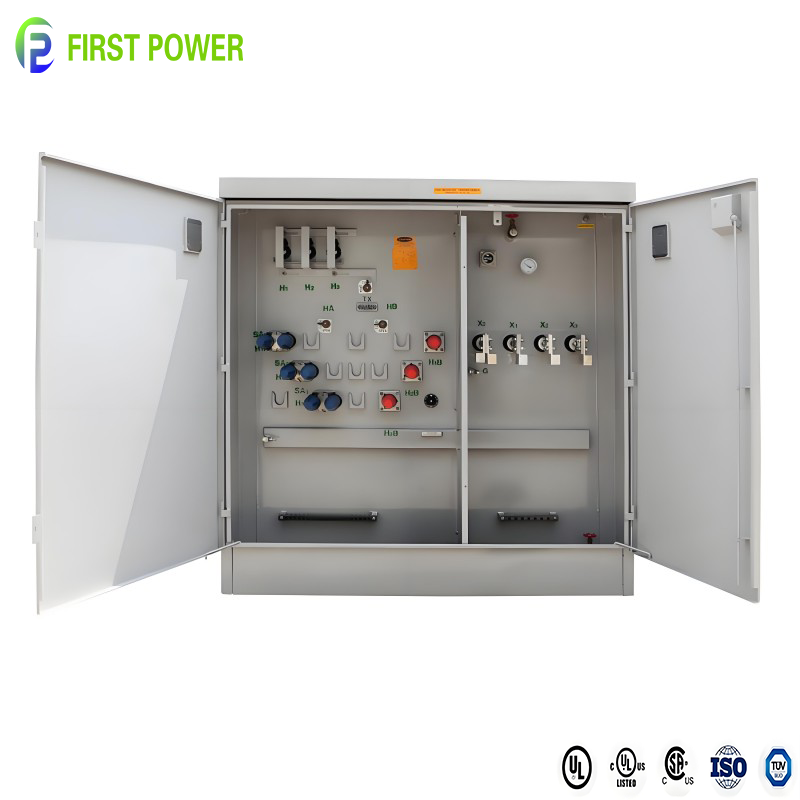
C CE MV&HV 50/60HZ 300KVA 500KVA 630KVA 700KVA 10KV 15KV 20KV 35KV 3 Phase Loop Feed Pad Mounted Transformer for Industrial
Loop-feed pad-mounted transformer for industrial facilities that need sectionalized distribution and faster restoration. Available from 300 to 700 kVA across 10–35 kV primary classes.
View Product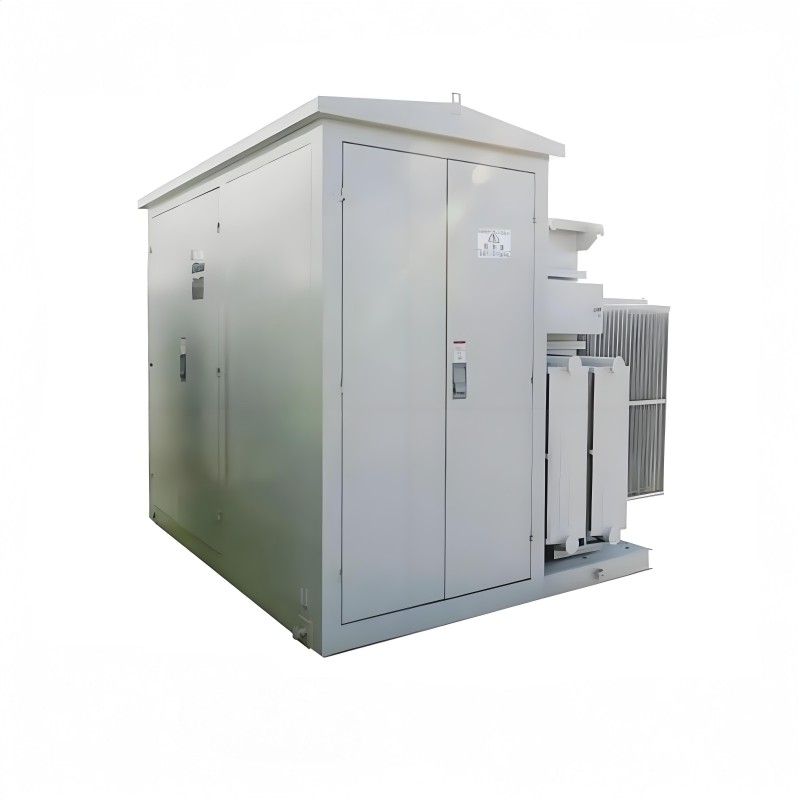
American Standard /C Certified 3000kva 34.5kv/480v Oil Type Pad Mounted Transformer 60 Hz 10kv Input 380v 440v Output
American-standard oil-type pad-mounted transformer for 34.5 kV/480 V systems, with 60 Hz operation and flexible input/output arrangements for commercial and industrial loads.
View Product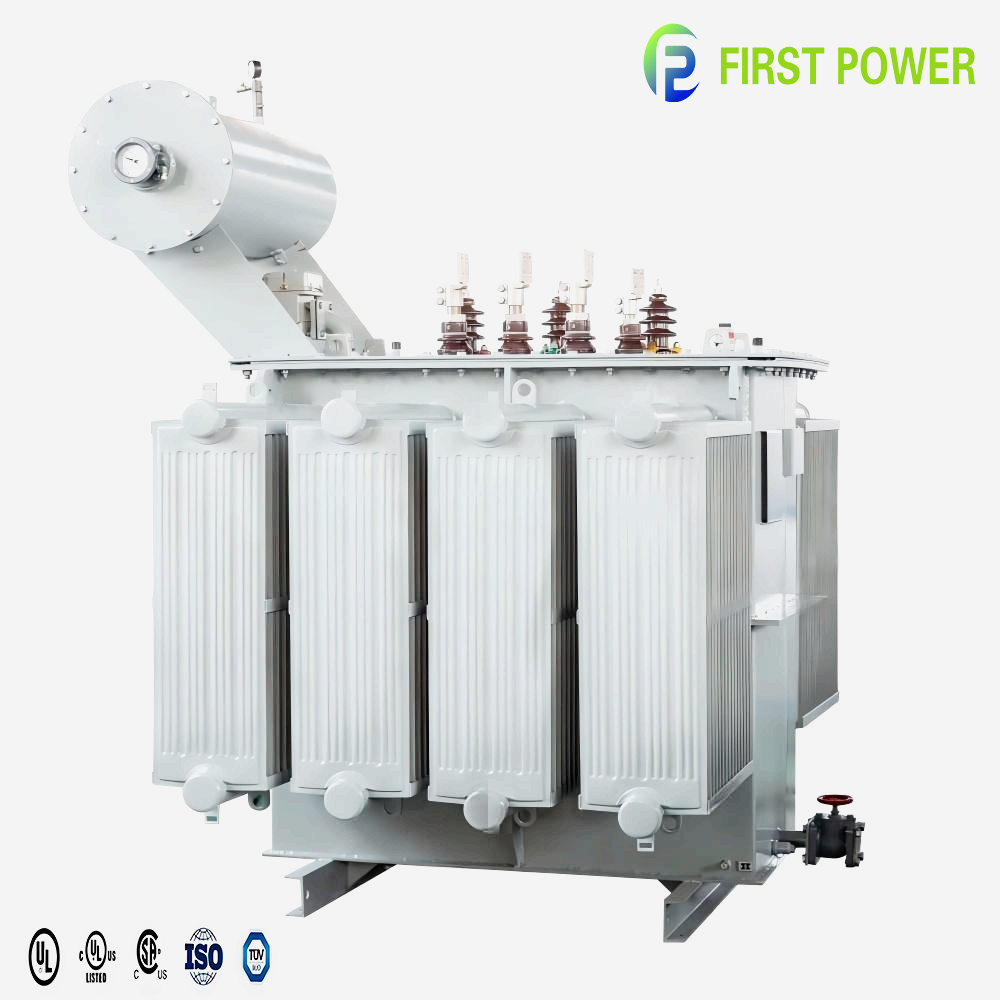
/C Certification 50/60HZ 6KV 10KV 20KV 35KV Three Phase 1000KVA 1MW Solar PV Transformers Oil Immersed for Power Generation
Solar PV transformer platform designed for 1 MW-class renewable generation. Oil-immersed construction and project-specific step-up ratios help manage inverter output, harmonic duty, and site ambient conditions.
View Product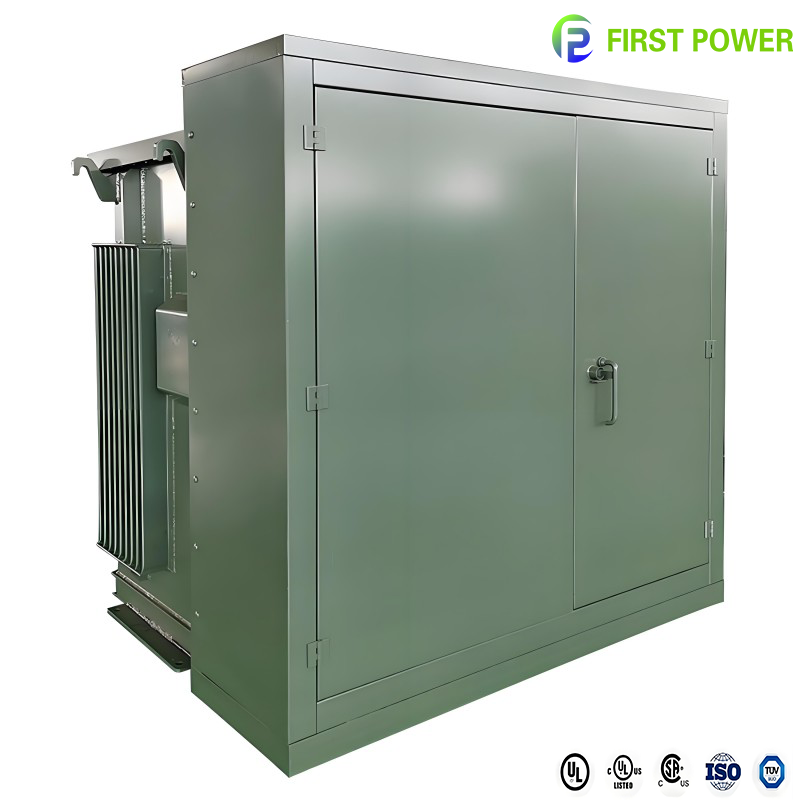
C CE 50/60HZ 10KV 20KV 35KV 75KVA 100KVA 200KVA 300KVA 400KVA 3 Phase Oil Type Pad Mounted Transformer for Power Generation
Oil-type pad-mounted transformer for power generation and compact site layouts. Ratings from 75 to 400 kVA support auxiliary power, distributed generation, and small industrial distribution.
View ProductNot sure which liquid-filled transformer configuration fits your project? Send your single-line diagram, load profile, voltage ratio, and destination standard. An engineer will review the application before a quotation is released.
Verified Capacity, Engineering Depth, and Export Experience
These are the operating metrics we expect serious buyers to verify during supplier qualification. They are supported by certificate numbers, inspection records, and third-party production verification.
Production capability, floorspace, and quality inspection verified onsite by TÜV Rheinland, an independent third-party inspection body.
Why Liquid-Filled Transformers Remain the Backbone of Distribution and Renewable Grids
Liquid-filled transformers are not a commodity when they are destined for a utility network, a solar farm, a data center, or a mine. The engineering details determine lifecycle cost, resilience, and compliance.
In a liquid-filled transformer, the insulating fluid performs two essential jobs: it provides dielectric strength and carries heat from the core and windings to the tank surface. That thermal behaviour is why oil-immersed and pad-mounted units can sustain high loading in hot climates, tolerate short-term overloads, and deliver decades of service when specified and maintained correctly. It is also why the same kVA rating can hide very different designs. Guaranteed losses, impedance, temperature rise, core material, winding arrangement, gasket system, surface treatment, and routine test discipline all influence the real cost of ownership.
Procurement teams that compare only purchase price are effectively ignoring the largest cost driver in the asset’s life: energy loss. A practical loss-capitalisation model is TCO = purchase price + installation + (A × no-load loss) + (B × load loss) + maintenance + outage risk. When a network has high energy costs or high utilisation, a design with stronger loss guarantees can recover a higher initial price within a few years. The information gain that matters is not more catalogue pages; it is a documented loss guarantee, a verified impedance value, and a repeatable test trail by serial number.
China’s liquid-filled transformer supply chain is competitive because it combines deep material access, mature winding and tank fabrication, and a large pool of electrical engineers. That advantage only becomes reliable for an overseas buyer when the factory can demonstrate process control, export documentation, and transparent testing. Jiangsu Wisegj Power Co., Ltd. works from this principle: review the specification, confirm the drawing, control production, test the unit, and ship with a complete document package. For buyers sourcing from China, that sequence is more valuable than a generic “top factory” claim.
2026–2030 Procurement Trends: What Global Buyers Will Demand Next
Liquid-filled transformer purchasing is shifting from lowest first cost to evaluated lifecycle value. These six trends are already visible in utility tenders, EPC specifications, and renewable project contracts.
Total Cost of Ownership and Loss Capitalisation
Buyers are moving from lowest purchase price to evaluated cost. A supplier should quote no-load and load losses against the project’s loss factors so that a higher-efficiency design can be compared fairly with a lower-cost alternative.
Supply Resilience and Dual Sourcing
Lead-time volatility and geopolitical risk have made dual sourcing normal. Buyers will ask for transparent production capacity, material traceability, and contingency plans for CRGO steel, bushings, tap changers, and insulating fluid.
Renewable and Data-Center Interconnection
Solar, wind, storage, and data centers add harmonic-rich, cyclic, and high-availability loads. Transformers must be specified with appropriate impedance, thermal margin, and monitoring provisions rather than simply copied from a generic distribution template.
Digital Quality Records
A PDF test report is no longer enough. Serial-number traceability, material certificates, routine test data, photo documentation, and packing records are becoming part of the purchase order and the final documentation handover.
Sustainability and Fluid Choice
Natural ester fluids, recyclable materials, and lower-loss designs are moving from pilot projects to tender requirements. Buyers should verify fire point, biodegradability, cooling performance, and compatibility with gaskets and paint systems.
Contractual Lifecycle Support
Spare parts, installation support, commissioning checks, and response-time commitments are increasingly negotiated at the same time as the transformer order. Buyers want a partner who remains reachable after shipment.
Product Development Trends: The Next Generation of Liquid-Filled Transformers
The next competitive frontier is not simply a wider kVA range. It is a combination of lower losses, better thermal behaviour, stronger documentation, and a design that fits modern grid conditions.
Low-Loss Cores and Material Optimisation
CRGO optimisation and amorphous alloy options are becoming more relevant as buyers capitalise losses. The aim is to reduce no-load and load losses together, not trade one for the other without a lifecycle calculation.
Compact and Modular Substations
Prefabricated substations integrate the transformer, MV switchgear, and LV distribution into one enclosure. They reduce civil work, site labour, and commissioning time for renewable, urban, and fast-track projects.
Thermal Management for High-Ambient Sites
Improved radiator layouts, tank cooling, and temperature-rise validation are increasingly important for desert, tropical, and high-altitude installations where conventional assumptions no longer hold.
Monitoring and Sensor Integration
Oil temperature, winding temperature, dissolved gas analysis, and bushing condition monitoring are becoming more common. The value depends on integration with utility SCADA or asset-management systems.
Eco-Friendly Insulating Fluids
Natural ester and synthetic ester fluids support fire-sensitive and environmentally sensitive sites. The specification must consider viscosity, cooling performance, oxidation stability, and gasket compatibility.
Standards Harmonisation and Export Documentation
Export projects require documentation aligned to IEC, IEEE, and local grid codes. GA drawings, nameplate drafts, test reports, packing lists, and O&M manuals must be clear enough for approval without repeated clarification.
Inside Jiangsu Wisegj Power: A Factory Built for Auditable Export Supply
Choose a liquid-filled transformer supplier by the evidence it can provide, not by the slogan it repeats. Our advantages are designed around specification review, production control, testing, and export documentation.
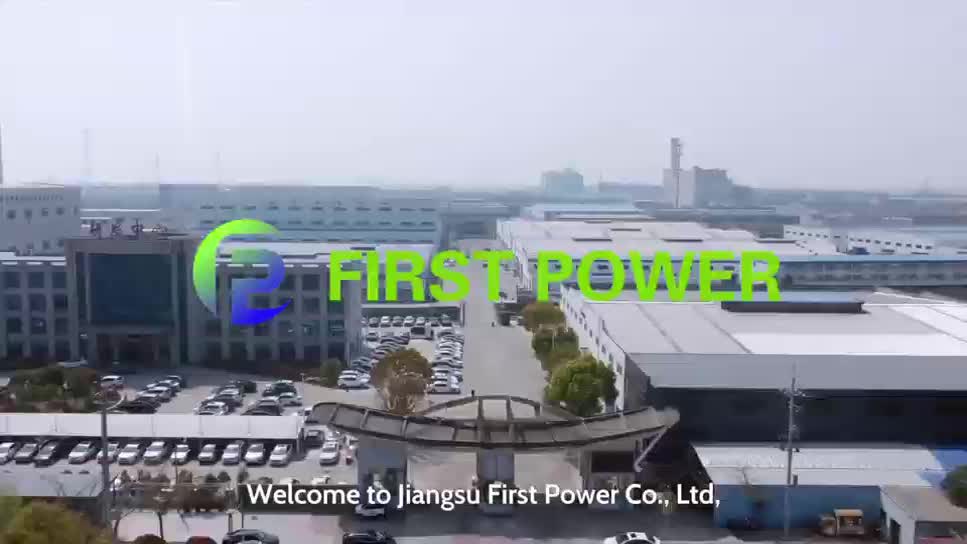
Jiangsu Wisegj Power Co., Ltd. is a Suzhou-based manufacturer and exporter of liquid-filled transformers, dry-type transformers, power transformers, compact substations, and high- and low-voltage switchgear. Our team brings more than 20 years of hands-on transformer experience to specification review, design customisation, production control, and export documentation.
Production capability, floorspace, and quality inspection have been verified onsite by TÜV Rheinland, an independent third-party inspection body. Management systems are certified to ISO 9001, ISO 14001, and ISO 45001, and product lines hold CE certificates for oil-immersed transformers, dry-type transformers, compact substations, and switchgear.
We serve utilities, EPCs, renewable developers, data centers, industrial plants, and commercial projects. Export markets include North America, South America, Western Europe, the Middle East, Southeast Asia, and Africa. For liquid-filled transformer buyers, the practical advantage is the ability to review a datasheet, confirm a drawing, witness a test, and receive a complete document package without relying on trading-company interpretation.

Independent onsite verification of production capability, floorspace, and quality inspection.
Verified Production Base
6,847 m² of inspected floorspace covering winding, core assembly, drying, tanking, and testing.
In-House Testing
Routine tests include winding resistance, ratio, vector group, impedance, load and no-load loss, applied and induced voltage, and oil dielectric strength.
Custom Engineering
OEM, ODM, and design-based customisation for ratings, vector group, impedance, taps, bushings, cooling, fluid, enclosure, and nameplate language.
Certified Systems
ISO 9001, ISO 14001, and ISO 45001 management systems, CE certificates for key product lines, and TÜV Rheinland verified production capability.
Export Logistics
Seaworthy packing, shock indicators, Incoterms from EXW to DDP, and documentation for customs, installation, and compliance review.
Qualified Supply Chain
211 qualified partners for silicon steel, copper, bushings, tap changers, and accessories help protect lead times and material consistency.
Documentation Package
GA drawings, nameplate drafts, routine test reports, packing lists, and O&M manuals supplied in English.
24-Hour Engineer Response
Technical questions, drawing reviews, and after-sales issues receive a qualified response within one working day.
Need a factory audit package, certificate list, or engineering review before shortlisting a supplier? Share your project requirements and let our team respond with a traceable technical path.
From RFQ to Shipment: A Verifiable Quality Path
A liquid-filled transformer should be traceable from specification review to final packing. This is the sequence our engineering and export teams use to reduce approval risk and shipment disputes.
Specification Review
Engineers check rating, voltage ratio, frequency, vector group, impedance, cooling, altitude, ambient, and destination standard.
Drawing Approval
GA drawing, nameplate draft, guaranteed losses, and accessory configuration are confirmed before production.
Controlled Production
Core stacking, winding, drying, oil filling, tanking, and finishing follow documented work instructions and inspection checkpoints.
Testing and Packing
Routine tests are recorded by serial number, and export packing is completed with shipping marks and protection measures.
| Routine Test | What It Verifies | Documentation |
|---|---|---|
| Winding resistance | Detects loose connections, contact resistance, and winding imbalance. | Recorded for each phase and tap. |
| Voltage ratio and vector group | Confirms turns ratio and phasor relationship for parallel operation. | Serial-numbered test report. |
| No-load loss and current | Verifies core design, magnetic circuit quality, and efficiency. | Comparison with guaranteed loss values. |
| Load loss and impedance | Confirms winding design, loss performance, and impedance basis. | Recorded against contract guarantees. |
| Applied and induced voltage | Checks dielectric integrity of insulation under specified voltage stress. | Routine dielectric test record. |
| Oil dielectric strength | Verifies insulating fluid quality before filling or shipment. | Oil test certificate. |
What to Send for a Fast, Compliant Quotation
Sharing these technical details reduces clarification rounds and allows the factory to return a compliant design direction with guaranteed losses and a realistic delivery plan.
Send your datasheet, tender document, or single-line diagram. A transformer engineer will review the specification and respond within one working day.
Liquid-Filled Transformer Procurement FAQ
Straight answers from the engineering, quality, and export teams for buyers comparing Chinese liquid-filled transformer factories.
What is a liquid-filled transformer, and when should I choose one over a dry-type unit?
Which standards and certificates should I request?
Can you customise for 50/60 Hz, local grid codes, and high-ambient sites?
What tests are performed before shipment?
What are typical lead times, trade terms, and payment options?
How do you support installation and after-sales service?
Have a Liquid-Filled Transformer Specification Ready for Review?
Send your datasheet, single-line diagram, or tender document. A transformer engineer will review the rating, standards, losses, and site conditions, then return a compliant design direction and quotation path. For the fastest comparison, include kVA, primary and secondary voltage, frequency, vector group, impedance, cooling, fluid, altitude, ambient, and required certification.