China Best Oil Insulated Transformer Supplier & Wholesalers
Compare factory-built oil insulated transformer lines, test evidence, procurement trends and supplier advantages for utility, EPC, industrial and renewable projects.
8 Oil Insulated Transformer Options for Buyer Shortlists
Start with the application, not the lowest quotation. These eight oil insulated transformer families cover pad-mounted distribution, single-phase residential service, industrial power supply, on-load tap changing and MV/HV distribution. Each product link is preserved for direct comparison.
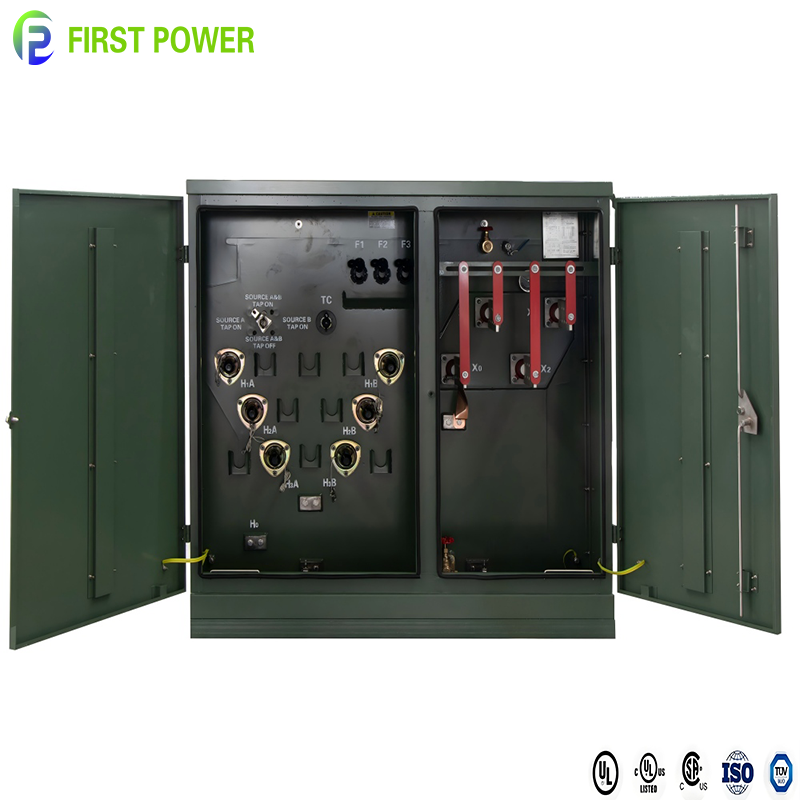
Listed C CE MV & HV 50/60Hz Three Phase Pad Mounted Transformer
For industrial power supply and underground distribution where tamper resistance, compact footprint and loop-feed flexibility matter.
- Voltage: 6–35 kV class
- Frequency: 50 / 60 Hz
- Use: Industrial, utility
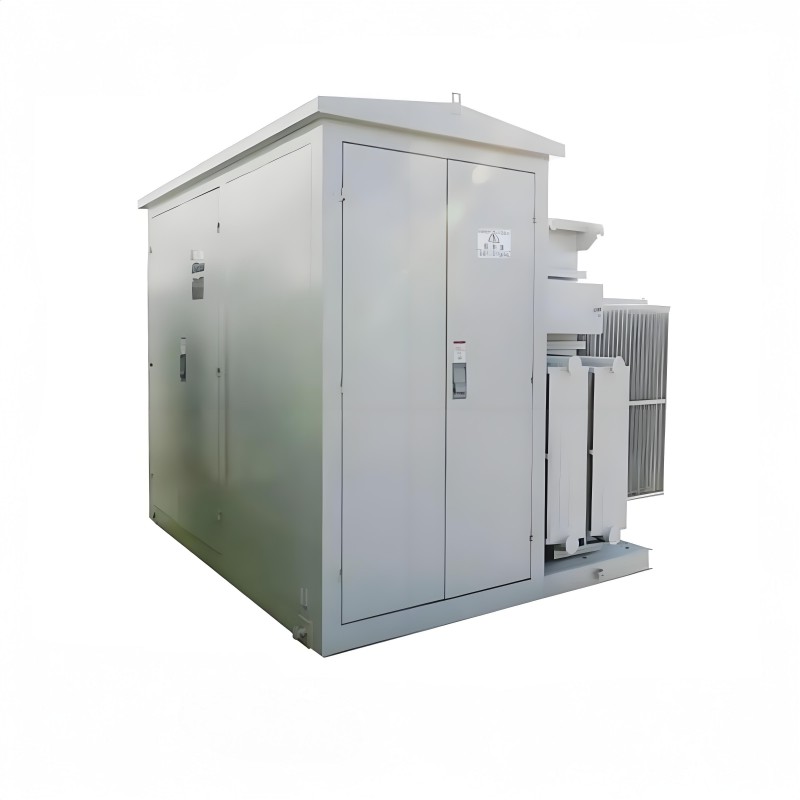
American Standard / C Certification 75–2500 kVA Oil Type Three Phase 13.8 kV Pad Mount Transformer
A strong shortlist option for North American-style distribution, power generation interconnection and commercial pad-mounted projects.
- Rating: 75–2500 kVA
- Primary: 13.8 kV class
- Standard: ANSI / IEEE style
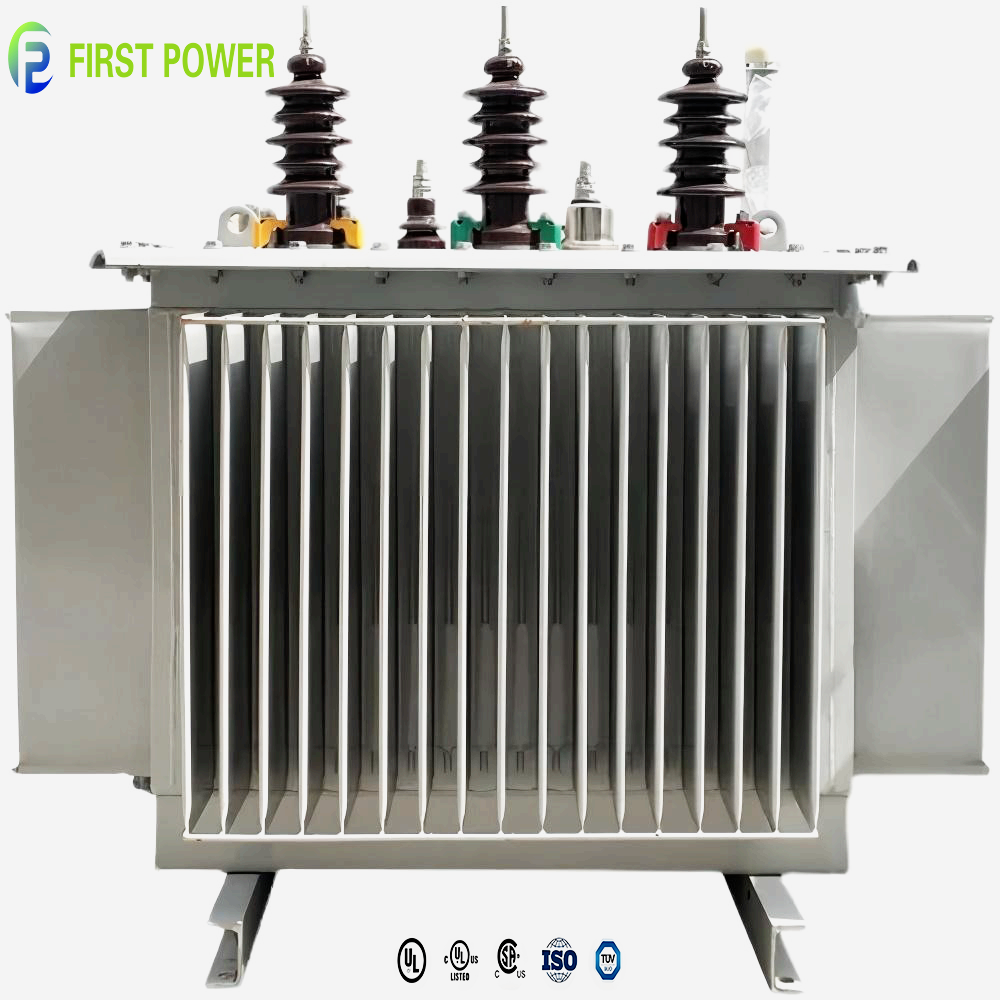
C Certification 60Hz S11 Three Phase 10 kV / 35 kV Oil Immersed Transformer
A distribution workhorse for power supplies, commercial buildings and industrial facilities requiring proven S11 low-loss construction.
- Rating: 500 kVA class
- Voltage: 10–35 kV
- Output: 22 kV / 0.4 kV
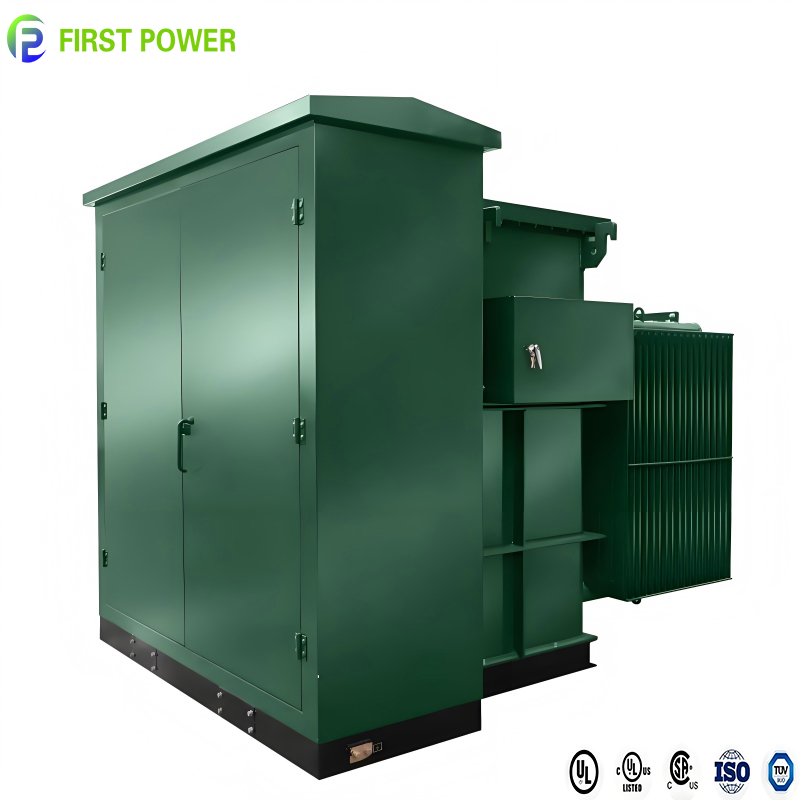
C CE 50/60Hz 3 Phase Pad Mounted Pedestal Transformer for Industrial Use
Built for industrial sites that need 100–630 kVA distribution in a secure, pad-mounted pedestal configuration.
- Rating: 100–630 kVA
- Voltage: 6–35 kV
- Format: Pad-mounted pedestal
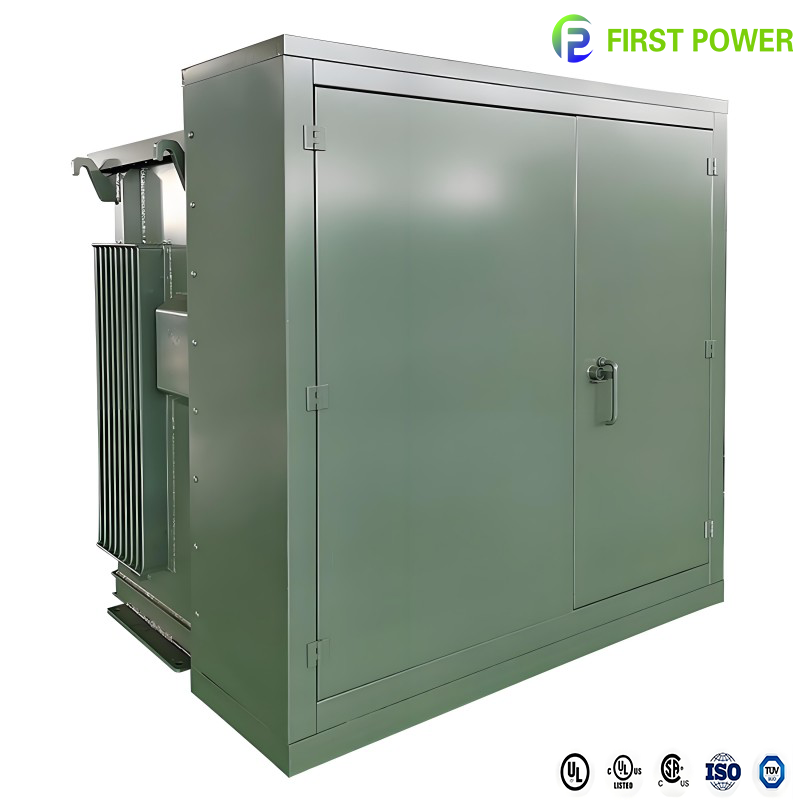
C CE MV & HV ZGS11 75–2500 kVA Pad Mounted Three Phase Distribution Transformer
A flexible MV/HV distribution choice for electric power networks requiring compact enclosure design and tested loss performance.
- Rating: 75–2500 kVA
- Voltage: 10–35 kV
- Use: Distribution networks
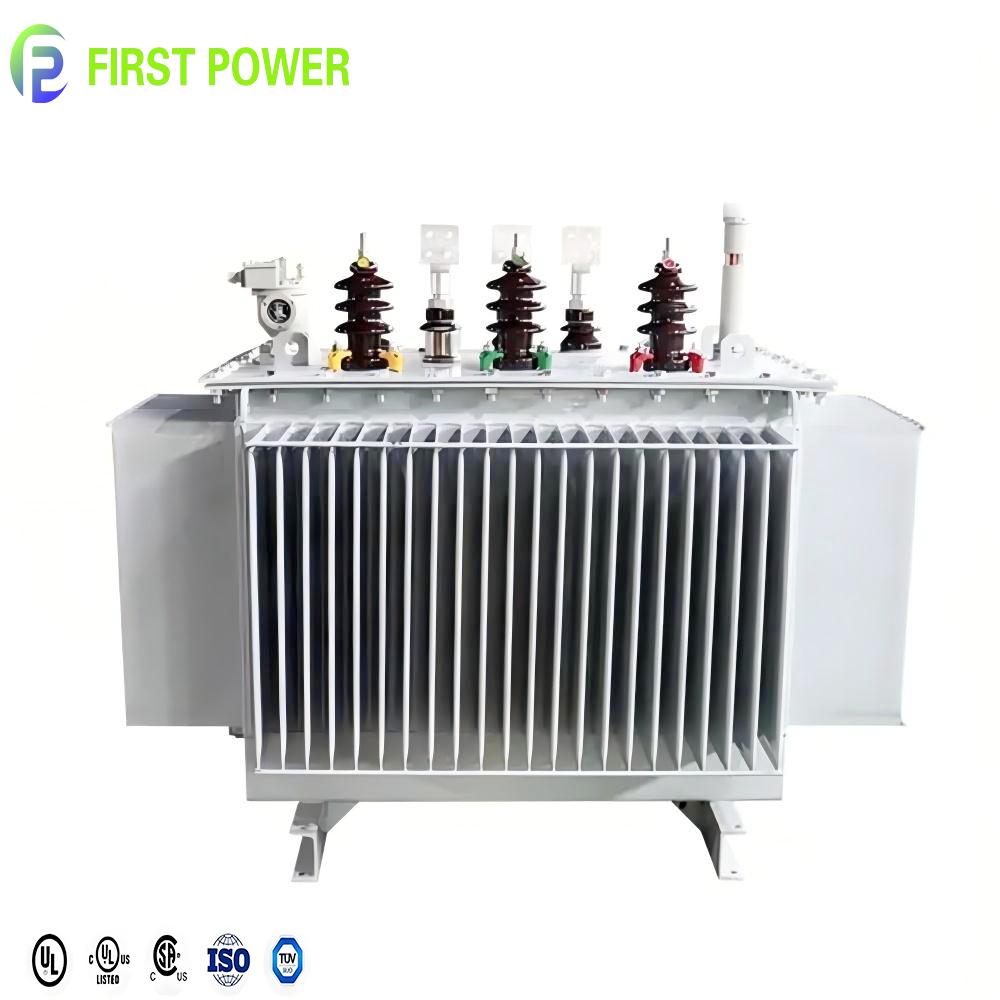
C CE S11 10–35 kV 50–250 kVA Three Phase Oil-Immersed Distribution Transformer
Well suited to utility distribution, small industrial loads and rural or commercial networks where right-sized capacity lowers total cost.
- Rating: 50–250 kVA
- Voltage: 10–35 kV
- Type: Distribution
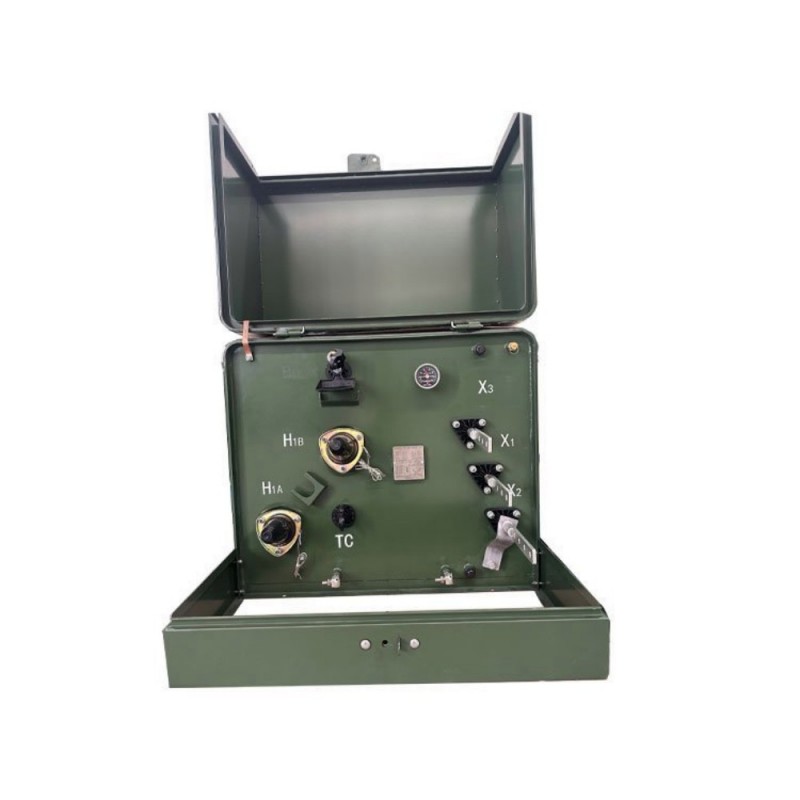
C Certification 6–34.5 kV Oil Type Single Phase 75 kVA Pad Mounted Transformer
For residential underground loops, rural feeders and light commercial loads requiring single-phase service and compact siting.
- Rating: 75 kVA class
- Voltage: 6–34.5 kV
- Frequency: 50 / 60 Hz
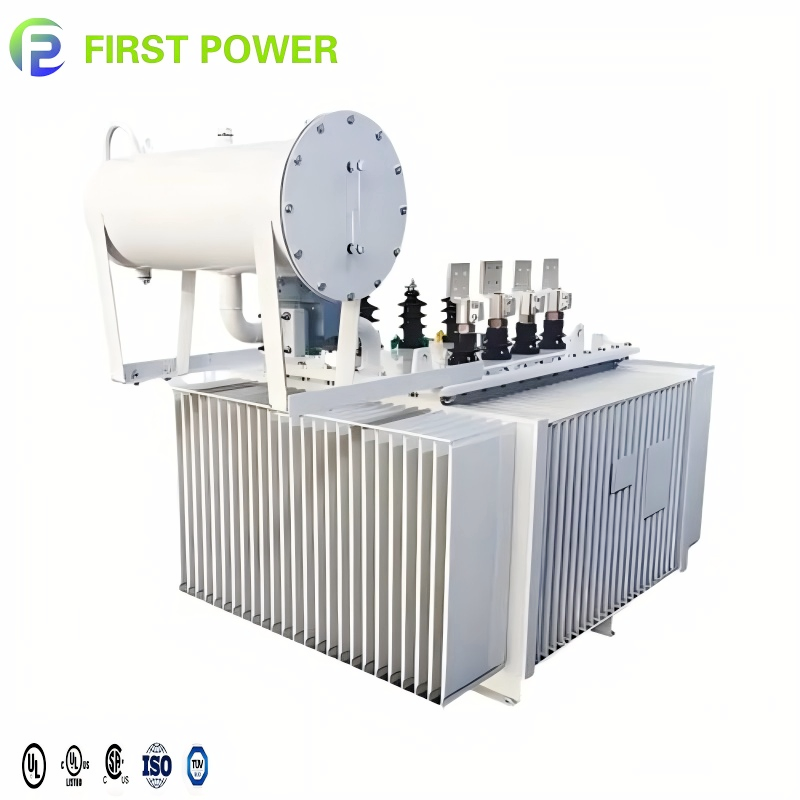
C CE 10–35 kV 1000–2500 kVA Oil Type On-Load Tap Changer Transformer
For industrial power supply and networks where voltage regulation under load is critical to process stability and equipment protection.
- Rating: 1000–2500 kVA
- Voltage: 10–35 kV
- Feature: On-load tap changer
Typical ratings are shown for shortlisting. For project-specific impedance, vector group, cooling, losses, enclosure finish or nameplate language, request a technical review before tender closing.
What “Best” Should Mean When You Buy Oil Insulated Transformers from China
For search users comparing a China best oil insulated transformer supplier with multiple wholesalers, the most useful answer is not a price ranking. Oil-insulated transformers are engineered assets whose lifecycle cost is shaped by losses, impedance, cooling margin, insulation coordination, oil quality, sealing performance, documentation and after-sales response. A low first cost can become expensive when no-load loss, load loss and temperature rise are not evaluated against the project’s operating profile.
The best supplier for a utility, EPC contractor or industrial buyer is therefore the one that can convert your technical inputs into a verifiable design and then prove it through drawings, routine tests and export documents. That is why serious procurement teams compare test traceability, loss guarantees, standard compliance, factory audit evidence and customization discipline before they compare the final landed price.
Jiangsu Wisegj Power Co., Ltd. works from Suzhou, Jiangsu, supplying oil-immersed distribution transformers, pad-mounted transformers, power transformers, dry type transformers and compact substations. The portfolio spans low voltage through high voltage equipment, with ISO 9001, ISO 14001 and ISO 45001 management systems, CE certification for key product lines and third-party verification of production capability. For buyers searching for oil insulated transformer wholesalers in China, that combination of product breadth and auditable evidence is more valuable than a generic “best price” claim.
A practical semantic search strategy for this category is to map the buying intent behind each query. “Oil insulated transformer supplier” usually indicates supplier qualification. “Oil immersed distribution transformer price” suggests early budget screening. “Pad mounted transformer wholesalers” points to channel or project procurement. “13.8 kV pad mount transformer manufacturer” is closer to a technical shortlist. The content, product pages and quotation process should answer those different intents without forcing every buyer into the same sales script.
Information gain for your tender file
- Ask for guaranteed no-load and load losses, not only kVA and voltage.
- Request routine test reports with serial-number traceability before shipment.
- Confirm applicable standards: IEC 60076, ANSI/IEEE C57.12 series or project specification.
- Verify whether the enclosure, fluid, bushings, tap range and finish match site conditions.
- Check lead time, packing method, Incoterms and spare-part support in one document package.
- Use third-party witness inspection where project risk or utility approval requires it.
Build a TCO Scorecard, Not a Price-Only Comparison
Illustrative weighting for supplier evaluation. Adjust the percentages to your electricity tariff, load profile, financing cost and project risk tolerance.
Illustrative procurement weighting
For continuously loaded distribution transformers, loss capitalization often changes the ranking of quotations. Efficiency and loss guarantees should be evaluated with the same seriousness as the equipment price.
Match the transformer format to the job
Use the application to narrow the product family before inviting quotations from wholesalers.
Pad-mounted oil transformer
Best when underground cable feed, tamper resistance and public-facing siting are priorities.
Oil-immersed distribution
Best for utility networks, industrial plants and standard distribution substations.
Single-phase pad-mounted
Best for residential subdivisions, rural loops and light commercial single-phase loads.
OLTC oil transformer
Best where voltage regulation under changing load is critical to industrial process stability.
How Oil Insulated Transformer Buying Is Changing
Wholesale buyers are moving from transaction-based purchasing to evidence-based supplier partnership. The following trends are especially relevant for utilities, EPC contractors, renewable developers and industrial procurement teams.
Efficiency-first purchasing
Buyers increasingly capitalize losses instead of comparing only nameplate price. Guaranteed no-load loss, load loss and temperature rise are becoming contractual performance points, especially for transformers that operate continuously.
Verified compliance packages
ISO certificates alone no longer satisfy sophisticated buyers. They request CE documentation, routine test reports, material declarations, inspection records and product-specific evidence that can be checked against the purchase order.
Supply resilience by qualification
Dual sourcing and pre-qualified suppliers reduce project risk. Wholesalers with verified factory space, qualified component partners and consistent export documentation are more attractive than brokers who cannot demonstrate production control.
Renewable interconnection
Solar, wind, storage and EV charging projects require faster interconnection and compact layouts. Pad-mounted and compact substation formats that arrive factory-tested are increasingly preferred where site labor and commissioning time are constrained.
Digital acceptance records
Procurement teams now expect searchable test reports, serial-number traceability, packing lists, drawings and O&M manuals in English. A complete digital handover package reduces site disputes and accelerates utility approval.
Local code and climate fit
Wholesale specifications are becoming more localized: 50 Hz or 60 Hz, ANSI or IEC, high ambient temperature, corrosive coast, seismic zone, altitude and enclosure color are now common filters in supplier selection.
Oil-Insulated Transformer Technology Moves Buyers Should Watch
Development is not limited to voltage class. The most meaningful changes for procurement are efficiency, fire safety, monitoring readiness, compactness and documentation quality.
Amorphous and high-grade CRGO cores
Low-loss core materials help utilities and industrial buyers meet efficiency targets. The trade-off is evaluated through capitalized loss savings, noise performance, lead time and the local grid code applicable to the project.
Ester fluids for fire-sensitive sites
Natural ester fluids are increasingly considered where fire safety, environmental performance and high-temperature operation matter. Buyers should confirm fluid compatibility, sealing design and test evidence rather than assuming a simple oil swap.
Compact and modular substations
Factory-assembled enclosures integrate transformer, switchgear and low-voltage distribution to reduce site work. This trend is particularly relevant for renewable plants, urban upgrades, temporary power and fast-track industrial projects.
Monitoring-ready designs
Temperature sensors, oil-level indicators and communication-ready interfaces are being requested for critical transformers. The best design is not the most complex; it is the one that supports maintenance decisions without creating nuisance alarms.
Low-noise and high-ambient engineering
Urban, hospital, coastal and desert projects often require more than a standard catalogue unit. Core design, cooling margin, paint system, enclosure ventilation and corrosion protection must be adjusted to the installation environment.
OLTC and voltage-regulation flexibility
Industrial loads, long feeders and renewable interconnection can demand wider tap ranges or on-load tap changing. The development trend is toward tighter integration of OLTC selection, protection coordination and lifecycle maintenance planning.
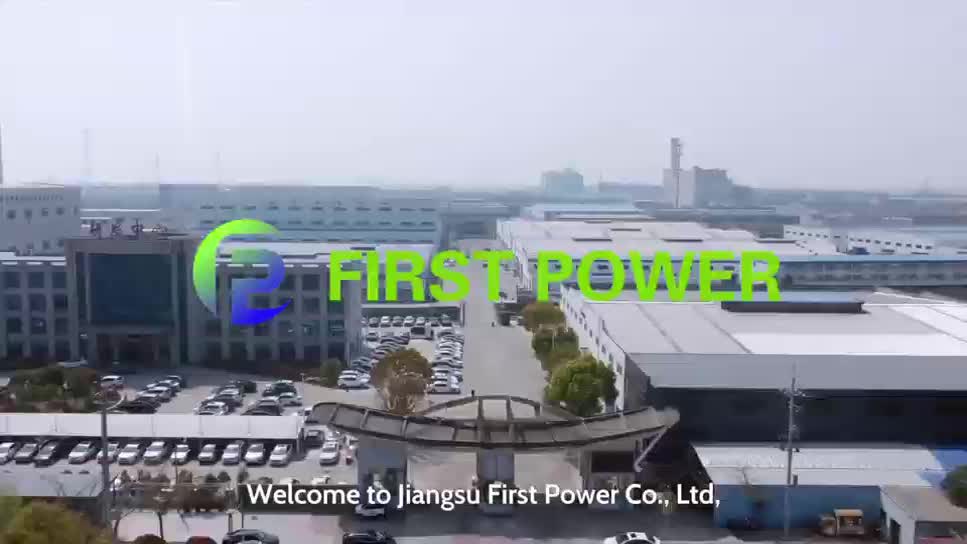
Why Jiangsu Wisegj Power Fits a Technical Buyer’s Shortlist
Jiangsu Wisegj Power Co., Ltd. is a Suzhou-based manufacturer and exporter of pad-mounted transformers, oil-immersed transformers, dry type transformers, power transformers, compact substations and high/low-voltage switchgear. The broader portfolio covers 220 V to 500 kV, allowing buyers to source related equipment and documentation from one qualified partner.
With more than 20 years of transformer team experience, 50+ R&D and technical engineers, a verified 6,847 m² production base, 211 qualified supply-chain partners and an average buyer rating of 4.9/5, the company is structured for buyers who need engineering review, not just catalogue forwarding.
- ISO 9001, ISO 14001 and ISO 45001 management systems
- CE certifications for key transformer and substation lines
- Production capability verified by TÜV Rheinland
- OEM, ODM, design-based and sample-based customization
- 24-hour pre-sale and after-sale technical response
- Export packing and full Incoterms coverage

Independent third-party inspection supports the factory capacity, floorspace and quality-control claims used in technical pre-qualification.
Engineer-led quotation
Ratings, vector group, impedance, cooling and loss targets are reviewed before a compliant offer is issued.
In-house testing discipline
Routine tests are documented by serial number, including ratio, resistance, loss, impedance, dielectric and oil checks.
Project customization
Enclosure color, bushings, taps, fluid, cooling, nameplate language and accessories can be aligned to project documents.
Certification evidence
ISO and CE certificate numbers can be shared for compliance review, with product-specific documentation available on request.
Complete documentation
GA drawings, nameplate drafts, test reports, packing lists and O&M manuals support smooth customs and utility approval.
Export logistics
Seaworthy packing, shock indicators and FOB to DDP terms are available for different project risk profiles.
24-hour response target
Technical questions and after-sales issues are routed to qualified staff within one working day.
Qualified supply partners
Silicon steel, copper, bushings and accessories are sourced through a managed supply chain to reduce lead-time surprises.
What to Verify Before Oil-Insulated Transformers Ship
For procurement teams, the factory test package is the clearest proof that the quoted design has been built and verified. The exact test list should follow the contract and applicable standard.
Routine electrical tests
Winding resistance, ratio and vector group, impedance and load loss, no-load loss and current, applied voltage and induced voltage tests.
Loss and thermal review
Guaranteed losses and temperature-rise assumptions should be checked against the project load profile, ambient conditions and evaluation formula.
Oil and insulation checks
Oil dielectric strength and related checks are documented for liquid-filled units. Fluid type and treatment records should match the contract.
Sealing and pressure integrity
Tank, gasket, valve, bushing and pressure-related inspections help reduce transportation leaks and commissioning delays.
Enclosure and finish inspection
Paint thickness, corrosion protection, tamper resistance, ventilation and nameplate details should be verified before packing.
Third-party witness option
Buyers may arrange witness testing or independent inspection. Photo reporting and pre-shipment documentation can be included in the handover package.
Questions Buyers Ask About China Oil Insulated Transformer Wholesalers
Direct answers for shortlisting, technical clarification and quotation preparation.
How do I verify a China oil insulated transformer supplier before ordering?
What technical data is needed for an accurate oil insulated transformer quotation?
Which standards and certificates should I require?
How should I compare transformer losses and efficiency during procurement?
What lead times and shipping terms are typical for wholesale orders?
Can pad-mounted, single-phase and OLTC transformers be customized?
What factory tests and FAT documents are supplied?
How is after-sales support handled for export transformer projects?
Ready to Compare Oil Insulated Transformer Suppliers on Evidence?
Send your datasheet, single-line diagram, tender documents or nameplate photo. The catalog package covers pad-mounted, oil-immersed distribution, single-phase and OLTC transformer options with specification review support.
Email: [email protected] · ISO 9001 / ISO 14001 / ISO 45001 · CE-certified product lines · TÜV Rheinland-verified production capability.