Eight Industrial Transformer Products for Utility, EPC and Industrial Projects
These eight product families are recommended because they cover the most common procurement scenarios for China industrial transformer factories: distribution networks, underground pad mounted systems, loop-feed commercial projects, dry-type indoor safety, high-capacity power distribution and industrial power supply. Each product link preserves the original product URL for specification review.
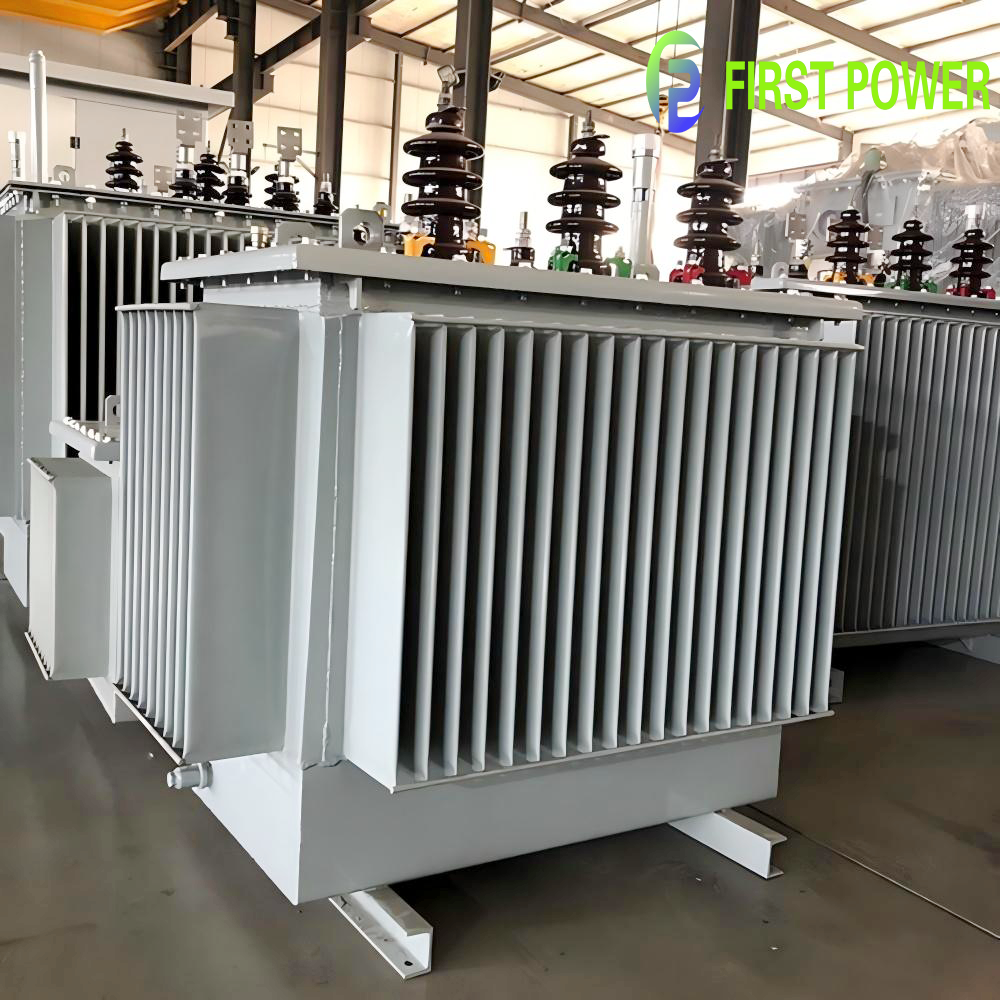 S11 · MV/HV
C CE MV&HV S11 50/60HZ 10KV 20KV 35KV Three Phase Oil Immersed 50KVA Transformer for Electric Power Distribution
Recommended for compact distribution points, rural feeders and commercial distribution where a low-loss S11 core platform, 50/60 Hz operation and CE-market documentation are required.
- Rating50 kVA class
- Voltage10 / 20 / 35 kV
- TypeThree-phase oil immersed
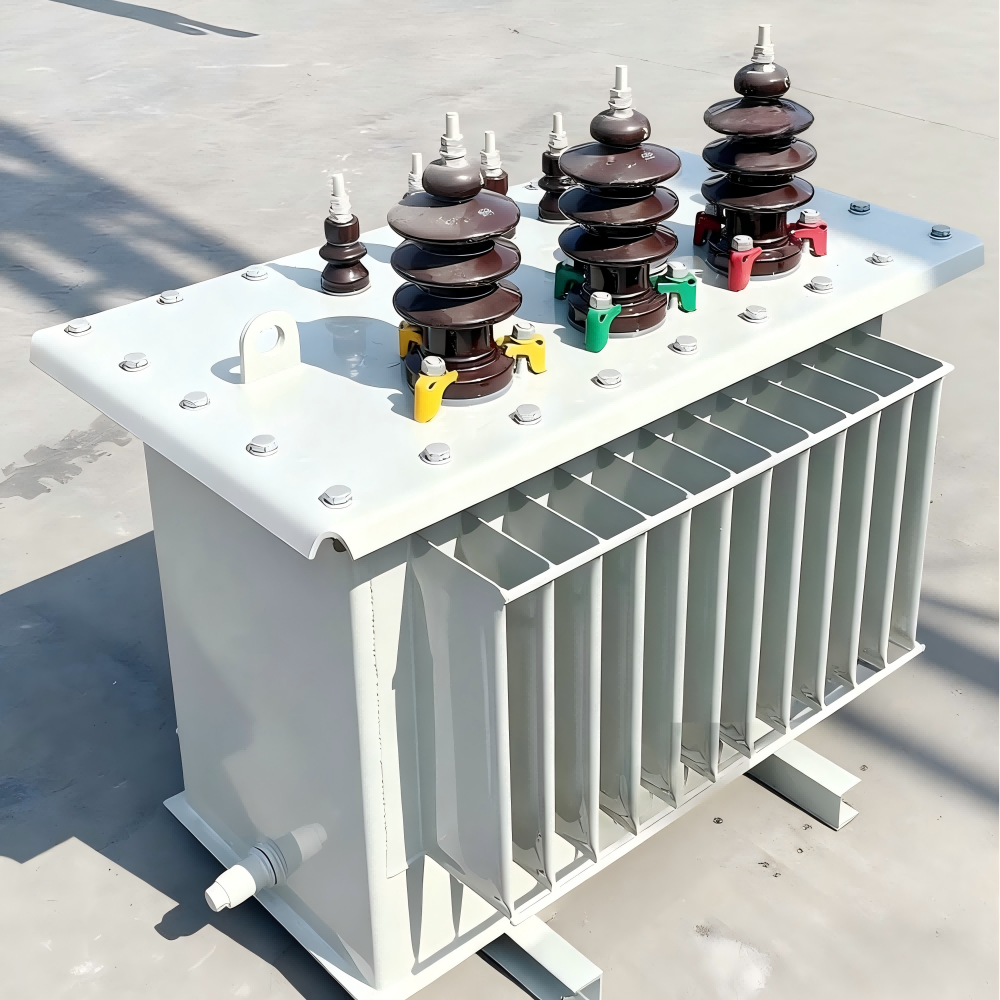 30–31,500 kVA
C CE MV&HV 30-31500KVA 6KV 10KV 15KV 20KV 35KV S11 Three Phase Oil Transformer for Electric Power Distribution
Recommended for utility distribution and industrial substations that need a broad capacity range, proven S11 oil-transformer architecture and engineering flexibility across 6 kV to 35 kV grids.
- Rating30–31,500 kVA
- Voltage6–35 kV
- TypeOil immersed
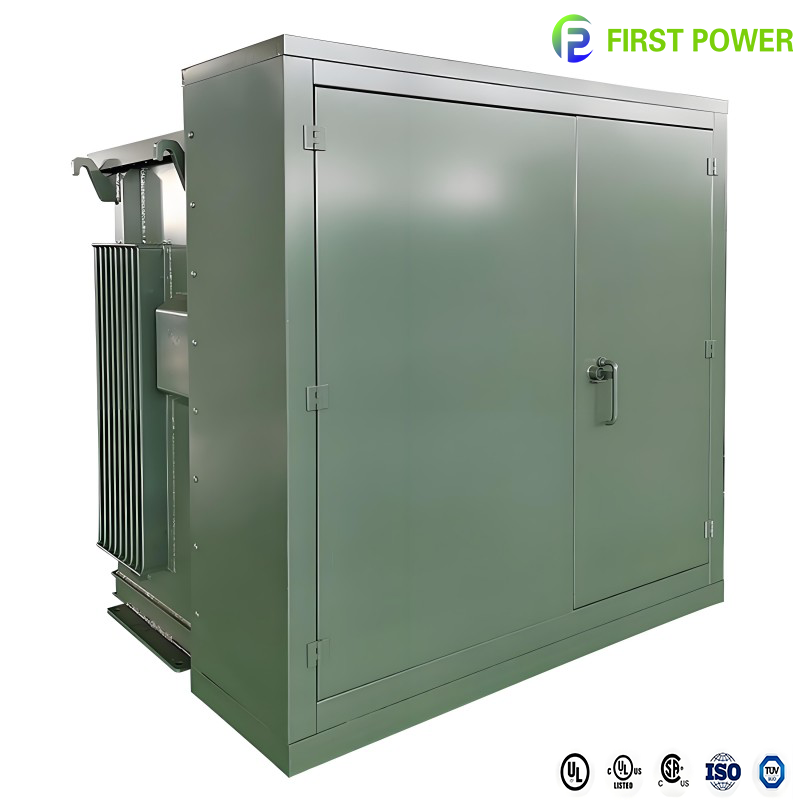 ZGS11 · Pad Mounted
C CE MV&HV ZGS11 75-2500KVA 10KV 20KV 35KV Pad Mounted Three Phase Transformer for Electric Power Distribution
Recommended for underground distribution, commercial campuses and renewable interconnections where a tamper-resistant pad mounted enclosure and compact footprint reduce site civil works.
- Rating75–2,500 kVA
- Voltage10 / 20 / 35 kV
- TypePad mounted
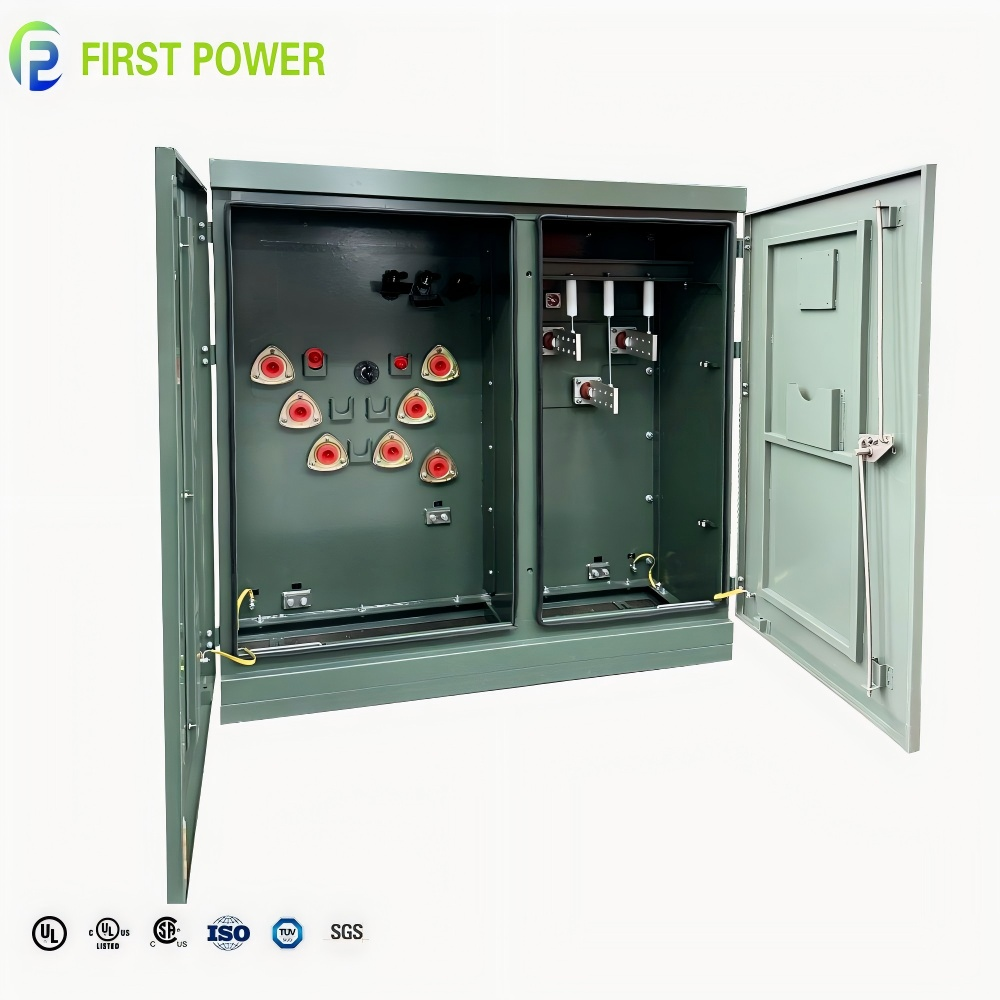 Loop Feed
C CE Certification 50/60HZ 10KV 20KV 35KV 3 Phase Loop Feed Pad Mounted 750KVA Transformer for Electric Power Distribution
Recommended for loop-feed commercial and urban networks that require dead-front safety, sectionalizing flexibility and a 750 kVA class pad mounted design for underground cable systems.
- Rating750 kVA class
- Voltage10 / 20 / 35 kV
- FeatureLoop feed
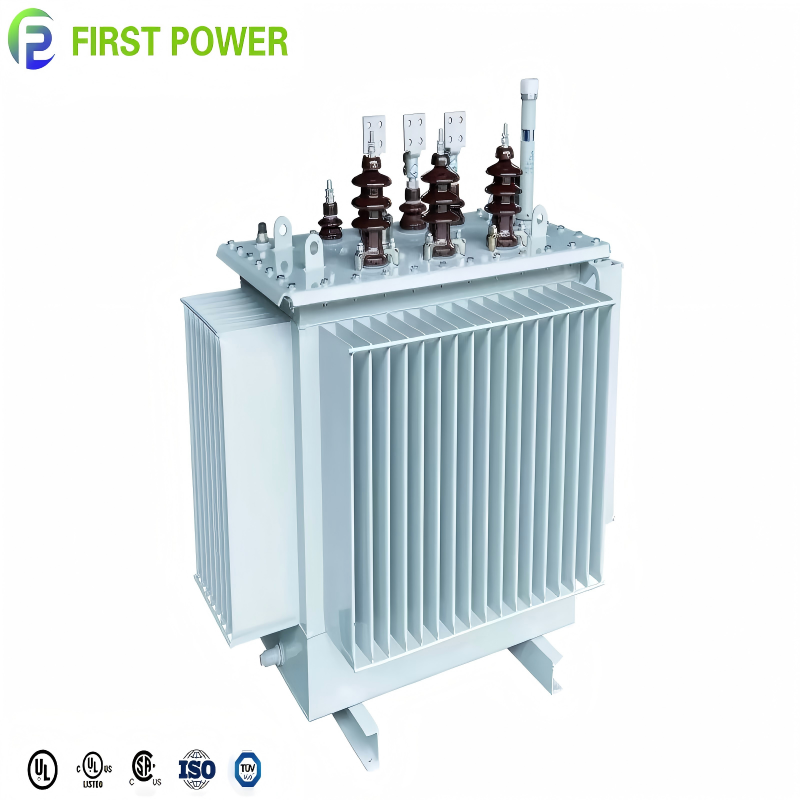 50–300 kVA
C CE S11 50/60HZ 6KV 10KV 15KV 20KV 35KV 100KVA 300KVA 3 Phase Oil Immersed Transformer 50KVA 33KV for Distribution System
Recommended for distribution systems that need a practical balance of cost, loss performance and delivery speed, especially for commercial buildings, light industry and municipal feeders.
- Rating50–300 kVA
- Voltage6–35 kV
- TypeOil immersed
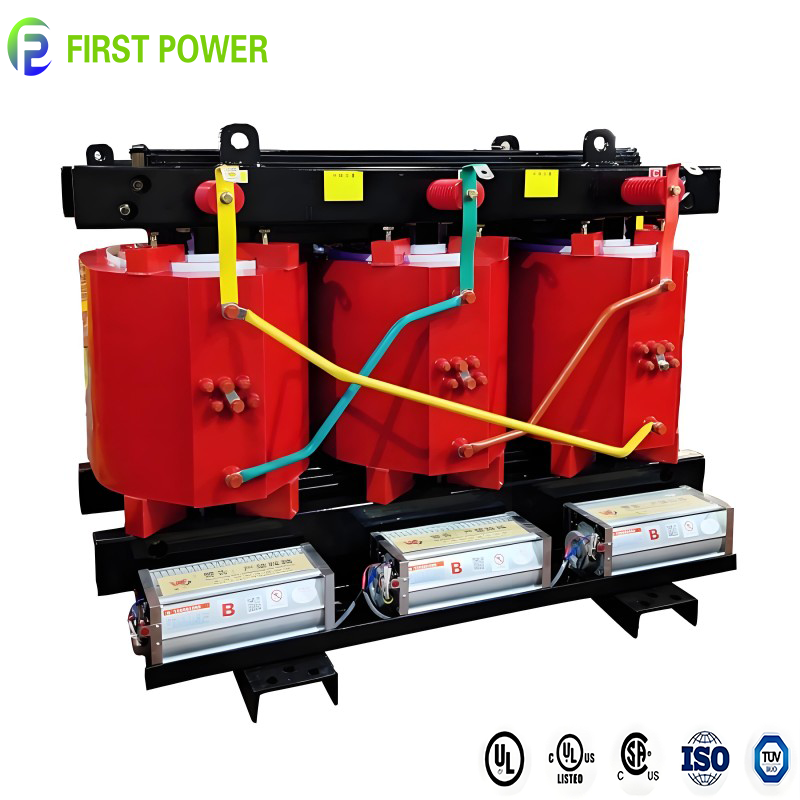 IEEE · Dry Type
C CE Certification IEEE Standard 50/60HZ 5MVA 6MVA 6KV 35KV 3 Phase Dry Type Transformer for Electric Power Distribution
Recommended for indoor substations, hospitals, tunnels, high-rise buildings and fire-sensitive locations where oil-free operation, IEEE project familiarity and larger MVA dry-type capacity matter.
- Rating5–6 MVA
- Voltage6–35 kV
- TypeDry type
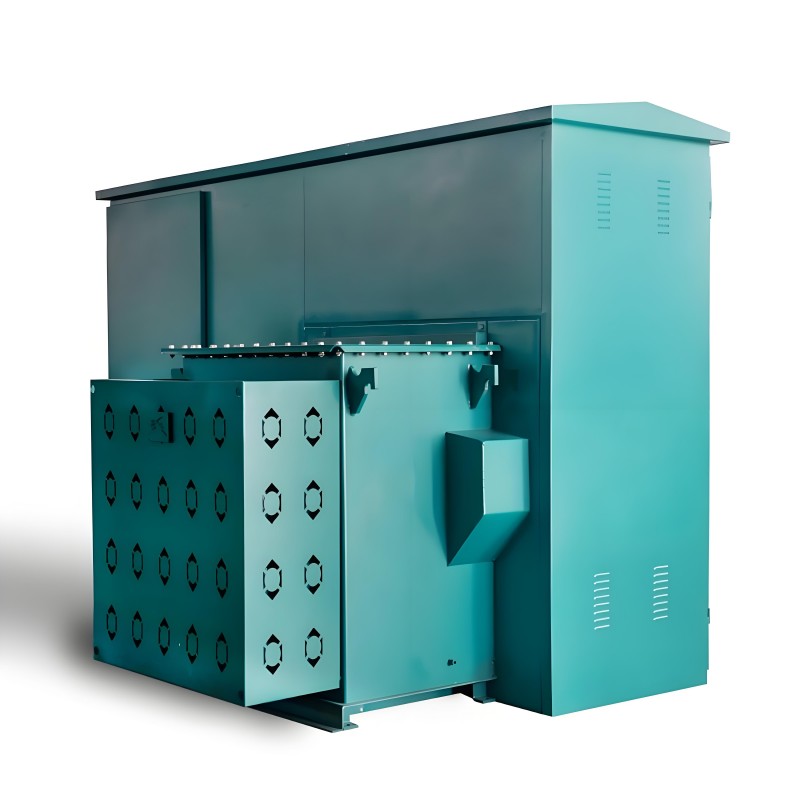 Dead Front
C Certified Oil-Type Cooper 75-2500kva Pad Mounted Transformer 6kv-34.5kv 50/60hz Dead Front Three Phases
Recommended for North American-style underground distribution and commercial projects that require dead-front construction, oil-type economy and a broad 75–2,500 kVA pad mounted range.
- Rating75–2,500 kVA
- Voltage6–34.5 kV
- FeatureDead front
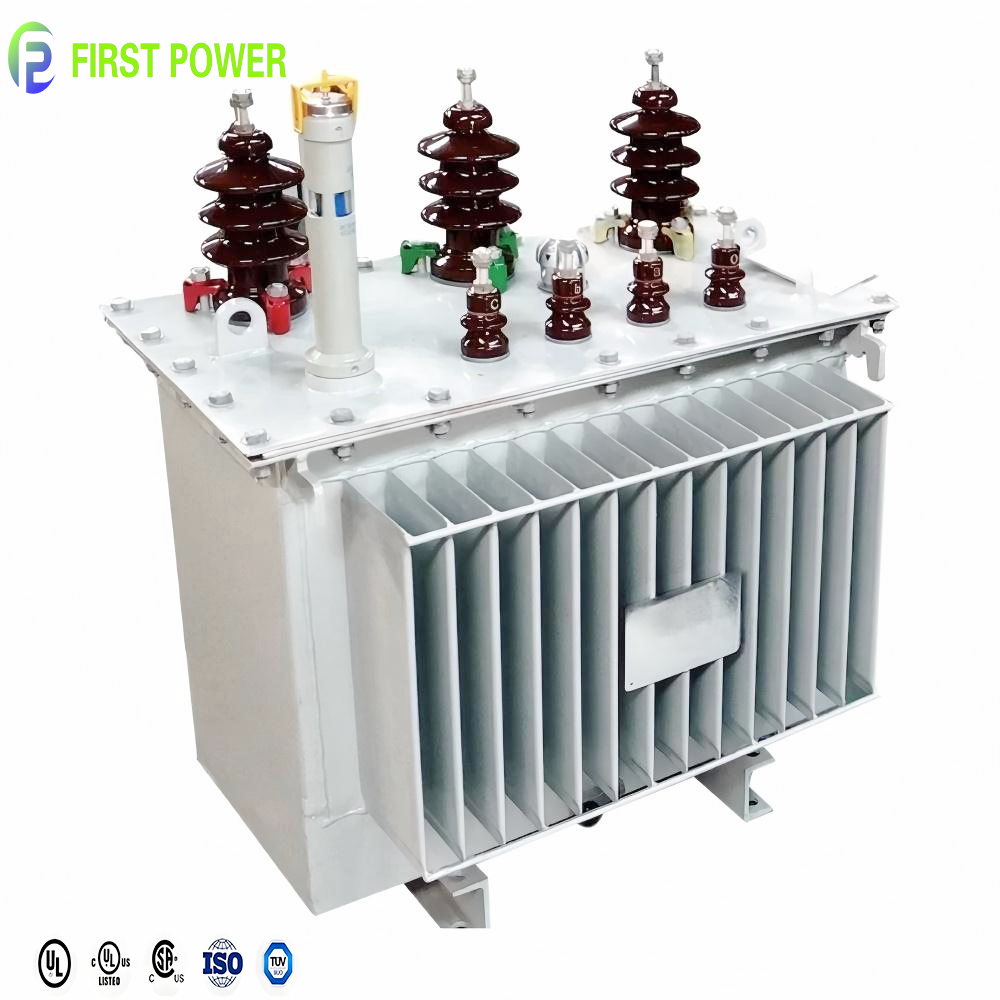 Industrial Supply
C CE 10KV 20KV 35KV 50KVA 100KVA 200KVA 300KVA 400KVA 500KVA Electric Oil Immersed Transformer for Industrial Power Supply
Recommended for factories, industrial parks, mining support and process plants that need a compact oil-immersed transformer with predictable efficiency and straightforward maintenance.
- Rating50–500 kVA
- Voltage10 / 20 / 35 kV
- UseIndustrial power
Need help shortlisting a rating, vector group or enclosure type? Send an Inquiry and our transformer engineers will review your specification.
How to Identify China’s Best Industrial Transformer Factory
Searching for “China best industrial transformer factories & factory” usually produces a long list of suppliers with similar product names: oil immersed distribution transformer, pad mounted transformer, dry type transformer, power transformer and compact substation. The real challenge is not finding a factory. It is identifying a factory whose engineering assumptions, test records, documentation and export discipline will survive commissioning, utility inspection and long-term operation.
For procurement teams, the strongest China industrial transformer factory is rarely the one quoting the lowest first cost. It is the one that can demonstrate specification compliance, loss performance, routine test evidence, material traceability and responsive engineering support. A transformer is a long-life grid asset. A small error in vector group, impedance, tap range, cooling class or bushing configuration can create delays far more expensive than the initial price difference.
This guide uses the product portfolio and verified company strengths of Jiangsu Wisegj Power Co., Ltd. to show how buyers can evaluate an industrial transformer factory with white-paper discipline: compare standards, request test reports, review design customization capability, calculate total cost of ownership and confirm export documentation before placing an order.
Wisegj Factory Advantages That Procurement Teams Can Audit
Jiangsu Wisegj Power Co., Ltd. is a Suzhou-based transformer manufacturer and exporter serving utilities, EPC contractors and industrial buyers. Its claimed strengths should be evaluated as audit points, not slogans.
Verified Production Base
6,847 m² of inspected production floorspace and a full industry certificate set support medium- and high-voltage transformer assembly, testing and export packing.
20+ Years Team Experience
The engineering team brings more than 20 years of hands-on transformer experience, with 50+ R&D and technical engineers supporting specification review and customization.
In-House Routine Testing
Winding resistance, ratio, vector group, impedance, load loss, no-load loss, applied voltage, induced voltage and oil dielectric testing are documented per serial number.
Certified Systems
ISO 9001, ISO 14001 and ISO 45001 management systems, CE certificates for transformer families and third-party TÜV Rheinland verification data support buyer compliance review.
Design Customization
OEM, ODM and design-based customization cover ratings, vector group, impedance, tap range, bushings, cooling method, insulating fluid and enclosure color.
Export Documentation
GA drawings, nameplate drafts, routine test reports, O&M manuals, export packing lists and Incoterms options from EXW to DDP are prepared for international projects.
211 Qualified Partners
A qualified supply chain for silicon steel, copper, insulation, bushings and accessories supports stable lead times and consistent material quality across repeat orders.
24-Hour Response
Pre-sale and after-sale questions are routed to qualified engineers, with a track record serving Fortune 500 companies and an average buyer rating around 4.9/5.
Future Procurement Trends for Industrial Transformer Factories
Transformer sourcing is moving from transactional price comparison toward engineering evidence, total cost of ownership and project-risk management. The following trends are especially relevant for utility, EPC and industrial buyers reviewing Chinese factories.
1. Total Cost of Ownership Replaces Lowest Price
Buyers increasingly capitalize no-load and load losses over the asset life. A transformer with a slightly higher purchase price but lower guaranteed losses can deliver a better financial outcome across 20–30 years of operation. Factory quotations are now compared with loss-evaluation spreadsheets, efficiency targets and operating-profile assumptions.
2. Standards Fluency Becomes a Screening Test
Projects may require IEC 60076, ANSI/IEEE C57.12 series, CE marking, 50 Hz or 60 Hz operation, local grid-code compliance and specific altitude or ambient corrections. A capable China industrial transformer factory should clarify the applicable standard before quotation, not after purchase order.
3. Evidence-Based Quality Review
Procurement teams are asking for routine test reports, material traceability, calibration records, third-party witness inspection and packing inspection. A factory that cannot present test evidence quickly is less attractive, even if its initial quote is lower than competitors.
4. Renewable and Data-Center Interconnection
Solar, wind, storage and data-center projects require faster interconnection and compact equipment. Pad mounted transformers, dry-type units and prefabricated compact substations are becoming preferred where site space, fire safety, commissioning speed and grid compliance are critical.
5. Fire Safety and Environmental Fluids
Indoor and urban projects are reviewing cast-resin dry-type transformers and natural-ester oil options to reduce fire risk and environmental exposure. The procurement decision is shifting from “oil or dry” to a broader risk assessment covering location, code, insurance and lifecycle impact.
6. Compressed Schedules and Prefabricated Solutions
Fast-track projects favor factory-assembled compact substations that integrate MV switchgear, transformer and LV distribution in one enclosure. This reduces site labor, interface risk and commissioning time, especially for renewable plants, temporary power and urban distribution upgrades.
Product Development Trends Shaping Transformer Factories
The next generation of industrial transformers will be judged on efficiency, safety, digital documentation, environmental profile and speed of installation. These trends matter when selecting a long-term factory partner in China.
Low-Loss Cores and High-Efficiency Designs
CRGO and amorphous-core designs continue to improve no-load loss performance. Buyers are expected to request guaranteed loss values, test verification and total ownership calculations rather than accepting generic efficiency claims.
Digital Monitoring and Smart Sensors
Temperature, partial discharge, oil condition and load monitoring are becoming easier to integrate. For critical substations, digital data can support condition-based maintenance and reduce unplanned outages.
Natural Ester and Circular Economy
Natural ester fluids, recyclable materials and lower environmental risk are gaining attention in fire-sensitive and environmentally regulated projects. Factories that can offer multiple fluid options provide more flexibility during specification.
Compact and Prefabricated Substations
Space constraints and labor availability are driving demand for factory-built compact substations. The factory becomes an integration hub for MV switchgear, transformer, LV distribution, protection and auxiliary systems.
Climate-Resilient Design
High ambient temperature, altitude, humidity, coastal salt spray and seismic requirements are increasingly specified in procurement documents. Transformer designs must be adjusted rather than copied from a standard catalogue.
Dry-Type Growth in Urban Load Centers
Cast-resin dry-type transformers are increasingly shortlisted for hospitals, tunnels, high-rise buildings, data centers and indoor substations where oil-free operation and reduced fire risk are priorities.
A 100-Point Scorecard for Comparing China Transformer Factories
Use a weighted scorecard to make factory comparison transparent. The percentages below are a practical starting point for utility, EPC and industrial procurement teams.
Which Transformer Type Should You Shortlist?
Match the product architecture to the installation environment before comparing quotations.
What a Serious Transformer Factory Audit Should Show
A credible factory audit should be traceable from design review to shipment. Before quotation, the factory should confirm rated power, primary and secondary voltage, frequency, vector group, impedance, tap range, cooling method, insulating fluid, applicable standard, altitude, ambient temperature and loss limits. After order, the buyer should be able to see drawing approval, material records, in-process inspection and routine test reports.
For liquid-filled transformers, oil dielectric strength testing should be documented. For all units, routine tests should include winding resistance, voltage ratio and vector group, impedance and load loss, no-load loss and current, applied voltage and induced voltage withstand. Third-party witness inspection should be welcome. A factory that cannot show test records is not a low-risk supplier; it is an unpriced risk.
Procurement FAQ: China Industrial Transformer Factory Selection
These are the questions most often raised by procurement, engineering and QA teams when evaluating a Chinese transformer factory.
Which standards do Wisegj transformers comply with?+
Units are designed and tested to IEC 60076 or ANSI/IEEE C57.12 series standards depending on the destination market. Product lines hold CE certificates, and production runs under ISO 9001, ISO 14001 and ISO 45001 management systems. Certificate numbers and test documents can be reviewed by the buyer’s compliance team.
What voltage and capacity range can the factory supply?+
The portfolio covers 220 V to 500 kV, from small single-phase and three-phase distribution transformers to oil immersed power transformers and compact substations. Product families in this guide include 50 kVA to 31,500 kVA distribution units, 5–6 MVA dry type transformers and pad mounted transformers up to 2,500 kVA.
Which factory tests are performed before shipment?+
Every unit receives routine tests including winding resistance, voltage ratio and vector group, impedance and load loss, no-load loss and current, applied voltage and induced voltage withstand. Liquid-filled units also receive oil dielectric strength testing. Type test reports are available, and third-party witness inspection is welcome.
Can transformers be customized for a specific project?+
Yes. OEM, ODM, design-based and sample-based customization are available, covering ratings, vector group, impedance, tap range, bushing configuration, cooling method, insulating fluid, enclosure color and nameplate language. This is particularly important for utility specifications, high-altitude sites, coastal environments and renewable projects.
What trade and payment terms are accepted?+
FOB, CFR, CIF, EXW, FCA, CIP, CPT, DDP and other Incoterms can be discussed. Payment options include T/T, L/C, D/P and D/A, with quotations available in USD, EUR, GBP, CAD, AUD and other major currencies depending on the project and contract structure.
How should a buyer evaluate lead time and documentation?+
Lead time depends on design complexity, material availability and testing requirements. Standard distribution transformers may move faster, while power transformers and custom pad mounted units require project-specific schedules. A reliable factory provides GA drawings, nameplate drafts, routine test reports, packing lists and O&M manuals in English, and responds to technical questions within one working day.
Send Your Transformer Specification for Engineering Review
Share rated power, primary and secondary voltage, frequency, vector group, impedance, tap range, cooling method, insulating fluid, applicable standard, site altitude, ambient conditions and loss limits. A qualified transformer engineer will review the requirement and respond within one working day.
Send an Inquiry