8 Transformer Configurations for Epoxy Cast and Hybrid Procurement Projects
Buyers searching for a China epoxy cast transformer manufacturer usually compare cast resin dry type units with oil-immersed distribution transformers, pad-mounted equipment and compact substations. The shortlist below preserves the product links from Wisegj’s current catalogue and gives procurement teams a practical starting point for specification review. For projects that mandate epoxy cast resin, the same engineering team quotes dry type transformers from 30–2,500 kVA, up to 35 kV, with Class F/H insulation, low partial discharge and optional IP-rated enclosures.
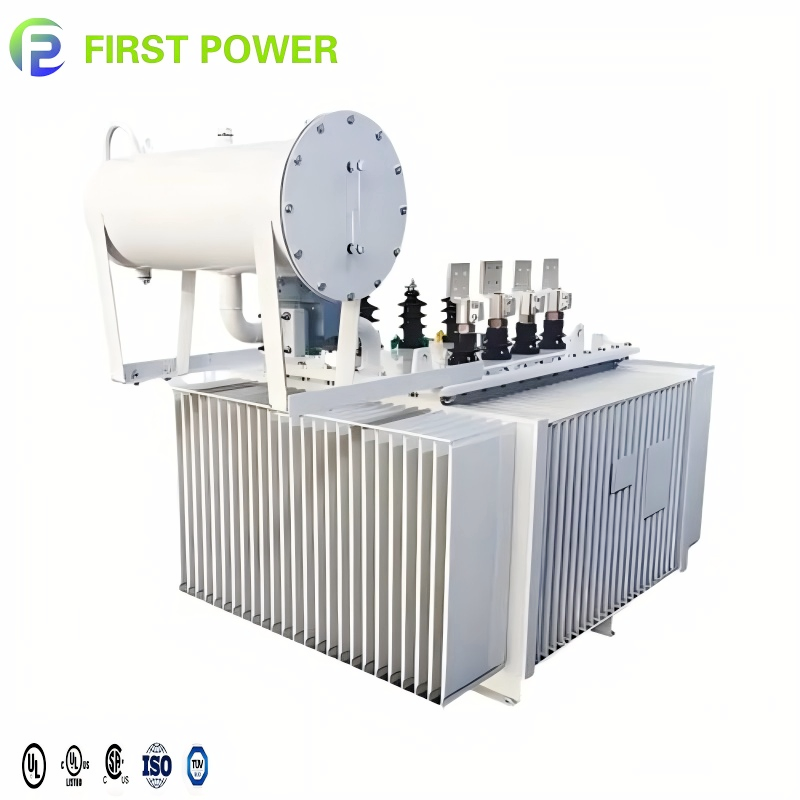
C CE 10KV 20KV 35KV 1000KVA 2000KVA 2500KVA 3 Phase Oil Type on Load Tap Changer Transformer for Industrial Power Supply
For industrial power supply and networks that require voltage regulation under load. The on-load tap changer supports stable secondary voltage as demand shifts, making it suitable for plants, utilities and hybrid substations where an epoxy cast unit may cover indoor low-voltage rooms.
View product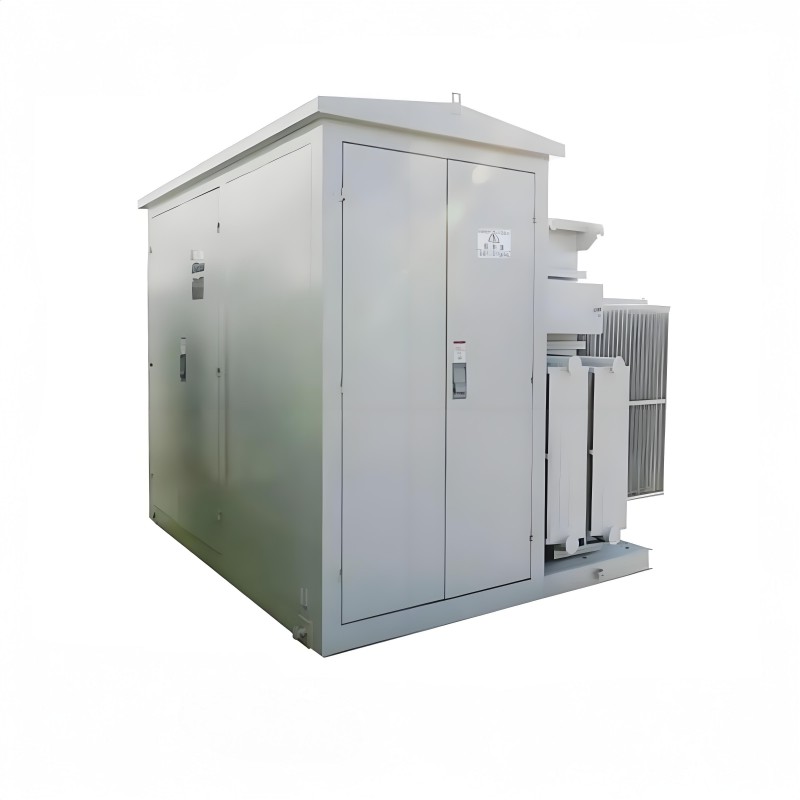
American Standard /C Certification 75-2500KVA Oil Type Three Phase 13.8KV Pad Mount Transformers for Power Generation
American-standard pad-mounted platform for power generation and underground distribution. The 13.8 kV design supports 75–2,500 kVA projects and is commonly compared with cast resin solutions when outdoor space, cable access and utility approval drive the decision.
View product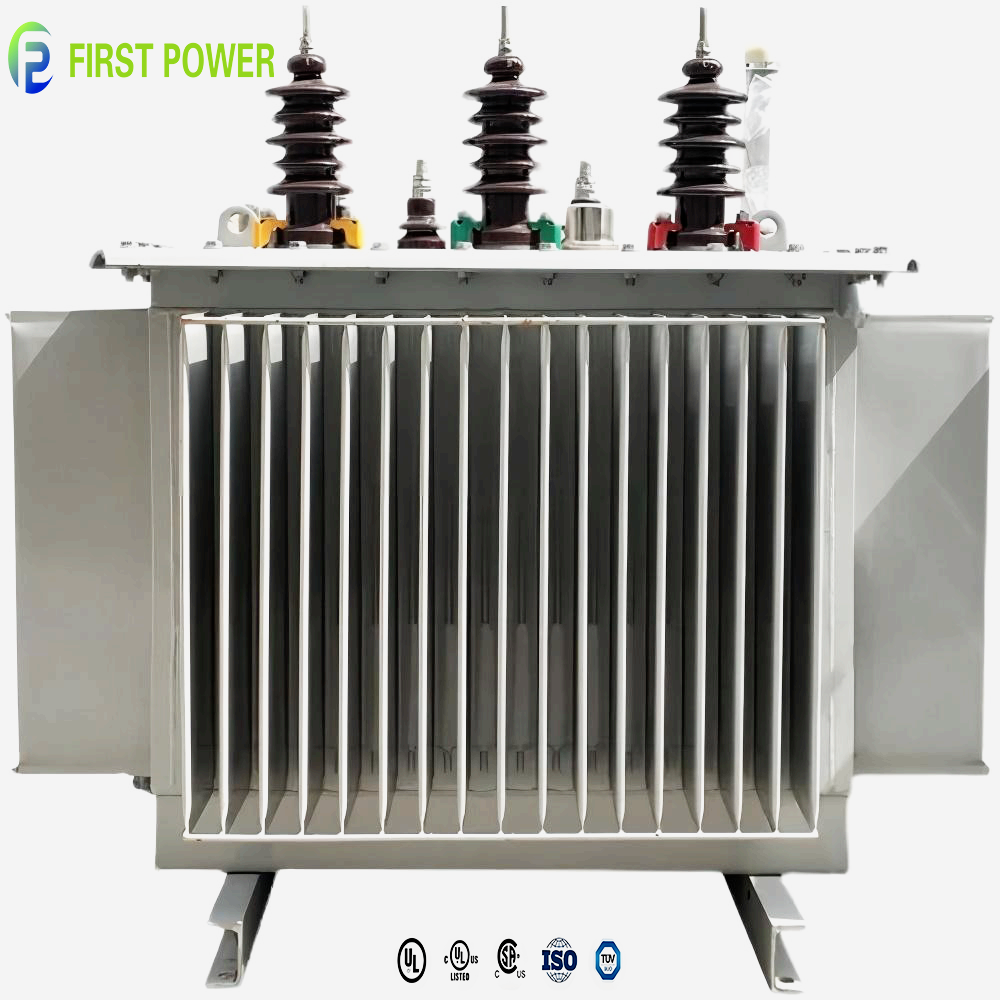
/C Certification 60HZ S11 Three Phase 10KV 35KV 500 KVA 22KV/0.4KV 50HZ Electric Oil Immersed Transformer for Power Supplies
S11 low-loss oil-immersed transformer for 50/60 Hz power supplies. A practical reference point for buyers benchmarking no-load and load losses before selecting an epoxy cast dry type transformer for indoor installation.
View product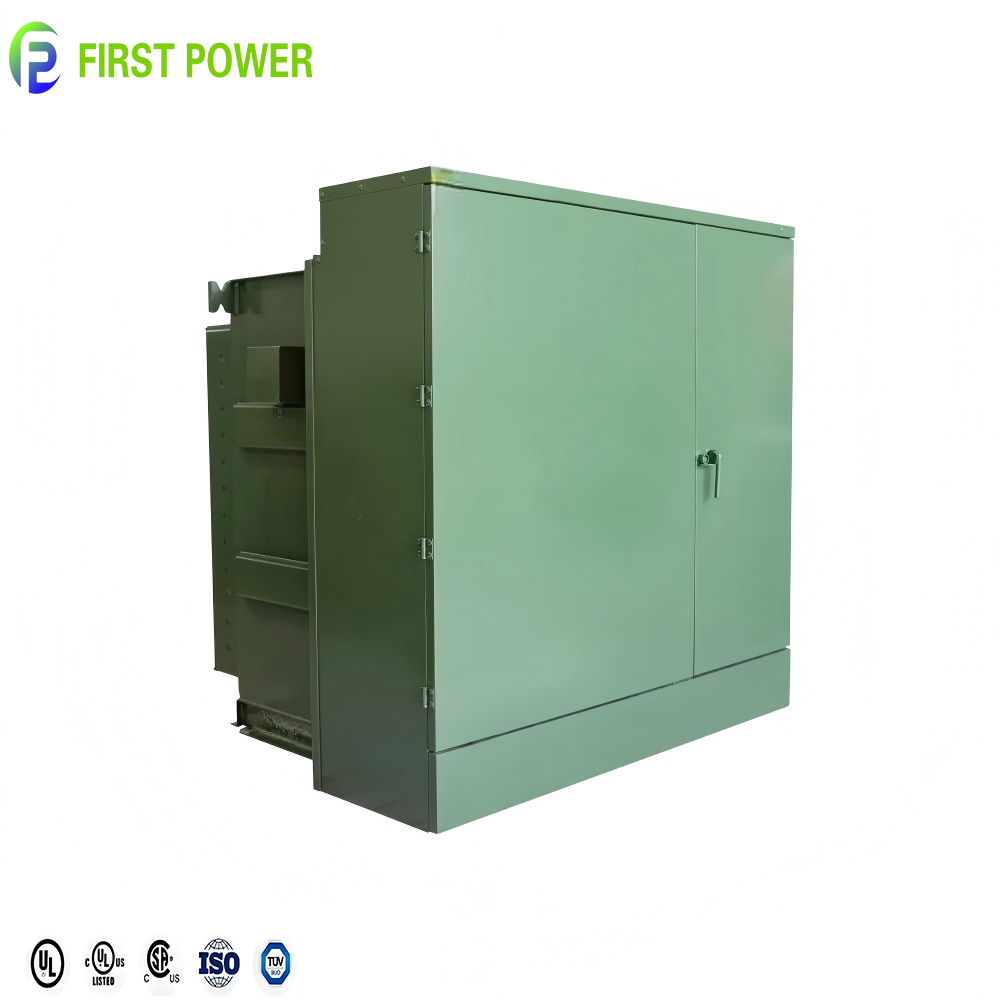
C CE MV&HV 50/60HZ 750KVA 1250KVA 1500KVA 2000KVA 2500KVA 3 Phase Pad Mounted Transformer for Industrial Power Supply
MV/HV three-phase pad-mounted transformer for industrial power supply. Available across 750–2,500 kVA classes in the referenced range, with loop-feed or radial configurations reviewed against local grid codes.
View product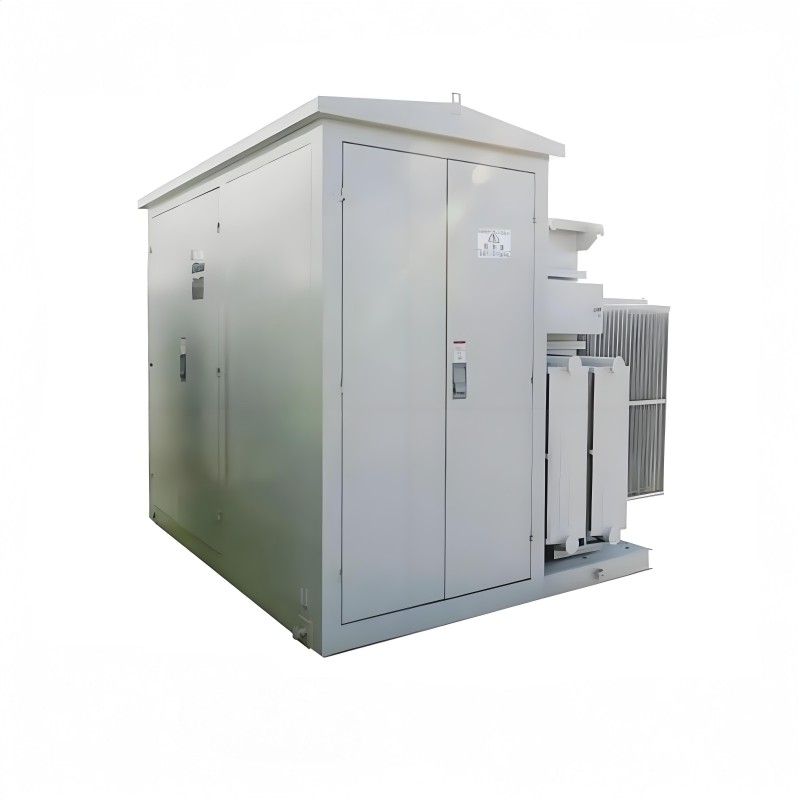
American Standard /C Certified 3000kva 34.5kv/480v Oil Type Pad Mounted Transformer 60 Hz 10kv Input 380v 440v Output
American-standard 3,000 kVA pad-mounted transformer for 34.5 kV / 480 V, 60 Hz projects. A high-capacity reference for generation, industrial campuses and data-center infrastructure where loss evaluation and thermal performance are decisive.
View product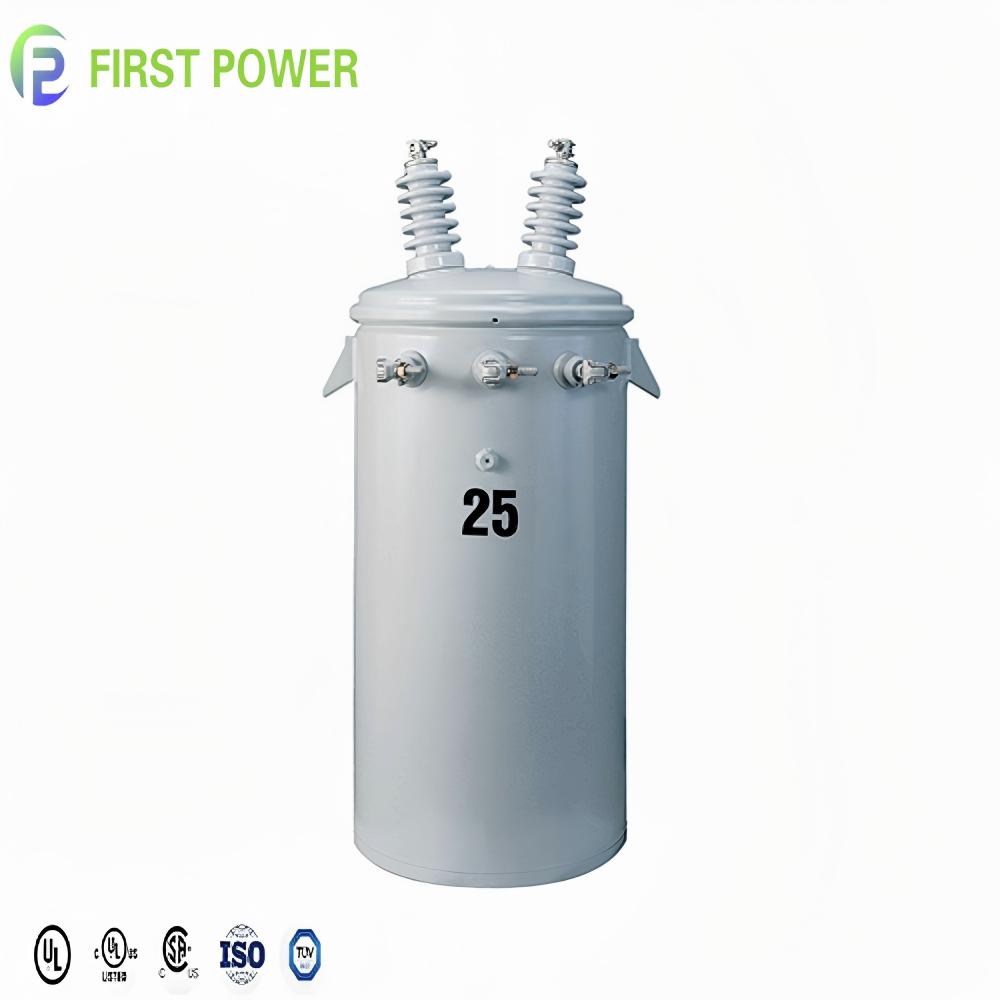
C CE Certification MV&HV 50/60HZ 6KV 10KV 20KV 35KV 25KVA Single Phase Transformer Price for Electric Power Distribution
Single-phase MV/HV transformer for distribution projects. The 25 kVA example supports 6–35 kV applications and helps procurement teams compare single-phase overhead or pad-mounted designs with three-phase dry type alternatives.
View product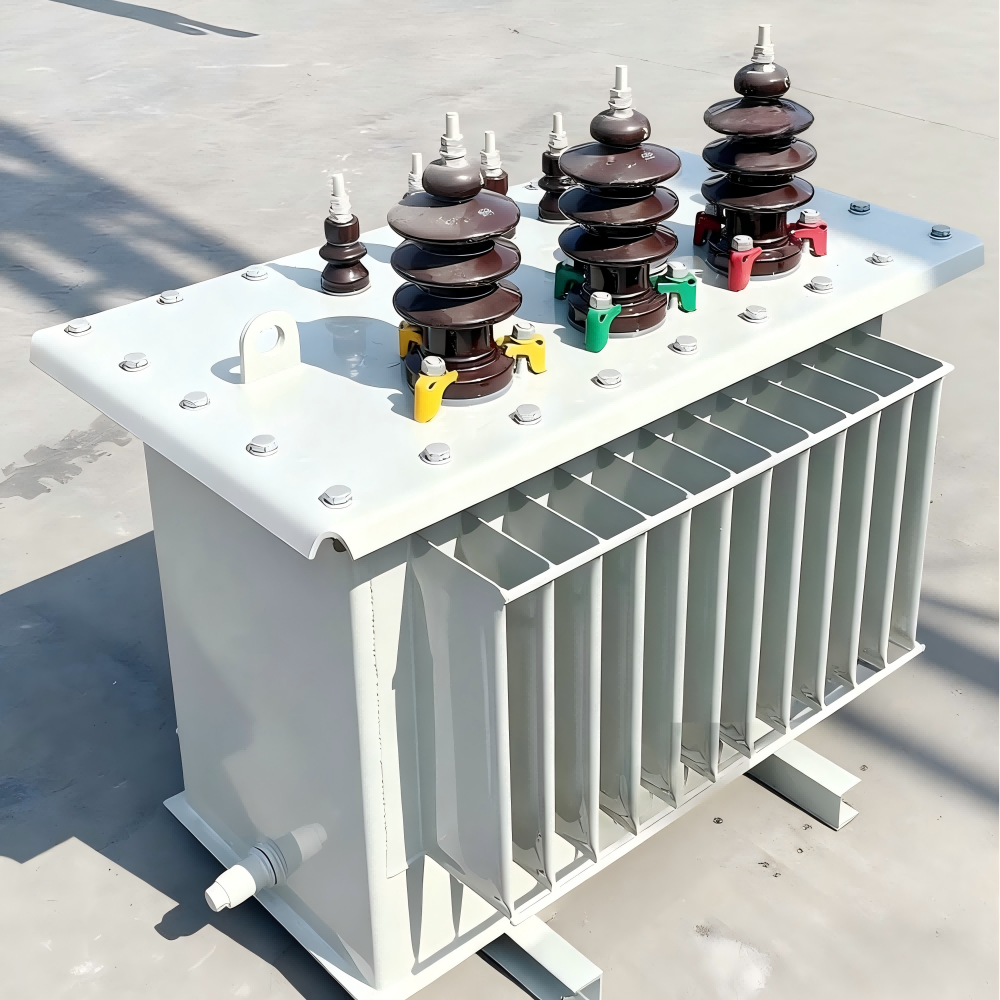
C CE MV&HV 30-31500KVA 6KV 10KV 15KV 20KV 35KV S11 Three Phase Oil Transformer for Electric Power Distribution
S11 three-phase oil transformer covering 30–31,500 kVA and 6–35 kV distribution duties. It provides a loss and impedance benchmark when a project is split between outdoor oil-immersed equipment and indoor epoxy cast transformers.
View product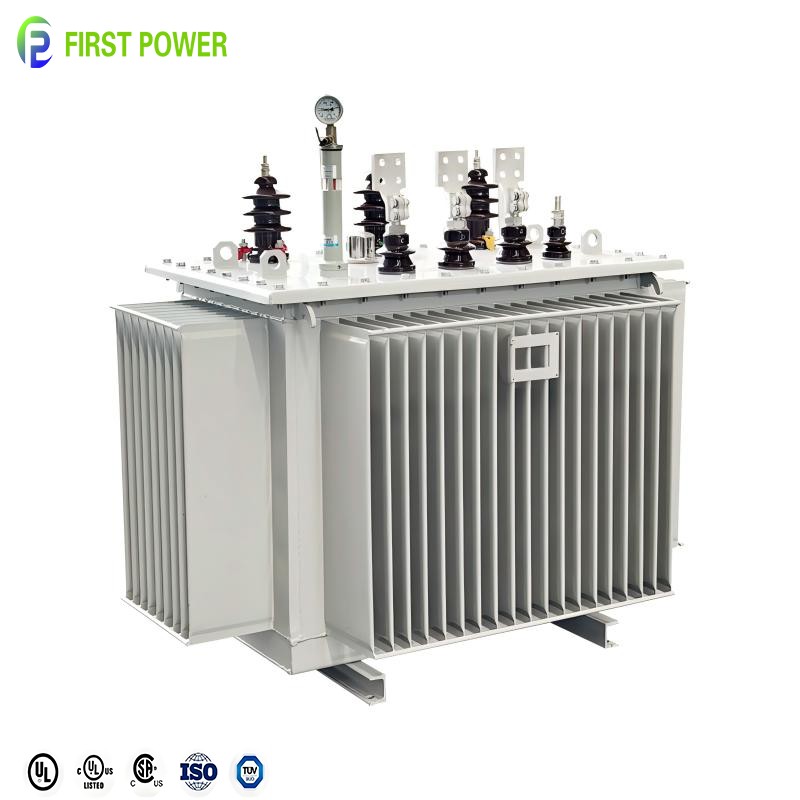
C CE 50/60HZ 100KVA 300KVA 500KVA 630KVA 1000KVA 10KV 20KV 35KV 3 Phase Oil Immersed Power Transformer for Power Supplies
Oil-immersed three-phase power transformer for 100–1,000 kVA, 10/20/35 kV supplies. A robust option for industrial power rooms and distribution networks where an epoxy cast transformer is specified only for fire-sensitive indoor zones.
View productProcurement Data Buyers Can Audit
Wisegj’s claims are supported by third-party inspection, certificate numbers and factory acceptance documentation. These figures give overseas buyers a fast way to pre-qualify the supplier before a technical review.
The 2025–2030 Buyer’s View: Why Epoxy Cast Transformers Are Moving from Niche to Mainstream
Epoxy cast resin transformers are no longer specified only for hospitals and high-rise buildings. Data centers, renewable interconnections, metro systems, EV charging hubs and urban substations are pushing procurement teams to compare fire safety, partial-discharge performance, loss evaluation and whole-life cost in one decision model.
Life-cycle cost wins
Loss capitalisation, maintenance access and outage risk often outweigh a low initial quote. Ask for guaranteed no-load and load losses, evaluation formulae and a 20-year cost model.
Compliance evidence
IEC 60076-11, IEEE C57.12.01 and local grid codes require more than a certificate image. Request routine test reports, partial-discharge records, temperature-rise type tests and material declarations.
Factory acceptance data
Witness testing, calibrated instruments, serial-number traceability and digital test reports reduce commissioning risk for EPC contractors and utility QA teams.
Supply resilience
Dual sourcing, spare-part availability, drawings in English and a 24-hour engineering response are becoming scoring criteria, not afterthoughts.
Illustrative procurement weighting in mature tenders
Leading buyers do not award on unit price alone. A typical technical-commercial evaluation may weight first cost, guaranteed losses, compliance evidence and service readiness as shown below.
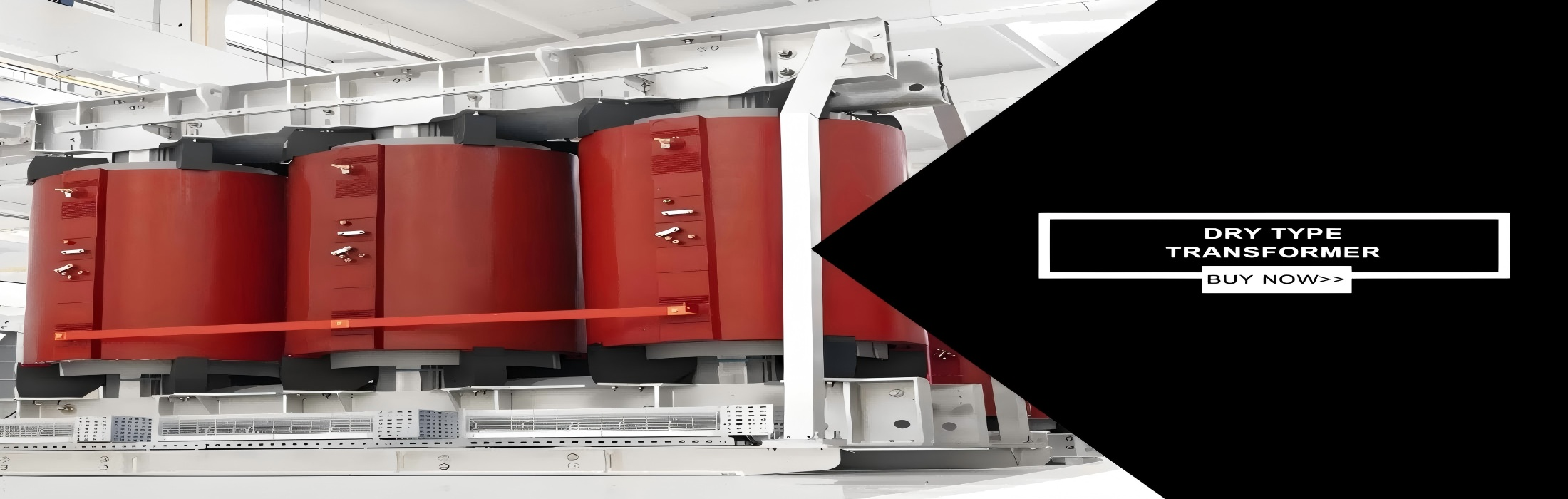
Epoxy cast resin dry type transformers are specified for indoor safety, fire-sensitive zones and low-maintenance operation.
What to Verify in a China Epoxy Cast Transformer Manufacturer
An epoxy cast transformer is only as reliable as its resin system, winding process and factory test discipline. When comparing China-based manufacturers and wholesalers, ask for evidence before approving a supplier. A low quotation without verified loss data, partial-discharge records and traceable test reports creates hidden commissioning risk.
- Manufacturer status, production floorspace and third-party inspection evidence
- Routine and type-test reports linked to the serial number
- Guaranteed losses, impedance, temperature rise and noise data
- Enclosure IP rating, ventilation, cable entry and site altitude review
- Export packing, drawings, nameplate language and after-sales response
Resin and insulation class
Confirm the epoxy system, Class F or H thermal rating, creepage distance and compatibility with the specified altitude and ambient temperature.
Partial-discharge control
Low partial discharge depends on winding tension, resin curing and clean production. Ask for routine PD values and trend records, not a generic statement.
Thermal design
Review temperature-rise calculations, fan-cooling options and overload capability against the real duty cycle rather than nameplate kVA alone.
Enclosure and IP rating
Indoor dry type units still need correct clearance, ventilation and cable termination. Outdoor enclosures require corrosion class, solar load and security review.
Loss guarantees
Guaranteed no-load and load losses should be stated in the quotation and verified in routine tests. Include penalties or evaluation formulae where required.
Documentation and traceability
Require GA drawings, nameplate drafts, test reports, O&M manuals and packing lists in English, with serial-number links for every unit.
Future Procurement Trends for Epoxy Cast and Distribution Transformers
Procurement is shifting from catalogue purchasing to risk-managed sourcing. Utilities, EPCs and industrial buyers want documented performance, predictable lead times and suppliers who can support the asset through commissioning and operation.
Total cost of ownership
Expect loss capitalisation, maintenance and outage costs in tender scoring. Suppliers that provide verified loss data and life-cycle assumptions move to the shortlist faster.
Local code harmonisation
Projects increasingly combine IEC, ANSI/IEEE and national grid requirements. A manufacturer must show prior approvals and test reports for the destination market.
Traceable compliance
QR-linked test reports, material certificates and digital nameplates are replacing paper-only documentation in utility and data-center supply chains.
Predictable lead times
Buyers are booking capacity earlier and asking for milestone visibility from winding to factory acceptance testing, not only shipment dates.
Product Development Trends: Efficiency, Safety and Digital Readiness
Transformer design is evolving around higher efficiency, lower fire risk, compact footprints and easier integration with digital substation systems.
Eco-friendly insulation options
Natural ester fluids and recyclable cast resin systems are being evaluated for fire-sensitive and environmentally restricted sites.
Low-loss core and winding design
CRGO, amorphous cores and optimised winding configurations target lower no-load and load losses under tightening efficiency rules.
Smart monitoring readiness
Temperature sensors, partial-discharge monitoring and dissolved-gas analysis interfaces are becoming optional specification items for critical substations.
Compact, prefabricated packages
Epoxy cast transformers are increasingly paired with compact substations, switchgear and digital protection relays to reduce site labour.
Match the Transformer Type to the Site Condition
Use this matrix to align transformer type with the installation environment, not only the kVA rating. It is particularly useful when an epoxy cast transformer is preferred for indoor safety but an oil-immersed or pad-mounted unit remains the better choice for outdoor distribution.
| Application | Recommended unit | Why it fits | Procurement check |
|---|---|---|---|
| Hospital / high-rise | Epoxy cast dry type | No flammable oil, low maintenance, suitable for indoor plant rooms | Partial discharge, noise, IP rating, fire strategy |
| Data center | Cast resin or compact substation | High reliability, indoor safety and fast modular deployment | Loss evaluation, redundancy, thermal monitoring |
| Solar / wind | Pad-mounted or compact substation | Outdoor installation and rapid grid interconnection | Grid code, corrosion class, enclosure and protection |
| Industrial plant | Oil-immersed or cast resin | Load profile, harmonics and ambient conditions drive selection | OLTC, impedance, altitude, duty cycle |
| Utility distribution | S11 oil-immersed or pad-mounted | Proven loss and efficiency performance for public networks | Routine tests, vector group, loss guarantees |
| Underground commercial | Pad-mounted transformer | Tamper-resistant enclosure with underground cable access | Loop feed, dead-front design, insulating fluid |
Ratings and configurations are project-specific. Share the site altitude, ambient temperature, grid code and loss target with our engineering team for a compliant recommendation.

Jiangsu Wisegj Power Co., Ltd. — transformer and substation production, engineering and export support from Suzhou, China.
Why Wisegj Is a Credible China Epoxy Cast Transformer Manufacturer & Wholesale Partner
Jiangsu Wisegj Power Co., Ltd. designs, assembles and exports medium and high voltage equipment from 220 V up to 500 kV. The portfolio covers power transformers, distribution transformers, pad-mounted transformers, dry type transformers, compact substations, switchgear, distribution boxes and voltage stabilizers. For epoxy cast transformer enquiries, our engineers review the insulation system, thermal design, enclosure, loss target and destination standard before quotation.
Our team brings more than 20 years of hands-on transformer experience. Production runs under ISO 9001 quality control, with ISO 14001 and ISO 45001 management systems, CE certificates for listed product families and a TÜV Rheinland onsite verification of production capability. Wisegj has served Fortune 500 companies and supports OEM, ODM and design-based customization with 24-hour pre-sale and after-sale response.

Production capability, floorspace and quality inspection verified onsite by TÜV Rheinland, an independent third-party inspection body.
Verified factory capacity
6,847 m² of inspected production floorspace with dedicated winding, core assembly, drying, tanking and test areas.
In-house testing
Ratio, resistance, loss, impedance, dielectric and oil BDV tests are documented for each serial number, with third-party witness inspection welcome.
50+ engineers
A technical team covering R&D, drawings, testing and after-sales support, with more than 20 years of transformer experience.
211 supply partners
Qualified sources for silicon steel, copper, bushings and accessories help stabilise lead times and material quality.
OEM / ODM customization
Ratings, vector group, impedance, taps, bushings, cooling, enclosure colour and nameplate language can be adapted to tender requirements.
24-hour response
Technical questions and after-sales issues receive a qualified reply within one working day, with export documents and O&M manuals in English.
ISO 9001
Quality management system · No. 62824Q6052R0S · 2024–2027
ISO 14001
Environmental management system · No. 62824E6053R0S · 2024–2027
ISO 45001
Health & safety management system · No. 62824S6054R0S · 2024–2027
CE product families
Oil-immersed power transformer No. 3N230310.JYTU038 · Dry type No. FQC2530404 · Compact substation No. M.2025.206.C121884

Assembly workshop with controlled production checkpoints.

Testing laboratory for routine and dielectric verification.
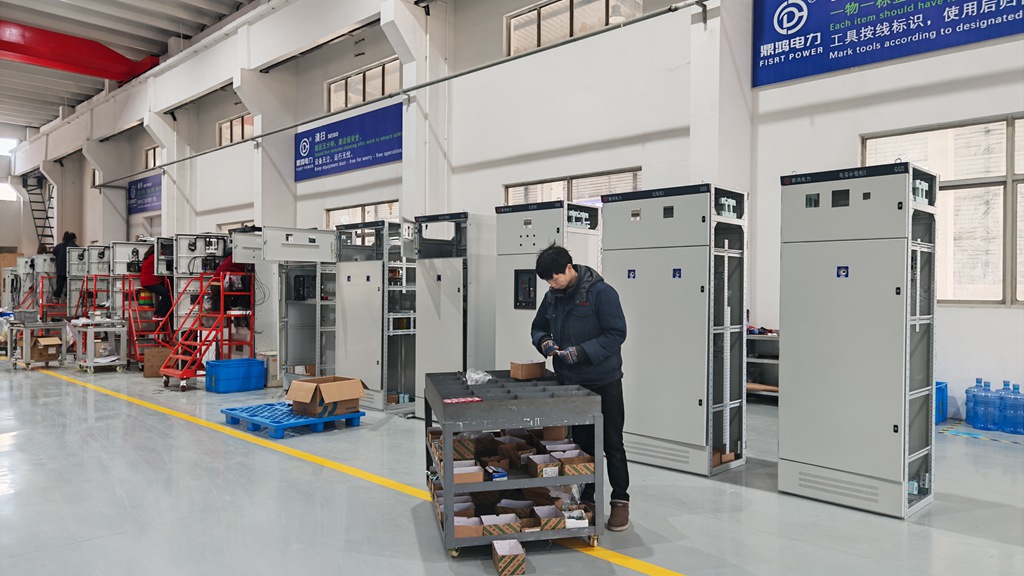
Export packing and loading for overseas projects.
Questions Buyers Ask Before Ordering an Epoxy Cast Transformer
Straight answers from the engineering and export teams help procurement teams shortlist faster and avoid clarification delays.
Are you an epoxy cast transformer manufacturer or a trading company?
What capacity and voltage range can you quote for epoxy cast transformers?
Which standards do you design and test to?
What factory tests are performed before shipment?
Can transformers be customized for my project?
What is the typical lead time and minimum order quantity?
What trade terms and payment methods do you accept?
How do I request a catalogue and technical proposal?
Request the 2025 Epoxy Cast Transformer Catalogue
Send your project data sheet or tender documents. A transformer engineer will review the specification, standards, loss target and delivery schedule, then respond within one working day.