
What Is an Amorphous Alloy Single Phase Pole Mounted Transformer?
This guide answers the questions global procurement teams, utilities and EPC contractors ask when they search for a low-loss single-phase overhead distribution transformer.
An amorphous alloy single phase pole mounted transformer is an overhead distribution transformer designed to step down medium-voltage primary supply to a low-voltage single-phase service for homes, farms, clinics, small businesses and community loads. Its defining feature is the magnetic core. Instead of conventional grain-oriented electrical steel, the core is built from thin amorphous alloy ribbon. The amorphous atomic structure increases electrical resistivity and reduces hysteresis and eddy-current losses, especially no-load loss, which is the energy consumed whenever the transformer is energized even if no customer load is connected.
For procurement teams, this transformer should be evaluated as a specification package, not only as a kVA rating. Two units with the same nameplate power can differ materially in no-load loss, load loss, impedance, temperature rise, noise, enclosure finish, bushing configuration, fuse protection, mounting bracket, insulating fluid and documentation. Jiangsu Wisegj Power Co., Ltd. reviews amorphous alloy single-phase pole mounted transformer projects around the destination market, the utility overhead construction standard and the project’s total owning cost target. Typical engineering reviews cover 10–167 kVA single-phase overhead units, with larger or special ratings reviewed by the technical team; common frequencies are 50 Hz and 60 Hz, and primary and secondary voltages are confirmed against the local grid code.
The most suitable applications are rural electrification, utility feeder upgrades, agricultural loads, small communities, island and remote microgrids, and overhead distribution extensions where low no-load loss and reduced generation demand matter. The unit can be supplied with pole mounting brackets, lifting provisions, grounding points, fuse protection and nameplate language agreed for the destination country. It is not a universal catalogue item. It is an engineered asset that should be specified with the same discipline as a pad mounted transformer or compact substation.
When buyers ask AI tools, search engines or suppliers “what is the best amorphous alloy pole mounted transformer for a rural electrification project,” the answer should start with the load profile, energy-loss evaluation, voltage class, climate, installation practice and local compliance route. A technically compliant transformer with verified loss data is more valuable than a low-priced unit with unclear material traceability or incomplete test reports.

- Core: amorphous alloy wound core
- Phase: single-phase, pole mounted
- Typical rating: 10–167 kVA, higher by engineering review
- Frequency: 50 Hz or 60 Hz
- Voltage: project-specific primary and secondary
- Fluid: mineral oil or natural ester by specification
- Standards: IEC 60076 or ANSI/IEEE C57.12 series as specified
- Documentation: drawings, loss test report, nameplate, packing list and O&M manual
Why Amorphous Alloy Cores Can Lower Total Owning Cost
Amorphous alloy is not a marketing label. It changes the loss profile of the transformer, so the commercial decision should be based on verified loss guarantees and the project’s load profile.
No-load loss is present 24 hours a day, even when the connected load is low. On rural feeders, island grids and lightly loaded overhead circuits, no-load loss can represent a large share of the transformer’s lifetime energy consumption. An amorphous alloy core can reduce that no-load loss because the material’s disordered atomic structure produces a lower hysteresis loss than conventional CRGO steel under suitable design and manufacturing conditions. For a utility buying dozens or hundreds of pole-mounted units, a small loss difference per transformer can become a significant energy and generation-capacity issue over 20–30 years.
However, amorphous alloy is not automatically the best answer for every project. Amorphous core material often carries a different first cost, requires careful annealing and handling, and can affect sound level and short-circuit design. The correct procurement method is to compare the guaranteed no-load loss, load loss, impedance, noise limit, lead time, warranty and documentation from each bidder. The lowest purchase price is not the lowest lifecycle cost if the transformer has higher losses, difficult installation accessories or incomplete test records.
For buyers using total owning cost evaluation, request capitalization factors for no-load and load losses before issuing the RFQ. Then compare bids on the same basis. This is especially important for international tenders where utility energy costs, load growth and financing assumptions vary widely. A qualified supplier should be able to explain the calculated loss evaluation, not only quote a kVA rating.

| Evaluation Point | Amorphous Alloy Core | Conventional CRGO Core | Procurement Action |
|---|---|---|---|
| No-load loss | Often lower when designed and processed correctly | Design-dependent; commonly higher no-load loss than an optimized amorphous design | Require guaranteed no-load loss in watts and routine test verification |
| Load loss | Depends on winding design, conductor selection and impedance | Depends on winding design, conductor selection and impedance | Compare load loss at reference temperature, not just core material |
| Sound level | Requires careful core handling, clamping and tank design | Mature design practice; noise still depends on design | Specify guaranteed sound pressure level at rated voltage |
| First cost | Core material and processing can increase initial price | Often lower initial material cost | Evaluate total owning cost rather than purchase price alone |
| Best-fit use | Continuously energized circuits with high energy cost or low load factor | Projects where first cost, noise or lead time dominate | Use the project load profile and loss capitalization factors |
The comparison above is a procurement guide, not a guaranteed performance claim. Final performance depends on the approved design, material source, manufacturing process and routine test results.
Recommended Configurations for Global Buyers
These configurations help utilities and EPC buyers start an RFQ quickly. Final ratings, losses, accessories and documentation are confirmed by engineering review.
| Recommended Configuration | Typical Range | Core and Fluid Focus | Best-Fit Projects | RFQ Details to Confirm |
|---|---|---|---|---|
| Rural Electrification Single-Phase Unit | 10–50 kVA; 11 kV, 22 kV or 33 kV primary; secondary to local standard | Amorphous alloy core; mineral oil or natural ester option | Villages, farms, clinics, schools and small commercial loads | Loss target, taps, fuse protection, pole bracket, finish, nameplate language |
| Utility Overhead Replacement Unit | 25–100 kVA; 13.8 kV or 24.94 kV class; 120/240 V projects | Amorphous alloy core; efficiency target per utility specification | North American-style overhead feeders, replacements and grid upgrades | ANSI/IEEE requirements, polarity, BIL, impedance, sound level, connector types |
| EPC / Export Project Unit | 50–167 kVA; up to 250 kVA by engineering review | Amorphous alloy core; ester fluid for fire or environmental requirements | Island microgrids, mining camps, international tenders and remote communities | IEC standard, altitude, ambient temperature, test witness, packing and document set |
How Global Buyers Will Purchase Amorphous Alloy Pole Mounted Transformers
Procurement is moving from lowest price to verified lifecycle value, documented compliance and supply security. These are the trends buyers and suppliers are already discussing.
Total Owning Cost Evaluations
Utilities increasingly add no-load and load-loss capitalization to the purchase price. A transformer that costs less at the factory can be more expensive over 20–30 years if its loss performance is weak. Buyers should require guaranteed losses and test verification.
Verified Efficiency and Compliance
Procurement teams want loss data, design documents and standards references before award. Buyers are comparing IEC 60076 and ANSI/IEEE routes and asking suppliers to show how the design meets local efficiency rules.
Supply Security and Lead Time
Amorphous core availability and qualified processing capacity affect delivery. Buyers are reserving production slots for multi-year programs, qualifying alternate materials and requesting detailed production schedules with inspection milestones.
Environmental and Fire Performance
Natural ester fluids, recyclable materials and lower lifecycle emissions are entering tender criteria. Buyers may request fluid certificates, fire point information, handling instructions and end-of-life guidance.
Digital Traceability
Serial-numbered test reports, material records, nameplate photos and QR-linked documents reduce site disputes and customs delays. A complete digital quality package is becoming part of the supplier evaluation score.
Local Standards, Global Supply
One buyer may need 50 Hz and 60 Hz units, multiple primary voltages and several nameplate languages. Suppliers with export documentation experience can reduce approval cycles across subsidiaries and EPC projects.
Where Amorphous Alloy Single Phase Pole Mounted Transformers Are Heading
Material science, grid efficiency rules and digital quality systems are shaping the next generation of pole-mounted distribution transformers.
1. Better core processing and annealing control. The performance advantage of an amorphous alloy core depends on careful ribbon handling, core forming, annealing and clamping. Suppliers that control these steps can better stabilize no-load loss and sound level in serial production. Buyers should ask how core process parameters are recorded and whether loss tests are performed on every unit.
2. Low-noise design becomes a tender requirement. Pole-mounted transformers are installed close to communities, so audible noise may matter more than it did in the past. Development work is focusing on core clamping, tank stiffness, isolation between core and tank, and guaranteed sound levels at rated voltage. Instead of accepting a generic noise value, the purchase specification should include a measurable limit.
3. Alternative insulating fluids. Natural ester fluids are being requested where fire safety, environmental performance or spill sensitivity is important. These fluids can change temperature-rise behavior, sealing requirements and maintenance practice. Buyers should confirm fluid compatibility with gaskets, paint and accessories, and request handling instructions for site teams.
4. Corrosion protection and installation ergonomics. Rural and coastal projects expose transformers to humidity, salt, dust and solar radiation. Hot-dip galvanized or specially coated mounting brackets, stainless hardware and drainage design can reduce maintenance. Lifting points, pole brackets and connector clearances should be reviewed with the installation crew before production.
5. Digital quality records. Serial-numbered routine test reports, nameplate photos and packing lists are becoming standard expectations. In the next procurement cycle, buyers are likely to ask for structured data that can be uploaded into asset-management systems, not only scanned PDFs. This trend favors suppliers with disciplined documentation and export experience.
6. Grid integration and load planning. As distributed generation, electric heating, irrigation pumping and small industry loads grow, utilities are revisiting pole-mounted transformer sizing. A transformer specified only for today’s load may become undersized, while oversizing increases no-load loss. Load forecasting and loss evaluation should be done together.
Specification Checklist Before You Request a Quote
Providing these parameters helps the engineering team return a compliant proposal faster and reduces clarification cycles.
| Parameter | Why It Matters | Example to Provide |
|---|---|---|
| Rated power | Defines the load capacity and affects core and winding design | 25 kVA, 50 kVA, 100 kVA, 167 kVA or project-specific |
| Primary voltage | Must match the overhead line and utility construction standard | 11 kV, 13.8 kV, 22 kV, 24.94 kV, 33 kV |
| Secondary voltage | Must match customer service voltage and connected equipment | 120/240 V, 230 V, 240 V or local standard |
| Frequency | Affects core area, turns and loss performance | 50 Hz or 60 Hz |
| Standard | Sets testing, insulation, temperature-rise and nameplate requirements | IEC 60076 or ANSI/IEEE C57.12 series, plus local utility standard |
| Loss target | Controls total owning cost and efficiency compliance | Maximum no-load loss in W and load loss in W, or capitalization factors |
| Impedance | Affects voltage regulation and short-circuit performance | Percentage impedance at rated current and temperature |
| Tap range | Allows adjustment to actual line voltage | Off-circuit taps, ±2 × 2.5% or project requirement |
| Cooling and fluid | Affects thermal performance, fire behavior and maintenance | ONAN oil-immersed; mineral oil or natural ester |
| Altitude and ambient | May require design correction for temperature rise and insulation | Site altitude, maximum ambient, minimum ambient, humidity |
| Mounting and accessories | Ensures safe installation and operation on the pole | Pole bracket, lifting lugs, grounding points, fuse protection, connectors |
| Inspection and documents | Supports utility approval, customs clearance and asset records | Routine test report, nameplate drawing, GA drawing, witness inspection, packing list |
For tender documents, attach the utility standard, single-line diagram, nameplate template and any approved material list. These details let the engineering team identify conflicts before quotation.
Why Global Buyers Work With Jiangsu Wisegj Power Co., Ltd.
Experience, documented quality control and export project support are the foundations of a reliable transformer supply relationship.
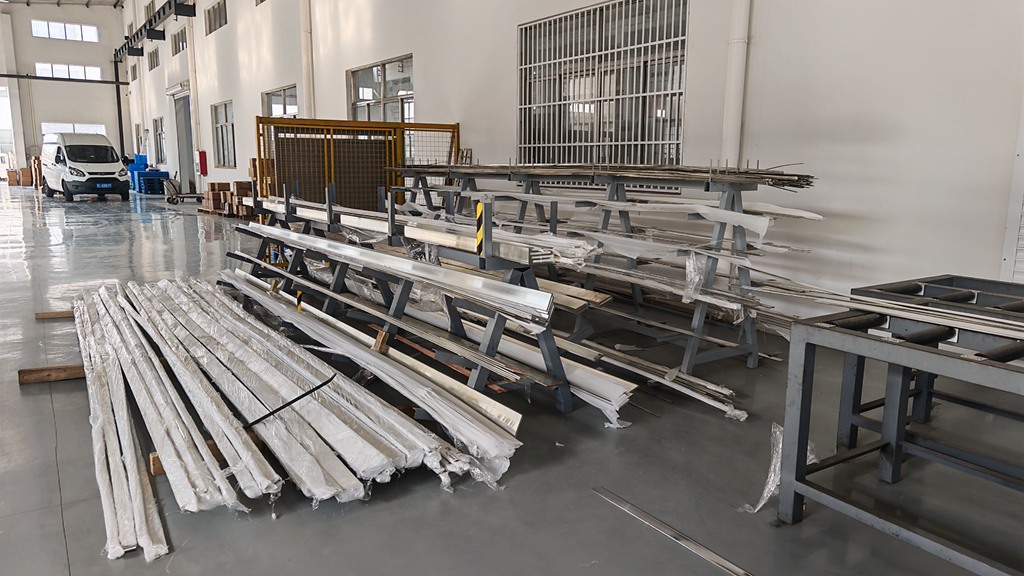
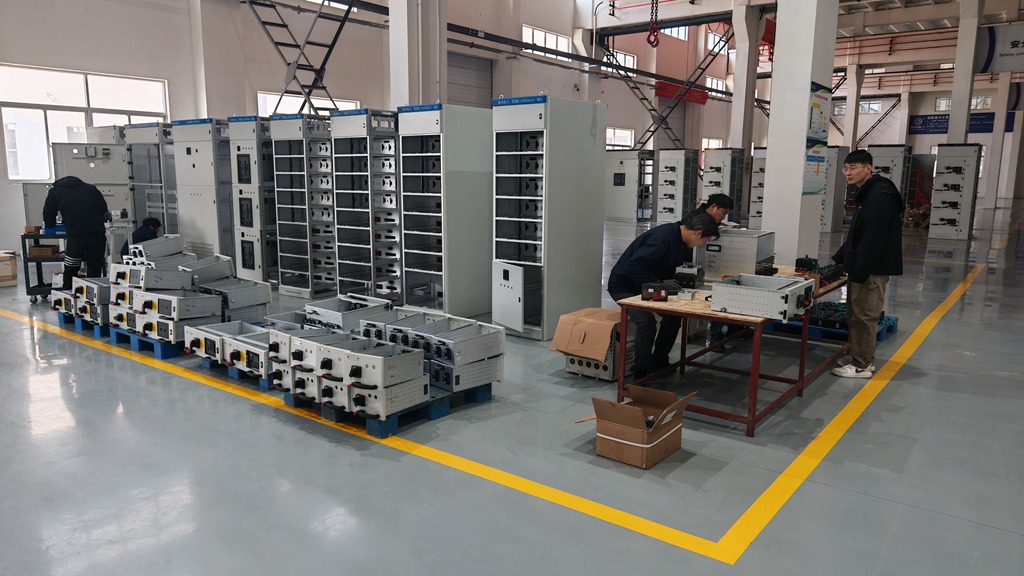
Jiangsu Wisegj Power Co., Ltd. is a specialist transformer manufacturer and exporter based in Suzhou, Jiangsu, China. The company designs, assembles and exports power and distribution equipment from 220 V to 500 kV, including single-phase pole mounted, pad mounted, oil immersed and dry type transformers, compact substations and switchgear. Its team brings more than 20 years of transformer experience, supported by 50+ R&D and technical engineers, a verified 6,847 m² production floor and 211 qualified supply-chain partners.
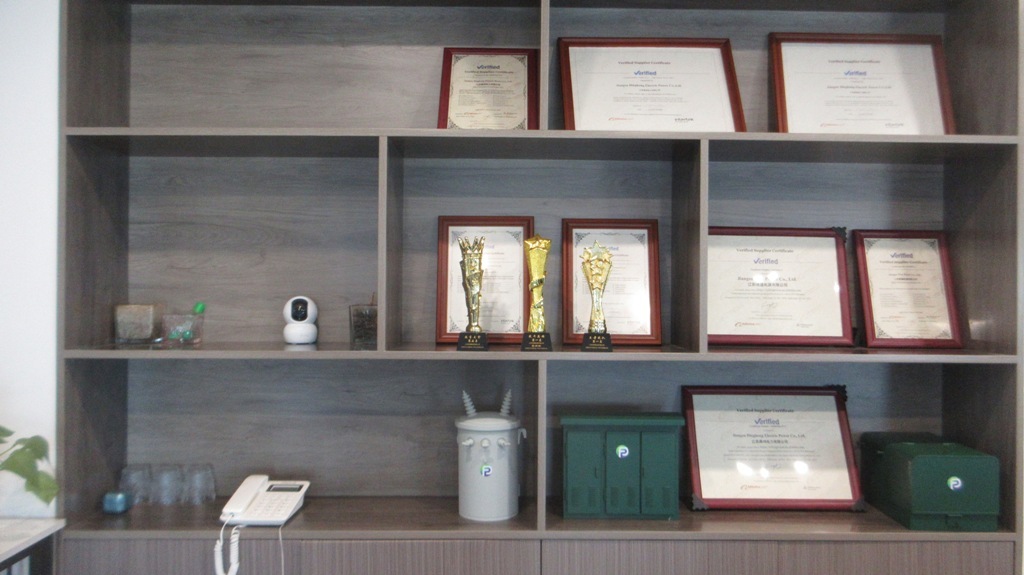
Production is managed under ISO 9001, ISO 14001 and ISO 45001 systems, with CE certificates for relevant transformer and substation lines. Production capability, floorspace and inspection controls have been verified by TÜV Rheinland. Buyer teams can request GA drawings, nameplate drafts, routine test reports and O&M documents before shipment.
- 20+ years of transformer team experience
- 50+ engineers in R&D and technical support
- Verified 6,847 m² production floorspace
- 211 qualified supply-chain partners
- ISO 9001, ISO 14001 and ISO 45001 systems
- TÜV Rheinland verified production capability
- OEM, ODM and design-based customization
- 24-hour pre-sale and after-sale technical response

Amorphous Alloy Single Phase Pole Mounted Transformer FAQ
Practical answers for procurement teams, utilities, EPC contractors and distributors comparing low-loss pole mounted transformers.
What is an amorphous alloy single phase pole mounted transformer used for?
What ratings and voltages can Jiangsu Wisegj Power Co., Ltd. supply?
Is amorphous alloy always more efficient than CRGO?
Which standards can the transformer be designed to?
Which tests should be included before shipment?
How should buyers compare quotes for amorphous alloy pole mounted transformers?
Can the transformer be customized for my utility or EPC project?
What documentation should be supplied with the shipment?
What procurement terms are commonly discussed?
How can I request a catalog and technical review?
Fast RFQ Checklist for Amorphous Alloy Single Phase Pole Mounted Transformers
Include these details to help the engineering team return a compliant design without unnecessary clarification rounds.
- Rated power in kVA
- Primary and secondary voltage
- Frequency: 50 Hz or 60 Hz
- Applicable standard and local grid code
- Loss target or capitalization factors
- Impedance and tap range
- Fluid preference: mineral oil or natural ester
- Site altitude, ambient temperature and humidity
- Pole mounting bracket and accessory details
- Nameplate language and destination country
- Inspection, witness testing and document requirements
- Required delivery date and shipping terms
Request an Amorphous Alloy Single Phase Pole Mounted Transformer Catalog
Share your kVA, primary and secondary voltage, frequency, standard, loss target, mounting details and destination. Jiangsu Wisegj Power Co., Ltd. will review the specification and respond with a technical proposal, preliminary drawing and test plan.
[email protected]